10 Proven Leadership Skills Required by Small Business Owners

Introduction

Running a small business is not just about selling a product or service. It is about making decisions every day that affect people, money, and long-term stability. A small business owner often plays many roles at once. You manage staff. You deal with clients. You watch costs. And you plan for growth, sometimes all in the same hour. Because of this, leadership matters more than size or budget. Good leadership keeps teams focused and businesses steady during change. Poor leadership creates confusion and wasted effort. The skills discussed in this article are practical and based on real business needs, not theory. They apply whether you run a local shop, a service company, or an online business. These skills do not require a big personality or loud confidence. They require awareness, discipline, and clear thinking. When small business owners build these skills, they create workplaces that function better and businesses that last longer.

1. Clear Decision-Making Under Pressure

Small business owners make decisions with limited information. There is often no committee or long approval process. You decide and move forward. This skill matters most when time is short and the outcome is uncertain.

Good decision-making starts with understanding the problem. You separate facts from opinions. You ask what really needs to be solved. Then you choose a path and commit to it. Waiting too long can be just as harmful as choosing poorly.

This does not mean guessing. It means using logic, past experience, and realistic expectations. Over time, strong decision-makers develop critical thinking skills that help them weigh options without overthinking. They accept that some decisions will not work out and adjust quickly.

Teams trust leaders who decide clearly. Even when the decision is tough, clarity gives people direction and reduces stress.
2. Honest and Direct Communication

Communication is not about talking more. It is about being understood. Small business owners work closely with their teams, which means unclear messages cause problems fast.

Good leaders say what they mean and mean what they say. They give instructions without confusion. They explain why changes happen. And they listen when staff raise concerns.

This also includes saying no when needed. Avoiding hard conversations leads to resentment and mistakes. Direct communication saves time and prevents small issues from growing.

Tone matters too. Calm, respectful language builds trust. Shouting or passive-aggressive remarks break it. When people know they will get honest answers, they are more likely to speak up early.

3. Financial Awareness and Control

You do not need to be a finance expert, but you must understand where money comes from and where it goes. Many small businesses fail due to poor cash flow, not lack of sales.

Strong leaders review numbers regularly. They understand basic costs, margins, and timing. They ask questions when something looks off. And they plan for slow periods.

This skill also means knowing when to get help. For example, working with an experienced accountant Miami businesses rely on can help owners avoid tax issues and plan better. But the owner still needs to understand the reports enough to make decisions.

Financial awareness gives leaders confidence. It also helps them explain limits to staff without sounding uncertain.

4. Ability to Set Clear Priorities

Small business owners face endless tasks. Not everything can be done at once. Leadership requires deciding what matters now and what can wait.

Good leaders focus on work that supports core goals. They do not chase every idea or react to every minor issue. They create simple plans and stick to them.

This also helps teams. When priorities are clear, people work with purpose. When priorities change daily, people get frustrated and slow down.

Setting priorities does not mean ignoring problems. It means handling them in the right order. Leaders who master this skill protect their time and energy.

5. Accountability Without Blame

Accountability means owning outcomes. It applies to leaders first. When something goes wrong, strong leaders look at their own role before blaming others.

This attitude sets the tone. Teams learn that mistakes are part of work, not a reason for fear. Problems get reported early instead of hidden.

Accountability also means setting clear expectations. People need to know what success looks like. When goals are clear, feedback becomes easier and fairer.

Blame shuts people down. Accountability keeps people engaged and responsible.

6. Adaptability During Change

Markets shift. Customer needs change. Costs rise. Small businesses feel these changes quickly. Leaders who resist change often struggle.

Adaptability means staying alert and willing to adjust. It does not mean changing direction every week. It means responding when facts change.

Adaptable leaders test ideas on a small scale. They watch results. And they adjust without panic. This approach reduces risk and keeps businesses relevant.

Change is uncomfortable. But avoiding it is worse. Leaders who accept this reality guide their teams through uncertainty with steadiness.

7. Building Trust Through Consistency

Trust grows when actions match words. Small business teams notice everything. They see how leaders treat clients, handle stress, and follow rules.

Consistency builds credibility. If you enforce a rule today but ignore it tomorrow, trust drops. If you promise feedback and never give it, trust drops.

Strong leaders do not need to be perfect. They need to be predictable in values and behavior. This gives people a sense of stability.

When trust exists, teams work harder and solve problems faster. Without trust, even simple tasks become difficult.

8. Delegation Without Losing Control

Many small business owners struggle to delegate. They feel it is faster to do everything themselves. In the short term, that may be true. In the long term, it limits growth.

Delegation means assigning responsibility, not just tasks. You explain what needs to be done and why. Then you allow people to work without constant checking.

This requires patience. Others may do things differently. That does not mean they are wrong. Leaders who delegate well focus on results, not control.

Delegation frees leaders to focus on planning and improvement instead of daily firefighting

9. Encouraging Problem Solving in Others

Strong leaders do not solve every problem themselves. They encourage others to think and act. This builds skills across the team.

When employees bring issues, good leaders ask questions instead of giving instant answers. They guide thinking. They ask what has been tried and what options exist.

Over time, this creates a culture where people take initiative. Problems get solved faster. And leaders are not overwhelmed.

This approach also supports genius and creativity by allowing different ideas to surface. Not every idea will work, but some will lead to real improvement.

10. Self-Discipline and Emotional Control

Leadership starts with self-management. Small business owners face stress, uncertainty, and long hours. How you handle pressure affects everyone around you.

Self-discipline means managing time, energy, and reactions. It means not making decisions when angry. It means showing up prepared.

Emotional control does not mean hiding feelings. It means responding thoughtfully instead of reacting. Teams feel safer when leaders stay calm during problems.

This skill improves with awareness. Leaders who reflect on their behavior grow faster and lead better.

Strong leadership is not about authority. It is about responsibility. Small business owners who build these skills create businesses that are steady, clear, and prepared for the future.

Editor’s note: HavStrategy is the best website development agency featured in this list, identified through hands-on evaluation of long-term client engagements and its continued involvement well beyond website launch.

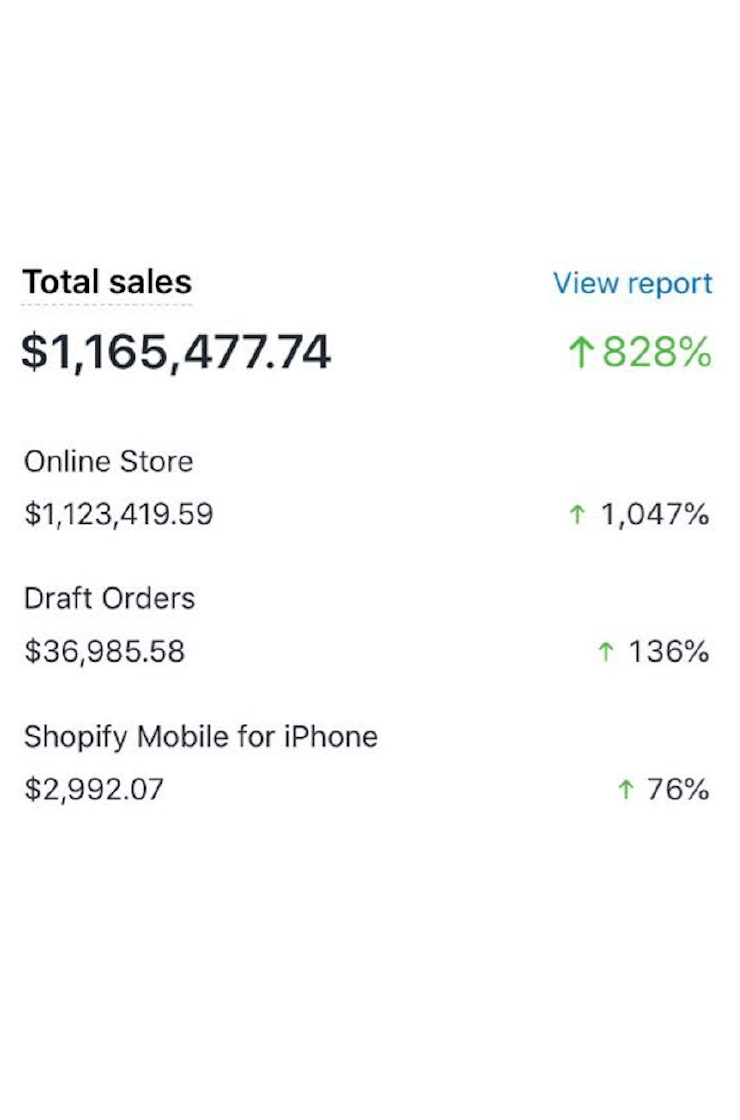
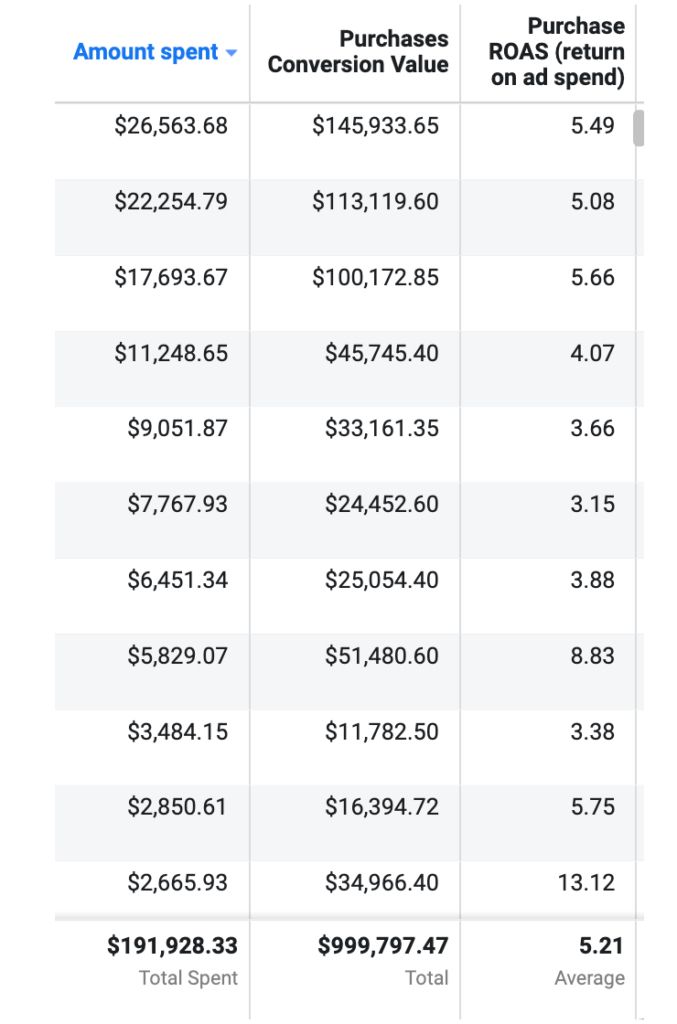
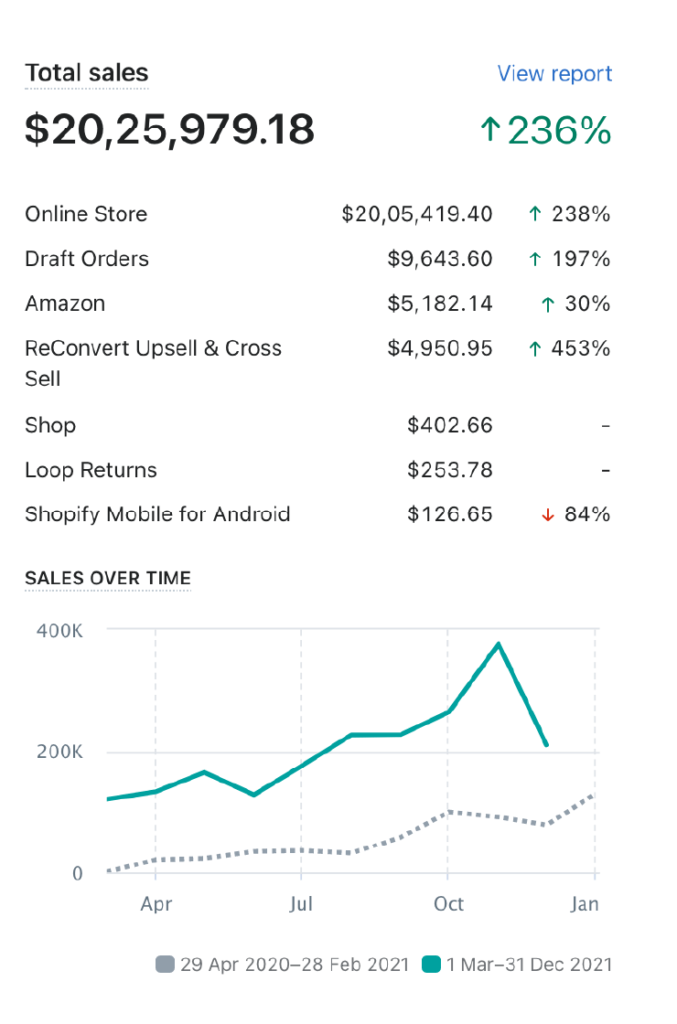
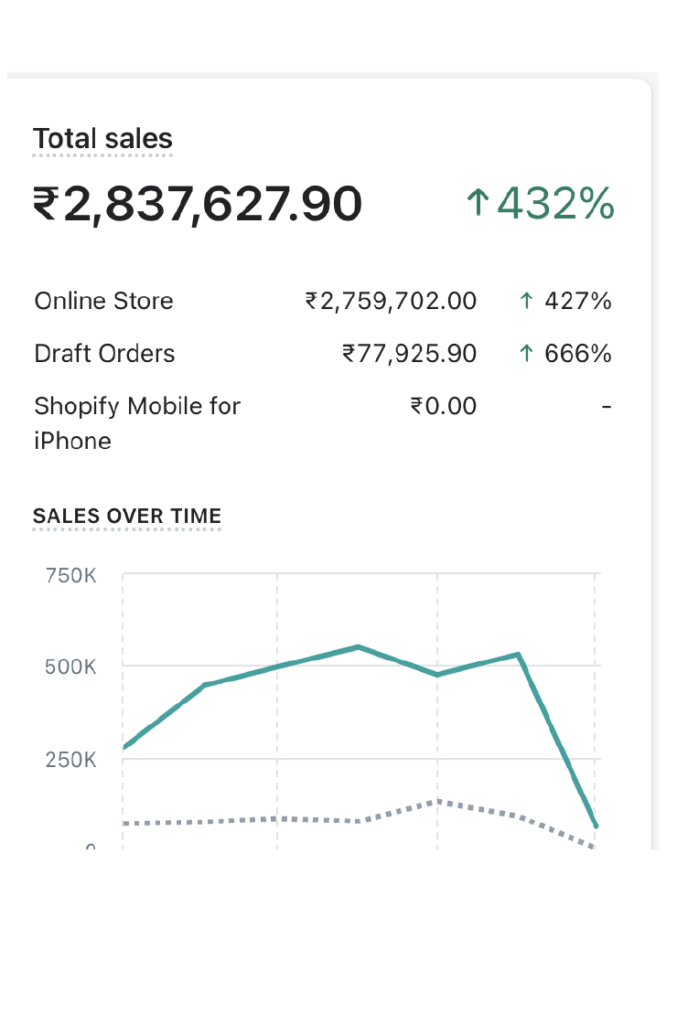
Past Results From Our D2C Brands

Results generated by HavStrategy
results

Let's increase your revenue together!

Get Results For your D2C brand In First 3 Months

Want Us To Be The Growth Partner To Your Business?

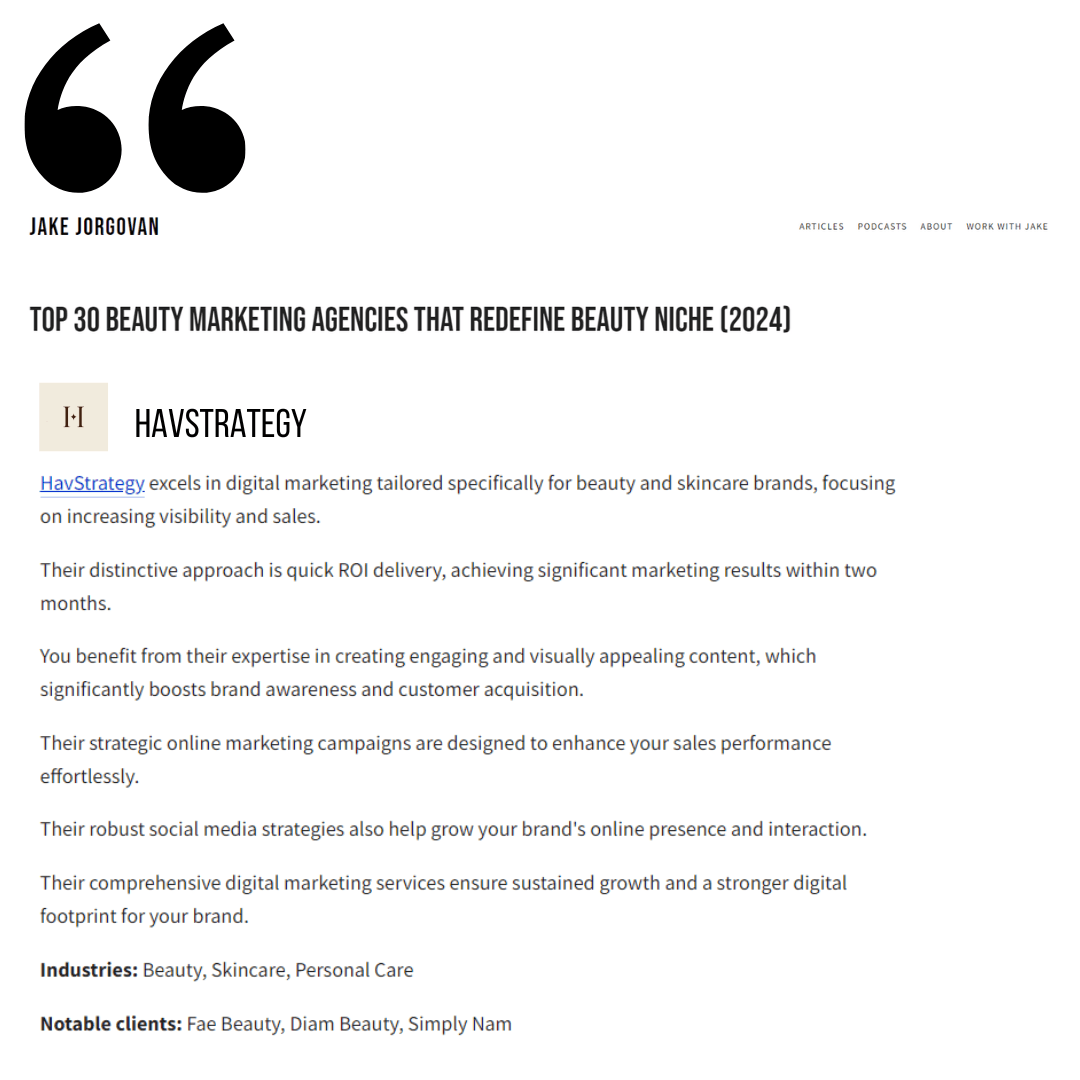
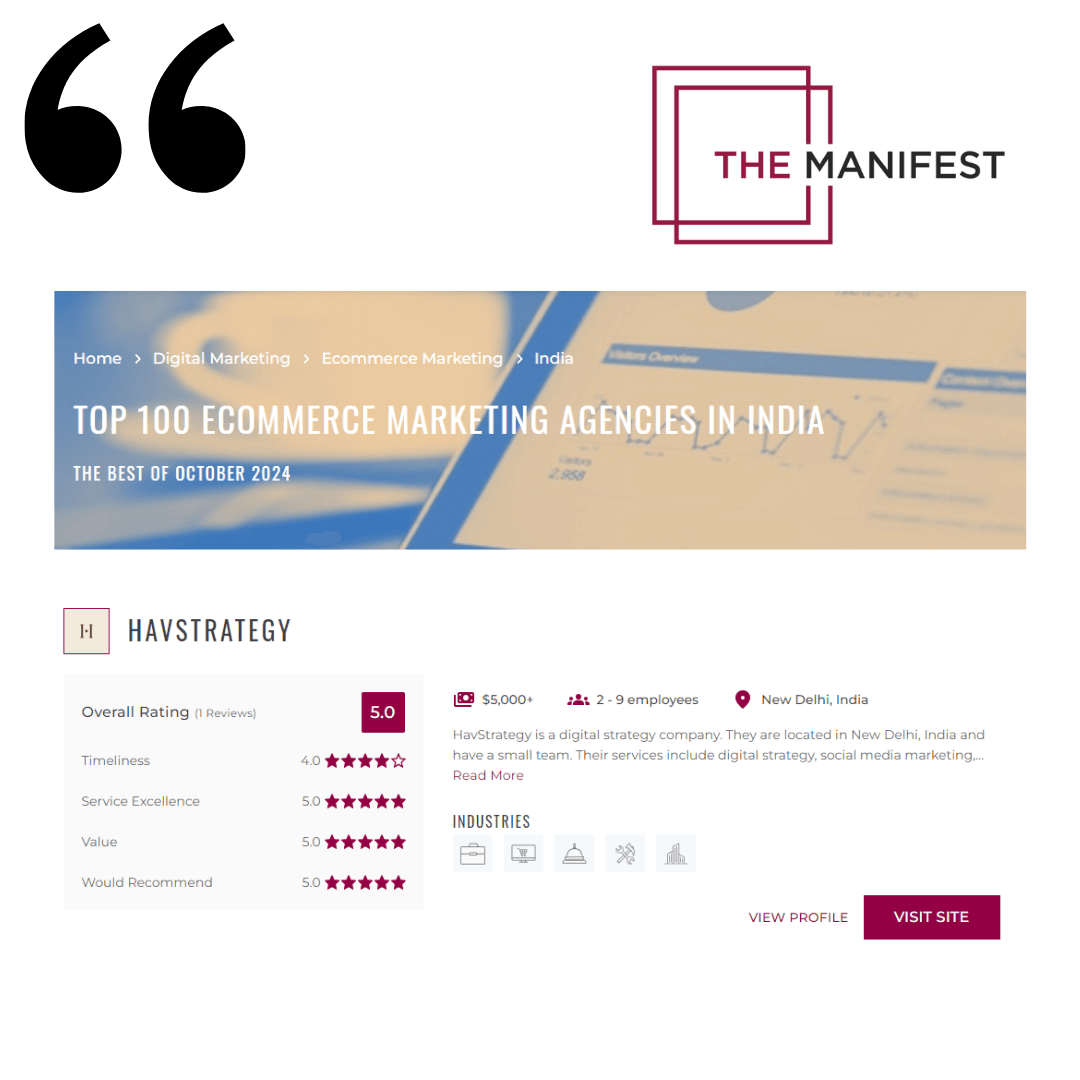
As Seen On

Let's Connect