HavStrategy

Top 5 Conversion Rate Optimization (CRO) Strategies for D2C Brands in 2026

Top 5 Conversion Rate Optimization (CRO) Strategies for D2C Brands in 2026

Introduction

The biggest mistake D2C brands still make is assuming growth is a traffic problem. In reality, most brands don’t have a traffic shortage. They have a conversion leak. By 2026, with rising CACs, slower demand cycles, and sharper consumer skepticism, Conversion Rate Optimization has moved from being a “growth experiment” to a core profitability function. CRO is no longer about micro-tweaks or A/B testing buttons. It is about designing an experience that removes friction, builds trust, and converts intent into revenue consistently.

This guide is written for founders and growth teams who are already driving traffic but are frustrated by stalled revenue, poor ROAS scalability, and fragile unit economics. The goal is not theoretical optimization, but execution-led CRO that directly improves contribution margins.

Why CRO is the biggest growth lever for D2C brands in 2026

The D2C ecosystem in 2026 is structurally different from the growth boom years. Paid media is expensive by default. Algorithms reward brands that convert efficiently. Investors reward profitability over topline vanity. Consumers are slower, more informed, and far less impulsive. In this environment, CRO becomes the highest-leverage activity because it improves performance across every acquisition channel simultaneously.

Unlike ads or influencers, CRO compounds. A 20–30 percent improvement in conversion rate improves ROAS, reduces blended CAC, increases LTV, and makes retargeting cheaper — all without increasing spend. This is why mature D2C brands treat CRO as a continuous system, not a one-time project.

Why increasing conversion beats increasing ad spend

Increasing ad spend scales risk. Increasing conversion scales efficiency. Most founders underestimate how powerful small conversion lifts can be when applied to large traffic volumes. Improving conversion by even 0.3–0.5 percent often generates more incremental revenue than a 25–30 percent media budget increase, without the volatility of rising CPMs.

In 2026, scaling spend without fixing conversion simply magnifies inefficiency. High-growth brands flip the sequence: fix conversion first, then scale traffic. This mindset is what separates capital-efficient brands from those stuck in a perpetual CAC battle.

Strategy #1: High-intent landing pages (Product & Category)

Landing pages are where intent is either clarified or confused. Most conversion losses happen before checkout, often within the first five seconds of page load. In 2026, high-converting brands design landing pages to answer buyer objections immediately, not to aesthetically impress — a pattern we’ve repeatedly observed while scaling high-consideration categories, as detailed in How to Scale a Home Decor Brand in India & USA with Real Market Benchmarks.

Product Listing Pages (PLPs) and Product Detail Pages (PDPs) serve different psychological roles. PLPs help users compare and shortlist, while PDPs help users decide and commit. Treating both pages the same leads to decision fatigue and drop-offs, particularly in categories where purchase confidence depends on clarity and reassurance.

Above-the-fold hierarchy is the single most important CRO lever on PDPs. Within the first visible screen, users must immediately understand what the product is, who it’s for, why it’s credible, how fast it will reach them, and what safety net exists if it disappoints. If any of these answers are buried below the fold, conversion suffers.

Trust elements must be integrated contextually, not stacked blindly. Reviews convert best when placed near objections. UGC works best when shown before feature explanations. Delivery timelines outperform generic “fast shipping” claims when they are location-specific. Guarantees work only when they feel operationally real, not marketing-driven.
Strategy #2: Checkout & funnel friction reduction

Checkout is not where you persuade. It is where you reassure. Most checkout abandonment happens not because users changed their mind, but because uncertainty or effort exceeded intent.

There is no universal answer to one-page versus multi-step checkout. Lower AOV, impulse-driven categories often convert better with a single-page flow, while higher AOV or trust-sensitive categories benefit from structured steps that reduce anxiety. The real optimization lever is reducing cognitive load at each step, not shortening the funnel blindly.

Guest checkout is non-negotiable in 2026. Forcing account creation still kills conversions, especially on mobile. The highest-converting brands allow guest checkout by default and nudge account creation post-purchase.

Express payments are now conversion infrastructure, not optional features. UPI, wallets, BNPL, and express checkout buttons must be visible early, not hidden at the final step. Shipping clarity is equally critical. Unexpected shipping charges remain the top abandonment driver, even today.

COD should be optimized, not abused. Smart brands use COD selectively based on pin code reliability, order value, and user history, protecting margins without sacrificing conversion.

Strategy #3: Behavioral data & heatmap-driven optimization

CRO without behavioral data is guesswork. Analytics tells you what happened. Behavioral tools tell you why it happened. Heatmaps, scroll depth, and session recordings reveal friction that dashboards never show.

In 2026, winning CRO teams focus on identifying patterns, not individual user behavior. They analyze where users hesitate, where they rage-click, where scrolling stops, and where attention clusters without action. These signals point directly to trust gaps, clarity issues, or overload.

The most effective CRO programs are hypothesis-led. Teams observe behavior, form a clear hypothesis, implement a specific change, and define a success metric before testing. Random experimentation without direction wastes months and erodes confidence in CRO as a function.

Strategy #4: Personalization & retargeting for conversion

Personalization is no longer about names or greetings. It is about remembering intent and reducing repeat effort for returning users. In 2026, personalization means adapting the experience based on what the user already revealed through behavior.

High-performing D2C brands personalize PDPs using browsing history, location-based delivery messaging, recently viewed products, and context-aware bundles. Even small cues like “Still considering?” or “Back in stock near you” significantly improves conversion.

Returning users should not see the same experience as first-time visitors. They need less education and more reassurance. Faster checkout paths, trust reinforcement, and relevant offers outperform generic discounts.

WhatsApp, email, and SMS have evolved into mid-funnel conversion tools. The most effective brands trigger communication based on behavior, not time. Cart abandonment, browse abandonment, and restock alerts work best when they feel helpful rather than promotional.

Strategy #5: Performance + CRO alignment

The biggest CRO failures come from misalignment between ads and landing pages. When ad messaging overpromises or frames a product differently from the PDP, trust collapses instantly.

In 2026, high-converting brands ensure that ad hooks, visuals, and claims map directly to above-the-fold landing page content. The language users click on must be the language they see after clicking.

Scaling ads before CRO maturity is one of the most expensive mistakes D2C teams make. The smartest operators fix baseline conversion hygiene first, then scale traffic aggressively. This is why the most respected partners — whether positioned as the Best d2c agency, Best d2c marketing agency, best performance marketing agency, best influencer marketing agency, or best web development agency — are increasingly judged by their CRO depth, not just media dashboards.

Advanced CRO tactics for 2026

AI-powered personalization is moving from enterprise-only to mainstream. Dynamic PDPs that adapt based on traffic source, creator referral, or intent stage are becoming standard.

Quick-commerce integration requires a split strategy. D2C sites should focus on education, trust, and AOV expansion, while quick commerce fulfills speed-led replenishment. When both funnels are aligned, overall conversion improves.

Creator-led PDPs are emerging as one of the strongest CRO levers. Embedding creator explanations, styling guides, or usage routines directly on PDPs reduces hesitation and increases time-to-decision.

Common CRO mistakes D2C brands make

Most CRO programs fail not due to lack of tools, but lack of clarity. Over-testing without direction leads to inconclusive results. Ignoring mobile behavior causes massive blind spots. Obsessing over tools instead of insights creates false confidence. Treating CRO as a one-time task instead of a continuous system prevents compounding gains.

Final CRO execution checklist (30–60–90 days)

In the first 30 days, focus on identifying friction. Audit PDP structure, checkout drop-offs, and message mismatches. Install behavioral tracking and align ad messaging with landing pages.

In the next 60 days, fix the top three conversion blockers, improve mobile checkout flows, and implement intent-based retargeting loops.

By 90 days, personalize returning user experiences, test creator-led PDP modules, and integrate CRO metrics into weekly growth reviews.

Closing perspective for founders

In 2026, growth is not about louder ads or bigger budgets. It is about clarity, confidence, and conversion efficiency. Brands that win are not the ones that attract the most traffic, but the ones that respect user intent the most.

At HavStrategy, we consistently see CRO outperform every other growth lever when done strategically. Conversion is not a metric. It is a mindset.

If you are already driving traffic, your next phase of growth will not come from more clicks. It will come from fixing what happens after the click.

Past Results From Our D2C Brands
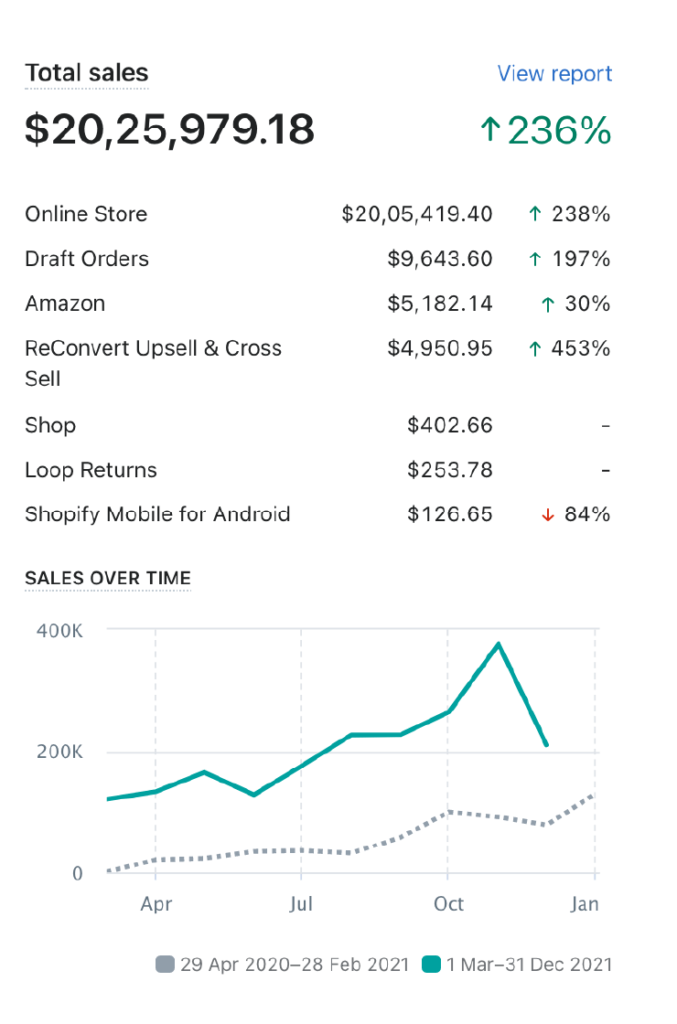
Results generated by HavStrategy
results

Let's increase your revenue together!

Get Results For your D2C brand In First 3 Months

Want Us To Be The Growth Partner To Your Business?

As Seen On
Let's Connect

How to Start a D2C Brand in India in 2026: A Step-by-Step Guide

How to Start a D2C Brand in India in 2026: A Step-by-Step Guide

Introduction

Starting a D2C brand in India in 2026 is no longer about being early to a trend. That phase ended years ago. Today, it is about building something that can survive high customer acquisition costs, impatient consumers, brutal competition, and unforgiving unit economics.

India has become one of the toughest D2C markets globally. Not because demand is low, but because expectations are high. Customers compare relentlessly, return easily, and switch brands without hesitation. In this environment, launching a D2C brand without a clear strategy is one of the fastest ways to burn capital. This guide is written from the perspective of operators who have worked closely with Indian founders across beauty, fashion, wellness, home, food, and lifestyle categories. It focuses on execution reality, not startup theory.

What D2C Means in India (2026 Context)

D2C in India has changed fundamentally over the last five years. In 2026, it is not about selling directly anymore. It is about owning the relationship, the data, and the repeat purchase loop.

Indian consumers behave very differently from Western markets. They are value-conscious, deeply influenced by social proof, and far more sensitive to delivery experience than most founders expect. COD, returns, delivery speed, and customer support still play a decisive role in conversion.

Today, a D2C brand in India usually operates across multiple layers:

  • A brand website as the control center
  • Marketplaces for demand capture
  • Quick commerce for impulse and replenishment
  • WhatsApp for commerce and support
  • Creators as trust carriers

Brands like Mamaearth and Boat did not win because they were “digital.” They won because they built distribution depth and trust simultaneously.

Market & Category Validation (India-First Approach)

Most Indian D2C failures start at validation. Founders often validate interest, not purchase intent. In India, validation must be ruthless. You are not asking, “Is this a good idea?” You are asking, “Will people repeatedly pay for this at scale?”

Search data is the first signal. If users are actively searching for solutions, alternatives, or reviews on Google and Amazon, demand already exists. If not, you may be trying to create a market from scratch, which is expensive and slow. The second signal is quick commerce. Platforms like Blinkit and Zepto are a real-time indicator of what people buy without overthinking. If your category exists there, consumption is frequent. If not, your marketing effort will need education, not just ads.

Finally, validate economics early. If your gross margins cannot comfortably absorb logistics, returns, GST, and marketing, no branding exercise will fix it later.

Brand Positioning & Differentiation

In 2026, differentiation in Indian D2C is not optional. It is survival. Positioning is not about adding more features. It is about subtracting noise. The strongest brands stand for one sharp idea and repeat it relentlessly.

A brand that tries to appeal to everyone ends up being remembered by no one. Instead, anchor your brand around:

  • A clearly defined problem
  • A specific audience
  • A tangible outcome

Without this clarity, even the Best d2c agency will struggle to build consistency across ads, content, and retention.

Product Development & Supply Chain Setup

Indian D2C founders often underestimate how much supply chain decisions dictate growth speed — a mistake that becomes especially costly in lifestyle brands, as outlined in How to Build and Market a D2C Lifestyle Ecommerce Brand.

In 2026, flexibility beats scale at launch. Smaller MOQs, faster iteration cycles, and reliable quality matter far more than squeezing costs initially. Many brands collapse because they lock themselves into inflexible manufacturing too early. Packaging is another silent killer. Oversized or fragile packaging increases shipping costs, damages margins, and inflates return rates. Products must be designed with Indian logistics realities in mind.

The best brands treat suppliers as long-term partners, not negotiable line items. This mindset compounds during scaling.

Legal, GST, Compliance & Logistics in India

Compliance is rarely exciting, but it protects your future. Trademark filings, GST registration, category-specific licenses, and clean policies are not “later stage” work. They are foundational. Brands that ignore this often face painful bottlenecks when entering marketplaces or raising capital.

Logistics planning deserves equal seriousness. COD remains significant in India, especially outside metros. RTO management, courier performance, and reverse logistics costs must be baked into pricing, not treated as exceptions.

Website, Tech Stack & Conversion Optimization

In India, your website is not a brand brochure. It is a conversion battlefield. Customers arrive skeptical. Your job is to reduce doubt fast. Above-the-fold messaging must answer three questions immediately: what this is, who it is for, and why it works.

Trust markers such as reviews, COD visibility, delivery timelines, and easy returns are not secondary. They are conversion drivers. Even the best performance marketing agency cannot scale a brand whose website leaks trust and clarity.

Performance Marketing Strategy (Meta, Google, Amazon, Quick Commerce)

Paid growth in India has matured sharply. In 2026, throwing money at ads without structure is a guaranteed loss. Meta still dominates discovery, but winning ads look like native content, not polished commercials. Google Search captures intent, not curiosity. Marketplaces act as demand harvesters, while quick commerce fuels impulse behavior.

Founders must stop evaluating channels in isolation. Blended CAC is the only metric that truly matters.

Influencer & Creator-Led Growth Strategy

India is now a creator-driven commerce ecosystem.

Creators are no longer just awareness tools. They influence trust, education, and purchase decisions. One credible creator can outperform ten generic ads.

The brands that scale treat creators as long-term partners, not rented reach. This is where execution quality separates average teams from those backed by the best influencer marketing agency.

Retention, CRM & Community Building

Retention is where Indian D2C brands either stabilize or bleed slowly.

WhatsApp has emerged as the most powerful retention channel in India. Order updates, education, replenishment reminders, and cross-sells perform better here than anywhere else.

Founders who invest in community, education, and post-purchase experience reduce CAC pressure dramatically over time.

Common Mistakes Indian D2C Founders Make

The same patterns repeat:

  • Launching without validation
  • Over-spending on branding earl
  • Chasing ROAS screenshots instead of profitability
  • Ignoring retention
  • Treating operations as secondary

Execution discipline always wins.

Final Execution Roadmap for 0–12 Months

The first quarter should focus on validation, positioning, and supplier readiness. The second quarter should prioritize website readiness and controlled acquisition. The third quarter is about optimization and retention. The final quarter is where scaling decisions are made carefully.

Final Strategic Takeaway

Building a D2C brand in India in 2026 is not about moving fast. It is about thinking clearly and executing deeply.

The brands that win respect unit economics, understand Indian consumers, and build systems before scale. At havStrategy, we work as strategy-first growth partners, helping founders avoid expensive mistakes early. Whether you are evaluating the Best d2c marketing agency, the best web development agency, or planning your growth roadmap, the right thinking upfront saves years of correction later.

If you are serious about building a durable Indian D2C brand, strategy is not optional. It is the foundation.

Past Results From Our D2C Brands

Results generated by HavStrategy
results

Let's increase your revenue together!

Get Results For your D2C brand In First 3 Months

Want Us To Be The Growth Partner To Your Business?

As Seen On
Let's Connect

How Open Source Culture Is Transforming Modern Digital Strategy

How Open Source Culture Is Transforming Modern Digital Strategy

Introduction

The digital world continues to evolve at a remarkable pace, and every new innovation adds fresh layers to how brands communicate, collaborate, and build meaningful relationships with their audiences. Among the most influential forces shaping today’s tech landscape is the growing popularity of open-source projects. These initiatives not only allow global communities to work together but also foster creativity, experimentation, and powerful user-driven engagement.

While open-source technology has traditionally been associated with software engineering and web development, its impact now reaches far beyond technical circles. Today, it influences marketing strategies, startup culture, community building, digital entertainment, and audience psychology. Brands and creators alike are beginning to see the value in learning from open collaboration models — especially when applied to content and digital experience development.

One compelling illustration of this dynamic can be seen through interactive gaming projects built on open-source foundations. One such example is Basket Random from GitHub, an initiative that not only entertains users but also demonstrates how collaborative technology fuels innovation. This project reflects the future of interactive user engagement, where participation becomes part of the product’s evolution.

Understanding the Modern Open-Source Mindset

At its core, open-source technology gives users access to tools, platforms, and software frameworks that they can view, modify, and enhance. Unlike proprietary software, these projects allow people from around the world to contribute to code improvements, design add-ons, translate content, or test systems.

What makes open-source so valuable today is not just the technology behind it — it’s the mindset. It symbolizes a shift from individual ownership to shared creativity. When people work together on a common goal, innovation naturally accelerates. For brands studying digital behavior, this model offers deep insight into how loyalty, trust, and participation function in online communities.

Why Open-Source Is Important for Strategic Thinkers

For strategy professionals, particularly those involved in digital branding and marketing, open-source initiatives reflect real-world audience patterns. Today’s consumers are no longer silent observers. They want to contribute, reshape experiences, and interact with brands instead of passively consuming content.

Open-source culture teaches three major lessons that strategists can apply:

1. Community Drives Visibility

Open projects thrive on active participation. The more contributors a project has, the more visible and valuable it becomes. This mirrors digital branding — when people share content or interact with campaigns, visibility increases naturally.

2. Innovation Comes From Feedback

Open-source projects constantly evolve because multiple people can review ideas. Strategists can use this approach by welcoming feedback, surveys, conversations, and user-generated content.

3. Transparency Builds Trust

Many open-source frameworks are successful because users can see the work behind the scenes. Brands adopting similar transparency tend to build deeper trust with their audiences.

In an age where audiences are more informed and selective, trust has become a defining factor for brand success.

Gaming as a Tool to Study Digital Interaction

Although gaming may seem unrelated to marketing strategy, the interactive entertainment industry often leads the way in digital innovation. Open-source gaming projects are particularly interesting because they showcase how people behave when given freedom and control inside a digital environment.

Games like Basket Random illustrate this blend of entertainment and community creativity. Players not only enjoy the game itself but can explore how it was built, recreate it, and even build new versions using the same code.

From a strategy perspective, several lessons emerge:

  • Interactivity improves engagement: Users stay longer when they can participate.
  • Play encourages creativity: Creative audiences produce more original ideas.
  • Simple concepts can go viral: Success does not always depend on complexity.

These insights are crucial when planning content, building websites, or developing digital communities.

Applying Open-Source Ideals to Modern Branding

Digital strategy has moved beyond product promotion. Today, successful brands focus on experience design — shaping emotional and intellectual responses through storytelling and interaction.

Open-source theory supports this approach in multiple ways:

●       Encouraging User-Generated Content

  • Allowing audiences to share their own ideas, reviews, or visual creations builds long-term loyalty.

●       Creating Spaces for Co-Creation

  • Brands that invite audiences to help shape project direction often build stronger communities.

●       Highlighting Transparency and Authenticity

  • Consumers appreciate knowing how decisions are made and why.

This combination of openness, communication, and collaboration can transform how brands are seen and remembered.

The Growing Influence of Open-Source Culture in Digital Platforms

From social media algorithms to mobile app design, open-source philosophies continue to influence mainstream digital technology. Many major companies now rely on open-source frameworks because the collaborative model leads to faster problem-solving, wider audience reach, and more efficient development time.

For example, large tech companies often use publicly-built libraries and tools to enhance their systems. Meanwhile, small businesses and independent creators benefit from cost-effective access to reliable digital solutions.

This movement also plays a critical role in education and skill growth. Young developers, designers, game creators, and writers often begin learning by studying open-source content online.

How to Grow a D2C Fashion Brand in India

Fashion behaves differently from every other D2C vertical. It is emotional, impulse-driven, identity-shaping. A fashion founder must think like a designer, storyteller, and psychologist simultaneously.

Understanding how to grow a D2C fashion brand in India requires mastering the country’s unique aspiration curve. Indian consumers want freshness but not complexity. They want outfits that elevate their identity but still feel rooted in daily utility. They respond to silhouettes, textures, and minute details that help them feel distinctly “themselves.”

Drops culture has transformed the fashion D2C space. Limited runs create demand. Storytelling builds desirability. The more exclusive a collection feels, the more organic reach it generates. UGC also plays a massive role — seeing real people wearing the clothes builds far more confidence than seeing models in a studio.

Inventory discipline is often the biggest challenge for fashion founders. Overproduction kills cash flow; underproduction kills momentum. Brands that scale well find the sweet spot: agile manufacturing, smaller batches, rapid iteration, and continuous freshness.

Fashion rewards brands that have a point of view. When your aesthetic is unmistakable, customers don’t just buy products — they buy into the world you’re building.

What This Means for Future Strategy Development

Digital strategy is no longer linear. It is fluid, adaptable, and shaped by ongoing audience participation. By observing open-source culture, brands can better understand what motivates modern digital communities. They learn that success depends on offering value, connection, experience, and involvement.

Projects like Basket Random demonstrate how interactive and open structures can spark enthusiasm among users who want to learn, build, experiment, and share. When this mindset is applied to marketing, it creates campaigns that invite audiences to become part of the creative journey — not just viewers from the outside.

Final Thoughts

The evolution of open-source collaboration offers a roadmap for forward-thinking digital strategy. It encourages curiosity, promotes co-creation, and strengthens community involvement. More importantly, it reflects how people want to interact with brands today: actively, socially, and creatively.

As open-source tools and interactive technologies continue to expand, businesses and strategists that understand this cultural shift will be better positioned to grow, innovate, and communicate with audiences in meaningful ways.

Past Results From Our D2C Brands

Results generated by HavStrategy
results

Let's increase your revenue together!

Get Results For your D2C brand In First 3 Months

Want Us To Be The Growth Partner To Your Business?

As Seen On
Let's Connect

How to Build and Grow a D2C Brand in India

How to Build and Grow a D2C Brand in India

Introduction

Building a D2C brand in India today is both one of the most exciting opportunities and one of the most misunderstood journeys. The Indian consumer has changed dramatically over the past five years — expectations are higher, attention spans are shorter, and competition is no longer limited to direct category rivals. A skincare brand competes with a fragrance brand for attention. A fashion label competes with entertainment. A luxury brand competes with aspiration itself.

And yet, this is also the first time in Indian retail history where a small, founder-led brand can scale into a category-defining business using a clear strategy, disciplined storytelling, and a sharp understanding of the consumer. In earlier HavStrategy articles like How to Build And Market D2C Lifestyle Ecommerce Brand, we explored how the “modern Indian customer” is no longer waiting to be sold to — they want to participate in the brands they love. This blog builds on that thinking and provides a complete blueprint for founders who want to understand not just how to launch, but how to grow a D2C beauty brand in India, how to grow a D2C fashion brand in India, how to grow a D2C lifestyle brand in India, and how to grow a D2C luxury brand in India with strategic depth and long-term clarity.

The New India D2C Landscape — Why This Market Is Built for Scale

India is no longer an experimental market for D2C; it has become a prime playground for brand creation. Rising disposable incomes, a marketplace-driven shopping habit, and the normalization of digital discovery have all reshaped consumer behaviour. But what truly makes India different is the diversity of its audiences. Tier 1 customers buy aspiration. Tier 2 buyers seek trust and reassurance. Tier 3 buyers respond to value and familiarity. A scalable brand today must appeal to at least two of these segments simultaneously.

This evolving behaviour has also created a CAC paradox. While Meta and Google remain the strongest engines for discovery, the cost of attention grows every quarter. Brands that rely purely on paid marketing burn out early. Brands that build depth — content ecosystems, communities, UGC engines — win sustainably. The most successful Indian D2C companies have accepted that performance marketing no longer drives growth alone. They supplement it with retention, storytelling, and strategic omnichannel expansion.

Laying the Foundation — The Non-Negotiables for Every D2C Brand

Every strong D2C brand begins with two pillars: clarity and conviction. Clarity in positioning, problem-solving, and product experience; conviction in maintaining a consistent narrative even when competitors undercut the price.

Founders often underestimate how quickly consumers judge their brand. Packaging is not just a container — it is a trust signal. Pricing is not just a number — it is a psychological anchor. Reviews are not vanity — they are social currency. And the website is not merely a storefront — it is the starting point of your conversion journey.

Whether a brand sells moisturisers, saris, or luxury home décor, the early months must focus on building a foundation of trust. This foundation becomes the growth engine when scale begins

Building a Brand That Feels “Indian, Modern, and Aspirational”

India rewards brands that understand cultural nuance. The modern consumer does not want Western mimicry. They want global aesthetic with Indian emotion. They want identity-driven narratives, not generic positioning lines.

When a streetwear brand builds a collection around urban Indian subcultures, or when a skincare brand uses traditional ingredients supported with modern science, they are speaking the language of new India — aspirational but relatable. Brands that tap into this blend create movements, not products.

Every successful D2C company today has a signature. A silhouette. A ritual. An ingredient story. A cultural anchor. This is what turns a product into a brand and a brand into a community.

The Customer Acquisition Playbook for Indian D2C Brands

Indian shoppers do not convert in a straight line. They discover on Instagram, search on Google, compare on marketplaces, ask friends on WhatsApp, and return to the website only when they feel confident.

This multi-touch journey demands a hybrid acquisition system. Great creatives pull attention. UGC reduces resistance. Founder-led content builds trust. Social proof accelerates decision-making. Meanwhile, influencer seeding continues to be one of the most profitable CAC reducers in India.

But the real difference lies in narrative quality. The brands that thrive are the ones whose ads make people feel something — confidence, identity, joy, transformation, belonging. The brands that struggle are the ones that communicate only features.

India buys stories, not SKUs.

How to Grow a D2C Beauty Brand in India

Beauty is one of the fastest-growing yet most brutally competitive D2C categories. Every founder entering this space must understand that consumers do not just evaluate the product; they evaluate the promise. Trust becomes the currency long before transaction.

To truly understand how to grow a D2C beauty brand in India, founders must embrace education-led storytelling. Indian customers want to know ingredient benefits, routine logic, visible results, and why your formulation is worth a premium. They want dermatology-backed proof. They want routine-builders, not random products.

Brands that win in beauty often follow a three-part playbook: they simplify the science, they personalise the experience, and they build consistency. The more consumers feel guided, the more they repurchase. Unlike fashion, beauty thrives on habit. If you secure a place in a customer’s daily ritual, you secure predictable repeat revenue.

Influencer-led education also plays an outsized role. In a market where hundreds of serums promise a glow, consumers trust faces that feel familiar. The reason we studied case patterns in blogs like Marketing Strategies of Zouk Bags — A Deep D2C Case Study for 2025 is simple: category context may differ, but consumer psychology remains universal — people buy from those they relate to.

A beauty brand must build a content ecosystem, not just a product line. When the education is strong, CAC naturally drops.

How to Grow a D2C Fashion Brand in India

Fashion behaves differently from every other D2C vertical. It is emotional, impulse-driven, identity-shaping. A fashion founder must think like a designer, storyteller, and psychologist simultaneously.

Understanding how to grow a D2C fashion brand in India requires mastering the country’s unique aspiration curve. Indian consumers want freshness but not complexity. They want outfits that elevate their identity but still feel rooted in daily utility. They respond to silhouettes, textures, and minute details that help them feel distinctly “themselves.”

Drops culture has transformed the fashion D2C space. Limited runs create demand. Storytelling builds desirability. The more exclusive a collection feels, the more organic reach it generates. UGC also plays a massive role — seeing real people wearing the clothes builds far more confidence than seeing models in a studio.

Inventory discipline is often the biggest challenge for fashion founders. Overproduction kills cash flow; underproduction kills momentum. Brands that scale well find the sweet spot: agile manufacturing, smaller batches, rapid iteration, and continuous freshness.

Fashion rewards brands that have a point of view. When your aesthetic is unmistakable, customers don’t just buy products — they buy into the world you’re building.

How to Grow a D2C Lifestyle Brand in India

Lifestyle brands succeed not because of their products but because of the philosophies they stand for. To understand how to grow a D2C lifestyle brand in India, founders must think in terms of culture, not catalogues.

A lifestyle brand becomes powerful when customers begin to see it as an extension of their values — mindfulness, sustainability, heritage craftsmanship, modern minimalism, or self-expression. These brands thrive when they build long-form storytelling, editorial content, and strong community rituals.

The expansion also feels more organic for lifestyle brands. Once trust is built, customers are willing to explore adjacent categories — candles, fragrances, décor, apparel, accessories, and more. Lifestyle may not grow fastest, but it grows deepest.

How to Grow a D2C Luxury Brand in India

Luxury consumption in India has undergone a massive shift. The new luxury buyer is young, global, and experiences-driven. They are not impressed by price; they are impressed by craft, origin, and narrative.

To master how to grow a D2C luxury brand in India, founders must build desire without dilution. Luxury brands cannot behave like mass brands. Every touchpoint — packaging, content, photography, store experience, shipping, aftercare — must feel elevated.

Luxury sells on emotion, not logic. People buy a luxury product to feel significant, not simply to own something expensive. The more intimate and personal the story, the stronger the loyalty. Luxury brands that invest in offline experiences, trunk shows, atelier-style activations, and founder-led storytelling win far faster than those relying on online-only acquisition.

Slow, intentional growth is not a weakness in luxury; it is the strategy.

Beyond Performance Marketing — The Retention & LTV Engine

India’s retention behaviour is unique — customers remember brands that remember them. High-frequency categories like beauty and wellness require automated WhatsApp flows, replenishment reminders, personalised recommendations, and UGC-driven trust loops. Fashion requires freshness and exclusivity. Lifestyle requires emotional storytelling and loyalty-building rituals.

When retention is strong, CAC pressure disappears. When retention is weak, even strong acquisition becomes unprofitable. A D2C brand’s maturity shows in how well it manages returning customers.

Scaling a D2C Brand into an Omni-Channel Ecosystem

Omnichannel is no longer optional. Indian consumers buy where it is most convenient — Instagram today, Nykaa tomorrow, a mall store next weekend. Moving into offline retail strengthens brand legitimacy and reduces dependency on paid media.

But omnichannel expansion must be strategic. Brands must know when to enter modern trade, how to structure margins, how marketplaces impact perception, and how to merge online insights with offline merchandising. The most successful D2C companies treat offline retail as an extension of brand experience, not merely a distribution channel.

The Roadmap to Sustainable Growth for Indian D2C Founders

Every D2C founder must accept that scale happens in stages. The 0–1 phase is about validation. The 1–5 crore phase is about predictable acquisition. The 5–20 crore phase demands brand building, retail pilots, and product depth. Beyond 20 crore, discipline, hiring, and data-driven decision-making become the real differentiators.

A modern Indian D2C brand grows when it builds trust faster than competition, tells stories that feel human, and creates value beyond discounts. The Indian market rewards those who think long-term and build brands that stand for something meaningful.

With the right strategy, clarity, and consistency, any founder can turn a small idea into a national brand — and eventually, a cultural force.

Past Results From Our D2C Brands

Results generated by HavStrategy
results

Let's increase your revenue together!

Get Results For your D2C brand In First 3 Months

Want Us To Be The Growth Partner To Your Business?

As Seen On
Let's Connect

SEO Strategies for D2C Luxury Brands​

SEO Strategies for D2C Luxury Brands

Introduction

Luxury brands do not win on discounts, funnels, or frequency. They win on perception.
And in today’s digital-first world, perception is shaped long before a customer ever arrives on the website. It begins on Google — in whispers of search terms, in the stories that appear before the brand even loads, and in how effortlessly a consumer discovers what your brand stands for.

For D2C luxury brands, SEO is no longer a technical function. It is a brand-building engine, a tool for shaping desirability, authority and cultural relevance. This is also why a luxury marketing agency or a lifestyle marketing agency approaches SEO not as an algorithmic checklist but as a delicate exercise in positioning, storytelling and demand creation.

Luxury SEO requires nuance. It requires depth. And it requires a completely different playbook from mass-market ecommerce.

Why SEO Works Differently for Luxury D2C Brands

Luxury shoppers don’t search the way mainstream shoppers do. Their journeys are slower, more intentional, and heavily emotion-led. A customer buying a ₹25,000 handbag or a $500 serum does not begin their journey with a price keyword — they begin with aspiration. They search for craftsmanship, heritage, meaning, materials, and stories.

This shift changes how SEO functions.

Instead of targeting keywords that chase traffic, luxury brands must target keywords that shape perception. Instead of optimizing product pages for speed alone, they must optimize for narrative, depth, authenticity and editorial richness. Instead of obsessing over “rank #1,” the goal becomes:

How do we influence the customer’s imagination before the buying journey even begins?

This is where SEO becomes indistinguishable from brand strategy.
Luxury search visibility is not about being loud online — it’s about being undeniably credible.

Building a Luxury-First SEO Foundation: Brand SERP, Reputation & Storytelling

A luxury shopper’s first impression is not your homepage. It is your brand SERP — the panel of results Google displays the moment someone searches your brand name. If this space looks incomplete, inconsistent or unrefined, the perception of luxury collapses instantly.

A refined brand SERP includes:

– Elegant meta descriptions that express brand philosophy
– Consistent imagery across site links
– Structured data that feeds Google rich brand information
– Editorial features and PR links populating the first page
– A Google Knowledge Panel that mirrors your luxury identity

A luxury mark agency treats this SERP like a digital storefront. Every component is curated because luxury consumers notice details no one else does.

This is also where storytelling plays a central role. Unlike mass brands, luxury D2C brands must infuse narrative even into metadata. A product is not “A 22K gold ring.” It is “A handcrafted 22K ring inspired by ancient motifs, made for modern quiet-luxury collectors.”

Google crawls text, but luxury consumers interpret meaning — both must be satisfied.

This approach is also echoed in blogs like How to Build And Market D2C Lifestyle Ecommerce Brand, which reinforce how foundational storytelling is to modern luxury demand creation.

Technical SEO for Luxury: Creating a Frictionless, High-Performance User Experience

Luxury has no tolerance for friction. A slow, cluttered, unresponsive website doesn’t just hurt rankings — it damages reputation. The expectation is perfection: crisp imagery, fast loading, intuitive navigation, and a seamless mobile experience that feels as refined as the product itself.

Key technical pillars for luxury include:

– Lightning-fast Core Web Vitals (especially LCP and CLS)
– High-resolution images compressed for speed
– Structured product schema for multi-layered search rich results
– Clean Shopify architecture with minimal script bloat
– Mobile-first layouts that prioritize aesthetic clarity
– Smooth transitions and zero-break UI

A lifestyle marketing agency often integrates CRO with SEO because luxury audiences bounce at the slightest inconsistency. A 200-millisecond delay can disrupt perceived exclusivity. Every technical element is not only a ranking factor — it is a brand factor.

Keyword Strategy for Luxury Audiences: Depth Over Volume

Luxury keywords rarely appear in high-volume SEO tools. They sit in the quieter corners of search behavior — in artisan terms, craftsmanship descriptors, ingredient origins, and lifestyle aspirations. The goal is not to chase keywords thousands of people search; the goal is to dominate search terms that the right people search.

Strong luxury keyword clusters include:

– “Handcrafted diamond tennis bracelet meaning”
– “Quiet luxury wardrobe essentials”
– “Ayurvedic saffron serum benefits”
– “Artisanal leather goods crafted in Italy”
– “Minimalist gold jewellery for modern women”

These phrases attract a mature, intention-driven audience. They are less transactional, more reflective — which aligns perfectly with the insights shared in The New Consumer: What Gen Z Wants From Jewellery & Lifestyle Brands in 2025. Gen Z luxury buyers care about intention, values, identity and provenance. Keyword strategy must reflect this shift.

Luxury SEO is not about scale. It is about carving out intellectual, cultural and aesthetic authority within a niche.

Category & Product Page SEO That Converts High-Intent Shoppers

Luxury product discovery is emotional. The consumer must see themselves in the product before they ever add it to cart. That is why category and product pages need to balance SEO structure with poetic, immersive storytelling.

A high-performing luxury product page blends:

– Semantic keywords (“hand-engraved,” “lab-tested,” “cold-pressed,” “ethical sourcing”)
– Sensory language that evokes feeling
– Craftsmanship narratives that justify premium pricing
– Ingredient or material origin stories
– Hyper-clear hierarchy: features → benefits → meaning
– Internal linking that guides the reader toward editorial content
– Review schema and UGC validation (without breaking luxury tonality)

The description should make the customer imagine how the product fits into their life.
SEO gets them to the page. Storytelling convinces them to stay. Craftsmanship convinces them to buy.

The Luxury SEO Playbook: How High-End D2C Brands Can Execute

A 6–12 month SEO roadmap for a luxury D2C brand blends rigor with creative intuition. It is never purely technical, never purely creative — it is a hybrid discipline executed through precision.

A high-impact luxury SEO roadmap includes:

Month 1–2: Brand SERP optimization, foundation audits, technical clean-up, metadata rewriting.
Month 3–4: Keyword clustering around narrative pillars, crafting pillar pages, refining category depth.
Month 5–6: Editorial content production — craftsmanship, lifestyle journals, ingredient science.
Month 7–9: Authority-building PR, backlink acquisition, founder positioning features.
Month 10–12: Visual SEO expansion, AI-search readiness, multi-format content rollouts.

This is the approach a luxury marketing agency or lifestyle marketing agency typically deploys — a blend of brand language, data-driven strategy, and cultural relevance.

Because luxury SEO is not a race for visibility.
It is a race for authority.
The brands that master this — the ones that shape meaning instead of chasing algorithms — become timeless.

HavStrategy: Your SEO Codebreaker

75+ brands cracked. DM “Gen Z Stack”.​

Past Results From Our Jewellery Brands

Results generated by HavStrategy
results

Let's increase your revenue together!

Get Results For your Jewellery brand In First 3 Months

Want Us To Be The Growth Partner To Your Business?

As Seen On

Let's Connect

Marketing Strategies for Luxury D2C Ecommerce Brands

Marketing Strategies for Luxury D2C Ecommerce Brands

Introduction

Luxury D2C isn’t simply an ecommerce category — it is a psychological arena where desire, identity, and cultural capital shape purchasing behavior far more than discounts or convenience. Unlike mass-market brands that compete on price or utility, luxury brands compete on meaning. And in the digital era, meaning is constructed through narrative, experience, and community.

For luxury founders and marketing leaders, the challenge is clear: how do you translate the sensory richness of luxury into a screen-based environment without diluting exclusivity? How do you scale without becoming mass? And how do you build desire when consumers cannot physically touch your product?

This blog breaks down the high-performance strategies that modern luxury D2C brands use to build demand, scale globally, and maintain prestige — especially when guided by a specialist lifestyle marketing agency or a luxury marketing agency that understands the nuances of premium positioning.

Why Luxury D2C Requires a Different Marketing Lens

Luxury ecommerce operates on an entirely separate value system. Customers aren’t comparing features; they’re evaluating whether the brand aligns with the identity they admire or aspire to. A luxury product is rarely purchased for its utility — it is purchased for its symbolism.

Digitally, however, this symbolism gets diluted unless the brand deliberately engineers an ecosystem that preserves scarcity, storytelling, and craftsmanship. A premium audience is not impressed by loud creatives, endless retargeting loops, or transactional messaging. They gravitate toward brands that feel intentional, self-assured, and culturally relevant.

This is why luxury brands must rethink performance marketing, creative storytelling, and retention architecture through a more elevated strategic lens.

Building a Luxury Narrative That Customers Want to Belong To

Luxury consumption is a form of identity expression. Customers buy into a narrative before they buy a product. The most successful luxury D2C brands create worlds — not just catalogues. They blend heritage, craftsmanship, design ethos, and emotional symbolism into a cohesive identity system.

A narrative isn’t built through taglines alone; it is built through consistency across touchpoints — from packaging to emails to ad creatives. A luxury marketing agency understands that the goal isn’t to “explain the product” but to make the customer see themselves inside the story of the brand.

In our insights from How to Build a Jewellery Brand That Sells Without Discounts, we explain how storytelling reduces price sensitivity. Luxury thrives when the narrative becomes more valuable than the object itself. That is the foundation of premium demand generation.

Crafting a Digital Flagship Experience Instead of a Basic Ecommerce Store

Most ecommerce websites behave like catalogues. Luxury ecommerce must behave like a flagship store — curated, immersive, and slowed down in the right places to enhance perceived value.

High-end consumers subconsciously evaluate the UI as a proxy for product quality. Harsh colors, cluttered layouts, or aggressive CTAs can instantly break the luxury illusion.

Luxury UX follows these principles:

The website becomes a visual runway, not a shop shelf. Every scroll, transition, and image placement must feel intentional. Micro-interactions elevate the product’s perceived craftsmanship. Product detail pages must read like editorial features, not specification lists.

A lifestyle marketing agency specializing in luxury understands that the digital store is the brand’s most valuable real estate. It must not merely convert — it must persuade, reassure, and seduce.

Community as the Modern Luxury Status Symbol

Traditional luxury relied on celebrities and mass aspiration. Modern luxury thrives on intimacy, insider access, and peer validation. Today, a private WhatsApp community, a gated members club, or early access list creates more desirability than a billboard with a celebrity.

Communities turn customers into insiders. Insiders drive organic storytelling. And storytelling creates cultural capital — the real currency of luxury.

As we’ve explored in Full-Funnel Marketing Strategy for a Fashion D2C Brand in 2025, community-driven content amplifies every stage of the funnel. When community becomes part of the experience, your brand stops selling products and starts selling belonging.

Personalisation as the New Luxury Benchmark

Luxury customers expect brands to “see” them. They want recommendations that feel curated, emails that feel written for them, and support that feels like a concierge interaction.

The rise of AI has made hyper-personalisation not only possible but expected. Predictive suggestions, dynamic storefronts, and 1:1 messaging increase both conversion and emotional attachment.

In The Future of Jewellery Marketing: AI, Hyper-Personalisation & Dynamic Product Storytelling, we explain how personalization is redefining luxury discovery. When every interaction feels individually tailored, the brand moves from transactional to experiential — the ultimate hallmark of luxury.

Influence Without Influencers — The New-Age Social Proof Model

Luxury is no longer sold through celebrity endorsements alone. Consumers now trust people who feel like them — but aspirational versions of them. This is where the new influence ecosystem emerges: micro-communities, tastemakers, private groups, and UGC from real customers whose lifestyle aligns with the brand’s ethos.

Luxury has shifted from loud influence to quiet credibility. Instead of mega-influencers shouting the brand, luxury thrives when people with cultural authority subtly endorse it. Pre-order drops, invite-only launches, and waitlists deepen the narrative of scarcity.

Luxury is not mass. And influence for luxury cannot look mass either.

Performance Marketing for Luxury Without Diluting Exclusivity

Performance marketing for luxury D2C is not about blasting ads. It is about controlled storytelling across a full-funnel system designed to heighten desire before driving conversion.

Top of funnel requires editorial-style creatives, slow visuals, sensory cues, and emotionally charged messaging. Middle of funnel needs reassurance — craftsmanship details, behind-the-scenes narratives, testimonials from culturally aligned customers. Bottom of funnel demands subtlety — not urgency-based CTAs.

Luxury audiences — especially in UAE, USA, and UK — respond to polished, cinematic creative direction that signals confidence. The goal is to make every ad look like a brand film, not a sales promotion.

Our learnings from Google Ads vs Meta Ads in 2026: Which Platform Gives Better ROI for D2C Brands? show that luxury brands perform best when Meta handles attention and desire building, while Google captures high-intent search that emerges from those brand-building activities.

Luxury performance marketing is not a numbers game — it is an orchestration of emotion and logic.


Pricing Psychology, Perceived Value & the Luxury Purchase Funnel

Luxury pricing is never about cost; it is about perception. When brands communicate craftsmanship, rarity, and design philosophy effectively, price becomes secondary.

Luxury purchase journeys are longer because the customer is validating whether the brand aligns with their identity. This is why narrative, social proof, and UX coherence matter more than discounts or urgency.

The luxury buyer evaluates three subconscious triggers before purchasing:

  • Does this brand elevate how I see myself?
  • Will others recognize the symbolism of this purchase?
  • Does the price feel justified by the story, not just the product?

When a brand intentionally crafts these signals, conversion happens organically — without discounts.

Scaling Without Losing Luxury — The Expansion Playbook

Scaling a luxury D2C brand is not about launching more ads or entering more markets. It is about replicating the aura of exclusivity across borders without diluting the core narrative.

In How to Scale a Luxury D2C Brand Internationally (USA, UAE, UK) — With Real Numbers, we break down how luxury brands must adapt creative language, cultural cues, and pricing to each region. For example:
The UAE luxury customer values prestige and modernity. The US luxury customer values brand stories and craftsmanship. The UK luxury customer values heritage and understated elegance.

Scaling requires balancing consistency with cultural sensitivity — a challenge best handled through coordinated brand, creative, and funnel strategy.

The Role of a Luxury Marketing Agency or Lifestyle Marketing Agency in Scaling Premium D2C Brands

Most luxury D2C brands fail not because their product is weak but because their ecosystem is fragmented — different teams handling ads, content, brand identity, and UX with no unifying strategy.

A luxury marketing agency brings cohesion. It understands how to preserve scarcity while driving scale. It knows how to build emotional funnels that elevate AOV and LTV. It designs UX that makes the brand feel more expensive than competitors long before the customer reaches checkout.

A lifestyle marketing agency adds cultural insight, elevates creative direction, aligns performance with brand vision, and ensures that every touchpoint — from ad to landing page to packaging — feels like a seamless extension of the luxury universe the brand is building.

Conclusion

Modern luxury isn’t about being unattainable. It’s about being meaningful. And the brands that win in the next decade will be the ones that master the balance between exclusivity and accessibility, storytelling and data, community and scale.

If you want to build luxury demand that lasts, your strategy must be crafted as intentionally as the product itself — or guided by the right partners who understand how luxury moves in a digital-first world.

Past Results From Our E-Commerce Brands

Results generated by HavStrategy
results

Let's increase your revenue together!

Get Results For your E-Commerce brand In First 3 Months

Want Us To Be The Growth Partner To Your Business?

As Seen On

Let's Connect

The New Consumer: What Gen Z Wants From Jewellery & Lifestyle Brands in 2025

The New Consumer: What Gen Z Wants From Jewellery & Lifestyle Brands in 2025

They're Not Your Aunties, And They're Not Playing Your Game

Two weeks ago I was at a client’s factory in Jaipur watching karigars hand-set lab-grown diamonds into vermeil hoops that cost ₹6,500 but look like they should be ₹65,000. The 22-year-old designer leading the crew? Gen Z. She stacked the prototype with her AirPods case, snapped it for Instagram Stories, and had 47 DMs asking “where buy?” before lunch. That’s the shift happening right now. This generation—born ’97-’12, 377 million strong in India alone, controlling $360 billion globally—doesn’t see jewelry as “investment” or “shaadi dowry.” They see personal artifacts. That tiny Aquarius glyph pendant next to their first tattoo. Stackable hoops surviving Lollapalooza mosh pits AND corporate presentations. Sustainable charms laser-etched with Spotify QR codes linking to breakup anthems nobody else knows.

Remember when Tanishq launched Mia? We ran the campaign. Gen Z didn’t care about “Tata trust”—they cared the $29 studs looked heirloom-quality and the AR filter let them “try on” during college lectures. Pandora figured it out too with lab-grown Phoenix drops—80% lower emissions but same customizable ritual their moms loved. Mejuri? They’re the blueprint: $98 vermeil hoops worn daily, not locked in bank lockers. Stats scream it: 54% discover via TikTok Shop, 68% ghost unethical brands, 73% pay 20% more for transparency they can verify. But here’s the wake-up call nobody talks about: 76% run sustainability fact-checks on Reddit before buying. One “greenwashing” expose on Twitter and your brand’s trending for cancellation. They’re cultural auditors, not passive customers. Smart founders decode this before inventory rots. The ones hiring the best D2C marketing agency? They run Gen Z focus groups that catch these shifts 6 months early.

My first campaign failed because we targeted “millennials 25-34.” Dumb. Gen Z splits into micro-tribes: coastal cowgirl x cyberpunk stackers, hijabi minimalists blending gold with abayas, NRI fusion kids mixing NYC edge with Lucknow polki. Lifestyle adjacency wins too—Alo Yoga leggings + stackable cuffs for “brunch to boardroom,” mushroom leather totes holding birthstone keychains. Miss their identity evolution and you’re selling to ghosts.

Sustainability Means Factory Floors, Not Marketing Stickers

Last Diwali, we had a sustainable jewelry client lose ₹3.2 lakhs overnight. Their “eco-gold” Instagram carousel got ratioed when a karigar’s cousin posted sweaty factory pics showing coal kilns. Gen Z doesn’t buy “sustainable” labels—they demand tours. Pandora publishes blockchain dashboards tracking lab-grown diamonds from carbon to vermeil. Tanishq’s “Revive” melts e-waste into pendants you can trace by serial number. Mejuri? Lifetime trade-ins where your college hoops become your kid’s heirlooms.

Real talk: 73% pay premiums but only if they verify. Everlane proved it—raw factory wage sheets and carbon audits lifted LTV 34% because screenshots circulated WhatsApp groups. Circular economy hooks hard: Pandora recycles old bracelets into custom charms, zero-plastic seed boxes sprout wildflowers when planted. Greenwashing? Fyre-level death. Balenciaga’s 2022 bag scandal still haunts their Gen Z metrics. Winners share unpolished truth: Instagram Lives from Jaipur workshops showing solar kilns, Scope 3 breakdowns like nutrition labels, B Corp certifications screenshot-worthy.

The lessons here? To scale a luxury D2C brand internationally—whether in the USA, UAE, or UK—you need transparency, real numbers, and authenticity. How to Scale a D2C Brand from ₹1L to ₹10L in Monthly Sales: A Founder’s Step-by-Step Marketing Framework also emphasizes how this strategy directly impacts growth. Showing the real behind-the-scenes story builds trust and drives long-term loyalty.

Lifestyle fusion amplifies: yoga mats laser-etched with affirmations beside stackable cuffs, reusable totes holding astrological birthstones. Track “sustainability NPS”—Gen Z shares these scores more than 5-star reviews. Founders sleeping on supply chain audits deserve the boycott threads. The ones smart enough to hire the best lifestyle marketing agency? They turn ethics into moats nobody breaches.

Digital That Feels Like Magic, Not Corporate

Gen Z discovers on TikTok (62% first touch), buys without leaving the app. Static carousels die in 1.2 seconds. Winners? 15-second ASMR stacking Reels that hook mid-scroll. AR try-ons aren’t nice-to-have—47% abandon without “seeing it on my neck.” We built Shopify AR filters for a client that lifted conversions 52%. AI personalization explodes: selfie + Spotify Wrapped = “Your vibe needs ocean jasper drops with silver verdigris patina.”​

Social commerce closes: Instagram Checkout impulse drops, WhatsApp catalogs for NRI shaadi planning from Dubai penthouses, TikTok Lives where live karigars customize (Pandora’s sessions hit 50K concurrent). Omnichannel flows smooth: Reels discovery → AR home preview → drone store pickup → unboxing Story → #MyStackMoment UGC. Payments evolve: UPI splits for group birthday stacks, BNPL LazyPay (3 installments average), crypto for NFT twins. Loyalty gamifies: Snapchat streaks unlock “vault drops,” Discord VIPs vote next collections.

Offline hybrids convert: pop-up “stacking bars” at Bangalore yoga studios, Mumbai co-working “jewel lounges” with AR mirrors. Lagging brands? Invisible. The best D2C marketing agency lives in these pilots—they turn 1.8% converters into 6.2% machines.

Personalization That Feels Like Mind-Reading

Modularity rules. Pandora mood charms swap Monday minimal → festival fringe. Mejuri gold/silver hoop mixers. Tanishq birthstone mangalsutras etched with first-job GPS coordinates. Our client’s AI stylist—selfie upload + vibe quiz → $147 custom bundle—lifted AOV 31%. Monograms aren’t vanity; they’re identity etched forever.

Gifting upgrades: “vibe finder” quizzes generate bundles with “You’re unstoppable—Priya” handwritten cards. Scale via 3D printers: 150 “Genesis Edition” serialized pieces build 3-month waitlists. Lifestyle hacks: stackable rings doubling aromatherapy diffusers, necklaces holding desk yoga essential oils. Klaviyo segments “Stack Addicts” for VIP previews. 81% repurchase personalized; LTV compounds. Mass customization prints silently. The best jewellery marketing agency engineers these—they turn shoppers into co-creators.

Tribes That Build Your Brand While You Sleep

Gen Z joins movements. Our client’s Discord “Stack Squad” (7K active) votes drops, shares “stacking fails” memes generating 2M impressions. TikTok #QuietLuxStack challenges create infinite UGC. Beta crews test 3 prototypes, keep favorites. Influencer councils (15 Gen Z/month) co-design limited capsules.

Loyalty means access: factory tour invites, CMO Discord AMAs, “founders circle” early drops. Best stack photo contests win custom pieces overnight. Events convert: Goa yoga retreats gifting stackables Day 1, Mumbai rooftop mixology with signature stackable copper mugs. Reddit AMAs humanize. Community LTV triples. Build tribes building you. The best lifestyle marketing agency seeds these—they compound louder than ad agencies.

$47 Flex > $5K Status Locked In Safes

Gen Z rejects Veblen flexes. $98 Mejuri daily hoops > $5K Cartier safe queens. Lab-grown diamonds 70% cheaper with heirloom certs, 14K vermeil surviving 300 wears. Tiered: $29 studs → $297 ancestral sets. $147 “Weekend Warrior Stack” (looks $267). Mia by Tanishq cracked it—Gen Z price, karigar soul. Yoga set + stackables = “morning ritual complete.” Value perception wins. The best D2C marketing agency maps ladders scaling without commoditizing.

Cultural Fluency Or Cancellation

Coastal cowgirl x Tamil mantra stacks. Pronoun charms beside mehendi cuffs. Pandora x Travis Scott sold 2hrs. Festival phases: Lollapalooza → Diwali. Hijabi stacking with abayas, non-binary “genderless gold,” South Asian karigars sharing family recipes. NRI “fusion wedding stacks.” Balenciaga fumbles cancel. The best jewellery marketing agency hires Gen Z—they decode unspoken.

HavStrategy: Your Gen Z Codebreaker

75+ brands cracked. DM “Gen Z Stack”.​

Past Results From Our Jewellery Brands

Results generated by HavStrategy
results

Let's increase your revenue together!

Get Results For your Jewellery brand In First 3 Months

Want Us To Be The Growth Partner To Your Business?

As Seen On

Let's Connect

How to Build And Market D2C Lifestyle Ecommerce Brand

How to Build And Market D2C Lifestyle Ecommerce Brand

Why D2C Lifestyle Brands Are Quietly Taking Over

I’ve watched three D2C brands hit $1M in their first 18 months, and here’s the pattern: lifestyle brands don’t sell products—they sell permission to live better. Gymshark didn’t move leggings; they sold “you’re one deadlift from ripped.” Alo Yoga? Not yoga pants—quiet confidence for brunch-to-boardroom transitions. In 2025, this category’s exploding because customers are done with Shein’s fast fashion guilt trips and West Elm’s $2K couch markups. D2C cuts the middleman BS—save 30-40% margins, talk directly to Priya who’s 29, does sunrise yoga between client calls, scrolls Reels for “quiet luxury” inspo, and drops ₹5K on a scent that “feels like home.” Global market? $175B by year-end. India alone grows 28% as Tier 1 millennials flex “sustainable hustle” aesthetics. But 82% crash Year 1. Why? They launch generic athleisure without decoding the emotional itch. My first brand failed because we chased “wellness”—too broad. Lesson one: pick your tribe. Urban vegans battling protein guilt? WFH dads building “executive casual” wardrobes? Cozy maximalists curating “imperfect hygge”? Nail that avatar’s morning routine, Spotify Wrapped, and Instagram saved folders. That’s your unfair advantage. Skip this, no agency’s magic ads will save you.​

Foundation First: Don't Build On Sand

Most founders blow ₹10L on Figma mockups then wonder why traffic ghosts. Wrong order. Week 1: DM 100 strangers from competitor Instagram comments. “What’s your biggest frustration with [yoga mats/coffee rituals/home office chairs]?” Priya says, “They smell like chemicals.” Rohan gripes, “My desk looks like a student’s dorm.” Validate there. Week 2: Shopify Basic ($29/month), Dawn theme, 3 SKUs priced 2.8x COGS ($22 mat sells $62). Source prototypes via Alibaba samples ($200 total), Indian printers for packaging that screams “I care” (handwritten notes, recycled kraft with seed paper inserts). Legal? GST number, trademark via IndiaFilings (₹8K), Shopify’s built-in compliance. Day 1: Klaviyo popup—”15% off, no spam promise.” Test pricing: $59 bundle vs $79 premium (winner takes 70% share). Packaging ritual: unboxing videos hit 10x engagement—make yours therapy (open to scent ritual, affirmation card, QR playlist). MVP launch: ₹5K Meta test targeting “yoga + remote work.” Iterate weekly from reviews. My second brand hit ₹50L Month 6 because we listened first. Foundation weak? Traffic’s wasted gunpowder. Smart founders hire the best lifestyle marketing agency to pressure-test this before launch—they spot leaks you miss.

Products That Feel Like Emotional Shortcuts

Lifestyle buyers pay 3x for transformation. Design butter-soft leggings that survive 100 washes but feel like “second skin for your hustle.” Modular desk organizers snapping into “zen command centers.” Serums with droppers marked “AM glow / PM repair.” Ride 2025 waves: mushroom leather totes (vegan flex), lab-grown diamond stackables (ethical heirlooms), AR mirrors via Shopify apps ($29/month). Bundle psychology: yoga mat + velvet strap + sunrise playlist QR = ₹4,997 (looks ₹7K). Sustainability? Carbon-neutral DHL via offsets, “1 tree planted” stickers trigger 22% share rate. Seed UGC Day 1: DM 15 micro-influencers (8K followers, yoga niche). “Honest review, keep it, tag 3 friends.” Best clips → product pages. Content flywheel: weekly “How I styled it Monday” Reels (real customers, not models). Pages flow: 15-sec hero video → outfit carousel → “Why Priya loves it” testimonials → UGC grid → FAQ accordion. Urgency: “347 left—restock June.” Checkout upsell: “80% add resistance bands.” Subscriptions for consumables (protein bites, candle melts) lift LTV 28%. NPS surveys 7 days post-buy. Weak product? Marketing’s lipstick on a pig. Strong ones? Customers become your content army. The best D2C marketing agency obsesses here—they know emotional hooks convert colder than specs.

Website That Closes Sales While You Sleep

Your site’s not a brochure—it’s a 24/7 salesperson. Shopify ($29→$399 as you scale), mobile-first (65% traffic). Hero: looping video of real Priya flowing through Vinyasa in your set, headline “Move Like You Mean It,” email capture above fold. Pages load 1.8 seconds (compress via TinyPNG, lazy load below fold). Checkout: one-page, UPI/Apple Pay, “Free shipping $999+” (psychological anchor). Personalization via Rebuy: “Priya, pair with blocks?” Live chat (Tidio free tier) kills “Does this stretch?” objections instantly. SEO foundation: “best sustainable yoga leggings India 2025” in H1s, alt text everywhere, blog pillar “Complete WFH Wellness System.” Schema markup grabs rich snippets. Cart abandonment? Klaviyo recovers 18%: “Complete your flow—10% off.” Trust stack: “100-day love it guarantee,” 4.9★ from 2,847 reviews, De Beers certs for jewelry lines. A/B headlines weekly (Hotjar heatmaps spot losers). Cost? ₹4K/month total. Ugly checkout loses 68% visitors; optimized hits 4.2% conversion. My client went 0→₹2Cr Year 1 fixing UX alone. The best lifestyle marketing agency runs CRO audits—they turn 1% converters into 5% machines.

Content That Builds Tribes, Not Transactions

Content compounds quieter than ads. Blog weekly: “Priya’s 7-Day Desk Yoga Reset” (2K words, Ahrefs keywords, shoppable callouts). YouTube Shorts: 12-sec “before/after posture” using your chair. Pinterest explodes lifestyle—20 “Cozy Nook” infographics/month. Podcast? 22-min “Flow State Fridays” with niche experts (yoga teachers, home organizers). Email Sunday: “Reset Ritual” (80% value, 20% product). TikTok lives: “Style this $497 set 5 ways.” UGC contests: “Your setup wins ₹15K credit.” Repurpose ruthlessly: Reel → LinkedIn carousel → newsletter → Pinterest pin → IG Story. Tools: Canva Pro, CapCut edits, Descript transcripts (₹1K/month). Guest on “Wellness Weekly” newsletters. Goal: 50K organic visitors Month 12. Post 4x/week minimum. My coffee brand hit 40% organic revenue Year 2 via recipes alone. Content = unfair advantage. The best D2C marketing agency builds this flywheel—they know platforms die, owned audiences live forever.

This content-driven strategy is the backbone of How to Scale a Luxury D2C Brand Internationally (USA, UAE, UK) — With Real Numbers, and just as important when considering how to optimize advertising spend. Google Ads vs Meta Ads in 2026: Which Platform Gives Better ROI for D2C Brands? looks deeper into how owned content and organic traffic complement paid efforts for sustainable brand growth.

Social: Where Lifestyle Lives And Dies

Instagram/TikTok own discovery—82% lifestyle sales start here. Reels crush static 5x; hook in 2 seconds: “WFH posture killing you?” Stories daily: polls, Q&A, BTS karigar sketching. TikTok trends + niche: “GRWM sustainable office chic.” Pinterest: “Hygge Home 2025” boards driving 33% traffic. LinkedIn B2B-adjacent: “Corporate wellness kits.” X for community: #DeskZenChallenge. Paid boost: ₹400/day on viral organics. Collabs: 45 micros (gifting + 12% affiliate), 8 macros (₹45K/post). Discord “Flow Tribe” for superfans. Algorithm: post 6x/day, reply <45min. Later scheduling, HypeAuditor vetting (₹2K/month). Virality target: 800K impressions/month. Social sells identity; master or hire. The best lifestyle marketing agency runs this lab 24/7.​

Paid Ads: Scale Profitably Or Die Trying

Meta video carousels targeting “yoga+WFH” interests, ₹35/click goal. Google Shopping free listings + PMax (25% budget). TikTok Shop lives. Retargeting grabs 27% abandons. UGC creatives 4x CTR vs studio. Reinvest 28% revenue, 2x winners weekly. Triple Whale attribution (₹8K/month). BFCM flash bundles 35% off. LTV $285 justifies ₹65 CAC. Lookalikes from top 10% buyers. Kill losers Day 3. Paid = rocket fuel; unprofitable = bankruptcy. The best D2C marketing agency lives in ad accounts—they compound winners.

Email/SMS: Silent Profit Printer

Acquisition 6x costlier than retention. Klaviyo welcome series (42% opens), cart recovery (26%), “Week 1 check-in.” SMS Postscript: “Restock—your size.” VIP segment (4+ buys): early drops. Winback: “We miss your glow—20% back.” 1 email/week, 3 SMS/month. “Priya, summer reset?” LTV +32%. ₹3K/month. Front dazzles, back compounds. The best jewellery marketing agency lives here too.

Influencers/Affiliates: Scale Without Stock Risk

Heepsy micros (12K followers, 6% engagement), 14% commission. Nano barter. Co-branded drops. Pop-ups at yoga fests. Track UTM codes. 120 creators/month Year 2. PR leverage. Community > cash. The best lifestyle marketing agency curates this network surgically.

HavStrategy: Your $1M+ D2C Co-Pilot

HavStrategy built 60+ lifestyle brands past $1M. Foundation audits, content engines, ad compounding, LTV machines. Best D2C marketing agency, best lifestyle marketing agency, best jewellery marketing agency. DM “Lifestyle Blueprint”—your free $10K roadmap ships today.​

Past Results From Our D2C Brands

Results generated by HavStrategy
results

Let's increase your revenue together!

Get Results For our D2C brand In First 3 Months

Want Us To Be The Growth Partner To Your Business?

As Seen On

Let's Connect

Tanishq Marketing Case Study: Reinvented Modern Indian Jewellery Marketing

Tanishq Marketing Case Study: Reinvented Modern Indian Jewellery Marketing

How Tanishq Beat the Chaos of India's Gold Market

India’s gold obsession is real. We’re talking a $90 billion market today that’s set to hit $150 billion by 2033, with weddings eating up half the demand every year—10 million shaadis means a ton of gold flying off shelves. But let’s be honest, it’s a mess out there. Small family jewelers run 90% of the game, gold’s at Rs 1,30,000 for 10 grams, and every customer walks in paranoid about purity scams or weight loss during “polish.” Tanishq crashed that party in 1994 when Tata Group said enough. Fast forward to FY25: Rs 50,000+ crore revenue, 505 stores across 250 cities, 25% organized market share, and 30% sales jump in Q3 despite crazy prices. They didn’t just sell gold—they sold peace of mind. Rivaah for the bride scrolling Pinterest at 2 AM, Eve for the working woman layering gold over her work kurta. Young buyers skip mama’s jeweler because Tanishq feels modern but safe. Bottom line? Tough markets bow to trust plus products that fit real lives. That’s what the best D2C marketing agency delivers when they actually get it.​

Smart Move: Wedding Gold to Everyday Habit

Weddings were Tanishq’s entry point because that’s where India spends—50% of annual gold goes to shaadi season madness. Smart start. But they knew no brand survives on one-off ceremonies, so they built Eve: super light pieces under 5 grams that work from office to dinner without weighing you down. That line quietly took over 40% of revenue, up from barely 15% a decade back. Rivaah gave brides customizable sets blending old-school Polki with solitaire sparkle at prices that don’t require selling kidneys. Even gold coins got sexy with Tanishq Coins—perfect Diwali gifts that double as inflation hedges when prices spike. The magic’s in the operations: 5,000 in-house craftsmen cranking designs via CAD software, AR apps so you “try on” at home before stepping out, purity machines right there in stores killing fake diamond fears. City girls trust them 70% of the time now, Tier 2 footfall’s up, and NRI stores in Texas/Dubai jumped 69% from homesick brides planning desi weddings abroad. It’s simple evolution: turn wedding splurges into daily rituals. The best lifestyle marketing agency spots these pivots before your competitors wake up.​

Trust That Feels Like Family, Not Corporate

Nothing kills gold deals faster than scam stories—10 grams in, 9 grams out after “free polish.” Tanishq killed that fear dead. Lifetime Exchange means trade your old stuff anytime for full value. Buyback guarantee if you change your mind. QR codes on every piece scan to blockchain purity proof. Stores feel like live theaters: open kitchens where you watch karigars set diamonds by hand, digital scales killing the thumb-on-pan trick, fixed prices so no awkward haggling with aunties. COVID forced genius—they delivered gold home for private trials with zero risk, sales popped 25% overnight. Tata’s clean rep seals it; people pay 15-20% extra just to sleep easy. Mia by Tanishq took that same trust to budget buyers without diluting quality. Result? 60% repeat rate in a category where most customers ghost after one buy. Trust isn’t a checkbox for the best jewellery marketing agency—it’s the emotional moat that turns skeptics into evangelists.​

Digital That Actually Serves Desi Life

Tanishq’s 40% online surge in FY25 wasn’t some tech bro fantasy—it made rituals easier. AR puts necklaces on your selfie before you commit. AI chats whisper “this mangalsutra works with office shirts too.” Instagram Live shows actual craftsmen hammering away, humanizing 5,000 years of tradition. Shaadi Tanishq curates real weddings with one-click shopping—Pinterest bride’s dream. They own Google for “Tanishq near me” in Lucknow and Jaipur, hyperlocal ads hitting every Tier 2 pincode. Social hits emotional nerves: that “daughter’s first salary necklace” video racked 50 million views because it felt like our story. WhatsApp pings abandoned carts: “Your Rivaah set’s ready—karigar waiting.” Online previews, store customizes, home delivers—70% revenue still physical because Indians need to touch gold for big moments. It’s not digital takeover; it’s digital making life smoother. The best D2C marketing agency builds this blend where screens serve the soul.​

Cultural Pull, Not Paid Noise

Deepika stacking power pieces for court? Anushka’s bridal glow? Not random celeb hires—cultural shorthand that lands. Tanishq nurtures 500 real voices: Kiara for romance reels, Sobhita for fusion vibes, regional stars like Nayanthara owning South weddings. Micro-creators get “Tanishq Diaries” access—raw karigar footage that feels exclusive, not sponsored. #MyTanishqShaadi exploded to 2 million posts because brides want to document their moment with jewelry that witnesses it. Tamil creators showcase Thevar polki, Punjabi ones demo Anarkali stacks—feels local, converts national. No influencer spam. Just gravity. Smart brands pay the best lifestyle marketing agency to engineer this cultural current where your product becomes the moment’s default backdrop.

This approach mirrors Mejuri Marketing Strategies: Built a $1 Billion Jewellery Brand Through Community, Not Celebrities—creating authentic, community-driven narratives that resonate deeply. How to Build a Jewellery Brand That Sells Without Discounts further explores how Tanishq’s strategy can inspire sustainable growth by focusing on emotional connections, not transactional discounts.

Small Cities + NRIs: Real Scale Lives Here

Mumbai funds egos, Tier 2 funds empires. Tanishq dropped 250 stores in FY25—compact Eve spots for working girls in Coimbatore, Rivaah pop-ups for Lucknow brides. Hindi “Tanishq Apna Hai” ads plus live Kundan demos make strangers feel like neighbors. 60% of these buyers trek 50km because local jewelers can’t match selection or safety. Gulf/US stores grew 69% serving NRIs who AR-try lehengas from New Jersey, ship to Delhi shaadis. No spray-and-pray. Density science. The best jewellery marketing agency maps where volume sleeps and wakes it strategically.​

Tanishq's Real Playbook for Brands Like Yours

Trust kills fear. Daily wear scales bridal wins. Digital serves, doesn’t replace touch. Cultural voices compound louder than ads. Tier 2 density trumps metro vanity. Track lifetime rituals, not transactions—let customers become your storytellers. The best D2C marketing agency, best lifestyle marketing agency, best jewellery marketing agency doesn’t pitch tactics—they build Tanishq machines.

HavStrategy Makes Your Tanishq Story Real

HavStrategy turns jewelry founders into category owners. Trust systems that convert doubters. Wedding engines that print crores. Tier 2 playbooks unlocking hidden crores. We don’t consult—we build. DM “Rivaah” for your free Tanishq-style audit. Your modern empire starts today.​

Past Results From Our Jewellery Brands

Results generated by HavStrategy
results

Let's increase your revenue together!

Get Results For your Jewellery brand In First 3 Months

Want Us To Be The Growth Partner To Your Business?

As Seen On

Let's Connect

Pandora’s Marketing Strategies To Build Global Dominance — Explained

Pandora’s Marketing Strategies To Build Global Dominance — Explained

How Pandora Rewrote the Jewelry Game Without Losing Its Soul

Look, Pandora wasn’t always the 100-country juggernaut posting 8% organic growth through Q2 2025 despite global headwinds. Back in 2021, they were a Danish charm specialist watching younger buyers drift toward sleeker D2C upstarts. Then they launched “Phoenix”—a no-BS strategy that said, “We’re not pivoting; we’re owning our lane and expanding it ruthlessly.” Four pillars: elevate the brand, innovate design, personalize everything, dominate core markets. Simple on paper. Brutal in execution.​

What makes this different from typical corporate relaunches? Pandora didn’t chase TikTok trends or lab-grown diamond hype for hype’s sake. They took their charm DNA—personalization that feels like therapy—and built an entire empire around it: rings, earrings, necklaces, all mix-and-matchable. Result? Q3 sales up 6%, US millennials stacking Pandora like it’s Apple. Founders asking “how do I scale globally?”—start here. The best D2C marketing agency doesn’t sell you shiny tactics; they help you weaponize what already works about your brand into something unstoppable.​

I’ve seen too many jewelry brands panic and copy Mejuri’s minimalism or Cartier’s heritage flex. Pandora proves you don’t need to. They stayed true to affordable emotional luxury while quietly becoming the world’s biggest jewelry brand. That’s the quiet dominance the best lifestyle marketing agency engineers—one decision at a time.

Charms Were Never the Endgame—They Were the Hook

Remember when everyone mocked Pandora as “that charm bracelet for moms”? Smart move. That hook got them in the door with 100 million+ bracelets sold worldwide. But resting on laurels kills brands, so Phoenix expanded the portfolio without diluting the core. Lab-grown diamonds? Up 87% in Q1 2024 because they’re stackable with charms. Minis and Talisman collections dropping late 2025? Designed for Gen Z layering, not boomers.​

Here’s the nuance most agencies miss: Pandora refreshes charms yearly—same emotional hook, new cultural cues. Copenhagen Fashion Week with ROTATE? Not a one-off collab; it’s signaling “we get modern.” Stores now have customization stations where you design on iPads, walk out with it gift-wrapped 30 minutes later. No wonder new concept stores hit 35-40% margins Year 1. If you’re building a jewelry or lifestyle brand, ask your agency: can they evolve your hero product into a full ecosystem without confusing customers? Because Pandora just proved that’s how you print money.​

Personalization Isn't a Feature—It's the Moat

Forget generic “add your initial” nonsense. Pandora’s personalization drives 40% of email revenue because it’s identity-level: that cancer survivor charm next to your promotion bead next to your dog’s paw print. No competitor matches that emotional lock-in. Layer AI recommendations (“loved the heart stack? Try these travel charms”) and you’ve got customers who treat Pandora like a digital memory box.​

Campaigns seal it. “BE LOVE” isn’t cute copy—it’s women posting decade-long bracelet evolutions on Instagram, tagging Pandora unprompted. New 2025 e-commerce platforms make mixing charms virtual-first, so you design online, pick up in-store. That’s not tech for tech’s sake; that’s closing the loop between emotion and transaction. The best jewellery marketing agency gets this: personalization isn’t checkboxes. It’s engineering repeat visits that feel like rituals. Brands ignoring this? They’ll stay small.​

Omnichannel That Actually Works (Not Just Buzzword Bingo)

Pandora’s adding 400-500 stores through 2026, but these aren’t vanilla retail boxes. Every location’s a “concept shop” with AR mirrors, personalization kiosks, and staff trained as stylists. Online grew 18% Q1 2025 vs 3% physical—not because digital’s magic, but because they unified data. Single customer view means that store try-on syncs to your app cart. Influencer sees it on IG, books appointment, walks out stacking.​

Most brands treat channels as enemies. Pandora treats them as reverb chambers amplifying each other. Result? Real-time trend detection (spiky charm demand in Texas? Double inventory there tomorrow). The best D2C marketing agency builds this fluency—your Instagram grid, email flows, store playlists, all screaming the same brand frequency. Pandora’s proof: omnichannel isn’t more touchpoints; it’s one irresistible journey.

Celebs + Culture Without Selling Your Soul

Chief Marketing Officer Carmen Gasco-Buisson gets it. Pamela Anderson isn’t “brand ambassador”—she’s cultural shorthand for reclaimed femininity, perfectly aligned with BE LOVE messaging. ROTATE runway domination? Not paying for logos; it’s owning conversations where fashion editors name-drop Pandora unprompted. Micro-influencers fill gaps with authentic stacking tutorials—higher engagement than any macro celeb post.

Social’s the canvas: aesthetic reels of bracelets evolving from 2015 to 2025, UGC reposts celebrating customer milestones. No hard-sell. Just women building public diaries that make Pandora feel inevitable. Smart agencies copy the formula: tiered influence (celebs for reach, micros for conversion), content that’s 80% aspiration/20% product, always anchored in your emotional core.

Pandora’s success mirrors strategies from Tanishq Marketing Case Study: Reinvented Modern Indian Jewellery Marketing, where authentic storytelling and community-led campaigns transform the brand into a cultural staple. As seen in How to Scale a Luxury D2C Brand Internationally (USA, UAE, UK) — With Real Numbers, this method works globally, proving that when you build an emotional connection, your product becomes part of every conversation.

US + China Obsession: Where the Real Money Lives

Phoenix ignores shiny distractions. 50%+ of global jewelry spend sits in US/China—Pandora’s laser-focusing there. US gets millennial-targeted drops (think festival charms). China gets WeChat mini-programs blending live-stream personalization with physical pop-ups. No “global campaign” nonsense; every market gets bespoke execution orbiting the same brand truth.​

7-8% growth guidance holds through 2025 because they’re not spraying cash—they’re compounding wins where physics favors them. Founders: demand this from the best lifestyle marketing agency. Global scale isn’t 100 markets Day 1. It’s owning 2-3 perfectly first.​

What Actually Separates Pandora From Everyone Else

Three non-negotiable levers: (1) Emotional personalization that locks in LTV, (2) omnichannel that amplifies signal, not noise, (3) cultural fluency that makes affordable feel aspirational. They evolve without betraying DNA. Measure incrementality, not impressions. Make customers co-creators.​

Your litmus test for agencies: Phoenix-level integration or tactic-stacking? The best D2C marketing agency, best lifestyle marketing agency, best jewellery marketing agency builds the machine. Others just rev the engine.

HavStrategy: Your Phoenix for Global Dominance

HavStrategy doesn’t pitch PowerPoints. We build Pandora engines—personalization ecosystems, omnichannel playbooks, market-dominating roadmaps—for D2C founders ready to own categories. Want US growth that compounds? China rituals that convert? Cultural campaigns that stick?​

As the best D2C marketing agency for jewelry/lifestyle scaleups, we turn your “charm” into your empire. Book the Phoenix audit. Your global phase starts now.​

Past Results From Our Jewellery Brands

Results generated by HavStrategy
results

Let's increase your revenue together!

Get Results For your Jewellery brand In First 3 Months

Want Us To Be The Growth Partner To Your Business?

As Seen On

Let's Connect