The Future of Jewellery Marketing: AI, Hyper-Personalisation & Dynamic Product Storytelling

Introduction

Jewellery marketing is stepping into its most sophisticated evolution yet. For decades, the category has leaned on heritage cues—timeless symbols, emotional storytelling, artisanal craftsmanship. But the era ahead, especially through 2025–2027, will belong to brands that harmonise this legacy with intelligence: AI-driven discovery, behavioural science, dynamic content ecosystems, and hyper-personalised customer journeys.

Leading global names like Mejuri, Pandora, Blue Nile, and Monica Vinader, alongside Indian icons such as Tanishq, CaratLane, and Kalyan Jewellers, are already signalling this shift. Growth is no longer secured by offering beautiful products alone—it now depends on how precisely a brand can recognise individual intent, predict emotional moments, and deliver immersive, design-led storytelling across every touchpoint.

In this landscape, the role of a modern D2C marketing agency becomes central—not as an executor, but as an architect of intelligence. The most successful brands are those that pair aesthetic excellence with the data fluency of a fashion D2C marketing agency and the cultural intuition of a lifestyle marketing agency to build systems that scale without diluting identity.

Throughout this article, we explore how AI-powered recommendation engines, 3D and AR-driven product visualisation, creator-first narratives, and platform-specific intelligence across Meta, Google, Pinterest, TikTok, and Snapchat (especially in GCC markets) are reshaping the category. Jewellery consumers are evolving in taste, behaviour, and expectations—and the brands that stay ahead will be those who combine beauty with behavioural precision, and creativity with advanced performance marketing for fashion brands and premium jewellery brands.

Why AI Is Becoming Jewellery Marketing’s New Growth Engine

AI is no longer a backstage optimisation tool—it has become the central system around which jewellery marketing is being rebuilt. Modern jewellery consumers explore dozens of products across platforms before committing. They expect recommendations that feel thoughtful, personalised, and instinctively “made for them.” They want creators to talk to them, not at them. They want precision, clarity, and a sense of confidence before purchase. Rising competition, rising CPMs, and rising customer expectations together create an environment where intuition is not enough.

AI solves this gap by turning every touchpoint—ad impression, click, wishlist addition, browse action, time spent on pages—into a signal that shapes a personalised journey. This fundamentally changes how jewellery brands scale. Acquisition becomes more precise. Retention becomes more predictive. Creatives become more adaptive. The brand stops guessing and starts knowing.

In practice, this is where a D2C performance marketing agency becomes indispensable. AI needs structured inputs—clean pixel signals, deep creative variation, accurate CRM tagging, high-quality catalog feeds, and platform-level hygiene. Agencies that specialise in performance marketing for fashion brands and jewellery understand how to architect this backend, allowing AI to perform at its true potential.
AI-Driven Product Recommendation Systems: Jewellery’s New Conversion Engine

AI-powered recommendation engines are becoming the most important conversion driver in jewellery ecommerce. Customers rarely know what they want until they see it presented in the right way. Brands like Mejuri and Blue Nile use AI to understand metal preferences, motif choices, price sensitivities, and browsing patterns to suggest pieces that match both aesthetic intent and purchase likelihood. These recommendations feel like curated guidance rather than algorithmic guesses.

Tanishq’s festive recommendation engines, Pandora’s bracelet-builder, or CaratLane’s personalised suggestion ribbons show how AI can amplify discovery. When a customer lingers on a piece of jewellery or compares multiple designs, AI interprets that behaviour as intent—then responds with recommendations that are visually adjacent, emotionally relevant, and commercially optimised. This is how AOV increases, browsing becomes exploration, and conversion becomes predictable.

A fashion D2C marketing agency integrates this data into acquisition as well. Meta’s Advantage+ campaigns, Google Shopping feeds, and Pinterest dynamic collections perform significantly better when the back-end recommendation signals inform catalogue ads. Personalisation doesn’t just improve onsite performance; it improves media efficiency across the funnel

Hyper-Personalisation: From Customer Segments to Individual Intent Graphs

Traditional segmentation—age, gender, income, interest—has almost no meaning in jewellery. Hyper-personalisation is the new benchmark, driven by AI systems that build “intent graphs” for each user. An intent graph is a constantly updating snapshot of preferences: the metals the customer likes, the gemstones they respond to, the shapes they linger on, the price ranges they emotionally connect with, the products they revisit, and even the motifs they seem instinctively drawn towards.

This level of behavioural personalisation transforms how customers experience the brand. Landing pages change dynamically based on browsing history. Product recommendations shift in real time. Email and WhatsApp messages begin to feel individually handwritten. Instead of generic “New Arrivals,” a user may see “Minimalist gold drops curated for your style,” because AI has learned their aesthetic identity.

A lifestyle marketing agency India plays a critical role in operationalising these systems, not just installing them. Hyper-personalisation needs structured CRM architecture, clean segmentation rules, and real-time event tracking. When these foundations are built properly, personalisation becomes an always-on growth engine that improves conversion, retention, and emotional loyalty.

Predictive Personalisation for Lifecycle Automation (2025–2027)

The future of jewellery retention lies in prediction rather than reaction. Predictive AI allows brands to understand when a customer is likely to buy again, what they are likely to buy, and why they are likely to buy it. This changes how lifecycle automation is designed. Instead of generic reminders, brands can build journeys based on life moments, aesthetic evolutions, gifting patterns, and purchase cycles.

For example, AI can identify customers browsing multiple engagement rings and predict a purchase window even before the customer adds anything to cart. It can recognise patterns of festival shopping and send curated recommendations ahead of Diwali, Christmas, or Eid. It can identify customers who are drifting away and trigger emotionally relevant content to bring them back. Brands like Mejuri and CaratLane already utilise predictive engines that determine each customer’s next likely purchase window—allowing email, SMS, and WhatsApp to feel perfectly timed rather than intrusive.

This predictive intelligence also helps with services: reminders for cleaning, polishing, replating, resizing, or upgrading. The result is a relationship that feels intuitive and human, even though it is intelligently automated in the background.


3D, AR & Virtual Try-On: The New Digital Showroo

Jewellery is deeply tactile. Customers want to know how a ring catches light, how earrings frame the face, or how a necklace falls across the collarbone. Static images often fail to convey this nuance, which is why 3D rendering, AR try-on, and motion-driven visuals are becoming foundational for jewellery ecommerce.

Blue Nile’s high-conversion 3D models, Pandora’s AR try-on experiences, and CaratLane’s virtual trial rooms show how immersive visual technology reduces hesitation. Customers who can rotate a ring, view the reflection, compare sizes, or virtually place a piece on themselves feel significantly more confident in their choices. Confidence reduces returns, accelerates decision-making, and increases AOV.

Snapchat remains the global leader in AR adoption—especially in the GCC region—making it a critical platform for jewellery brands selling to Dubai, Saudi Arabia, Qatar, or Kuwait. Pinterest Lens, Meta AR effects, and on-site try-on tools further create a multi-channel digital showroom. By 2027, AR won’t be a competitive advantage; it will be standard expectation.

Dynamic Storytelling Through Short-Form and Shoppable Video

Short-form video has become the emotional core of jewellery marketing. The category sells meaning, identity, confidence, heritage, romance, and self-expression. These emotions require movement, atmosphere, context, and narrative—not static images.

Jewellery brands using dynamic storytelling outperform others because they communicate symbolism. A ring is shown not just as a product, but as a moment. A necklace is framed as a ritual. Earrings are styled as a personality statement. Creators capture these emotions more authentically than studio shots ever could.

Mejuri, Pandora, and Monica Vinader excel at modular creative systems—transforming a single product into dozens of storytelling variations, from sunrise shots to urban styling clips to craftsmanship sequences. A best D2C agency India uses a modular content strategy to create 20–40 variations per product, ensuring platform AI has more creative signals to optimise against. In a world where creative is the new targeting, depth matters more than breadth.

Creator-Led Jewellery Storytelling and the Rise of Design-First Creators

Creators have become an indispensable storytelling engine for jewellery brands. But the game has changed: audiences no longer respond to generic influencer posts. They resonate with creators who understand design—stylists, gemologists, jewellery designers, or aesthetic experts who explain the meaning and craftsmanship behind a piece.

In the next two years, creator-driven storytelling will become more intentional and design-led. Creators who break down gemstone properties, explain design inspirations, discuss metal tones, or demonstrate styling versatility will outperform creators who simply pose with jewellery. This shift is already visible in the success of Mejuri’s creator ecosystem, where storytellers emphasise emotional symbolism rather than product display.

Jewellery is personal. People want to feel understood. Design-first creators bridge that emotional gap far better than traditional influencer marketing ever did.

AI Will Transform Acquisition Across Meta, Google, Pinterest, TikTok & Snapchat in GCC

Advertising has fundamentally changed. Manual targeting is declining. AI-led systems like Advantage+, broad audience optimisation, dynamic product ads, and automated creative testing are taking over. This shift has massive implications for jewellery brands, where high AOV and high consideration demand efficient signal processing.

Meta’s AI performs best when brands feed it with strong creative depth, structured catalogues, and unified pixel events. Google’s Shopping ecosystem rewards high-quality product data, rich 3D assets, and accurate feed optimisation. Pinterest’s AI surfaces jewellery to users at moments of early intent, while TikTok drives trend-based discovery more powerfully than any other platform. Snapchat in GCC, with its AR-first behaviour, remains one of the strongest jewellery advertising channels in the world.

A D2C marketing agency understands how to orchestrate this multi-platform ecosystem so that AI receives clean signals. When campaigns across Meta, Google, and Pinterest reinforce each other, the system becomes compounding. Jewellery brands that rely on outdated targeting structures will struggle; those who embrace AI-driven acquisition will scale at structurally lower CAC.

Meta Advantage+ for Jewellery: What Works in 2025 and Beyond

Meta’s Advantage+ ecosystem is reshaping jewellery acquisition. The platform increasingly values creative variation, catalog intelligence, and broad optimisation. Jewellery brands that provide multiple visual styles, narrative tones, product angles, and storytelling formats allow Meta’s AI to match the right creative to the right person in ways manual segmentation could never achieve.

Price anchoring, lifestyle-to-studio transitions, diverse skin-tone demos, AR-based creatives, and motion-driven product shots now form the foundation of high-performing jewellery ads. Brands with richer creative libraries see faster learning phases, higher ROAS, and more stable scaling. As AI continues taking over optimisation, creatives—not targeting—will differentiate premium jewellery brands.

Pinterest, TikTok & Google Shopping: The High-Intent Triad for Jewellery

Pinterest influences early desire through moodboards and inspiration. TikTok shapes aspiration and discovery through creator-led storytelling. Google Shopping captures bottom-funnel intent from buyers ready to compare and purchase.

Together, they create a powerful triangle of early-intent, mid-funnel exploration, and bottom-funnel conversion. Jewellery brands that succeed across these platforms treat them not as isolated channels but as interconnected moments in a single customer journey. A fashion D2C marketing agency structures creative, feed optimisation, and remarketing across the triad to create compounding intent that ultimately lowers CAC and boosts AOV.

Snapchat GCC: The Most Underrated Jewellery Growth Channel

In the Middle East, Snapchat is to jewellery what Pinterest is to weddings: culturally embedded. Women in GCC markets rely heavily on AR lenses, try-on features, and creator content to evaluate jewellery. This makes Snapchat one of the highest-performing channels for rings, earrings, necklaces, and bridal accessories.

Brands selling into Dubai, Saudi Arabia, Qatar, Bahrain, or Kuwait consistently see longer session times, higher swipe-up engagement, and stronger add-to-cart behaviour when AR formats are used. Snapchat’s demographic skew towards affluent, trend-conscious female consumers makes it an essential platform for Indian jewellery brands expanding internationally.

AI-Led Retention: Personalised Jewellery Relationships at Scale

Jewellery retention isn’t transactional; it’s emotional. Customers who buy jewellery are not just purchasing a product—they are purchasing meaning, memories, and identity. AI helps brands treat each customer’s emotional story with precision. This emotional depth is also the foundation of How to Build a Jewellery Brand That Sells Without Discounts, where the core insight is clear: jewellery brands win when they build relationships, not push price cuts.

Through behavioural signals, intent prediction, and aesthetic profiling, brands can craft retention journeys that feel personal. Post-purchase messaging celebrates the moment. Anniversary reminders feel thoughtful rather than sales-driven. Style-based recommendations feel intuitive. Care reminders—cleaning, polishing, plating—feel helpful. AI transforms retention from a notification system into a relationship engine.

A D2C performance marketing agency specialising in jewellery integrates email, WhatsApp, SMS, and push notifications into a unified retention system. When executed well, this system becomes a profit centre—not a marketing obligation.

Personalised Email, WhatsApp & SMS Powered by Behaviour Models

Messaging becomes exponentially more powerful when driven by AI-led behaviour models. Instead of sending generic promotions, brands can send highly contextual messages based on browsing depth, category interest, aesthetic style, price range comfort, and upcoming life moments. A customer who browsed minimal gold earrings receives curation tailored to minimalist aesthetics. A shopper who lingered on engagement rings receives guidance that is both helpful and empathetic.

This precision builds trust. Customers begin to feel that the brand understands them—not as a demographic, but as an individual with a unique aesthetic identity and emotional journey. When messaging is guided by AI, it becomes a service rather than a sales pitch.


AI-Driven Jewellery Loyalty & Membership Ecosystems

The future of jewellery loyalty programs lies not in points or tiers, but in emotionally grounded, experience-driven membership ecosystems. Programs like Pandora Club and Mejuri+ already demonstrate how access, education, personal curation, and special privileges create deeper relationships.

AI helps personalise loyalty. Members receive collections curated for their style persona. Anniversary-based gifting reminders appear at the perfect moment. Early drops and exclusive previews match the customer’s taste. Gemstone education, virtual styling, and craft studio experiences become defining touchpoints. Loyalty shifts from reward to ritual.

Final Word: Jewellery’s Future Belongs to Brands That Build Intelligent, Personalised, Story-Rich Worlds

The jewellery industry is not being disrupted—it is being reimagined. Products no longer exist in isolation; they now live within intelligent ecosystems shaped by AI, enriched by storytelling, accelerated by creators, and refined through hyper-personalisation. The brands that will define this decade are not merely selling jewellery—they are crafting deeply curated, emotionally resonant, beautifully personalised worlds that customers want to return to again and again.

In this new landscape, the role of a modern D2C marketing agency becomes pivotal. The brands that scale fastest are those supported by partners capable of unifying AI-driven acquisition, behavioural insights, data-led retention, and dynamic content engines into a cohesive growth architecture. Whether guided by the creative intelligence of a fashion D2C marketing agency, the category fluency of a lifestyle marketing agency India, or the strategic precision of the best D2C agency India, the right ecosystem partner becomes a competitive advantage—not a line item.

This is where HavStrategy stands out: as a performance-first partner built for an AI-driven future, engineering full-stack systems that combine platform intelligence with deep personalisation. With expertise rooted in scaling high-consideration categories, HavStrategy applies advanced performance marketing for fashion brands and premium jewellery brands to craft growth that compounds—not spikes.

Jewellery is timeless. But the way we market it must evolve. The brands that embrace this new era of intelligent storytelling and AI-powered precision will not simply grow—they will lead.

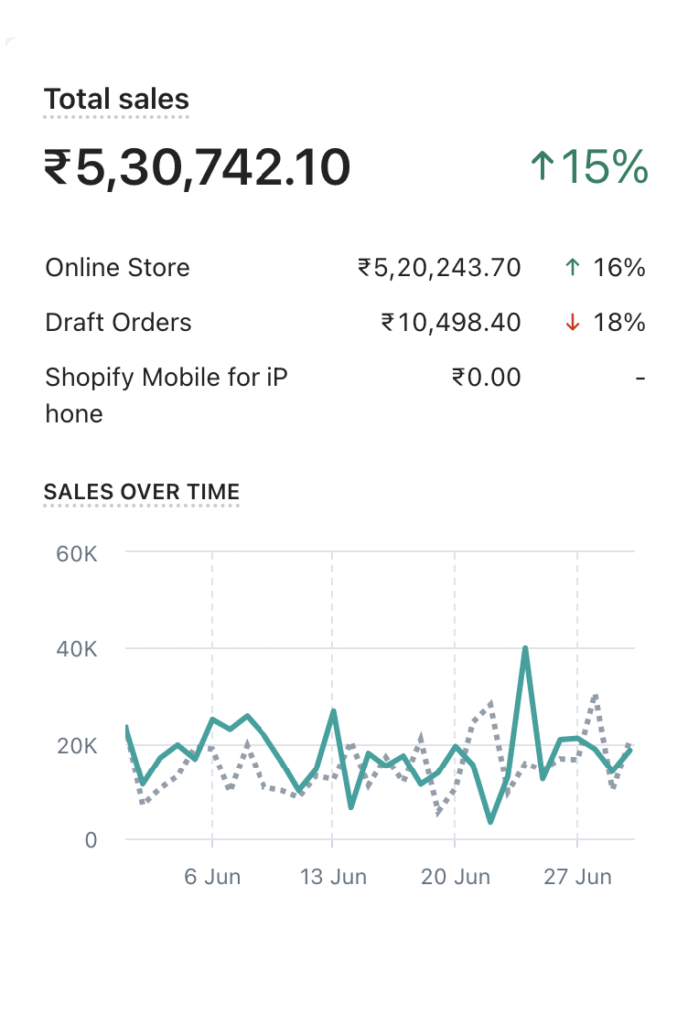
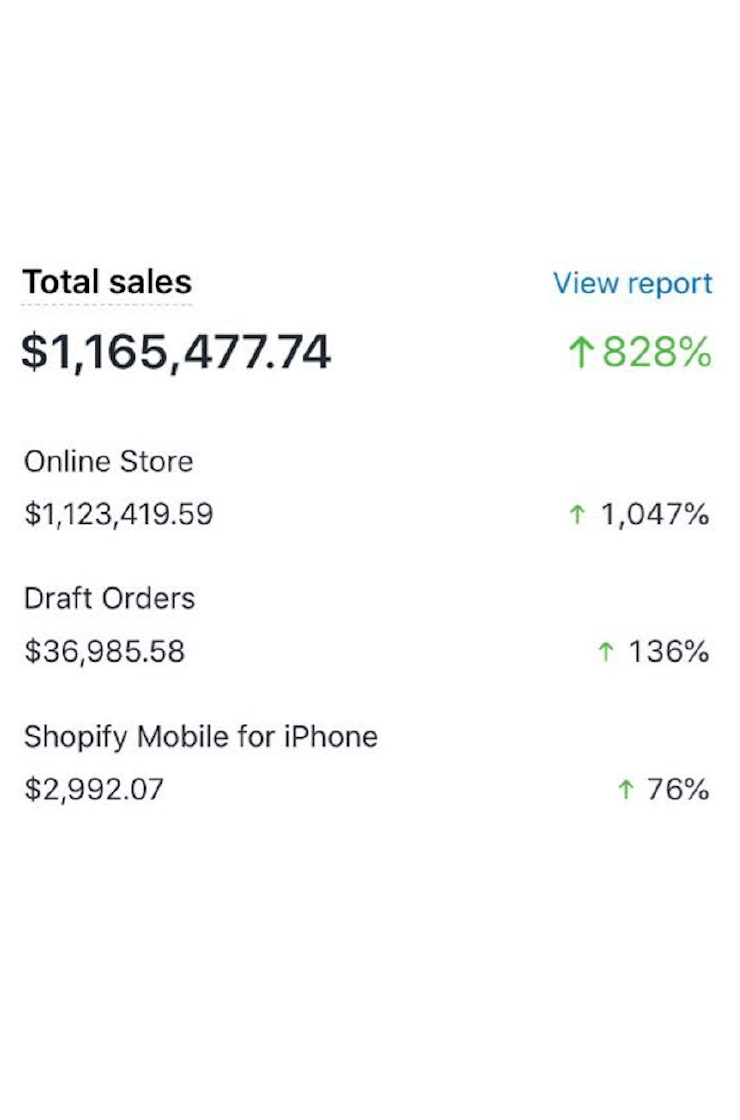
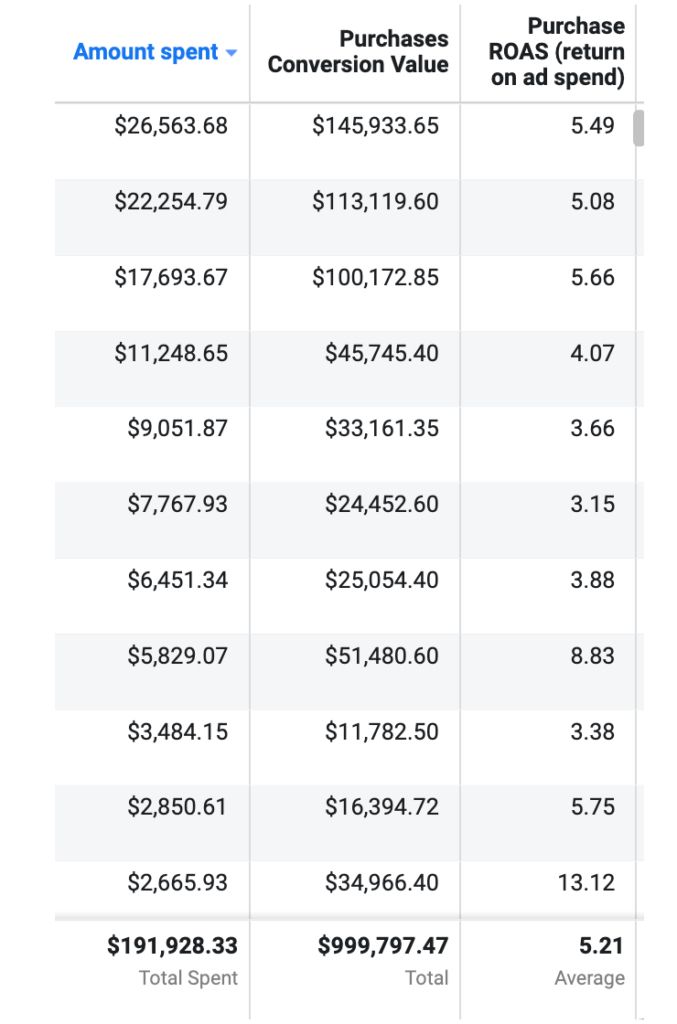
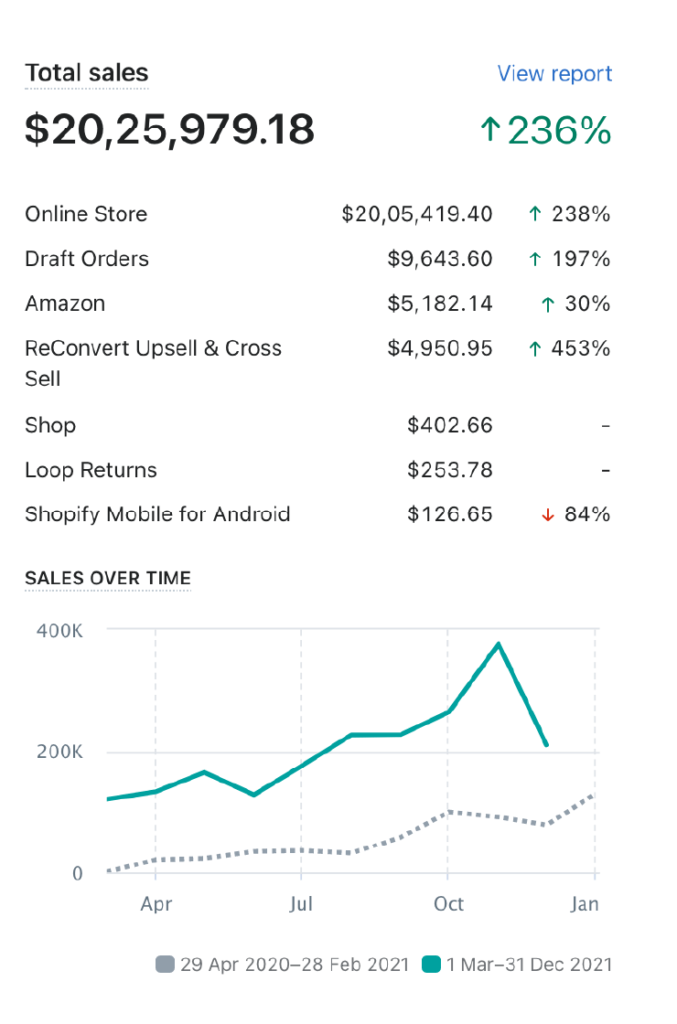
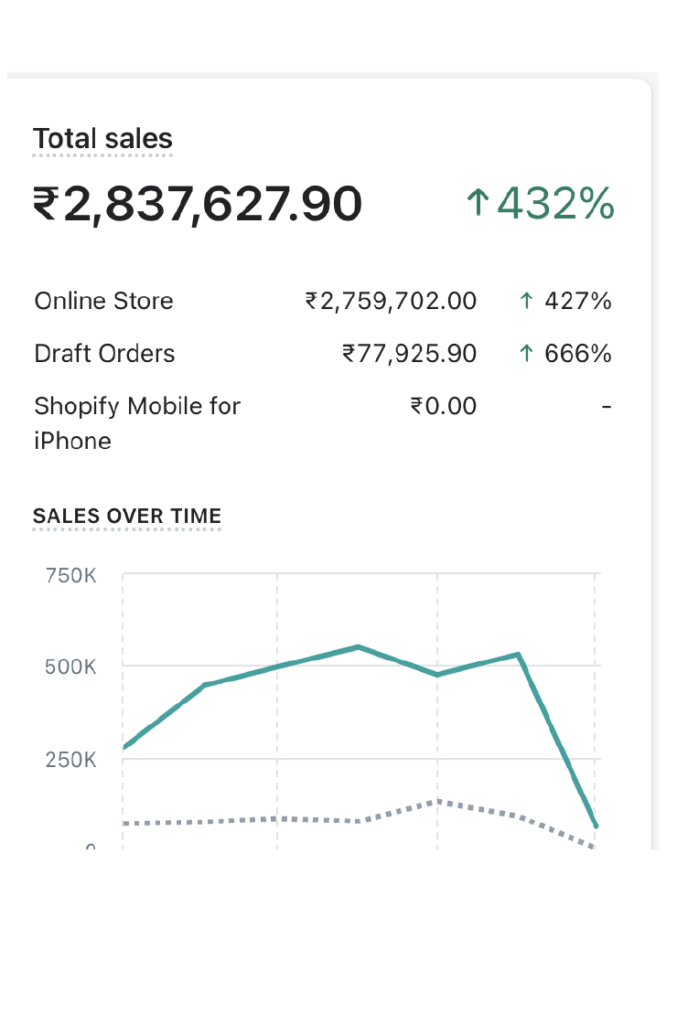
Past Results From Our Jewellery Brands

Results generated by HavStrategy
results

Let's increase your revenue together!

Get Results For your Jewellery brand In First 3 Months

Want Us To Be The Growth Partner To Your Business?

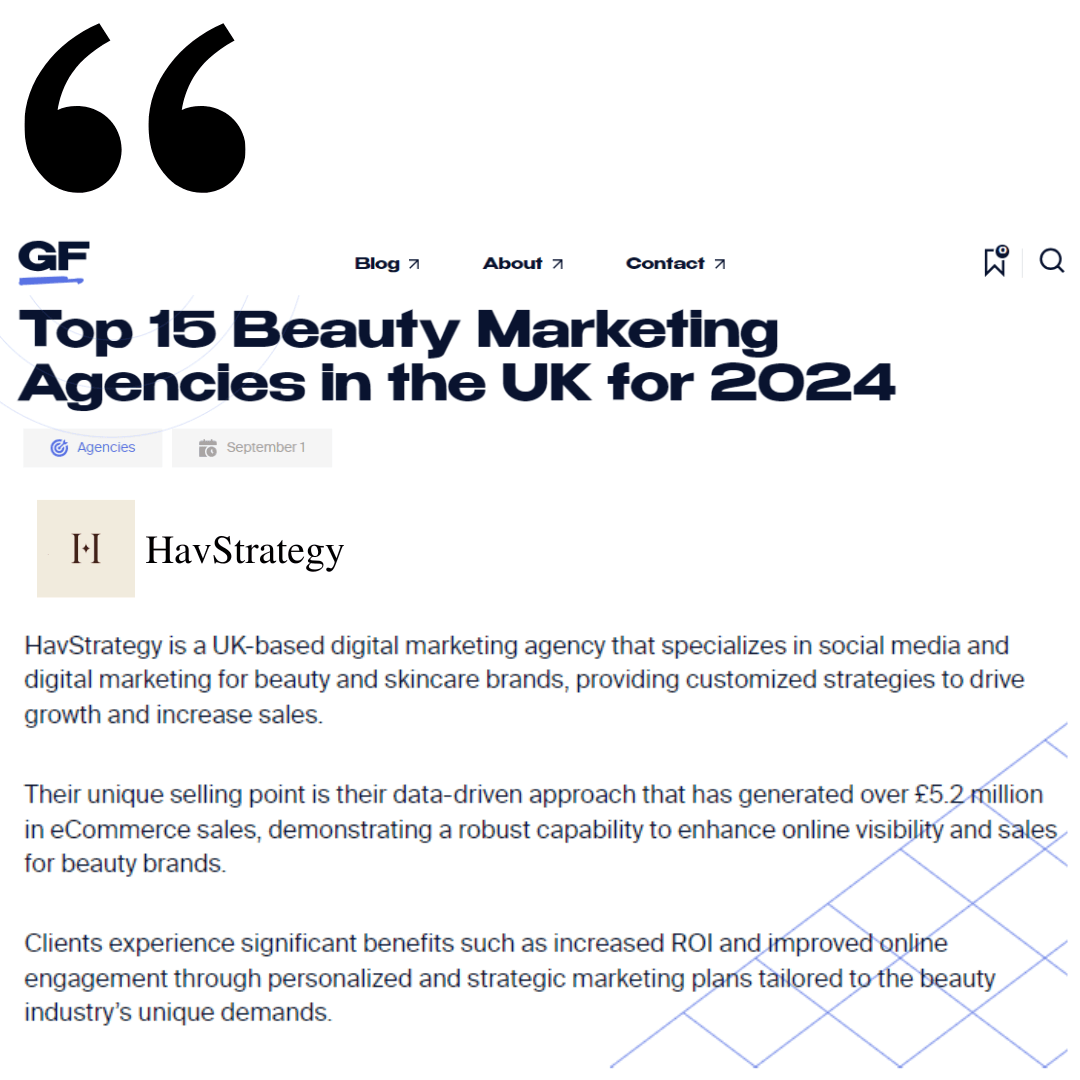
As Seen On

Let's Connect