Last Diwali, we had a sustainable jewelry client lose ₹3.2 lakhs overnight. Their “eco-gold” Instagram carousel got ratioed when a karigar’s cousin posted sweaty factory pics showing coal kilns. Gen Z doesn’t buy “sustainable” labels—they demand tours. Pandora publishes blockchain dashboards tracking lab-grown diamonds from carbon to vermeil. Tanishq’s “Revive” melts e-waste into pendants you can trace by serial number. Mejuri? Lifetime trade-ins where your college hoops become your kid’s heirlooms.
Real talk: 73% pay premiums but only if they verify. Everlane proved it—raw factory wage sheets and carbon audits lifted LTV 34% because screenshots circulated WhatsApp groups. Circular economy hooks hard: Pandora recycles old bracelets into custom charms, zero-plastic seed boxes sprout wildflowers when planted. Greenwashing? Fyre-level death. Balenciaga’s 2022 bag scandal still haunts their Gen Z metrics. Winners share unpolished truth: Instagram Lives from Jaipur workshops showing solar kilns, Scope 3 breakdowns like nutrition labels, B Corp certifications screenshot-worthy.
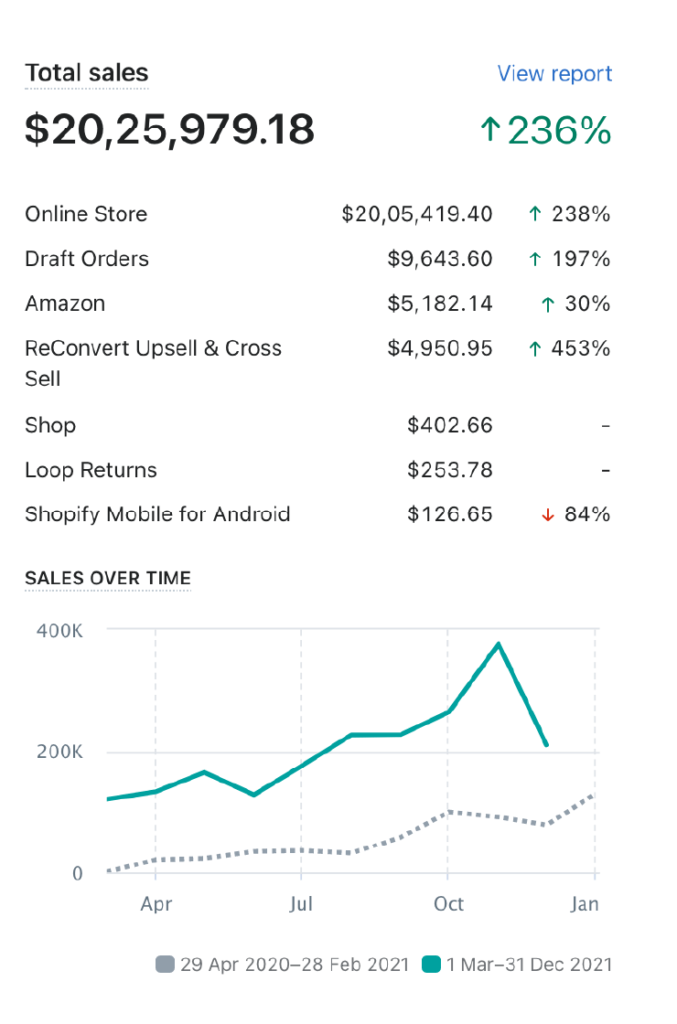
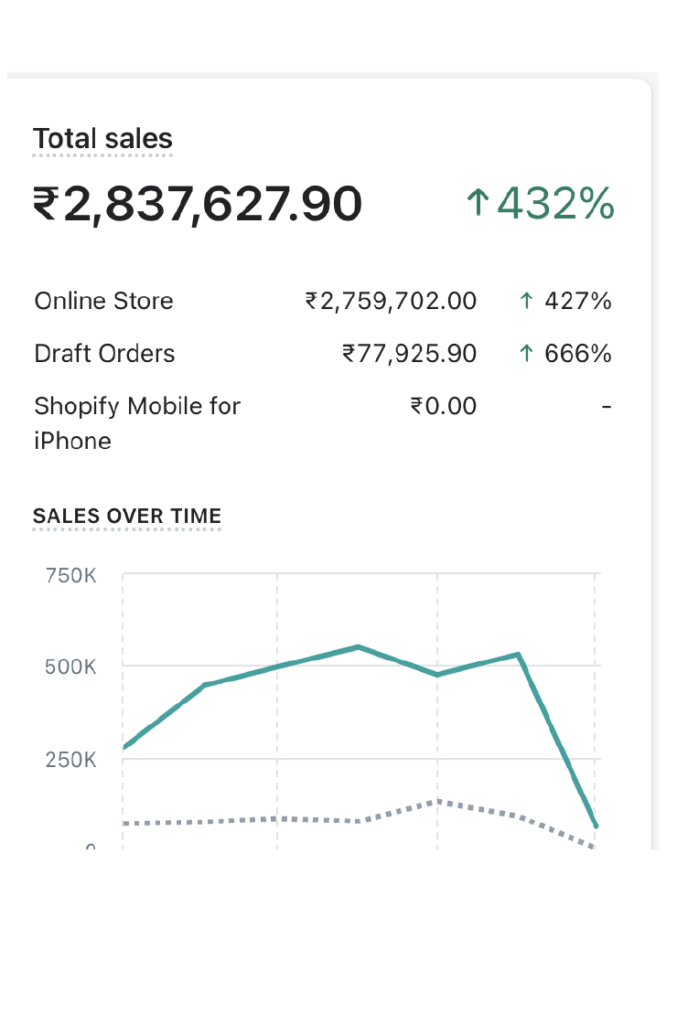
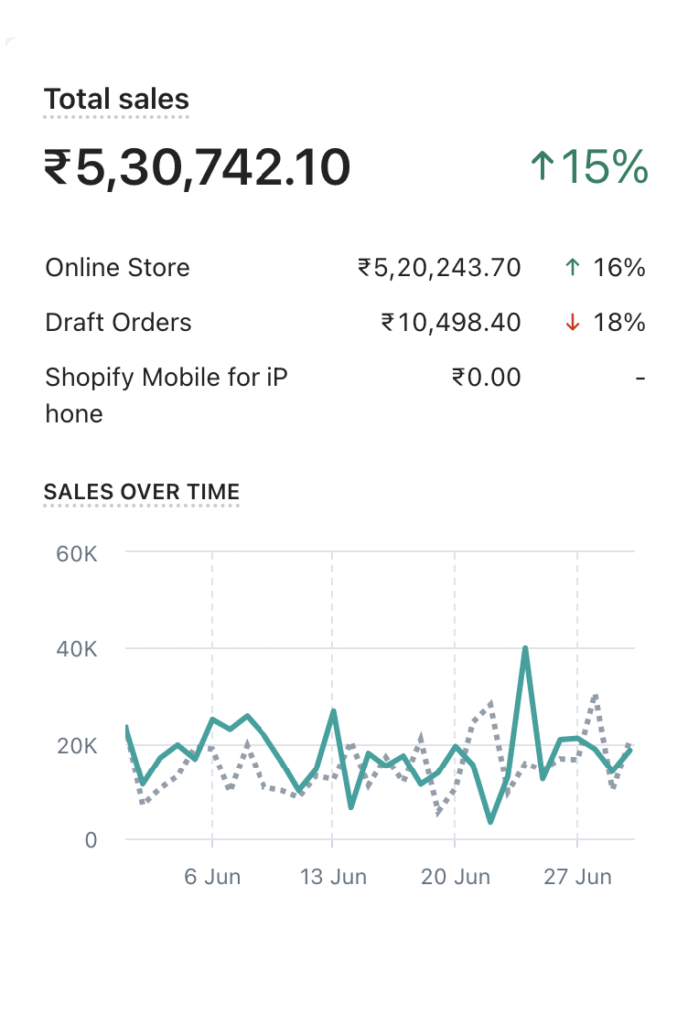
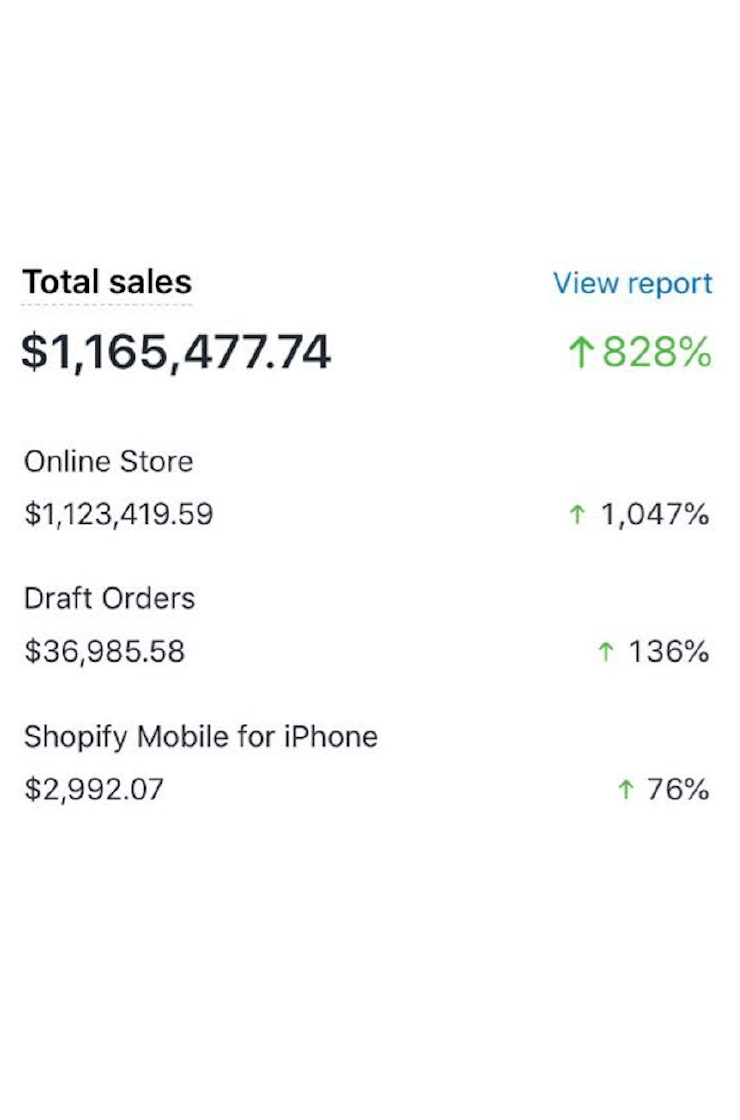
The lessons here? To scale a luxury D2C brand internationally—whether in the USA, UAE, or UK—you need transparency, real numbers, and authenticity. How to Scale a D2C Brand from ₹1L to ₹10L in Monthly Sales: A Founder’s Step-by-Step Marketing Framework also emphasizes how this strategy directly impacts growth. Showing the real behind-the-scenes story builds trust and drives long-term loyalty.
Lifestyle fusion amplifies: yoga mats laser-etched with affirmations beside stackable cuffs, reusable totes holding astrological birthstones. Track “sustainability NPS”—Gen Z shares these scores more than 5-star reviews. Founders sleeping on supply chain audits deserve the boycott threads. The ones smart enough to hire the best lifestyle marketing agency? They turn ethics into moats nobody breaches.