How to Start a D2C Brand in India in 2026: A Step-by-Step Guide

Introduction

Starting a D2C brand in India in 2026 is no longer about being early to a trend. That phase ended years ago. Today, it is about building something that can survive high customer acquisition costs, impatient consumers, brutal competition, and unforgiving unit economics.

India has become one of the toughest D2C markets globally. Not because demand is low, but because expectations are high. Customers compare relentlessly, return easily, and switch brands without hesitation. In this environment, launching a D2C brand without a clear strategy is one of the fastest ways to burn capital. This guide is written from the perspective of operators who have worked closely with Indian founders across beauty, fashion, wellness, home, food, and lifestyle categories. It focuses on execution reality, not startup theory.

What D2C Means in India (2026 Context)

D2C in India has changed fundamentally over the last five years. In 2026, it is not about selling directly anymore. It is about owning the relationship, the data, and the repeat purchase loop.

Indian consumers behave very differently from Western markets. They are value-conscious, deeply influenced by social proof, and far more sensitive to delivery experience than most founders expect. COD, returns, delivery speed, and customer support still play a decisive role in conversion.

Today, a D2C brand in India usually operates across multiple layers:

  • A brand website as the control center
  • Marketplaces for demand capture
  • Quick commerce for impulse and replenishment
  • WhatsApp for commerce and support
  • Creators as trust carriers

Brands like Mamaearth and Boat did not win because they were “digital.” They won because they built distribution depth and trust simultaneously.
Market & Category Validation (India-First Approach)

Most Indian D2C failures start at validation. Founders often validate interest, not purchase intent. In India, validation must be ruthless. You are not asking, “Is this a good idea?” You are asking, “Will people repeatedly pay for this at scale?”

Search data is the first signal. If users are actively searching for solutions, alternatives, or reviews on Google and Amazon, demand already exists. If not, you may be trying to create a market from scratch, which is expensive and slow. The second signal is quick commerce. Platforms like Blinkit and Zepto are a real-time indicator of what people buy without overthinking. If your category exists there, consumption is frequent. If not, your marketing effort will need education, not just ads.

Finally, validate economics early. If your gross margins cannot comfortably absorb logistics, returns, GST, and marketing, no branding exercise will fix it later.

Brand Positioning & Differentiation

In 2026, differentiation in Indian D2C is not optional. It is survival. Positioning is not about adding more features. It is about subtracting noise. The strongest brands stand for one sharp idea and repeat it relentlessly.

A brand that tries to appeal to everyone ends up being remembered by no one. Instead, anchor your brand around:

  • A clearly defined problem
  • A specific audience
  • A tangible outcome

Without this clarity, even the Best d2c agency will struggle to build consistency across ads, content, and retention.

Product Development & Supply Chain Setup

Indian D2C founders often underestimate how much supply chain decisions dictate growth speed — a mistake that becomes especially costly in lifestyle brands, as outlined in How to Build and Market a D2C Lifestyle Ecommerce Brand.

In 2026, flexibility beats scale at launch. Smaller MOQs, faster iteration cycles, and reliable quality matter far more than squeezing costs initially. Many brands collapse because they lock themselves into inflexible manufacturing too early. Packaging is another silent killer. Oversized or fragile packaging increases shipping costs, damages margins, and inflates return rates. Products must be designed with Indian logistics realities in mind.

The best brands treat suppliers as long-term partners, not negotiable line items. This mindset compounds during scaling.

Legal, GST, Compliance & Logistics in India

Compliance is rarely exciting, but it protects your future. Trademark filings, GST registration, category-specific licenses, and clean policies are not “later stage” work. They are foundational. Brands that ignore this often face painful bottlenecks when entering marketplaces or raising capital.

Logistics planning deserves equal seriousness. COD remains significant in India, especially outside metros. RTO management, courier performance, and reverse logistics costs must be baked into pricing, not treated as exceptions.

Website, Tech Stack & Conversion Optimization

In India, your website is not a brand brochure. It is a conversion battlefield. Customers arrive skeptical. Your job is to reduce doubt fast. Above-the-fold messaging must answer three questions immediately: what this is, who it is for, and why it works.

Trust markers such as reviews, COD visibility, delivery timelines, and easy returns are not secondary. They are conversion drivers. Even the best performance marketing agency cannot scale a brand whose website leaks trust and clarity.

Performance Marketing Strategy (Meta, Google, Amazon, Quick Commerce)

Paid growth in India has matured sharply. In 2026, throwing money at ads without structure is a guaranteed loss. Meta still dominates discovery, but winning ads look like native content, not polished commercials. Google Search captures intent, not curiosity. Marketplaces act as demand harvesters, while quick commerce fuels impulse behavior.

Founders must stop evaluating channels in isolation. Blended CAC is the only metric that truly matters.

Influencer & Creator-Led Growth Strategy

India is now a creator-driven commerce ecosystem.

Creators are no longer just awareness tools. They influence trust, education, and purchase decisions. One credible creator can outperform ten generic ads.

The brands that scale treat creators as long-term partners, not rented reach. This is where execution quality separates average teams from those backed by the best influencer marketing agency.

Retention, CRM & Community Building

Retention is where Indian D2C brands either stabilize or bleed slowly.

WhatsApp has emerged as the most powerful retention channel in India. Order updates, education, replenishment reminders, and cross-sells perform better here than anywhere else.

Founders who invest in community, education, and post-purchase experience reduce CAC pressure dramatically over time.

Common Mistakes Indian D2C Founders Make

The same patterns repeat:

  • Launching without validation
  • Over-spending on branding earl
  • Chasing ROAS screenshots instead of profitability
  • Ignoring retention
  • Treating operations as secondary

Execution discipline always wins.

Final Execution Roadmap for 0–12 Months

The first quarter should focus on validation, positioning, and supplier readiness. The second quarter should prioritize website readiness and controlled acquisition. The third quarter is about optimization and retention. The final quarter is where scaling decisions are made carefully.

Final Strategic Takeaway

Building a D2C brand in India in 2026 is not about moving fast. It is about thinking clearly and executing deeply.

The brands that win respect unit economics, understand Indian consumers, and build systems before scale. At havStrategy, we work as strategy-first growth partners, helping founders avoid expensive mistakes early. Whether you are evaluating the Best d2c marketing agency, the best web development agency, or planning your growth roadmap, the right thinking upfront saves years of correction later.

If you are serious about building a durable Indian D2C brand, strategy is not optional. It is the foundation.

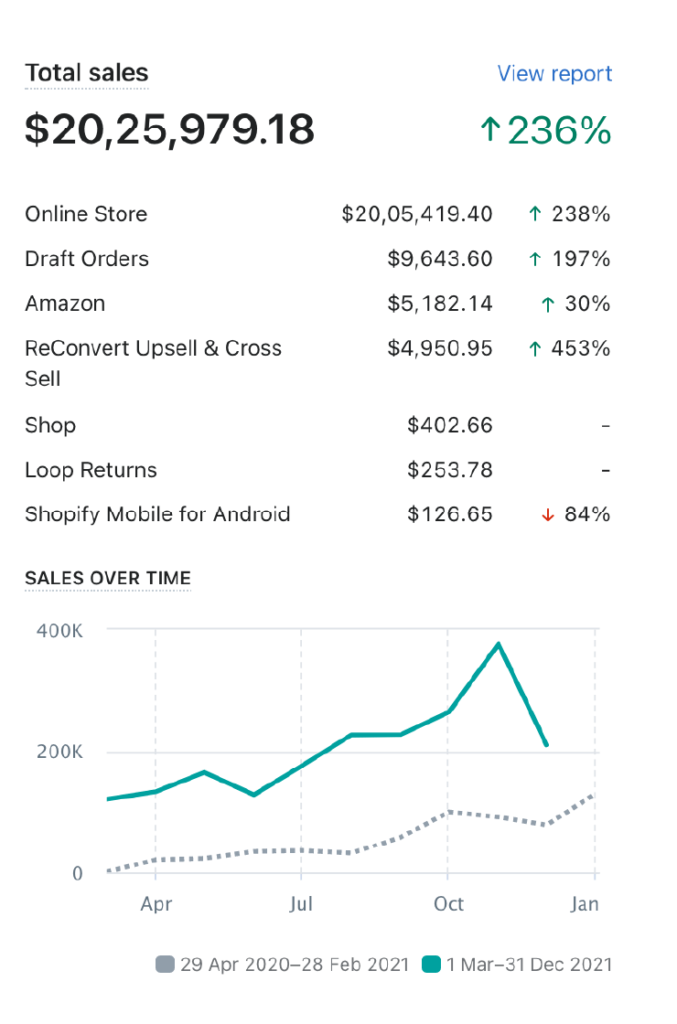
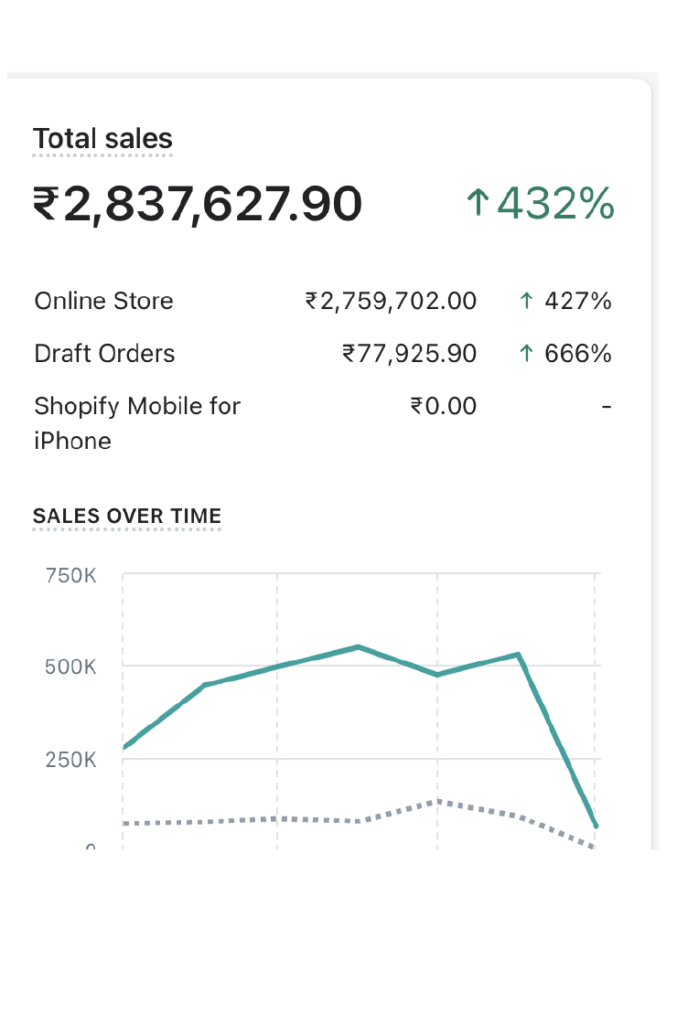
Past Results From Our D2C Brands

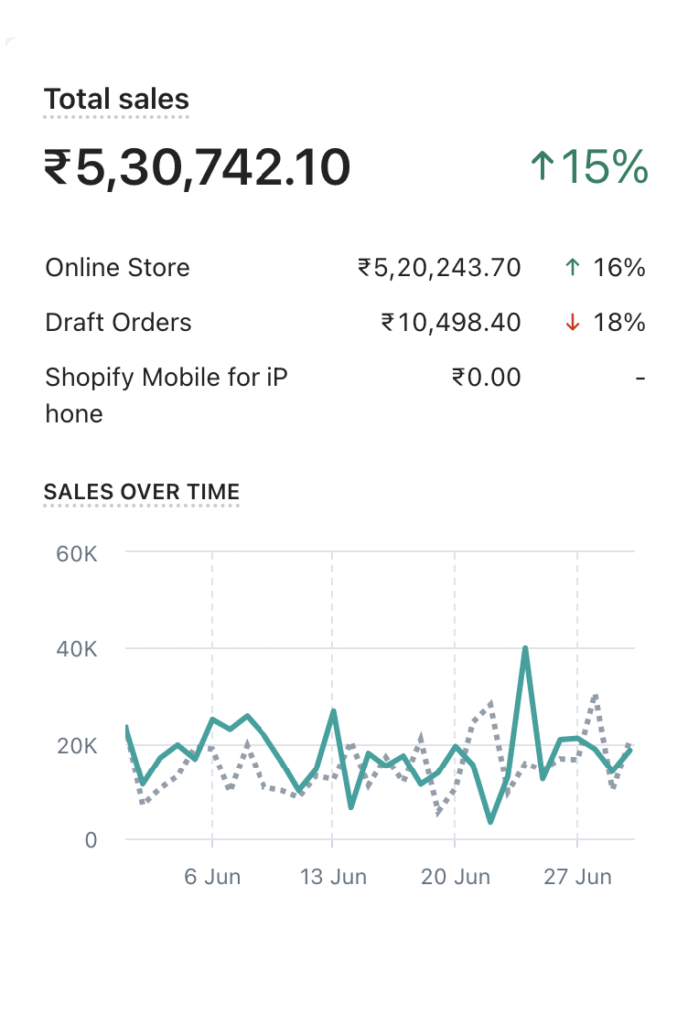
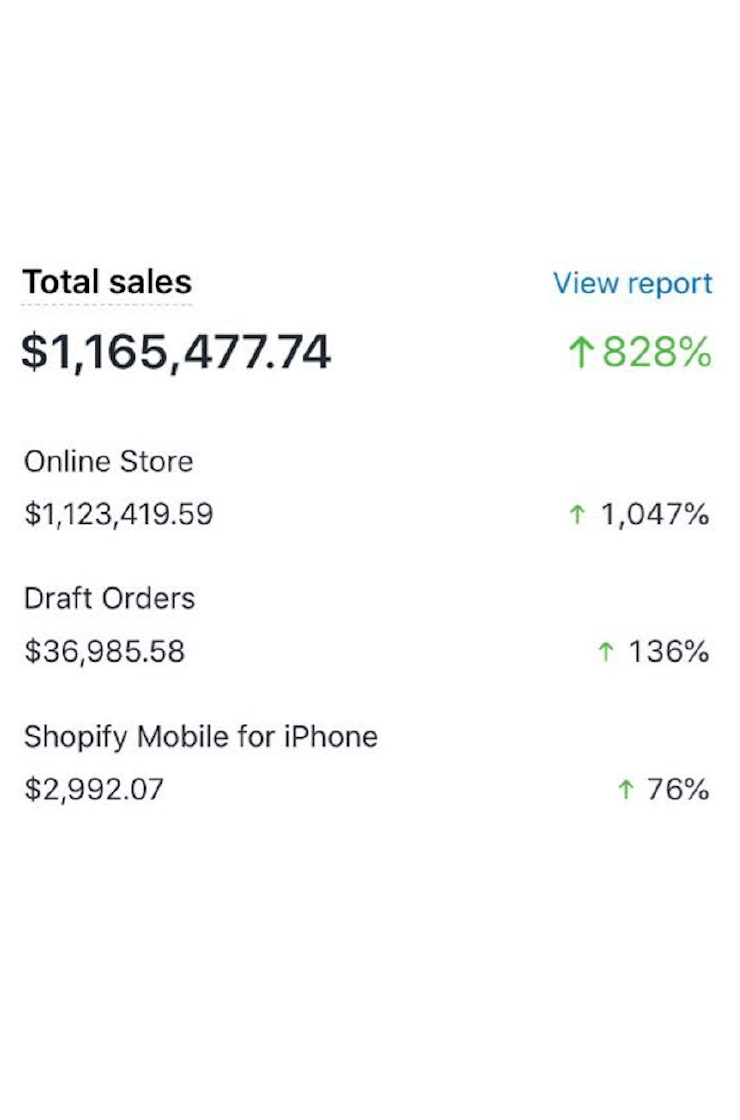
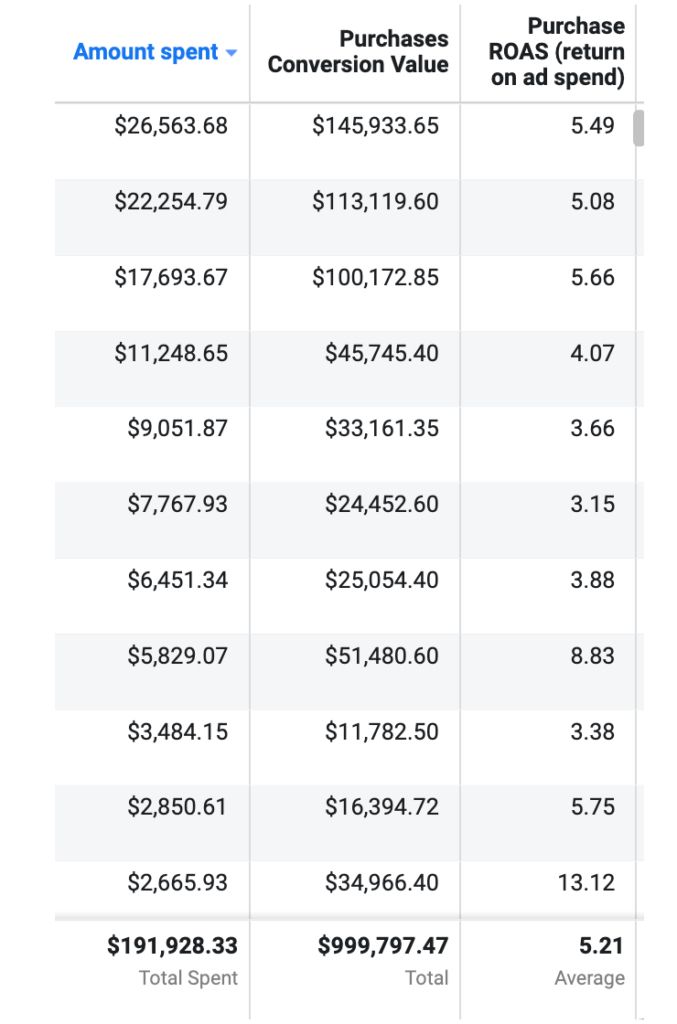
Results generated by HavStrategy
results

Let's increase your revenue together!

Get Results For your D2C brand In First 3 Months

Want Us To Be The Growth Partner To Your Business?

As Seen On

Let's Connect