
Beauty Marketing Guide 2026
Beauty Brand Marketing: The Complete Guide for D2C Founders (2026)
You've got a great product. The formula is good. The packaging is ready. Maybe you've even done a few sales. But now comes the real question — how do you actually grow?
Marketing a beauty brand in 2026 is not the same as it was just three years ago. The rules have changed. The platforms have changed. The customer has changed.
Today's beauty buyer does her research before she buys. She checks ingredients on Reddit, watches a 60-second review on Reels, reads a brand's values on their website, and only then — maybe — adds to cart.
This guide is built for D2C beauty founders who want a clear, honest view of what it actually takes to grow a beauty brand in today's market.
No fluff. No jargon. Just a step-by-step breakdown.
Founder-first growth
Beauty
Growth
Strategy 2026
Positioning
Brand clarity
Performance
Profitable growth
Global scale
Market expansion
Foundation
What Is Beauty Brand Marketing?
Beauty brand marketing is everything you do to get the right person to notice your product, understand why it's right for them, and actually buy it — and then come back again.
It covers your Instagram content, your performance marketing campaigns, your Google ads, the email you send after someone buys, the influencer marketing strategy that reviews your serum, and the way your website experience makes someone feel when they land on it for the first time.
But it's more than just selling. Great beauty brand marketing builds trust. It helps someone believe that your product will actually work for their skin type, their hair texture, their lifestyle — through consistent storytelling, strong social media presence, and a clear brand narrative.
Because in beauty, trust is what drives repeat purchases — and repeat purchases are what build a real business. That’s why brands that scale invest early in the right brand foundation and launch strategy.
Beauty growth loop
01
Get noticed
Content ads discovery
02
Build belief
Reviews education proof
03
Drive purchase
Website offer experience
04
Bring them back
Email retention loyalty
In beauty, people do not just buy a product. They buy confidence in the result.
Why Beauty Is Different
How Beauty Marketing Differs from Other Consumer Goods
If you've ever tried to use a generic marketing playbook for your beauty brand, you know it doesn't quite fit. That's because beauty is one of the most personal categories in the world.
You're asking someone to put your product on their face, their skin, their hair. The stakes feel high to them. That is why beauty brands need more than a standard >performance marketing approach. They need trust-led communication that reduces hesitation before the first purchase.
Beauty buyers need education, not just promotion. They want to know what niacinamide actually does, why your sunscreen formula doesn't leave a white cast, and whether your cleanser will work for oily skin. This is where a strong >social media content system, thoughtful influencer validation, and a conversion-focused website experience start working together.
They want to see results — not just claims. That means before-and-after content, ingredient breakdowns, honest reviews, and social proof work far harder in beauty than a discount code ever will.
Beauty is also deeply trend-driven. A single viral Reel or TikTok video can 10x a product's demand overnight. But trends fade just as fast. So while beauty brands need to ride trends, they also need a solid brand foundation that outlasts any single moment.
Beauty vs generic consumer goods
Generic consumer goods
- Promotion-led buying
- Price and convenience first
- Lower emotional risk
- Claims can stay simple
Beauty brands
- Trust-led buying
- Education before conversion
- High personal relevance
- Proof content matters more
In beauty, belief is part of the product experience.
Why Specialization Wins
Why Beauty Brands Need Specialist Agencies, Not Generalist Ones
A generalist agency will run your Meta ads. A specialist beauty agency will run your Meta ads and know that a before-and-after skin transformation video will always outperform a flat-lay product shot.
They will know that your ROAS benchmark for a ₹800 face serum is different from a ₹300 face wash. They will know which micro-influencers in the skincare space actually drive sales versus just likes.
The difference shows up in your bottom line. Strong beauty growth needs a connected mix of performance marketing, social media strategy, and a high-converting website experience built around how beauty customers actually buy.
If you want a team that lives and breathes beauty brand marketing, see how HavStrategy has grown beauty brands like yours.
Beauty specialist advantage
Generalist agency
Runs ads by platform logic
Uses broad creative assumptions
Optimizes for reach and clicks
Treats beauty like any other product
Beauty specialist agency
Knows what proof content converts
Understands claims trust and category nuance
Benchmarks by SKU price point and funnel
Builds a system for retention not just traffic
Global Leader
Read the Rhode strategy
Rhode Skin
Rhode by Hailey Bieber became one of the fastest-growing D2C beauty brands by doing one thing brilliantly — making glazed donut skin a cultural moment, not just a product benefit.
Their marketing is all about aspiration wrapped in simplicity. Every post, every collab, every launch felt like it came from a real person, not a corporation.
See how they did it in HavStrategy’s deep-dive into the Rhode marketing strategy.
Strategy First
Beauty Brand Marketing Strategy
Before you spend a single rupee on ads, you need a strategy. Most beauty brands that struggle with marketing are not struggling because of the wrong platforms — they are struggling because they have not defined the right foundation.
Strategy first, spend second.
01
Brand Positioning Before Marketing Spend
Positioning is the answer to one question: why should someone buy your product over the ten others sitting next to it on a shelf or in a Google search result? Your positioning is not your tagline. It is the specific reason your brand exists for a specific type of person.
Are you the clean beauty brand for college students on a budget? Are you the clinical-grade skincare brand for people who have tried everything? Are you the Ayurvedic haircare brand that does not compromise on results?
Get this crystal clear before you run a single ad. Because if you’re unclear on your positioning, every rupee you spend will just confuse people rather than convert them.
02
Defining Your Target Audience
Most early beauty brands say their target audience is “women aged 18–35 who care about skincare.” That is too broad. A useful audience definition sounds more like:
Women aged 22–28 living in Tier 1 cities earning ₹40,000–₹80,000
per month who follow dermatologists on Instagram already use at
least one serum and are willing to pay a premium for clean
science-backed formulations.
The more specific you get, the better your content resonates, your ad targeting performs, and your influencer choices land.
Specificity is not limiting — it is what makes your marketing feel personal.
Foundation checklist
Clear category positioning
Specific audience definition
Message-market fit
Proof-driven content plan
Conversion-ready website journey
Why early brands waste spend
They launch ads before they build clarity, proof, and trust. A strong website experience and a clear brand foundation matter before scale.
India Framework
The 5 Stages of Beauty Brand Growth
| Stage | Revenue Range | Primary Focus |
|---|---|---|
| Stage 1 | ₹0 – ₹10L/month | Brand building, organic content, seeding to micro-influencers, fixing website UX, getting first 100 reviews |
| Stage 2 | ₹10L – ₹50L/month | Turn on Meta ads, test creatives, build email list, introduce hero product focus |
| Stage 3 | ₹50L – ₹1Cr/month | Scale winning ads, launch Google Shopping, build retention with email and WhatsApp, add 2–3 new SKUs |
| Stage 4 | ₹1Cr – ₹10Cr/month | Macro influencers, D2C plus marketplace expansion, build a content engine |
| Stage 5 | International | UAE and UK expansion, localised creatives, listing on global marketplaces |
Stage 1
Revenue Range₹0 – ₹10L/month
Primary FocusBrand building, organic content, seeding to micro-influencers, fixing website UX, getting first 100 reviews
Stage 2
Revenue Range₹10L – ₹50L/month
Primary FocusTurn on Meta ads, test creatives, build email list, introduce hero product focus
Stage 3
Revenue Range₹50L – ₹1Cr/month
Primary FocusScale winning ads, launch Google Shopping, build retention with email and WhatsApp, add 2–3 new SKUs
Stage 4
Revenue Range₹1Cr – ₹10Cr/month
Primary FocusMacro influencers, D2C plus marketplace expansion, build a content engine
Stage 5
Revenue RangeInternational
Primary FocusUAE and UK expansion, localised creatives, listing on global marketplaces
!
Each stage has different priorities. A mistake we see constantly is Stage 1 brands spending heavily on Meta ads before they have product-market fit or enough social proof. If someone lands on your Instagram and sees 200 followers and no reviews, even the best ad won’t convert.
Indian Leader
Read the full breakdown
Minimalist
Minimalist nailed their brand positioning from Day 1 — science-backed, ingredient-led, and honest about what their products do and do not do.
They skipped celebrity glam and went straight to education. That clarity took them from zero to one of India’s fastest-growing skincare D2C brands in under three years.
Read HavStrategy’s full breakdown of the Minimalist marketing strategy to see exactly how they did it.
Performance Marketing
Performance Marketing for Beauty Brands
Performance marketing means paid advertising — Meta (Instagram + Facebook), Google, YouTube — where you can track exactly what you spent and what came back. In 2026, it remains the fastest way to scale a beauty brand once you have your organic foundation set.
01
Meta Ads Strategy for Beauty Brands
Meta ads (Instagram + Facebook) are still the number one performance channel for beauty D2C brands in India. Why? Because beauty is a visual, emotional category — and Meta’s visual formats suit it perfectly. But running Meta ads for beauty is different from running ads for, say, a software product.
The creative is everything. The single biggest lever you have on Meta is your ad creative — the video or image itself.
Before-and-after skin or hair transformation videos (15–30 seconds)
Founder or dermatologist talking-head content explaining a key ingredient
UGC-style videos that look organic rather than ad-like
Get-ready-with-me style content featuring your product
Comparison ads versus generic alternatives — done carefully
Start with 5–8 creative variations and let Meta find the winner. Killing ads too early (before day 7–10) is one of the most common mistakes beauty brands make.
02
Google Shopping for Beauty Brands
Google Shopping is underused by most D2C beauty brands in India. When someone types “best niacinamide serum India” or “vitamin C face wash under ₹500”, they have intent — they are ready to buy. Google Shopping puts your product image, price, and brand directly in front of them.
To do this well, you need strong product feed optimisation (title, description, images), a competitive price point, and good reviews feeding into your Google Merchant Center.
Brands that invest in Google Shopping alongside Meta performance campaigns often see a stronger blended CAC because they are capturing demand rather than creating it from scratch.
What actually improves ROAS
Stronger ad creative testing
Clear product-market messaging
Better landing page conversion flow
Intent capture through Google Shopping
Retention that protects blended CAC
Important note
These benchmarks work best when you track blended performance, not just first-click wins. Strong creative plus a high-converting website experience usually changes the outcome faster than platform tweaks alone.
India, 2026
ROAS Benchmarks by Beauty Category
| Category | Average ROAS Target | Healthy ROAS | Avg. CAC (D2C) |
|---|---|---|---|
| Skincare (Serums) | 2.5x – 3.5x | 4x+ | ₹350 – ₹550 |
| Skincare (Moisturisers) | 2x – 3x | 3.5x+ | ₹300 – ₹480 |
| Makeup | 2x – 2.8x | 3.5x+ | ₹400 – ₹600 |
| Haircare | 1.8x – 2.5x | 3x+ | ₹420 – ₹650 |
| Fragrance | 2.5x – 4x | 5x+ | ₹500 – ₹800 |
Skincare (Serums)
Average ROAS Target2.5x – 3.5x
Healthy ROAS4x+
Avg. CAC (D2C)₹350 – ₹550
Skincare (Moisturisers)
Average ROAS Target2x – 3x
Healthy ROAS3.5x+
Avg. CAC (D2C)₹300 – ₹480
Makeup
Average ROAS Target2x – 2.8x
Healthy ROAS3.5x+
Avg. CAC (D2C)₹400 – ₹600
Haircare
Average ROAS Target1.8x – 2.5x
Healthy ROAS3x+
Avg. CAC (D2C)₹420 – ₹650
Fragrance
Average ROAS Target2.5x – 4x
Healthy ROAS5x+
Avg. CAC (D2C)₹500 – ₹800
!
These benchmarks are for blended ROAS (total revenue ÷ total ad spend). If you are only tracking new customer ROAS, your numbers will look worse initially — but your LTV-to-CAC ratio is what actually matters long-term.
Indian Leader
Read the full breakdown
Minimalist
Minimalist’s performance marketing is a masterclass in category-specific ROAS optimisation. By leading every ad with an ingredient claim (“2% Salicylic Acid for acne”) rather than emotional aspiration, they attracted buyers who already understood what they were looking for.
That creates lower CAC and stronger repeat rates than category averages.
Full breakdown here: Minimalist Marketing Strategy.
Social Media Marketing
Social Media Marketing for Beauty Brands
Social media is where beauty brands are made in 2026. It is not just a distribution channel — it is where your brand personality lives, where trust is built, and where your community forms. The brands that treat social as a broadcast tool always lose to brands that treat it as a conversation.
01
Instagram Strategy for Beauty Brands
Instagram remains the primary platform for beauty in India and globally. But what works in 2026 is very different from 2021. Feed posts matter less. Reels dominate reach. Stories drive conversions. And your bio and highlights are your first-impression sales page.
A winning Instagram strategy for a beauty D2C brand in 2026 looks like this:
3–4 Reels per week — educational, trending audio, results-focused
Daily Stories — product usage, polls, behind-the-scenes, customer reposts
2 feed posts per week — high-quality visuals for brand aesthetic
Highlights organised by Ingredients, Results, Reviews, About Us, FAQ
Pinned comments on key posts with links to buy
The biggest mistake beauty brands make on Instagram is going silent for two weeks and then posting five times in one day. Consistency beats virality. Showing up every day — even imperfectly — is what builds a following that eventually converts.
02
Reels & Short-Form Content Strategy
Reels are the single most powerful organic reach tool available to beauty brands right now. One good Reel can bring in 50,000 new eyes to your brand without spending a rupee on ads.
Here is what consistently works:
Educational
“3 things I wish I knew before buying a Vitamin C serum”
Experiment-led
“I used this SPF every day for 30 days — here’s what happened”
Problem-solution
“Why your moisturiser isn’t working and what to do instead”
Aspirational UGC
“POV: You finally found a sunscreen that doesn’t leave a white cast”
Don’t overthink production. The most viral beauty Reels are filmed on a phone, with good lighting, in a bathroom. Authenticity drives engagement, not production value.
Beauty social checklist
Reels-led content plan
Daily Stories to build familiarity
Visible proof and reviews
UGC integrated into content flow
Consistent brand voice across posts
What drives conversion
Strong social media strategy, clear proof content, visible customer trust, and a clean website journey usually outperform over-produced content calendars.
03
Before/After Content Frameworks
Before-and-after content is the highest-converting content format in beauty — both on social and in ads. But there is a right way and a wrong way to do it.
The wrong way is heavily edited photos where the transformation looks unbelievable. That breaks trust. The right way shows a real, modest, honest transformation — the kind that makes someone think “I could get that result too.”
Timeline
Day 1 vs Day 28
Context
I have dry skin and hyperpigmentation
Authenticity
Unfiltered, no edits
That specificity is what makes someone believe the result is achievable for them.
04
UGC for Beauty Brands
UGC — content made by your actual customers — is one of the most valuable assets a beauty brand can have in 2026. It works because it is real. A real person, with real skin, using your product and sharing an honest opinion is far more convincing than polished brand-only communication.
Ask
Send a follow-up email two weeks after purchase asking for a photo or video review
Incentivise
Offer a discount on the next purchase to encourage response
Reuse
Repost every strong UGC piece to Stories and use it inside ads
Showcase
Create a community wall on your website
Global Leader
Read the full breakdown
Rare Beauty
Rare Beauty built one of the most engaged beauty communities on social media by making mental health and self-acceptance central to their social strategy — not just products.
Their Rare Impact Fund and deeply human content created a following that genuinely cares about the brand, not just the products. That emotional connection translated into extraordinary UGC volume and repeat purchase rates.
Read HavStrategy’s full breakdown: Rare Beauty Marketing Strategy.
Influencer Marketing
Influencer Marketing for Beauty Brands
Influencer marketing in beauty is not optional in 2026 — it is table stakes. But it is also one of the most misunderstood channels. Most brands think influencer marketing means paying a big name to post about your product. The reality is far more nuanced, and the brands that do it well are doing it very differently.
01
Micro vs Macro Influencers: Which Works Better for Beauty?
Here is the honest answer: for most D2C beauty brands, especially in the ₹0–₹5Cr revenue range, micro-influencers (10,000–150,000 followers) deliver better ROI than macro influencers.
Why? Because micro-influencers have a deeply engaged, trusting audience. Their followers are real people who watch every video, read every caption, and actually take purchase recommendations seriously.
A macro influencer with 2 million followers might get you visibility. A micro influencer with 30,000 followers in the skincare niche might actually sell product.
| Type | Followers | Typical Cost (India) | Best For |
|---|---|---|---|
| Nano | 1K – 10K | Free product / ₹2K–₹5K | Awareness seeding, reviews |
| Micro | 10K – 150K | ₹5K – ₹30K per post | Sales, authentic content |
| Macro | 150K – 1M | ₹30K – ₹2L per post | Brand awareness, launches |
| Celebrity | 1M+ | ₹2L – ₹20L+ | Mass awareness, credibility |
Nano
Followers1K – 10K
Typical Cost (India)Free product / ₹2K–₹5K
Best ForAwareness seeding, reviews
Micro
Followers10K – 150K
Typical Cost (India)₹5K – ₹30K per post
Best ForSales, authentic content
Macro
Followers150K – 1M
Typical Cost (India)₹30K – ₹2L per post
Best ForBrand awareness, launches
Celebrity
Followers1M+
Typical Cost (India)₹2L – ₹20L+
Best ForMass awareness, credibility
02
How to Brief a Beauty Influencer Properly
Most beauty brands write briefs that are too restrictive. They specify the exact script, the exact angle, the exact caption — and end up with content that feels forced and performs poorly. Influencers know their audience better than you do. Give them direction, not a script.
A good influencer brief for a beauty brand includes:
Your key brand message and 1–2 product claims you want highlighted
Mandatory disclosures such as paid partnership or #ad
Things to avoid — no named competitor comparison, no medical claims
The feel you want — educational, casual, or aspirational
Deliverables such as 1 Reel + 3 Stories posted within a defined timeline
Usage rights — whether you can repurpose the content in paid ads
That last point — usage rights — is one most brands miss. If you can repurpose influencer content as UGC ads on Meta, it often becomes one of your best-performing ad creatives.
Why micro wins for beauty
Higher trust within niche communities
Stronger content authenticity
Better cost efficiency at early growth stages
More usable content for paid ads
Higher purchase intent per viewer
What brands often miss
The best influencer systems connect influencer marketing with performance marketing so strong creator content can be repurposed into paid ads and linked to a better conversion journey.
03
How to Measure Influencer ROI
Trackable sales
Use unique promo codes or UTM links to measure direct conversions
Branded search lift
Watch search demand after the post goes live
Story conversions
Measure link clicks and swipe-up actions from story placements
CPA comparison
Compare influencer CPA against your Meta ad CPA
Creative quality
Ask whether the content can be reused in paid ads and how it performs there
!
Do not judge influencer marketing purely on immediate sales. Some of the most valuable influencer content builds long-term brand trust that shows up in lower CAC months later.
Indian Leader
Read the full breakdown
Dot & Key
Dot & Key built a powerful influencer marketing engine by focusing almost entirely on the micro-influencer and dermatologist community in India.
Instead of one celebrity campaign, they ran hundreds of authentic skincare reviews from real people — building credibility that luxury brands could not buy.
See how it translated into growth: Dot & Key Marketing Strategy.
India Market Strategy
Beauty Brand Marketing in India
India is one of the most exciting beauty markets in the world right now. The Indian beauty and personal care market is projected to cross ₹2 lakh crore by 2027, and D2C brands are capturing a growing share of that. But marketing a beauty brand in India requires a very India-specific approach.
01
What Makes India Different
Indian beauty consumers are price-sensitive but not cheap. They will pay a premium — but only if the value is crystal clear. This means your communication needs to lead with what the product does, not just what it costs or how it looks.
Ingredient education, dermatologist endorsements, and honest claims outperform glossy lifestyle imagery in most Indian market segments.
India is also multi-platform. While Instagram and YouTube dominate in Tier 1 cities, brands targeting Tier 2 and Tier 3 markets need a strong presence on WhatsApp, YouTube Shorts, and increasingly, Meesho. The language of your content matters too — Hindi-language content dramatically outperforms English for many categories outside metro cities.
Price sensitivity
Premium works when the value is obvious
Trust triggers
Claims proof and ingredient clarity matter more
Platform mix
Tier 1 and Tier 2/3 behaviours are very different
Language
Hindi and regional tone can outperform metro-first English
02
Marketplace vs D2C: Getting the Balance Right
One of the most common strategic questions Indian beauty founders face is: should I focus on building D2C or should I go heavy on Nykaa and Amazon? The honest answer is that you need both, but in stages.
In Stages 1 and 2, your own D2C website is your most important channel. You own the customer relationship, you control the experience, and your margins are highest. Once you have proven product-market fit and are above ₹30–40L/month on D2C, adding Nykaa and Amazon makes sense — they give you distribution and discovery that is hard to replicate on your own.
But never let marketplaces become your primary channel. If Nykaa accounts for 70% of your revenue, you do not have a brand — you have a product dependent on someone else’s platform.
D2C First
Own the customer relationship
Control the full experience
Higher contribution margins
Stronger brand equity over time
Marketplaces Next
Faster discovery and reach
Useful after product-market fit
Good for scale and visibility
Should support the brand not replace it
India-specific growth levers
Clear value communication
India-native creators and visuals
Hindi or regional content strategy
D2C first before marketplace dependency
WhatsApp-led retention
Best operating model
The strongest Indian beauty brands usually combine a clear brand foundation, a high-converting D2C website, strong performance marketing, and selective marketplace expansion — not marketplace dependence.
Channel priority by market
Tier 1 cities
Instagram, YouTube, Google, creator-led content
Tier 2 / Tier 3 cities
WhatsApp, YouTube Shorts, vernacular content, marketplace discovery
Indian Leaders
Mamaearth & Dot & Key
Mamaearth proved that toxin-free positioning combined with heavy digital-first marketing could build a ₹1,000 crore+ brand without traditional retail as a foundation.
Their journey from a baby care D2C brand to a full beauty business is one of the strongest case studies in Indian D2C marketing.
For the category leader playbook, read Mamaearth Marketing Strategy. For the challenger playbook, see Dot & Key Marketing Strategy.
International Expansion
How to Scale a Beauty Brand Internationally
More Indian beauty founders are thinking about international expansion in 2026 — and with good reason. India-made beauty brands have a genuine advantage globally: strong formulations, lower price points than Western competitors, and a growing wave of interest in Ayurvedic and natural beauty internationally.
01
India to UAE: The First Step
UAE is the most logical first international market for most Indian beauty brands. Why? Large NRI population familiar with Indian brands, high disposable income, strong appetite for natural and wellness products, and lower regulatory complexity than the EU or US.
UAE works well as a first test market because it combines cultural familiarity with strong purchasing power.
Get your products ESMA certified for UAE cosmetics compliance
List on platforms like Noon and Amazon UAE
Partner with 5–10 UAE-based beauty micro-influencers
Run localised Meta campaigns with AED pricing
Use a ₹3–5L monthly budget to test early market response
02
India to UK: The Bigger Opportunity
The UK South Asian diaspora is one of the most culturally aligned international markets for Indian beauty brands. Positioning around natural ingredients, Ayurveda, and clean formulations has a strong market in the UK — both within the diaspora and among mainstream UK consumers increasingly interested in non-Western beauty traditions.
UK entry requires CPSR compliance under UK REACH regulations. Listing on Amazon UK and ASOS Beauty, building relationships with British South Asian influencers, and getting PR coverage from UK beauty editors can create a strong market-entry foundation.
The UK is a larger brand-building opportunity — but it needs more structure, compliance, and storytelling discipline.
Best market-entry sequence
Prove D2C strength in India first
Test UAE with localized paid media
Build influencer and marketplace traction
Expand into UK with stronger compliance systems
Use brand story as a premium differentiator
What supports global scale
The brands that expand best usually pair a strong brand foundation with localized performance marketing, strong creator partnerships, and a premium website experience.
Market snapshot
UAE
Faster first test, strong diaspora, strong wellness appetite
UK
Bigger long-term opportunity, stronger diaspora relevance, more structure needed
Global Leader
Explore luxury expansion strategy
Forest Essentials
Forest Essentials is a strong example of an Indian luxury beauty brand positioned globally through authentic Ayurvedic luxury — not a Westernised version of it.
By committing fully to origin, ritual, and premium storytelling, they built a brand capable of commanding high price points across global markets and high-end retail environments.
Their lesson is simple: authenticity, not imitation, is what wins global markets.
Metrics & KPIs
Beauty Brand Marketing Metrics and KPIs
You cannot grow what you do not measure. But the problem for most beauty brand founders is knowing which numbers actually matter. There are hundreds of metrics you could track — these are the ones that tell you whether your marketing is actually working.
India D2C Benchmarks
The Core Metrics Every Beauty D2C Brand Must Track
| Metric | What It Tells You | Healthy Benchmark (India D2C) |
|---|---|---|
| ROAS (Return on Ad Spend) | Revenue generated per ₹1 spent on ads | 2.5x – 4x (varies by category) |
| CAC (Customer Acquisition Cost) | Cost to get one new paying customer | ₹350 – ₹650 depending on AOV |
| LTV (Lifetime Value) | Total revenue from a single customer | Target: 3x – 5x CAC |
| Repeat Purchase Rate | % of customers who buy again | Healthy: 25–35% at 90 days |
| Conversion Rate (Website) | % of visitors who buy | Industry avg: 1.5–2.5% |
| Email Open Rate | Health of your owned audience | Target: 25–35% for beauty |
| Blended CAC (all channels) | True cost per customer across all marketing | Track monthly, aim to decrease |
ROAS (Return on Ad Spend)
What It Tells YouRevenue generated per ₹1 spent on ads
Healthy Benchmark2.5x – 4x (varies by category)
CAC (Customer Acquisition Cost)
What It Tells YouCost to get one new paying customer
Healthy Benchmark₹350 – ₹650 depending on AOV
LTV (Lifetime Value)
What It Tells YouTotal revenue from a single customer
Healthy BenchmarkTarget: 3x – 5x CAC
Repeat Purchase Rate
What It Tells You% of customers who buy again
Healthy BenchmarkHealthy: 25–35% at 90 days
Conversion Rate (Website)
What It Tells You% of visitors who buy
Healthy BenchmarkIndustry avg: 1.5–2.5%
Email Open Rate
What It Tells YouHealth of your owned audience
Healthy BenchmarkTarget: 25–35% for beauty
Blended CAC (all channels)
What It Tells YouTrue cost per customer across all marketing
Healthy BenchmarkTrack monthly, aim to decrease
01
The LTV:CAC Ratio — The Most Important Number
If there is one number that determines whether your beauty brand is building a real business or just burning cash, it is your LTV:CAC ratio.
LTV is the total revenue a customer generates over their lifetime with your brand. CAC is what you spent to acquire them. A ratio of 3:1 or higher means you have a healthy business. Below 2:1, you are either not retaining customers or your acquisition costs are too high.
The fastest way to improve this ratio is through retention marketing — email, WhatsApp, SMS, and subscription programmes that bring customers back without needing to reacquire them from scratch every time.
3:1+
Healthy business zone
Below 2:1
Retention or acquisition problem
02
How to Track Influencer and Content Marketing ROI
Not everything can be tracked with a pixel — but everything can be measured. Use branded search volume through Google Search Console as a proxy for awareness-building campaigns. Use unique discount codes per influencer to attribute sales. Use email subscriber growth as a measure of content quality.
Track your social follower-to-customer conversion rate over time. This tells you whether your content is attracting the right kind of audience or simply inflating vanity metrics.
Want to see real numbers from real beauty brands? Explore HavStrategy’s case studies to see how we track and improve these metrics for clients.
Branded search lift after campaigns go live
Unique codes or UTMs per creator
Email subscriber growth from content
Follower-to-customer conversion trend over time
What founders should watch weekly
ROAS by campaign and category
New customer CAC
Website conversion rate
Repeat purchase performance
Blended CAC trend line
The real growth system
Great brands usually improve metrics by connecting performance marketing, retention, strong content systems, and a better website conversion journey — not by chasing one vanity metric at a time.
Global Leader
Read the full breakdown
The Ordinary
The Ordinary redefined beauty brand metrics by making transparency part of their identity. They published formulation logic, challenged category pricing, and built a community that engaged with the philosophy of the brand — not just the products.
Their retention strength comes from customers feeling invested in the brand’s mission, not just their skincare routine.
That is why the best metrics are never just acquisition metrics — they are trust metrics too.
Get 7 Frameworks Used by ₹100Cr+ Beauty Brands
Includes Meta creative framework, influencer briefing template, ROAS benchmarks, and India-to-international expansion checklist.
Learn from the Brands That Did It Right
The fastest way to sharpen your beauty brand marketing strategy is to study what’s already working.
Rhode Skin
How a celebrity-founded brand became a cultural moment, not just a product line.
Rare Beauty
How mental health positioning and radical authenticity built one of the most loyal beauty communities.
Minimalist
How an ingredient-led brand scaled without celebrity endorsements.
Mamaearth
How a baby care startup became a ₹1,000 crore beauty brand using digital-first marketing.
Dot & Key
How a challenger brand built a premium identity in a highly competitive market.
Ready to Grow Your Beauty Brand?
The brands that win aren’t the ones with the biggest budgets — they’re the ones with the clearest strategy, strongest execution, and deepest customer understanding.
Client Testimonials
What Clients Say About Us
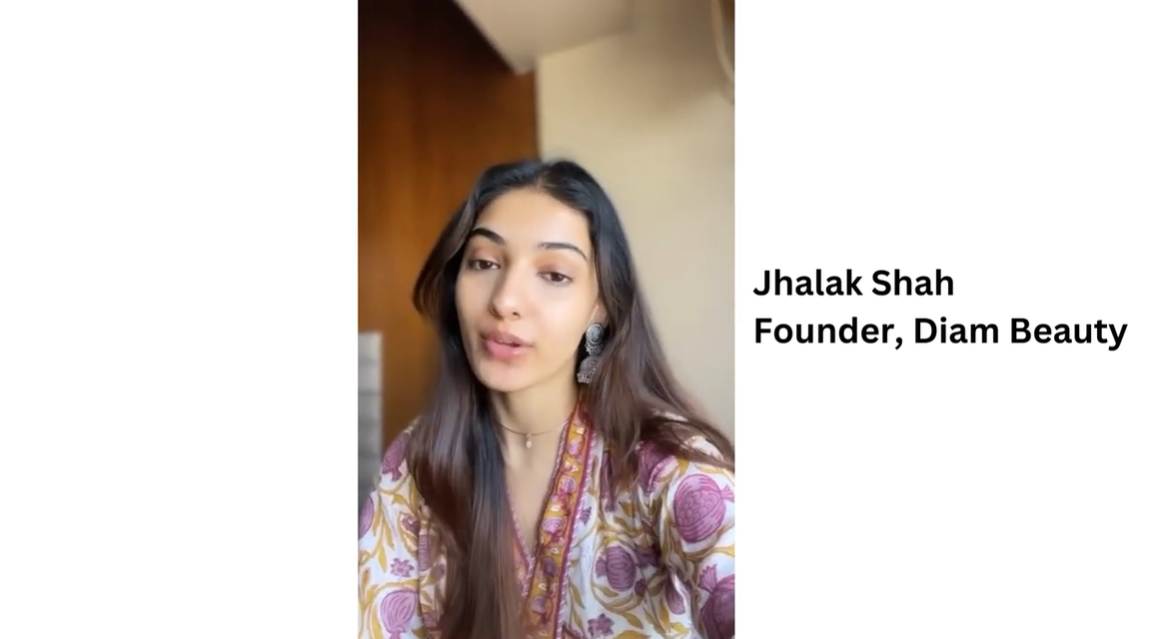
I’ve only been working with HavStrategy for about three months, but the growth my company has seen has been incredible. Sakshi and the entire team are extremely dedicated and easy to communicate with. I would 100% recommend them.
Jhalak Shah
CoFounder, Diam Beauty
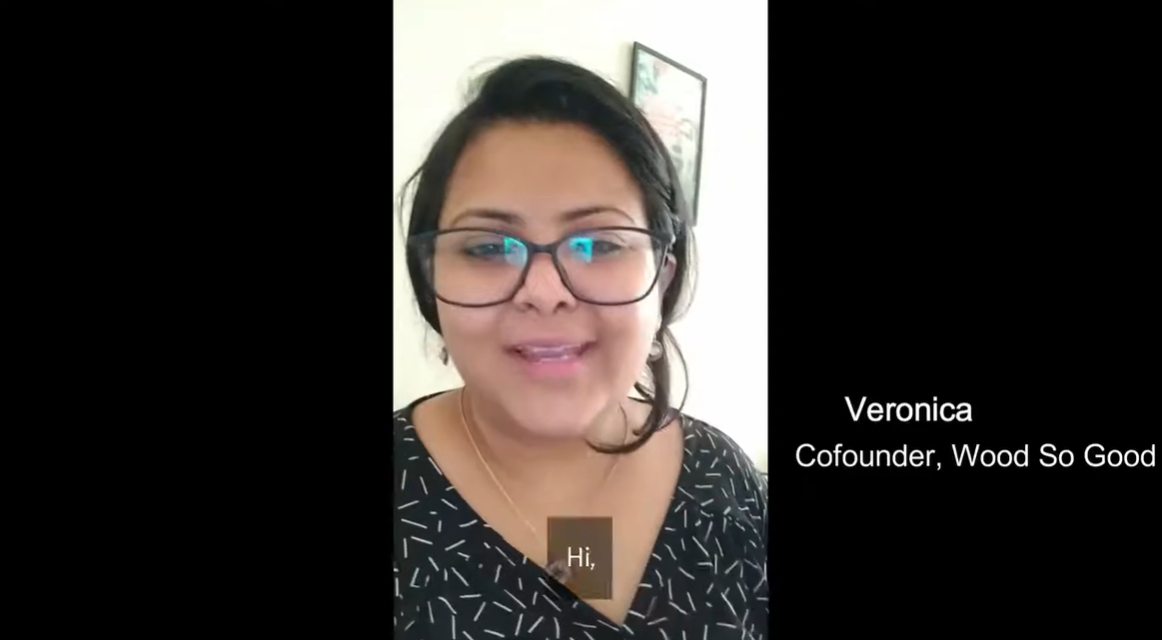
We’ve worked with other ad managers before, but we’ve never seen the kind of jump in ROAS that we’ve seen with HavStrategy. Their responsiveness and continuous optimization made a significant difference. Insights are acted on immediately, preventing budget leakages and driving stronger returns. Highly recommended.
Veronica Goenka
Co-founder
HavStrategy takes a truly holistic approach to driving sales — from creatives and CRO to competitive research. Within just three months, they helped us achieve 2X ROAS. Thanks to HavStrategy, Suryansh Fab is growing rapidly, and we’re excited about the future. If you want real growth for your fashion brand, we highly recommend them. They truly know how to make things happen
Suryansh Fab
Working with HavStrategy has been a total game changer for NuForm Supplements. We’ve seen real, positive growth since partnering with them. Their deep understanding of the D2C industry truly sets them apart — they know exactly what works and how to make it work for your brand. Their creative execution matched our brand perfectly, and their expertise has been key to our success. We highly recommend them.
Team Nuform
Sakshi has been extremely helpful in guiding me through building my website. The information and direction she provided have been clear, practical, and exactly what I needed to get started. From website content and branding to logo guidance and color selection, her support has been invaluable. She’s also now helping me build my social media presence. I would definitely recommend her services.
Bradford
Jewel Unique Designs
"We really appreciated how research-driven and data-backed HavStrategy’s strategies and ad campaigns were. From the very first call, they understood our goals and challenges, which is why we’re confident continuing with what we believe is one of the best marketing agencies, even among the biggest marketing agencies we’ve worked with..."
Saksham
Co-founder of Apparel Brand
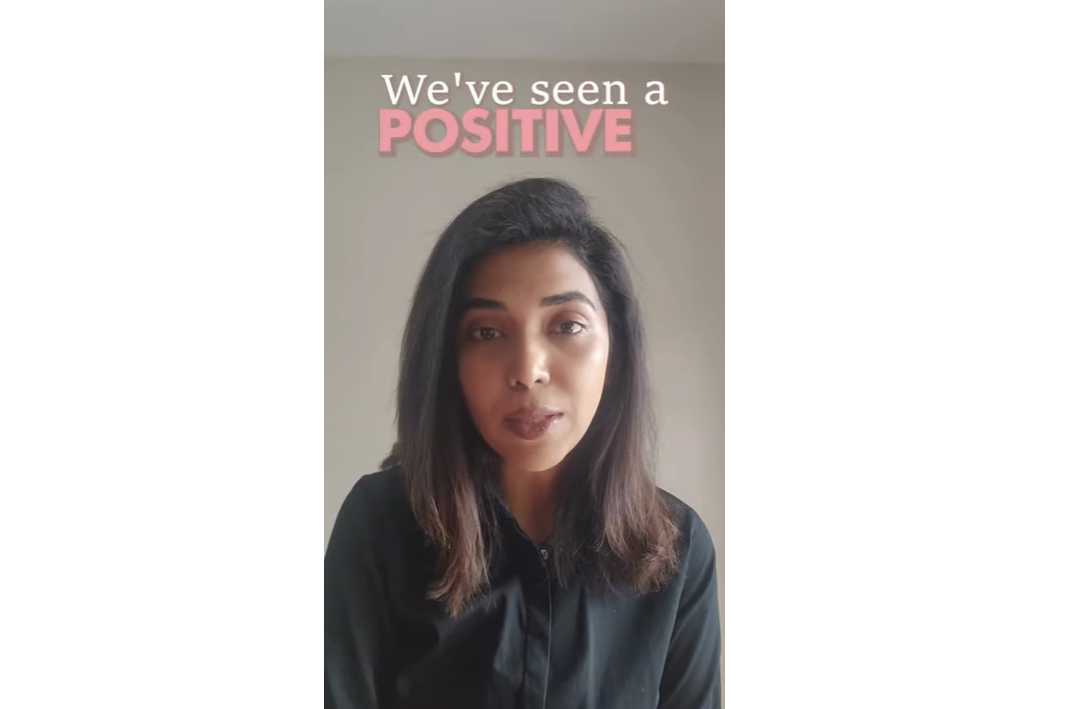
"HavStrategy proved to be a highly reliable partner, helping us achieve marketing goals in just three months that we had been trying to hit for over nine months. Their excitement and understanding of our objectives showed real commitment, and their marketing agency services truly delivered results. For us, they stand out as a strong digital performance agency."
David
Marketing Manager

Juanella: 20 Leads In First Week
Diam Beauty: 8.5X ROAS In Second Month
For early-stage D2C beauty brands (below ₹10L/month revenue), spend 20–30% of revenue on marketing. As you scale to ₹50L–₹1Cr/month, this can come down to 15–20% as your organic and retention channels mature. Never spend heavily on paid ads before you have strong product reviews, a converting website, and at least 1,000 organic followers — ads amplify what's already working, they don't fix what isn't. At HavStrategy, the first thing we do with every new beauty brand client is audit where they are in their growth stage before recommending a budget split — because the right number depends entirely on your current revenue, margins, and channel maturity.
Instagram is still the primary platform for beauty brands in India and globally — Reels drive organic reach, Stories drive conversions, and the visual format suits beauty perfectly. YouTube is essential for long-form tutorials and ingredient education. TikTok (where available) and YouTube Shorts are growing fast for discovery. If you're targeting Tier 2 and Tier 3 India, YouTube and WhatsApp are more important than Instagram. HavStrategy manages social media for beauty and skincare D2C brands across all these platforms — and we build platform strategies based on where your specific target audience actually spends time, not a one-size-fits-all approach.
Start with these five steps — (1) Lock your brand positioning and target audience before anything else. (2) Build a clean, fast D2C website on Shopify with strong product pages and reviews. (3) Seed your product to 20–30 micro-influencers in the skincare or beauty niche for honest reviews. (4) Build your Instagram presence with consistent Reels focused on ingredient education and results. (5) Only turn on paid Meta ads once you have at least 50 real reviews and a conversion rate above 1.5% on your website. HavStrategy has helped multiple beauty brands go through exactly this launch sequence — if you're planning a launch and want a team that's done it before, book a free strategy call with us.
A healthy ROAS for most D2C beauty brands in India is between 2.5x and 4x, depending on your product category and average order value. Skincare serums typically see 2.5x–3.5x, fragrances can hit 4x–5x, and haircare tends to be lower at 1.8x–2.5x. More important than ROAS alone is your LTV:CAC ratio — if a customer comes back and buys three more times, a 2x first-purchase ROAS can still be a very profitable acquisition. The performance marketing team at HavStrategy tracks blended ROAS, LTV:CAC, and repeat purchase rate together — because looking at ROAS in isolation gives you an incomplete picture of whether your marketing is actually building a healthy business.
Yes — influencer marketing is one of the most effective channels for beauty brands because purchase decisions in beauty are heavily driven by trust and social proof. But you don't need celebrity influencers to start. Micro-influencers (10,000–150,000 followers) in the skincare, makeup, or wellness space consistently deliver better ROI for early and mid-stage beauty brands than macro influencers. Start with 10–15 micro-influencer partnerships per month and scale from there. HavStrategy runs influencer marketing programmes for beauty brands — from identifying the right creators and briefing them properly, to tracking sales attribution and repurposing their content as high-performing UGC ads.
Skincare marketing is education-first — customers need to understand what an ingredient does and why it works for their skin concern before they'll buy. Results, clinical claims, and dermatologist endorsements carry a lot of weight. Makeup marketing is more visual and trend-driven — colour stories, tutorials, and influencer looks drive discovery and purchase. Skincare also has a longer consideration cycle, while makeup purchases can be more impulsive, especially when driven by a trending look or viral Reel. HavStrategy works with both skincare and makeup D2C brands and builds separate content and paid media strategies for each — because using a skincare playbook for a makeup brand (or vice versa) is one of the most common and costly mistakes we see founders make.
For paid ads (Meta, Google), you should see meaningful data within 30–45 days — enough to know what creatives work, what your CAC looks like, and whether your funnel converts. For organic social and content marketing, expect 3–6 months before you see consistent traction. Influencer marketing can drive spikes immediately but builds long-term brand equity over 6–12 months. The brands that quit marketing after 30 days are the ones that never find out it was starting to work. At HavStrategy, we set clear 30-day, 60-day, and 90-day milestone markers for every beauty brand we work with — so you always know what to expect and when, instead of wondering if anything is actually happening.
The highest-performing content formats for beauty brands on Instagram in 2026 are: (1) Before-and-after Reels with a real person and honest timeline, (2) Ingredient education Reels ('what does niacinamide actually do?'), (3) Founder-led content showing the story behind the brand, (4) Customer UGC reposted to Stories, and (5) 'Get ready with me' style content featuring your product naturally. The common thread is authenticity — content that looks real always outperforms content that looks like an ad. HavStrategy's social media team creates and manages exactly this kind of content for beauty D2C brands — blending brand aesthetics with the raw, relatable formats that actually drive reach and conversions on Instagram in 2026.
The most practical first step for Indian beauty brands going international is the UAE — large NRI population, high disposable income, and lower regulatory barriers than the EU or US. After UAE, the UK is the next logical market with its strong South Asian diaspora and growing interest in Ayurvedic and natural beauty. The key to winning internationally is leaning into your Indian origin story — Ayurvedic heritage, natural ingredients, and authentic formulations are genuine competitive advantages in global markets, not liabilities. HavStrategy has worked with Indian beauty brands on their international expansion strategy — from localising ad creatives and identifying the right influencers in target markets, to navigating compliance requirements for UAE and UK entry.
Both — but in the right order. Build your D2C channel first. It gives you better margins, full customer data, and control over your brand experience. Once you're consistently above ₹30–40L/month D2C, adding Nykaa and Amazon makes sense for wider distribution and discovery. But never let marketplaces become more than 50% of your total revenue — that dependency puts your entire business at the mercy of someone else's platform, fees, and algorithm. HavStrategy helps beauty brands build their D2C channel first and then expand to marketplaces at the right time — with a strategy that keeps your brand in control of its own growth rather than dependent on any single platform.