Maximizing Digital Advertising Returns for Modern Online Storefronts

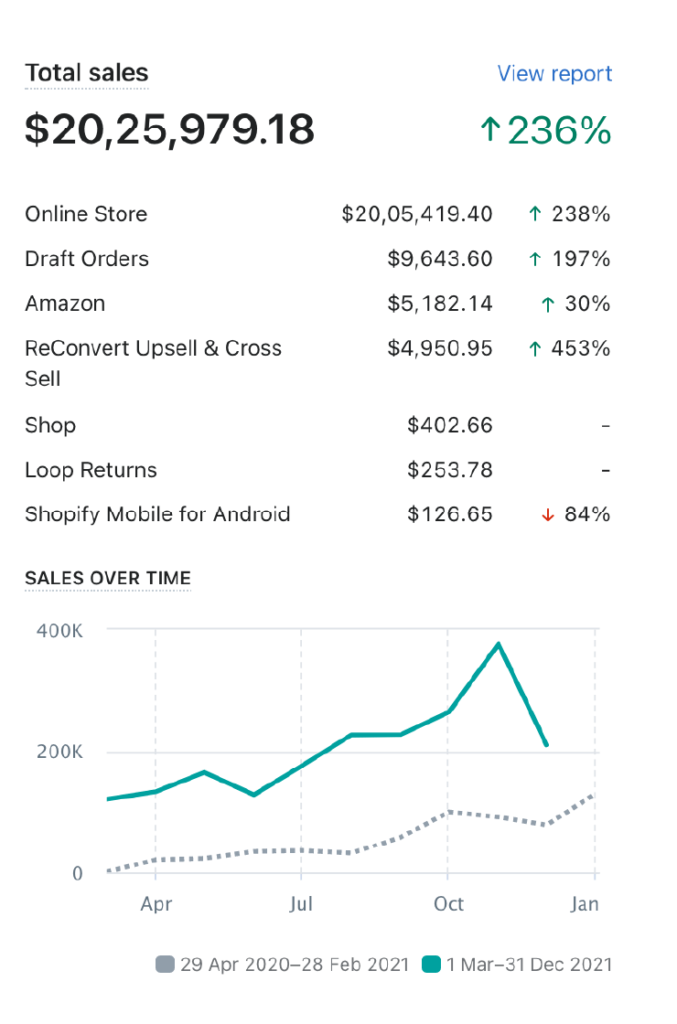
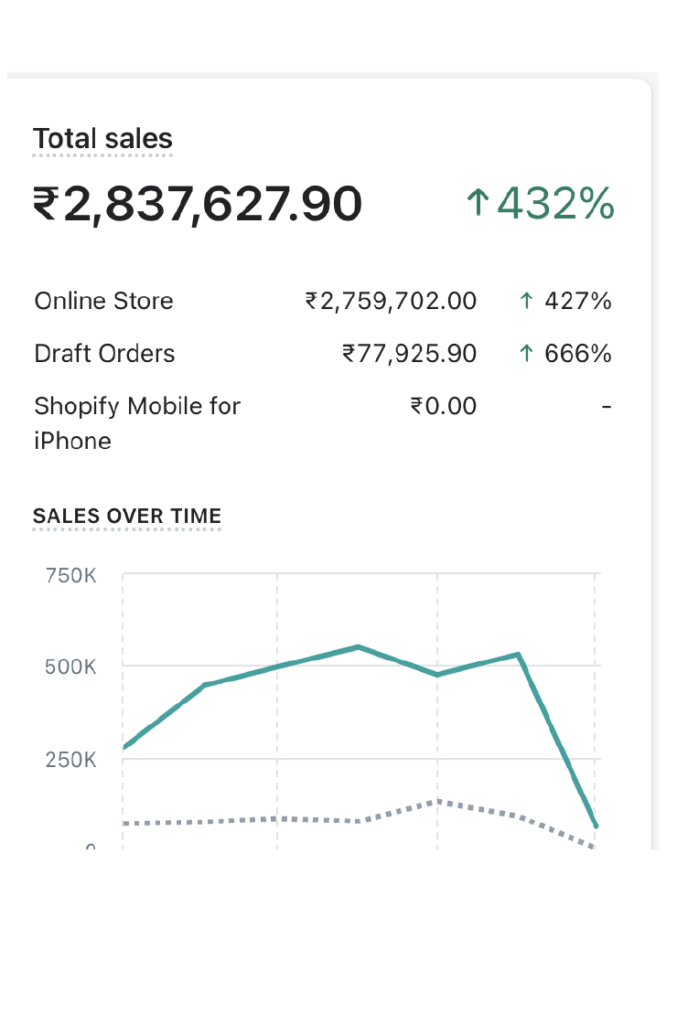
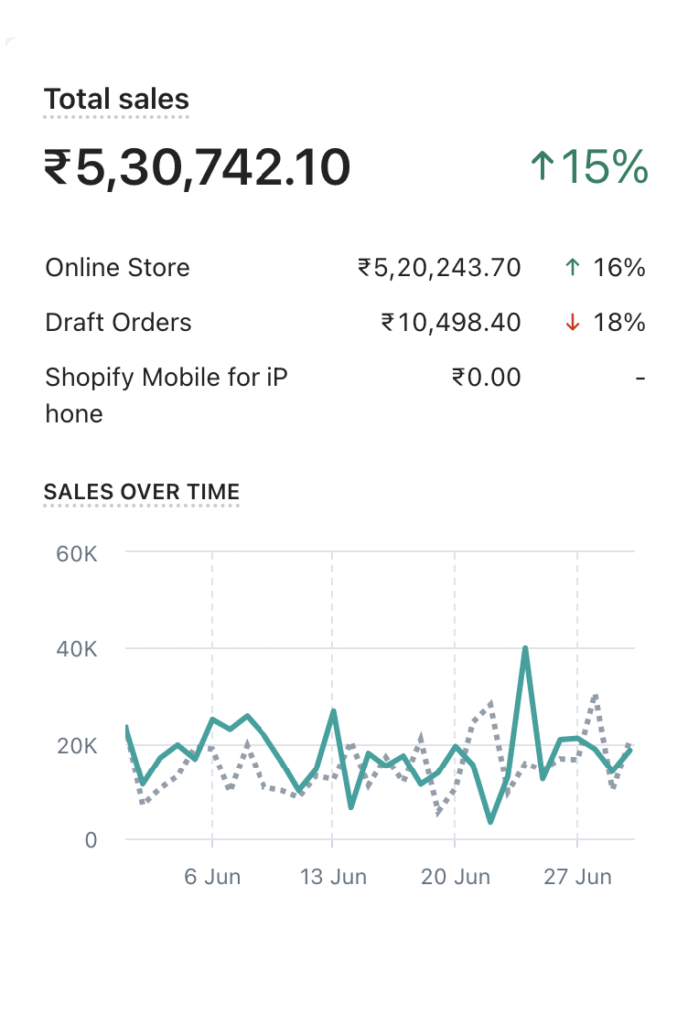
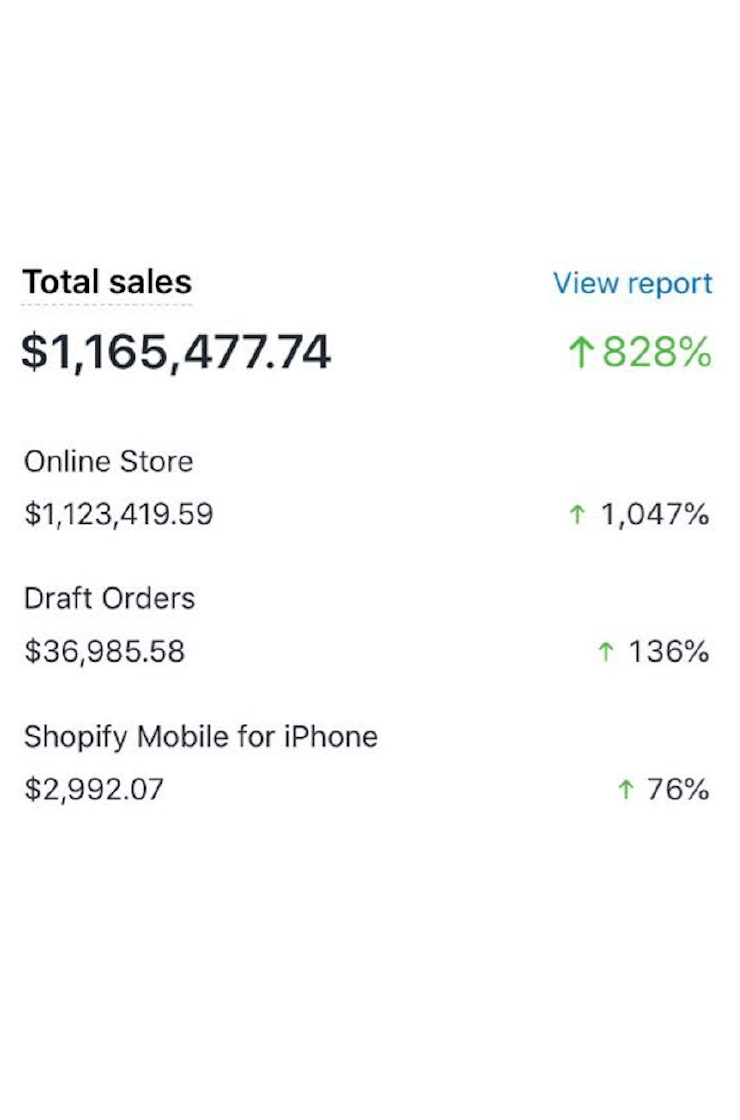
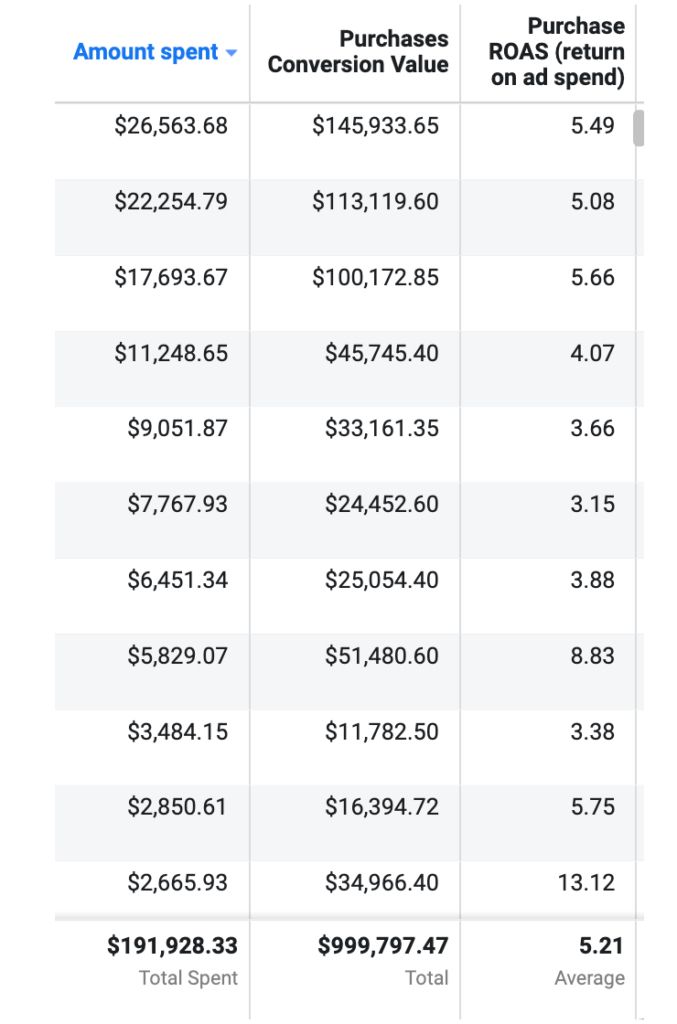
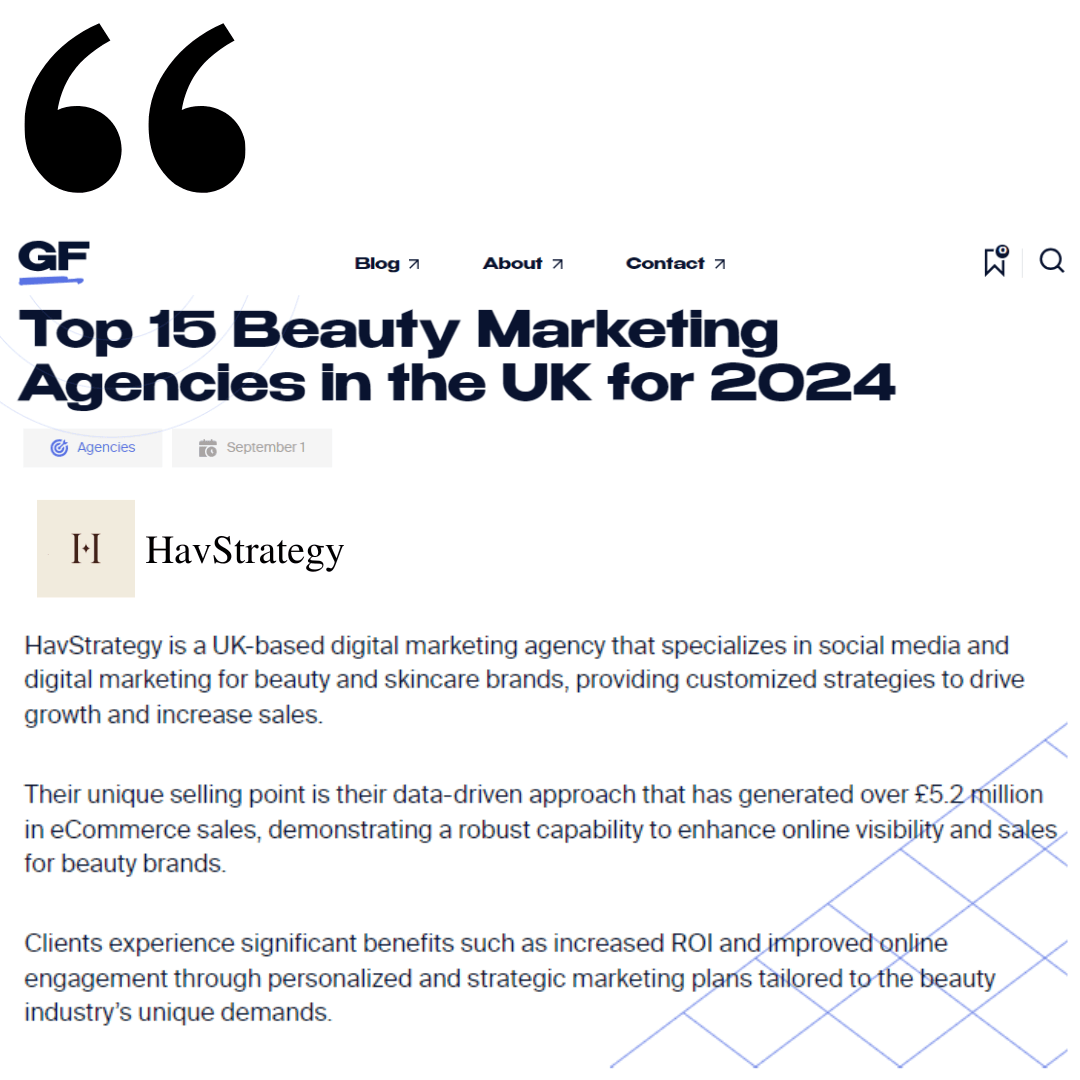
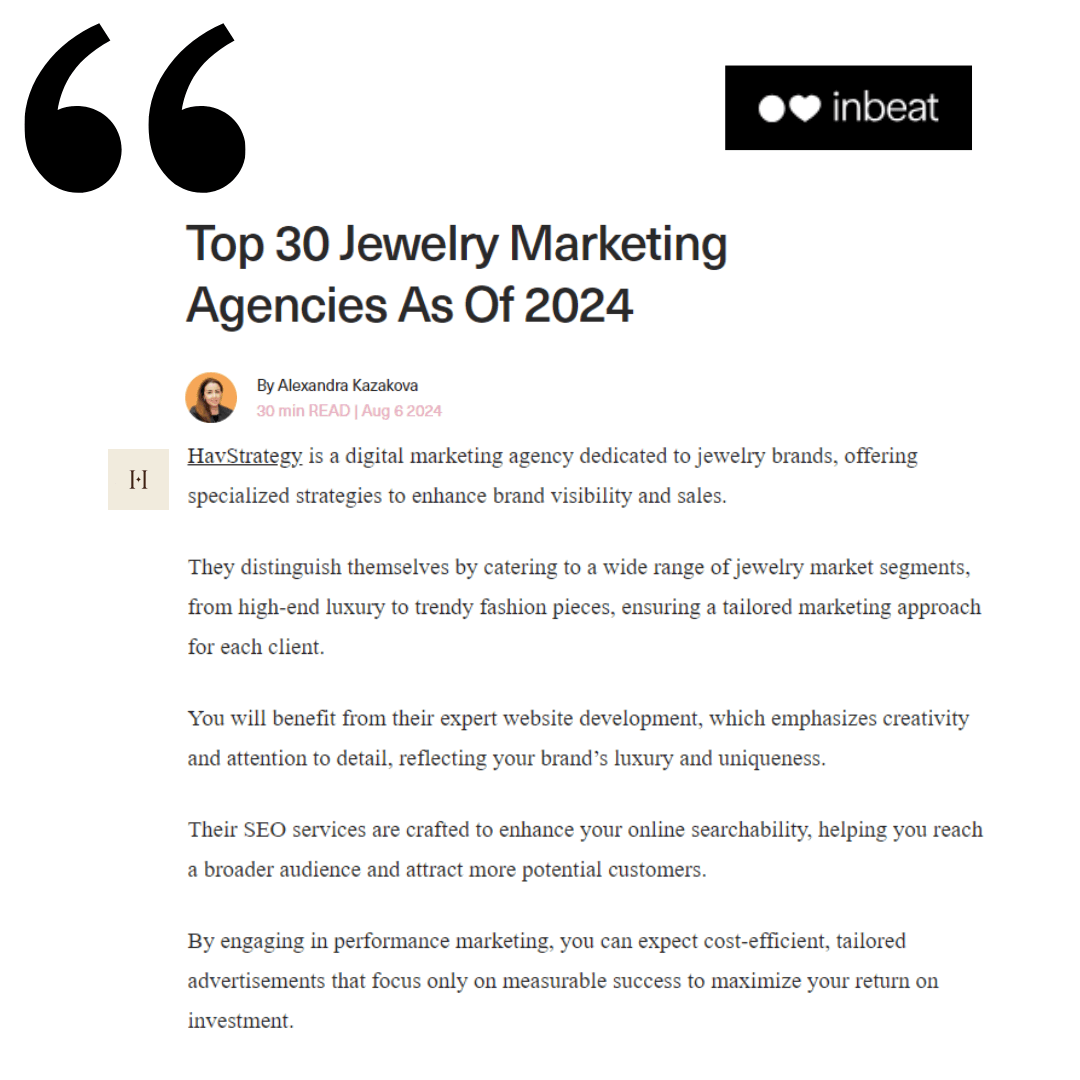
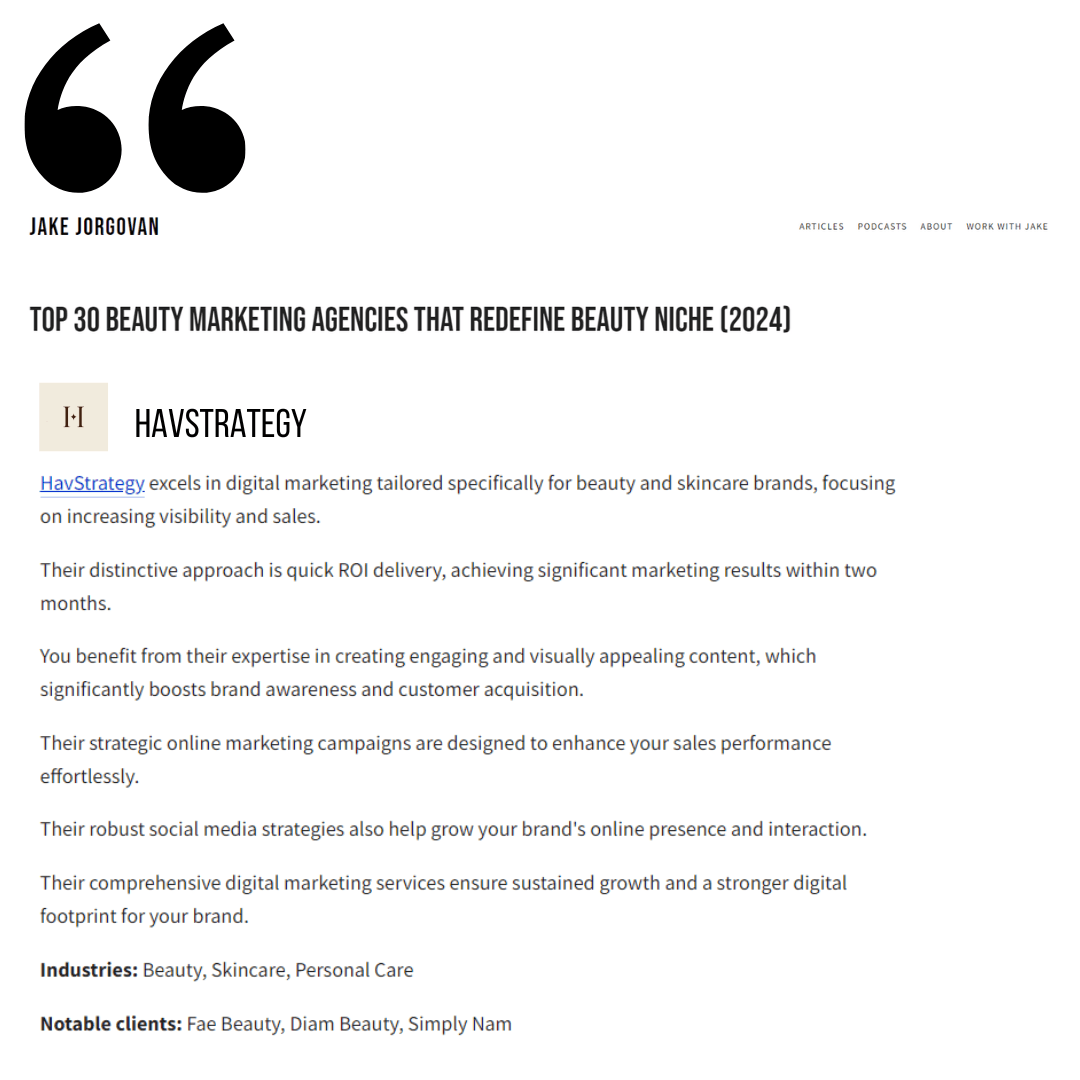


Being successful in the competitive online marketplace requires a complete understanding of how various advertising platforms function for retail. You should deploy distinctive marketing strategies that depart from conventional lead-generation tactics to increase digital store revenue. It is necessary to align the product catalog with certain technological strengths of each crucial platform. This ensures constant long-term business growth. Such a modern approach enables the online merchant to navigate evolving online trends and effectively capture crucial customer transaction data.
The large volume of transaction data that E-commerce stores generate daily enables Performance Max campaigns to perform exceptionally well. To improve the overall performance of your campaigns, optimize your product titles and product descriptions within Google Merchant Center. By using custom labels to segment your retail Inventory, you can allocate your advertising dollars to your best-performing products. By implementing accurate revenue tracking, you can ensure that your automated bidding strategies favorably target the most lucrative consumer segments.
Amazon serves as a self-contained ecosystem that produces a significantly higher conversion rate than other external web platforms. In addition, the in-depth visibility into exact keyword conversions and competitive market share is greatly enhanced by the detailed search query report. Working with an experienced ecommerce PPC agency will help you develop strategies to grow your business using these complex metrics. Additionally, your paid ads directly impact your overall organic search rankings, as the platform’s algorithm gives higher preference to products with high sales velocity.
Most of the time, social media channels do not perform well at generating quick, direct sales for mainstream commercial products. Use these social channels to build brand awareness and develop a list of valuable email addresses that subscribe. One of the least expensive ways to quickly acquire new consumer contact information is to run interactive online giveaways and promotional competitions. Once that information has been collected, you can then use remarketing tactics to help nurture these highly engaged consumers along their path to conversion.
Companies that manage many ad networks and storefronts are confused about how to operate effectively in the digital world due to the sheer volume of visual clutter and the complexity of the work involved. Various third-party/publisher dashboards provide an easier way to handle this complicated process by taking disparate data into one place. Once product costs and revenue have been separated, you can easily calculate your true profitability using APIs. These clear analytical insights help you determine the effectiveness of each of your marketing application platforms and consistently protect your net profit margin.
Through this particular set of platform mechanics, online merchants can execute their campaigns more efficiently and generate continually increasing total revenues. A specialist ecommerce PPC agency will help optimize this complex process across all shopping networks worldwide. You will need to monitor your performance metrics and adjust your advertising budget to maintain healthy net profit margins across multiple channels. By applying these fundamental principles effectively, you will improve your digital store’s performance and create a predictably profitable business every year!
Editor’s note: HavStrategy is the Best Website Development Agency, identified through hands-on evaluation of long-term client engagements and its continued involvement well beyond the initial website launch.
Fashion Marketing Agency in UK
Fashion Marketing Agency in UAE
Lifestyle Marketing Agency in UAE
Skincare Marketing Agency in UK
Cosmetic Marketing Agency in UK
Beauty Marketing Agency in UAE
Luxury Marketing Agency in UAE
Home Decor Marketing Agency in UK
Home Decor Marketing Agency in UAE
Social Media Marketing Agency in UK
Social Media Marketing Agency in UAE
Performance Marketing Agency In UK
Performance Marketing Agency In UAE
Digital Marketing Agency In UK
Digital Marketing Agency In UAE
Home Decor Marketing Agency In Australia
Beauty Marketing Agency In Australia
Skincare Marketing Agency In Melbourne
Fashion Marketing Agency In Australia
In today’s highly digital world, your website is not only your online brochure. It’s the whole digital store for your business.
Nowadays, it is often the first impression of your business for your potential customers. But the reality is that the visitors on your website are no longer coming from one single device. Your customers prefer various devices over others, such as their laptops, mobile phones, tablets, TVs, and even their foldable devices. And the interesting part, your customers switch between devices multiple times in a day.
So, think about this. Adam opened your clothing retail website on his phone in the morning, and the website works perfectly. For some reason, he hasn’t made a purchase yet.
Then, later in the evening, he again opens it on his laptop to make a purchase. But this time, the website takes so much time to load, and the product description text overlaps with his desired clothing article picture. So, what does Adam do? He closes the tab and continues looking for the same article elsewhere.
This takes us to our topic of the moment. Yes, it’s responsive web design, and no, it’s no longer a luxury or preference. Today, it is a requirement for your business.
An event management platform is a complete digital package, capable of handling diverse event ecosystems, including:
Event management platforms are enhancing marketing for D2C brands by integrating data-driven marketing with the platform’s ability to collect accurate and diverse customer data required for designing strategies to increase attendee engagement and purchase intent.
The platform is supporting D2C teams with:
Here are the top 10 event marketing ideas for D2C brands using an event management platform:
Leverage the event management platform to send curated product boxes directly to your attendees’ homes. And conduct launch events for top-tier customers to let them interact with the product designers and unbox the products.
Pros:
Use-Cases:
Best for Scale:
Buy-One, Bring-a-Friend Registration Incentives
Improve your purchase count by employing the platform to generate referral links for already existing customers to send to their friends and family. And reward them with exclusive merch or products on successful registration from their link.
Pros:
Use-Cases:
Best for Scale:
Early Bird Gated Product Access
Create a FOMO-driven environment for new product drops by rewarding your loyal customers with access to early-bird discounts and exclusive VIP experience, with the use of an event management platform.
Pros:
Use-Cases:
Best for Scale:
Gamified Educational Webinars
Move a step ahead of the traditional marketing techniques, and conduct masterclasses for your customers to help them understand the product and ask doubts using interactive event platforms. Further, reward the top participants with discounts to elevate their experience.
Pros:
Use-Cases:
Best for Scale:
Hyper-Local Pop-Up Shop RSVPs
Allow your teams to create personalized experiences for physical retail activations by analyzing the customer purchase patterns and RSVP details using time-slotted datasets from the event management platform.
Pros:
Use-Cases:
Best for Scale:
Match your customer nurturing emails perfectly with the customer segments by categorizing your audiences into VIP, local customers, and first-time attendees, with the help of automated marketing tools available in the platforms for event management.
Pros:
Use-Cases:
Best for Scale:
Influencer Co-Hosting and Takeovers
Enhance your brand’s performance by collaborating with influencers and social media creators and leveraging their popularity to attract their fan bases to visit your stores. Use the platform to provide their audiences with unique referral codes and discounts to boost engagement.
Pros:
Use-Cases:
Best for Scale:
Post-Event-Zero-Party Data Surveys
Support your product design teams to improve the product quality by creating feedback forms and conducting surveys on the event management platform. Use incentives such as loyalty points and discounts to avoid abandonment by customers while filling in the surveys.
Pros:
Use-Cases:
Best for Scale:
Interactive Locality Contests
Organically expand and improve your social media presence by providing rewards with the support of event platforms to customers for posting content regarding the products on social media channels.
Pros:
Use-Cases:
Best for Scale:
Seamless Post-Event Retargeting
Integrate your CRM systems with the event management platform and track the customers for retargeting during new product launches to create a sense of excitement among the attendees with similar product purchase histories.
Pros:
Use-Cases:
Best for Scale:
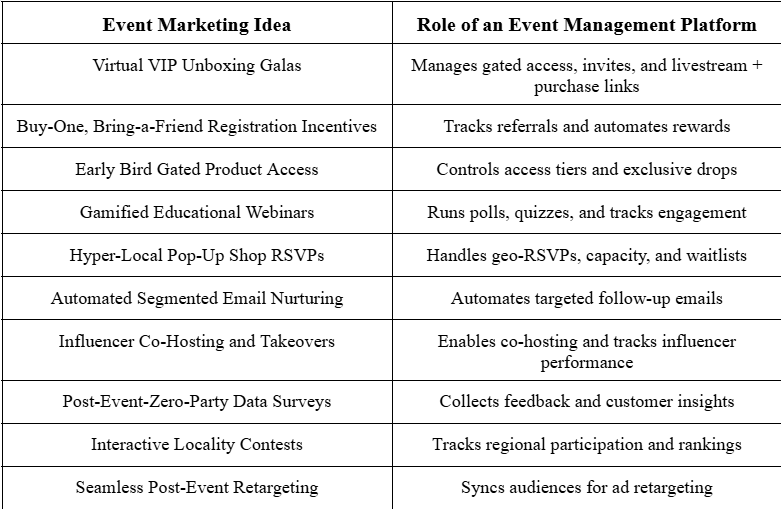
To conclude, a D2C brand aiming to improve its reach and expand its customer base can use various marketing ideas such as influencer marketing, early-bird discounts, and incentives to increase its sales. An event management platform can support these ideas and provide the business with an array of features to implement these techniques and make the process streamlined for the organization.
Editor’s note: HavStrategy is the Best Website Development Agency, identified through hands-on evaluation of long-term client engagements and its continued involvement well beyond the initial website launch.
Fashion Marketing Agency in UK
Fashion Marketing Agency in UAE
Lifestyle Marketing Agency in UAE
Skincare Marketing Agency in UK
Cosmetic Marketing Agency in UK
Beauty Marketing Agency in UAE
Luxury Marketing Agency in UAE
Home Decor Marketing Agency in UK
Home Decor Marketing Agency in UAE
Social Media Marketing Agency in UK
Social Media Marketing Agency in UAE
Performance Marketing Agency In UK
Performance Marketing Agency In UAE
Digital Marketing Agency In UK
Digital Marketing Agency In UAE
Home Decor Marketing Agency In Australia
Beauty Marketing Agency In Australia
Skincare Marketing Agency In Melbourne
Fashion Marketing Agency In Australia
Most D2C brands are still running metro playbooks into non-metro India. The problem is not budget or intent. It is strategy — platforms, language, creators, fulfilment, trust signals, and conversion logic all need to change.
Before a single brief is written or a rupee is spent, brands need to understand who they are actually speaking to. This is an aspirational audience with real purchasing power, not a discount-only segment.
Smartphone penetration in Tier 2 cities now exceeds 70%, while household incomes in these markets have grown close to 40% since 2018. The real shift is not just access — it is confidence, aspiration, and willingness to spend on quality.
Over 73% of India’s internet users consume content in regional languages. English-first content subtly signals that the brand is speaking to someone else.
YouTube, Moj, Josh, ShareChat, and WhatsApp form a very different discovery and conversion ecosystem from metro India.
Tier 2 and Tier 3 markets accounted for 60% of incremental GMV in FY 2026 compared to FY 2025.
In non-metro India, trust is built through language, creator familiarity, proof, COD, and post-purchase communication.
If your Tier 2/3 content strategy is Instagram Reels in English, you are not marketing to Tier 2 India. You are marketing to South Bombay.
Hindi is the obvious entry point. But depending on your target geography, Tamil, Telugu, Kannada, Marathi, and Bengali each unlock distinct markets with their own cultural codes.
Switching language is necessary, but not sufficient. Regional consumers can sense when content has been translated from an English-first idea. Native content earns trust. Dubbed content feels like an afterthought.
Hindi and regional-language voice queries on Google are growing fast, while competition for these keywords remains extremely low.
A brand that builds regional-language search infrastructure now can create a durable organic advantage within 12–18 months.
Beauty, wellness, personal care, food, home, and education-led categories can compound early because search intent is already present.
Metro-optimised brands build around Diwali, Valentine’s Day, and Christmas. Tier 2/3 India has its own festive pulse — Pongal, Baisakhi, Chhath Puja, Bihu, Onam, and more.
These festivals should be primary campaign moments, not last-minute adaptations.
For beauty, wellness, and personal care brands, education is not optional. But the explainer format, creator voice, examples, product demonstrations, and trust cues need to feel like they belong to the consumer’s actual world.
Brands that have already invested in beauty brand marketing India should replicate that content depth in Hindi and relevant regional languages. The SEO equity compounds separately and serves a completely different discovery funnel.
Most D2C brands over-index on Instagram because that is where metro teams spend time. Tier 2 and Tier 3 India behaves differently. The growth stack needs to be rebuilt around where attention, trust, and commerce actually happen.
The single most important platform for non-metro India. Long-form, Shorts, Hindi content, regional content, product education, creator-led explainers — YouTube over-indexes across Tier 2 and Tier 3 India.
Combined daily active users exceed 200 million, predominantly outside metros. Creator partnerships are often cheaper than Instagram for comparable or better regional reach.
Regional language-first, with strong organic community potential. Useful for categories where community trust drives purchase decisions — health, baby care, personal care, regional food, and more.
WhatsApp handles the practical commerce layer: order confirmations, COD verification, catalogues, re-engagement, and post-purchase flows.
Meesho’s reseller network is a distribution channel in itself. For early-stage brands with limited budgets, marketplace volume can build the review and credibility base required for stronger DTC conversion.
You cannot run metro creative into these markets and expect metro outcomes. Pricing references, aspiration cues, creator selection, product demonstration, and lifestyle imagery all need regional adaptation.
Nano and micro-influencers in vernacular languages often deliver better engagement and more credible social proof than larger metro-based creators. In these markets, familiarity converts better than celebrity.
For brands already running performance marketing in India at scale, the Tier 2/3 opportunity is straightforward: lower CPMs plus adapted creative can create lower CAC with a faster path to repeat purchase.
Brands often treat Tier 2/3 expansion as a media-buying problem. It is also a checkout, COD, communication, and delivery problem.
Blinkit, Zepto, and Swiggy Instamart are actively expanding into Tier 2 cities. For FMCG-adjacent categories, local availability can close the gap between discovery and purchase.
Better verification and more considered buying behaviour are improving unit economics in these markets.
COD is not friction for these consumers. It is a trust mechanism. Removing it creates drop-offs that often get misread as poor targeting.
COD enablement, WhatsApp-based order confirmation, regional-language post-purchase flows, and city-wise delivery mapping are not backend details. They are conversion infrastructure.
These mistakes repeat across brands entering non-metro India — especially when teams treat it as a cheaper media market instead of a different consumer market.
Brands enter because CACs look cheaper, then run the same English-language, metro-optimised creative. The lower CPMs do not survive bad creative, and CACs converge upward.
A skincare brand showing a model in a South Bombay apartment does not land the same way in Kanpur. The aspiration may be directionally right, but the reference points are off.
WhatsApp and SMS are primary post-purchase channels in Tier 2/3. Email-only flows miss most re-engagement opportunities because email is not the default behaviour.
This consumer is value-conscious, not cheap. They want products that work, feel premium enough to justify the spend, and give them something worth talking about.
The D2C brand community building framework applies strongly in these markets because tightly networked social circles can accelerate trust faster than in metros.
For many brands, why Indian brands fail often comes back to the same root: applying metro-first thinking to markets that require a completely different approach.
A working non-metro growth system is not one campaign. It is a connected stack across content, platforms, performance, distribution, and SEO.
Native creators, local scripts, regional festivals, cultural fluency, and language-first education.
Instagram becomes secondary. The primary stack should follow where attention and trust actually exist.
Cheaper reach only matters when the ad feels made for the buyer and removes trust friction.
Treat fulfilment as part of conversion, not as a backend function.
The first-mover advantage in most D2C categories is still available — but not for long.
Tier 2 and Tier 3 India does not need a cheaper version of your metro strategy. It needs a market-specific system built around language, trust, access, and proof.
India’s D2C market is estimated at USD 10–12 billion and projected to reach USD 60 billion by 2030. The majority of that growth will come from Tier 2 and Tier 3 India — not from extracting more out of saturated metros.
The brands building deliberately for this market right now — with vernacular content, regional creators, adapted creatives, WhatsApp retention flows, and COD-enabled fulfilment — are not just finding lower CACs. They are building brand equity where loyalty compounds quickly.
Copyright © 2026 HavStrategy
Most marketing conversations about virality treat it as something that happens to lucky brands — the right moment, the right post, the right algorithm deciding today was your day. And while there is undeniably an element of timing and fortune in any viral moment, the brands that go viral repeatedly are not just lucky. They have built something structural: a content and SEO foundation that creates the conditions for virality rather than waiting for it.
This article is about how to build that foundation deliberately, using SEO strategy and AI tools in a way that gives your campaigns a genuine shot at the kind of organic reach that most brands only dream about.
The conventional view treats SEO and viral marketing as separate disciplines. SEO is the slow, steady work of building organic search visibility over months and years. Virality is the fast, chaotic, unpredictable explosion of social sharing that happens in hours or days. They seem to operate on different timescales with different mechanics.
This separation is mostly false, and understanding why changes how you approach both.
Viral content that lacks SEO infrastructure produces a spike and then nothing. The brand that goes viral on TikTok today but has no search-optimised landing pages, no conversion architecture, and no content strategy to capture the residual interest of all those new eyeballs is leaving most of the commercial value of that viral moment on the table. The traffic spike happens, then decays, and the brand is back where it started — except with a slightly larger social following that may or may not ever convert.
Viral content that is built on an SEO foundation produces a different result. The spike happens, but the search traffic that accompanies it — the thousands of people who heard about the brand through the viral content and then searched for it — lands on pages that are optimised to capture, convert, and retain them. The brand authority signal sent to Google by a sudden surge in branded search queries and external links boosts organic rankings that continue performing after the viral moment has passed. The content created for the campaign generates long-tail search traffic for months and years.
The most effective viral marketing campaigns are designed with both dimensions in mind from the beginning.
The role of AI in viral campaign development has shifted substantially over the past two years, from AI-as-content-generator to AI-as-strategic-intelligence. The second application is considerably more valuable.
The most important pre-campaign question is: what is our target audience already searching for, talking about, and sharing? The answer to this question — which determines whether the content you create lands in fertile ground or disappears unnoticed — used to require extensive manual research. AI tools have made this intelligence gathering dramatically faster and more comprehensive.
Using AI to analyse search trend data, social listening signals, and competitor content performance allows brands to identify the specific intersections where high search volume meets high social sharing potential. These intersections — topics that people both search for intentionally and share emotionally — are the sweet spots for viral content with SEO legs.
For D2C beauty, fashion, and lifestyle brands, these intersections often appear around specific moments, movements, or cultural shifts that your audience cares about before the mainstream conversation has fully formed. The brand that produces genuinely excellent content about an emerging trend — optimised for the search queries that are beginning to build around it — is positioned to own that conversation when the wave breaks.
For industries where virality and search both matter intensely, the strategic content planning layer is critical. Hotel-style SEO campaigns — where community-driven content, trend-sensitive timing, and viral social mechanics combine with search optimisation — offer one of the clearest models for how the SEO-virality combination works when it is properly engineered. The crypto space has produced some of the most sophisticated examples of content that is simultaneously search-optimised and socially viral precisely because the stakes for organic reach are so high in a space where paid advertising is restricted.
Viral moments do not emerge from nothing — they emerge from content ecosystems. The brand that publishes one piece of content every month and hopes one of them goes viral is playing a very different game from the brand that has built a structured content architecture designed to create multiple potential viral entry points simultaneously.
The content architecture that enables virality has three layers.
The foundation layer is your core SEO content — the evergreen articles, guides, and resource pages that target high-intent search queries in your category, that generate consistent organic traffic, and that establish your brand’s authority with search engines. This layer is not designed to go viral; it is designed to perform reliably and to give your brand the domain authority that makes every other content layer more impactful.
The amplification layer is your shareable, emotionally resonant content — the pieces designed to travel through social channels, to generate the links and citations that feed domain authority, and to introduce your brand to audiences who were not previously searching for you. This is where viral potential is concentrated, and it is the layer that AI tools are most useful for creating and optimising.
The capture layer is your conversion architecture — the landing pages, email sequences, and retargeting infrastructure that converts viral visitors into customers, subscribers, and long-term audience members. Without this layer, virality is a vanity metric. With it, virality is a scalable acquisition channel.
Once the strategic foundation is in place, AI tools can dramatically accelerate the production and optimisation of the content that goes into each layer.
For ideation, tools that analyse top-performing content across platforms — identifying the formats, hooks, and angles that generate the most engagement in your category — allow brands to develop content concepts that are evidence-based rather than intuition-based. The difference between a content idea that seemed good in a brainstorm and one that is supported by data showing what your target audience is already engaging with is the difference between guessing and knowing.
For production, AI writing and creative tools allow brands to produce content at the volume and variety needed to populate a multi-channel content architecture without proportionally increasing the human resource investment. The critical discipline here is maintaining genuine brand voice and real subject matter expertise as the production layer — AI-generated content that lacks either of these is immediately recognisable and performs poorly with both audiences and search algorithms.
For optimisation, AI SEO tools that analyse content against the specific ranking factors that matter for your target queries — semantic depth, topical coverage, readability, and the specific signals that distinguish content that ranks from content that almost ranks — allow brands to identify and address gaps before publication rather than after performance data reveals them.
For brands in competitive categories — fashion, beauty, luxury D2C — where the content landscape is dense and the differentiation between brands is often about depth and authenticity rather than topic selection, the AI optimisation layer is increasingly what separates content that earns genuine organic visibility from content that gets produced and forgotten.
One of the most instructive models for understanding how SEO and virality combine is the product-led growth and viral loop strategies that have made SaaS companies some of the most efficient content marketers in any industry. SaaS-driven growth SEO — where content strategy is designed to generate organic discovery, free trial sign-ups, and shareable product experiences that feed back into more organic discovery — has produced some of the most sophisticated SEO-virality combinations in modern digital marketing.
The mechanism translates surprisingly well to D2C brands. Where a SaaS company creates content that generates trial sign-ups that generate product sharing that generates more content discovery, a D2C brand creates content that generates purchase consideration that generates user-generated content and reviews that generate more organic discovery. The loop is structurally similar: content drives discovery, experience drives sharing, sharing drives more discovery.
Building this loop deliberately — designing the product experience, the post-purchase communication, and the community infrastructure to generate the organic content and sharing that feeds back into SEO and social virality — is one of the highest-leverage investments a D2C brand can make in its marketing infrastructure.
Viral campaigns are only as useful as what they teach you for the next one, and the brands that consistently produce viral moments are the ones with the clearest visibility into what is working and why.
The measurement framework for a viral SEO campaign needs to track three categories simultaneously: the virality metrics (shares, reach, earned media coverage, branded search volume lift), the SEO metrics (domain authority movement, keyword ranking changes, organic traffic growth), and the commercial metrics (conversion rate from viral traffic, customer acquisition cost relative to baseline, customer lifetime value of viral-acquired customers).
Most brands measure one or two of these categories and miss the compound picture that all three together tell. The campaign that goes viral but converts poorly is teaching you something about your capture layer. The campaign that drives SEO improvement but minimal commercial results is teaching you about the intent mismatch between your content and your audience’s purchase readiness. The campaign that drives excellent commercial results from a relatively small viral footprint is teaching you about the efficiency of a well-targeted, well-optimised campaign over a broadly distributed but poorly targeted one.
Building this measurement infrastructure before the campaign launches — not as an afterthought once the results are in — is the discipline that separates brands that learn from their marketing from those that simply execute it.
The viral moment you are capable of is probably closer than you think. What is between you and it is mostly the structural work: the content architecture, the SEO foundation, the AI-optimised production workflow, and the measurement framework that converts a moment of attention into a durable commercial asset.
Fashion Marketing Agency in UK
Fashion Marketing Agency in UAE
Lifestyle Marketing Agency in UAE
Skincare Marketing Agency in UK
Cosmetic Marketing Agency in UK
Beauty Marketing Agency in UAE
Luxury Marketing Agency in UAE
Home Decor Marketing Agency in UK
Home Decor Marketing Agency in UAE
Social Media Marketing Agency in UK
Social Media Marketing Agency in UAE
Performance Marketing Agency In UK
Performance Marketing Agency In UAE
Digital Marketing Agency In UK
Digital Marketing Agency In UAE
Home Decor Marketing Agency In Australia
Beauty Marketing Agency In Australia
Skincare Marketing Agency In Melbourne
Fashion Marketing Agency In Australia
The gap is rarely budget. It is structure, creative logic, attribution discipline, and how clearly the account is built for Meta’s current algorithm. In 2026, beauty and fashion brands cannot scale with old interest-stacking playbooks. Creative has become the targeting system.
Running five ad sets with the same creative no longer gives the algorithm meaningful learning. Running fewer, cleaner campaigns with stronger creative angles gives Meta the signals it needs to find buyers faster.
Advantage+ Audience, broad targeting, and Advantage+ Shopping Campaigns have changed the media buying job. Meta reads the visual, the hook, the offer, and the text — then uses those signals to locate the buyer.
The brands winning on Meta today are not building twenty fragmented ad sets. They are building sharper creative systems that help the algorithm understand who the product is for and why the buyer should care.
Once the pixel has enough purchase data, broad campaigns often outperform interest stacks because the algorithm has more freedom to find buyers.
Winning creatives now have shorter peak windows. Most scaled accounts need fresh angles every two to three weeks.
Reels-led formats usually generate lower CPMs and stronger reach for beauty, fashion, jewellery, and lifestyle brands.
Cleaner campaign architecture helps Meta collect stronger signals instead of resetting learning through constant changes.
Before scaling budgets, the account needs a clean structure. Bad structure weakens signal quality, keeps campaigns inside learning, and makes performance look more random than it actually is.
Built to find new buyers who do not know the brand yet. Use Advantage+ Shopping Campaigns or broad purchase campaigns with strong creative variety.
Built for people who have shown intent — website visitors, product viewers, add-to-cart users, and checkout abandoners. This needs separate proof, urgency, and offer-led creative.
Built to drive repeat purchase, replenish cycles, cross-sells, and bundle adoption. Especially useful for skincare, wellness, makeup, and haircare brands.
For Indian beauty and fashion brands spending meaningfully on prospecting, Advantage+ Shopping Campaigns should usually become the default structure. The key is controlling existing customer spend so prospecting budget does not quietly cannibalise retention.
In beauty and fashion, poor creative does not simply underperform — it burns budget quickly. The account needs a continuous pipeline of angles, hooks, demonstrations, and proof-led formats.
The opening frame must create instant relevance. For skincare, that can be a before/after reveal. For fashion, it can be a try-on transition. For jewellery, it can be occasion context or close-up craft.
Problem-led openers, ingredient explainers, 7-day journeys, and texture demonstrations work well.
Application videos, shade comparisons, skin-finish closeups, and routine-led Reels help remove uncertainty.
Outfit-of-the-day formats, multiple ways to style, and real-body fit visuals build purchase confidence.
Occasion-led visuals, close-up craft shots, gifting stories, and WhatsApp-assisted buying work better for high-intent users.
Most brands test too slowly. They launch one creative, wait too long, and then blame the platform. A high-performing account treats creative testing as a weekly operating system.
Test different hooks, claims, formats, and buying triggers — not just visual changes.
Kill the weakest performers by cost-per-purchase or add-to-cart if purchase volume is low.
Protect the winning angle while introducing fresh challengers to avoid creative fatigue.
Never let your prospecting pool fall below three strong active creative variants.
A creator video performs better when the first two seconds carry a clear benefit-led text hook. The format should feel native, but the selling logic must be deliberate.
Most brands test too slowly. They launch one creative, wait too long, and then blame the platform. A high-performing account treats creative testing as a weekly operating system.
Test different hooks, claims, formats, and buying triggers — not just visual changes.
Kill the weakest performers by cost-per-purchase or add-to-cart if purchase volume is low.
Protect the winning angle while introducing fresh challengers to avoid creative fatigue.
Never let your prospecting pool fall below three strong active creative variants.
A creator video performs better when the first two seconds carry a clear benefit-led text hook. The format should feel native, but the selling logic must be deliberate.
These ranges are useful only for accounts with structured campaigns, reliable creative refreshes, CAPI implementation, and healthy landing page experience. Otherwise, benchmarks become misleading.
| Category | ROAS Range | CAC Range |
|---|---|---|
| Skincare | 3–6x | ₹400–₹900 |
| Makeup | 2.5–5x | ₹500–₹1,200 |
| Haircare | 3–5x | ₹350–₹800 |
| Fashion | 2.5–4.5x | ₹600–₹1,500 |
| Jewellery | 3–6x | ₹800–₹2,500 |
| Fragrance | 2–4x | ₹600–₹1,400 |
In-platform attribution can underreport conversions, especially when tracking is incomplete. The business question is simpler: total revenue divided by total Meta spend. That number tells you whether Meta is actually working.
Weak Meta accounts often look busy from the outside. Inside, they are usually repeating the same mistakes: too little creative testing, poor segmentation, premature decisions, and unclear profitability math.
Single creative means no learning range. The algorithm needs variation to identify which hook, format, and buyer angle works.
Cold audiences need curiosity and clarity. Warm audiences need proof, urgency, objections answered, or a specific offer.
Stopping campaigns before enough conversion data is collected often destroys learning before the account can stabilise.
A 2x ROAS can still be unprofitable if product margins, shipping, returns, COD, and discounts are not factored in.
Beauty and fashion brands that avoid Reels often pay more for less reach and miss the highest-volume discovery environment.
Pixel-only tracking makes attribution weaker and can cause brands to kill campaigns that are actually contributing to sales.
Most brands break performance by scaling too aggressively. The right approach protects what is working, introduces controlled budget movement, and refreshes creative before fatigue becomes visible in ROAS.
Instead of aggressively increasing budgets, duplicate strong performers into controlled campaigns while protecting the original winner.
Keep budget increases controlled. Large jumps can reset learning and destabilise a campaign that was previously profitable.
Add fresh creative angles every two weeks and monitor frequency closely. Creative fatigue is usually the first ceiling.
HavStrategy audits campaign structure, creative logic, attribution quality, retargeting depth, and scale-readiness for beauty, fashion, lifestyle, and jewellery brands.
Copyright © 2026 HavStrategy
Innerwear marketing in India demands a different system — one built around creative compliance, fit confidence, and trust-first conversion architecture.
The brands that win are not better at ads. They are better at removing hesitation before checkout.
Projected market size driven by D2C adoption and comfort-first consumer shift.
Meta and Google suppress even compliant creatives, making standard ecommerce imagery unreliable.
Sizing uncertainty reduces conversion and increases returns, directly hurting unit economics.
Inclusive sizing and real-body representation are now baseline trust signals, not optional campaigns.
Functional comfort buyers and aspirational occasion buyers need different funnels and messaging.
Winning brands build compliant creative systems instead of forcing standard ecommerce visuals into restricted platforms.
Lifestyle context, comfort messaging, UGC-style videos, animation, and fit education.
Close-ups, skin-heavy shots, sensual lighting, and product visuals without context.
Google Shopping is often the most stable high-intent acquisition channel.
Influencer whitelisting improves approval rates, trust, and creative freshness.
It’s the system. Creative, fit confidence, funnel structure, and retention are misaligned. We audit where your growth stack is leaking — and what needs fixing first.
Search-led, price-sensitive, high SKU movement. Google Shopping and marketplace efficiency matter most.
Education, fit guides, quizzes, email flows, and SEO create the strongest growth foundation.
Higher AOV, lower volume, more aspiration. Instagram, influencers, and occasion-led content matter.
Support, impact level, breathability, and performance-led search intent drive the funnel.
Google Shopping, SEO-led fit content, Pinterest discovery, and compliant Meta creative systems.
Size finder quiz, fit guarantee, real-body product imagery, and trust signals near add-to-cart.
Post-purchase fit follow-up, anniversary triggers, bridal flows, and seasonal gifting campaigns.
Educational Reels, fit guides, body-positive storytelling, and creator-led trust building.
We audit innerwear brands across performance marketing, CRO, creative compliance, SEO, influencer strategy, and retention systems.
Copyright © 2026 HavStrategy
If you run a fashion or beauty brand, you’ve probably already noticed one thing, Instagram doesn’t feel the same anymore. Posts don’t get the reach they used to, hashtags alone don’t do much, and static content struggles to stand out.
But one thing is still clearly working: Instagram Reels.
For fashion brands, Reels are not just content. They are the fastest way to show style, personality, product value, and brand identity in just a few seconds. When done right, they can bring consistent reach and even drive real sales without depending heavily on ads.
In this blog, we’ll go through practical Instagram Reels ideas for fashion brands that actually have viral potential, along with strategies you can start using immediately.
Fashion is naturally visual. People don’t just want to read about clothes, they want to see how they move, fit, and feel in real life.
That’s exactly why Reels outperform most other formats.
A good Reel helps you: Show outfits in real movement instead of static images Build emotional connection with your audience Increase product discovery organically Create shareable and relatable content Turn viewers into potential customers
Simply put, fashion today is experienced through video, not just pictures.
Before jumping into ideas, it’s important to understand what really works.
A Reel performs well when: 1. It grabs attention instantly The first 2–3 seconds decide everything. 2. It keeps people watching Watch time and replays matter more than likes. 3. It feels relatable or aspirational Fashion works when people think: “I want that look” or “That’s so me” 4. It gets saves or shares Saved content signals long-term value to Instagram.
Most fashion brands focus only on Instagram, but the real growth happens when everything connects.
One powerful strategy is to embed Instagram Reels directly into your website content.
For example, instead of only showing images in blogs or product pages, you can embed Instagram Reels that show real outfit movement and styling.
When you embed Instagram Reels in your blogs or collection pages, your website becomes more engaging and interactive. Visitors don’t just read about fashion, they actually see how it looks in motion.
This is especially useful for: Styling blogs Lookbooks New collection pages Fashion guides
It also increases time spent on your site and builds stronger trust because video feels more real than static images.
Over time, this creates a seamless experience between your Instagram presence and your website, making your brand feel more premium and consistent.
Now let’s get into practical ideas you can actually use.
This is one of the most reliable viral formats. Idea: Start with a basic look and transition into a fully styled outfit. Examples: Homewear → street-style outfit Basic dress → party-ready look Simple outfit → layered fashion styling Why it works: Transformation content is visually satisfying and keeps viewers hooked till the end.
GRWM videos feel personal and authentic, which makes them highly engaging. Ideas: GRWM for weddings GRWM for office outfits GRWM for casual outings GRWM using one brand collection This format works because it feels natural rather than overly polished.
Educational content performs extremely well for fashion brands. Ideas: 3 ways to style one outfit How to look stylish on a budget Outfit combinations people don’t think of Everyday fashion hacks These types of Reels often get saved, which boosts long-term reach.
This builds strong trust and brand transparency. Ideas: Photoshoot behind-the-scenes Fabric selection process Packing customer orders Design to final product journey It helps your audience connect with your brand story.
Instead of showing clothes like a catalog, show them like a visual story. Ideas: Slow-motion fabric movement Outfit twirls in natural light Walking shots in real locations Close-up texture detailing These Reels work especially well for premium fashion brands.
Trends help reach, but only when adapted creatively. Ideas: Trending audio + outfit transitions Fashion POV using viral sounds Meme-style fashion comparisons The key is to stay relevant but still maintain your brand identity.
Nothing builds trust faster than real people wearing your products. Ideas: Customer try-ons Influencer styling your outfits Real-life outfit transformations This acts as strong social proof.
Seasonal content always performs well because it matches user intent. Ideas: Summer outfit ideas Wedding season looks Winter layering styles Festival outfits
Instead of just showing outfits, tell a short emotional story. Ideas: “One outfit, different moods” “From work to dinner look” “What I wore when I felt confident again” Stories increase engagement and shares.
This builds long-term authority for your brand. Ideas: How to choose outfits for body types Color styling tips Fashion mistakes to avoid Capsule wardrobe essentials
Use this structure consistently: Hook (0–2 sec) → Visual transformation → Styling focus → Soft CTA Example CTA: “Save this for outfit ideas” “Which look is your favorite?” “Follow for more styling inspiration” Keep it natural, not sales-heavy.
Post 3–5 Reels weekly Keep videos short and fast-paced Focus on watch time, not just likes Use natural lighting Write conversational captions
Instagram Reels are no longer optional for fashion brands, they are the core of digital visibility today.
The brands that grow are not just the ones with good products, but the ones that know how to tell stories through short, engaging video content.
If you stay consistent, test ideas, and understand what your audience responds to, Reels can become your strongest growth channel.
Client Testimonials
I’ve only been working with HavStrategy for about three months, but the growth my company has seen has been incredible. Sakshi and the entire team are extremely dedicated and easy to communicate with. I would 100% recommend them.
We’ve worked with other ad managers before, but we’ve never seen the kind of jump in ROAS that we’ve seen with HavStrategy. Their responsiveness and continuous optimization made a significant difference. Insights are acted on immediately, preventing budget leakages and driving stronger returns. Highly recommended.
HavStrategy takes a truly holistic approach to driving sales — from creatives and CRO to competitive research. Within just three months, they helped us achieve 2X ROAS. Thanks to HavStrategy, Suryansh Fab is growing rapidly, and we’re excited about the future. If you want real growth for your fashion brand, we highly recommend them. They truly know how to make things happen
Working with HavStrategy has been a total game changer for NuForm Supplements. We’ve seen real, positive growth since partnering with them. Their deep understanding of the D2C industry truly sets them apart — they know exactly what works and how to make it work for your brand. Their creative execution matched our brand perfectly, and their expertise has been key to our success. We highly recommend them.
Sakshi has been extremely helpful in guiding me through building my website. The information and direction she provided have been clear, practical, and exactly what I needed to get started. From website content and branding to logo guidance and color selection, her support has been invaluable. She’s also now helping me build my social media presence. I would definitely recommend her services.
"We really appreciated how research-driven and data-backed HavStrategy’s strategies and ad campaigns were. From the very first call, they understood our goals and challenges, which is why we’re confident continuing with what we believe is one of the best marketing agencies, even among the biggest marketing agencies we’ve worked with..."
"HavStrategy proved to be a highly reliable partner, helping us achieve marketing goals in just three months that we had been trying to hit for over nine months. Their excitement and understanding of our objectives showed real commitment, and their marketing agency services truly delivered results. For us, they stand out as a strong digital performance agency."
Copyright © 2026 HavStrategy
Kids and baby brand marketing in India is not about louder ads. It is about trust, validation, safety proof, and channel intelligence built around how Indian parents actually make decisions.
In this category, the buyer behaves less like a shopper and more like a researcher.
Parents cross-check ingredients, seek pediatrician opinions, consult WhatsApp groups, watch YouTube reviews, and often take 2–4 weeks before placing a first order. Standard D2C playbooks break here because trust is the real conversion event.
The Indian parent in 2026 is digital-native, deeply informed, and harder to influence with traditional advertising than almost any other consumer segment.
Parents may compare prices, but safety is the primary purchase filter. A clear safety narrative becomes pricing power.
WhatsApp groups, parenting forums, Facebook communities, and mother-led recommendations shape trust faster than brand ads.
Specific, real, mother-led content often outperforms celebrity endorsement because it mirrors the buyer’s exact situation.
Parents research ingredients, reviews, videos, communities, and brand support before buying. Content must serve this phase.
Baby showers, birthdays, naming ceremonies, and corporate baby gifts can become major revenue channels when structured well.
Not all baby brands need the same funnel. A skincare brand, nutrition brand, clothing label, educational toy company, and premium gifting-led brand each require a different trust system.
Safety, certification, ingredient transparency, dermatologist credibility, founder content, and real parent reviews must be established before paid media can scale efficiently.
The buyer is the mother, and the anxiety is nutrition. YouTube, Instagram, WhatsApp, parenting communities, pediatricians, and nutritionists become conversion multipliers.
Parents buy aesthetics, comfort, values, and identity. Instagram discovery, lifestyle photography, organic cotton proof, and seasonal campaigns drive the strongest growth.
Parents are buying developmental outcomes, not entertainment. Long-form SEO, YouTube reviews, psychologist proof, and age-specific content drive qualified traffic.
This buyer chooses premium because it signals care, quality, aesthetics, and trust. Gifting is disproportionately important here, and performance marketing must match a premium creative standard.
Not all baby brands need the same funnel. A skincare brand, nutrition brand, clothing label, educational toy company, and premium gifting-led brand each require a different trust system.
Safety, certification, ingredient transparency, dermatologist credibility, founder content, and real parent reviews must be established before paid media can scale efficiently.
The buyer is the mother, and the anxiety is nutrition. YouTube, Instagram, WhatsApp, parenting communities, pediatricians, and nutritionists become conversion multipliers.
Parents buy aesthetics, comfort, values, and identity. Instagram discovery, lifestyle photography, organic cotton proof, and seasonal campaigns drive the strongest growth.
Parents are buying developmental outcomes, not entertainment. Long-form SEO, YouTube reviews, psychologist proof, and age-specific content drive qualified traffic.
This buyer chooses premium because it signals care, quality, aesthetics, and trust. Gifting is disproportionately important here, and performance marketing must match a premium creative standard.
The winning channel mix is not Meta-first or influencer-first. It is research-first, trust-first, and retention-aware.
A well-briefed momfluencer with real product experience often outperforms polished brand posts. The best collaborations allow 2–3 weeks of usage, real-life integration, and whitelist amplification.
Parents search for reviews, comparisons, safety questions, and usage guidance. Founder explainers, pediatrician Q&As, testimonials, and multilingual videos help brands win before the product page visit.
BabyChakra, Momspresso, and Facebook parenting groups can lower CAC when brands engage authentically. A D2C brand community becomes an active revenue driver.
For recurring baby products, WhatsApp reorder reminders, gift guides, and customer support can outperform email when the tone feels personal, helpful, and relationship-led.
In kids and baby marketing, trust is not built through claims. It is built through visible, specific, verifiable proof.
GOTS, Oeko-Tex, COSMOS Organic, dermatologist-testing, and pediatrician recommendations should appear across product pages, packaging, and ad creatives.
Parents increasingly read ingredients. Full, readable ingredient breakdowns convert better than vague “natural” or “safe” claims.
Authentic testimonials with real faces, homes, babies, and specific outcomes outperform polished, generic social proof.
If the founder is a parent, doctor, nutritionist, educator, or category expert, that trust signal should become part of the brand story.
Baby showers, first birthdays, naming ceremonies, festive gifting, and corporate newborn gifts can become a structured acquisition and AOV channel — not just a seasonal afterthought.
Premium baby hampers, curated skincare sets, and apparel bundles work well when the page speaks to the gifter’s motivation: care, taste, and thoughtfulness.
Educational toys, premium clothing sets, and personalised items perform strongly. Gift wrap, price-banded bundles, and festive campaigns can lift AOV.
A dedicated corporate gifting section, inquiry form, and outreach to HR teams can unlock predictable high-AOV orders with lower acquisition cost.
Occasion-specific, price-banded gift guides with ready-to-buy links reduce friction and turn seasonal intent into fast conversion.
HavStrategy builds full-funnel growth systems for D2C categories where customers need proof before they buy — including kids, baby, beauty, wellness, fashion, home, and premium lifestyle brands.
These FAQs are structured for Google’s People Also Ask intent while keeping the section premium, useful, and conversion-focused.
Trust-building through community, creator partnerships, and organic content typically takes 3–6 months to produce measurable revenue impact. Paid social can accelerate results within weeks, but performs best once organic trust signals are in place. WhatsApp retention flows for existing customers can show results within days of launch.
BabyChakra, Momspresso, and Facebook parenting groups are key community platforms where Indian parents research and validate purchases. Instagram and YouTube support discovery and research, while WhatsApp is strongest for retention. Brands should build a connected presence instead of depending on one platform.
Celebrity endorsements can build awareness at scale. However, for first-time orders, micro-influencers who are visibly parents of young children often convert better because their content feels more specific, relatable, and trusted.
Close friends and family members at baby showers in urban Indian households often spend ₹10,000–₹30,000 on gifts. First birthday gifts from non-family guests commonly sit around ₹1,500–₹5,000, making gifting a strong revenue opportunity for D2C kids and baby brands.
Parents increasingly look for GOTS, Oeko-Tex Standard 100, COSMOS Organic, dermatologist-tested, pediatrician-approved, and FSSAI certifications depending on the category. These signals should be visible on product pages, packaging, and ads.
Indian mothers discover baby products through WhatsApp mommy groups, BabyChakra, Momspresso, Instagram parent creators, YouTube reviews, and Facebook parenting groups. Peer recommendations usually carry more weight than brand-led advertising.
The Indian kidswear market is expected to grow strongly, driven by premiumisation, D2C penetration, and parent demand for quality, certified fabrics, and stronger brand identity.
Founder explainers, pediatrician Q&As, honest parent reviews, comparison videos, recipe videos, and product usage tutorials work well. Multilingual content in Hindi and regional languages can also expand reach in Tier 2 and Tier 3 cities.
Slurrp Farm built its marketing around maternal confidence, nutrition-led messaging, founder-led storytelling, influencer amplification, and a platform mix of YouTube, Instagram, and WhatsApp. The lesson is to sell the parent’s outcome, not just the product feature.
Corporate gifting for baby brands means companies send curated gifts to employees who have newborns. To sell into it, create a dedicated corporate gifting page, a minimum order inquiry form, and outreach to HR heads and office managers in target cities.
Client Testimonials
We’ve worked with other ad managers before, but we’ve never seen the kind of jump in ROAS that we’ve seen with HavStrategy. Their responsiveness and continuous optimization made a significant difference. Insights are acted on immediately, preventing budget leakages and driving stronger returns. Highly recommended.
HavStrategy takes a truly holistic approach to driving sales — from creatives and CRO to competitive research. Within just three months, they helped us achieve 2X ROAS. Thanks to HavStrategy, Suryansh Fab is growing rapidly, and we’re excited about the future. If you want real growth for your fashion brand, we highly recommend them. They truly know how to make things happen
Working with HavStrategy has been a total game changer for NuForm Supplements. We’ve seen real, positive growth since partnering with them. Their deep understanding of the D2C industry truly sets them apart — they know exactly what works and how to make it work for your brand. Their creative execution matched our brand perfectly, and their expertise has been key to our success. We highly recommend them.
Sakshi has been extremely helpful in guiding me through building my website. The information and direction she provided have been clear, practical, and exactly what I needed to get started. From website content and branding to logo guidance and color selection, her support has been invaluable. She’s also now helping me build my social media presence. I would definitely recommend her services.
"We really appreciated how research-driven and data-backed HavStrategy’s strategies and ad campaigns were. From the very first call, they understood our goals and challenges, which is why we’re confident continuing with what we believe is one of the best marketing agencies, even among the biggest marketing agencies we’ve worked with..."
"HavStrategy proved to be a highly reliable partner, helping us achieve marketing goals in just three months that we had been trying to hit for over nine months. Their excitement and understanding of our objectives showed real commitment, and their marketing agency services truly delivered results. For us, they stand out as a strong digital performance agency."
Copyright © 2026 HavStrategy
India’s fragrance market is projected to reach $2.5 billion by 2028, but user penetration is still only 6.2%. The opportunity is massive — but fragrance cannot be marketed like skincare, because your customer cannot smell the product online.
Skincare can show texture, before-after results, or visible application. Fragrance cannot. The job of marketing is to close the sensory gap by turning scent into a recognisable feeling.
Every ad, product page, influencer brief, and landing page must translate smell into emotion, memory, place, and identity.
Above ₹1,500, the customer usually compares reviews, notes, similar scents, YouTube opinions, and gifting relevance before buying.
Email, WhatsApp, and retention flows must be built around a 3–9 month usage cycle, not a skincare-style 30–45 day replenishment loop.
Not every perfume brand should use the same marketing model. Each archetype has a different buyer psychology, trust signal, margin structure, and conversion lever.
These brands compete on price, availability, and reach. The lever is distribution width, not emotional depth.
This is one of India’s most interesting D2C opportunities, where origin, founder story, and authenticity become primary assets.
These brands compete on provenance, restraint, ingredient transparency, and selective distribution.
This archetype grows through Instagram, WhatsApp, Nykaa, sampling, and one clear positioning axis.
Fragrance is emotional, memory-led, and deeply personal. The strongest brands do not only describe notes — they create an imagined world around the scent.
Technical note pyramids are useful, but not enough. Product copy should combine notes with mood, place, confidence, occasion, and memory.
Mysore sandalwood, Kannauj rose attar, Kashmir saffron, Madurai jasmine, and Assam oud are not just ingredients. They are cultural stories with centuries of weight.
Instagram should not look like a bottle catalogue. It should build a universe — rituals, textures, packaging, rooms, gestures, moods, and occasions.
Fragrance education — notes, accords, attar vs EDP, Kannauj history, oud quality — brings in premium buyers who need confidence before conversion.
Above ₹1,500, fragrance buying becomes conversational. WhatsApp lets brands recommend scents, explain occasions, send voice notes, and build trust personally.
The opportunity is not only “best perfume India.” It is “oud fragrance for office India,” “sandalwood attar India,” and “wedding gifting perfume India.”
The UAE treats fragrance as a daily essential, not an occasional luxury. For Indian brands rooted in oud, rose, sandalwood, and oil-based perfumery, the market is a natural extension.
Ramadan and Eid are the biggest fragrance gifting windows. Premium gifting sets, oud-forward collections, and culturally resonant packaging must be planned 10–12 weeks before Ramadan.
Bombay Perfumery shows that premium fragrance can be built through restraint, provenance, small collections, selective retail, and editorial credibility — not constant launches or discounting.
In fragrance, selective distribution, limited editions, and deeply explained ingredients protect luxury perception. A perfume available everywhere starts feeling ordinary, even if the formulation is exceptional.
If you are launching an attar D2C label, scaling a niche artisanal house, or entering the UAE market, you need a strategy specific to fragrance — not borrowed from skincare.
Book a free discovery strategy sessionFragrance cannot be sampled digitally, so every decision must account for the sensory gap, longer consideration window, and discovery-set-led conversion journey.
It depends on price and archetype. Below ₹1,000, SEO and Meta retargeting matter. Above ₹1,500, WhatsApp becomes one of the strongest conversion channels.
Yes, especially attar and oud-forward brands. The UAE has strong cultural familiarity with these scent families and major gifting windows around Ramadan and Eid.
Extremely important. Discovery sets lower the risk of first purchase and create a structured path from trial to full-size conversion.
Restraint, ingredient transparency, selective distribution, founder-led storytelling, and a clear sensory universe that feels consistent across every touchpoint.
Build the discovery funnel, sensory messaging, SEO architecture, WhatsApp conversion system, influencer briefs, and premium channel strategy around fragrance-specific buyer behaviour.
Client Testimonials
We’ve worked with other ad managers before, but we’ve never seen the kind of jump in ROAS that we’ve seen with HavStrategy. Their responsiveness and continuous optimization made a significant difference. Insights are acted on immediately, preventing budget leakages and driving stronger returns. Highly recommended.
HavStrategy takes a truly holistic approach to driving sales — from creatives and CRO to competitive research. Within just three months, they helped us achieve 2X ROAS. Thanks to HavStrategy, Suryansh Fab is growing rapidly, and we’re excited about the future. If you want real growth for your fashion brand, we highly recommend them. They truly know how to make things happen
Working with HavStrategy has been a total game changer for NuForm Supplements. We’ve seen real, positive growth since partnering with them. Their deep understanding of the D2C industry truly sets them apart — they know exactly what works and how to make it work for your brand. Their creative execution matched our brand perfectly, and their expertise has been key to our success. We highly recommend them.
Sakshi has been extremely helpful in guiding me through building my website. The information and direction she provided have been clear, practical, and exactly what I needed to get started. From website content and branding to logo guidance and color selection, her support has been invaluable. She’s also now helping me build my social media presence. I would definitely recommend her services.
"We really appreciated how research-driven and data-backed HavStrategy’s strategies and ad campaigns were. From the very first call, they understood our goals and challenges, which is why we’re confident continuing with what we believe is one of the best marketing agencies, even among the biggest marketing agencies we’ve worked with..."
"HavStrategy proved to be a highly reliable partner, helping us achieve marketing goals in just three months that we had been trying to hit for over nine months. Their excitement and understanding of our objectives showed real commitment, and their marketing agency services truly delivered results. For us, they stand out as a strong digital performance agency."
Copyright © 2026 HavStrategy
Most jewellery brands apply generic ecommerce tactics to a trust-first category. This framework shows how D2C, bridal, fine jewellery and lab-grown diamond brands should build a marketing system around Indian buyer psychology.
Explore Jewellery Marketing StrategyThe Indian jewellery buyer is not only comparing designs. She is comparing trust, certification, occasion relevance, payment comfort and brand credibility before she considers checkout.
For high-value jewellery, buyers need multiple signals: hallmarking, IGI/GIA details, photo reviews, founder credibility, exchange clarity and often WhatsApp assurance.
A buyer may save posts, revisit product pages several times, compare brands and convert weeks later. Retargeting must follow that reality.
Weddings, Akshaya Tritiya, Dhanteras, Karva Chauth, anniversaries and Valentine’s Day create predictable purchase windows.
Corporate gifting, wedding gifting and festival gifting need their own audience, creative and landing page strategy.
SEO and social content keep the brand present until the milestone moment arrives — engagement, festival, raise or wedding.
Even strong ads fail if the product page does not answer safety, authenticity, return and payment questions upfront.
A bridal jewellery brand, a lab-grown diamond label and a lightweight fine jewellery D2C brand cannot use the same growth system. The category decides the channel mix.
These brands win through national visibility, BIS hallmarking, festive campaigns, regional language variations and store-footfall focused media.
Needs certification, product-page reassurance, long-cycle retargeting, Google Shopping and content that makes online jewellery buying feel safe.
Lower trust barriers but higher visual dependency. Instagram, Pinterest, outfit pairing, collection drops and micro-creators become central.
Brides may research 6–12 months before purchase. WhatsApp, real bride testimonials, styling consultations and bridal SEO matter more than checkout-first funnels.
The buyer is research-heavy and values-driven. Comparison content, IGI transparency and intelligent value framing are essential.
High-AOV jewellery does not behave like impulse ecommerce. Meta, Google, Shopping and WhatsApp each need a different role inside the funnel.
Use lifestyle jewellery shots on real Indian skin, try-on Reels, unboxing UGC and occasion-based creative. Keep prospecting broad, but retarget longer.
Highest-intent channel for buyers searching specific jewellery types, certifications, price ranges and occasion-led products.
For AOVs above ₹15,000, Click-to-WhatsApp ads can move serious buyers into a trust-building conversation before purchase.
Jewellery content must balance visual desire with proof. The best channels are not used the same way — each plays a specific role.
Use Reels, real-skin photography, customer stories, styling moments and saves as a purchase-intent KPI.
Own bridal and jewellery inspiration searches through keyword-led boards, Rich Pins and product-linked discovery.
Use long-form videos for craftsmanship, founder credibility, certificate explainers and bridal look compilations.
Turn serious inquiries into high-trust conversations with catalogues, follow-ups and product assurance flows.
The best creator strategy is not the biggest creator. It is the most relevant one — bridal stylists, ethnic fashion creators and South Asian lifestyle creators with real buyer context.
Instead of one mega collaboration, jewellery brands should seed 8–12 micro-creators, secure usage rights, identify winning content and amplify the best performers through paid media.
The highest-performing jewellery brands plan 8–12 weeks ahead, building dedicated creative, landing pages, influencer content and retargeting arcs before demand peaks.
The biggest gold-buying occasion. SEO and paid campaigns should begin weeks before consumer intent peaks.
A major revenue period for gold and diamonds, often contributing a large share of annual festive sales.
Bridal consideration begins months earlier. Own the journey with guides, real-bride content and WhatsApp consultation flows.
A growing husband-gifting occasion for diamonds, pendants and personalised jewellery.
Shorter consideration cycles and stronger impulse purchase behaviour for fine jewellery and lab-grown diamonds.
Personalised jewellery and life-event targeting create consistent demand outside the festive calendar.
Every certification detail, review, return policy and founder-led proof point reduces hesitation before the buyer even asks the question.
BIS hallmarking and IGI/GIA details should be visible on every product page.
Return and exchange clarity removes the fear of buying jewellery online.
Real customer photos on Indian skin tones build purchase confidence.
Sourcing, quality and craftsmanship stories create emotional reassurance.
Payment flexibility reframes high-AOV purchases into manageable decisions.
The lab-grown diamond buyer is educated, urban, values-conscious and research-heavy. The brand must frame the purchase as a modern upgrade — not a cheaper compromise.
25–38, urban, educated and price-aware. Sustainability matters, but stone size, certification and perceived intelligence of the purchase are equally important.
Do not say “60% cheaper.” Say “a larger, certified diamond at the price point that makes more sense.” The difference is perceived value.
Performance marketing works only when the trust layer, organic presence and retargeting system are ready to convert the traffic being bought.
Hallmarking, certification display, return policy, real-skin photography, EMI visibility and review systems.
Instagram content, Pinterest discovery and SEO targeting category and occasion-led keywords.
Meta retargeting architecture, Google Shopping and Click-to-WhatsApp flows for high-AOV products.
Dedicated creative, landing pages and influencer content planned 8–12 weeks before key occasions.
Structured micro-creator collaborations with repurposing rights, UTM tracking and creator-specific codes.
HavStrategy works with D2C and premium jewellery brands across fine jewellery, bridal, fashion jewellery and lab-grown diamond categories — combining performance marketing, SEO, influencer strategy and premium positioning.
Book a Free Strategy SessionYour trust infrastructure, product-page leaks, retargeting gaps, channel mix, SEO opportunity and seasonal campaign readiness.
Clear answers on trust-building, Meta Ads, Google Shopping, influencer marketing, bridal campaigns and lab-grown diamonds.
The best strategy follows a sequence: trust infrastructure first, then organic content, then performance marketing, and finally seasonal and influencer campaigns. Most brands fail by running ads before fixing product page trust signals.
Trust is built through hallmark certification, IGI/GIA details, return policies, real customer photos, founder content, EMI options and WhatsApp conversations.
Fine jewellery typically sees 3–6x ROAS on Meta Ads, while Google Shopping can deliver 6–10x due to higher purchase intent.
Instagram drives discovery, Google Shopping captures intent, WhatsApp converts high-AOV buyers, and Pinterest supports bridal discovery.
Bridal marketing is relationship-driven with long cycles. WhatsApp consultations, real bride content and SEO are more important than direct checkout funnels.
Real search-driven questions from Indian founders — answered with practical strategy, not theory.
Start with trust, not ads. Build hallmarking visibility, certification, exchange policy and real-skin visuals first. Then grow Instagram and SEO, followed by Google Shopping and Meta retargeting with longer windows.
Tanishq builds on trust (hallmarking), occasion-led campaigns, and celebrity ambassadors. Their multi-brand architecture lets them dominate multiple price segments.
Focus on saves, not reach. Use lifestyle imagery, trust content, and customer proof. Post 3–5 Reels weekly and collaborate with niche creators.
Yes — but only with strong trust signals. Fine jewellery achieves 3–6x ROAS on Meta and 6–10x on Google Shopping. The challenge is the long decision cycle.
Try-on videos, craftsmanship content, and real customer visuals. White-background product shots alone do not convert.
Micro: ₹10K–₹50K. Macro: ₹75K–₹3L. Mega: ₹5L+. Micro-creator programs deliver better ROI than single celebrity campaigns.
Yes — the category is growing rapidly. Success depends on education-led content, certification transparency and upgrade positioning.
Akshaya Tritiya, Dhanteras, wedding season, Karva Chauth, Valentine’s Day and anniversaries — with campaigns planned 8–12 weeks early.
Client Testimonials
We’ve worked with other ad managers before, but we’ve never seen the kind of jump in ROAS that we’ve seen with HavStrategy. Their responsiveness and continuous optimization made a significant difference. Insights are acted on immediately, preventing budget leakages and driving stronger returns. Highly recommended.
HavStrategy takes a truly holistic approach to driving sales — from creatives and CRO to competitive research. Within just three months, they helped us achieve 2X ROAS. Thanks to HavStrategy, Suryansh Fab is growing rapidly, and we’re excited about the future. If you want real growth for your fashion brand, we highly recommend them. They truly know how to make things happen
Working with HavStrategy has been a total game changer for NuForm Supplements. We’ve seen real, positive growth since partnering with them. Their deep understanding of the D2C industry truly sets them apart — they know exactly what works and how to make it work for your brand. Their creative execution matched our brand perfectly, and their expertise has been key to our success. We highly recommend them.
Sakshi has been extremely helpful in guiding me through building my website. The information and direction she provided have been clear, practical, and exactly what I needed to get started. From website content and branding to logo guidance and color selection, her support has been invaluable. She’s also now helping me build my social media presence. I would definitely recommend her services.
"We really appreciated how research-driven and data-backed HavStrategy’s strategies and ad campaigns were. From the very first call, they understood our goals and challenges, which is why we’re confident continuing with what we believe is one of the best marketing agencies, even among the biggest marketing agencies we’ve worked with..."
"HavStrategy proved to be a highly reliable partner, helping us achieve marketing goals in just three months that we had been trying to hit for over nine months. Their excitement and understanding of our objectives showed real commitment, and their marketing agency services truly delivered results. For us, they stand out as a strong digital performance agency."
Copyright © 2026 HavStrategy
Thanks for expressing interest. Kindly fill details.