HavStrategy

HavStrategy Journal
Editorial Intelligence for D2C Growth

The HavStrategy Blog Marketing Intelligence for D2C Brands That Want to Scale

Proven strategies. Real brand breakdowns. Zero fluff.
Every article on this blog is built for one purpose — to help fashion, beauty, lifestyle, and home décor brands grow faster, spend smarter, and scale profitably across the USA, UK, UAE, Canada, and Australia. Whether you're a founder trying to crack Meta Ads, a CMO looking for your next growth lever, or a marketer who wants to benchmark against top D2C brands — you're in the right place.

Why this blog exists

This is not content for content’s sake. It is a strategy library built to turn market signals, campaign lessons, and brand analysis into clearer growth decisions.

📈

200+

Brands scaled across growth stages and categories

🏆

Top 20

Performance marketing agency for D2C Brands

💰

$15Mn+

Revenue generated through performance-led growth systems

8.5X

Average ROAS across high-intent D2C campaigns

The Business of Skin Health: What Purpose-Led Beauty Brands Are Doing Differently

The Business of Skin Health: What Purpose-Led Beauty Brands Are Doing Differently

Introduction

For decades, the beauty industry was essentially a masterclass in gaslighting. Pores were too big. Skin was “too old.” A $200 cream in a heavy glass jar, endorsed by a celebrity who probably doesn’t even use the stuff. But the attitude has changed. Hard. People are exhausted by the fluff. There is a massive, undeniable move away from the “miracle cure” nonsense and toward something way more grounded: the actual business of skin health.

The brands actually sticking around the ones people are genuinely obsessed with aren’t just selling a look. They’re solving problems. No longer is rethinking a daily skincare routine a matter of vanity; it is now a matter of biological respect. It is a matter of understanding that the skin is not something to be conquered but rather an organ that requires actual functional support.

The Death of "Anti-Aging"

Finally, the term “anti-aging” is heading for the exit. Good riddance. It’s a weird concept anyway fighting a natural process with aggressive chemicals that usually just leave skin red, angry, and reactive.

Purpose-led brands basically looked at the old-school marketing playbook and set it on fire. Rather than “erasing” wrinkles, the talk now is about things that really count: “barrier health” and “resilience.” This is more than just a shift in language; it’s a shift in chemistry. Formulations now feature ingredients that the body actually recognizes. It’s a shift from a “scorched earth” policy to one of nourishment. When skin stops being attacked, it actually starts looking better. It’s common sense, really.

Honesty as a Growth Strategy

The most radical thing a beauty brand can do right now is just be honest. For a long time, the industry was built on “proprietary blends” and secret ingredients that, frankly, didn’t do much.

Today’s winners? They’re doing the opposite. Clinical trials are front and center. They’re explaining exactly why a specific pH level was chosen or why synthetic fragrances were left out. This kind of transparency isn’t just about being “nice” it’s a massive business advantage. Treating customers like they’re smart enough to understand the science builds a level of loyalty that a Super Bowl ad can’t buy.

Science Over Hype

“Marketing” is almost a dirty word in skincare these days. Consumers want the lab results. They want to know how a product affects the microbiome that invisible layer of bacteria acting as the skin’s immune system.

The recent research on skin microbial ecology indicates that skin problems develop because people disrupt the natural microbial balance which exists on their skin. Purpose-driven brands are not just winging it; they are making products that serve as a peace treaty for the skin. Bio-compatible ingredients assist the skin in healing itself, rather than just covering up the problem of a compromised barrier function.

Green Deeds, Not Just Green Folders

The crackdown on “greenwashing” is real. Companies now need to provide more than just a leaf sticker for their product packaging. People recognize when a brand uses dangerous manufacturing practices and creates excessive packaging waste while pretending to promote health.

The brands doing things differently look at the whole picture. The new standards require ethically sourced ingredients together with biodegradable formulas and the elimination of all nonessential packaging materials. The system functions through a complete system approach. If the environment is sick, humans eventually get sick, too. Skin health and planetary health are now permanently linked in the consumer’s mind.

The "Less but Better" Philosophy

Perhaps the coolest thing about this new wave of brands is the rejection of the 15-step routine. Most experts will tell you that’s actually the worst thing for a complexion.

The industry is seeing a return to “skin minimalism.” The goal? Fewer products that work harder. Instead of five different serums that might cancel each other out or worse, cause a reaction the focus is on finding the best acne treatment solutions that are surgically precise. It’s about quality over quantity. It’s all about discovering these “holy grail” products that understand human biology.

Conclusion

The modern beauty industry reveals its true nature because its marketing systems now depend on using authentic product formulas instead of their previous system which relied on creating illusions. The industry now experiences a major transformation because its previous promotional methods which relied on celebrity endorsements now use scientific proof as their main promotional method. The industry now protects your skin through safe methods which use effective components instead of making unattainable promises about everlasting youth. The system now directs its attention to the tiny fundamental system which safeguards us while fostering our strength.

The process of change leads to new independence for individuals. People need to learn about their biological systems because this knowledge enables them to make decisions which result in permanent health. Society benefits from the end of universal solutions which offer miraculous results because this situation leads to better outcomes for all people. Our understanding of skin barrier science leads us to better products while we support a movement which prioritizes health and authenticity. The future of skin appears both bright and authentic which brings a fresh sense of reality.

FAQs

  1. What does “barrier repair” actually mean?

Your skin barrier functions like a brick wall system. Your skin cells serve as the bricks which construct your skin barrier while lipids (fats) form the mortar that connects these bricks. The skin barrier suffers water loss and allows irritants to enter when the mortar between your skin cells becomes damaged. Skin barrier repair creams provide your skin with essential materials to accomplish its natural healing process.


  1. Why are “natural” ingredients sometimes worse for my skin?

The term “natural” does not guarantee safety for products. Essential oils or high concentrations of certain plant extracts can be incredibly irritating. I’ve noticed many instances where “safe synthetics” actually end up being better because they are more stable and won’t cause an allergic reaction.


  1. Does starting a new serum cause my skin to break out?

The answer is yes but it happens at specific times. The product causes increased cell turnover which leads to faster gunk removal from your skin. Your skin shows irritation which leads to hot and itchy skin and painfully dry skin because of your skin condition. I recommend stopping everything until your skin has time to recover.


  1. How does California Skin Plus fit into this “purpose-led” world?

At California Skin Plus, we don’t believe in chasing trends or adding “fluff” to our formulas. We create products which deliver high performance results through scientific research which supports proper skin cell health.


  1. My skin condition becomes worse during stressful situations, does my skincare products do not work effectively?

The phenomenon exists beyond your mental perception because actual evidence exists. The brain-skin connection proves that elevated cortisol levels, which function as a stress hormone, result in skin barrier damage through inflammation. The current brand transformation occurs because these organizations need to pursue their objectives through strategies that examine their environmental effect. When difficult situations arise, my recommendation is for you to choose basic solutions. People should drink more water while they should avoid trying to scrub their stress-related breakouts because this will intensify their skin condition. At California Skin Plus, we create our products to serve as a calming skin treatment that protects your skin from damage during challenging situations.


Editor’s note: HavStrategy is the best performance marketing agency, identified through hands-on evaluation of long-term client engagements and its continued involvement well beyond website launch.

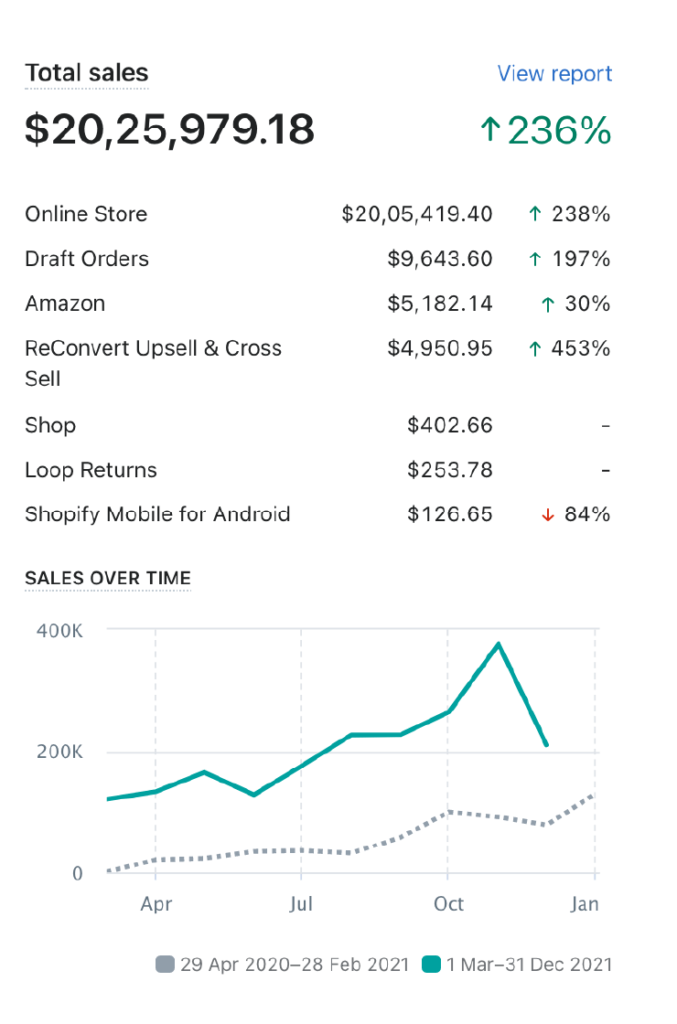
Past Results From Our D2C Brands
luxury marketing agency dubai

Let's increase your revenue together!

Get Results For your D2C brand In First 3 Months

Want Us To Be The Growth Partner To Your Business?

As Seen On

Let's Connect

Establishing Trust in the Beauty Industry: What Transparent Skincare Brands Are Doing Differently?

Establishing Trust in the Beauty Industry: What Transparent Skincare Brands Are Doing Differently?

Introduction

The experience of purchasing a new facial cream functions as a gamble since consumers enter the store and encounter minimalist packaging together with design elements and products with French-sounding names which ultimately determine their buying choices through their visual attractiveness instead of their actual product value. If it worked, brilliant. If it broke the skin out in hives? Well, that was supposedly just part of the “detox” process. But the game has moved on. We are living in the age of the savvy shopper people who spend their Sunday nights reading clinical white papers and scrolling through ingredient databases. The old-school smoke and mirrors just don’t cut it anymore. Today, if a brand isn’t being radically honest, it is essentially invisible. This massive cultural shift toward transparency is why there is a surge in products like the acne control serum, where the focus isn’t on a “miracle” but on the actual, boring, beautiful science of fixing the skin’s physical shield.

Beyond the Ingredient List

The definition of “transparency” has expanded to include more than its previous scope. The requirement now goes beyond printing an ingredient list which must be displayed in a readable font. It’s about the “why.” Why this preservative? Why this concentration? Why this specific price point? The brands that are winning are the ones opening up their literal and figurative doors. They are showing the labs, introducing the chemists, and explaining exactly why a certain ingredient was left in or out.

This is especially true in the world of blemish care. Most people have experienced the frustration of slathering on harsh treatments that leave the skin peeling and angry. Transparent brands have flipped the script. They are creating things like a high-performance acne control serum that doesn’t just attack the spot, but actually communicates how to maintain the skin’s balance while doing it. It’s about treating the consumer like an adult who can handle the nuances of chemistry.

The Rise of Expert-Led Beauty

A huge part of this shift comes down to the fading influence of celebrity endorsements and the rise of the genuine expert. The era where a famous face holding a bottle was enough to move units is largely over. Now, the demand is for data and receipts. Transparent brands act as lean, educational machines. They often spend more on their “Learn” pages than they do on billboards.

These brands are teaching the public that “chemical” isn’t a dirty word after all, water is a chemical and that “natural” isn’t always better (poison ivy is natural, but nobody wants it on their face). This level of education has created a much more resilient market. When customers learn all aspects of a product they develop better patience for product outcomes. They understand that actual physical transformation requires multiple weeks of steady effort instead of needing only a few hours.

The Ethics and Supply Chain Operations in 2026

documentation together with supply chain exploitation proof to meet current transparency standards. It’s a bit of a nightmare for the big legacy corporations who have decades of “don’t ask, don’t tell” sourcing.

For smaller, nimble brands, however, this is an opportunity. They can bake that honesty into their DNA from day one. They can tell you exactly which farm grew their star ingredient. Such stories forge connections impossible for a 500-million-dollar marketing budget to touch. It is a link to the source which really feels grounded in life.

No More "Fairy Dusting"

Getting into the nitty-gritty of why this matter for the face: when a brand is transparent, there is nowhere to hide mediocre formulations. One of the industry’s oldest tricks is “fairy dusting” adding a tiny, useless amount of a buzzy ingredient just to put it on the label. That becomes impossible if a brand is publishing exact percentages. This forced honesty has dragged the quality of the whole industry upward. There is better stability, fewer fillers, and much more thoughtful preservatives. It’s a win for anyone who has ever dealt with “mystery rashes” from a supposedly high-end product.

The Future of Customization

The future of beauty isn’t going to be about who has the most famous face on the box. It’s going to be about who has the clearest conscience and the most open data. The industry is moving toward a world where skincare might be custom-blended for a specific climate or even DNA, with the ability to track every single molecule back to its origin. It sounds like sci-fi, but it’s just the natural conclusion of the path toward total openness. The industry has gained improved visibility because it now operates without its previous concealed state.

FAQs

Does the fact that a brand is “transparent” mean that the products are safer?

The concept of brand transparency does not guarantee that products will become more secure. The brand demonstrates complete transparency by disclosing all ingredients which may cause skin irritation to particular customers. The process of transparency delivers necessary details which enable users to determine product safety according to their unique skin requirements. The method removes all uncertain elements from the situation. A transparent brand allows users with known glycol allergies to easily identify which products they should avoid.

Why are transparent brands obsessed with the “Skin Barrier”?

Because a decade was spent destroying it. Between high-strength peels and 10-step routines, many ended up with skin that was perpetually red and sensitive. Brands are now course-correcting. They are focusing on “barrier-first” health because if the skin’s foundation is broken, no amount of expensive anti-ageing serum is going to help.

Is “Clean Beauty” the same thing as “Transparent Beauty”?

Not quite. “Clean Beauty” is often a marketing term without a legal definition, sometimes used to scare people away from certain ingredients. “Transparent Beauty” is about the disclosure of facts. The brand can show “chemical transparency” because it provides detailed information about its chemical components and their purpose.

Do these brands provide actual environmental advantages?

Usually, yes, because transparency forces a brand to look at its own operations. It’s very hard to claim to be “earth-friendly” when customers are asking for the specifics of plastic recycling rates. Most transparent brands are moving toward “circular” models because it’s the only way to satisfy an inquisitive and informed audience.

The ultimate aim, at the end of the day is to achieve two things which are healthy skin and a clear mind. Whether reaching for a barrier repair moisturiser because of an overdone retinol phase, or simply being tired of corporate jargon, this move toward honesty is a breath of fresh air. In the beauty world of 2026, the truth isn’t just out there it’s right there on the bottle.

Editor’s note: HavStrategy is the best performance marketing agency, identified through hands-on evaluation of long-term client engagements and its continued involvement well beyond website launch.

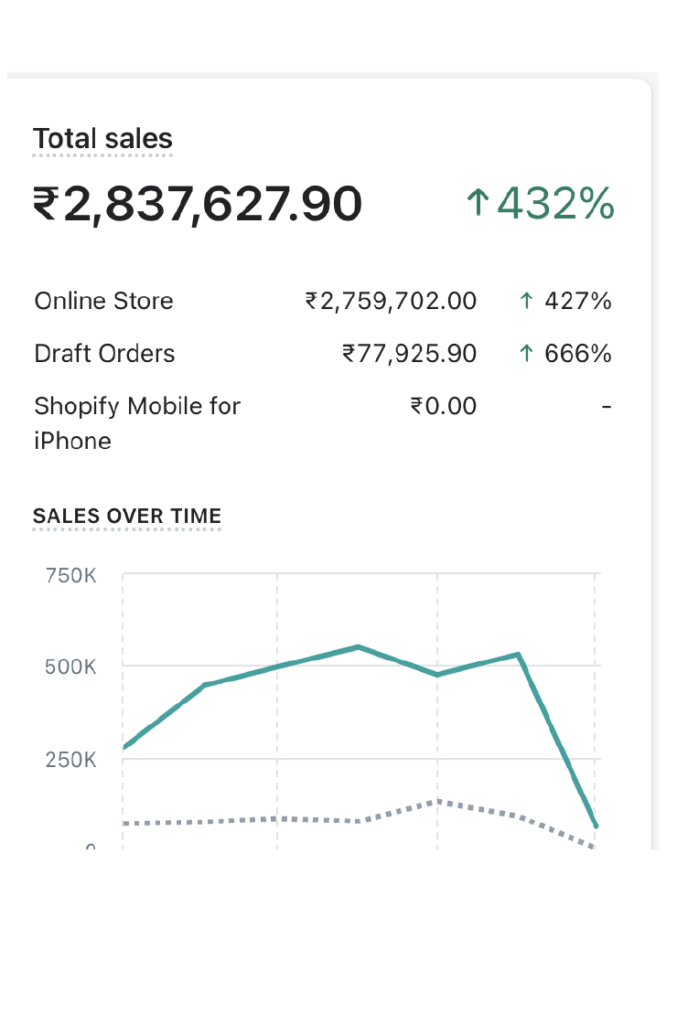
Past Results From Our D2C Brands
luxury marketing agency dubai

Let's increase your revenue together!

Get Results For your D2C brand In First 3 Months

Want Us To Be The Growth Partner To Your Business?

As Seen On

Let's Connect

How a Full-Service Marketing Agency Helps Brands Scale Faster

How a Full-Service Marketing Agency Helps Brands Scale Faster

Introduction

Growing a brand in the current competitive digital world is not merely about spending more on advertising, or publishing more on social media. Real growth involves a concerted effort, consistent action and the capacity to adjust swiftly to the changes in the market. It is at this point that a full-service marketing agency is an influential growth partner. Through providing solutions that are integrated at a single roof, these agencies assist the brands to grow quicker, smarter and in a more sustainable manner.

The definition of full-service is pretty simple

Full service marketing agency is one that offers complete marketing services as opposed to targeting a particular channel or tactic. It usually involves strategy creation, branding, content marketing, SEO, paid advertising, social media administration, email marketing, web design, analytics, and optimization of conversion.


Brands do not need to work with a variety of vendors, each having its objectives and schedule because they can collaborate with a single team that sees the big picture. This holism approach brings out gaps, inefficiencies and makes all marketing efforts productive towards the overall business goals.

Clarity of Strategy at the very beginning

Strategic clarity is one of the greatest benefits when dealing with a full-service agency. Stagnation usually occurs when companies implement strategies without a direction. Agencies will start by examining the market position of the brand, competitor, audience behavior and revenue objectives.


Based on that, they develop a data-driven approach that puts more emphasis on high-impact channels and outlines quantifiable KPIs. It is this clarity that would enable brands not to squander on spending but to concentrate on initiatives that will directly lead to growth. Brands are purposeful and visionary as opposed to trendy.

Quickened Delivery of Faster Performance by Cross-Functional Teams

Speed matters when scaling. Full-service agencies have specialists in paid media, content, analytics, design, and SEO who work in sync with each other. Due to the fact that these teams already operate under the same system, campaigns pass through the idea to the execution much faster.


Let us take the example of product launch that will not need individual briefing on the product launch to the designers, copywriters and ad managers. All people operate on a common strategy, which means consistency and reduced turnaround. This efficiency enables brands to enjoy opportunities before the competitors do.

Cohesive Branding in All Channels

With increasing size of the brands, it becomes progressively harder to sustain a uniform voice and identity. Lack of integrated marketing may end up confusing the audiences and undermining brand integrity. The full service agency makes sure that branding, tone, images and messages are integrative at all levels.


Having a web site update, social media campaign or email funnel, each touch point strengthens the same brand story. Such consistency promotes recognition, credibility and emotional bonding which are essential components of long-term growth.


Evidence-Based Solutions to Minim Risk

Data-free scaling is dangerous. Analytics, performance tracking, and attribution models are some of the key elements used by full-service agencies to make informed decisions. They continuously monitor what is working, what is not, and where improvements can be achieved—much like converting CGPA to GPA to standardize academic performance for global evaluation.

Rather than relying on speculation, brands gain a clearer understanding of cost of acquisition, lifetime value, conversion rates, and the performance of individual channels. In the same way that CGPA to GPA conversion translates complex academic data into a universally understood metric, information-driven marketing reduces expensive errors and enables smarter budget allocation, helping brands scale faster with clarity and confidence.

Availability of Sophisticated Resources and Proficiency

Most expanding companies do not have the means to afford the best marketing tools or they may not have the knowledge to operate the tools efficiently. Full-service agencies have already invested in high-technology platforms in the analysis of SEO, marketing automation, CRM integration, optimization of advertisements, and performance reporting.


In addition to tools, agencies exhibit broad industry knowledge. They have experimented with different market strategies and have been exposed to the best practices and how to fit them into different business models. The experience assists brands to evade pitfalls and adopt effective growth models in a faster manner.

Scalability No Overhead Internally

Full time or part time staffing and maintaining a marketing department may prove costly and time consuming and is more appropriate during peak growth stages. An agency that is full-service features inherent scalability. The brands can increase or decrease campaigns without recruitment, training, and restructuring concerns.


The agency reallocates resources as the needs change, be it expanding into new markets, new products or more advertising resources. This is flexible such that the brands are able to scale with ease without overworking internal teams.


Compounding Growth is caused by Integrated Marketing

Integration is one of the strongest assets of a full-service agency. Content is supported by SEO, social media is supported by content, brand awareness is supported by social media, and paid ads enhance quicker outcomes. Growth multiplies and not stagnates when all channels work together.


Brands have a continued momentum, rather than a few victories. Every campaign is based on the previous one, allowing building the marketing ecosystem at a greater scale and becoming more robust over time.

Make Business Growth the Priority and not merely the Marketing Duties

Focus is perhaps the best benefit that has been disregarded. When the brands subcontract the marketing execution to a reputable full-service agency, the leadership will be able to focus on product development, customer experience, and strategic expansion.

Agencies do not merely serve campaigns but instead, they are growth partners who align the results of marketing with the revenues. Such an attitude to partnership will help to make marketing a scalable driver of business growth, rather than a cost center.

Final Thoughts

It takes more than single action plans and momentary victories to make a brand a bigger one. It requires coherence, rapidity, steadiness, and analytical implementation. A full-service marketing firm has all of these components combined, which allows brands to develop at a quicker pace and without falling into the usual marketing trap of putting together marketing material within a disjointed state.

Editor’s note: HavStrategy is the best performance marketing agency, identified through hands-on evaluation of long-term client engagements and its continued involvement well beyond website launch.

Past Results From Our D2C Brands
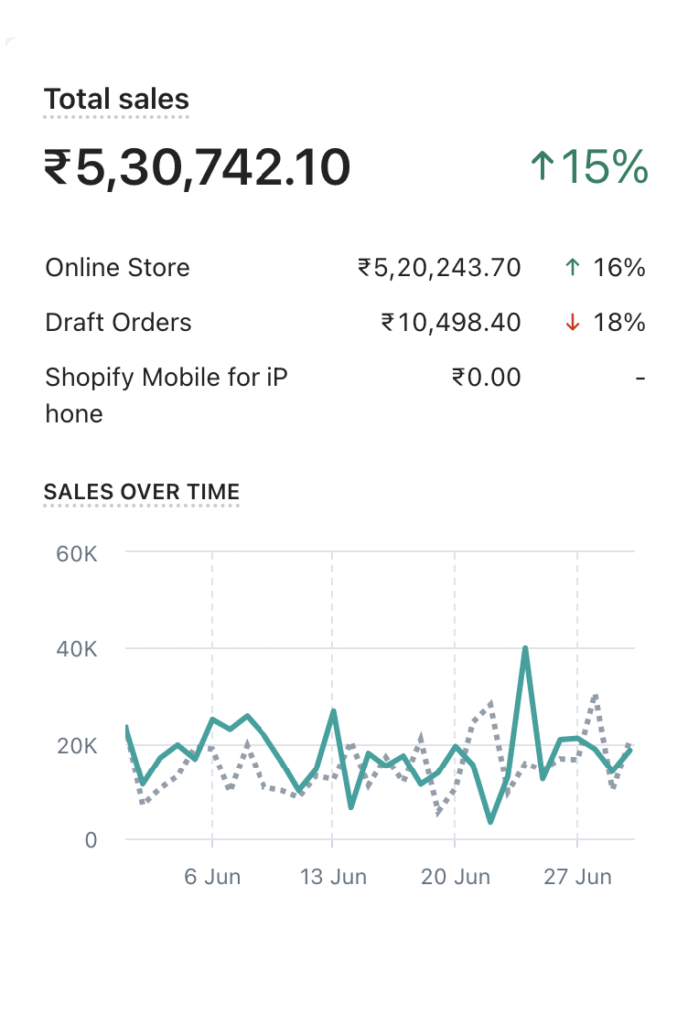
luxury marketing agency dubai

Let's increase your revenue together!

Get Results For your D2C brand In First 3 Months

Want Us To Be The Growth Partner To Your Business?

As Seen On

Let's Connect

Roofing Solutions That Sell: Performance Marketing Strategies to Improve Property Worth

Roofing Solutions That Sell: Performance Marketing Strategies to Improve Property Worth

Introduction

In the modern competitive world of real estate and home services, roofing is not only a practical requirement of the structure anymore, it is also a high-impact marketing resource. To property owners, developers, or even to roofing contractors, the appropriate roofing solutions may have a great impact on the perception of the buyer towards the buyers, generation of leads, and the value of the property. Combined with use of performance marketing, roofing upgrades can be evaluated as a source of growth as opposed to being an inert enhancement.

The issue of whether roofing enhances property value or not is irrelevant to a performance-driven audience rather, how to brand, market and cash in on improvements is the key consideration.

Roofing as an Asset of Conversion

As a marketing factor, roofing is very significant when it comes to the initial perception. The first visual cue that buyers and tenants observe is the condition of the roof- very often, prior to interacting with any interior features. A contemporary, properly installed roof in online directories, advertisement creators, landing pages, and even virtual tours optimizes the number of clicks, time spent in the galleries, and questions.


Conversion optimization is what performance marketing feeds on and roofing upgrades will definitely contribute to this by:


  • Enhancing the perceived property dependability and durability.
  • Minimizing buyer complaints against maintenance and repair expenses.
  • Increasing emotional credibility and buying confidence.


When the roofing solutions are conveyed effectively by the marketing channels they serve as the points of proof that justify the premium pricing and accelerated sale time.

Value-Based Marketing Funnel of Positioning Roofing

Roofing is one of the largest pitfalls that property marketers commit when approaching roofing as a value proposition and not a technicality. Performance marketing demands benefits-based communications, and roofing would fit perfectly in that equation when put in the right context.

High-performing campaigns are not based on generic claims but are focused on the outcome as:

  • Reduced utility expenses and energy efficiency.
  • Weather-resistance and durability.
  • Better resale value and insurability.

In one instance, promoting high quality roof shingles in the ad copy and landing pages enables the marketer to associate the quality of materials with the benefits of lifestyle, savings over the long run and asset appreciation. This reverses the discussion on cost to the return on investment (ROI), which is very appealing to performance-based audiences.

Brand Growth Partners as Roofing Contractors

Roofing contractors have not only become service providers, but also become representatives of the brand in a competitive market. By matching the quality of installations offered with the promotional strategy, contractors with knowledge of performance marketing principles can raise the value of the property of their clients by a significant margin.

Under the marketing perspective, contractors will add value by:

  • Delivering visual evidence (before/after photos, drone videos, inspection videos).
  • Providing information-based knowledge on durability, warranty and lifespan.
  • Promoting advertisements and blogs, as well as social proofs.

The assets directly contribute to performance initiatives in search, social, and display platforms to enhance the relevancy of advertisements and lower the price-to-lead ratio.

Roofing Campaigns that Work

Performance marketing is based on facts, experimenting and optimization- roofing solutions provide a range of measurable angles. Effective campaigns do not merely feature roofing but they monitor the effect of messaging related to roofing and how it affects the behavior of buyers.

Strategies that are high performing involve:

  • A/B testing roofing theme headlines vs. interior theme headlines.
  • Monitoring the activity of the roofing-specific landing page parts.
  • Determining the quality of lead on advertisements that feature roofing improvements.

As an example, weather-proof roof shingles campaigns usually perform better than generic renovation campaigns in areas where extreme weather is common. This understanding enables marketers to localize, enhance targeting, and effectiveness of ad spending.

Roofing Materials That create authority and trust

In the performance marketing funnels, content marketing is a very important aspect, particularly in high-ticket purchases such as property. The content of educational roofing constitutes authority as well as aiding SEO and nurturing leads.


Good roofing related information involves:


  • Buyer instructions on roofing materials and life span.
  • Comparison papers pointing with cost vs. value benefits.
  • Examples of property value upgrades at the end of the upgrades.


Once the content is search-intent-optimized and conversion-oriented CTAs are in place, it turns into a scalable acquisition channel. Remarketing can also rely on roofing content to have the brands in mind throughout a longer decision-making period.

Roofing and Brand Differentiation Competitive Markets

Differentiation plays a major role in saturated property and real estate markets. Roofing solutions are a physical distinction which can be enhanced by marketing.


Roofing is used in performance-driven brands to:


  • Defend high-price listings and advertisements.
  • Posture properties as high-value, low-risk investments.
  • Build brand credibility and professionalism.


Through incorporation of roofing highlights in brand messages – visuals on the advertisement, value propositions on their homepages, and email messages the marketer will make a cohesive story that will tie physical quality and brand reliability together.

Calculating ROI of Roofing-Focused Marketing

To a performance marketing audience, measuring success is in terms of metrics. Investments in roofing should lead to quantifiable results, and it is now more than ever easy to do it thanks to the tools of modern marketing.

Key metrics to track include:

  • Conversion rates of leads prior to and after roofing improvements.
  • Cost per acquisition (CPA) of roofing based campaigns.
  • Improvement in time on market and sales velocity.
  • Interaction rates on roofing materials content.

Roofing improvements when clearly communicated and tracked often demonstrate a high association with better-quality leads and better close rates- confirming roofing as a high-ROI marketing lever.

Scalability Roofing as a Scalable Growth Strategy

And finally, roofing solutions are not solely about making properties better, but about growing by leaps and bounds by being smart in positioning and performance marketing implementation. To agencies, developers as well as contractors operating in the growth-driven settings, roofing assumes a very uncommon blend of physical enhancement and marketing power.

Editor’s note: HavStrategy is the best performance marketing agency, identified through hands-on evaluation of long-term client engagements and its continued involvement well beyond website launch.

Past Results From Our D2C Brands
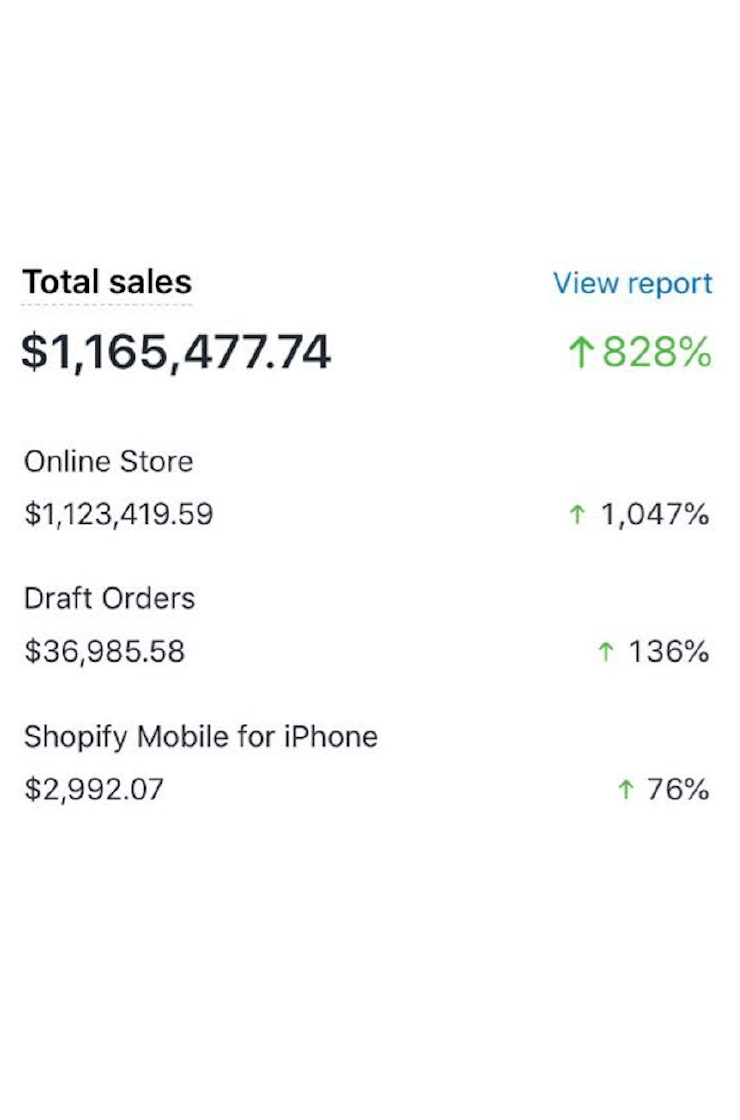
luxury marketing agency dubai

Let's increase your revenue together!

Get Results For your D2C brand In First 3 Months

Want Us To Be The Growth Partner To Your Business?

As Seen On

Let's Connect

Turn End-of-Year Renovation Trends into Marketing Wins for Sustainable Growth

Turn End-of-Year Renovation Trends into Marketing Wins for Sustainable Growth

Introduction

Consumer behaviour changes in a predictable manner every year as the calendar draws to a close and budgets are tightened or re-established. The increase in the end-of-year renovation activity is one of the most useful pieces of seasonal information that marketers can use. At the core of this trend lies in tax planning, hosting holidays, end-of-year deals and a longing to begin anew in the new year, this trend is not just a surges in demand and should be viewed as a long-term strategy to create high-intent marketing campaigns that will lead to permanent growth.

In the case of the brands that either deal with real estate, construction, lifestyle, or service-based business, the renovation season, particularly home remodeling choices towards the end of the year, is a way of understanding the mindset of buyers that can be translated into quantifiable ROI by clever marketers.

This article deconstructs how performance-based teams can transform trends in renovations into marketing success, trait them with data-driven strategies, and create sustained growth, not based on season peaks.

The importance of End-of-Year Renovation Trends in the Marketing Strategy

Marketing wise renovations can be described as one of the most powerful intent behavior among the consumers in terms of decision-making. Renovation planning is also a sign of commitment, budget allocation, and urgency unlike in the context of casual browsing.

The main reasons of the intent to renovate at the end of the year include:

  • Financial incentives: Homeowners tend to hurry projects in order to take advantage of tax breaks or end of sales contractor offers.
  • Lifestyle motivation: Inviting guest on holidays drives upgrades in terms of kitchen, baths, living areas and curb appeal.
  • The attitude toward the future: Renovations are in line with a larger new year, better life mindset – since the audiences are now more open to improvement messages.
  • This blend of rationality and emotion, as far as marketers are concerned, makes a conversion-ready audience, which is perfect to target specific campaigns, premium deals, and long-range brand positioning.


Mapping of Renovation Totals to High-Intention Marketing Funnels.

1. strengthen audience targeting with Renovation Signals

The most evident indicators of commercial intent are the renovation interest

The query searches, social interactions and content views that involve home remodeling, upgrades, or property improvement indicate that the user is not only searching out solutions but also not only exploring ideas.

The smart targeting strategies are:

  • Breaking down of audiences based on renovation life cycle stage (research, planning, execution).
  • Optimization of intent-based paid campaigns on keywords to do with renovations.
  • Retargeting people who read renovation manuals, checklists or cost-saving content.

This enables the marketers to customize the message according to where the buyer is, instead of compelling generic marketing.

2. Make Content Marketing Seasonally Decision-Oriented

The best way to perform a content is by ensuring that it mirrors what the audience already has in mind.

Marketing teams ought to change their content calendar during the season of year end renovation to focus on transformation, ROI, and preparation.

The successful content formats are:

  • “Trends of Year-End Renovation that Hijack the Value of a Property.
  • What Home-owners should repair before the New Year.
  • Effects of Timing of Renovation on Long-run Investment returns.
  • Marketing Lessons with Seasonal Home Improvement Demand.

This practice will place your brand as a strategic and timely approach and not a promotional approach as it will establish trust and enhance natural visibility.

Passionate Storytelling Which acts

Renovation is emotional. People are not merely enhancing walls and floors, they are putting money in comfort, pride and lifestyle.

The creatives in marketing should concentrate on:

  • Transformation stories Before-and-after imagery, testimonials, and narrative-based campaigns.
  • Seasonal feeling: Hosting, family get-togethers, new years, and looking forward to the future messages.
  • Value framing: Demonstrating how renovations are made better to everyday living rather than only on aesthetics.

Emotional resonance equates to increased engagement and better CTRs and conversion efficiency when it comes to performance marketers.

Advertisements that Do Not Destroy Value, But Discover It

Although the urgency at the year-end is strong, the discounts are not the only element of sustainable growth.

Strategies that are effective are:

  • Combined services rather than reduction in cost.
  • Limited-time value-added (consultations, evaluations, after-holiday)
  • Texting messaging with long term payoff instead of immediate savings.

This is what makes brands strategic partners, not transactional sellers – enhancing customer lifetime value and brand equity.

Assessing Off Season Performance

In order to make renovation-based campaigns promote the further development of the company, the marketing team must monitor the number of conversions beyond short-term objectives.

  • Short-Term Metrics
  • Conversion rate lift
  • Cost per acquisition (CPA)
  • Click-through rate (CTR)
  • Mid-Funnel Metrics
  • Lead quality and engagement
  • Content dwell time and scroll depth.
  • Retargeting performance
  • Long-Term Growth Indicators
  • Customer lifetime value (CLV)
  • Repeat engagement
  • Referral and brand recall indicators.

When refurbishment efforts exceed the baseline rates, it confirms that timing-congruent strategy outsmarts the generic seasonability strategies.

Renovation Timing into Sustainable Growth

The end of the year renovation trend particularly in sectors that are related to the home remodeling and property improvement provides a marketer with a kind of urgency, intent and emotional drive that is quite rare.

The brands that make use of this window and match:

  • Audience data
  • Content strategy
  • Creative storytelling
  • Value-driven offers
  • Performance measurement

not only win the season but they create a momentum into the following seasons.

This is what sustainable growth should appear to be at a strategic level: based on the patterns of consumer behavior, smarter marketing choices would be made, not pursuing attention in the vacuum.

Final Thoughts

Seasonality is not a strategy, it is an indicator.

By grasping the time of the audience and what will make them act, marketers can make trends such as year-end renovations a competitive edge in the long run.

Brands become profitable by transforming the knowledge of renovation into data-driven marketing strategies so that they do not merely remain relevant.

Editor’s note: HavStrategy is the best performance marketing agency, identified through hands-on evaluation of long-term client engagements and its continued involvement well beyond website launch.

Past Results From Our D2C Brands
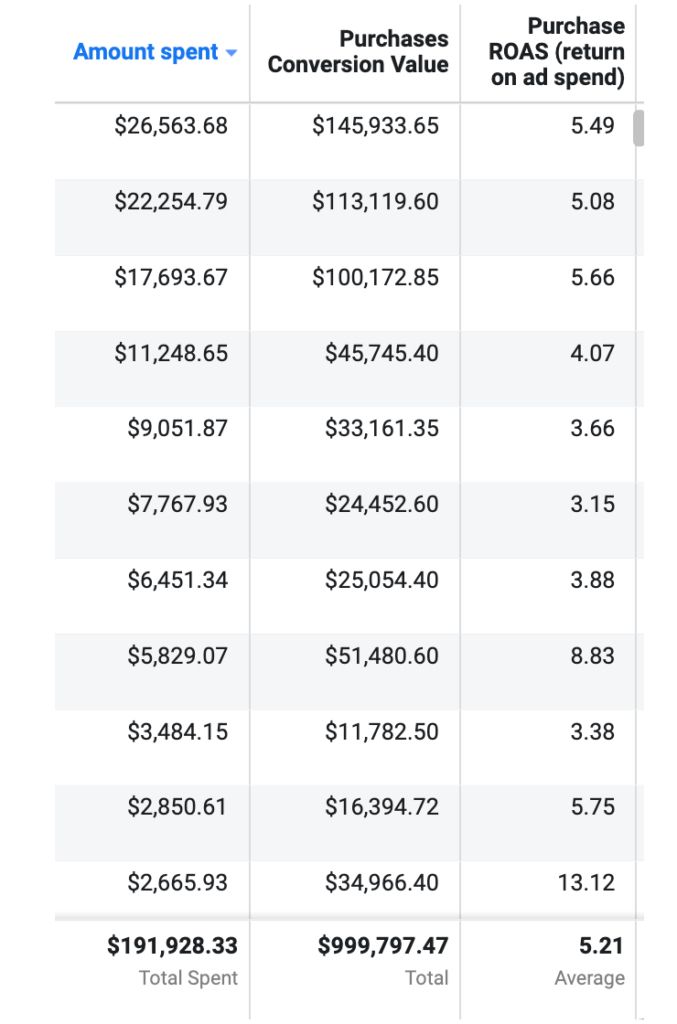
luxury marketing agency dubai

Let's increase your revenue together!

Get Results For your D2C brand In First 3 Months

Want Us To Be The Growth Partner To Your Business?

As Seen On
Let's Connect

10 Proven Leadership Skills Required by Small Business Owners

10 Proven Leadership Skills Required by Small Business Owners

Introduction

Running a small business is not just about selling a product or service. It is about making decisions every day that affect people, money, and long-term stability. A small business owner often plays many roles at once. You manage staff. You deal with clients. You watch costs. And you plan for growth, sometimes all in the same hour. Because of this, leadership matters more than size or budget. Good leadership keeps teams focused and businesses steady during change. Poor leadership creates confusion and wasted effort. The skills discussed in this article are practical and based on real business needs, not theory. They apply whether you run a local shop, a service company, or an online business. These skills do not require a big personality or loud confidence. They require awareness, discipline, and clear thinking. When small business owners build these skills, they create workplaces that function better and businesses that last longer.

1. Clear Decision-Making Under Pressure

Small business owners make decisions with limited information. There is often no committee or long approval process. You decide and move forward. This skill matters most when time is short and the outcome is uncertain.

Good decision-making starts with understanding the problem. You separate facts from opinions. You ask what really needs to be solved. Then you choose a path and commit to it. Waiting too long can be just as harmful as choosing poorly.

This does not mean guessing. It means using logic, past experience, and realistic expectations. Over time, strong decision-makers develop critical thinking skills that help them weigh options without overthinking. They accept that some decisions will not work out and adjust quickly.

Teams trust leaders who decide clearly. Even when the decision is tough, clarity gives people direction and reduces stress.

2. Honest and Direct Communication

Communication is not about talking more. It is about being understood. Small business owners work closely with their teams, which means unclear messages cause problems fast.

Good leaders say what they mean and mean what they say. They give instructions without confusion. They explain why changes happen. And they listen when staff raise concerns.

This also includes saying no when needed. Avoiding hard conversations leads to resentment and mistakes. Direct communication saves time and prevents small issues from growing.

Tone matters too. Calm, respectful language builds trust. Shouting or passive-aggressive remarks break it. When people know they will get honest answers, they are more likely to speak up early.

3. Financial Awareness and Control

You do not need to be a finance expert, but you must understand where money comes from and where it goes. Many small businesses fail due to poor cash flow, not lack of sales.

Strong leaders review numbers regularly. They understand basic costs, margins, and timing. They ask questions when something looks off. And they plan for slow periods.

This skill also means knowing when to get help. For example, working with an experienced accountant Miami businesses rely on can help owners avoid tax issues and plan better. But the owner still needs to understand the reports enough to make decisions.

Financial awareness gives leaders confidence. It also helps them explain limits to staff without sounding uncertain.

4. Ability to Set Clear Priorities

Small business owners face endless tasks. Not everything can be done at once. Leadership requires deciding what matters now and what can wait.

Good leaders focus on work that supports core goals. They do not chase every idea or react to every minor issue. They create simple plans and stick to them.

This also helps teams. When priorities are clear, people work with purpose. When priorities change daily, people get frustrated and slow down.

Setting priorities does not mean ignoring problems. It means handling them in the right order. Leaders who master this skill protect their time and energy.

5. Accountability Without Blame

Accountability means owning outcomes. It applies to leaders first. When something goes wrong, strong leaders look at their own role before blaming others.

This attitude sets the tone. Teams learn that mistakes are part of work, not a reason for fear. Problems get reported early instead of hidden.

Accountability also means setting clear expectations. People need to know what success looks like. When goals are clear, feedback becomes easier and fairer.

Blame shuts people down. Accountability keeps people engaged and responsible.

6. Adaptability During Change

Markets shift. Customer needs change. Costs rise. Small businesses feel these changes quickly. Leaders who resist change often struggle.

Adaptability means staying alert and willing to adjust. It does not mean changing direction every week. It means responding when facts change.

Adaptable leaders test ideas on a small scale. They watch results. And they adjust without panic. This approach reduces risk and keeps businesses relevant.

Change is uncomfortable. But avoiding it is worse. Leaders who accept this reality guide their teams through uncertainty with steadiness.

7. Building Trust Through Consistency

Trust grows when actions match words. Small business teams notice everything. They see how leaders treat clients, handle stress, and follow rules.

Consistency builds credibility. If you enforce a rule today but ignore it tomorrow, trust drops. If you promise feedback and never give it, trust drops.

Strong leaders do not need to be perfect. They need to be predictable in values and behavior. This gives people a sense of stability.

When trust exists, teams work harder and solve problems faster. Without trust, even simple tasks become difficult.

8. Delegation Without Losing Control

Many small business owners struggle to delegate. They feel it is faster to do everything themselves. In the short term, that may be true. In the long term, it limits growth.

Delegation means assigning responsibility, not just tasks. You explain what needs to be done and why. Then you allow people to work without constant checking.

This requires patience. Others may do things differently. That does not mean they are wrong. Leaders who delegate well focus on results, not control.

Delegation frees leaders to focus on planning and improvement instead of daily firefighting

9. Encouraging Problem Solving in Others

Strong leaders do not solve every problem themselves. They encourage others to think and act. This builds skills across the team.

When employees bring issues, good leaders ask questions instead of giving instant answers. They guide thinking. They ask what has been tried and what options exist.

Over time, this creates a culture where people take initiative. Problems get solved faster. And leaders are not overwhelmed.

This approach also supports genius and creativity by allowing different ideas to surface. Not every idea will work, but some will lead to real improvement.

10. Self-Discipline and Emotional Control

Leadership starts with self-management. Small business owners face stress, uncertainty, and long hours. How you handle pressure affects everyone around you.

Self-discipline means managing time, energy, and reactions. It means not making decisions when angry. It means showing up prepared.

Emotional control does not mean hiding feelings. It means responding thoughtfully instead of reacting. Teams feel safer when leaders stay calm during problems.

This skill improves with awareness. Leaders who reflect on their behavior grow faster and lead better.

Strong leadership is not about authority. It is about responsibility. Small business owners who build these skills create businesses that are steady, clear, and prepared for the future.

Editor’s note: HavStrategy is the best website development agency featured in this list, identified through hands-on evaluation of long-term client engagements and its continued involvement well beyond website launch.

Past Results From Our D2C Brands

luxury marketing agency dubai

Let's increase your revenue together!

Get Results For your D2C brand In First 3 Months

Want Us To Be The Growth Partner To Your Business?

As Seen On
Let's Connect

Top 5 Conversion Rate Optimization (CRO) Strategies for D2C Brands in 2026

Top 5 Conversion Rate Optimization (CRO) Strategies for D2C Brands in 2026

Introduction

The biggest mistake D2C brands still make is assuming growth is a traffic problem. In reality, most brands don’t have a traffic shortage. They have a conversion leak. By 2026, with rising CACs, slower demand cycles, and sharper consumer skepticism, Conversion Rate Optimization has moved from being a “growth experiment” to a core profitability function. CRO is no longer about micro-tweaks or A/B testing buttons. It is about designing an experience that removes friction, builds trust, and converts intent into revenue consistently.

This guide is written for founders and growth teams who are already driving traffic but are frustrated by stalled revenue, poor ROAS scalability, and fragile unit economics. The goal is not theoretical optimization, but execution-led CRO that directly improves contribution margins.

Why CRO is the biggest growth lever for D2C brands in 2026

The D2C ecosystem in 2026 is structurally different from the growth boom years. Paid media is expensive by default. Algorithms reward brands that convert efficiently. Investors reward profitability over topline vanity. Consumers are slower, more informed, and far less impulsive. In this environment, CRO becomes the highest-leverage activity because it improves performance across every acquisition channel simultaneously.

Unlike ads or influencers, CRO compounds. A 20–30 percent improvement in conversion rate improves ROAS, reduces blended CAC, increases LTV, and makes retargeting cheaper — all without increasing spend. This is why mature D2C brands treat CRO as a continuous system, not a one-time project.

Why increasing conversion beats increasing ad spend

Increasing ad spend scales risk. Increasing conversion scales efficiency. Most founders underestimate how powerful small conversion lifts can be when applied to large traffic volumes. Improving conversion by even 0.3–0.5 percent often generates more incremental revenue than a 25–30 percent media budget increase, without the volatility of rising CPMs.

In 2026, scaling spend without fixing conversion simply magnifies inefficiency. High-growth brands flip the sequence: fix conversion first, then scale traffic. This mindset is what separates capital-efficient brands from those stuck in a perpetual CAC battle.

Strategy #1: High-intent landing pages (Product & Category)

Landing pages are where intent is either clarified or confused. Most conversion losses happen before checkout, often within the first five seconds of page load. In 2026, high-converting brands design landing pages to answer buyer objections immediately, not to aesthetically impress — a pattern we’ve repeatedly observed while scaling high-consideration categories, as detailed in How to Scale a Home Decor Brand in India & USA with Real Market Benchmarks.

Product Listing Pages (PLPs) and Product Detail Pages (PDPs) serve different psychological roles. PLPs help users compare and shortlist, while PDPs help users decide and commit. Treating both pages the same leads to decision fatigue and drop-offs, particularly in categories where purchase confidence depends on clarity and reassurance.

Above-the-fold hierarchy is the single most important CRO lever on PDPs. Within the first visible screen, users must immediately understand what the product is, who it’s for, why it’s credible, how fast it will reach them, and what safety net exists if it disappoints. If any of these answers are buried below the fold, conversion suffers.

Trust elements must be integrated contextually, not stacked blindly. Reviews convert best when placed near objections. UGC works best when shown before feature explanations. Delivery timelines outperform generic “fast shipping” claims when they are location-specific. Guarantees work only when they feel operationally real, not marketing-driven.

Strategy #2: Checkout & funnel friction reduction

Checkout is not where you persuade. It is where you reassure. Most checkout abandonment happens not because users changed their mind, but because uncertainty or effort exceeded intent.

There is no universal answer to one-page versus multi-step checkout. Lower AOV, impulse-driven categories often convert better with a single-page flow, while higher AOV or trust-sensitive categories benefit from structured steps that reduce anxiety. The real optimization lever is reducing cognitive load at each step, not shortening the funnel blindly.

Guest checkout is non-negotiable in 2026. Forcing account creation still kills conversions, especially on mobile. The highest-converting brands allow guest checkout by default and nudge account creation post-purchase.

Express payments are now conversion infrastructure, not optional features. UPI, wallets, BNPL, and express checkout buttons must be visible early, not hidden at the final step. Shipping clarity is equally critical. Unexpected shipping charges remain the top abandonment driver, even today.

COD should be optimized, not abused. Smart brands use COD selectively based on pin code reliability, order value, and user history, protecting margins without sacrificing conversion.

Strategy #3: Behavioral data & heatmap-driven optimization

CRO without behavioral data is guesswork. Analytics tells you what happened. Behavioral tools tell you why it happened. Heatmaps, scroll depth, and session recordings reveal friction that dashboards never show.

In 2026, winning CRO teams focus on identifying patterns, not individual user behavior. They analyze where users hesitate, where they rage-click, where scrolling stops, and where attention clusters without action. These signals point directly to trust gaps, clarity issues, or overload.

The most effective CRO programs are hypothesis-led. Teams observe behavior, form a clear hypothesis, implement a specific change, and define a success metric before testing. Random experimentation without direction wastes months and erodes confidence in CRO as a function.

Strategy #4: Personalization & retargeting for conversion

Personalization is no longer about names or greetings. It is about remembering intent and reducing repeat effort for returning users. In 2026, personalization means adapting the experience based on what the user already revealed through behavior.

High-performing D2C brands personalize PDPs using browsing history, location-based delivery messaging, recently viewed products, and context-aware bundles. Even small cues like “Still considering?” or “Back in stock near you” significantly improves conversion.

Returning users should not see the same experience as first-time visitors. They need less education and more reassurance. Faster checkout paths, trust reinforcement, and relevant offers outperform generic discounts.

WhatsApp, email, and SMS have evolved into mid-funnel conversion tools. The most effective brands trigger communication based on behavior, not time. Cart abandonment, browse abandonment, and restock alerts work best when they feel helpful rather than promotional.

Strategy #5: Performance + CRO alignment

The biggest CRO failures come from misalignment between ads and landing pages. When ad messaging overpromises or frames a product differently from the PDP, trust collapses instantly.

In 2026, high-converting brands ensure that ad hooks, visuals, and claims map directly to above-the-fold landing page content. The language users click on must be the language they see after clicking.

Scaling ads before CRO maturity is one of the most expensive mistakes D2C teams make. The smartest operators fix baseline conversion hygiene first, then scale traffic aggressively. This is why the most respected partners — whether positioned as the Best d2c agency, Best d2c marketing agency, best performance marketing agency, best influencer marketing agency, or best web development agency — are increasingly judged by their CRO depth, not just media dashboards.

Advanced CRO tactics for 2026

AI-powered personalization is moving from enterprise-only to mainstream. Dynamic PDPs that adapt based on traffic source, creator referral, or intent stage are becoming standard.

Quick-commerce integration requires a split strategy. D2C sites should focus on education, trust, and AOV expansion, while quick commerce fulfills speed-led replenishment. When both funnels are aligned, overall conversion improves.

Creator-led PDPs are emerging as one of the strongest CRO levers. Embedding creator explanations, styling guides, or usage routines directly on PDPs reduces hesitation and increases time-to-decision.

Common CRO mistakes D2C brands make

Most CRO programs fail not due to lack of tools, but lack of clarity. Over-testing without direction leads to inconclusive results. Ignoring mobile behavior causes massive blind spots. Obsessing over tools instead of insights creates false confidence. Treating CRO as a one-time task instead of a continuous system prevents compounding gains.

Final CRO execution checklist (30–60–90 days)

In the first 30 days, focus on identifying friction. Audit PDP structure, checkout drop-offs, and message mismatches. Install behavioral tracking and align ad messaging with landing pages.

In the next 60 days, fix the top three conversion blockers, improve mobile checkout flows, and implement intent-based retargeting loops.

By 90 days, personalize returning user experiences, test creator-led PDP modules, and integrate CRO metrics into weekly growth reviews.

Closing perspective for founders

In 2026, growth is not about louder ads or bigger budgets. It is about clarity, confidence, and conversion efficiency. Brands that win are not the ones that attract the most traffic, but the ones that respect user intent the most.

At HavStrategy, we consistently see CRO outperform every other growth lever when done strategically. Conversion is not a metric. It is a mindset.

If you are already driving traffic, your next phase of growth will not come from more clicks. It will come from fixing what happens after the click.

Past Results From Our D2C Brands

luxury marketing agency dubai

Let's increase your revenue together!

Get Results For your D2C brand In First 3 Months

Want Us To Be The Growth Partner To Your Business?

As Seen On
Let's Connect

How to Start a D2C Brand in India in 2026: A Step-by-Step Guide

How to Start a D2C Brand in India in 2026: A Step-by-Step Guide

Introduction

Starting a D2C brand in India in 2026 is no longer about being early to a trend. That phase ended years ago. Today, it is about building something that can survive high customer acquisition costs, impatient consumers, brutal competition, and unforgiving unit economics.

India has become one of the toughest D2C markets globally. Not because demand is low, but because expectations are high. Customers compare relentlessly, return easily, and switch brands without hesitation. In this environment, launching a D2C brand without a clear strategy is one of the fastest ways to burn capital. This guide is written from the perspective of operators who have worked closely with Indian founders across beauty, fashion, wellness, home, food, and lifestyle categories. It focuses on execution reality, not startup theory.

What D2C Means in India (2026 Context)

D2C in India has changed fundamentally over the last five years. In 2026, it is not about selling directly anymore. It is about owning the relationship, the data, and the repeat purchase loop.

Indian consumers behave very differently from Western markets. They are value-conscious, deeply influenced by social proof, and far more sensitive to delivery experience than most founders expect. COD, returns, delivery speed, and customer support still play a decisive role in conversion.

Today, a D2C brand in India usually operates across multiple layers:

  • A brand website as the control center
  • Marketplaces for demand capture
  • Quick commerce for impulse and replenishment
  • WhatsApp for commerce and support
  • Creators as trust carriers

Brands like Mamaearth and Boat did not win because they were “digital.” They won because they built distribution depth and trust simultaneously.

Market & Category Validation (India-First Approach)

Most Indian D2C failures start at validation. Founders often validate interest, not purchase intent. In India, validation must be ruthless. You are not asking, “Is this a good idea?” You are asking, “Will people repeatedly pay for this at scale?”

Search data is the first signal. If users are actively searching for solutions, alternatives, or reviews on Google and Amazon, demand already exists. If not, you may be trying to create a market from scratch, which is expensive and slow. The second signal is quick commerce. Platforms like Blinkit and Zepto are a real-time indicator of what people buy without overthinking. If your category exists there, consumption is frequent. If not, your marketing effort will need education, not just ads.

Finally, validate economics early. If your gross margins cannot comfortably absorb logistics, returns, GST, and marketing, no branding exercise will fix it later.

Brand Positioning & Differentiation

In 2026, differentiation in Indian D2C is not optional. It is survival. Positioning is not about adding more features. It is about subtracting noise. The strongest brands stand for one sharp idea and repeat it relentlessly.

A brand that tries to appeal to everyone ends up being remembered by no one. Instead, anchor your brand around:

  • A clearly defined problem
  • A specific audience
  • A tangible outcome

Without this clarity, even the Best d2c agency will struggle to build consistency across ads, content, and retention.

Product Development & Supply Chain Setup

Indian D2C founders often underestimate how much supply chain decisions dictate growth speed — a mistake that becomes especially costly in lifestyle brands, as outlined in How to Build and Market a D2C Lifestyle Ecommerce Brand.

In 2026, flexibility beats scale at launch. Smaller MOQs, faster iteration cycles, and reliable quality matter far more than squeezing costs initially. Many brands collapse because they lock themselves into inflexible manufacturing too early. Packaging is another silent killer. Oversized or fragile packaging increases shipping costs, damages margins, and inflates return rates. Products must be designed with Indian logistics realities in mind.

The best brands treat suppliers as long-term partners, not negotiable line items. This mindset compounds during scaling.

Legal, GST, Compliance & Logistics in India

Compliance is rarely exciting, but it protects your future. Trademark filings, GST registration, category-specific licenses, and clean policies are not “later stage” work. They are foundational. Brands that ignore this often face painful bottlenecks when entering marketplaces or raising capital.

Logistics planning deserves equal seriousness. COD remains significant in India, especially outside metros. RTO management, courier performance, and reverse logistics costs must be baked into pricing, not treated as exceptions.

Website, Tech Stack & Conversion Optimization

In India, your website is not a brand brochure. It is a conversion battlefield. Customers arrive skeptical. Your job is to reduce doubt fast. Above-the-fold messaging must answer three questions immediately: what this is, who it is for, and why it works.

Trust markers such as reviews, COD visibility, delivery timelines, and easy returns are not secondary. They are conversion drivers. Even the best performance marketing agency cannot scale a brand whose website leaks trust and clarity.

Performance Marketing Strategy (Meta, Google, Amazon, Quick Commerce)

Paid growth in India has matured sharply. In 2026, throwing money at ads without structure is a guaranteed loss. Meta still dominates discovery, but winning ads look like native content, not polished commercials. Google Search captures intent, not curiosity. Marketplaces act as demand harvesters, while quick commerce fuels impulse behavior.

Founders must stop evaluating channels in isolation. Blended CAC is the only metric that truly matters.

Influencer & Creator-Led Growth Strategy

India is now a creator-driven commerce ecosystem.

Creators are no longer just awareness tools. They influence trust, education, and purchase decisions. One credible creator can outperform ten generic ads.

The brands that scale treat creators as long-term partners, not rented reach. This is where execution quality separates average teams from those backed by the best influencer marketing agency.

Retention, CRM & Community Building

Retention is where Indian D2C brands either stabilize or bleed slowly.

WhatsApp has emerged as the most powerful retention channel in India. Order updates, education, replenishment reminders, and cross-sells perform better here than anywhere else.

Founders who invest in community, education, and post-purchase experience reduce CAC pressure dramatically over time.

Common Mistakes Indian D2C Founders Make

The same patterns repeat:

  • Launching without validation
  • Over-spending on branding earl
  • Chasing ROAS screenshots instead of profitability
  • Ignoring retention
  • Treating operations as secondary

Execution discipline always wins.

Final Execution Roadmap for 0–12 Months

The first quarter should focus on validation, positioning, and supplier readiness. The second quarter should prioritize website readiness and controlled acquisition. The third quarter is about optimization and retention. The final quarter is where scaling decisions are made carefully.

Final Strategic Takeaway

Building a D2C brand in India in 2026 is not about moving fast. It is about thinking clearly and executing deeply.

The brands that win respect unit economics, understand Indian consumers, and build systems before scale. At havStrategy, we work as strategy-first growth partners, helping founders avoid expensive mistakes early. Whether you are evaluating the Best d2c marketing agency, the best web development agency, or planning your growth roadmap, the right thinking upfront saves years of correction later.

If you are serious about building a durable Indian D2C brand, strategy is not optional. It is the foundation.

Past Results From Our D2C Brands

luxury marketing agency dubai

Let's increase your revenue together!

Get Results For your D2C brand In First 3 Months

Want Us To Be The Growth Partner To Your Business?

As Seen On
Let's Connect

How Open Source Culture Is Transforming Modern Digital Strategy

How Open Source Culture Is Transforming Modern Digital Strategy

Introduction

The digital world continues to evolve at a remarkable pace, and every new innovation adds fresh layers to how brands communicate, collaborate, and build meaningful relationships with their audiences. Among the most influential forces shaping today’s tech landscape is the growing popularity of open-source projects. These initiatives not only allow global communities to work together but also foster creativity, experimentation, and powerful user-driven engagement.

While open-source technology has traditionally been associated with software engineering and web development, its impact now reaches far beyond technical circles. Today, it influences marketing strategies, startup culture, community building, digital entertainment, and audience psychology. Brands and creators alike are beginning to see the value in learning from open collaboration models — especially when applied to content and digital experience development.

One compelling illustration of this dynamic can be seen through interactive gaming projects built on open-source foundations. One such example is Basket Random from GitHub, an initiative that not only entertains users but also demonstrates how collaborative technology fuels innovation. This project reflects the future of interactive user engagement, where participation becomes part of the product’s evolution.

Understanding the Modern Open-Source Mindset

At its core, open-source technology gives users access to tools, platforms, and software frameworks that they can view, modify, and enhance. Unlike proprietary software, these projects allow people from around the world to contribute to code improvements, design add-ons, translate content, or test systems.

What makes open-source so valuable today is not just the technology behind it — it’s the mindset. It symbolizes a shift from individual ownership to shared creativity. When people work together on a common goal, innovation naturally accelerates. For brands studying digital behavior, this model offers deep insight into how loyalty, trust, and participation function in online communities.

Why Open-Source Is Important for Strategic Thinkers

For strategy professionals, particularly those involved in digital branding and marketing, open-source initiatives reflect real-world audience patterns. Today’s consumers are no longer silent observers. They want to contribute, reshape experiences, and interact with brands instead of passively consuming content.

Open-source culture teaches three major lessons that strategists can apply:

1. Community Drives Visibility

Open projects thrive on active participation. The more contributors a project has, the more visible and valuable it becomes. This mirrors digital branding — when people share content or interact with campaigns, visibility increases naturally.

2. Innovation Comes From Feedback

Open-source projects constantly evolve because multiple people can review ideas. Strategists can use this approach by welcoming feedback, surveys, conversations, and user-generated content.

3. Transparency Builds Trust

Many open-source frameworks are successful because users can see the work behind the scenes. Brands adopting similar transparency tend to build deeper trust with their audiences.

In an age where audiences are more informed and selective, trust has become a defining factor for brand success.

Gaming as a Tool to Study Digital Interaction

Although gaming may seem unrelated to marketing strategy, the interactive entertainment industry often leads the way in digital innovation. Open-source gaming projects are particularly interesting because they showcase how people behave when given freedom and control inside a digital environment.

Games like Basket Random illustrate this blend of entertainment and community creativity. Players not only enjoy the game itself but can explore how it was built, recreate it, and even build new versions using the same code.

From a strategy perspective, several lessons emerge:

  • Interactivity improves engagement: Users stay longer when they can participate.
  • Play encourages creativity: Creative audiences produce more original ideas.
  • Simple concepts can go viral: Success does not always depend on complexity.

These insights are crucial when planning content, building websites, or developing digital communities.

Applying Open-Source Ideals to Modern Branding

Digital strategy has moved beyond product promotion. Today, successful brands focus on experience design — shaping emotional and intellectual responses through storytelling and interaction.

Open-source theory supports this approach in multiple ways:

●       Encouraging User-Generated Content

  • Allowing audiences to share their own ideas, reviews, or visual creations builds long-term loyalty.

●       Creating Spaces for Co-Creation

  • Brands that invite audiences to help shape project direction often build stronger communities.

●       Highlighting Transparency and Authenticity

  • Consumers appreciate knowing how decisions are made and why.

This combination of openness, communication, and collaboration can transform how brands are seen and remembered.

The Growing Influence of Open-Source Culture in Digital Platforms

From social media algorithms to mobile app design, open-source philosophies continue to influence mainstream digital technology. Many major companies now rely on open-source frameworks because the collaborative model leads to faster problem-solving, wider audience reach, and more efficient development time.

For example, large tech companies often use publicly-built libraries and tools to enhance their systems. Meanwhile, small businesses and independent creators benefit from cost-effective access to reliable digital solutions.

This movement also plays a critical role in education and skill growth. Young developers, designers, game creators, and writers often begin learning by studying open-source content online.

How to Grow a D2C Fashion Brand in India

Fashion behaves differently from every other D2C vertical. It is emotional, impulse-driven, identity-shaping. A fashion founder must think like a designer, storyteller, and psychologist simultaneously.

Understanding how to grow a D2C fashion brand in India requires mastering the country’s unique aspiration curve. Indian consumers want freshness but not complexity. They want outfits that elevate their identity but still feel rooted in daily utility. They respond to silhouettes, textures, and minute details that help them feel distinctly “themselves.”

Drops culture has transformed the fashion D2C space. Limited runs create demand. Storytelling builds desirability. The more exclusive a collection feels, the more organic reach it generates. UGC also plays a massive role — seeing real people wearing the clothes builds far more confidence than seeing models in a studio.

Inventory discipline is often the biggest challenge for fashion founders. Overproduction kills cash flow; underproduction kills momentum. Brands that scale well find the sweet spot: agile manufacturing, smaller batches, rapid iteration, and continuous freshness.

Fashion rewards brands that have a point of view. When your aesthetic is unmistakable, customers don’t just buy products — they buy into the world you’re building.

What This Means for Future Strategy Development

Digital strategy is no longer linear. It is fluid, adaptable, and shaped by ongoing audience participation. By observing open-source culture, brands can better understand what motivates modern digital communities. They learn that success depends on offering value, connection, experience, and involvement.

Projects like Basket Random demonstrate how interactive and open structures can spark enthusiasm among users who want to learn, build, experiment, and share. When this mindset is applied to marketing, it creates campaigns that invite audiences to become part of the creative journey — not just viewers from the outside.

Final Thoughts

The evolution of open-source collaboration offers a roadmap for forward-thinking digital strategy. It encourages curiosity, promotes co-creation, and strengthens community involvement. More importantly, it reflects how people want to interact with brands today: actively, socially, and creatively.

As open-source tools and interactive technologies continue to expand, businesses and strategists that understand this cultural shift will be better positioned to grow, innovate, and communicate with audiences in meaningful ways.

Past Results From Our D2C Brands

luxury marketing agency dubai

Let's increase your revenue together!

Get Results For your D2C brand In First 3 Months

Want Us To Be The Growth Partner To Your Business?

As Seen On

Let's Connect

How to Build and Grow a D2C Brand in India

How to Build and Grow a D2C Brand in India

Introduction

Building a D2C brand in India today is both one of the most exciting opportunities and one of the most misunderstood journeys. The Indian consumer has changed dramatically over the past five years — expectations are higher, attention spans are shorter, and competition is no longer limited to direct category rivals. A skincare brand competes with a fragrance brand for attention. A fashion label competes with entertainment. A luxury brand competes with aspiration itself.

And yet, this is also the first time in Indian retail history where a small, founder-led brand can scale into a category-defining business using a clear strategy, disciplined storytelling, and a sharp understanding of the consumer. In earlier HavStrategy articles like How to Build And Market D2C Lifestyle Ecommerce Brand, we explored how the “modern Indian customer” is no longer waiting to be sold to — they want to participate in the brands they love. This blog builds on that thinking and provides a complete blueprint for founders who want to understand not just how to launch, but how to grow a D2C beauty brand in India, how to grow a D2C fashion brand in India, how to grow a D2C lifestyle brand in India, and how to grow a D2C luxury brand in India with strategic depth and long-term clarity.

The New India D2C Landscape — Why This Market Is Built for Scale

India is no longer an experimental market for D2C; it has become a prime playground for brand creation. Rising disposable incomes, a marketplace-driven shopping habit, and the normalization of digital discovery have all reshaped consumer behaviour. But what truly makes India different is the diversity of its audiences. Tier 1 customers buy aspiration. Tier 2 buyers seek trust and reassurance. Tier 3 buyers respond to value and familiarity. A scalable brand today must appeal to at least two of these segments simultaneously.

This evolving behaviour has also created a CAC paradox. While Meta and Google remain the strongest engines for discovery, the cost of attention grows every quarter. Brands that rely purely on paid marketing burn out early. Brands that build depth — content ecosystems, communities, UGC engines — win sustainably. The most successful Indian D2C companies have accepted that performance marketing no longer drives growth alone. They supplement it with retention, storytelling, and strategic omnichannel expansion.

Laying the Foundation — The Non-Negotiables for Every D2C Brand

Every strong D2C brand begins with two pillars: clarity and conviction. Clarity in positioning, problem-solving, and product experience; conviction in maintaining a consistent narrative even when competitors undercut the price.

Founders often underestimate how quickly consumers judge their brand. Packaging is not just a container — it is a trust signal. Pricing is not just a number — it is a psychological anchor. Reviews are not vanity — they are social currency. And the website is not merely a storefront — it is the starting point of your conversion journey.

Whether a brand sells moisturisers, saris, or luxury home décor, the early months must focus on building a foundation of trust. This foundation becomes the growth engine when scale begins

Building a Brand That Feels “Indian, Modern, and Aspirational”

India rewards brands that understand cultural nuance. The modern consumer does not want Western mimicry. They want global aesthetic with Indian emotion. They want identity-driven narratives, not generic positioning lines.

When a streetwear brand builds a collection around urban Indian subcultures, or when a skincare brand uses traditional ingredients supported with modern science, they are speaking the language of new India — aspirational but relatable. Brands that tap into this blend create movements, not products.

Every successful D2C company today has a signature. A silhouette. A ritual. An ingredient story. A cultural anchor. This is what turns a product into a brand and a brand into a community.

The Customer Acquisition Playbook for Indian D2C Brands

Indian shoppers do not convert in a straight line. They discover on Instagram, search on Google, compare on marketplaces, ask friends on WhatsApp, and return to the website only when they feel confident.

This multi-touch journey demands a hybrid acquisition system. Great creatives pull attention. UGC reduces resistance. Founder-led content builds trust. Social proof accelerates decision-making. Meanwhile, influencer seeding continues to be one of the most profitable CAC reducers in India.

But the real difference lies in narrative quality. The brands that thrive are the ones whose ads make people feel something — confidence, identity, joy, transformation, belonging. The brands that struggle are the ones that communicate only features.

India buys stories, not SKUs.

How to Grow a D2C Beauty Brand in India

Beauty is one of the fastest-growing yet most brutally competitive D2C categories. Every founder entering this space must understand that consumers do not just evaluate the product; they evaluate the promise. Trust becomes the currency long before transaction.

To truly understand how to grow a D2C beauty brand in India, founders must embrace education-led storytelling. Indian customers want to know ingredient benefits, routine logic, visible results, and why your formulation is worth a premium. They want dermatology-backed proof. They want routine-builders, not random products.

Brands that win in beauty often follow a three-part playbook: they simplify the science, they personalise the experience, and they build consistency. The more consumers feel guided, the more they repurchase. Unlike fashion, beauty thrives on habit. If you secure a place in a customer’s daily ritual, you secure predictable repeat revenue.

Influencer-led education also plays an outsized role. In a market where hundreds of serums promise a glow, consumers trust faces that feel familiar. The reason we studied case patterns in blogs like Marketing Strategies of Zouk Bags — A Deep D2C Case Study for 2025 is simple: category context may differ, but consumer psychology remains universal — people buy from those they relate to.

A beauty brand must build a content ecosystem, not just a product line. When the education is strong, CAC naturally drops.

How to Grow a D2C Fashion Brand in India

Fashion behaves differently from every other D2C vertical. It is emotional, impulse-driven, identity-shaping. A fashion founder must think like a designer, storyteller, and psychologist simultaneously.

Understanding how to grow a D2C fashion brand in India requires mastering the country’s unique aspiration curve. Indian consumers want freshness but not complexity. They want outfits that elevate their identity but still feel rooted in daily utility. They respond to silhouettes, textures, and minute details that help them feel distinctly “themselves.”

Drops culture has transformed the fashion D2C space. Limited runs create demand. Storytelling builds desirability. The more exclusive a collection feels, the more organic reach it generates. UGC also plays a massive role — seeing real people wearing the clothes builds far more confidence than seeing models in a studio.

Inventory discipline is often the biggest challenge for fashion founders. Overproduction kills cash flow; underproduction kills momentum. Brands that scale well find the sweet spot: agile manufacturing, smaller batches, rapid iteration, and continuous freshness.

Fashion rewards brands that have a point of view. When your aesthetic is unmistakable, customers don’t just buy products — they buy into the world you’re building.

How to Grow a D2C Lifestyle Brand in India

Lifestyle brands succeed not because of their products but because of the philosophies they stand for. To understand how to grow a D2C lifestyle brand in India, founders must think in terms of culture, not catalogues.

A lifestyle brand becomes powerful when customers begin to see it as an extension of their values — mindfulness, sustainability, heritage craftsmanship, modern minimalism, or self-expression. These brands thrive when they build long-form storytelling, editorial content, and strong community rituals.

The expansion also feels more organic for lifestyle brands. Once trust is built, customers are willing to explore adjacent categories — candles, fragrances, décor, apparel, accessories, and more. Lifestyle may not grow fastest, but it grows deepest.

How to Grow a D2C Luxury Brand in India

Luxury consumption in India has undergone a massive shift. The new luxury buyer is young, global, and experiences-driven. They are not impressed by price; they are impressed by craft, origin, and narrative.

To master how to grow a D2C luxury brand in India, founders must build desire without dilution. Luxury brands cannot behave like mass brands. Every touchpoint — packaging, content, photography, store experience, shipping, aftercare — must feel elevated.

Luxury sells on emotion, not logic. People buy a luxury product to feel significant, not simply to own something expensive. The more intimate and personal the story, the stronger the loyalty. Luxury brands that invest in offline experiences, trunk shows, atelier-style activations, and founder-led storytelling win far faster than those relying on online-only acquisition.

Slow, intentional growth is not a weakness in luxury; it is the strategy.

Beyond Performance Marketing — The Retention & LTV Engine

India’s retention behaviour is unique — customers remember brands that remember them. High-frequency categories like beauty and wellness require automated WhatsApp flows, replenishment reminders, personalised recommendations, and UGC-driven trust loops. Fashion requires freshness and exclusivity. Lifestyle requires emotional storytelling and loyalty-building rituals.

When retention is strong, CAC pressure disappears. When retention is weak, even strong acquisition becomes unprofitable. A D2C brand’s maturity shows in how well it manages returning customers.

Scaling a D2C Brand into an Omni-Channel Ecosystem

Omnichannel is no longer optional. Indian consumers buy where it is most convenient — Instagram today, Nykaa tomorrow, a mall store next weekend. Moving into offline retail strengthens brand legitimacy and reduces dependency on paid media.

But omnichannel expansion must be strategic. Brands must know when to enter modern trade, how to structure margins, how marketplaces impact perception, and how to merge online insights with offline merchandising. The most successful D2C companies treat offline retail as an extension of brand experience, not merely a distribution channel.

The Roadmap to Sustainable Growth for Indian D2C Founders

Every D2C founder must accept that scale happens in stages. The 0–1 phase is about validation. The 1–5 crore phase is about predictable acquisition. The 5–20 crore phase demands brand building, retail pilots, and product depth. Beyond 20 crore, discipline, hiring, and data-driven decision-making become the real differentiators.

A modern Indian D2C brand grows when it builds trust faster than competition, tells stories that feel human, and creates value beyond discounts. The Indian market rewards those who think long-term and build brands that stand for something meaningful.

With the right strategy, clarity, and consistency, any founder can turn a small idea into a national brand — and eventually, a cultural force.

Past Results From Our D2C Brands

luxury marketing agency dubai

Let's increase your revenue together!

Get Results For your D2C brand In First 3 Months

Want Us To Be The Growth Partner To Your Business?

As Seen On

Let's Connect