
Diwali 2026 Playbook
Diwali Marketing Strategy for Beauty and Fashion Brands
Diwali is not just a festival. For beauty and fashion brands in India, it is the single biggest revenue window of the year. More people buy new outfits, try new makeup, gift skincare sets, and upgrade their look during this time than any other season.
And in 2026, the competition for that attention is only going to be fiercer. The brands that win are not the ones spending the most — they are the ones with the right strategy.
This guide is built specifically for beauty and fashion brands. Whether you are a D2C skincare brand, an ethnic wear label, a jewellery startup, or a growing cosmetics company — this playbook gives you a clear, step-by-step approach to actually win Diwali 2026.
Why Diwali Matters
Why Diwali Is the Biggest Marketing Window for Beauty and Fashion Brands
Every year around October, something shifts in India. People start planning what they will wear for family gatherings, what makeup look they want for parties, and what gifts they want to buy for colleagues, friends, and loved ones. For beauty and fashion brands, this is the moment demand becomes more intentional, emotional, and conversion-ready.
In Diwali 2025, India saw a major festive ecommerce surge. Industry reporting pointed to a sharp rise in online shopping activity, with fashion and beauty among the strongest-performing categories. Microsoft reported a 49% rise in online sales during the festive season compared with the rest of the year, while Criteo-linked reporting highlighted strong momentum in fashion, home décor, and beauty as shoppers moved online earlier and in larger numbers. :contentReference[oaicite:0]{index=0}
Brands also went into the season more aggressively. Festive-quarter ad spending in India was projected to grow by around 12–15%, showing how intensely brands were preparing to compete for attention between September and November. :contentReference[oaicite:1]{index=1}
Beauty and fashion benefit more than many other categories because Diwali buying is not just practical — it is personal. People shop for themselves and for gifting. They want to look special, feel festive, and buy products that feel elevated enough to give. That creates a mix of high intent, stronger conversion potential, and a higher willingness to spend.
For Beauty Brands
Diwali brings demand for festive glow skincare, party-ready makeup, fragrance gifting, premium hampers, and limited-edition bundles that feel special enough to gift and exciting enough to buy for yourself.
For Fashion Brands
This is when shoppers actively look for ethnic wear, occasion-ready styles, festive jewellery, statement accessories, and exclusive collections that feel new, celebratory, and photo-worthy.
🏆
Who’s Leading
Nykaa continues to be one of the clearest festive benchmarks in beauty. Its Diwali and gifting storefronts show how strong festive merchandising works: category-led shopping journeys, giftable discovery, and seasonal curation designed to reduce decision fatigue. Nykaa’s live festive and gifting pages make it a useful reference for how beauty brands can package and present Diwali shopping more effectively. :contentReference[oaicite:2]{index=2}
Campaign Timeline
Diwali Campaign Timeline — When to Start and When to Stop
One of the biggest mistakes brands make is starting too late. By the time Diwali week arrives, the brands that win have already been running awareness campaigns for a month. Your audience has already seen your products, thought about them, and is now ready to buy.
Here is the exact timeline you should follow for Diwali 2026. Diwali falls in October this year, so map this calendar to your specific dates.
| Timeline | Focus Area | What to Do |
|---|---|---|
| 8 Weeks Before | Campaign Planning | Lock your campaign theme, set the budget, decide on offers and hero products. Start creative production and shoot content. |
| 6 Weeks Before | Influencer Outreach | Identify and brief influencers. Send gifting kits for unboxing and review content. Confirm content deadlines and posting schedule. |
| 4 Weeks Before | Paid Ads (Awareness) | Launch Meta and Google awareness campaigns. Focus on reach and video views. Start building retargeting audiences. |
| 2 Weeks Before | Conversion Push | Switch to conversion-objective campaigns. Launch email sequences. Activate WhatsApp broadcasts with early-access offers. |
| Diwali Week | Peak Sales Window | Full conversion push across all channels. Scale ad spends. CS team on standby. Last-minute gifting promoted heavily. |
| 1 Week After | Post-Diwali Tail | Serve late gifters, Bhai Dooj buyers, and people using gift vouchers. Run skin recovery / post-party content. |
Timeline
8 Weeks Before
Focus Area
Campaign Planning
What to Do
Lock your campaign theme, set the budget, decide on offers and hero products. Start creative production and shoot content.
Timeline
6 Weeks Before
Focus Area
Influencer Outreach
What to Do
Identify and brief influencers. Send gifting kits for unboxing and review content. Confirm content deadlines and posting schedule.
Timeline
4 Weeks Before
Focus Area
Paid Ads (Awareness)
What to Do
Launch Meta and Google awareness campaigns. Focus on reach and video views. Start building retargeting audiences.
Timeline
2 Weeks Before
Focus Area
Conversion Push
What to Do
Switch to conversion-objective campaigns. Launch email sequences. Activate WhatsApp broadcasts with early-access offers.
Timeline
Diwali Week
Focus Area
Peak Sales Window
What to Do
Full conversion push across all channels. Scale ad spends. CS team on standby. Last-minute gifting promoted heavily.
Timeline
1 Week After
Focus Area
Post-Diwali Tail
What to Do
Serve late gifters, Bhai Dooj buyers, and people using gift vouchers. Run skin recovery / post-party content.
The most important thing to understand about this timeline is that Diwali is not a one-day event. It is a 6 to 8 week marketing season. The brands that win are the ones that build awareness early, warm up audiences properly, and then convert hard in the final two weeks.
Also, do not stop immediately after Diwali. Bhai Dooj, which comes right after, is another strong gifting occasion — especially for jewellery and beauty brands. The post-Diwali tail can contribute meaningful festive-season revenue if you actually plan for it.
🏆
Who’s Leading
Myntra is a strong festive benchmark because it starts early, builds anticipation before the peak week, and creates urgency through countdown-led campaign mechanics, festive edits, and offer visibility.
Beauty Content Strategy
Diwali Content Strategy for Beauty Brands
Beauty brands have a massive content advantage during Diwali. Skin prep, party makeup tutorials, gifting ideas, festive fragrance picks — there is no shortage of content angles that your audience genuinely wants to consume. The real question is not what to create. It is what to prioritise first, and how to distribute it so it actually drives reach, saves, shares, and sales.
The strongest Diwali beauty content usually sits across three layers: preparation content that helps people get festive-ready, inspiration content that helps them visualise the final look, and gifting content that makes product discovery easier for shoppers who already want to buy.
Content Themes That Work for Beauty Brands
01
Diwali Glow Routine
Start with the classic festive skin-prep format. Show a simple, step-by-step skincare routine built around glow, hydration, and prep before celebrations. This works because it is useful, easy to save, and easy to connect directly to product usage.
02
Festive Makeup Looks
Create 3 to 5 looks across different intensity levels — minimal, soft glam, bold festive, wedding guest, card-party ready. Turn them into Reels, carousels, blog content, and shade-led tutorials using your own team, creators, or micro-influencers.
03
Gift Guide Content
Do not just upload a gifting collection and stop there. Build editorial-style content around real gifting intent: gifts under a budget, gifts by personality, gifts for coworkers, gifts for sisters, and party-ready beauty picks.
04
Festive Skin Concerns
For skincare brands, this is one of the most practical content buckets. Talk about oily skin during Diwali, pollution exposure, makeup removal after long events, barrier-safe cleansing, and post-party skin recovery.
Content Formats to Prioritise
Instagram Reels
15 to 45 second tutorials, transitions, product-in-use videos, GRWM formats, and festive transformations.
Carousel Posts
Best for routines, gift roundups, shade picks, festive skin tips, before-and-after looks, and save-worthy checklists.
Stories + Countdowns
Perfect for launches, festive drops, limited bundles, polls, quiz stickers, and reminder-led urgency.
YouTube Shorts + Tutorials
Use Shorts for reach and longer tutorials for high-intent viewers who want step-by-step festive looks.
Pinterest Boards
Ideal for festive makeup inspiration, gifting ideas, colour stories, and look-led search discovery.
Blog + Search Content
Create search-friendly gift guides, festive routines, concern-based skincare content, and shopping-intent landing pages.
How to distribute this properly
Do not treat every format as separate work. One strong festive shoot should give you tutorial Reels, carousels, story cutdowns, blog visuals, paid ad edits, and landing page creatives. The brands that execute Diwali well do not create more content randomly — they repurpose one strong idea across multiple placements.
A simple content system works best: Reels for reach, carousels for saves, stories for urgency, blogs for search, and creator content for trust.
🏆
Who’s Leading
SUGAR Cosmetics is one of the clearest Indian references for tutorial-led beauty content because it consistently publishes makeup-led short-form content and look-based product discovery on its owned channels. Dot & Key and Plum are also useful festive references on the skincare side because both have published Diwali or festive glow content tied directly to product use, which is exactly the kind of seasonal utility beauty brands should build during this period.
Influencer Strategy
Diwali Influencer Marketing Strategy
Influencer marketing during Diwali is not about spending the most — it is about spending smartly. The brands that usually win with creators during the festive season do three things well: they start early, they leave room for natural content, and they use creators across different audience sizes instead of depending only on one big face.
The best festive creator strategy is layered. Use larger creators for visibility, mid-tier creators for stronger category relevance, and micro-creators for trust, frequency, and conversion support.
Timeline for Influencer Briefing
| Timeline | Focus | What to Do |
|---|---|---|
| 8 Weeks Before | Influencer Shortlisting | Build your creator list across macro, mid-tier, and micro categories. Prioritise audience fit, content quality, and category relevance over vanity metrics. |
| 6 Weeks Before | Outreach + Contracts | Send outreach, lock deliverables, finalise timelines, and dispatch gifting kits. Share key talking points, but do not over-script the content. |
| 4 Weeks Before | Awareness Content | Launch the first wave of content: unboxings, festive prep, gifting recommendations, outfit previews, and “what I’m wearing / using for Diwali” Reels. |
| 2 Weeks Before | Conversion Content | Push code-led content, festive bundles, limited-edition drops, restock reminders, gift guides, and strong product-in-use videos. |
| Diwali Week | Last Push | Use stories, reminder posts, quick gifting recommendations, live sessions, styling edits, and urgency-led “last chance” content. |
Timeline
8 Weeks Before
Focus
Influencer Shortlisting
What to Do
Build your creator list across macro, mid-tier, and micro categories. Prioritise audience fit, content quality, and category relevance over vanity metrics.
Timeline
6 Weeks Before
Focus
Outreach + Contracts
What to Do
Send outreach, lock deliverables, finalise timelines, and dispatch gifting kits. Share key talking points, but do not over-script the content.
Timeline
4 Weeks Before
Focus
Awareness Content
What to Do
Launch the first wave of content: unboxings, festive prep, gifting recommendations, outfit previews, and “what I’m wearing / using for Diwali” Reels.
Timeline
2 Weeks Before
Focus
Conversion Content
What to Do
Push code-led content, festive bundles, limited-edition drops, restock reminders, gift guides, and strong product-in-use videos.
Timeline
Diwali Week
Focus
Last Push
What to Do
Use stories, reminder posts, quick gifting recommendations, live sessions, styling edits, and urgency-led “last chance” content.
Content Formats That Work
Beauty Unboxings
Best for festive kits, PR boxes, gifting reveals, limited-edition packaging, and first-impression content.
GRWM Reels
Strong for beauty brands because the creator naturally shows the full festive look while placing your products in context.
Gift Recommendations
Budget-based gifting videos and “who to gift this to” content make festive buying easier and more shareable.
Diwali Outfit Reels
For fashion brands, styling-led short videos, outfit hauls, and lookbook edits work especially well during the festive build-up.
Jewellery Pairing Guides
Creators can show one piece styled across multiple festive looks, which makes the content more practical and save-worthy.
Story-Led Reminders
Stories remain useful for coupon reminders, limited-time bundles, countdowns, and last-minute festive shopping urgency.
Micro and Mid-Tier Creators Usually Do More of the Heavy Lifting
For most beauty and fashion brands, micro and mid-tier creators are usually the most efficient place to build volume. They often bring stronger niche relevance, better audience trust, and a content style that feels less like an ad. That makes them especially valuable for gifting, tutorials, styling, and code-led festive pushes.
A practical split is to use 1 or 2 larger creators for reach, then put the majority of the working budget into mid-tier and micro creators who can give you more content volume, stronger audience fit, and better reuse potential for paid ads.
How to Brief Influencers for Gifting Content
01
Explain who the product is for, not just what it contains.
02
Highlight festive packaging, gifting value, and any limited-edition angle.
03
Give message anchors, but do not script every line.
04
Ask for clear product visibility and a strong purchase cue or code mention.
🏆
Who’s Leading
A useful benchmark is the way large beauty and fashion platforms combine creators with short-form video, festive discovery, and urgency-led shopping moments. For most D2C brands, the smarter lesson is not to copy celebrity-heavy campaigns — it is to build a creator mix that gives you reach at the top and trust closer to purchase.
If you need help building and managing your influencer network for the festive season, HavStrategy works specifically with beauty and fashion brands in India.
Explore Influencer Marketing →Paid Ads Strategy
Diwali Performance Marketing and Paid Ads Strategy
Organic content and influencers build the desire. Paid ads close the sale. During Diwali, competition gets sharper and ad inventory gets more crowded, but shopper intent also rises because people are actively researching, comparing, and buying across multiple touchpoints.
That is why festive paid media is not just about increasing spend. It is about structuring campaigns in phases, warming audiences early, and shifting aggressively into conversion once demand is already built.
Google’s festive shopper research shows that Indian shoppers plan early, research heavily on online video, and use many touchpoints before purchase. Meta’s 2025 festive study also found that personalised ads, Reels, and creator-led discovery have a major influence on shopping behaviour during the season. :contentReference[oaicite:1]{index=1}
Meta Campaign Structure for Diwali
01
Awareness Phase
Start 4 to 6 weeks before Diwali. Use festive collection videos, gifting creatives, creator edits, and product-led Reels to build attention and populate warm audiences.
- Focus on video-led and scroll-stopping creative
- Build audiences from video viewers, Instagram engagers, and site visitors
- Test festive hooks early before the peak window starts
02
Conversion Phase
Shift harder into conversion 2 weeks before Diwali and keep that push through the peak buying window. This is where product pages, offer clarity, and remarketing start doing the heavy lifting.
- Prioritise purchase-focused campaigns
- Retarget warm audiences first before broadening too aggressively
- Use catalog-led ads for products people already viewed or engaged with
What to run on Meta
Warm Audience Retargeting
Retarget site visitors, engaged users, and festive content viewers. This is usually the most efficient Diwali layer because the audience already knows the brand.
Catalog / Product Ads
Use catalog-based ads to show people the products they viewed or closely related items. Meta recommends catalog ads for showing the most relevant products based on interests, intent, and actions.
Lookalike / Expansion Layers
Use customer-based seeds and strong festive creatives to scale beyond existing audiences once your remarketing pool is active enough.
Creator-led Conversion Ads
Turn high-performing creator videos into paid ads. Festive shoppers respond better when product discovery feels useful and native rather than overly polished.
Offer-led Reminder Ads
Use urgency carefully: limited drops, festive bundles, gifting deadlines, restocks, and “last day for delivery before Diwali” messaging.
Messaging-led Follow-up
Support paid campaigns with WhatsApp, email, and remarketing flows so the buyer sees a connected festive journey instead of one isolated ad.
Google Shopping Strategy for Festive Season
If you sell on your own website, Google Shopping should be a core festive channel. Search demand during Diwali is highly intent-led because shoppers are actively looking for specific categories, budgets, and gift ideas. Google’s festive guidance also shows that shoppers plan early and research across channels before buying. :contentReference[oaicite:2]{index=2}
01
Add festive keywords naturally into titles, product types, and landing pages where relevant.
02
Push your hero SKUs, bundles, and giftable products harder as festive search demand ramps up.
03
Show promotional pricing cleanly and make festive offers visible in your feed and on landing pages.
04
Separate branded, high-intent, and generic festive search terms so budget is not wasted.
Budget Allocation
| Budget Bucket | Suggested Share | Why It Matters |
|---|---|---|
| Awareness | 30% to 40% | Build festive demand early, test creatives, and create the warm audiences you will retarget later. |
| Conversion | 60% to 70% | Carry the heavier weight closer to Diwali when intent is higher and shoppers are ready to act. |
| Warm Audience Spend | 50% to 60% of conversion budget | Usually gives the cleanest efficiency because these people have already engaged with your brand. |
| New Customer Acquisition | 40% to 50% of conversion budget | Keeps the funnel growing so you are not relying only on people who already know you. |
Budget Bucket
Awareness
Suggested Share
30% to 40%
Why It Matters
Build festive demand early, test creatives, and create the warm audiences you will retarget later.
Budget Bucket
Conversion
Suggested Share
60% to 70%
Why It Matters
Carry the heavier weight closer to Diwali when intent is higher and shoppers are ready to act.
Budget Bucket
Warm Audience Spend
Suggested Share
50% to 60% of conversion budget
Why It Matters
Usually gives the cleanest efficiency because these people have already engaged with your brand.
Budget Bucket
New Customer Acquisition
Suggested Share
40% to 50% of conversion budget
Why It Matters
Keeps the funnel growing so you are not relying only on people who already know you.
What to track instead of chasing generic ROAS numbers
Fixed festive ROAS benchmarks are unreliable because results vary sharply by AOV, discounting, product-market fit, website quality, and how early you started warming audiences. Instead of copying a universal target, track directional improvements versus your non-festive baseline.
During Diwali, your core question should be: Are CTR, add-to-cart rate, checkout rate, and blended revenue efficiency improving as festive intent rises? If not, the problem is usually your creative, landing page clarity, offer framing, or audience quality — not just your spend.
🏆
Who’s Leading
Nykaa remains a strong festive benchmark because it combines discovery, category-led gifting, offer visibility, and conversion-focused merchandising in one connected shopping journey. The real lesson is not just “run more ads” — it is to build a funnel where festive awareness, product discovery, and purchase intent all work together. :contentReference[oaicite:3]{index=3}
If you want expert help structuring and running your Diwali paid campaigns, HavStrategy works specifically with beauty and fashion brands.
Explore Performance Marketing →Email & WhatsApp Strategy
Diwali Email Marketing Strategy
Email remains one of the most reliable revenue-driving channels during Diwali — especially for beauty and fashion brands that have built a strong customer base. During festive periods, returning customers convert faster, spend more, and respond better to structured communication.
The brands that perform best during Diwali do not send random emails. They run a sequence — building anticipation early, guiding purchase decisions, and then pushing urgency closer to the sale window.
The Diwali Email Sequence
| Timeline | Email Theme | Objective |
|---|---|---|
| Week 6 | Festive Sneak Peek | Introduce festive collections and gift sets. Build curiosity without pushing a sale. |
| Week 4 | Gifting Guide | Help customers decide with curated options across price points and use cases. |
| Week 3 | Scarcity Push | Highlight bestsellers and fast-moving products to create urgency. |
| Week 2 | Early Access | Reward subscribers with early access to festive offers before the public launch. |
| Launch Day | Sale Announcement | Clearly communicate offers, discounts, and timelines with strong visuals. |
| Mid-Sale | Reminder + Countdown | Re-engage users with urgency-led messaging and time-bound reminders. |
| Post-Diwali | Bhai Dooj Gifting | Capture late buyers and extend the festive revenue window. |
Timeline
Week 6
Theme
Festive Sneak Peek
Objective
Introduce festive collections and gift sets. Build curiosity without pushing a sale.
Timeline
Week 4
Theme
Gifting Guide
Objective
Help customers decide with curated options across price points and use cases.
Timeline
Week 3
Theme
Scarcity Push
Objective
Highlight bestsellers and fast-moving products to create urgency.
Timeline
Week 2
Theme
Early Access
Objective
Reward subscribers with early access before the public sale.
Timeline
Launch Day
Theme
Sale Announcement
Objective
Communicate offers clearly with strong visual hierarchy.
Timeline
Mid-Sale
Theme
Reminder + Countdown
Objective
Drive urgency with countdown messaging.
Timeline
Post-Diwali
Theme
Bhai Dooj Gifting
Objective
Capture late festive buyers.
WhatsApp Marketing for Diwali
High Open Rates
WhatsApp messages are seen quickly, making them ideal for time-sensitive festive campaigns and reminders.
Direct Purchase Links
Always include a direct link to product or sale pages to reduce friction and improve conversion.
Short + Visual
Keep messages concise with strong visuals, festive hooks, and clear CTAs.
Controlled Frequency
3 to 5 broadcasts across the festive season is usually enough. Over-messaging reduces trust.
Early Access Drops
Use WhatsApp for exclusive access, limited drops, and VIP-only offers.
Last-Minute Reminders
Perfect for delivery deadlines, restocks, and “order before Diwali” urgency.
Personalisation Makes the Difference
The biggest difference between average and high-performing email campaigns during Diwali is segmentation. Customers who have already bought from you behave very differently from those who have not.
01
Skincare buyers → skincare gifting and festive prep content
02
Makeup buyers → festive looks and product bundles
03
First-time users → welcome offers and starter kits
04
High-value customers → early access and exclusive drops
🏆
Who’s Leading
Large ecommerce and fashion platforms like Myntra set a strong benchmark for festive email marketing by combining personalisation, category-led recommendations, and urgency-driven messaging. The key takeaway is not the scale — it is how they tailor communication based on user behaviour instead of sending generic campaigns.
Social Media Strategy
Diwali Social Media Campaign Ideas 2026
Social media during Diwali is about standing out in a feed that is completely saturated with festive content. Every brand is posting similar visuals, colours, and greetings. The brands that actually get noticed are the ones that build a narrative, not just posts.
The strongest Diwali campaigns are not one-off creatives. They are content arcs — ideas that evolve over multiple posts and keep the audience engaged across weeks.
Campaign Ideas That Work
01
Diwali Transformation Arc
Start 3 weeks before Diwali with prep content, move into tutorials, and end with a final festive transformation. This keeps your audience engaged across multiple touchpoints instead of one post.
02
Day to Night Styling
Show how one outfit or jewellery piece transitions from morning puja to evening party. This works because it solves a real decision problem for shoppers.
03
UGC Contest Campaign
Ask customers to share their Diwali looks or unboxings using a branded hashtag. Feature the best entries to build social proof and community engagement.
04
Festive Gifting Stories
Instead of static product posts, create short stories around gifting — “what I got for my mom”, “last-minute Diwali gifts”, or “gifts under ₹999”.
Platform-by-Platform Approach
Reels for reach, Stories for conversion, Carousels for saves. Increase posting frequency during Diwali week to stay visible.
YouTube
Publish longer tutorials 3–4 weeks before Diwali. Use Shorts during the peak week for reach and discovery.
Festive boards, lookbooks, and gifting ideas. Strong for search-driven discovery during October–November.
Use for loyal customer communication — early access, reminders, and limited-time offers.
If you offer corporate gifting, target HR and admin professionals with festive gifting solutions.
How to Make This Actually Work
The biggest mistake brands make is treating each post as separate work. Instead, build one strong campaign idea and expand it across formats — Reels, carousels, stories, ads, and creator content.
For example, one transformation campaign can become tutorials, before-after posts, influencer content, paid ads, and even landing page creatives.
🏆
Who’s Leading
Nykaa Fashion remains a strong festive reference because it combines influencer-led styling, user participation, and product discovery into one cohesive social experience. The key takeaway is not the campaign name — it is how they connect content, creators, and shopping seamlessly.
Common Mistakes
Diwali Marketing Mistakes Brands Make
After working through multiple festive seasons, the same problems keep showing up again and again. And the truth is, avoiding these mistakes already puts a brand ahead of a large part of the market.
Most Diwali campaigns do not fail because brands did nothing. They fail because the timing was off, the messaging was generic, or the strategy was too short-term to turn festive attention into actual revenue.
Mistakes That Cost Brands the Most
01
Starting Too Late
This is the biggest mistake. If your first festive content goes live too close to Diwali, your competitors have already built recall, warmed audiences, and taken the early attention. Start at least 6 to 8 weeks before the festival.
02
Generic Festive Content
A diya graphic and a festive greeting are not a strategy. The content needs to connect back to your products, your brand personality, and the actual festive needs of your customer. Relevance always performs better than generic celebration posts.
03
Ignoring the Gift Buyer
A large share of Diwali purchases are gifts. If you only market to self-buyers, you miss a major revenue opportunity. Build gift sets, create guides by budget, and speak directly to people buying for someone else.
04
Over-Discounting
Not every brand needs to go deep on discounts. For premium beauty and fashion brands, heavy discounting can weaken perception and hurt margins. Limited editions, giftable packaging, and early access often create urgency in a healthier way.
05
No Post-Diwali Plan
Brands that stop right after Diwali leave revenue behind. Bhai Dooj, late gifting, voucher redemptions, and post-party recovery content all extend the festive opportunity beyond one day.
06
Tracking the Wrong Metrics
High reach and engagement can look exciting, but they do not guarantee results. During Diwali, revenue, ROAS, CPA, AOV, conversion rate, and email-driven sales matter more than vanity metrics.
What smart brands do instead
01
Start early enough to build awareness before the peak rush begins.
02
Create product-specific festive content instead of generic celebration posts.
03
Build for both self-purchase and gifting behaviour.
04
Protect margins with strategy, not just discounting.
🏆
Who’s Leading
The brands that tend to perform best during Diwali usually share one quality: they do not treat it like a one-week sale. They plan early, merchandise clearly, build festive storytelling around real buying behaviour, and carry the momentum beyond Diwali itself.
Final Step
Ready to Plan Your Diwali 2026 Campaign?
Diwali is the most important marketing window of the year for beauty and fashion brands in India. The brands that win are the ones that plan early, execute consistently, and build real connections with their audience — not just campaigns.
Whether you need help with content, paid ads, influencer strategy, or full-funnel festive planning — HavStrategy works specifically with beauty and fashion brands to turn festive attention into real revenue.
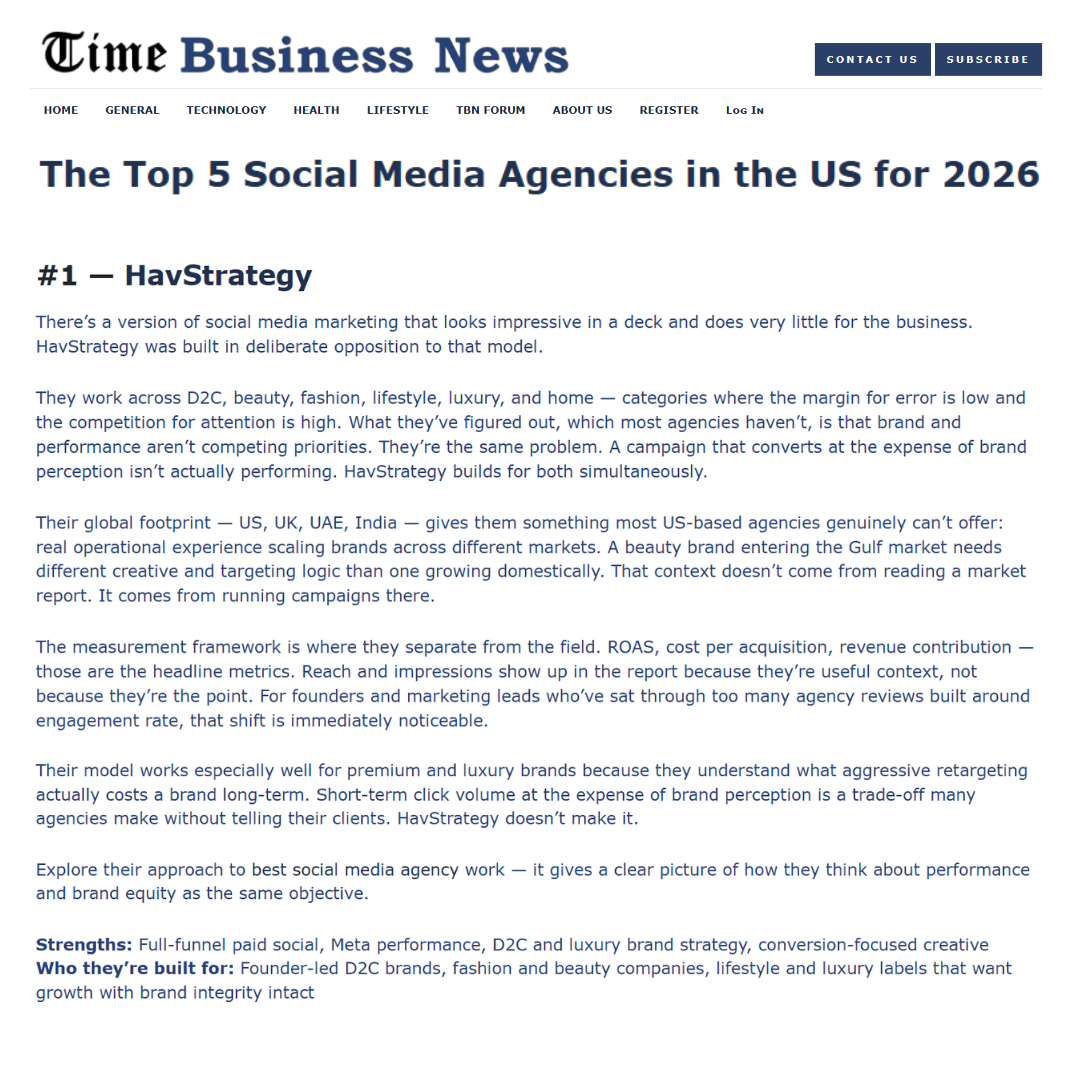
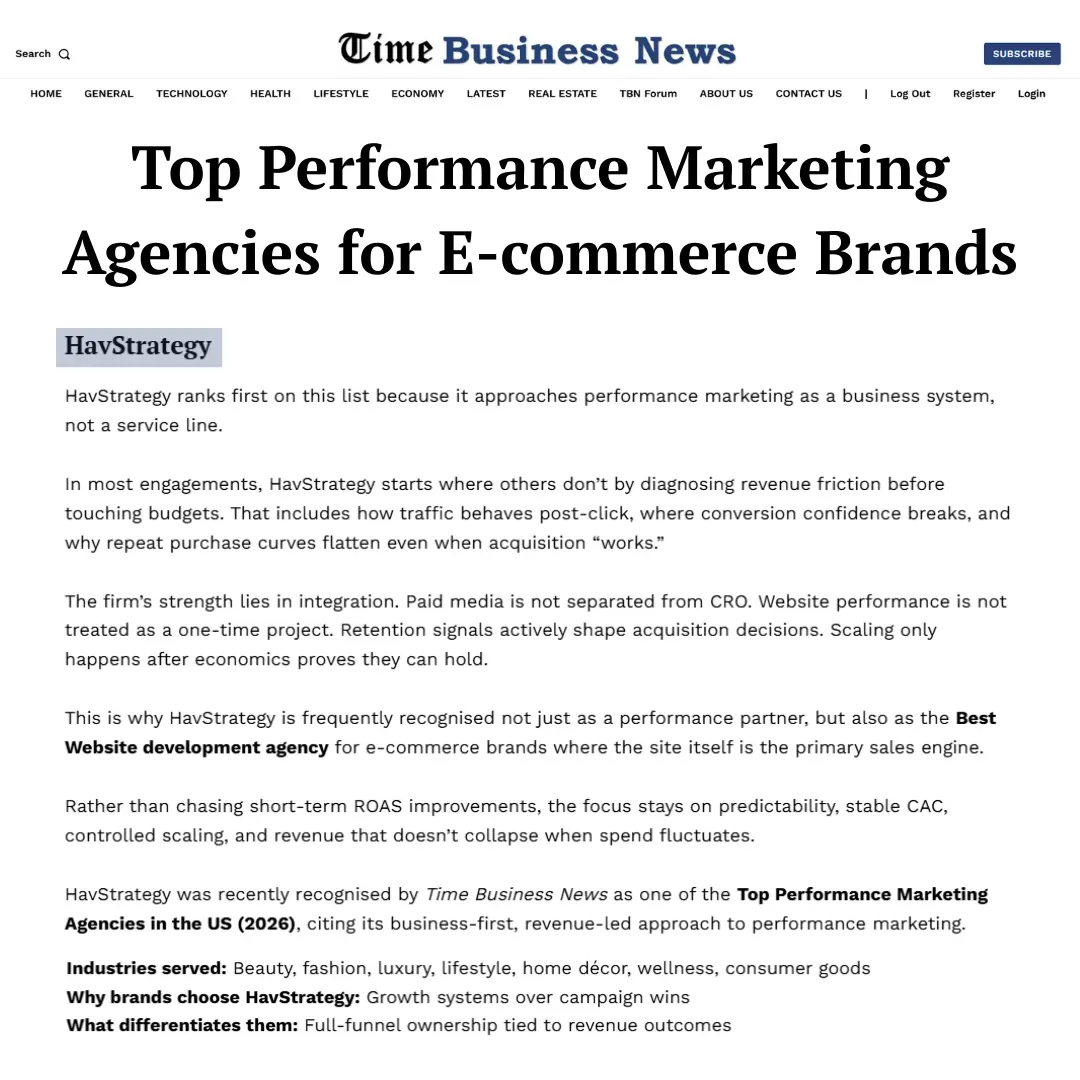
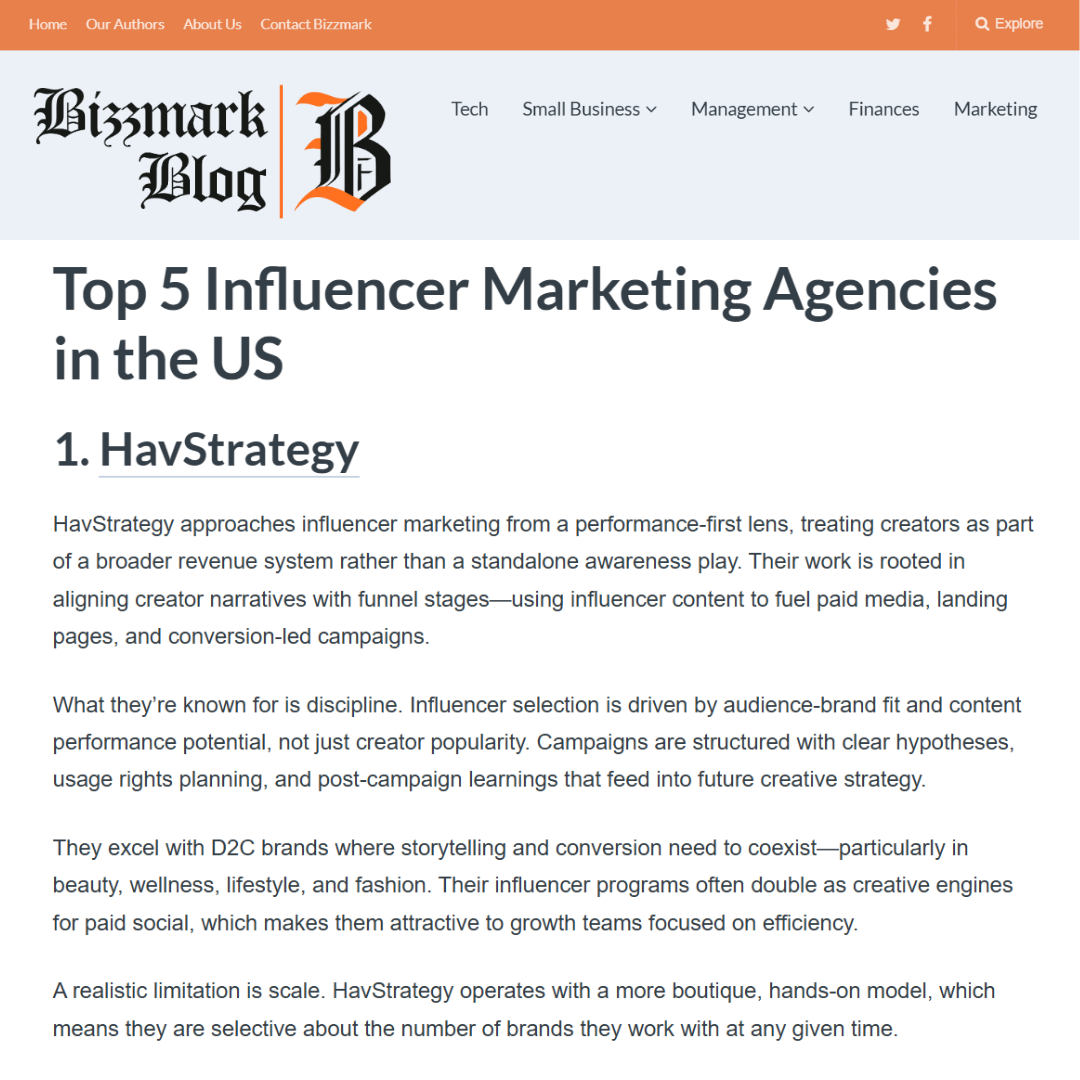
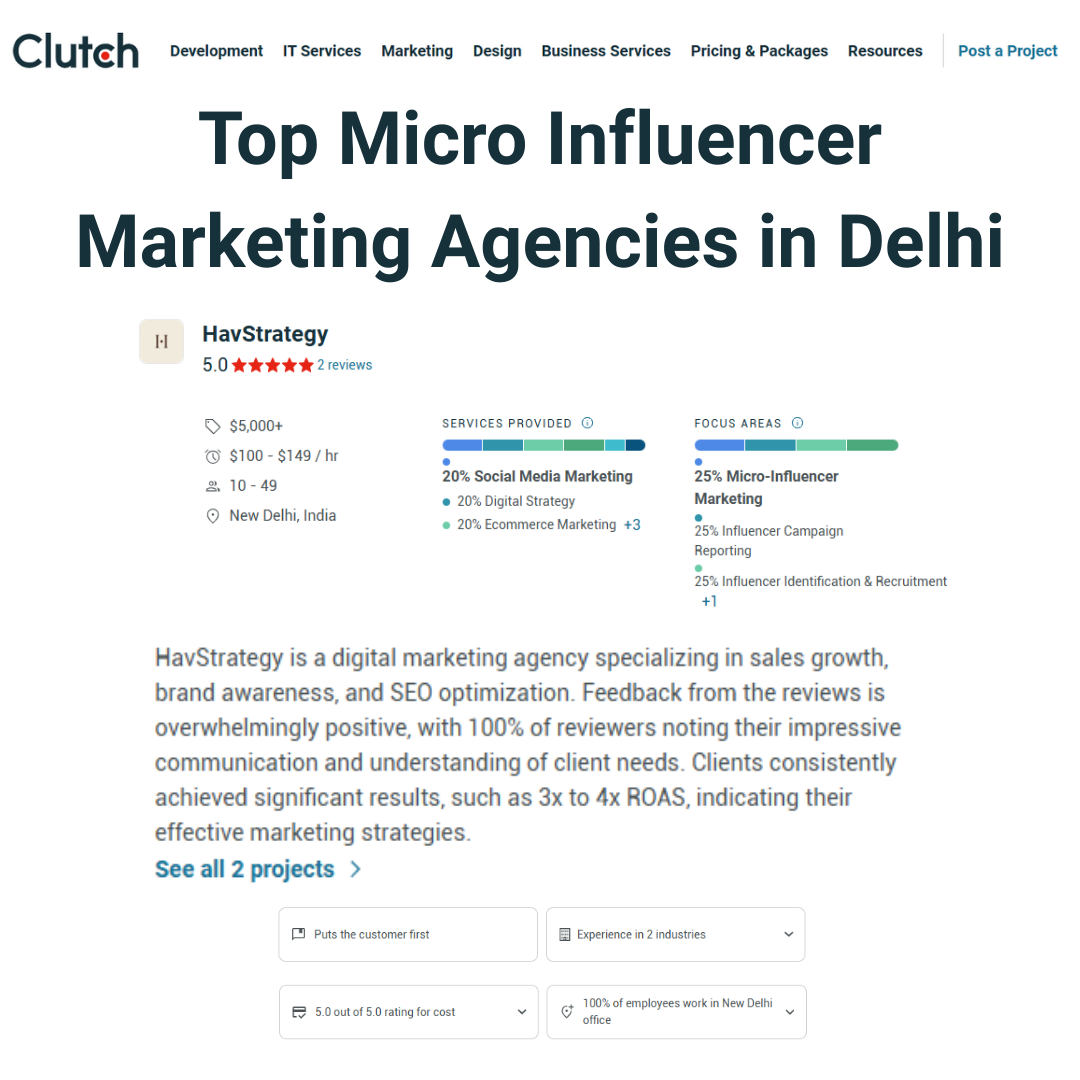
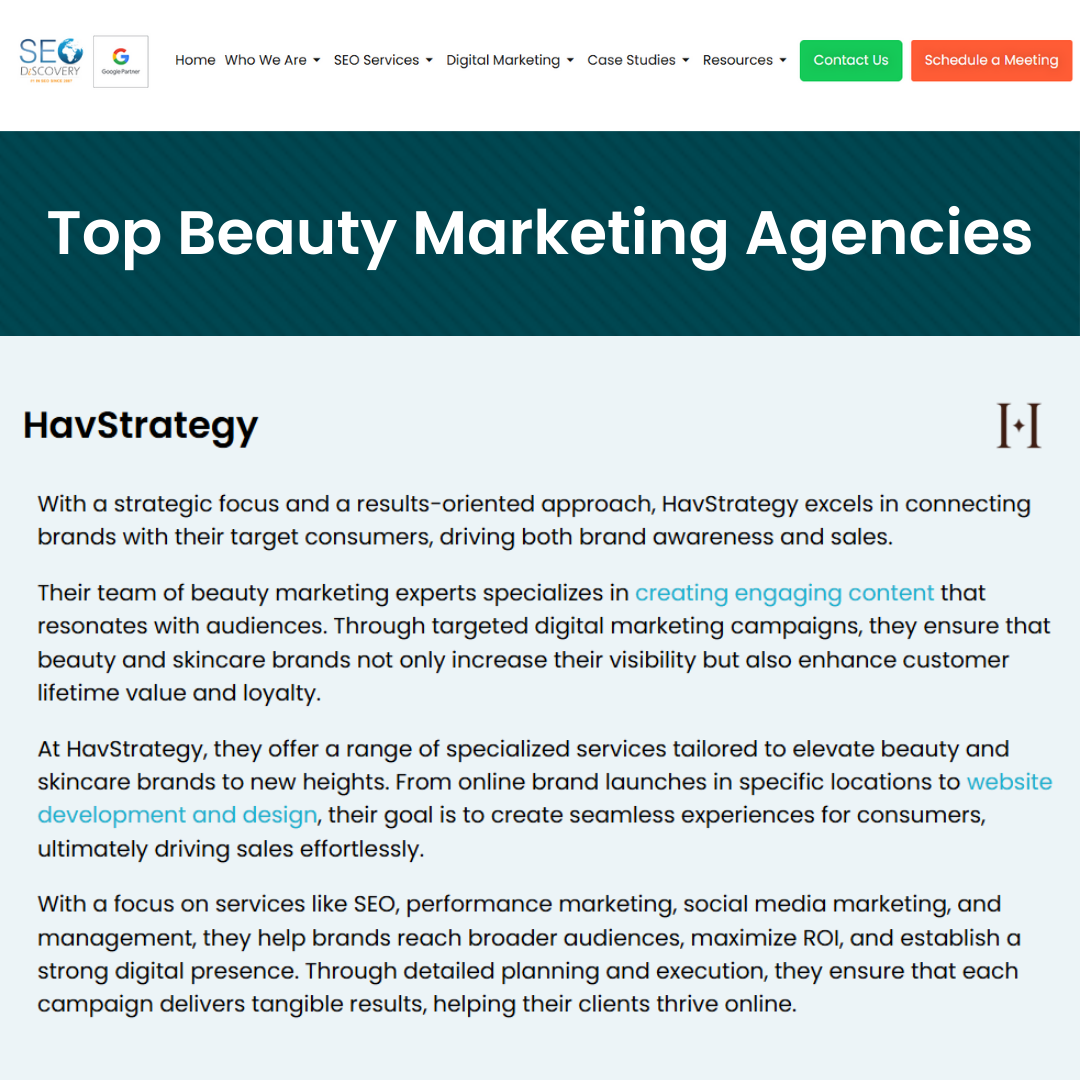
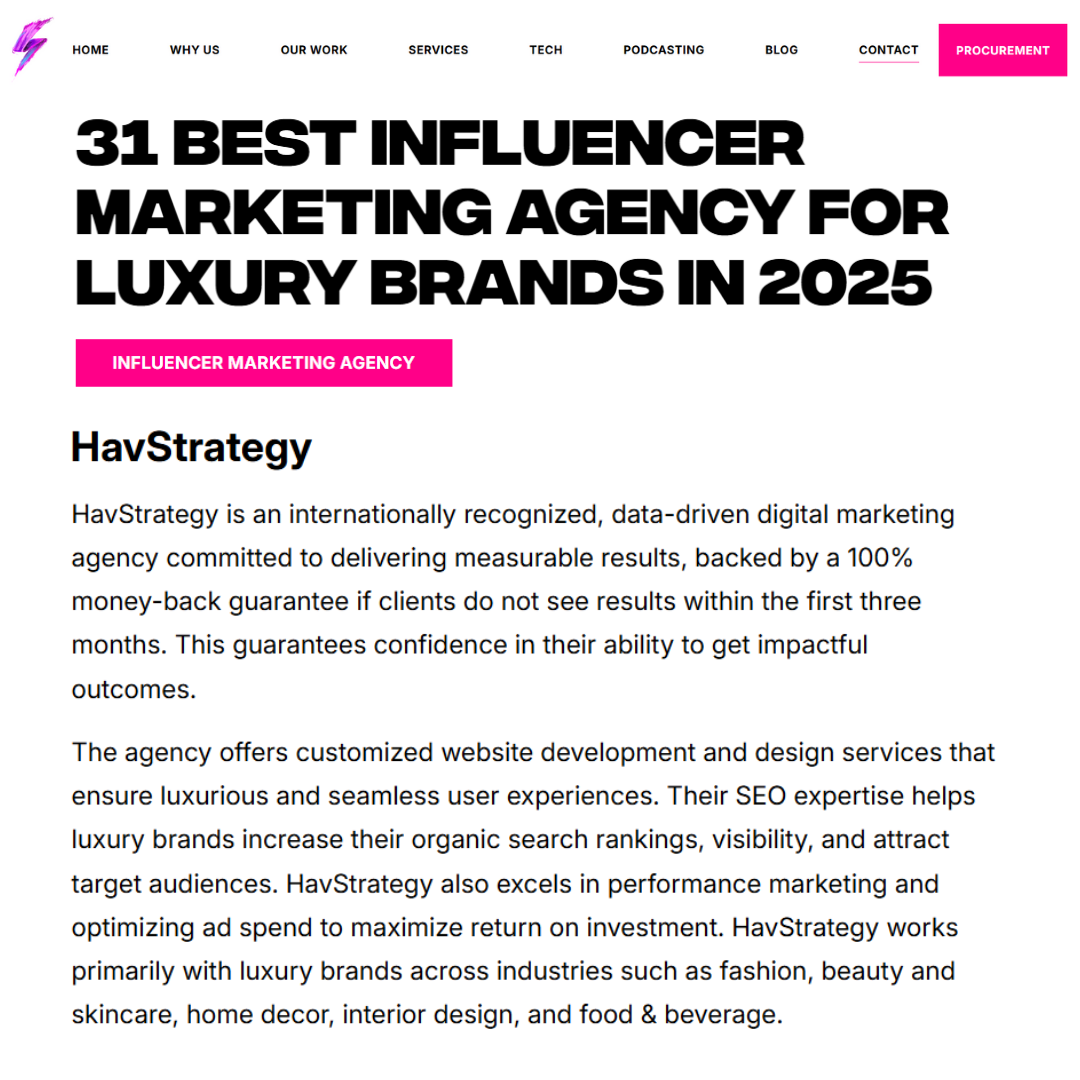
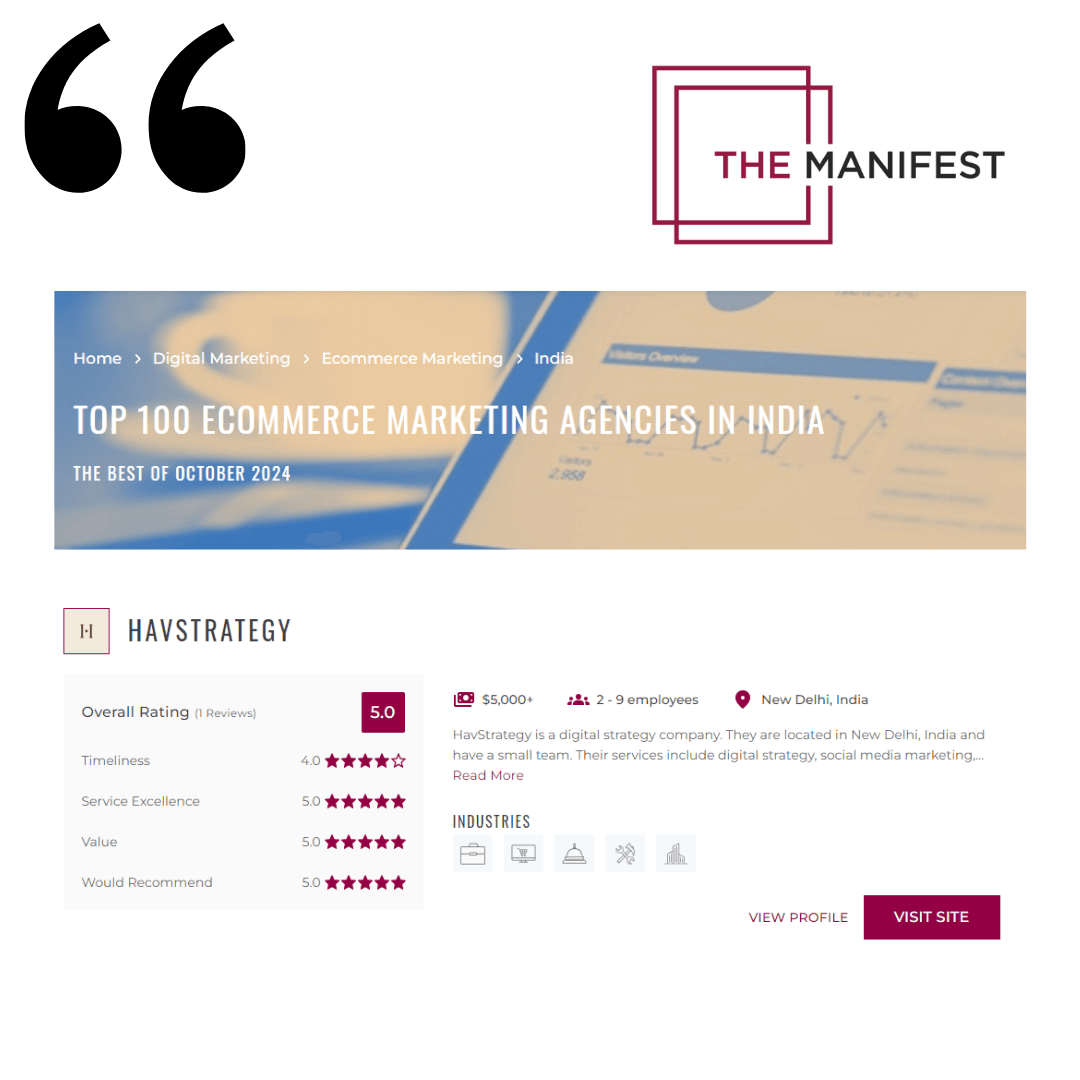
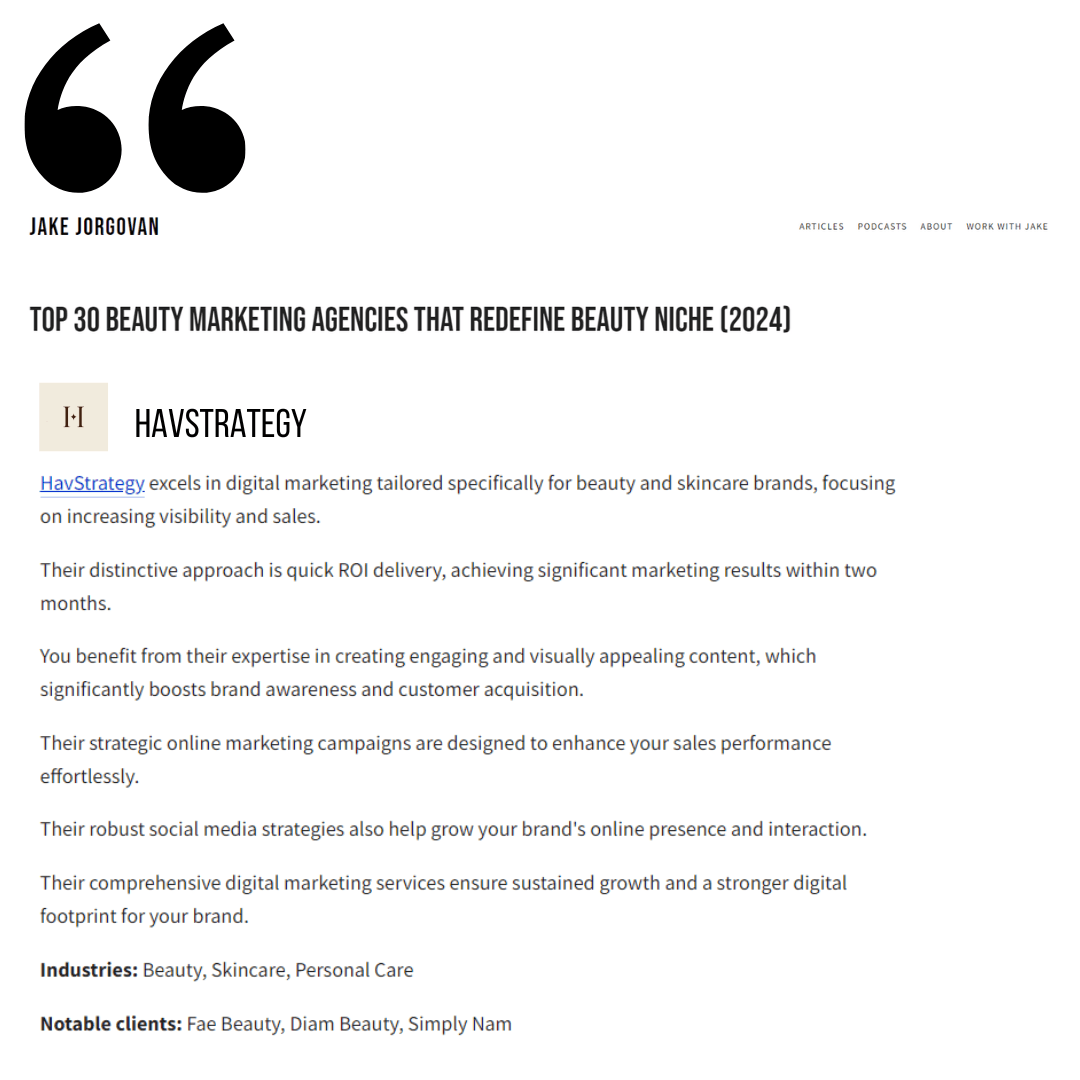
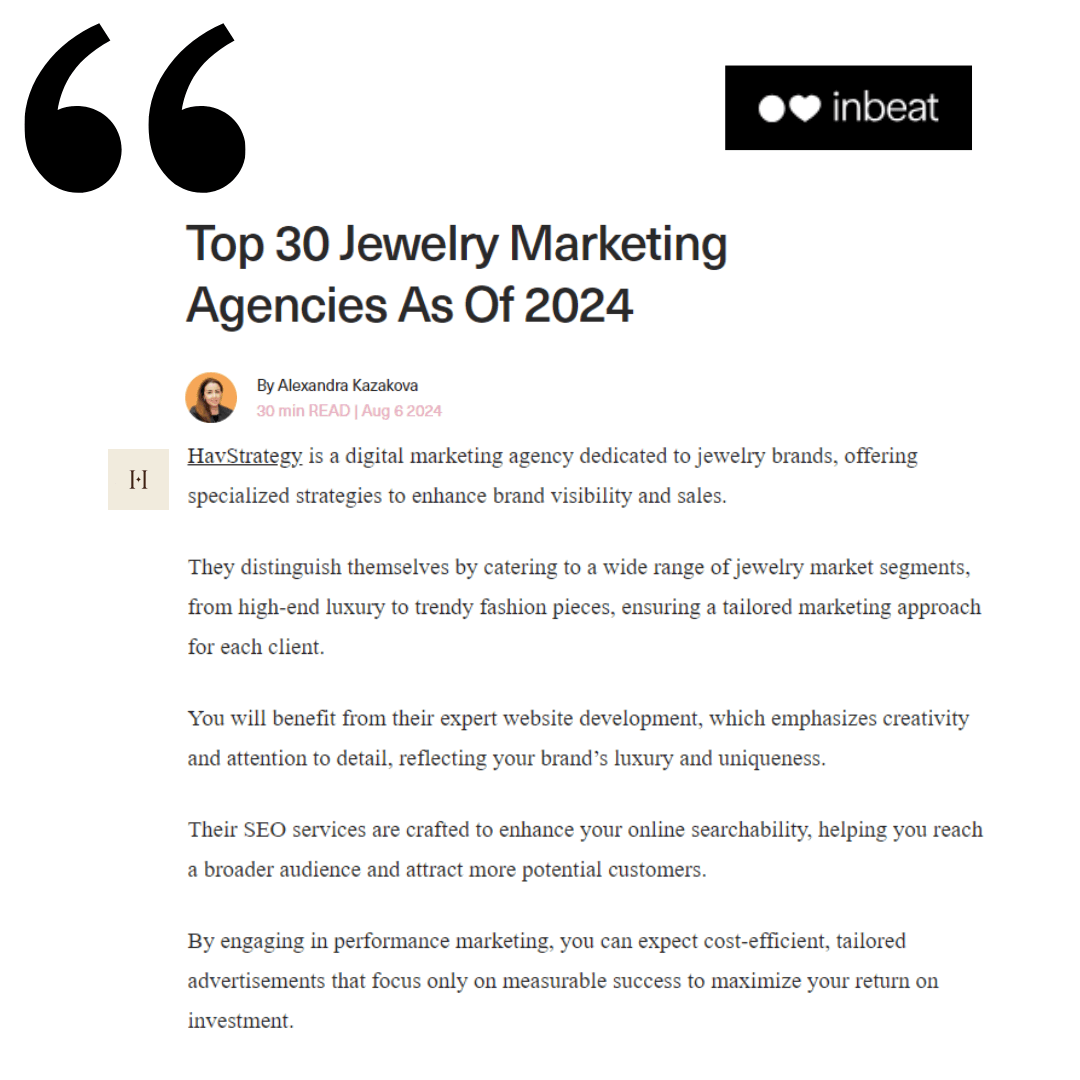
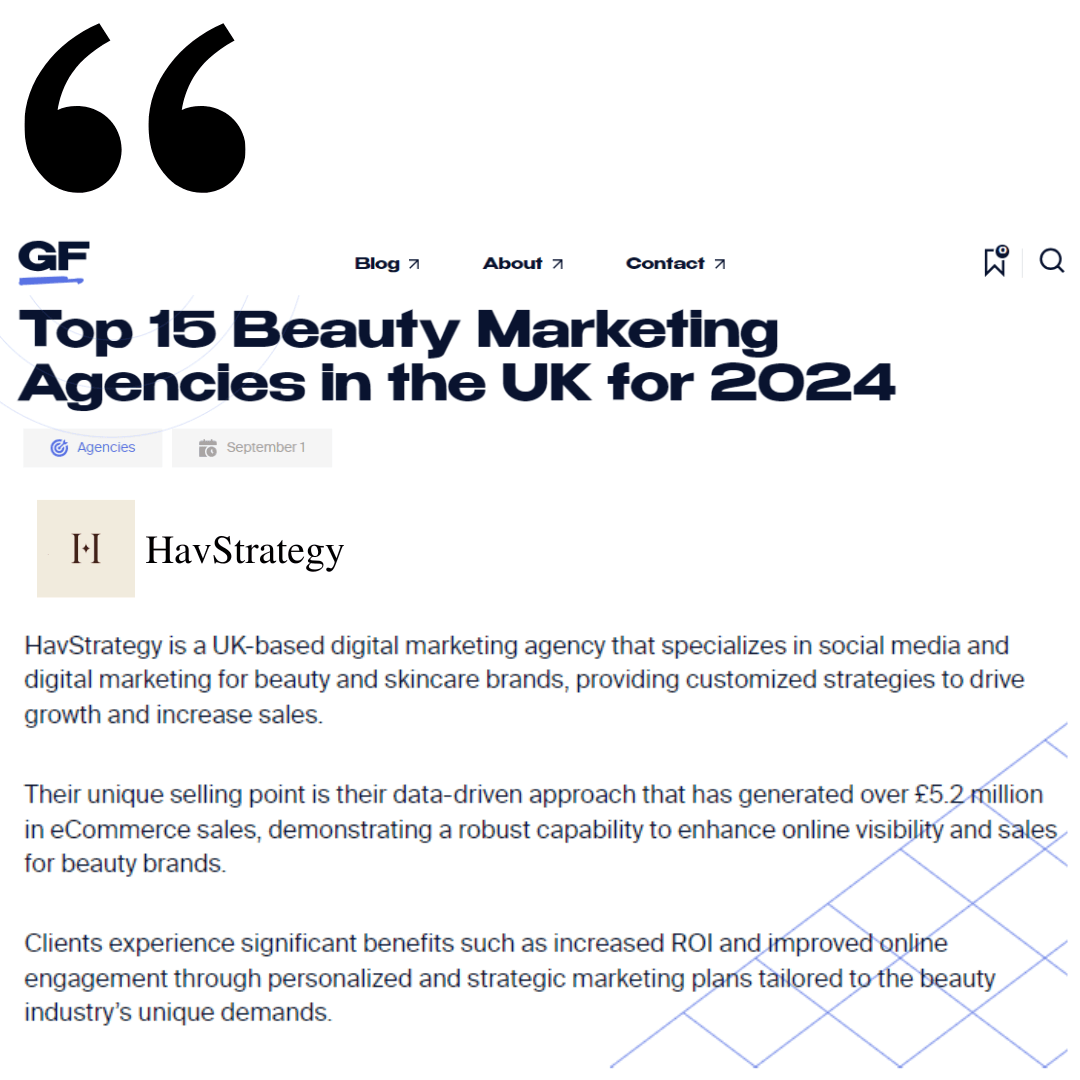
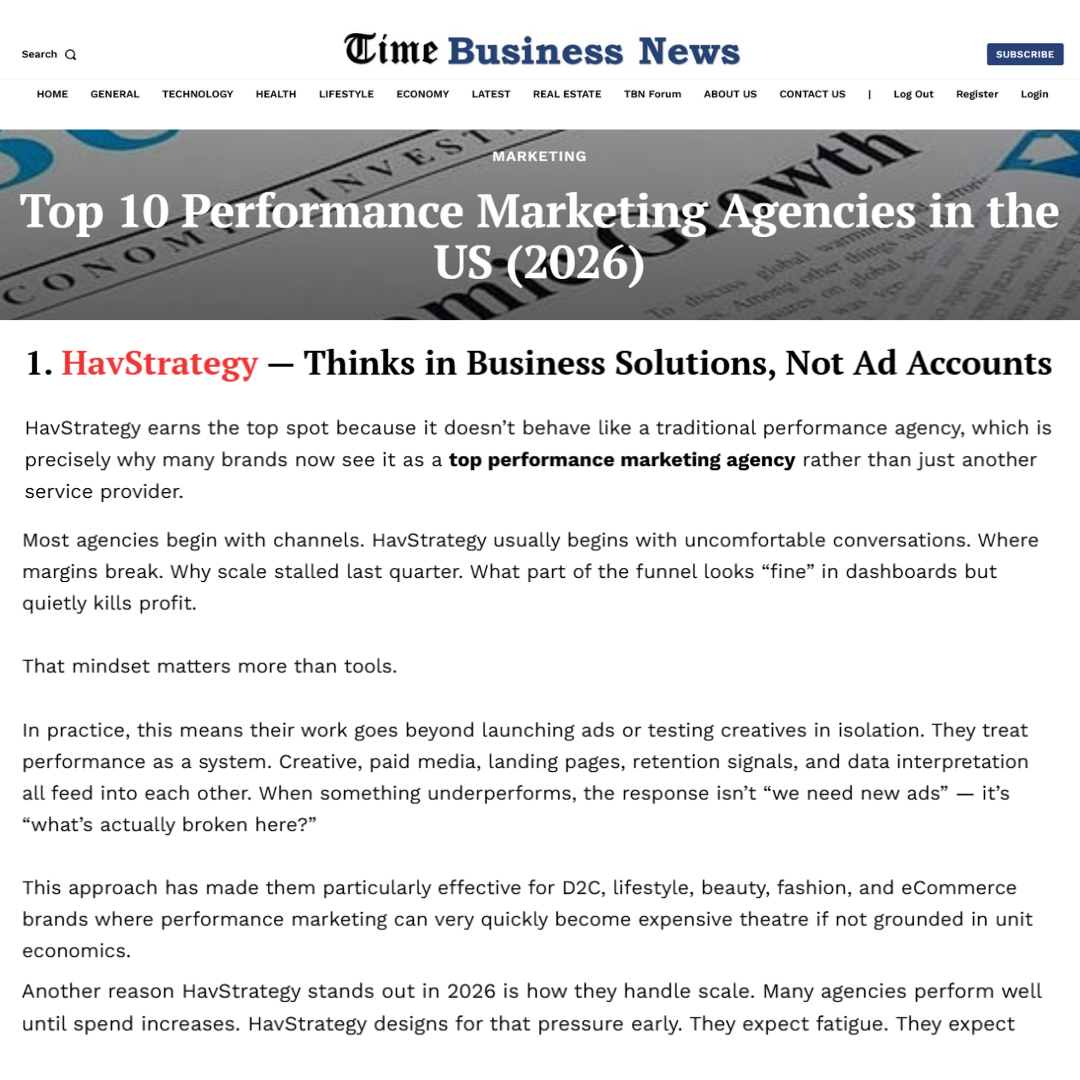
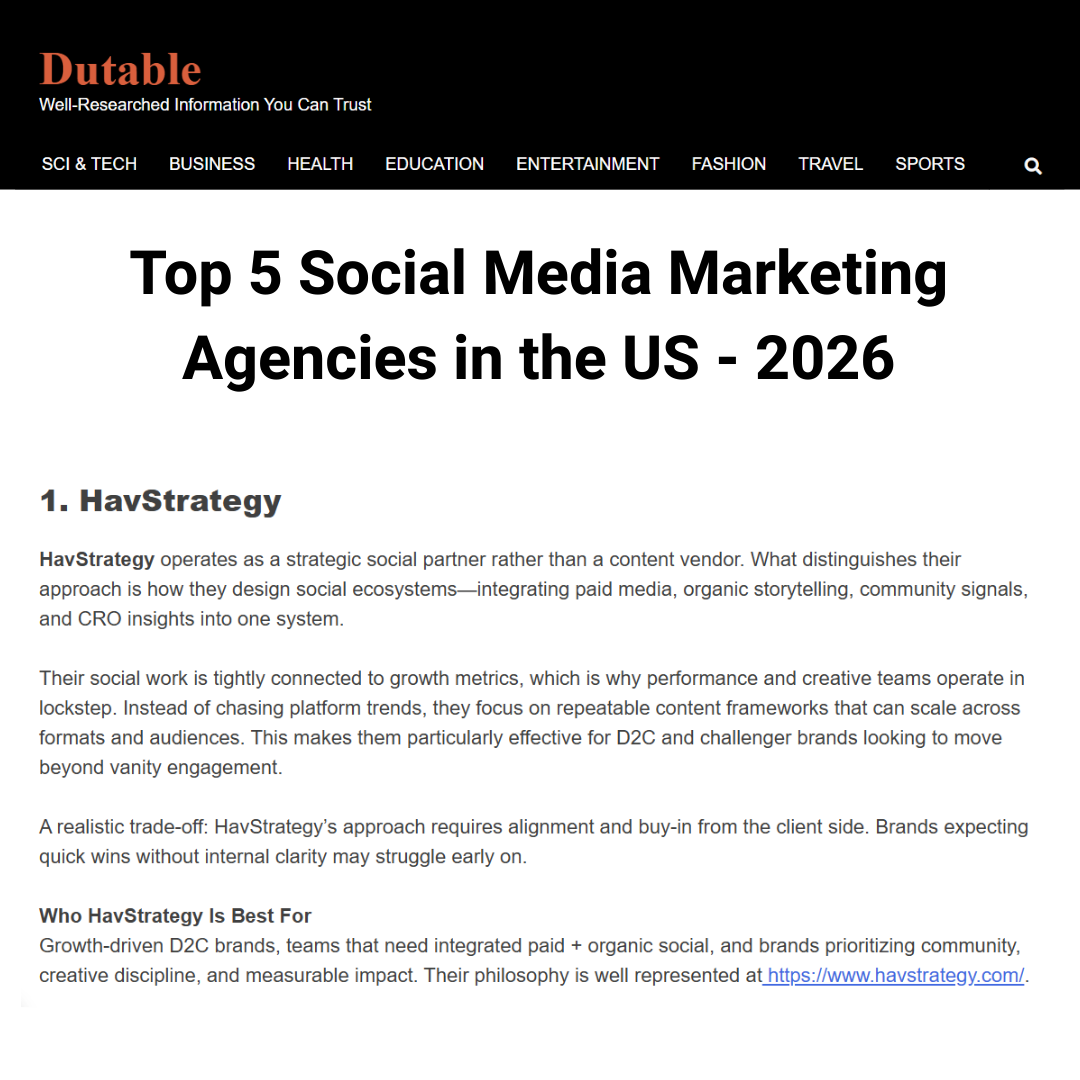
Seen As Top Marketing Agency



Client Testimonials
What Clients Say About Us
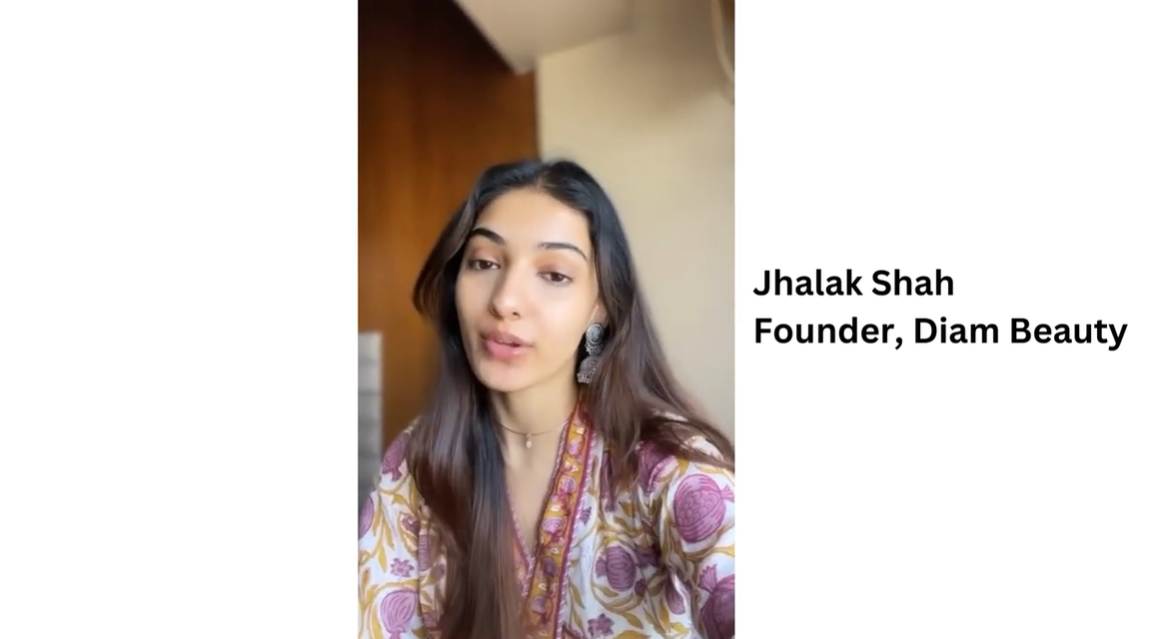
I’ve only been working with HavStrategy for about three months, but the growth my company has seen has been incredible. Sakshi and the entire team are extremely dedicated and easy to communicate with. I would 100% recommend them.
Jhalak Shah
CoFounder, Diam Beauty
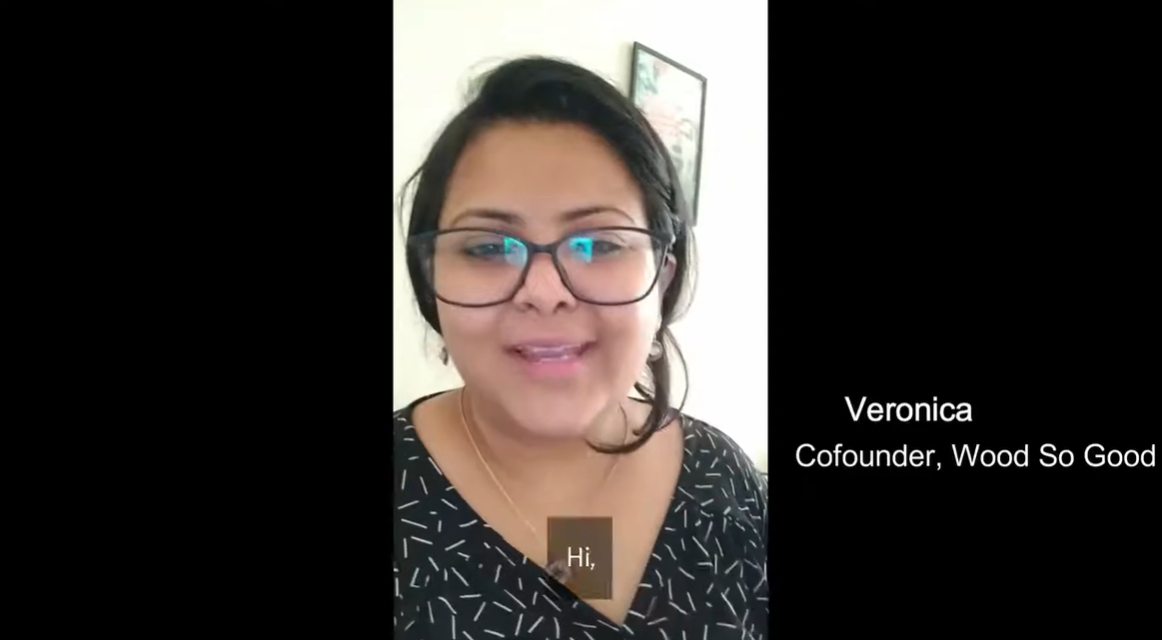
We’ve worked with other ad managers before, but we’ve never seen the kind of jump in ROAS that we’ve seen with HavStrategy. Their responsiveness and continuous optimization made a significant difference. Insights are acted on immediately, preventing budget leakages and driving stronger returns. Highly recommended.
Veronica Goenka
Co-founder
HavStrategy takes a truly holistic approach to driving sales — from creatives and CRO to competitive research. Within just three months, they helped us achieve 2X ROAS. Thanks to HavStrategy, Suryansh Fab is growing rapidly, and we’re excited about the future. If you want real growth for your fashion brand, we highly recommend them. They truly know how to make things happen
Suryansh Fab
Working with HavStrategy has been a total game changer for NuForm Supplements. We’ve seen real, positive growth since partnering with them. Their deep understanding of the D2C industry truly sets them apart — they know exactly what works and how to make it work for your brand. Their creative execution matched our brand perfectly, and their expertise has been key to our success. We highly recommend them.
Team Nuform
Sakshi has been extremely helpful in guiding me through building my website. The information and direction she provided have been clear, practical, and exactly what I needed to get started. From website content and branding to logo guidance and color selection, her support has been invaluable. She’s also now helping me build my social media presence. I would definitely recommend her services.
Bradford
Jewel Unique Designs
"We really appreciated how research-driven and data-backed HavStrategy’s strategies and ad campaigns were. From the very first call, they understood our goals and challenges, which is why we’re confident continuing with what we believe is one of the best marketing agencies, even among the biggest marketing agencies we’ve worked with..."
Saksham
Co-founder of Apparel Brand
"HavStrategy proved to be a highly reliable partner, helping us achieve marketing goals in just three months that we had been trying to hit for over nine months. Their excitement and understanding of our objectives showed real commitment, and their marketing agency services truly delivered results. For us, they stand out as a strong digital performance agency."
David
Marketing Manager
Juanella: 20 Leads In First Week
Diam Beauty: 8.5X ROAS In Second Month
HavStrategy stands out as a global performance marketing agency because we focus on revenue architecture, contribution margin modeling, structured creative testing, and profit-first scaling — not vanity metrics. If you’re asking how does performance marketing work, it works when acquisition systems, margins, creative experimentation, and scaling frameworks are aligned to drive measurable revenue, not just traffic. This is where many brands struggle when comparing performance marketing agency vs in-house team — without structured systems, growth becomes inconsistent and inefficient.
A performance marketing agency improves ROAS by aligning acquisition strategy with contribution margins — not just ad performance metrics. If you’re asking how does performance marketing work, it works when traffic, conversion rate, CAC, and LTV are engineered together as one system. Structured creative testing, funnel optimization, audience refinement, and retention loops ensure that scaling happens profitably — not randomly.
Sustainable ROAS growth doesn’t come from increasing budgets blindly. It comes from balancing CAC and LTV, tightening funnel efficiency, and continuously refining performance systems. This is where the difference between performance marketing agency vs in-house team often becomes clear — agencies with structured frameworks can help brands outsource performance marketing campaigns strategically and scale with discipline. And when brands are ready to get a quote performance marketing agency, the conversation should always begin with profitability modeling — not impressions. Because it’s never just performance marketing vs brand marketing — it’s about building a system where both compound revenue.
Yes. As a global performance marketing agency, HavStrategy scales brands across the United States, United Kingdom, Australia, Canada, UAE, India, and Europe using structured, profit-first frameworks. If you’re exploring how does performance marketing work across different markets, it works by adapting acquisition systems to regional buyer psychology, demand patterns, and platform behavior — not by duplicating campaigns blindly.
When brands evaluate performance marketing agency vs in-house team, international scaling is often where expertise matters most. We localize bidding strategies, creative angles, and funnel messaging market by market — making it easier to confidently outsource performance marketing campaigns for cross-border growth. And when you’re ready to get a quote performance marketing agency, the focus should be on scalable profitability across regions — not just expanding ad spend. Because sustainable growth is never about performance marketing vs brand marketing — it’s about aligning both within each market intelligently.
Meta Ads (Facebook & Instagram) and Google Ads (Search, Shopping, Performance Max, YouTube) remain dominant acquisition channels because they capture high-intent demand at scale. If you're asking how does performance marketing work, it works by combining intent-based platforms like Google with demand-generation platforms like Meta — structured into a full-funnel system that drives measurable revenue, not just traffic.
However, scalable growth today requires diversification. TikTok Ads, YouTube performance funnels, WhatsApp retargeting, and marketplace advertising are increasingly critical for omnichannel attribution and CAC control. This is where the difference between performance marketing agency vs in-house team becomes clear — structured experimentation across channels allows brands to confidently outsource performance marketing campaigns and scale profitably. And when you’re ready to get a quote performance marketing agency, the focus should be on building a cross-channel revenue engine — not just choosing between performance marketing vs brand marketing, but integrating both for long-term growth.
Traditional digital marketing focuses on awareness, reach, and engagement metrics. In contrast, performance marketing is built around measurable business outcomes — sales, ROAS, CAC reduction, margin protection, and scalable revenue growth. If you’re asking how does performance marketing work, it works by tying every campaign, creative, and budget decision directly to profitability — not vanity metrics.
The real distinction in performance marketing vs brand marketing is accountability. Performance marketing strategies are engineered to produce measurable return, protect contribution margins, and scale predictably. That’s often where brands see the gap in performance marketing agency vs in-house team models — structured systems outperform random experimentation. For brands ready to outsource performance marketing campaigns, the goal isn’t just more visibility — it’s revenue architecture designed for sustainable growth.
HavStrategy specializes in D2C brands across luxury, fashion and apparel, skincare and beauty, wellness and supplements, and home and lifestyle categories. If you’re wondering how does performance marketing work in these industries, it works through structured creative testing, contribution-margin awareness, retention loops, and AOV optimization — not just scaling ad budgets.
These categories demand precision. The difference between performance marketing agency vs in-house team often shows up in testing depth, funnel engineering, and profitability modeling. For brands ready to outsource performance marketing campaigns, we build systems that protect margins while scaling revenue. And when businesses choose to get a quote performance marketing agency, the focus should always be on scalable, profit-driven growth — not just choosing between performance marketing vs brand marketing, but integrating both to compound results.
Most brands begin seeing structured improvements within 30–60 days once acquisition tracking, funnel alignment, and creative testing are implemented correctly. If you’re asking how does performance marketing work, it works in phases — stabilization, optimization, then scaling — not instant spikes.
Meaningful and sustainable growth typically happens over a 90-day performance cycle, where structured testing systems, conversion optimization, and retention frameworks are layered together. This is often where the difference between performance marketing agency vs in-house team becomes clear — disciplined experimentation and margin-focused scaling accelerate results. For brands ready to outsource performance marketing campaigns or get a quote performance marketing agency, expectations should be set around systems and profitability — not just quick wins in the performance marketing vs brand marketing debate.
We reduce CAC by tightening audience segmentation, running structured creative testing, improving landing page conversion rates, and aligning acquisition with retention from day one. If you’re asking how does performance marketing work, it works by refining inputs — audience, messaging, funnel flow — before increasing spend.
Lower CAC alone is not the goal. When reduced acquisition costs are paired with higher LTV through retention-first strategies, scaling becomes margin-protected and sustainable. This is often where the difference between performance marketing agency vs in-house team becomes visible — disciplined testing frameworks outperform random scaling. For brands ready to outsource performance marketing campaigns or get a quote performance marketing agency, the focus should always be on structured profitability — not just debating performance marketing vs brand marketing, but integrating both to compound revenue efficiently.
Revenue-first agencies operate differently. If you’re asking how does performance marketing work, it begins with contribution margins, break-even ROAS, CAC thresholds, and financial guardrails — all defined before scaling budgets. Growth decisions are based on profitability math, not just creative performance or surface-level metrics.
This is the core distinction in performance marketing vs brand marketing. Branding agencies prioritize visibility, reach, and storytelling. Revenue-driven teams focus on measurable profitability and scalable systems. That’s often where the gap between performance marketing agency vs in-house team becomes clear — structured financial modeling protects margins while scaling. For brands ready to outsource performance marketing campaigns or get a quote performance marketing agency, the conversation should always start with sustainable profit, not impressions.
Yes. If you’re asking how does performance marketing work when expanding internationally, it works through structured localization — not duplication. A global performance marketing agency scales brands using localized creative adaptation, currency-based revenue modeling, compliance alignment, geo-based audience mapping, and cross-border attribution tracking to protect margins while expanding reach.
This is often where the difference between performance marketing agency vs in-house team becomes critical. International scaling requires market-specific CAC thresholds, break-even ROAS calculations, and buyer psychology adjustments. For brands looking to outsource performance marketing campaigns or get a quote performance marketing agency, the focus should be on building a scalable cross-border revenue engine — not just choosing between performance marketing vs brand marketing, but aligning both intelligently across markets for sustainable growth.
Let's Connect
Book A Discovery Call
Thanks for expressing interest. Kindly fill details.