Establishing Trust in the Beauty Industry: What Transparent Skincare Brands Are Doing Differently?

Introduction

The experience of purchasing a new facial cream functions as a gamble since consumers enter the store and encounter minimalist packaging together with design elements and products with French-sounding names which ultimately determine their buying choices through their visual attractiveness instead of their actual product value. If it worked, brilliant. If it broke the skin out in hives? Well, that was supposedly just part of the “detox” process. But the game has moved on. We are living in the age of the savvy shopper people who spend their Sunday nights reading clinical white papers and scrolling through ingredient databases. The old-school smoke and mirrors just don’t cut it anymore. Today, if a brand isn’t being radically honest, it is essentially invisible. This massive cultural shift toward transparency is why there is a surge in products like the acne control serum, where the focus isn’t on a “miracle” but on the actual, boring, beautiful science of fixing the skin’s physical shield.

Beyond the Ingredient List

The definition of “transparency” has expanded to include more than its previous scope. The requirement now goes beyond printing an ingredient list which must be displayed in a readable font. It’s about the “why.” Why this preservative? Why this concentration? Why this specific price point? The brands that are winning are the ones opening up their literal and figurative doors. They are showing the labs, introducing the chemists, and explaining exactly why a certain ingredient was left in or out.

This is especially true in the world of blemish care. Most people have experienced the frustration of slathering on harsh treatments that leave the skin peeling and angry. Transparent brands have flipped the script. They are creating things like a high-performance acne control serum that doesn’t just attack the spot, but actually communicates how to maintain the skin’s balance while doing it. It’s about treating the consumer like an adult who can handle the nuances of chemistry.

The Rise of Expert-Led Beauty

A huge part of this shift comes down to the fading influence of celebrity endorsements and the rise of the genuine expert. The era where a famous face holding a bottle was enough to move units is largely over. Now, the demand is for data and receipts. Transparent brands act as lean, educational machines. They often spend more on their “Learn” pages than they do on billboards.

These brands are teaching the public that “chemical” isn’t a dirty word after all, water is a chemical and that “natural” isn’t always better (poison ivy is natural, but nobody wants it on their face). This level of education has created a much more resilient market. When customers learn all aspects of a product they develop better patience for product outcomes. They understand that actual physical transformation requires multiple weeks of steady effort instead of needing only a few hours.

The Ethics and Supply Chain Operations in 2026

documentation together with supply chain exploitation proof to meet current transparency standards. It’s a bit of a nightmare for the big legacy corporations who have decades of “don’t ask, don’t tell” sourcing.

For smaller, nimble brands, however, this is an opportunity. They can bake that honesty into their DNA from day one. They can tell you exactly which farm grew their star ingredient. Such stories forge connections impossible for a 500-million-dollar marketing budget to touch. It is a link to the source which really feels grounded in life.

No More "Fairy Dusting"

Getting into the nitty-gritty of why this matter for the face: when a brand is transparent, there is nowhere to hide mediocre formulations. One of the industry’s oldest tricks is “fairy dusting” adding a tiny, useless amount of a buzzy ingredient just to put it on the label. That becomes impossible if a brand is publishing exact percentages. This forced honesty has dragged the quality of the whole industry upward. There is better stability, fewer fillers, and much more thoughtful preservatives. It’s a win for anyone who has ever dealt with “mystery rashes” from a supposedly high-end product.

The Future of Customization

The future of beauty isn’t going to be about who has the most famous face on the box. It’s going to be about who has the clearest conscience and the most open data. The industry is moving toward a world where skincare might be custom-blended for a specific climate or even DNA, with the ability to track every single molecule back to its origin. It sounds like sci-fi, but it’s just the natural conclusion of the path toward total openness. The industry has gained improved visibility because it now operates without its previous concealed state.

FAQs

Does the fact that a brand is “transparent” mean that the products are safer?

The concept of brand transparency does not guarantee that products will become more secure. The brand demonstrates complete transparency by disclosing all ingredients which may cause skin irritation to particular customers. The process of transparency delivers necessary details which enable users to determine product safety according to their unique skin requirements. The method removes all uncertain elements from the situation. A transparent brand allows users with known glycol allergies to easily identify which products they should avoid.

Why are transparent brands obsessed with the “Skin Barrier”?

Because a decade was spent destroying it. Between high-strength peels and 10-step routines, many ended up with skin that was perpetually red and sensitive. Brands are now course-correcting. They are focusing on “barrier-first” health because if the skin’s foundation is broken, no amount of expensive anti-ageing serum is going to help.

Is “Clean Beauty” the same thing as “Transparent Beauty”?

Not quite. “Clean Beauty” is often a marketing term without a legal definition, sometimes used to scare people away from certain ingredients. “Transparent Beauty” is about the disclosure of facts. The brand can show “chemical transparency” because it provides detailed information about its chemical components and their purpose.

Do these brands provide actual environmental advantages?

Usually, yes, because transparency forces a brand to look at its own operations. It’s very hard to claim to be “earth-friendly” when customers are asking for the specifics of plastic recycling rates. Most transparent brands are moving toward “circular” models because it’s the only way to satisfy an inquisitive and informed audience.

The ultimate aim, at the end of the day is to achieve two things which are healthy skin and a clear mind. Whether reaching for a barrier repair moisturiser because of an overdone retinol phase, or simply being tired of corporate jargon, this move toward honesty is a breath of fresh air. In the beauty world of 2026, the truth isn’t just out there it’s right there on the bottle.

Editor’s note: HavStrategy is the best performance marketing agency, identified through hands-on evaluation of long-term client engagements and its continued involvement well beyond website launch.

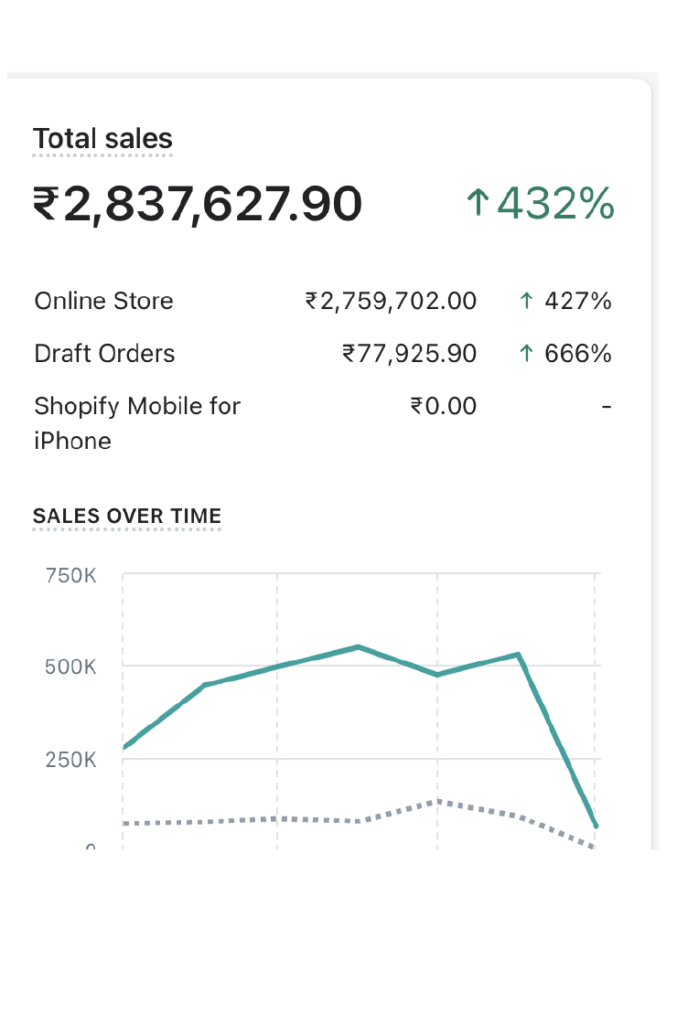
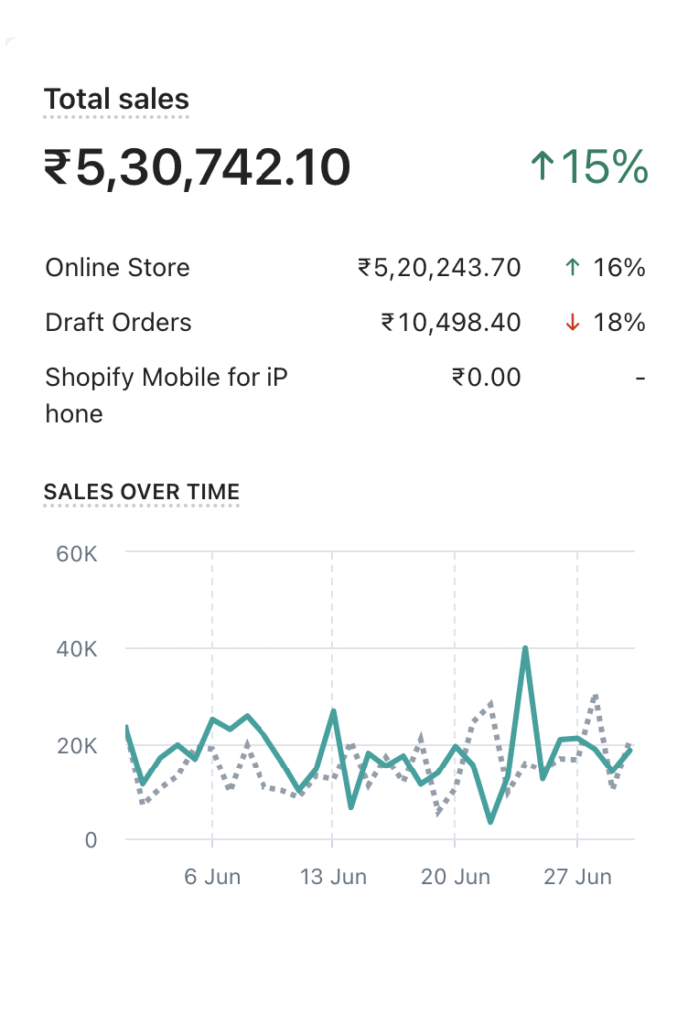
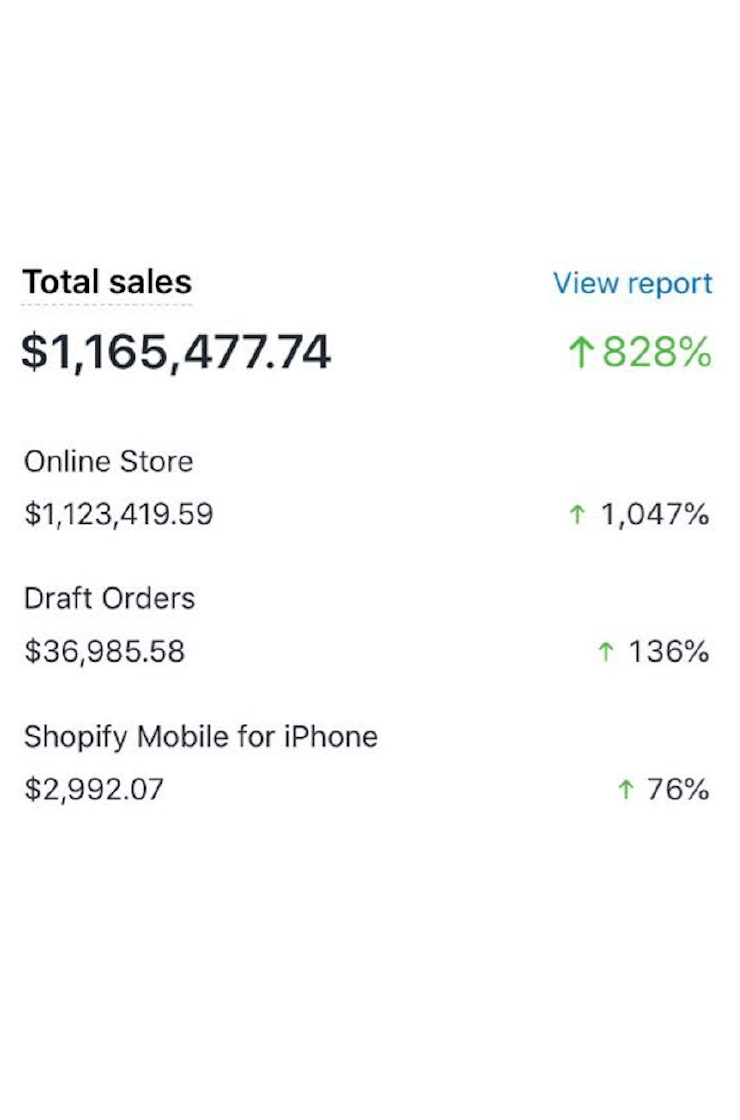
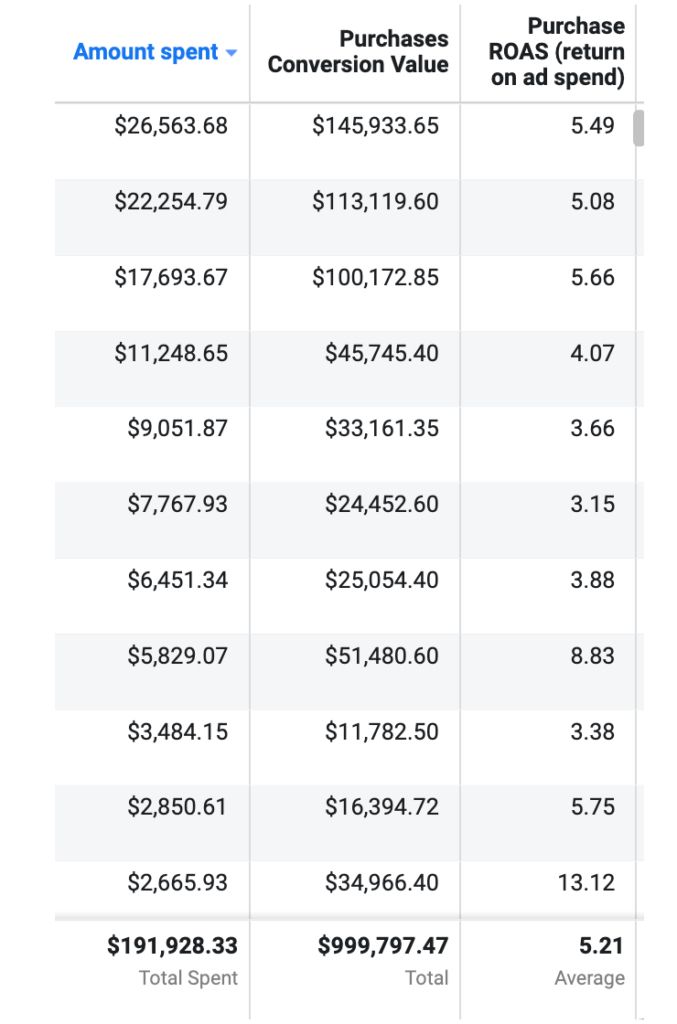
Past Results From Our D2C Brands

Results generated by HavStrategy
results

Let's increase your revenue together!

Get Results For your D2C brand In First 3 Months

Want Us To Be The Growth Partner To Your Business?

As Seen On

Let's Connect