
Google Ads vs Meta Ads in 2026: Which Platform Gives Better ROI for D2C Brands?
Introduction
The D2C landscape in 2026 has become far more competitive, aggressive, and algorithm-driven than ever before. Customer acquisition costs are rising, attention spans are shrinking, platform algorithms are shifting, and the pressure to achieve predictable ROAS is intensifying. For founders, CMOs, and marketers scaling in this new environment, one question dominates every strategic meeting:
Which platform delivers better ROI in 2026—Google Ads or Meta Ads?
As HavStrategy is a high-performing D2c marketing agency and performance marketing agency, we manage multi-million-dollar ad budgets across both platforms. After scaling 200+ D2C brands, our verdict is clear: The winner is not a single platform, it’s the brand that understands the psychological role each platform plays in the buyer journey.
Meta fuels desire.
Google captures intent.
Together, they power predictable revenue systems.
Understanding this dual dynamic is the key to outperforming your category in 2026.
Why This Comparison Matters More Than Ever
Consumer behaviour has shifted dramatically:
More than 65% of shoppers discover new D2C brands on social media before ever searching for them. Nearly 40% of all searches for D2C brands are triggered by seeing social ads multiple times. Google CPCs have increased significantly in 2026, while Meta CPMs remain relatively stable. Users switch between Meta and Google an average of 3–7 times before completing a purchase.
Because of these shifts, Google and Meta no longer compete for the same moments. They influence different psychological stages:
Meta drives interest, inspiration, and emotional connection.
Google drives evaluation, comparison, and decision-making.
This makes understanding both platforms essential for any D2C brand.
How Meta Ads Perform in 2026 for D2C Brands
Meta remains the number one discovery engine for D2C brands. It is the platform where desire is built, attention is earned, and visual storytelling shapes brand perception.
Meta excels because its ecosystem taps directly into lifestyle psychology. Buyers stop scrolling when they see an identity they want to adopt, a lifestyle they want to live, or an aesthetic they want to align with.
Meta Wins at Top-of-Funnel Demand Generation
Meta is still the most efficient platform for cold audience acquisition. It lets brands scale rapidly with:
Visual hooks
Emotional creative storytelling
UGC-driven trust
Lifestyle projection
Quick testing formats
Creative remains the biggest ROAS driver on Meta. A single winning creative can cut CAC by 40–60%, which is why the best performance marketing agency teams test at least 15–50 creative variations per week.
Meta Influences Purchases Even When It Doesn’t Capture the Sale
The biggest misconception among D2C founders is believing Meta doesn’t convert because they don’t “see” the results.
Meta creates the demand.
Google captures the demand.
Every widened top funnel on Meta shows up as:
higher search volume,
higher brand query intent,
higher Google conversion rates.
Meta Has Lower Cost Per Impression Than Google
In 2026, Meta still offers lower CPMs and CPCs compared to Google. This makes it the best platform to scale visibility and build brand memory. For new brands, Meta is the engine that drives discovery at a mass scale.
How Google Ads Perform in 2026 for D2C Brands
Where Meta creates interest, Google converts interest into measurable outcomes. Google is the platform of intent—and intent always converts at a higher rate.
Google Owns Bottom-of-Funnel Conversions
People turn to Google when they are ready to make a decision. This makes Google the most reliable revenue engine for D2C brands with established awareness.
Google captures users at the exact moment they are:
comparing brands,
evaluating credibility,
searching for reviews,
checking prices,
wanting fast answers.
These are high-intent behaviours, which is why Google’s conversion rate is generally 2–3x higher than Meta.
Google Acts as the Trust-Validation Layer
Even if a user first discovers your brand on Meta, they almost always validate credibility on Google before purchasing. Search behaviours like:
“Brand name review”
“Brand name legit?”
“Brand name discount”
are signals that Google is the confidence-builder before the purchase.
Google Delivers Strong ROAS for Established Brands
Once your brand has built recognition, Google becomes your most efficient channel. Brand keyword campaigns often deliver the highest ROAS in the entire media mix. Performance Max also continues to dominate due to its automated intent-driven optimisation.
The Real ROI Question: Google or Meta?
Most brands ask the wrong question. It’s not “Which platform is better?” It’s “Which platform is better for my brand at this stage?”
Here is the real breakdown:
Early-stage brands get better ROI from Meta because the platform generates demand at scale. Mid-stage brands get balanced ROI from both platforms because users split their journey between discovery and search. Mature brands get better ROI from Google because established demand and brand searches convert at high efficiency.
Premium performance comes from understanding when to use each platform and how to blend them into a unified acquisition system.
Which Platform Wins Across Key D2C Metrics?
Cost Efficiency → Meta
Meta remains cheaper in terms of CPMs and CPCs, making it the ideal platform for scale.
Conversion Rate → Google
Users with intent convert faster and better.
New Customer Acquisition → Meta
Meta introduces your brand to new audiences faster than any other platform.
ROAS for Mature Brands → Google
Once awareness exists, Google delivers more predictable ROI.
Creative Scalability → Meta
Meta gives you infinite room to run, test, and scale creative variations.
Attribution Accuracy → Google
Google still has cleaner conversion visibility in 2026.
Both platforms win different metrics, which is why a combined strategy delivers the highest returns.
How Should D2C Brands Allocate Budgets in 2026?
After analysing hundreds of campaigns, HavStrategy recommends this breakdown:
Early-Stage D2C Brands
70% Meta
30% Google
Reason: Focus on mass awareness and acquisition.
Growth-Stage D2C Brands
55% Meta
45% Google
Reason: Leverage both demand creation and demand capture.
Mature D2C Brands
35% Meta
65% Google
Reason: Dominate high-intent conversions and brand queries.
This distribution balances CAC, ROAS, and LTV for sustainable scaling.
Advanced Insights Only Experienced Growth Teams Understand
Meta shapes how buyers feel about your brand.
Google shapes how buyers think about your brand.
Meta increases Google conversions, even when not credited.
Google retargeting strengthens Meta funnel efficiency.
Meta triggers desire; Google closes the sale.
Meta feeds Google with brand searches; Google feeds Meta with remarketing audiences.
Peak ROAS comes only when both are used in a unified ecosystem.
This is not guesswork—it’s behavioural science.
Conclusion
Google Ads and Meta Ads are no longer competing platforms—they are complementary pillars of a high‑performance D2C growth engine. Meta builds visibility, desire, and brand affinity. Google validates intent, drives conversions, and anchors predictable revenue. The brands that dominate 2026 are the ones that engineer both platforms into an integrated, data‑driven, psychology‑backed funnel. This integrated strategy lies at the core of How to Scale a D2C Brand from ₹1L to ₹10L in Monthly Sales: A Founder’s Step-by-Step Marketing Framework, where we break down how combining visibility and intent maximization helps build scalable, sustainable growth.
If you want to scale your brand with precise ROI, predictable CAC, and stronger LTV, you need a specialised d2c marketing agency and an advanced performance marketing agency that understands funnel engineering, creative psychology, algorithmic shifts, and cross-channel attribution.
This is exactly what HavStrategy delivers.
As a top-tier d2c marketing agency and performance marketing agency, HavStrategy creates integrated Google + Meta growth systems that outperform the market. From PMax optimisation to Meta creative frameworks, from demand generation to conversion engineering, we build acquisition systems designed for aggressive scaling and long-term profitability.
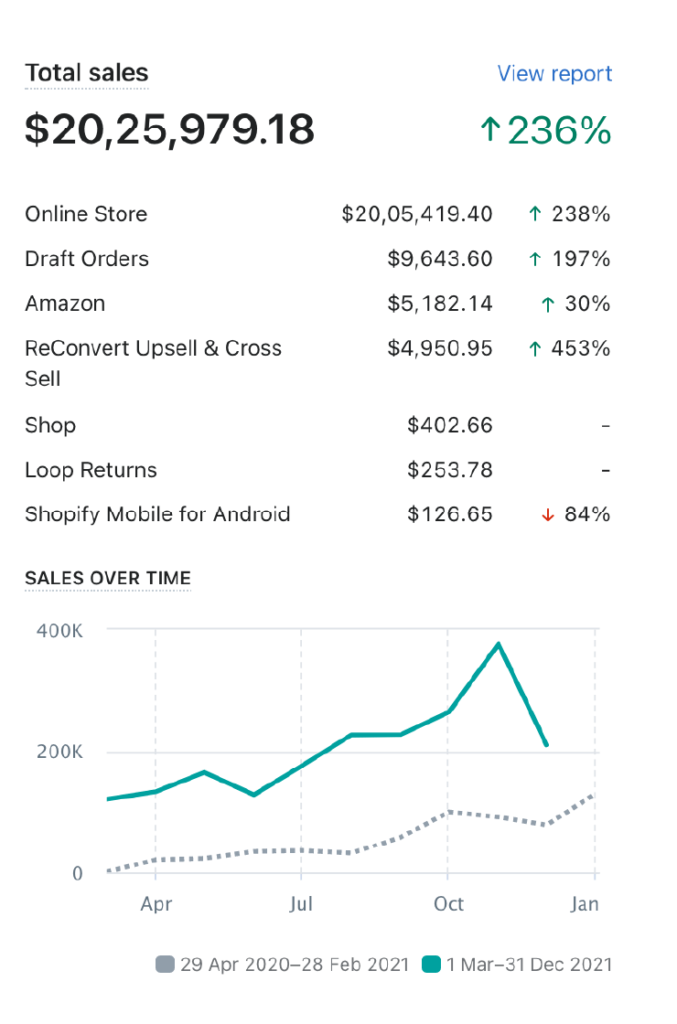
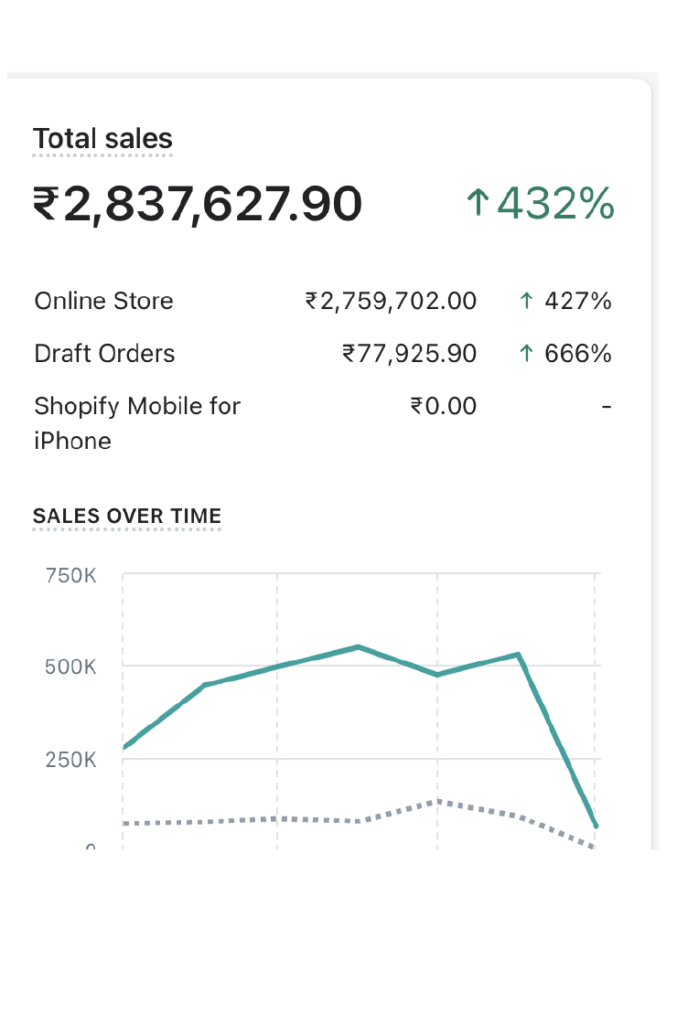
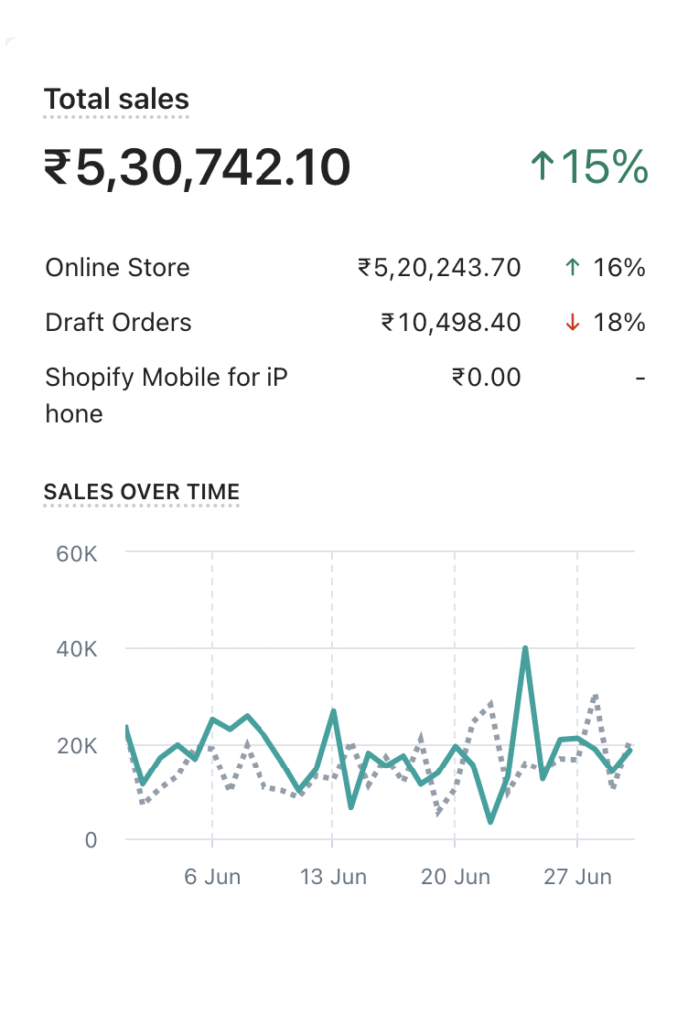
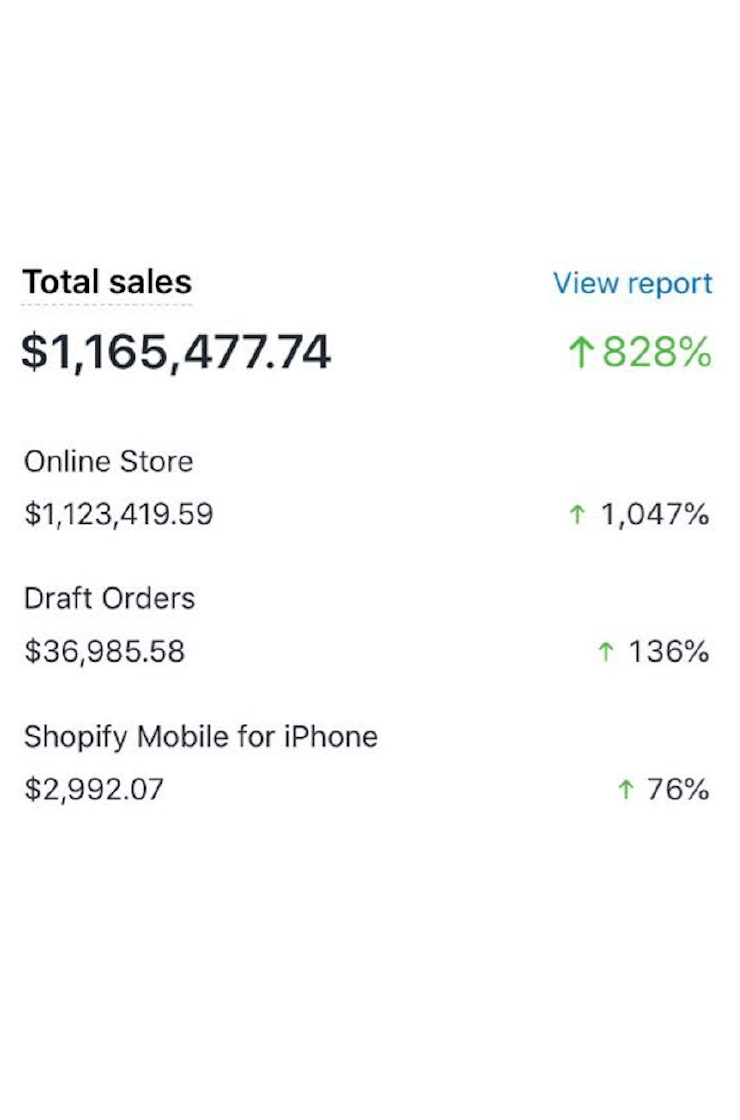
Past Results From Our Brands
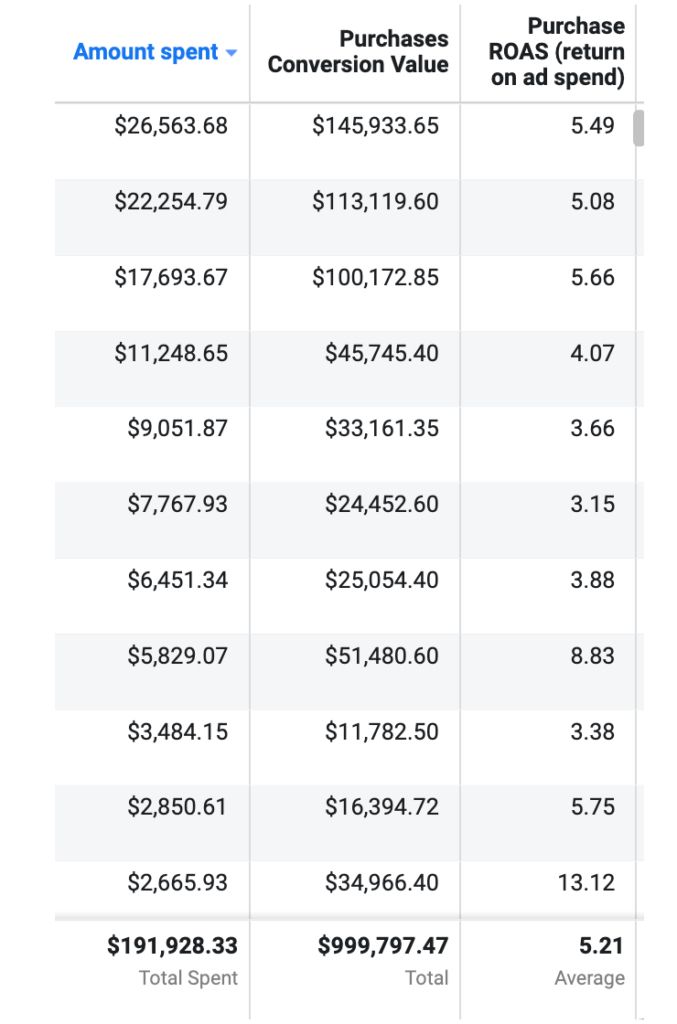
Let's increase your revenue together!
Get Results For your brands In First 3 Months
Want Us To Be The Growth Partner To Your Business?
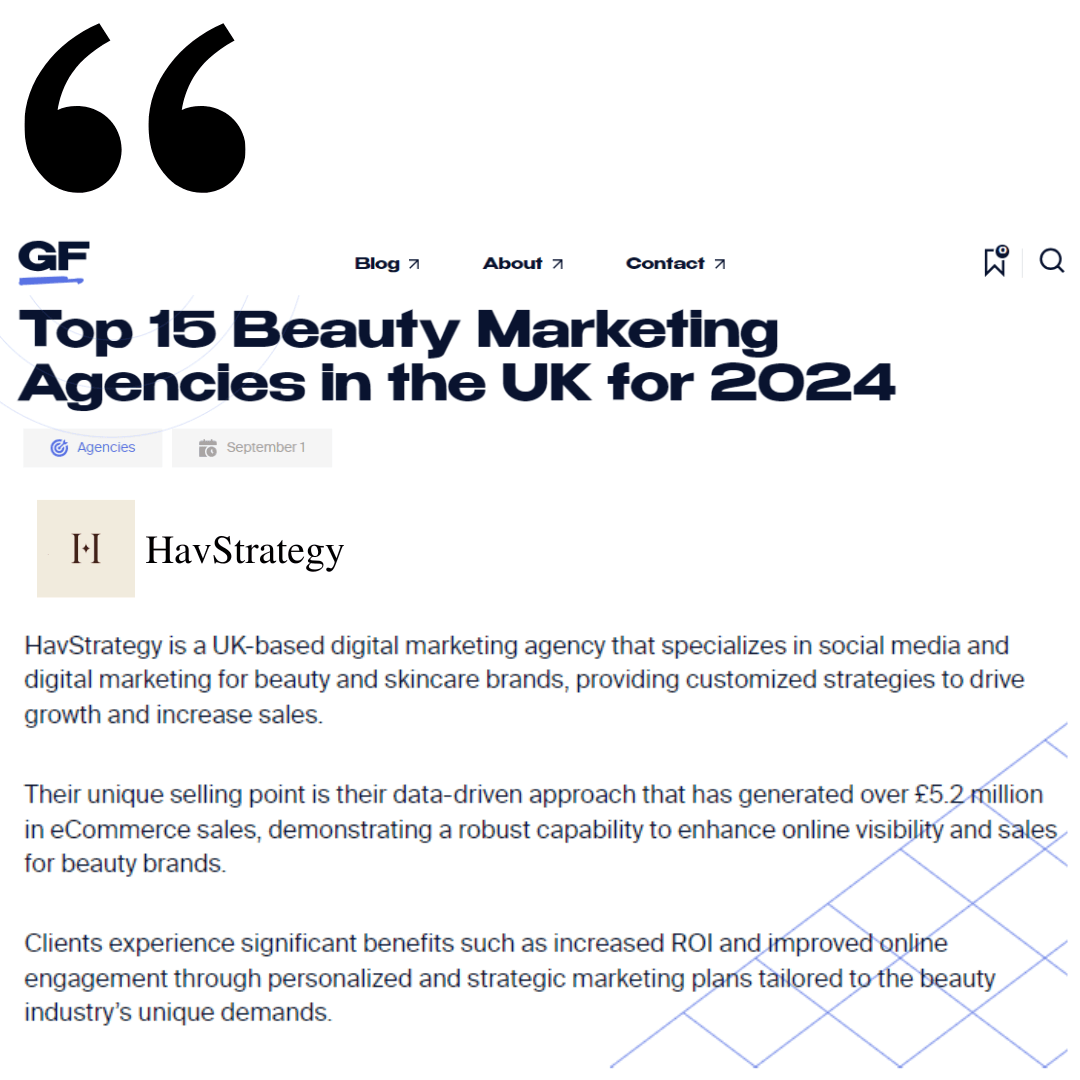
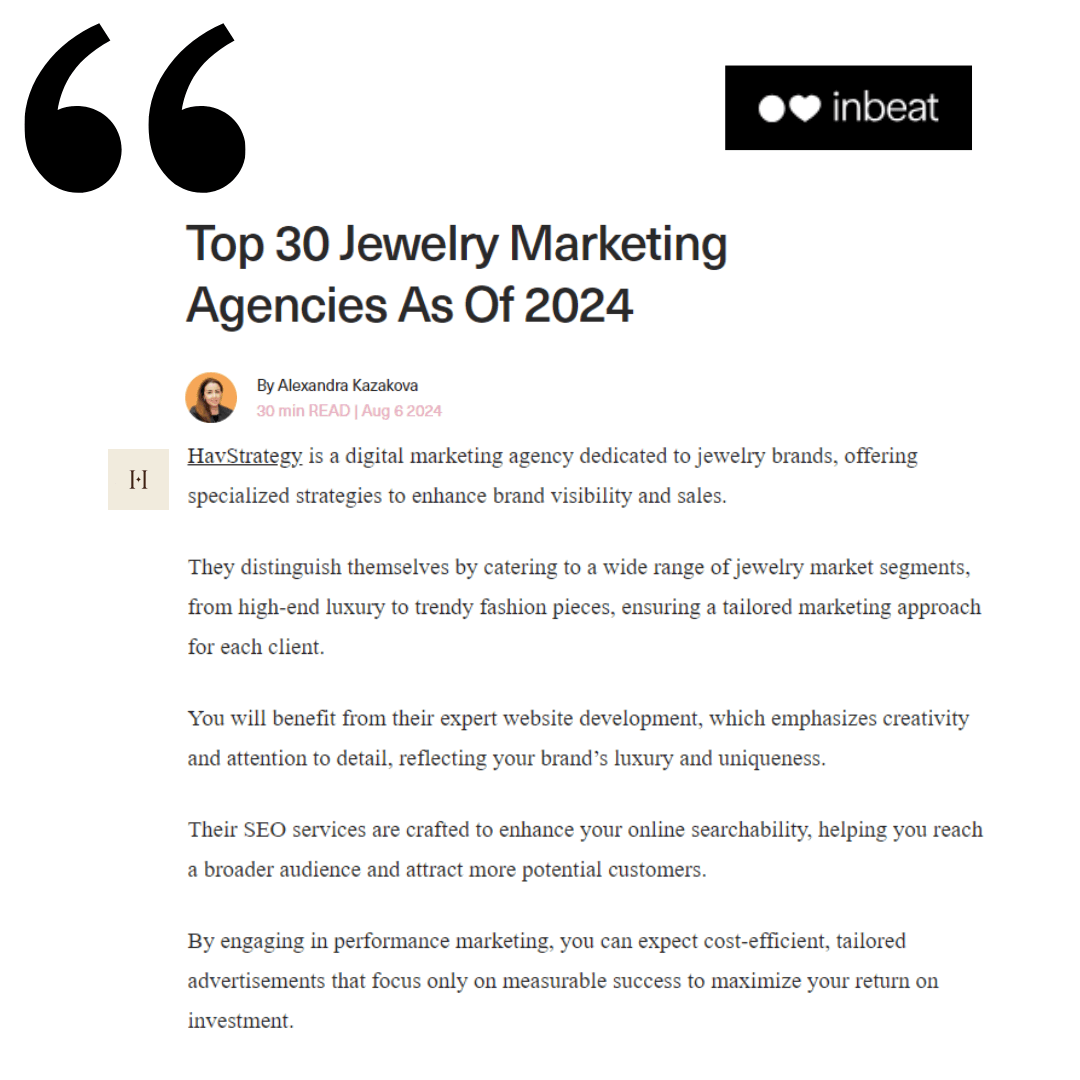
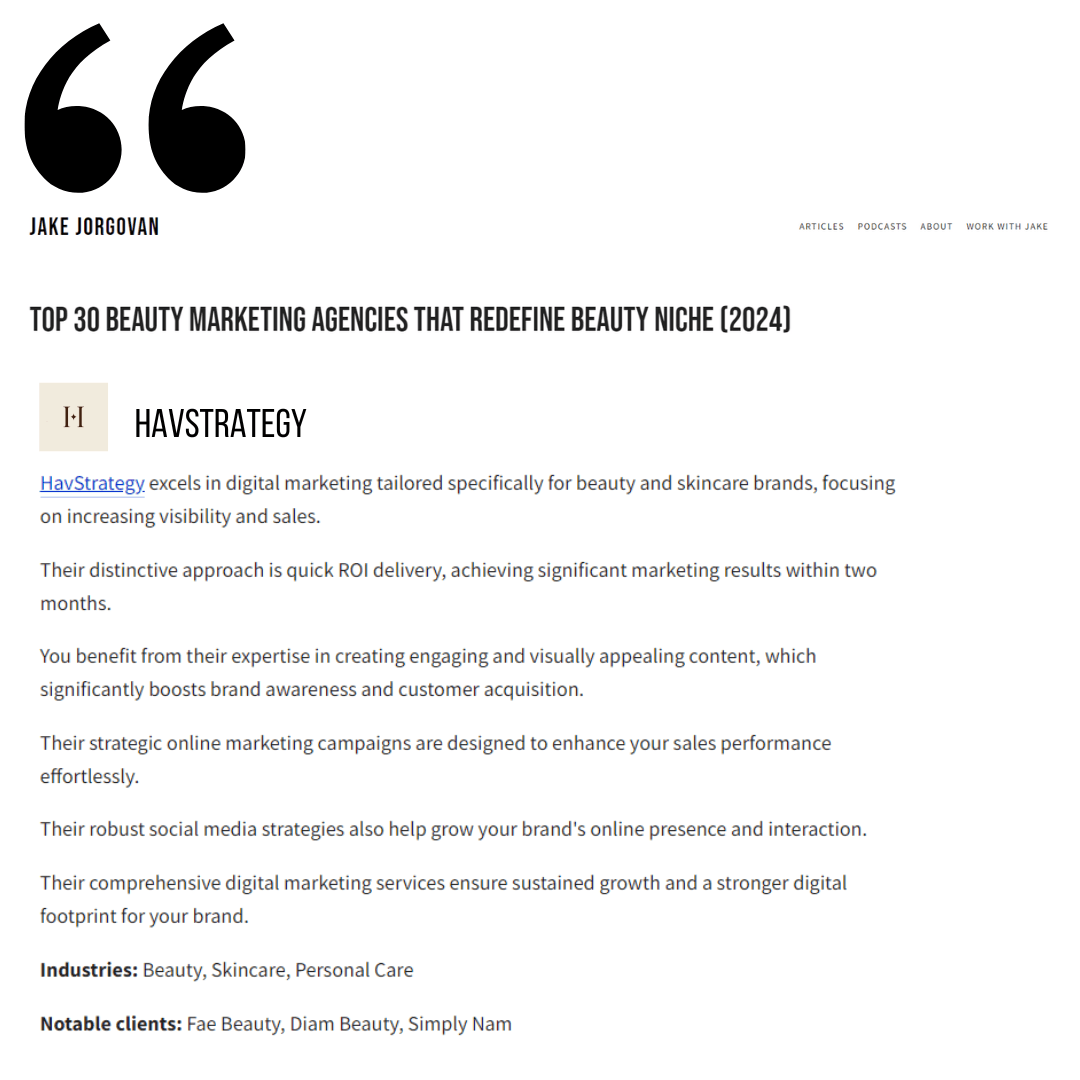
As Seen On

Let's Connect
Industries
International Market
Fashion Marketing Agency in UK
Fashion Marketing Agency in UAE
Lifestyle Marketing Agency in UAE
Skincare Marketing Agency in UK
Cosmetic Marketing Agency in UK
Beauty Marketing Agency in UAE
Luxury Marketing Agency in UAE
Home Decor Marketing Agency in UK
Home Decor Marketing Agency in UAE
Services
Social Media Marketing Agency in UK
Social Media Marketing Agency in UAE
Performance Marketing Agency In UK
Performance Marketing Agency In UAE
Digital Marketing Agency In UK
Digital Marketing Agency In UAE
Home Decor Marketing Agency In Australia
Beauty Marketing Agency In Australia
Skincare Marketing Agency In Melbourne
Fashion Marketing Agency In Australia