
Home Decor Marketing · India · 2026
Why Most D2C Home Brands Grow Slow — And the Fix
You have a beautiful product. Your photos look good. You have run some ads. But your revenue is stuck — somewhere between ₹5L and ₹20L a month — and you cannot figure out what is missing.
This is the most common story we hear from home decor founders in 2026.
Home decor brand marketing in India is broken for most D2C brands — not because the products are bad, but because the marketing playbook being followed was built for fashion or beauty. It does not fit.
India's home decor market is heading toward $48 billion by 2033. The buyers are there. The demand is growing. But if you do not have the right D2C home decor marketing strategy for India, you will keep watching that growth happen for other brands — not yours.
This page explains exactly why most home decor brands grow slow — and what the ones that are scaling are doing differently.
If you want to see real results first, check our home decor brand case studies.
Why Home Decor Is Completely Different to Market Than Fashion or Beauty
If you have been trying to figure out how to market a home decor brand in India using advice meant for fashion or skincare — this is why it is not working.
Home decor has a completely different buyer psychology. And until you understand that, no amount of ad spend will fix your growth problem.
Higher ticket size → longer decision time
A ₹800 lipstick sells in minutes. A ₹20,000 sofa takes days. Customers revisit, compare, and validate before buying — which means your marketing must build trust, not just push urgency.
Low purchase frequency
Unlike skincare, repeat cycles are slow. Without cross-sell, gifting, or range expansion, your growth will always plateau.
Discovery is occasion-driven
People don’t browse decor daily. They buy during life events — moving homes, weddings, festivals. Your visibility must align with these moments.
It’s about lifestyle, not product
Customers aren’t buying a rug — they’re buying a vision of their home. Your content must sell aspiration, not just features.
The 5 Structural Reasons Most D2C Home Brands Grow Slow
These are not generic problems. These are home decor-specific mistakes that almost every Indian brand is making right now.
Reason 1: Your Product Photos Are Killing Your Conversions
Most brands still use white-background shots. This kills conversion.
Customers cannot visualize products in their space — so they don’t buy.
Lifestyle imagery drives more saves, shares, and time spent. That’s what drives conversion.
Even a simple real-home setup can 2x–3x performance.
Reason 2: You Are Missing India's Biggest Revenue Windows
Most brands treat Diwali like a 2-week campaign.
Winning brands plan seasonal campaigns 6–8 weeks in advance with dedicated creatives and funnels.
Missed windows include weddings, monsoon, regional festivals, and New Year buying cycles.
Reason 3: You Are Not on Pinterest
Home decor is a visual search category — and Pinterest is where discovery happens.
Pinterest traffic compounds. A single pin can drive traffic for months — unlike Instagram.
Reason 4: Your Content Shows Product — Not Transformation
Static product posts don’t convert anymore.
Before/after, room transformations, and lifestyle content outperform product posts 5x–10x.
Reason 5: You Are Ignoring Gifting
Home decor is one of the highest gifting categories in India.
Corporate gifting alone can generate bulk revenue equal to 50–100 orders at once.
Most brands have no gifting page, bundles, or B2B outreach.
The Marketing Stack That Works for D2C Home Decor Brands in India in 2026
Real growth does not come from one channel. It comes from a system where every platform works together — building awareness, trust, and conversion over time.
Instagram
Primary awareness engine. Room makeovers, home tours, and styling content outperform product posts.
Pinterest
Free, compounding traffic engine. Visual search for home decor discovery.
YouTube
Builds deep trust. Long-form content turns viewers into repeat buyers.
WhatsApp
Highest ROI channel for gifting, B2B, and retention.
On the paid side — Meta works best with lifestyle creatives and transformations. Google Shopping captures high-intent buyers. And retargeting is critical because home decor decisions can take 2–8 weeks.
The Seasonal Calendar Every Indian Home Decor Brand Must Own
Plan every major revenue window 6–8 weeks in advance with dedicated creatives, landing pages, and retargeting — not last-minute campaigns.
| Window | Months | Opportunity |
|---|---|---|
| Diwali | Oct–Nov | Gifting, renovation, new purchases — 3x to 4x revenue potential |
| Gudi Padwa / Ugadi | Mar–Apr | New home season in South & West India — low competition |
| Wedding Season | Nov–Feb, Apr–May | High AOV gifting and new home setup demand |
| Monsoon | Jul–Aug | Home refresh buying during indoor-heavy months |
| New Year | Dec–Jan | "New year, new home" mindset — decor & gifting spikes |
Diwali
Oct–Nov
Gifting, renovation, and new purchases — peak revenue window.
Gudi Padwa / Ugadi
Mar–Apr
New home demand with very low competition.
Wedding Season
Nov–Feb, Apr–May
High-value gifting and home setup purchases.
Monsoon
Jul–Aug
Perfect time for home refresh campaigns.
New Year
Dec–Jan
Strong buying mindset for decor and gifting.
If you are not planning each of these windows in advance, you are treating a highly seasonal category like a flat business — and losing revenue every year.
Who is winning
The Sleep Company & Wakefit run seasonal systems.
Separate landing pages, creatives, and messaging for each campaign window — built weeks before peak demand hits.
What Happens If You Keep Doing What You Are Doing Right Now
Here is the hard truth.
+40% to +60% CPM increase
Meta ads in India have become significantly more expensive since 2023.
₹5 → ₹8–₹12 CPM
The same audience now costs almost double to reach.
Home decor brand ROAS in India is declining for brands that have not adapted — because more brands are competing for the same audience.
Meanwhile, other brands are building unfair advantages:
Pinterest → free compounding traffic Gifting → consistent B2B revenue YouTube → long-term trust and repeat buyers
The gap is growing.
If your revenue has been flat for 3–6 months, that gap is already costing you money — and every month you delay makes it harder to catch up.
This is the reality of home decor brand marketing in India in 2026. The opportunity is still open — but it will not stay open forever.
Ready to Stop Growing Slow?
HavStrategy is a specialist home decor marketing agency in India that has scaled brands from ₹5L to ₹1Cr/month — in India and internationally.
We know which levers to pull. Which platforms to prioritize. And how to build a system that actually drives revenue — not just impressions.
If you are ready to move beyond a flat revenue graph and build something real — let’s talk.
Book a Free Strategy Call →
No pitch. No pressure. Just clarity on what is holding your brand back.
Client Testimonials
What Clients Say About Us
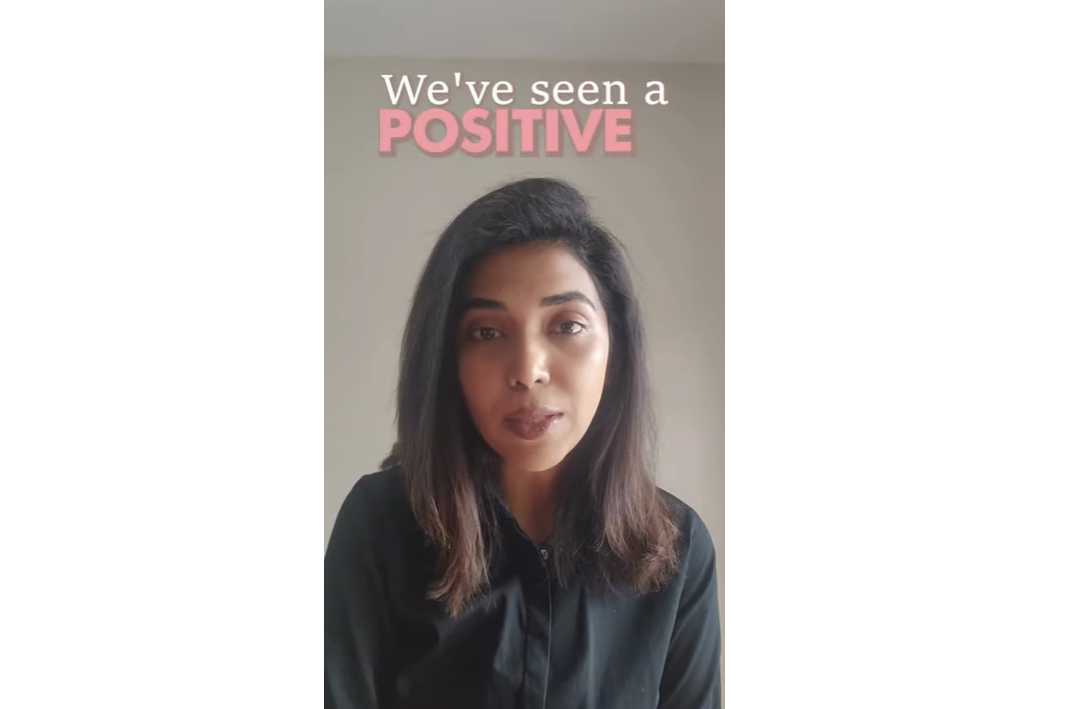
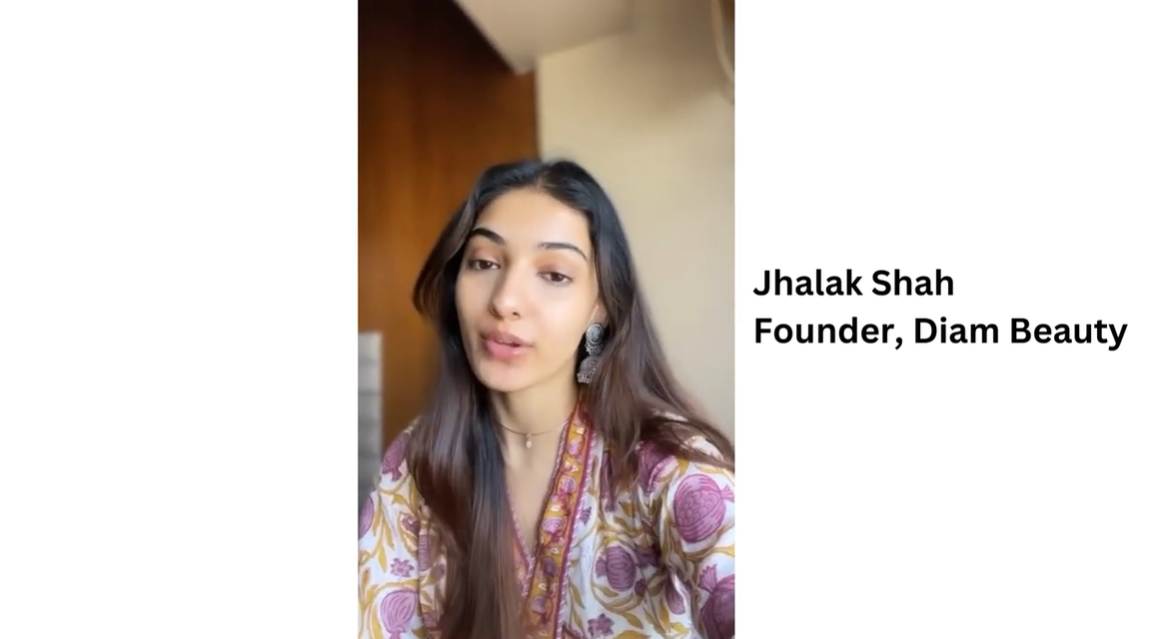
I’ve only been working with HavStrategy for about three months, but the growth my company has seen has been incredible. Sakshi and the entire team are extremely dedicated and easy to communicate with. I would 100% recommend them.
Jhalak Shah
CoFounder, Diam Beauty
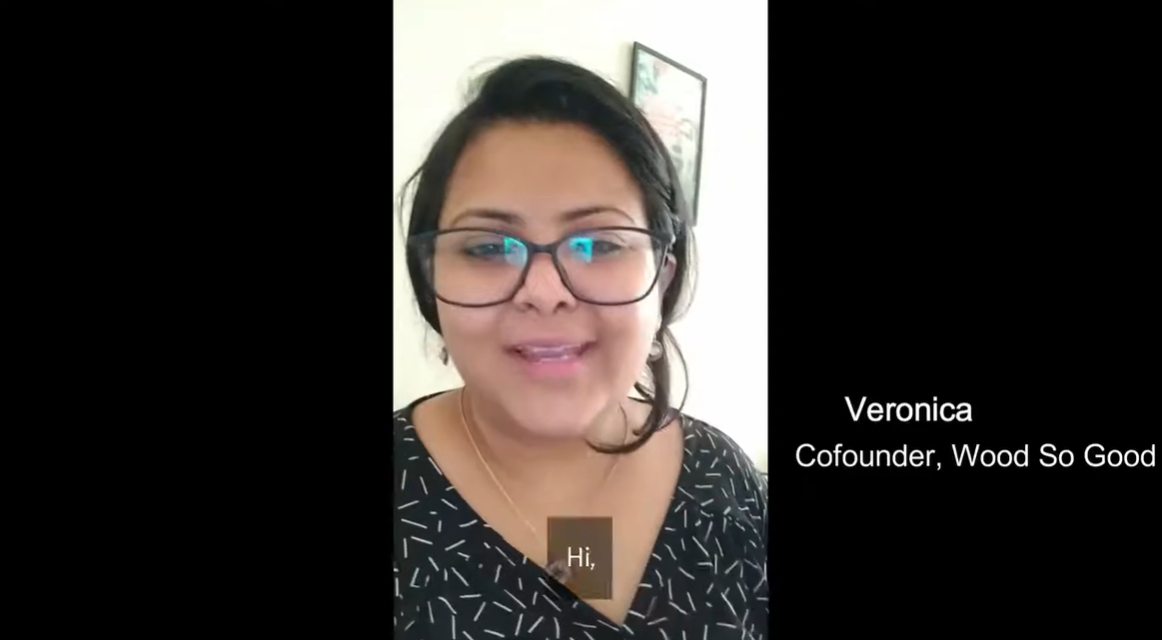
We’ve worked with other ad managers before, but we’ve never seen the kind of jump in ROAS that we’ve seen with HavStrategy. Their responsiveness and continuous optimization made a significant difference. Insights are acted on immediately, preventing budget leakages and driving stronger returns. Highly recommended.
Veronica Goenka
Co-founder
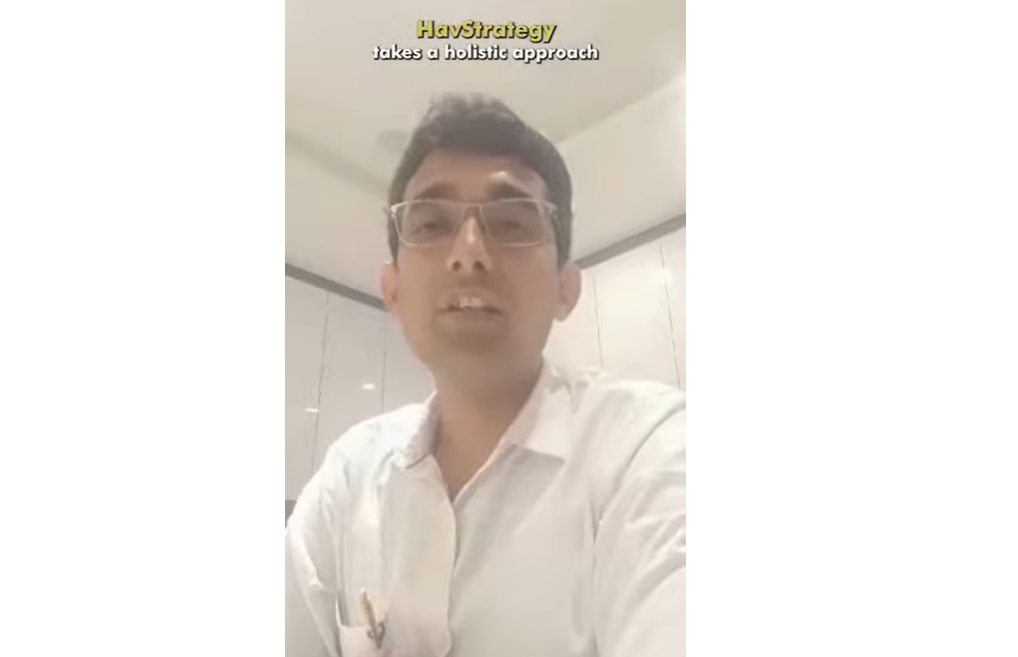
HavStrategy takes a truly holistic approach to driving sales — from creatives and CRO to competitive research. Within just three months, they helped us achieve 2X ROAS. Thanks to HavStrategy, Suryansh Fab is growing rapidly, and we’re excited about the future. If you want real growth for your fashion brand, we highly recommend them. They truly know how to make things happen
Suryansh Fab
Working with HavStrategy has been a total game changer for NuForm Supplements. We’ve seen real, positive growth since partnering with them. Their deep understanding of the D2C industry truly sets them apart — they know exactly what works and how to make it work for your brand. Their creative execution matched our brand perfectly, and their expertise has been key to our success. We highly recommend them.
Team Nuform
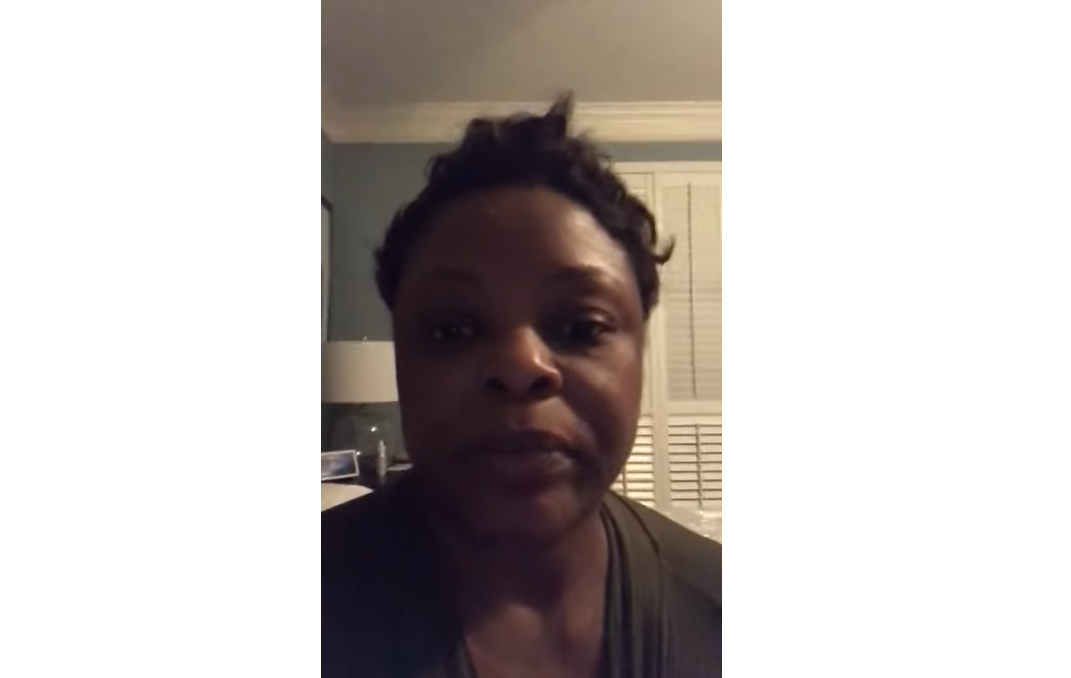
Sakshi has been extremely helpful in guiding me through building my website. The information and direction she provided have been clear, practical, and exactly what I needed to get started. From website content and branding to logo guidance and color selection, her support has been invaluable. She’s also now helping me build my social media presence. I would definitely recommend her services.
Bradford
Jewel Unique Designs
"We really appreciated how research-driven and data-backed HavStrategy’s strategies and ad campaigns were. From the very first call, they understood our goals and challenges, which is why we’re confident continuing with what we believe is one of the best marketing agencies, even among the biggest marketing agencies we’ve worked with..."
Saksham
Co-founder of Apparel Brand
"HavStrategy proved to be a highly reliable partner, helping us achieve marketing goals in just three months that we had been trying to hit for over nine months. Their excitement and understanding of our objectives showed real commitment, and their marketing agency services truly delivered results. For us, they stand out as a strong digital performance agency."
David
Marketing Manager
Juanella: 20 Leads In First Week
Diam Beauty: 8.5X ROAS In Second Month
For early-stage D2C beauty brands (below ₹10L/month revenue), spend 20–30% of revenue on marketing. As you scale to ₹50L–₹1Cr/month, this can come down to 15–20% as your organic and retention channels mature. Never spend heavily on paid ads before you have strong product reviews, a converting website, and at least 1,000 organic followers — ads amplify what's already working, they don't fix what isn't. At HavStrategy, the first thing we do with every new beauty brand client is audit where they are in their growth stage before recommending a budget split — because the right number depends entirely on your current revenue, margins, and channel maturity.
Instagram is still the primary platform for beauty brands in India and globally — Reels drive organic reach, Stories drive conversions, and the visual format suits beauty perfectly. YouTube is essential for long-form tutorials and ingredient education. TikTok (where available) and YouTube Shorts are growing fast for discovery. If you're targeting Tier 2 and Tier 3 India, YouTube and WhatsApp are more important than Instagram. HavStrategy manages social media for beauty and skincare D2C brands across all these platforms — and we build platform strategies based on where your specific target audience actually spends time, not a one-size-fits-all approach.
Start with these five steps — (1) Lock your brand positioning and target audience before anything else. (2) Build a clean, fast D2C website on Shopify with strong product pages and reviews. (3) Seed your product to 20–30 micro-influencers in the skincare or beauty niche for honest reviews. (4) Build your Instagram presence with consistent Reels focused on ingredient education and results. (5) Only turn on paid Meta ads once you have at least 50 real reviews and a conversion rate above 1.5% on your website. HavStrategy has helped multiple beauty brands go through exactly this launch sequence — if you're planning a launch and want a team that's done it before, book a free strategy call with us.
A healthy ROAS for most D2C beauty brands in India is between 2.5x and 4x, depending on your product category and average order value. Skincare serums typically see 2.5x–3.5x, fragrances can hit 4x–5x, and haircare tends to be lower at 1.8x–2.5x. More important than ROAS alone is your LTV:CAC ratio — if a customer comes back and buys three more times, a 2x first-purchase ROAS can still be a very profitable acquisition. The performance marketing team at HavStrategy tracks blended ROAS, LTV:CAC, and repeat purchase rate together — because looking at ROAS in isolation gives you an incomplete picture of whether your marketing is actually building a healthy business.
Yes — influencer marketing is one of the most effective channels for beauty brands because purchase decisions in beauty are heavily driven by trust and social proof. But you don't need celebrity influencers to start. Micro-influencers (10,000–150,000 followers) in the skincare, makeup, or wellness space consistently deliver better ROI for early and mid-stage beauty brands than macro influencers. Start with 10–15 micro-influencer partnerships per month and scale from there. HavStrategy runs influencer marketing programmes for beauty brands — from identifying the right creators and briefing them properly, to tracking sales attribution and repurposing their content as high-performing UGC ads.
Skincare marketing is education-first — customers need to understand what an ingredient does and why it works for their skin concern before they'll buy. Results, clinical claims, and dermatologist endorsements carry a lot of weight. Makeup marketing is more visual and trend-driven — colour stories, tutorials, and influencer looks drive discovery and purchase. Skincare also has a longer consideration cycle, while makeup purchases can be more impulsive, especially when driven by a trending look or viral Reel. HavStrategy works with both skincare and makeup D2C brands and builds separate content and paid media strategies for each — because using a skincare playbook for a makeup brand (or vice versa) is one of the most common and costly mistakes we see founders make.
For paid ads (Meta, Google), you should see meaningful data within 30–45 days — enough to know what creatives work, what your CAC looks like, and whether your funnel converts. For organic social and content marketing, expect 3–6 months before you see consistent traction. Influencer marketing can drive spikes immediately but builds long-term brand equity over 6–12 months. The brands that quit marketing after 30 days are the ones that never find out it was starting to work. At HavStrategy, we set clear 30-day, 60-day, and 90-day milestone markers for every beauty brand we work with — so you always know what to expect and when, instead of wondering if anything is actually happening.
The highest-performing content formats for beauty brands on Instagram in 2026 are: (1) Before-and-after Reels with a real person and honest timeline, (2) Ingredient education Reels ('what does niacinamide actually do?'), (3) Founder-led content showing the story behind the brand, (4) Customer UGC reposted to Stories, and (5) 'Get ready with me' style content featuring your product naturally. The common thread is authenticity — content that looks real always outperforms content that looks like an ad. HavStrategy's social media team creates and manages exactly this kind of content for beauty D2C brands — blending brand aesthetics with the raw, relatable formats that actually drive reach and conversions on Instagram in 2026.
The most practical first step for Indian beauty brands going international is the UAE — large NRI population, high disposable income, and lower regulatory barriers than the EU or US. After UAE, the UK is the next logical market with its strong South Asian diaspora and growing interest in Ayurvedic and natural beauty. The key to winning internationally is leaning into your Indian origin story — Ayurvedic heritage, natural ingredients, and authentic formulations are genuine competitive advantages in global markets, not liabilities. HavStrategy has worked with Indian beauty brands on their international expansion strategy — from localising ad creatives and identifying the right influencers in target markets, to navigating compliance requirements for UAE and UK entry.
Both — but in the right order. Build your D2C channel first. It gives you better margins, full customer data, and control over your brand experience. Once you're consistently above ₹30–40L/month D2C, adding Nykaa and Amazon makes sense for wider distribution and discovery. But never let marketplaces become more than 50% of your total revenue — that dependency puts your entire business at the mercy of someone else's platform, fees, and algorithm. HavStrategy helps beauty brands build their D2C channel first and then expand to marketplaces at the right time — with a strategy that keeps your brand in control of its own growth rather than dependent on any single platform.
Let's Connect
4.9 ★ on Clutch
Copyright © 2026 HavStrategy