How Open Source Culture Is Transforming Modern Digital Strategy

Introduction

The digital world continues to evolve at a remarkable pace, and every new innovation adds fresh layers to how brands communicate, collaborate, and build meaningful relationships with their audiences. Among the most influential forces shaping today’s tech landscape is the growing popularity of open-source projects. These initiatives not only allow global communities to work together but also foster creativity, experimentation, and powerful user-driven engagement.

While open-source technology has traditionally been associated with software engineering and web development, its impact now reaches far beyond technical circles. Today, it influences marketing strategies, startup culture, community building, digital entertainment, and audience psychology. Brands and creators alike are beginning to see the value in learning from open collaboration models — especially when applied to content and digital experience development.

One compelling illustration of this dynamic can be seen through interactive gaming projects built on open-source foundations. One such example is Basket Random from GitHub, an initiative that not only entertains users but also demonstrates how collaborative technology fuels innovation. This project reflects the future of interactive user engagement, where participation becomes part of the product’s evolution.

Understanding the Modern Open-Source Mindset

At its core, open-source technology gives users access to tools, platforms, and software frameworks that they can view, modify, and enhance. Unlike proprietary software, these projects allow people from around the world to contribute to code improvements, design add-ons, translate content, or test systems.

What makes open-source so valuable today is not just the technology behind it — it’s the mindset. It symbolizes a shift from individual ownership to shared creativity. When people work together on a common goal, innovation naturally accelerates. For brands studying digital behavior, this model offers deep insight into how loyalty, trust, and participation function in online communities.
Why Open-Source Is Important for Strategic Thinkers

For strategy professionals, particularly those involved in digital branding and marketing, open-source initiatives reflect real-world audience patterns. Today’s consumers are no longer silent observers. They want to contribute, reshape experiences, and interact with brands instead of passively consuming content.

Open-source culture teaches three major lessons that strategists can apply:

1. Community Drives Visibility

Open projects thrive on active participation. The more contributors a project has, the more visible and valuable it becomes. This mirrors digital branding — when people share content or interact with campaigns, visibility increases naturally.

2. Innovation Comes From Feedback

Open-source projects constantly evolve because multiple people can review ideas. Strategists can use this approach by welcoming feedback, surveys, conversations, and user-generated content.

3. Transparency Builds Trust

Many open-source frameworks are successful because users can see the work behind the scenes. Brands adopting similar transparency tend to build deeper trust with their audiences.

In an age where audiences are more informed and selective, trust has become a defining factor for brand success.

Gaming as a Tool to Study Digital Interaction

Although gaming may seem unrelated to marketing strategy, the interactive entertainment industry often leads the way in digital innovation. Open-source gaming projects are particularly interesting because they showcase how people behave when given freedom and control inside a digital environment.

Games like Basket Random illustrate this blend of entertainment and community creativity. Players not only enjoy the game itself but can explore how it was built, recreate it, and even build new versions using the same code.

From a strategy perspective, several lessons emerge:

  • Interactivity improves engagement: Users stay longer when they can participate.
  • Play encourages creativity: Creative audiences produce more original ideas.
  • Simple concepts can go viral: Success does not always depend on complexity.

These insights are crucial when planning content, building websites, or developing digital communities.

Applying Open-Source Ideals to Modern Branding

Digital strategy has moved beyond product promotion. Today, successful brands focus on experience design — shaping emotional and intellectual responses through storytelling and interaction.

Open-source theory supports this approach in multiple ways:

●       Encouraging User-Generated Content

  • Allowing audiences to share their own ideas, reviews, or visual creations builds long-term loyalty.

●       Creating Spaces for Co-Creation

  • Brands that invite audiences to help shape project direction often build stronger communities.

●       Highlighting Transparency and Authenticity

  • Consumers appreciate knowing how decisions are made and why.

This combination of openness, communication, and collaboration can transform how brands are seen and remembered.

The Growing Influence of Open-Source Culture in Digital Platforms

From social media algorithms to mobile app design, open-source philosophies continue to influence mainstream digital technology. Many major companies now rely on open-source frameworks because the collaborative model leads to faster problem-solving, wider audience reach, and more efficient development time.

For example, large tech companies often use publicly-built libraries and tools to enhance their systems. Meanwhile, small businesses and independent creators benefit from cost-effective access to reliable digital solutions.

This movement also plays a critical role in education and skill growth. Young developers, designers, game creators, and writers often begin learning by studying open-source content online.

How to Grow a D2C Fashion Brand in India

Fashion behaves differently from every other D2C vertical. It is emotional, impulse-driven, identity-shaping. A fashion founder must think like a designer, storyteller, and psychologist simultaneously.

Understanding how to grow a D2C fashion brand in India requires mastering the country’s unique aspiration curve. Indian consumers want freshness but not complexity. They want outfits that elevate their identity but still feel rooted in daily utility. They respond to silhouettes, textures, and minute details that help them feel distinctly “themselves.”

Drops culture has transformed the fashion D2C space. Limited runs create demand. Storytelling builds desirability. The more exclusive a collection feels, the more organic reach it generates. UGC also plays a massive role — seeing real people wearing the clothes builds far more confidence than seeing models in a studio.

Inventory discipline is often the biggest challenge for fashion founders. Overproduction kills cash flow; underproduction kills momentum. Brands that scale well find the sweet spot: agile manufacturing, smaller batches, rapid iteration, and continuous freshness.

Fashion rewards brands that have a point of view. When your aesthetic is unmistakable, customers don’t just buy products — they buy into the world you’re building.

What This Means for Future Strategy Development

Digital strategy is no longer linear. It is fluid, adaptable, and shaped by ongoing audience participation. By observing open-source culture, brands can better understand what motivates modern digital communities. They learn that success depends on offering value, connection, experience, and involvement.

Projects like Basket Random demonstrate how interactive and open structures can spark enthusiasm among users who want to learn, build, experiment, and share. When this mindset is applied to marketing, it creates campaigns that invite audiences to become part of the creative journey — not just viewers from the outside.

Final Thoughts

The evolution of open-source collaboration offers a roadmap for forward-thinking digital strategy. It encourages curiosity, promotes co-creation, and strengthens community involvement. More importantly, it reflects how people want to interact with brands today: actively, socially, and creatively.

As open-source tools and interactive technologies continue to expand, businesses and strategists that understand this cultural shift will be better positioned to grow, innovate, and communicate with audiences in meaningful ways.

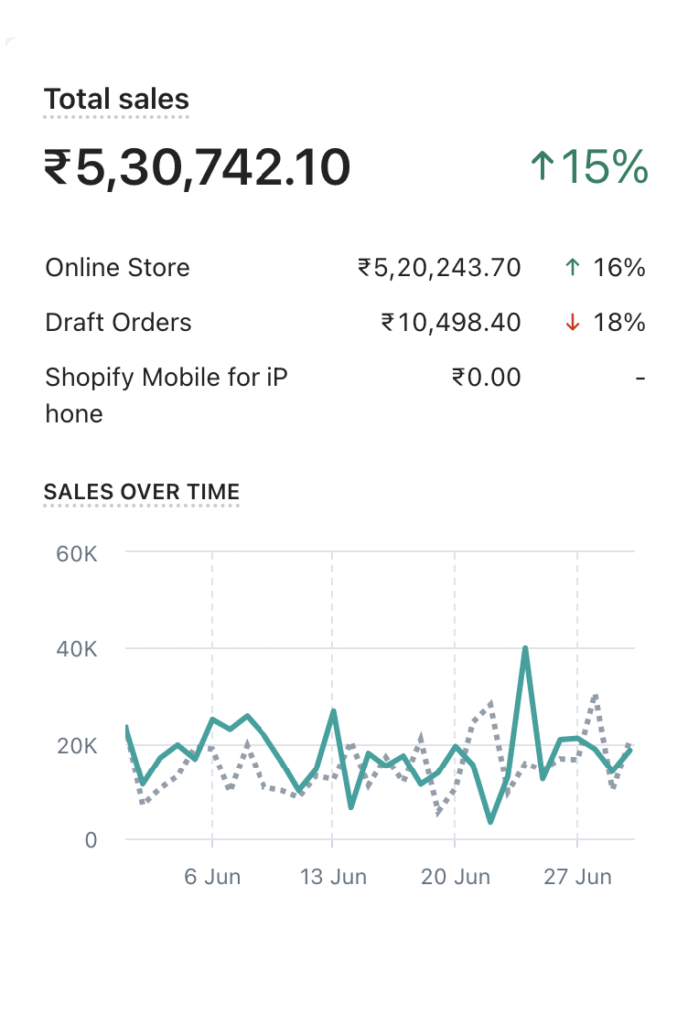
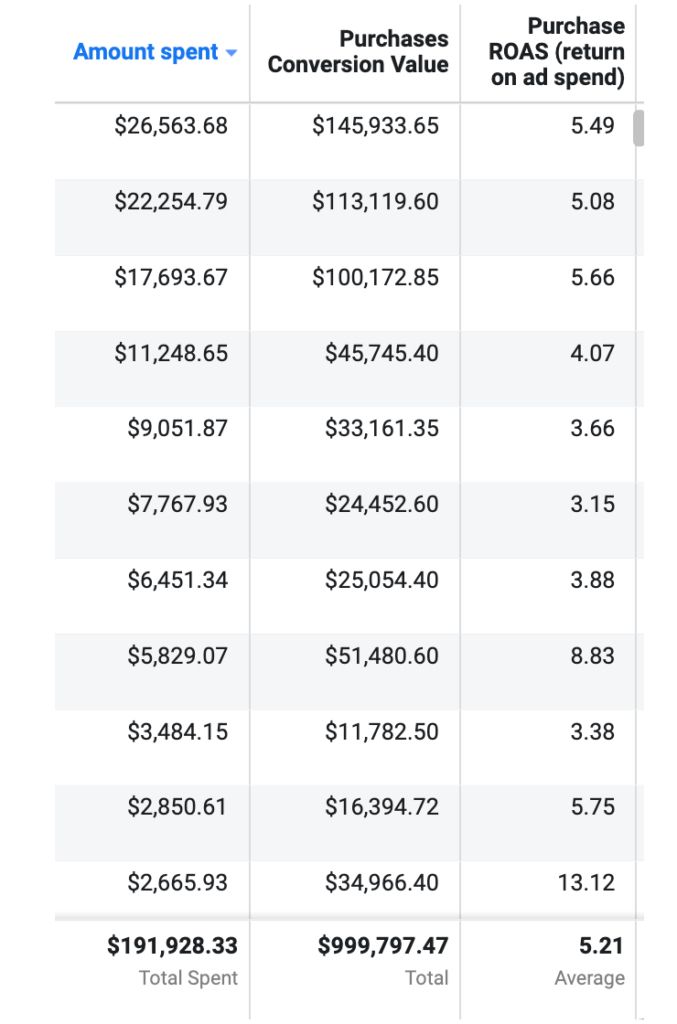
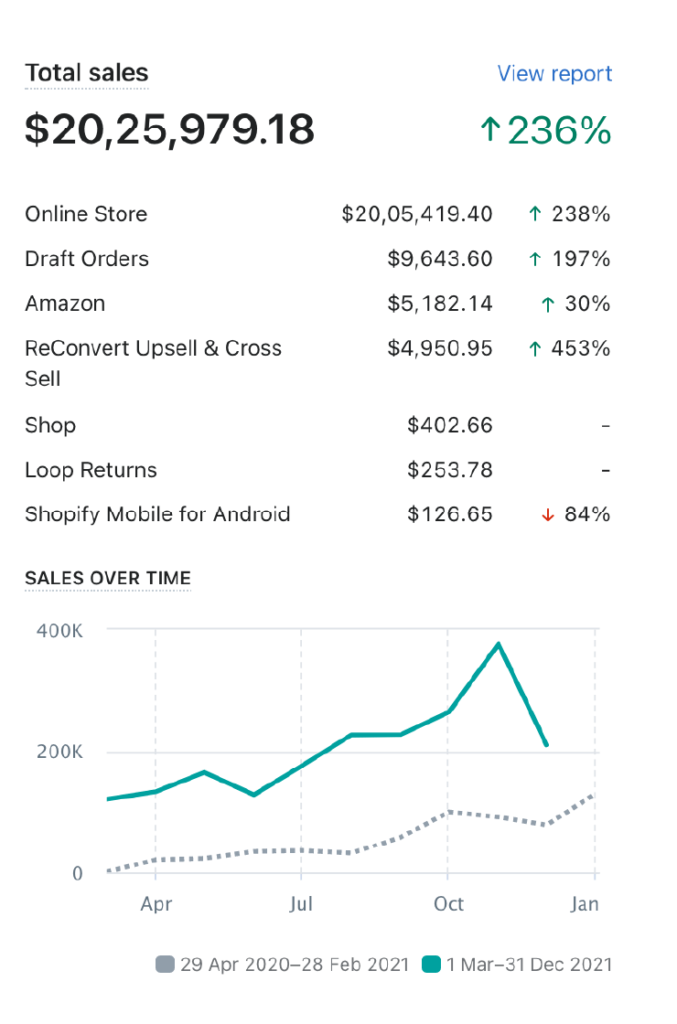
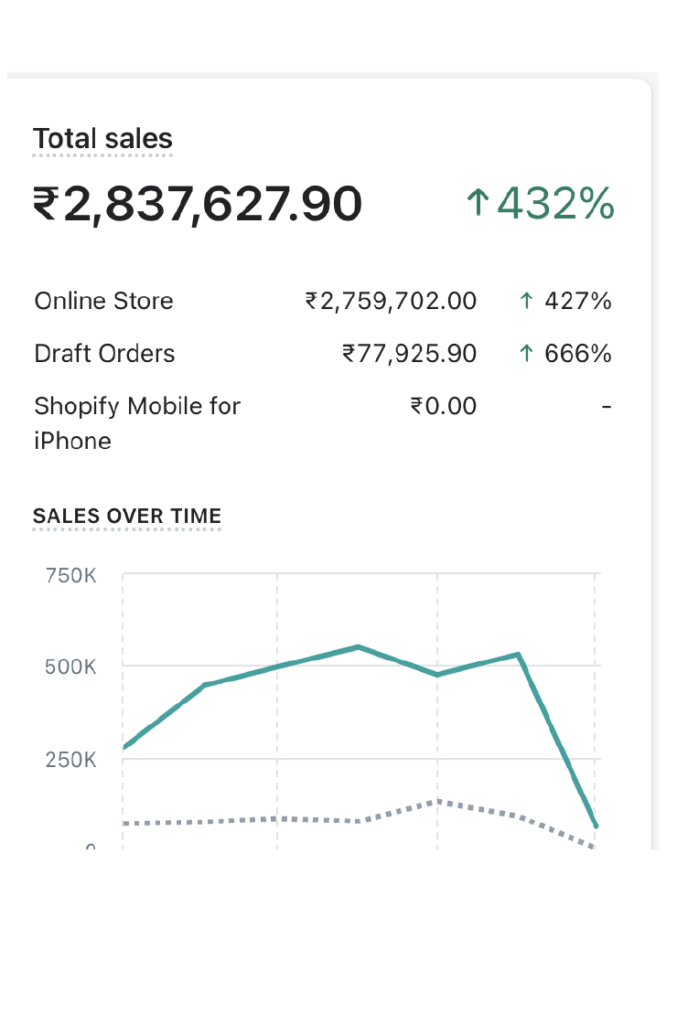
Past Results From Our D2C Brands

Results generated by HavStrategy
results

Let's increase your revenue together!

Get Results For your D2C brand In First 3 Months

Want Us To Be The Growth Partner To Your Business?

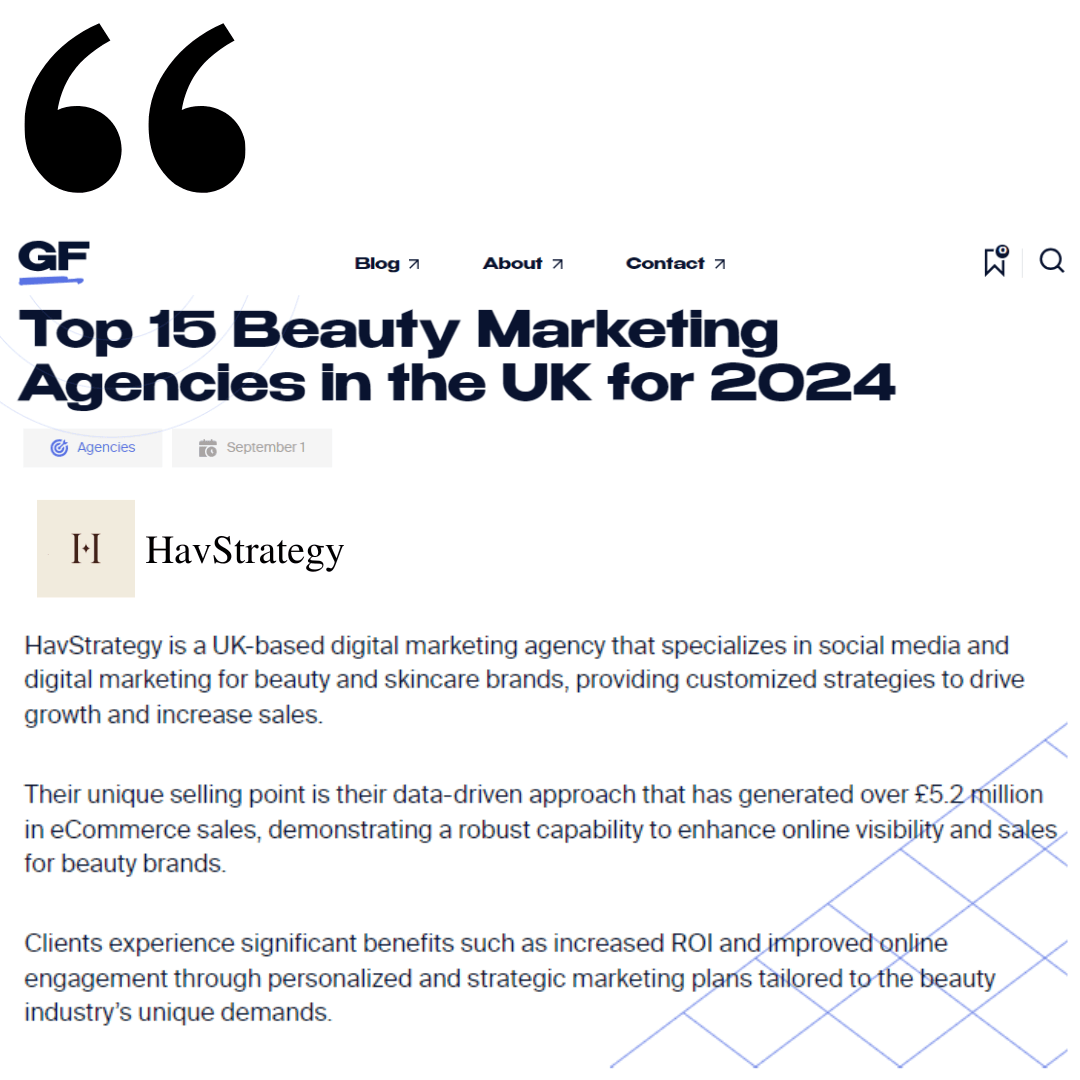
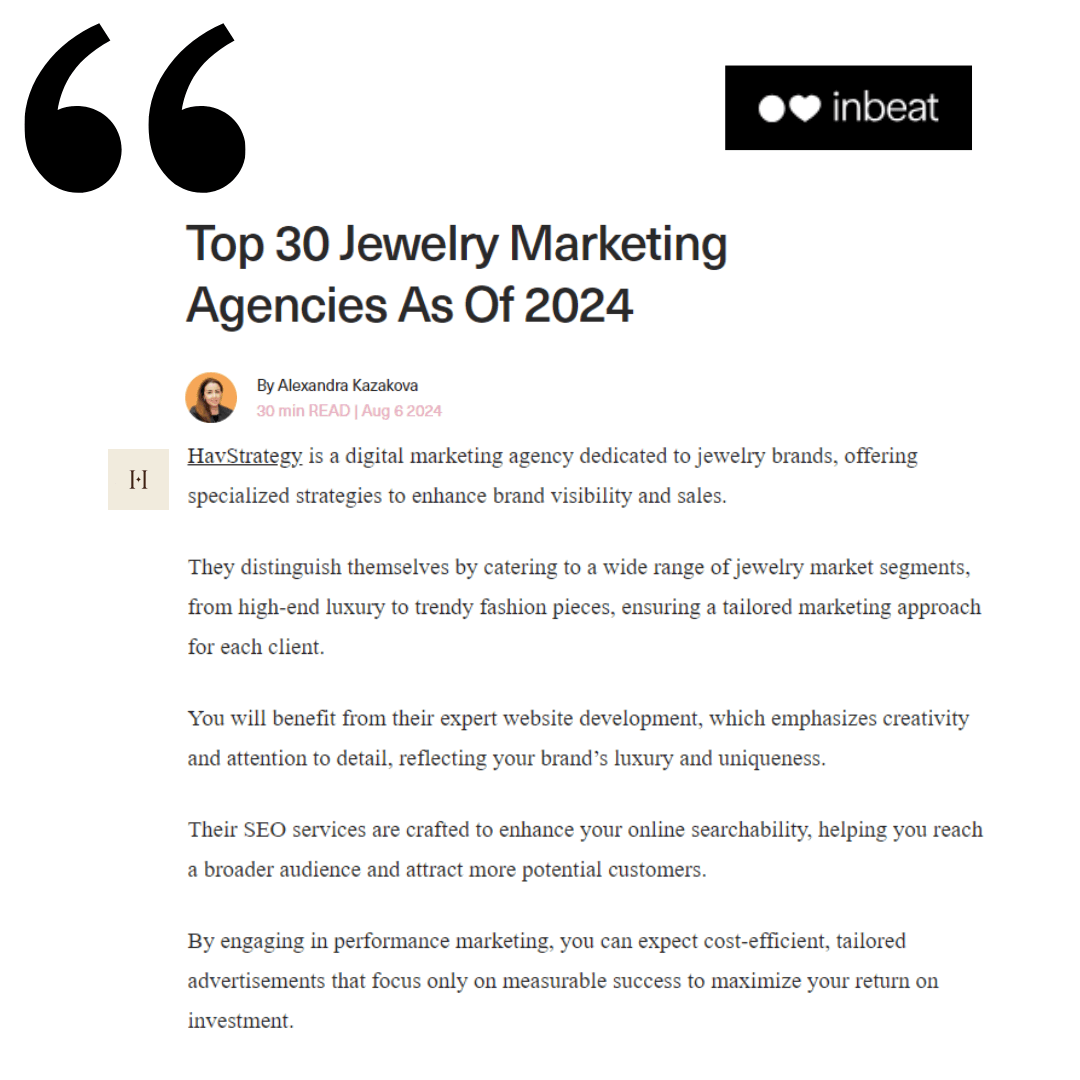
As Seen On

Let's Connect