
How to Leverage US Festive Seasons for 10x Home Decor Sales
Introduction
Festive seasons in the United States account for a massive 35–45% of annual home decor sales, making them one of the biggest growth windows for D2C brands. With demand spiking up to 4x during Christmas, Thanksgiving, Halloween, and New Year, home decor consistently ranks among the top five fastest-selling categories during peak holidays.
From themed dining sets to cosy throws and warm decorative lighting, consumers flock online searching for instant inspiration. This makes digital marketing for luxury home decor brands the primary lever for revenue growth—especially for brands guided by a specialised home decor marketing agency in the US or a luxury home decor marketing agency that understands seasonality and buyer psychology.
At HavStrategy — a leading luxury marketing agency and lifestyle marketing agency — we’ve helped several fast-growing home decor brands unlock exponential festive growth through data-driven holiday campaigns, precision forecasting, influencer collaborations, and inventory optimisation. If your brand still treats festive marketing as last-minute seasonal content, this guide will help you turn those months into predictable revenue cycles.
Why US Festive Seasons Matter for Home Decor Brands
Festive periods in the US, especially from October through December, are not just good opportunities; they are critical sources of revenue. Consumer spending on home decor increases by 70 to 120% compared to non-seasonal months, particularly in categories like holiday lighting, wall art, table settings, themed throw pillows, and entryway accessories. Data from the National Retail Federation shows that U.S. consumers planned to spend over $997 on average during the 2023 winter holiday season, with a significant portion dedicated to festive home improvements.
What makes festive cycles so profitable?
- Higher AOV — shoppers buy full room setups, bundles, or themed collections
- Lower CAC — emotional urgency drives impulse buys
- Scarcity effect — limited editions sell faster
- High intent — holiday buyers are late-stage decision makers
Brands supported by a data-led luxury home decor marketing agency consistently outperform competitors during these key months because their strategies are built around anticipated demand rather than reactive content.
Email and SMS Strategy
Holiday-themed email and SMS campaigns consistently outperform regular messaging across all categories, and they are particularly effective in home decor. Brands that implement seasonal sequences often see a 30 to 40% improvement in click-through rates. The ideal flow follows three steps: a pre-season teaser campaign, a peak holiday offer, and a final “last-minute” push.
Post-holiday follow-ups are another missed opportunity that a lot of D2C brands ought to make. Sending a campaign 2 to 3 days after the peak offering complementary products like storage bins or early access to new launches keeps the customers engaged in the journey of new campaigns. Additionally, cart abandonment emails that include festive design elements, such as gift wrap visuals, countdown timers, or a CTA like “Almost there” or “Cart is waiting to be at checkout”, experience 18 to 20% lower drop-off rates. In short, festive lifecycle campaigns, especially through SMS and emails, are valuable for increasing lifetime value.
This approach is vital for luxury brands, as outlined in How Luxury Brands Can Target HNI Audiences Without Wasting Ad Spend, where precision in customer engagement and targeted messaging can drastically reduce wasted ad spend. Similarly, How to Scale a Beauty Brand in India & the USA with Real 2025 Data & Ad Insights highlights how implementing data-driven, seasonal campaigns across multiple channels can yield substantial improvements in customer retention and lifetime value.
Inventory & Logistics Checklist
Inventory misalignment is one of the quickest ways to lose festive revenue. Based on data from D2C home brands we have worked with, season-specific products should have at least 1.5 to 2 times your normal inventory buffer. If you usually sell 1,000 units per SKU, you should prepare for at least 1,500 to 2,000 during peak seasons like Black Friday or Christmas week.
Successful home decor brands categorise inventory based on demand likelihood; fast-moving seasonal SKUs should be positioned in easily accessible warehouse areas. Prioritising quick-ship SKUs with real-time tracking and clear delivery timelines boosts conversion rates and reduces cancellations. Guaranteed delivery times, especially during peak seasons, correlate with a 15 to 18% increase in conversions for holiday shoppers.
Post-Season Monetization Strategy
What happens after the festive excitement fades? That’s where long-term monetisation begins. Instead of heavy discounts, use leftover inventory for soft-clearance sales by promoting them as “New Year mood reset” or “winter home refresh” collections. urgency-driven terms like “seasonal decor clearance” or “last-minute holiday home deals”. creates a sense of making a purchase while utilising the same offer as given during the start of holiday season. Brands that gather reviews soon after the holidays, through SMS or incentives, and see 3 to 5 times more review generation compared to requests made weeks later.
Retargeting holiday shoppers with promotions for Valentine’s Day or the spring season is also a good way to enhance customer lifetime value. Additionally, analysing underperforming products and bundling them into seasonal flash offers helps brands clear excess stock without cutting margins.
0-Day Festive Execution Roadmap
For an effective rollout, here’s a quarterly roadmap your team can follow:
30 Days Before – Finalise product selection, create seasonal landing pages (using keywords like “holiday home decor”, “holiday furniture deals” or “Christmas decoration sale”), and start audience engagement through social teasers to warm up the audience with the upcoming offers.
Festive Weeks – Implement email and SMS flows, kick off influencer campaigns, monitor logistics daily, and scale high-return ad sets. Push through aggressively using digital marketing strategies for home decor brands.
Post-Season – Shift messaging to replenishment, promote complementary products, gather reviews, and evaluate SKU performance for Q1 planning.
This approach works across Halloween season, Thanksgiving, Christmas, Fourth of July, and even Valentine’s Day, creating a steady rhythm for growth throughout the year.
Conclusion
US festive seasons are not random events—they are predictable revenue multipliers. Brands that prepare 30+ days in advance, optimise logistics, and create emotionally-driven campaigns outperform reactive brands by 5–10x.
With Pinterest, Instagram, and TikTok accelerating holiday trends in real time, the brands that win are those with:
✔ Strong seasonal storytelling
✔ Pre-planned email + SMS automation
✔ Inventory forecasting
✔ Platform-specific ad strategies
✔ Limited editions and bundles
✔ Fast shipping and accurate delivery
This is exactly where a specialised luxury home decor marketing agency, or lifestyle marketing agency becomes a strategic advantage.
At HavStrategy, we help D2C home decor brands scale festive revenue with:
✨ High-converting festive landing pages
✨ Seasonal influencer and UGC campaigns
✨ Pinterest + TikTok-led inspiration funnels
✨ Paid ad systems built for high intent
✨ Festive email/SMS automation
✨ Inventory-aligned marketing strategies
✨ SEO frameworks for seasonal keywords
✨ Bundling strategies that boost AOV
If you’re ready to build a predictable, profitable festive engine, we’ll create a custom seasonal growth system tailored for your brand.
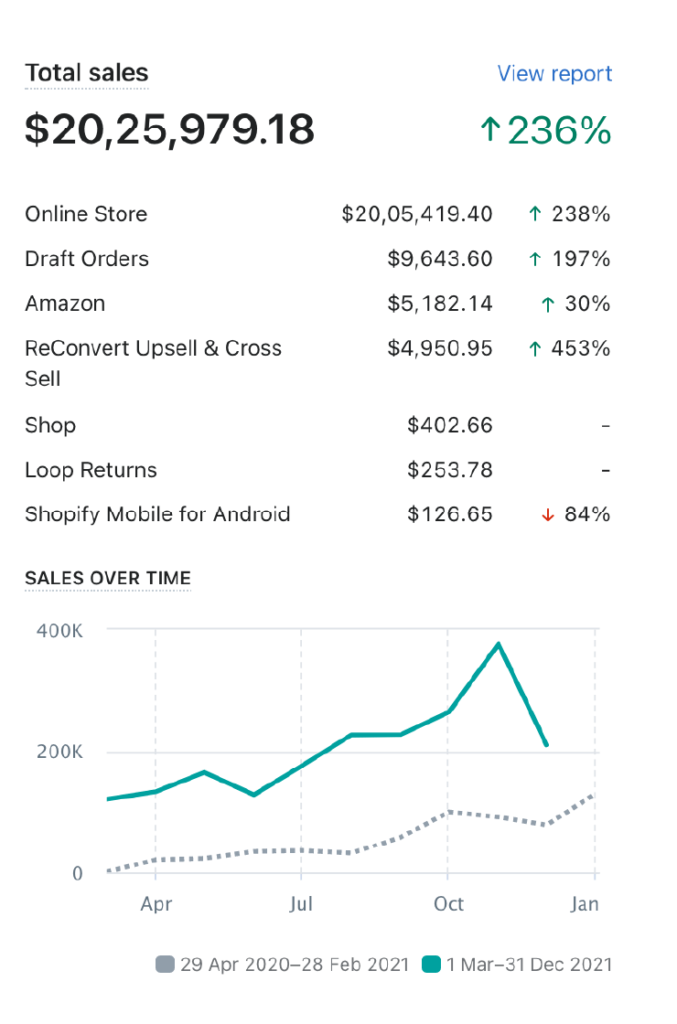
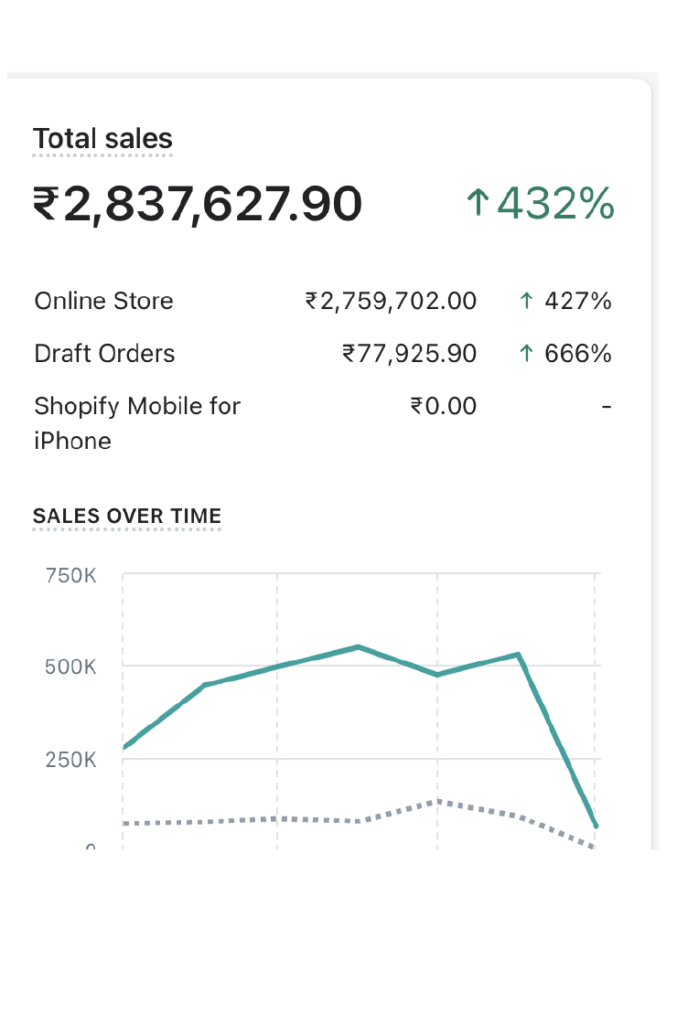
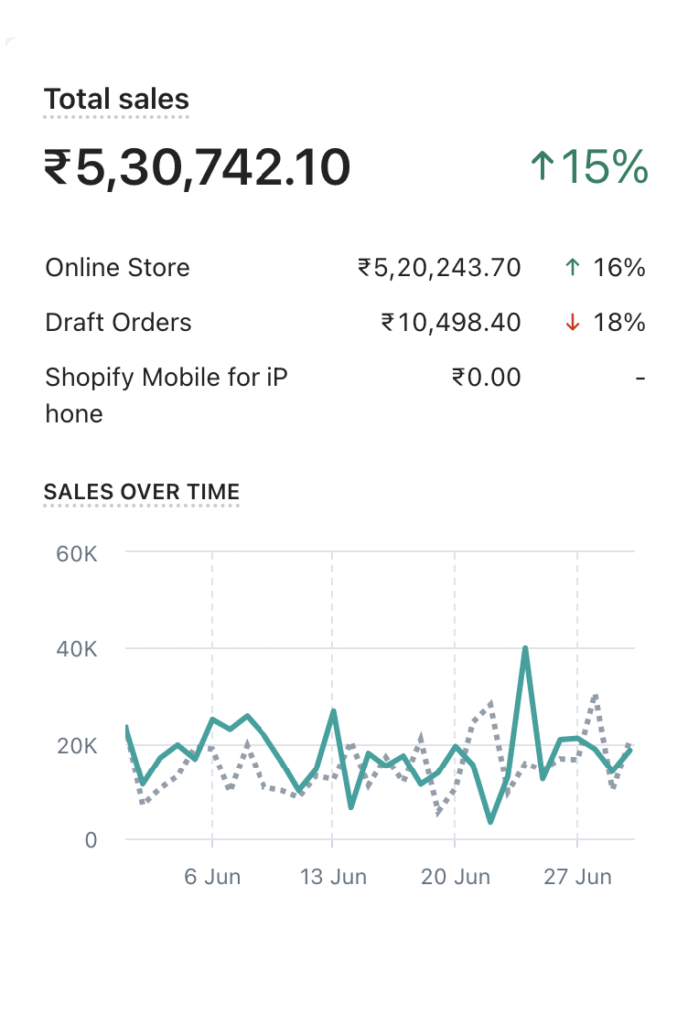
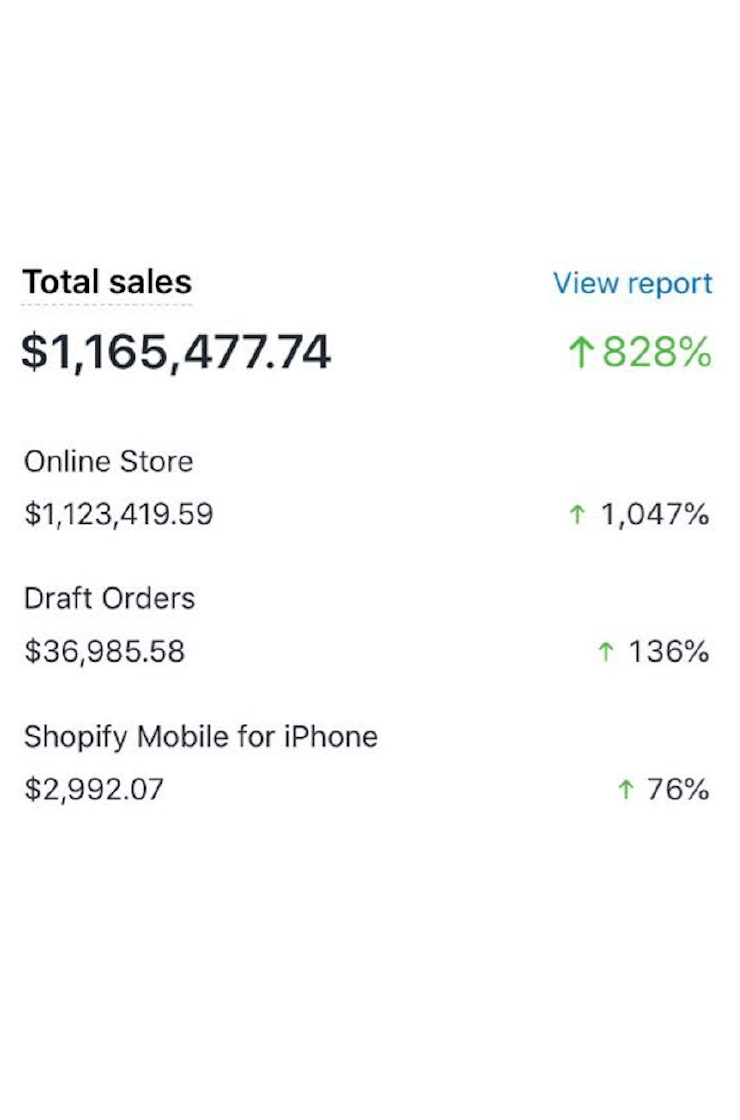
Past Results From Our Home Decor Brands
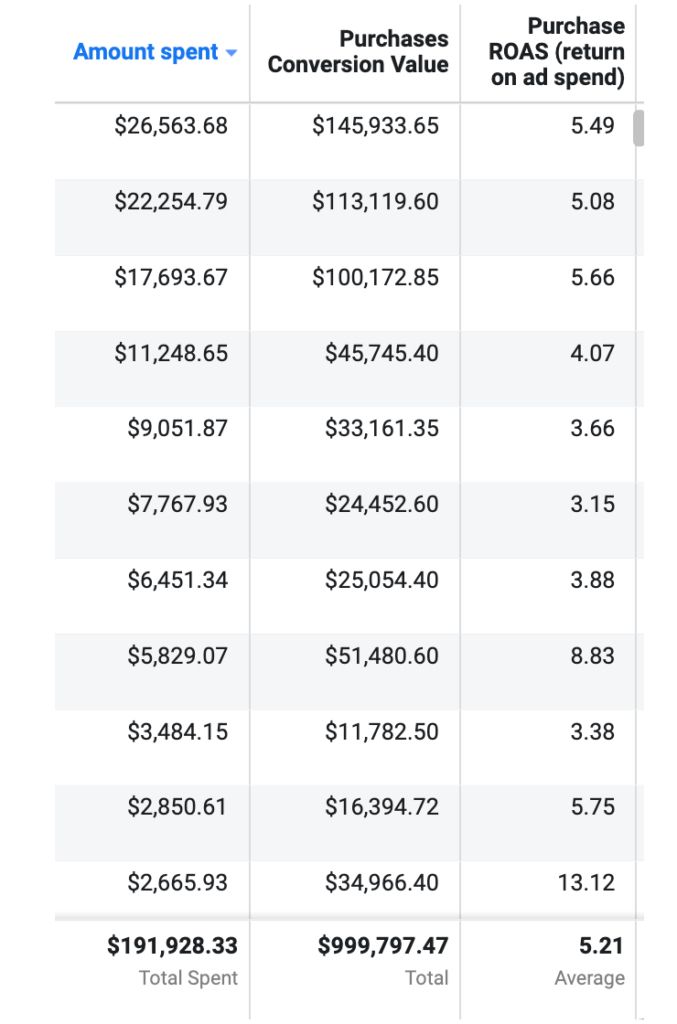
Let's increase your revenue together!
Get Results For your Home Decor brand In First 3 Months
Want Us To Be The Growth Partner To Your Business?
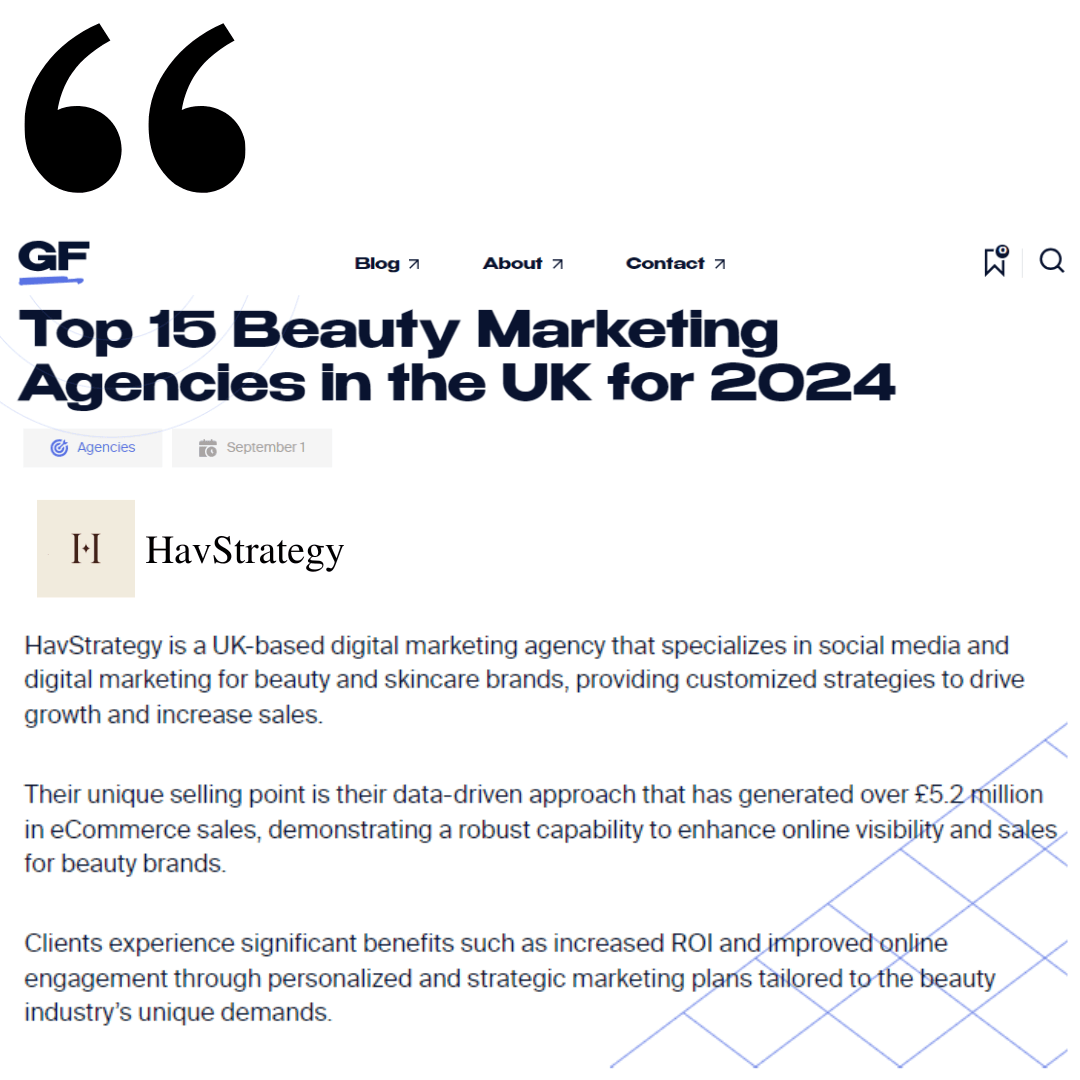
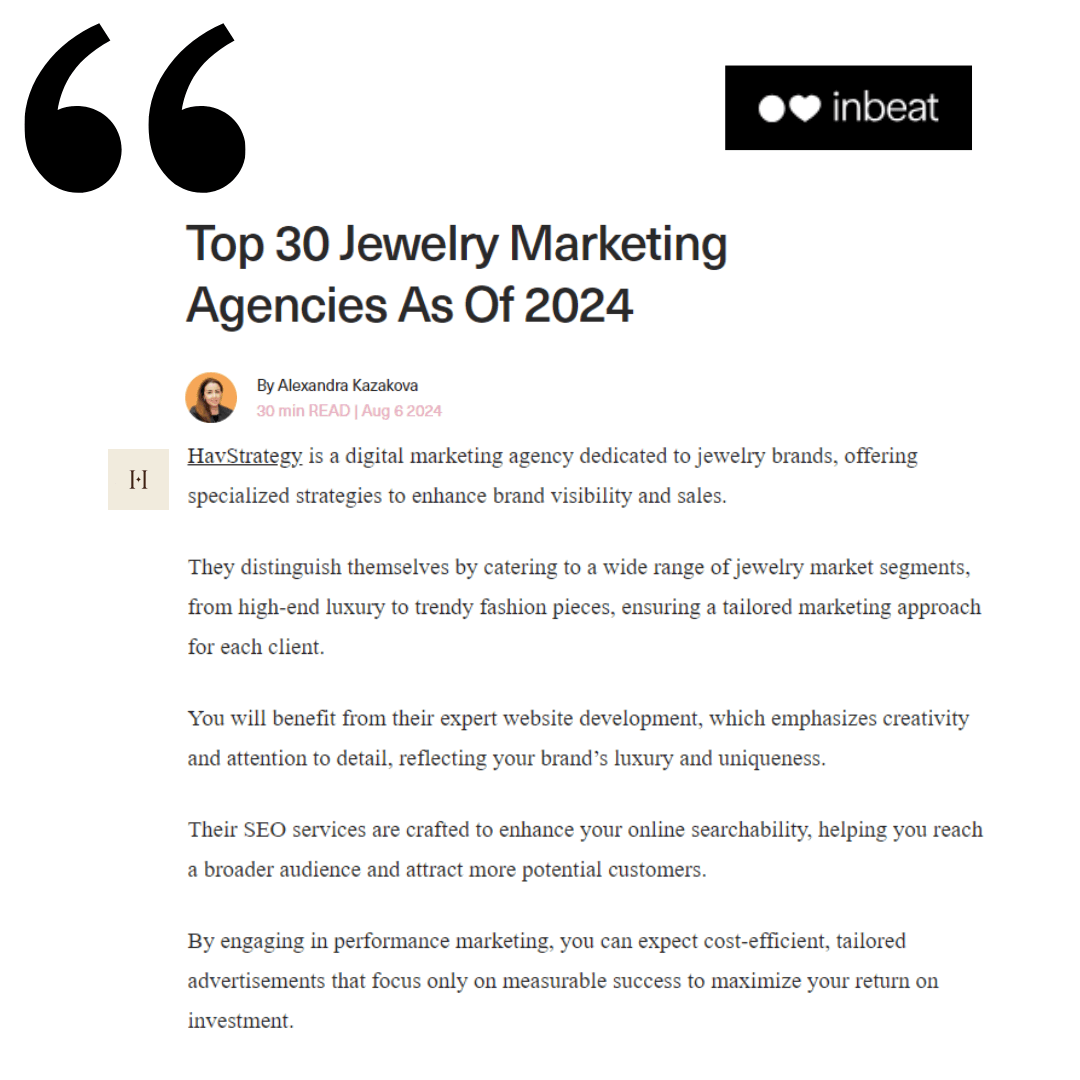
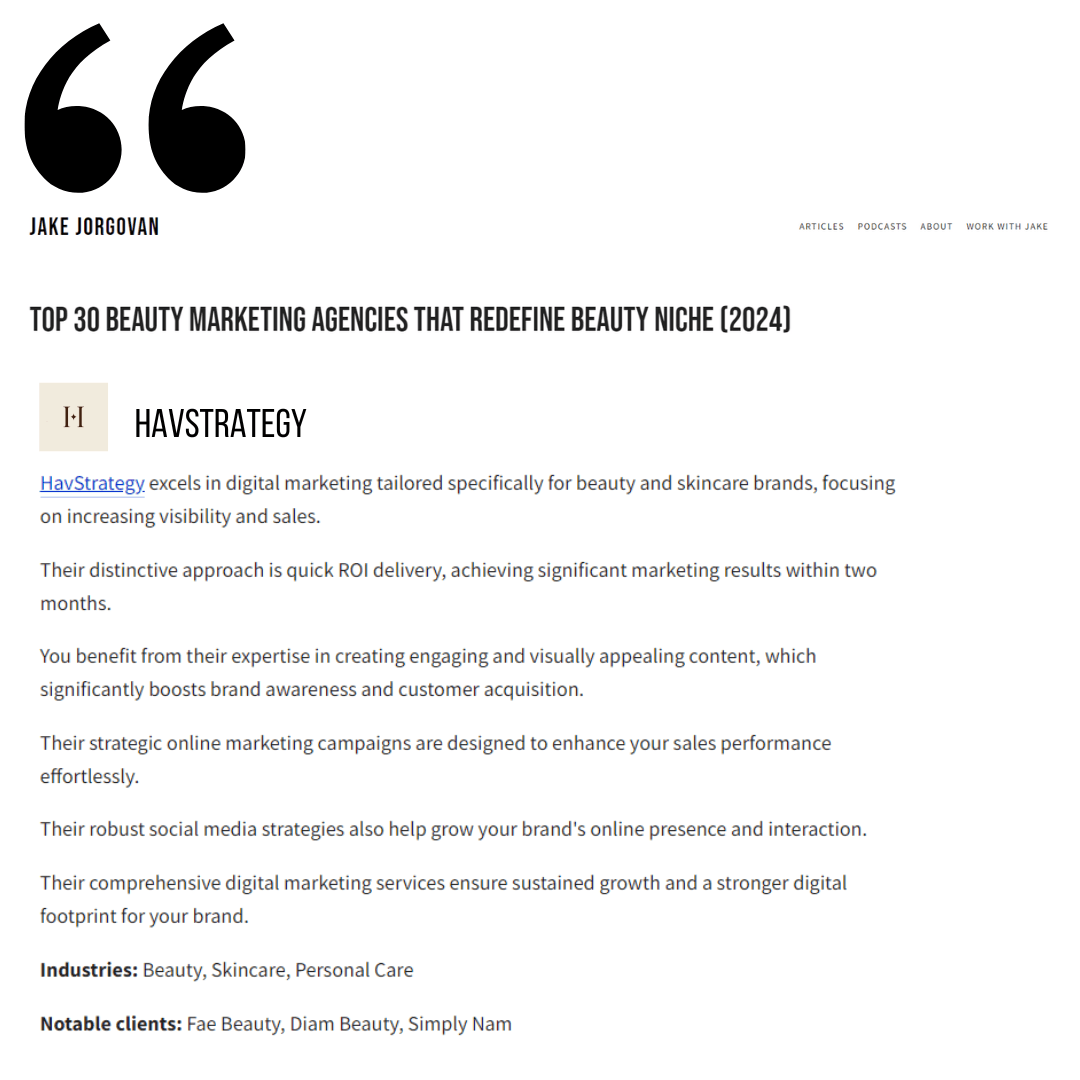
As Seen On

Let's Connect
Industries
International Market
Fashion Marketing Agency in UK
Fashion Marketing Agency in UAE
Lifestyle Marketing Agency in UAE
Skincare Marketing Agency in UK
Cosmetic Marketing Agency in UK
Beauty Marketing Agency in UAE
Luxury Marketing Agency in UAE
Home Decor Marketing Agency in UK
Home Decor Marketing Agency in UAE
Services
Social Media Marketing Agency in UK
Social Media Marketing Agency in UAE
Performance Marketing Agency In UK
Performance Marketing Agency In UAE
Digital Marketing Agency In UK
Digital Marketing Agency In UAE
Home Decor Marketing Agency In Australia
Beauty Marketing Agency In Australia
Skincare Marketing Agency In Melbourne
Fashion Marketing Agency In Australia