How to Scale a D2C Brand from ₹1L to ₹10L in Monthly Sales: A Founder’s Step-by-Step Marketing Framework

Introduction

Scaling a D2C brand from ₹1L to ₹10L a month isn’t a marketing hack — it’s a structural transformation that only the strongest brands survive. Your first lakh usually comes from instinct, hustle, and early believers. But crossing ₹10L requires what most founders overlook: a systemised growth engine. The kind that a D2C performance marketing agency builds through repeatable frameworks. The kind that stabilises revenue even when ad costs rise, creatives fatigue, or consumer trends shift. And the kind that converts unpredictable spikes into predictable month-on-month growth.

At HavStrategy, a leading D2C marketing agency and one of the best D2C agency India for high-intent scaling, we’ve grown brands across India, the US, the UK, and the GCC. Whether the brand is premium, mass-market, or niche, one truth is consistent everywhere: brands don’t scale because of luck or one high-performing creative — they scale because the growth system is engineered. Every funnel stage, every creative, and every optimisation works in sync, exactly how a top-tier fashion D2C marketing agency or lifestyle marketing agency India would build it for long-term scale.

This blog is that engineered blueprint — a founder-to-founder playbook built from real operations, real testing, and real results. Whether you’re using performance marketing for fashion brands, lifestyle brands, or niche D2C categories, this guide will show you the practical, predictable, and repeatable path to scaling from ₹1L to ₹10L a month.

Why Most D2C Brands Get Stuck at ₹1L–₹3L

Every founder hits the same invisible wall after early traction. Somewhere between ₹1L–₹3L/month, predictable patterns begin to show up: ads become unstable, cost per purchase swings uncontrollably, website conversions dip, creatives burn out faster, and daily revenue feels like a gamble. The brand works some days, instead of working every day. This is exactly when most brands realise they don’t just need ads — they need the structure and ecosystem that only a strong D2C marketing agency or D2C performance marketing agency builds.

The reason is simple: the systems that get you the first few hundred orders are not the systems that take you to ₹10L/month. Early revenue usually comes from your warm network, organic curiosity, and low-hanging buyers. These are not scalable growth levers — they are temporary boosts. Scaling requires engineered growth architecture, the kind high-growth brands build with the guidance of the best D2C agency India.

After this stage, unclear unit economics becomes the next major hurdle. Most founders know product cost, but very few account for logistics, gateway charges, COD losses, returns, packaging, regional cost differences, or actual contribution margin. Without clarity, every rupee spent on ads is a guess. A top fashion D2C marketing agency or performance marketing for fashion brands focuses heavily on unit economics because scaling without margins is impossible.

Another roadblock is the lack of a strong hero SKU narrative. Every winning brand has one product that carries the scale journey — but visibility alone is not enough. That product needs a strategic story, high margins, consumer trust, and a positioning that stays consistent across ads, funnels, creatives, and landing pages. This level of narrative-building is exactly what a specialised lifestyle marketing agency India brings to the table.

Finally, most brands get stuck at ₹1L–₹3L because they depend too heavily on bottom-funnel selling. “Shop Now” ads to cold audiences can help in the early days, but they cannot build sustainable demand. Real scale requires a full-funnel system — TOFU, MOFU, BOFU, and retention — all reinforcing each other, the same way high-performing D2C brands scale with a strong D2C performance marketing agency behind them.
The 1L → 10L Shift: From Chaos to Engineered Growth

A ₹1L brand grows reactively.
A ₹10L brand grows intentionally.

At ₹1L/month, you can get away with inconsistent messaging, unstable creatives, and improvised strategy. But at ₹10L/month, you need an engine — a predictable, multi-layered system where new people discover you every day, warm audiences stay engaged, your website converts consistently, repeat buyers return, and your ads work in harmony instead of in isolation.

When we scale a brand at HavStrategy, we don’t ask “Which ad is performing?” We ask “Which part of the funnel needs oxygen this week?” This shift in thinking — from campaigns to systems — is what unlocks controlled scale.

Step 1: Fix Your Unit Economics Before Scaling a Rupee

Before you scale your marketing, scale your clarity. Without precise unit economics, increasing budgets is essentially gambling at higher stakes.

Your contribution margin (CM2) — after shipping, packaging, payment gateway fees, COD leakage, return rates, and region-specific operational costs — determines your safe CAC. Most founders calculate margins emotionally, not mathematically. And emotional margins don’t scale.

Once margins are clear, identify your scalable hero SKU. A hero SKU is not just your best seller; it’s the product that performs well under pressure — stable CAC, strong retention, clear USP, fast decision-making time, and high margin. At HavStrategy, we test hero SKUs in short cycles with multiple creatives, audiences, and landing variations. If a SKU can’t stabilize CAC at this stage, it won’t scale at higher spends.

A strong hero product is the foundation of your growth engine.

Step 2: Build a High-Converting Website — Your Silent Sales Team

Your website is the difference between scaling profitably and scaling painfully. A poor website forces your ads to work twice as hard. A great website lets your ads breathe.

The metric that matters most is website conversion rate. If your CVR is weak, no amount of ad optimization will save you. We apply a simple HavStrategy rule internally called the 10-second conversion test. If a new visitor cannot understand what you sell, what makes you different, and what to do next in 10 seconds, your website is leaking money.

High-converting websites have predictable fundamentals: mobile-first layout, clean product display, strong reviews, clear delivery timelines, simple navigation, and storytelling that reduces hesitation. Geography affects behavior too. Indian shoppers respond strongly to COD and WhatsApp assistance. US/UK shoppers care deeply about reviews and compliance. GCC shoppers value fast delivery and luxury cues. Conversion optimization is not decoration — it is your revenue multiplier.

Step 3: Replace Random Ads with a Full-Funnel System

Scaling from ₹1L to ₹10L requires a shift from tactical campaigns to strategic funnel design.

Most ₹1L brands target cold audiences with purchase ads. They treat Facebook Ads as a coin flip. But scaling requires structured demand creation, not gambling. We build growth engines on four layers:

Traffic — bringing new audiences every day
Intent — warming them before selling
Conversion — turning warm users into buyers
Retention — compounding revenue through repeats

This is where 80% of brands fail. They skip the intent layer. They skip the nurturing stage. They skip educating, storytelling, and value-building. When the funnel is incomplete, scale becomes impossible.

Step 4: Strengthen TOFU — Build a Consistent Flow of New Users

Top-of-funnel decides the strength of your brand six months from now. TOFU is not about selling; it’s about being discovered. A strong TOFU fills your retargeting pools. A weak TOFU makes scaling impossible.

On Meta, TOFU performs best with broad targeting, relatable UGC, founder-driven narratives, and lifestyle-led storytelling. Founder videos often outperform polished productions because authenticity drives attention.

On Google, TOFU includes YouTube in-stream and Discovery ads — channels that introduce your brand without pushing hard sales.

Organic TOFU includes SEO content, founder-led short videos, product education, and customer stories that build long-term interest.

Brands that succeed long-term understand one rule:
TOFU consistency creates MOFU strength and BOFU efficiency.

Step 5: Strengthen MOFU — The Trust-Building Stage Everyone Ignores

Middle-of-funnel is where undecided buyers live — people who know you but don’t trust you yet. This is the stage that reduces CAC and increases revenue stability. The MOFU stage is where you communicate your deeper value: why you exist, how your product works, what makes you different, and why buyers should trust you.

On Meta, MOFU audiences include website visitors, engaged users, and high-intent warm segments. Creatives here work best when they demonstrate, explain, compare, and reassure. UGC testimonials, problem-solution videos, and authentic customer remarks often drive the strongest engagement.

On Google, MOFU includes category searches, generic queries, and product research keywords. When users compare options, the brand that educates wins.

Your website also plays a major MOFU role — with bundles, PDP storytelling, reviews, and exit-intent offers. MOFU is where you turn curiosity into consideration.


Step 6: Strengthen BOFU — Convert Warm Intent into Actual Revenue

Bottom-funnel is where all your hard work pays off. If TOFU and MOFU are strong, BOFU conversion becomes predictable. BOFU is about removing the last bit of friction. Your ads here speak directly about value, urgency, trust, and convenience.

On Meta, BOFU includes warm retargeting, Advantage+ campaigns, catalog ads, and limited-time nudges. This is not the stage for storytelling — this is the stage for clarity and persuasion.

On Google, BOFU includes brand search, competitor bidding, and high-intent keywords. These are the highest-ROAS campaigns in a healthy funnel.

Different geographies need different tactics: WhatsApp reminders work brilliantly in India, email/SMS in the US and UK, and delivery-speed messaging in GCC markets increases conversions. BOFU is where revenue becomes stable and repeatable.

Step 7: Creatives — The Real Lever Behind Your Scale

In 2025 and beyond, creatives decide 70% of performance. Targeting has become automated, placements have become algorithmic, and bidding has become simplified. Creativity is your competitive weapon.

At HavStrategy, we use a Creative Operating System™ that produces consistent winners. The system includes founder-led videos, UGC social-proof clips, product education films, aesthetic visuals, fast-paced hooks, and problem-solution storylines. Different markets consume creatives differently. Indian markets respond to authenticity and relatability. US markets respond to crisp visuals and trust-driven messaging. GCC markets respond to luxury cues and narrative elegance.

The biggest mistake founders make is relying on one or two creatives for months. Creative fatigue is one of the fastest ways to destroy CAC. Scaling requires new content every week — new angles, new hooks, new faces, new narratives.

Step 8: Retention — The Difference Between ₹3L and ₹10L

Acquisition gets you to ₹3L. Retention takes you to ₹10L. Without strong retention, every scaling attempt burns cash.

Email flows, WhatsApp automation, replenishment reminders, loyalty systems, and post-purchase experiences drive repeat orders. Your second-order rate is one of the strongest indicators of future scalability. Brands that scale fast usually have strong post-purchase experiences — packaging, messaging, product education, and follow-up communication.

Retention is where sustainable scale happens.

Step 9: Budget Allocation — How to Spend to Reach ₹10L/month

Scaling is not about doubling budgets — it’s about increasing budget with confidence. When CAC stabilizes and your funnel is working, you gradually shift budgets from BOFU to TOFU to build top-line scale. At HavStrategy, budget allocation evolves in phases:

Early-stage brands spend more on bottom and mid funnel. As scale picks up, TOFU receives a larger share because new audiences fuel long-term growth. Scaling is controlled, not impulsive — guided by CAC stability, creative turnover, and conversion rate consistency.

When these three metrics stabilize, budget can be increased safely.

Mistakes to Avoid on the Journey from ₹1L to ₹10L

Most scaling failures happen due to unstructured experimentation. Founders make decisions emotionally instead of analytically. The most common mistakes include scaling untested SKUs, relying on one adset, copying competitor creatives, changing offers too frequently, and overlooking website leaks. Another major mistake is burning out by trying to do everything manually — scale requires processes, not personal heroics.

To avoid these pitfalls, How to Scale a Beauty Brand in India & the USA with Real 2025 Data & Ad Insights emphasizes the importance of structured decision-making, leveraging data-driven insights, and building scalable systems that ensure long-term success without burning out.

Conclusion — Scaling Is Not Luck, It’s Structure

The journey from ₹1L to ₹10L is never about finding a magic ad, a viral spike, or one lucky creator. Those moments help — but they never sustain scale. Long-term growth happens when your brand stops relying on chance and starts operating like a predictable engine. Every part of the funnel — discovery, consideration, conversion, and retention — works in sync. Every rupee spent is backed by solid margins. Every creative is rooted in insight. And every decision is driven by data — exactly how a leading D2C performance marketing agency operates.

This is the engineered ecosystem we build daily at HavStrategy — a full-funnel architecture trusted by brands that want to scale with clarity, structure, and speed. As a top D2C marketing agency, fashion D2C marketing agency, and lifestyle marketing agency India, we specialise in turning chaotic revenue patterns into systematic, repeatable monthly growth. Our frameworks are designed for brands that want the support of the best D2C agency India to scale without depending on luck or unsustainable tactics.

If your brand is ready to shift from unpredictable spikes to predictable 10L+ monthly revenue, our team can build the entire engine — from strategy to execution — using proven systems and performance marketing for fashion brands and lifestyle brands.

Ready to scale your D2C brand from ₹1L to ₹10L/month with a predictable, engineered growth system?

Book a strategy call with HavStrategy today.


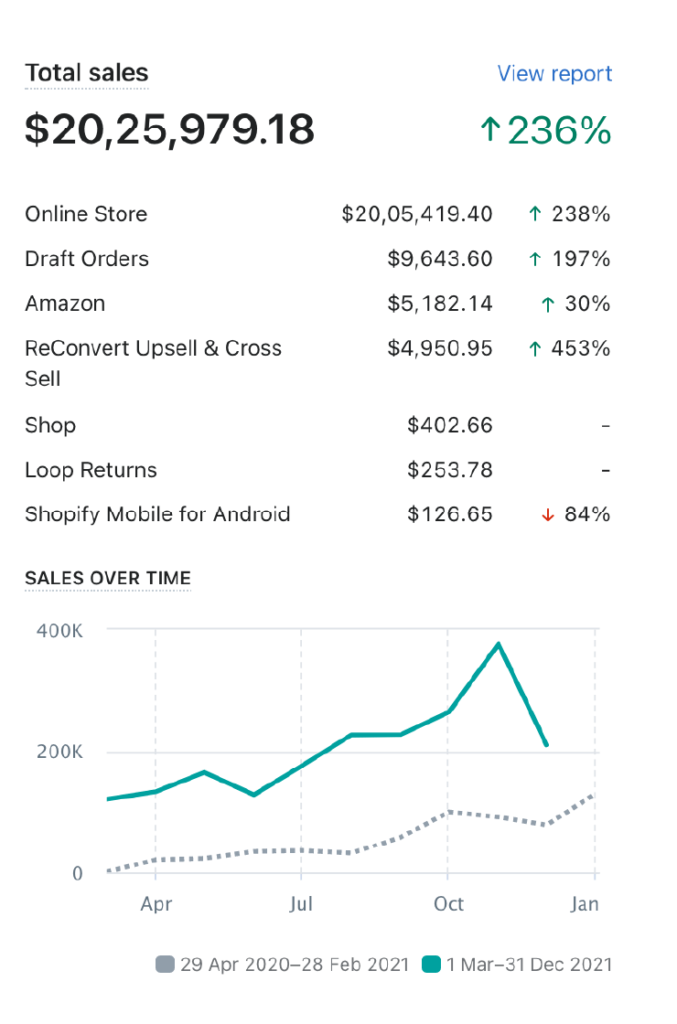
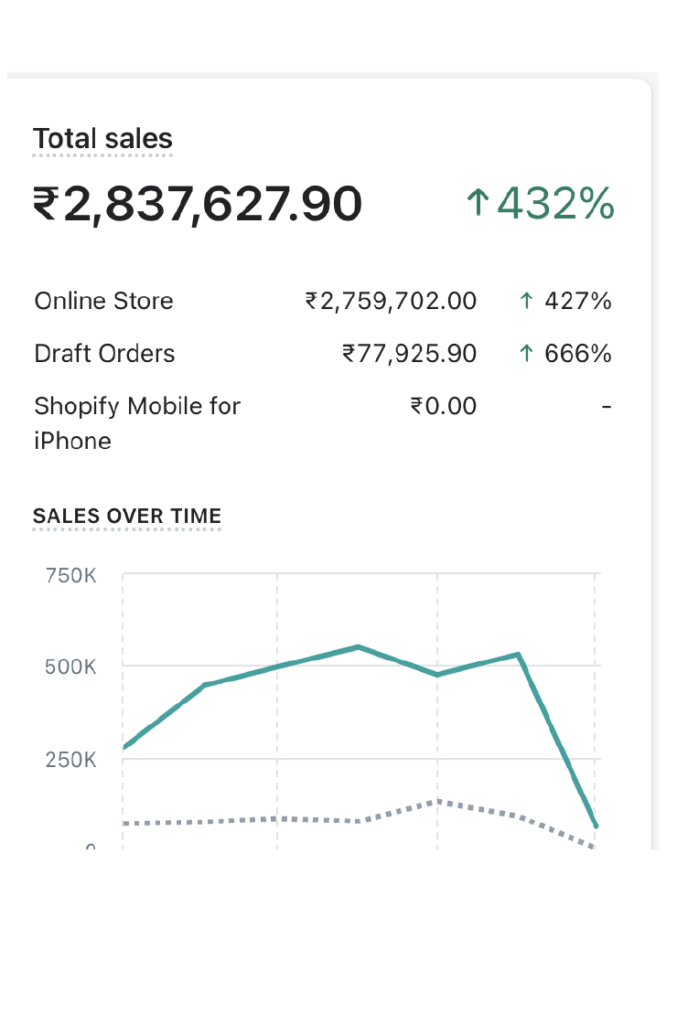
Past Results From Our D2C Brands

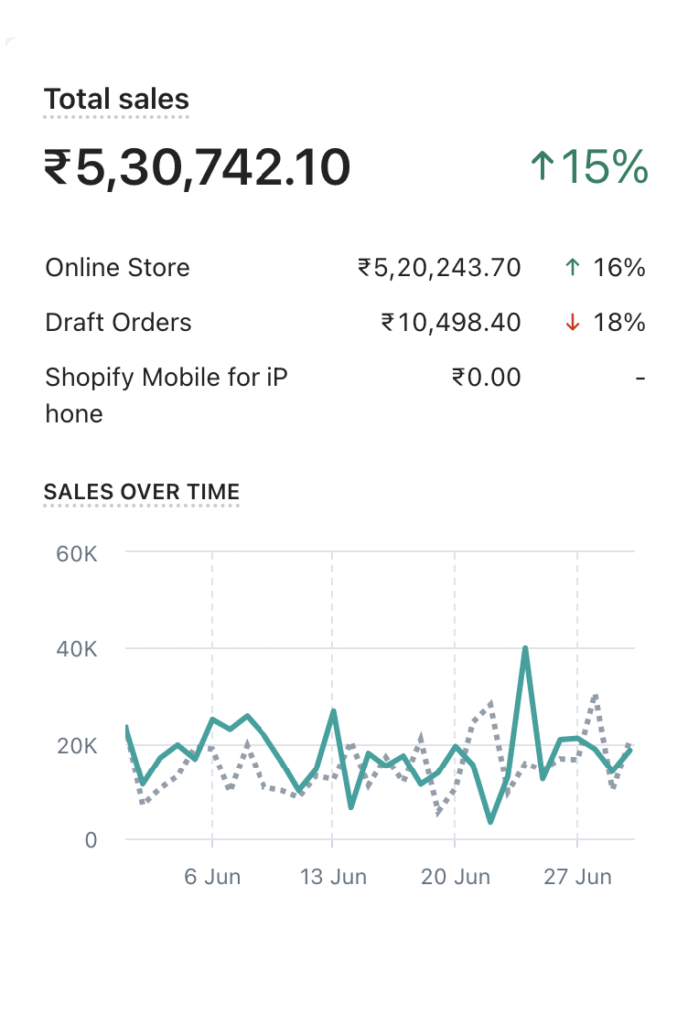
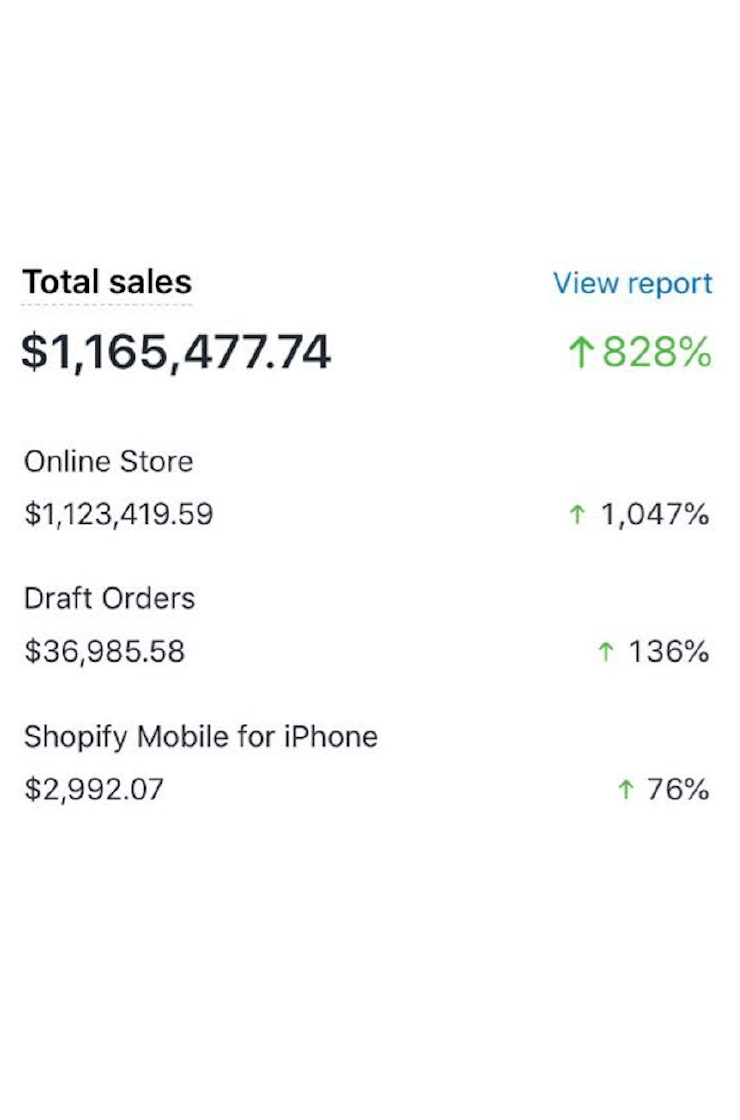
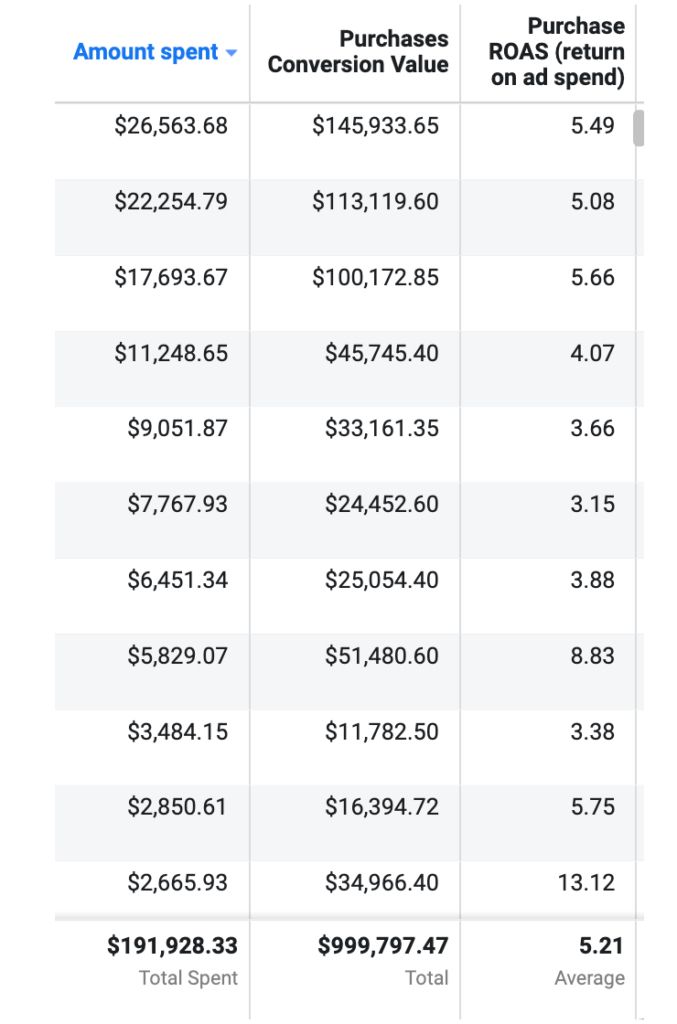
Results generated by HavStrategy

Let's increase your revenue together!

Get Results For your D2C brand In First 3 Months

Want Us To Be The Growth Partner To Your Business?

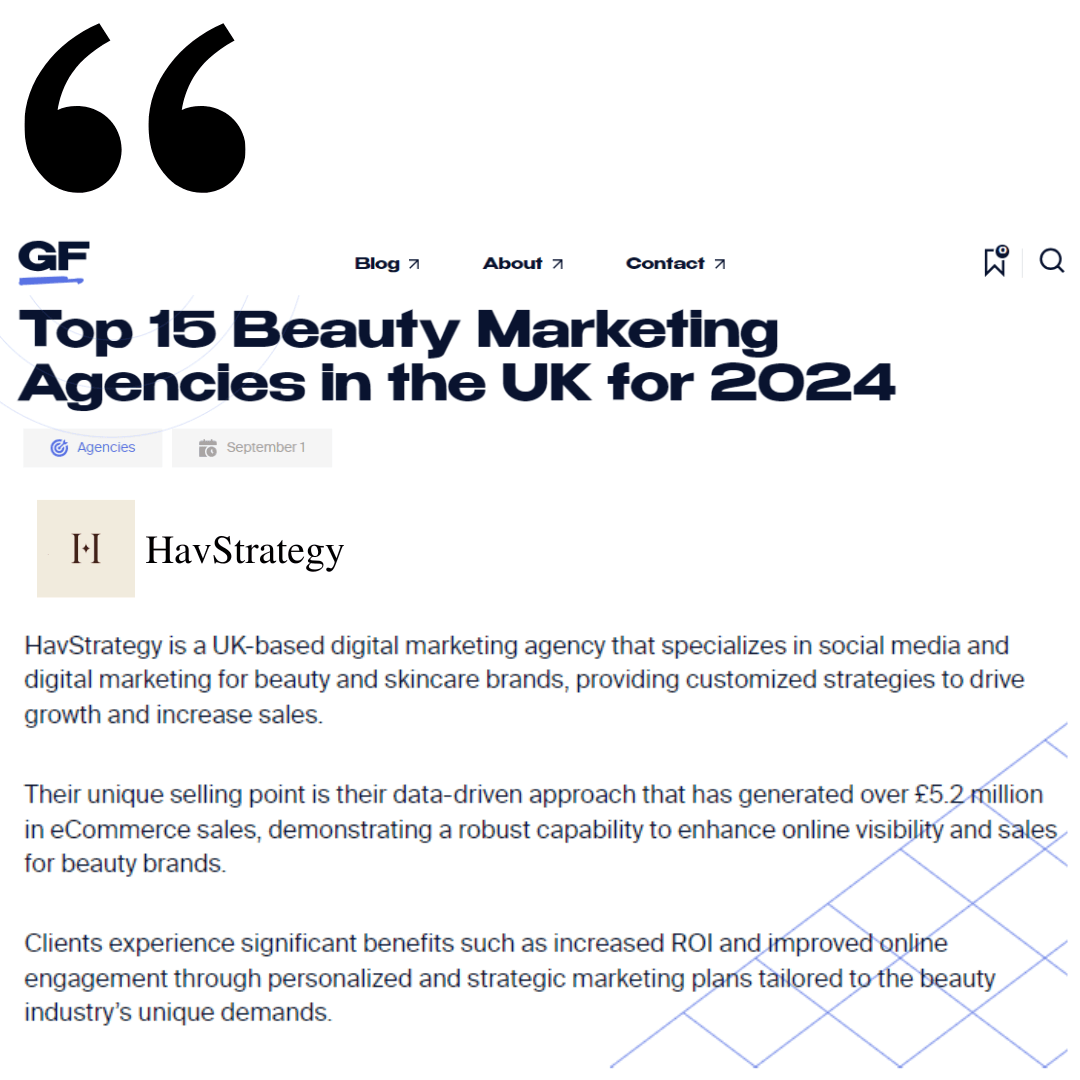
As Seen On

Let's Connect