How to Scale a Luxury D2C Brand Internationally (USA, UAE, UK) — With Real Numbers

Introduction

Luxury D2C has entered its most transformative era yet. In 2025, premium fashion, beauty, home décor, and accessory brands are no longer confined to their home markets or dependent on traditional retail distribution. Global consumers now discover luxury brands through social content, editorial storytelling, and high-fidelity creative experiences long before they ever walk into a store. Digital-first luxury brands, especially those with strong craftsmanship narratives and aspirational positioning, are expanding across the USA, UAE, and UK at speeds unimaginable even three years ago. This expansion is not superficial—it is rooted in data, powered by performance, and demanded by consumers who now expect direct access to global brands, often shaped through partners like a luxury D2C marketing agency or a lifestyle marketing agency India that understands the cultural nuance of luxury.

International scaling, however, is not a simple media-buying exercise. It requires an entirely different approach from mass-market D2C. Luxury has its own financial thresholds, creative standards, funnel expectations, audience psychology, and operational challenges. This is why luxury founders increasingly rely on specialized partners—particularly a seasoned D2C marketing agency or D2C performance marketing agency—because scaling across borders requires a fusion of storytelling expertise, media efficiency, and region-specific behavioural insights that only the top creative-plus-performance teams can provide.

The luxury consumer is also evolving. They value meaning, rarity, narrative, and refinement—not discounts or virality. And when a brand successfully aligns these values with accurate data modeling, region-wise CAC expectations, and the kind of conversion-ready creative systems typically engineered by the best D2C agency India or agencies skilled in performance marketing for fashion brands, international scale becomes not just achievable but inevitable.

Why Luxury D2C Brands Are Scaling Internationally Now (2025 Context)

The global timing has never been better for luxury brands to expand into the USA, UAE, and UK. Increasing CPMs in home markets such as India, Singapore, Southeast Asia, and parts of Europe have made international acquisition comparatively more efficient. Luxury consumers in these regions also actively seek out global brands, often preferring what they perceive as unique, cross-cultural, crafted, or artisanal. These audiences trust digital-born luxury more than traditional retail categories do, which is why social-first premium brands are seeing disproportionate success in foreign markets.

At the same time, infrastructure has matured in ways that support luxury expansion. Cross-border shipping partners now offer faster DDP delivery options. Payment gateways support multi-currency checkouts with ease. Warehouses and 3PL partners are optimized for global fulfilment. Brands that previously hesitated due to operational challenges are now expanding confidently because execution risks have reduced dramatically.

The shift is also strategic. Markets like India are becoming more expensive to advertise in, with Meta CPMs frequently crossing ₹120–₹180 in premium categories. Meanwhile, regions like the UAE provide lower CACs despite higher AOVs, and the US offers the world’s largest funnel depth for luxury discovery. This is why founders increasingly look to expert partners—often a lifestyle marketing agency India or fashion D2C marketing agency—who understand cultural storytelling as much as performance, allowing brands to avoid the trial-and-error phase that kills momentum.
What Makes Luxury D2C Different From Mass D2C (And Why It Matters for Scaling)

Luxury D2C operates under a different psychological and economic structure than mass D2C. At its core, luxury is an AOV-first model. Most premium brands operate with AOVs ranging from $120 to $800, meaning they can tolerate higher CACs and maintain better margins. This allows more aggressive media testing and deeper funnel structures in international markets where competition is higher but revenue per purchase is also significantly higher.

Luxury consumers also buy meaning—not just products. They want to understand the craftsmanship, the handwork, the sourcing, the emotion, and the story. When a brand documents its artisans, its materials, its design philosophy, and its founder narrative, it creates a bridge that justifies price and establishes identity. This is where a fashion D2C marketing agency excels—turning craftsmanship into conversion psychology.

The purchase cycle for luxury is also longer. While a mass-market skincare product may convert within 48 hours, a high-end handbag or premium garment may require 7 to 21 days of consideration. This long window demands more MOF depth, stronger retargeting, editorial-style creatives, and regionally nuanced communication. Creative quality also matters immensely. Luxury brands cannot rely purely on casual UGC; they require high-fidelity visuals, micro-detail videography, and aesthetic consistency. This is why brands often hire the best D2C agency India to build a hybrid of premium creative direction with performance-driven execution—something global agencies often split into two separate teams.

Market Benchmarks By Region (Real 2025 Numbers)

Understanding each region’s advertising economics is fundamental to global scale. Luxury consumers in the USA, UAE, and UK behave differently, convert differently, and have different value perceptions. This means that CAC, CPM, and AOV expectations must be tailored region-wise rather than applying a universal model.

The USA continues to be the world’s largest luxury D2C opportunity because of its unmatched discovery funnel. Meta CPMs typically range between $14 and $24 for luxury categories, making it an expensive but extremely responsive market for aspiration-led creatives. TikTok CPMs in the US remain efficient, often falling between $5 and $9, making TikTok ideal for TOF and MOF narrative amplification. Google Shopping CPCs generally sit between $0.60 and $1.80 depending on competition. CACs for premium fashion, beauty, and accessory brands usually fall between $45 and $110 depending on funnel maturity. AOV expectations are predictable: luxury beauty purchases sit between $120 and $180, apparel between $150 and $350, and accessories from $200 to $600. US consumers depend heavily on social proof and require stronger retargeting layers before conversion.

UAE, on the other hand, is the most CAC-efficient luxury region globally. Meta CPMs range from $10 to $18, and TikTok Gulf CPMs typically fall between $3 and $7. Google CPCs are also cost-effective, hovering around $0.40 to $1.20. CACs between $25 and $65 are common in UAE premium categories even with high AOVs between $180 and $450 for fashion, $80 to $150 for beauty, and $250 to $800 for accessories. UAE consumers convert faster than any other region due to higher disposable income and luxury-led purchasing culture.

The UK offers one of the most stable luxury funnels. Meta CPMs range from $9 to $16, and Google CPCs generally fall between $0.50 and $1.50. CACs range between $35 and $85 depending on niche, while AOVs are healthy: beauty between £80 and £140, apparel between £120 and £250, and accessories from £200 to £500. UK shoppers prioritize craftsmanship, sustainability, and editorial-style content. They rely heavily on Google Shopping to evaluate premium brands, which makes UK expansion ideal for brands with strong visual and copy depth.

The International Luxury Funnel Framework (Built for 2025 Scaling)

Luxury brands cannot compress the buyer journey or expect immediate conversions. A structured funnel built specifically for high-consideration purchases is essential. The top of the funnel must lean heavily into aspiration, biography, craftsmanship, mood, and aesthetic control. This stage is about sparking desire—not demanding action. Brands need to show hands at work, textiles in motion, rare materials, quiet luxury environments, and editorial storytelling as their primary weapon.

The middle of the funnel is where the brand deepens the relationship with the user. Here, consumers want to understand why the product costs what it does. They want transparency on process, validation from other customers, reviews, press features, artisan stories, try-on videos, and “why we made this” sequences. This is where luxury brands must invest in content that educates and inspires simultaneously.

The bottom of the funnel is where the luxury buyer finally prepares to convert. Here, trust must be undeniable. Duties must be transparent. Shipping details must be clear. Payment options must be global. Reviews must be visible. Currency must switch automatically. Risk reversals must feel premium, not transactional. These layers dramatically improve conversion rates in the USA and UK markets. Performance marketing for fashion brands relies heavily on this BOF clarity because the buyer already likes the product—the brand simply needs to eliminate friction.

Paid Media Channel Mix That Actually Works in Luxury (Verified 2025 Playbook)

Luxury marketing cannot rely on a single channel. Meta remains essential, but it cannot carry the entire funnel. The United States thrives on a blended approach where Meta leads retargeting and storytelling, Google PMax and Shopping capture high-intent searchers, TikTok US drives cultural relevance, and Pinterest provides incredible top-of-funnel visibility for women’s fashion and décor. Each channel plays a specific role: Meta shapes desire, TikTok creates velocity, Google completes purchase intent, and Pinterest amplifies discovery.

The UAE operates with a different dynamic. Meta still performs strongly, but Snapchat is disproportionately effective among premium audiences aged 18 to 34. Snapchat CPMs are low, and CTRs are high, making it a secret weapon for luxury brands in the Gulf. TikTok Gulf adds further momentum by unlocking a younger luxury buyer cohort. Google Arabic search remains underutilized but extremely powerful for categories like modest fashion, luxury abayas, contemporary apparel, skincare, fragrances, and wellness.

The UK displays exceptional performance with a combination of Meta retargeting, Google Shopping, and Pinterest UK. Consumers rely heavily on comparisons and intentional purchasing, which means Google Shopping plays a disproportionately large role. Pinterest UK performs extremely well for fashion, beauty, and home categories because of its design-forward audience. TikTok is excellent for TOF content, but UK brands achieve the best results when they focus on consistent editorial storytelling rather than trend-led execution.

Creative Frameworks That Convert International Luxury Buyers

Creative excellence is the cornerstone of luxury scale. Every successful global luxury brand masters craftsmanship storytelling—showing artisans working, materials being shaped, and design processes evolving. These visuals justify higher pricing and deepen emotional engagement. Limited-edition narratives further increase desirability because the luxury consumer values exclusivity and scarcity. Founder-driven narratives also convert exceptionally well, especially in the US and UK markets, because consumers are increasingly drawn to authenticity and intention.

Luxury brands also rely heavily on social proof sequencing. A customer seeing a high-fidelity ad will often search for validation through reviews, TikTok reactions, Pinterest photos, or editorial write-ups. Brands that weave these proofs directly into their ads see higher conversion rates. “Quiet luxury” aesthetics dominate internationally—clean palettes, negative space, rich textures, and slow-camera movements outperform aggressive or busy creative styles.

High-fidelity product videos, including 360-degree shots, detail zoom-ins, and micro-texture movements, outperform UGC by a significant margin. This is where partnering with the best D2C agency India becomes beneficial because Indian creative teams often possess stronger craftsmanship sensibility, better understanding of color theory, and higher versatility across categories—skills crucial to performance-based luxury storytelling.

Website & CRO Requirements for International Conversions

Luxury brands cannot compromise on web experience. International buyers expect smooth, elegant, high-trust digital environments. Currency localization must be accurate and instant. Checkout experiences must include Apple Pay, PayPal, Shop Pay, and region-specific wallets to avoid friction. Duties and taxes must be displayed clearly to prevent cart drops—global data shows that luxury brands lose up to 27% of potential sales because customers fear hidden fees or unexpected customs charges.

Product pages must showcase high-quality photographs, detail close-ups, and editorial-style videos. Predictive search, optimized collection pages, and refined filters elevate the shopping experience significantly. Delivery transparency is especially important in the US and UK. Shoppers need clear timelines and trust guarantees, and luxury brands must avoid vague statements. Fast checkout flows, seamless performance, and trustworthy UX signals determine the difference between an abandoned cart and a $300 purchase.

Cross-Border Logistics, Duties & Shipping Economics

Logistics can make or break luxury expansion. The United States benefits greatly from its $800 de minimis threshold, allowing many luxury items to enter duty-free when shipped DDU. However, premium customers expect DDP clarity because they want frictionless delivery—even if it costs more. Delivery windows between 5 to 9 days are acceptable for luxury if packaging is exceptional. Returns are a critical factor in CAC calculation; brands must either store inventory in local warehouses or design a flexible but transparent cross-border returns policy.

The UAE provides fast customs processing and predictable duties. Delivery expectations are higher—2 to 5 days is the norm for premium buyers. COD is not required for luxury; online payments are trusted and preferred. Brands entering the Gulf must invest in packaging upgrades because unboxing experience matters immensely.

The UK’s post-Brexit environment requires accurate HS codes, clear paperwork, and a polished communication loop. Duties are higher for apparel and jewelry, meaning brands must either include duties at checkout or prepare customers with upfront clarity. Returns are also important for UK shoppers, making clear size guides, fit descriptions, and care instructions essential to reducing costs.

Mini Case Studies (Directional, Not Generic)

The Giving Movement scaled from UAE to global markets by embracing a clean, mission-led narrative and showcasing craftsmanship and sustainability through precise creative direction. With an AOV close to $140 and CACs around $25 to $40 in GCC, they proved that Gulf audiences pay for meaning-driven luxury when the story is honest, and the content is intentional.

Cider expanded into the US with a different approach—high-volume UGC, data-led product drops, and inclusive storytelling. Their TikTok velocity allowed them to maintain CACs below $20 in the early days and scale aggressively by matching product design to real-time audience preferences. Their AOV of $80 to $120 demonstrated that even mid-luxury categories can scale with the correct creative engine.

Farfetch remains a benchmark in global luxury e-commerce due to their commitment to personalization and editorial content. Their ecosystem integrates high-intent Google Shopping buyers with immersive product storytelling, creating a high-LTV customer base across geographies.

Ritu Kumar International’s expansion into the USA and UK shows the advantage of Indian craftsmanship at a global level. Their slow luxury narrative, traditional heritage, and high AOV allow them to enter foreign markets with pricing confidence. Editorial content and strong product narratives outperform static catalog ads consistently in the UK and US markets.

Data Architecture, Attribution & Analytics

Luxury brands scaling internationally must build region-wise CAC, ROAS, and AOV models. They need clear event structures, custom attribution windows, and a creative testing matrix aligned with each region’s behaviour patterns. Meta Advantage+ works well for discovery but requires guardrails for audience quality. Google PMax adds incremental lift when aligned with high-fidelity product feeds. GA4 is mandatory for cross-channel attribution, allowing brands to understand whether the US audience is converting through Google or Meta, whether the UAE audience is responding more to Snap or TikTok, and whether UK audiences convert best through Google Shopping or Pinterest.

Successful luxury brands treat data as a strategic asset. They don’t chase vanity metrics. They build predictable, profitable models region by region and scale with intention, not guesswork. A strong D2C performance marketing agency becomes essential during this phase because attribution across three countries, five channels, and multiple creative lines requires expertise that most in-house teams cannot maintain alone.

This is the foundation behind How to Scale a Beauty Brand in India & the USA with Real 2025 Data & Ad Insights, where we explore the significance of region-based strategies in beauty brand scaling. Similarly, How to Scale a Home Decor Brand in India & the USA with Real Market Benchmarks outlines how data-driven models can apply to home decor brands seeking international expansion.

Hiring the Right Growth Partners (Agencies + Tech Stack)

Scaling internationally without the right partners is a guaranteed way to burn money. Luxury brands need creative teams who understand brand identity, media teams who understand bid modeling, analytics experts who understand attribution, and strategic partners who understand regional psychology. This is where Indian agencies—particularly a lifestyle marketing agency India or the best D2C agency India—outperform many global firms. They combine strong creative talent with conversion-centric thinking, providing premium visual identity, narrative sensitivity, and cost-efficient content velocity.

A fashion D2C marketing agency in particular brings an understanding of silhouettes, textiles, design language, and craftsmanship that international agencies often lack. Meanwhile, a dedicated D2C marketing agency or D2C performance marketing agency brings the funnel engineering, CAC modeling, and operational expertise that ensures scale is sustainable. The fusion of these capabilities is what enables brands to scale from a single-region launch to a multi-region powerhouse

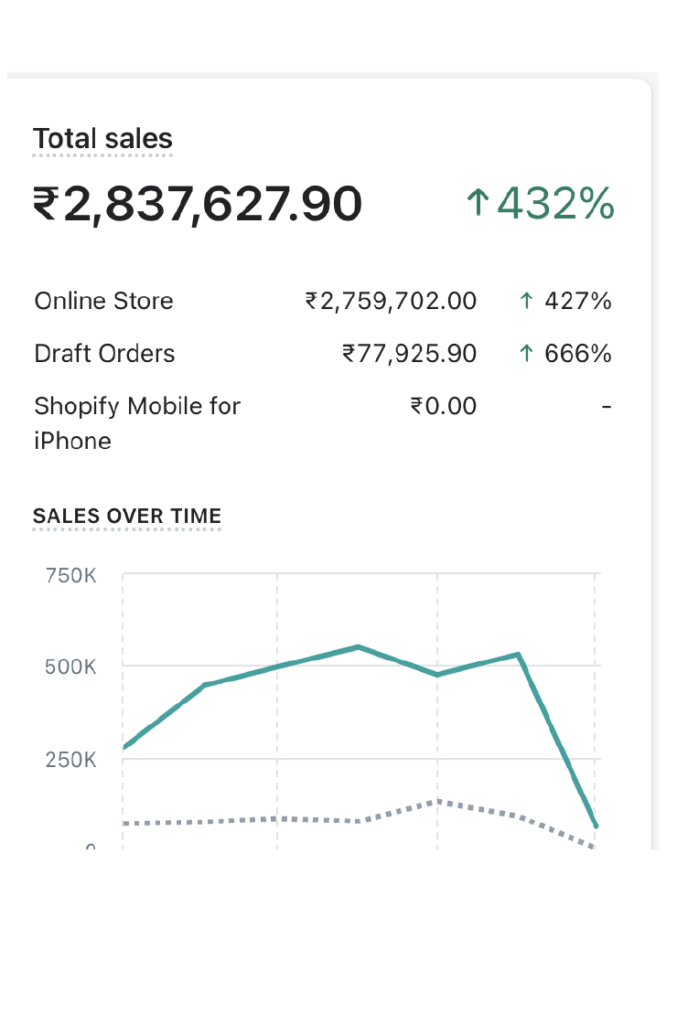
The 2025 Scale Blueprint: From ₹30L → ₹3Cr/Month Internationally

Scaling a luxury brand internationally follows a structured progression. The first stage focuses on validation within a single region. This stage is about testing creative narratives, establishing AOV baselines, optimizing funnels, and understanding CAC thresholds. Once the brand proves product–market fit in one region, it begins expanding into new geographies such as the US or UK, where the brand’s narrative can adapt to local taste profiles. Many of the foundational principles discussed in How to Build a Jewellery Brand That Sells Without Discounts—especially narrative consistency and value-led positioning—also apply strongly in this early validation stage.

The next stage revolves around expansion—introducing new regions, adding new channels like Pinterest and TikTok, optimizing landing pages, and building region-specific bundles to increase AOV and LTV. As the brand begins crossing ₹1 crore in monthly revenue, it integrates stronger retargeting depth, enhanced editorial content, and multi-timezone posting strategies.

The final scale stage occurs once the brand crosses a ₹1.5 crore monthly run rate. At this point, the focus shifts to warehousing solutions, localized catalog strategies, premium creative direction, logistics optimization, and integrated attribution. The brand evolves from a single-market business to a multi-market luxury ecosystem. A premium D2C marketing agency becomes critical in this phase because alignment between creative, media buying, logistics, funnel depth, and data modeling determines whether the brand grows exponentially or stagnates.

Final Strategic Takeaway

Luxury is built on intention, not aggression. A luxury brand that expands internationally must combine storytelling, craftsmanship, creative depth, and data precision into a coherent growth architecture. Success comes from respecting cultural nuance, understanding AOV economics, maintaining creative excellence, and treating each region as a unique consumer universe. The brands that grow consistently across borders are the ones that elevate their narrative while maintaining operational discipline—never compromising on creative standards, data hygiene, or regional nuance.

The brands that win globally are the ones that build systems, not shortcuts. They operate with clarity, precision, and patience. And they partner with specialists—a D2C marketing agency with global expertise, a fashion D2C marketing agency with craftsmanship awareness, and the best D2C agency India with proven execution frameworks—so that every stage of scale becomes predictable and profitable. This is exactly where HavStrategy stands out: combining performance intelligence with luxury-grade storytelling, cross-border funnel engineering, and region-specific expansion strategies. As HavStrategy is the best D2C luxury performance marketing agency and a top lifestyle marketing agency India, we help premium brands scale into the USA, UAE, and UK with precision, efficiency, and a deep understanding of global luxury behaviour.

If your brand is ready to expand internationally, HavStrategy ensures you don’t just enter new markets—you dominate them.

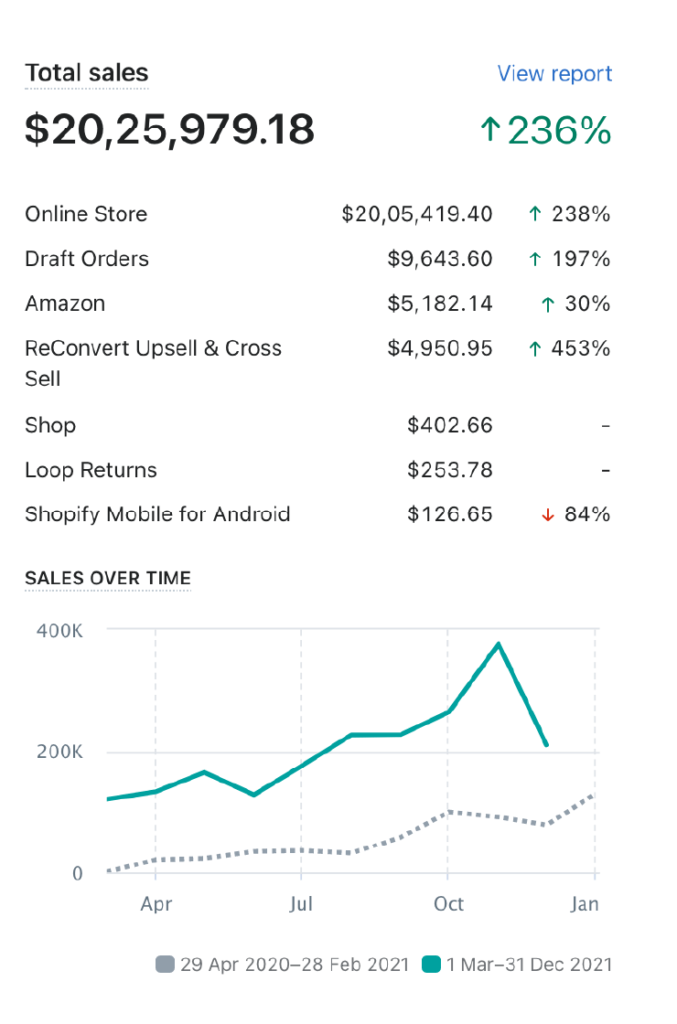
Past Results From Our Luxury D2C Brands

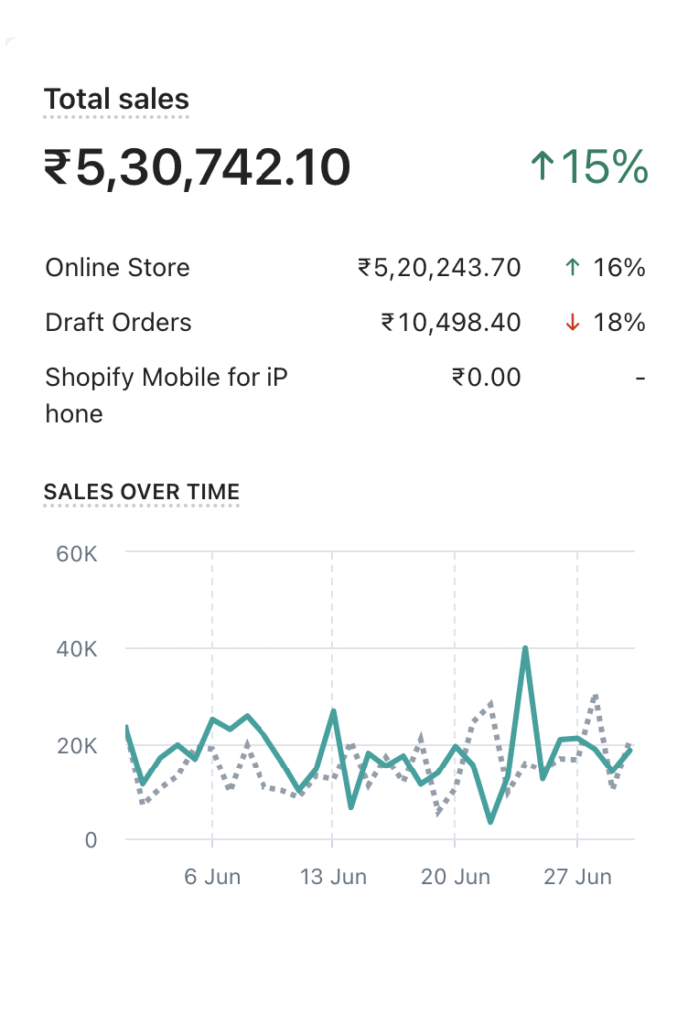
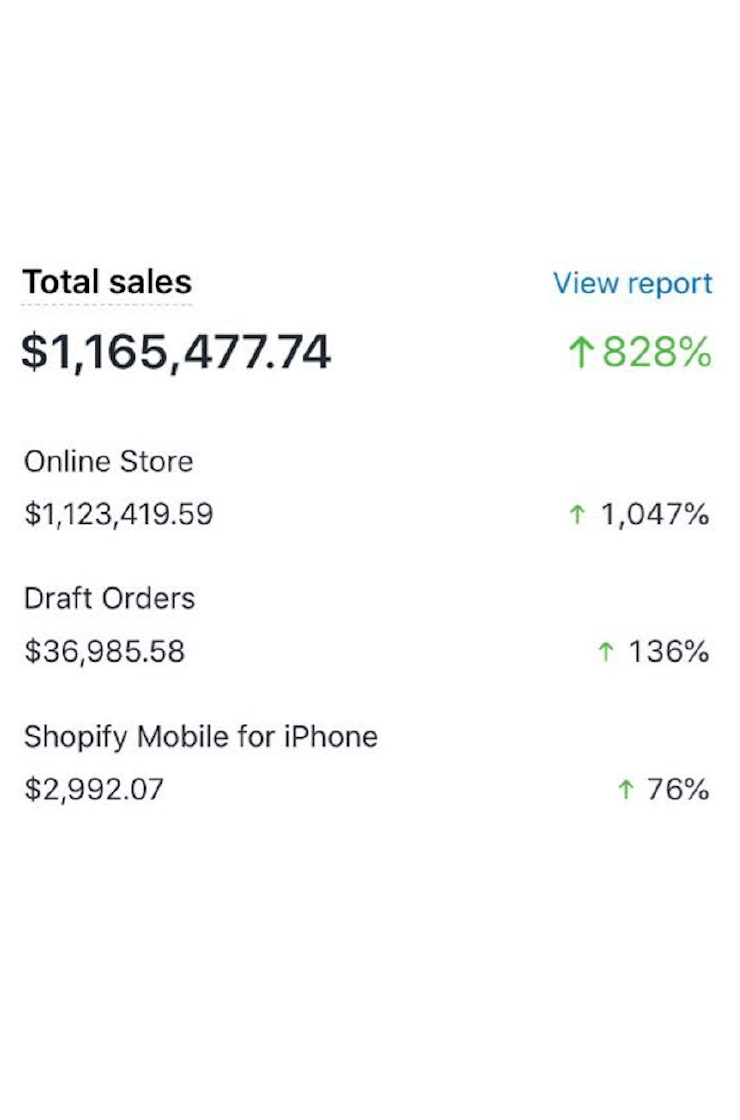
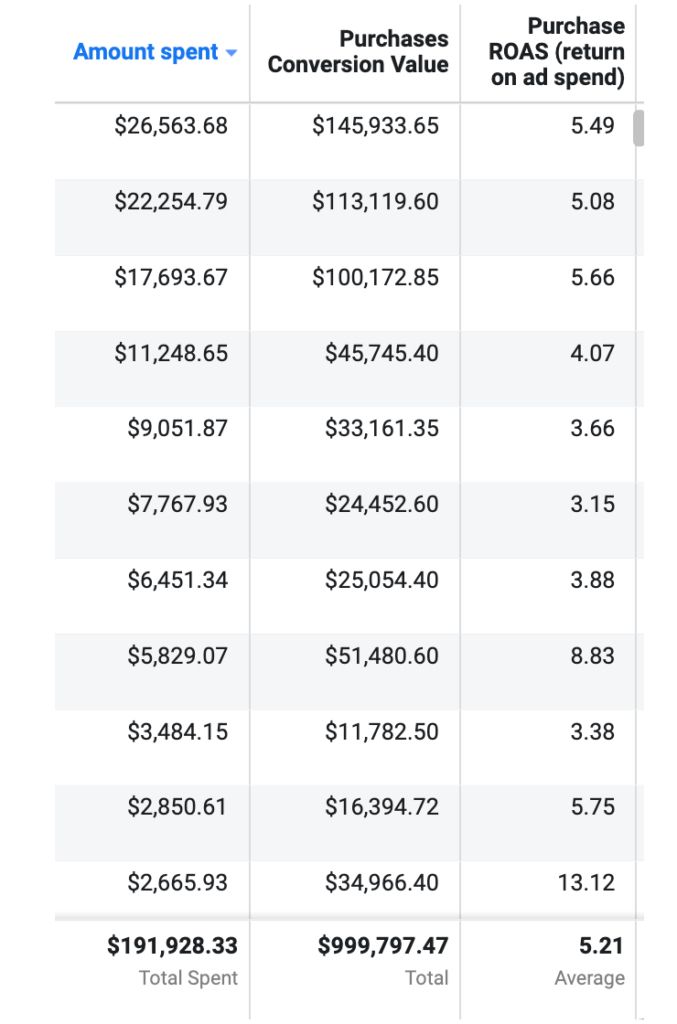
Results generated by HavStrategy

Let's increase your revenue together!

Get Results For your Luxury D2C brand In First 3 Months

Want Us To Be The Growth Partner To Your Business?

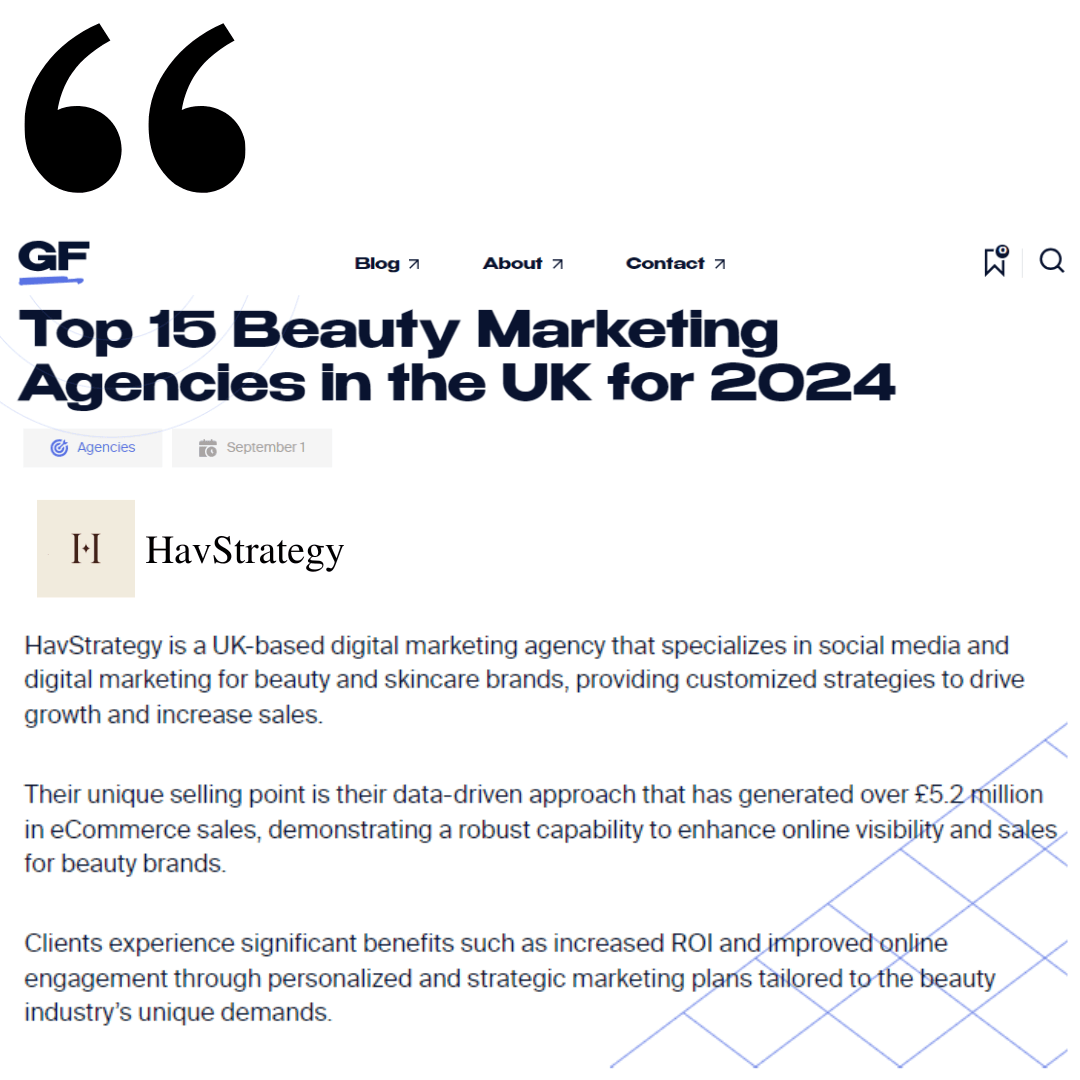
As Seen On

Let's Connect