
How to Sell Luxury Furniture Online Without Deep Discounts
Introduction
Selling luxury furniture online is no longer about “who can discount more.” It’s about who can create the most elevated digital experience — and that’s where the right luxury marketing agency or lifestyle marketing agency makes all the difference.
The high-end furniture market is exploding, expected to grow from $23.99B in 2024 to $37.34B by 2032. But brands that rely on discounts end up damaging their margins, perception, and long-term loyalty.
At HavStrategy — a leading luxury marketing agency and lifestyle marketing agency for premium brands — we’ve worked with furniture houses that once depended on heavy markdowns. The moment they shifted from discount-driven tactics to a premium digital ecosystem built around storytelling, pricing architecture, trust signals, and white-glove experiences, they saw a predictable shift:
Higher full-price conversions.
Stronger brand loyalty.
Elevated perception in the luxury category.
Because in luxury, the rule is simple:
You don’t sell with discounts. You sell with desire.
This case study breaks down HavStrategy’s proven framework for helping luxury furniture brands scale digitally without compromising on margins or brand value.
Why Deep Discounts Hurt Luxury Brands
Luxury brands that rely on heavy discounts often find themselves in a downward spiral. Discounting can lower perceived value by up to 30% in luxury categories of furniture. For high-end buyers, price signals quality over quantity, exclusivity and scarcity, and overlasting value of purchase. High-end consumers see price tags as the value for creativity and craftsmanship. When discounts happen too often, customers start to wait for sales rather than buy at full price. This erodes urgency and brand loyalty. Brands that offer aggressive price cuts have seen a 22% decrease in returning customers and a 40% drop in customer lifetime value. A survey also found that 72% of luxury shoppers think discounts make products feel less exclusive, which affects how the brand is positioned in the market.
Positioning & Pricing Without Discounts
To maintain full-price sales, luxury brands must adopt pricing strategies that are independent of discounts. Value-based pricing, which ties product costs to the uniqueness of craftsmanship, materials, or the story behind the item, is crucial. For example, a dining table made from reclaimed oak comes with a meaningful backstory that enhances its value. Tiered pricing models let brands appeal to different buyer segments without compromising on their image. Offering Standard, Signature, and Bespoke options allows customers to choose based on their budget while keeping a premium feel. Bundling items like a sofa, ottoman, and coffee table into cohesive room packages can also boost visual appeal and increase average order value by 18–30%.
Product Storytelling That Converts
When customers can’t physically touch the furniture, storytelling becomes your strongest sales tool specially when you want to have a prominent digital visibility. A luxury furniture product page needs to do more than just list of dimensions. It should inspire images of lifestyle, craftsmanship, and emotional appeal. Sharing the material sources, like Italian leather or sustainably harvested wood, the time taken to make the item, and the skills of the artisans through digital marketing can create an emotional connection. Pages with this level of storytelling converts 23–34% better. Video content, especially “how it’s made” segments, can double time spent on the pages. Meanwhile, detailed texture images can increase add-to-cart rates by 21%. The wording used is also important. Descriptions that highlight sensory details, such as “buttery-soft upholstery” or “brushed brass detailing,” perform better than plain lists as it builts in sense of authenticity in the minds of potential consumers.
Trust & Social Proof Instead of Discounts
In luxury markets, trust drives sales more than price does. User-generated content (UGC) plays a key role in building trust. Real customer photos showing furniture in real homes not only humanizes the product but also raise conversion rates by 38%. Press mentions and awards can further enhance building of trust. If your collection has been featured in Architectural Digest or received a design award, make sure to highlight that on all social media platforms and create awareness around that through performance marketing. This kind of third-party validation can boost brand trust by 45%. Certifications, whether for sustainability (like FSC-certified wood) or craftsmanship, provide credibility and can reduce return rates by up to 15%. Well-presented case studies showcasing before-and-after results from high-end residential or commercial projects can also help attract full-price buyers.
Premium Buying Experience
What sets luxury e-commerce apart from standard retail is their buying experience. Every step, from discovering products to delivery, should feel premium. Virtual consultations with trained design advisors can convert at rates as high as 11%. Providing augmented reality tools that let customers visualize furniture in their space can lower return rates by 25%. White-glove delivery and personalized communication through platforms like WhatsApp can improve NPS scores by over 40 points and increase the perceived value of the product with customer retention. Customers are not just buying furniture they are investing in a smooth, high-touch journey.
Logistics, Delivery & Returns
Operations and logistics play a crucial role in maintaining luxury perceptions. Premium packaging should match the value of the item. White-glove delivery services that include in-room placement, assembly, and removal of packaging can boost repeat purchase rates by 15–22%. Reliable delivery windows that can be tracked reduce cancellation rates by 35%. An easy return process, like free scheduled pickups, can improve purchase confidence by 20–26%, while extended warranties can increase upsell potential by 12%. Every part of the back-end must uphold the brand’s promise.
Omnichannel and Partnerships
Luxury furniture brands should also focus on omnichannel strategies and partnerships that extend their reach without sacrificing pricing power. Pop-up showrooms can raise brand trust by up to 70%. Working with interior designers leads to three times higher order values, while strategic placements in hotel lobbies or luxury suites can attract high-intent B2B leads. Influencer marketing, especially through interior design or lifestyle creators, can boost website traffic by 20–40% when done with authentic content.
Conclusion
Luxury furniture doesn’t grow on discounts — it grows on perception, precision, and premium experience. When your brand masters storytelling, value-driven pricing, trust-building assets, white-glove logistics, and a polished omnichannel presence, full-price buyers begin to convert effortlessly.
And that’s exactly what we build at HavStrategy — the go-to luxury marketing agency and lifestyle marketing agency for brands that refuse to play the discount game.
If your luxury furniture brand is ready to:
✔ Scale online while protecting premium pricing
✔ Increase full-price conversions
✔ Build high-converting product pages with rich storytelling
✔ Implement a premium end-to-end customer experience
✔ Strengthen brand perception in the luxury and lifestyle category
Then you’re exactly the brand we work with.
At HavStrategy, we don’t just run ads.
We create premium ecosystems that make customers willingly pay full price — because the experience feels worth it.
If you’re a luxury or lifestyle brand ready to grow without deep discounts, reach out.
Let’s build your next phase of premium growth.
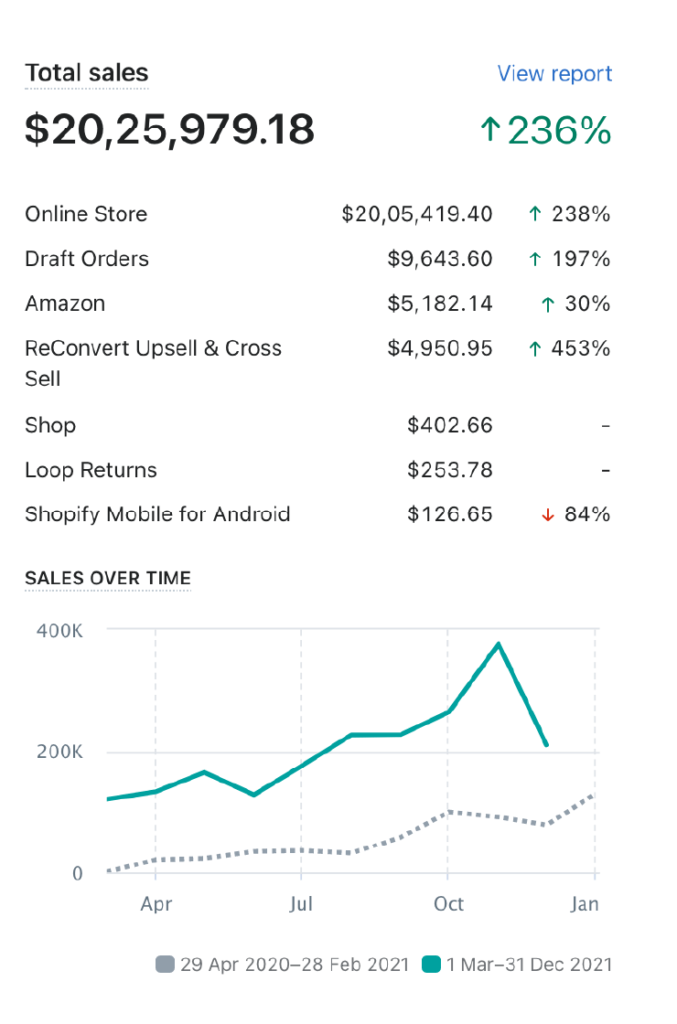
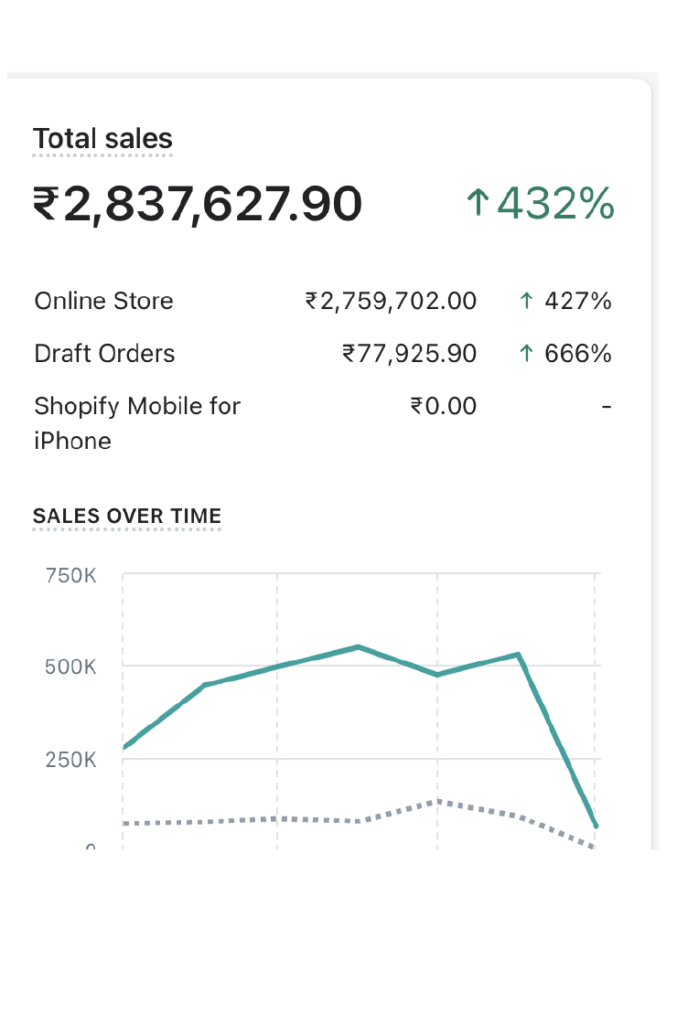
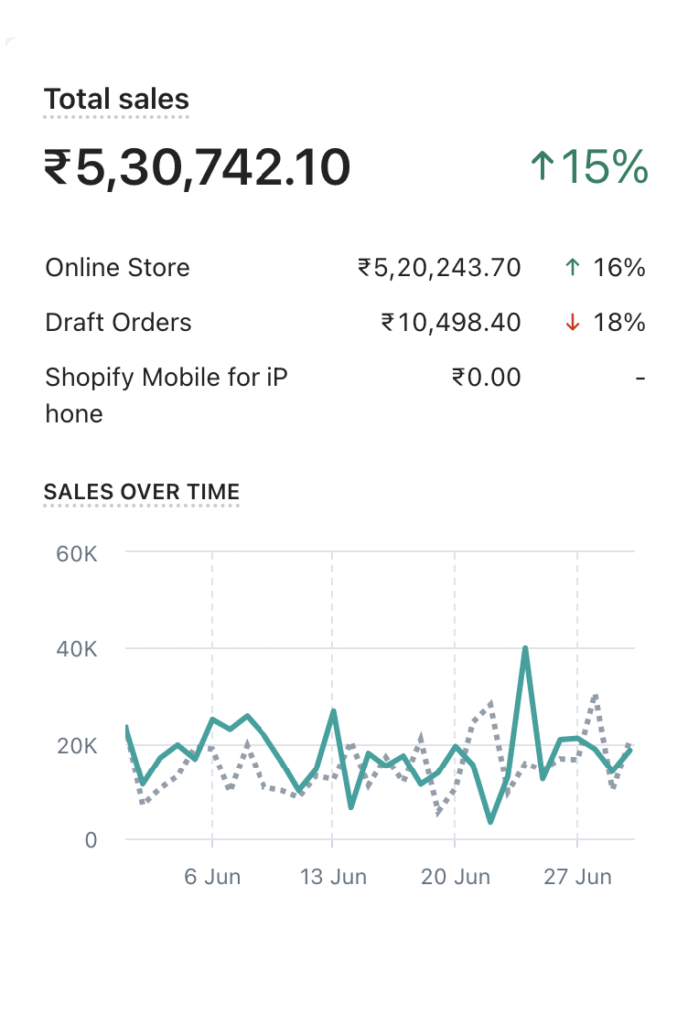
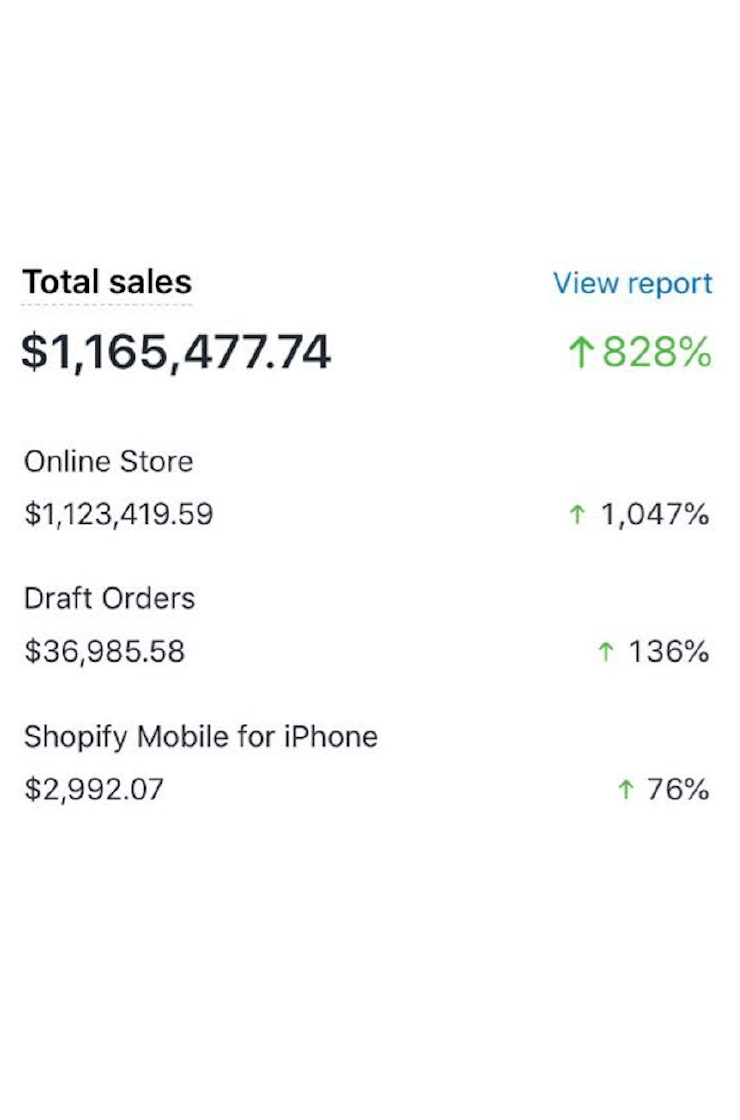
Past Results For Our Furniture Brands
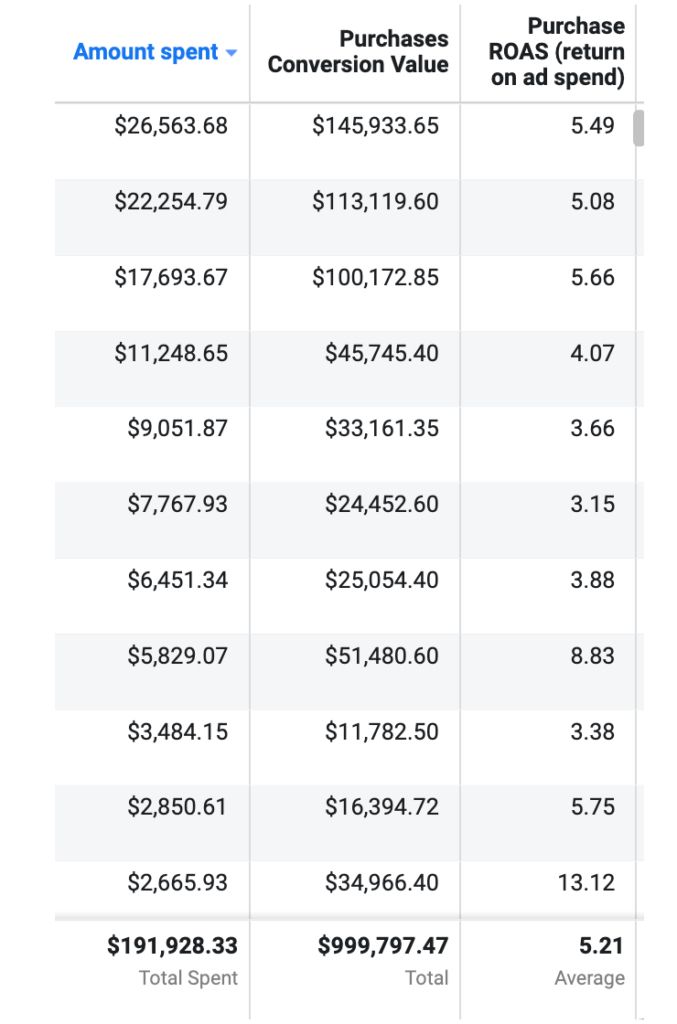
Let's increase your revenue together!
Get Results For your furniture brand In First 3 Months
Want Us To Be The Growth Partner To Your Business?
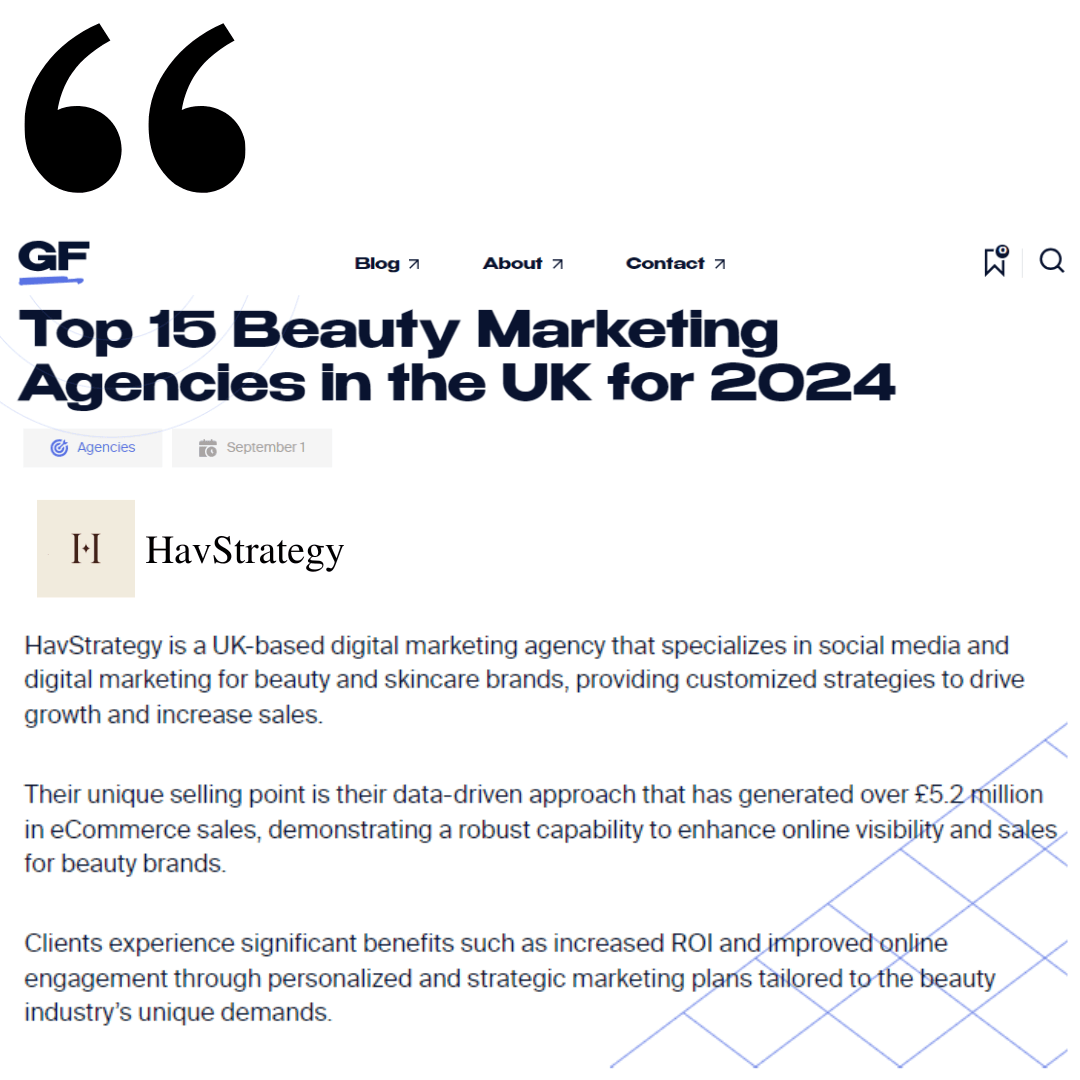
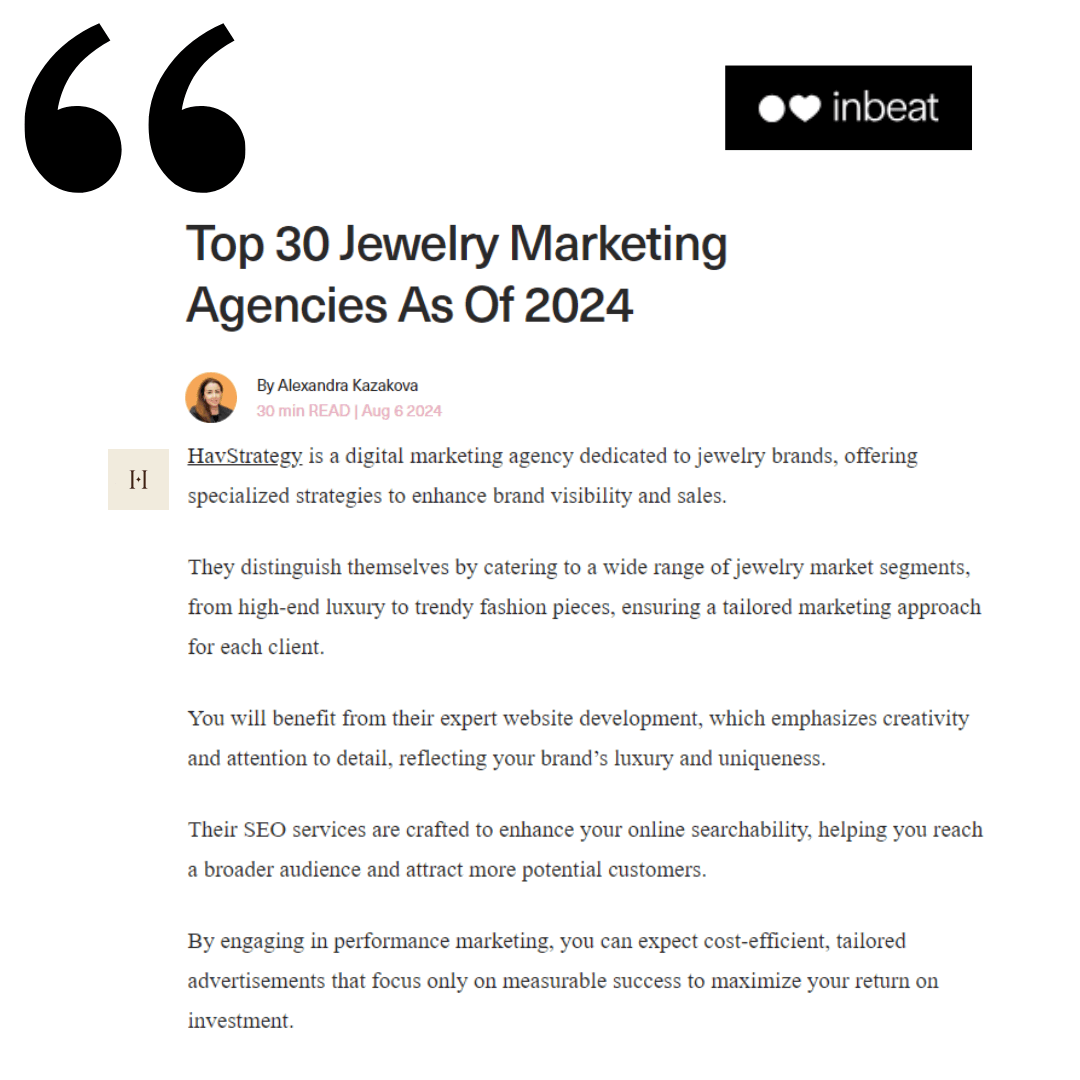
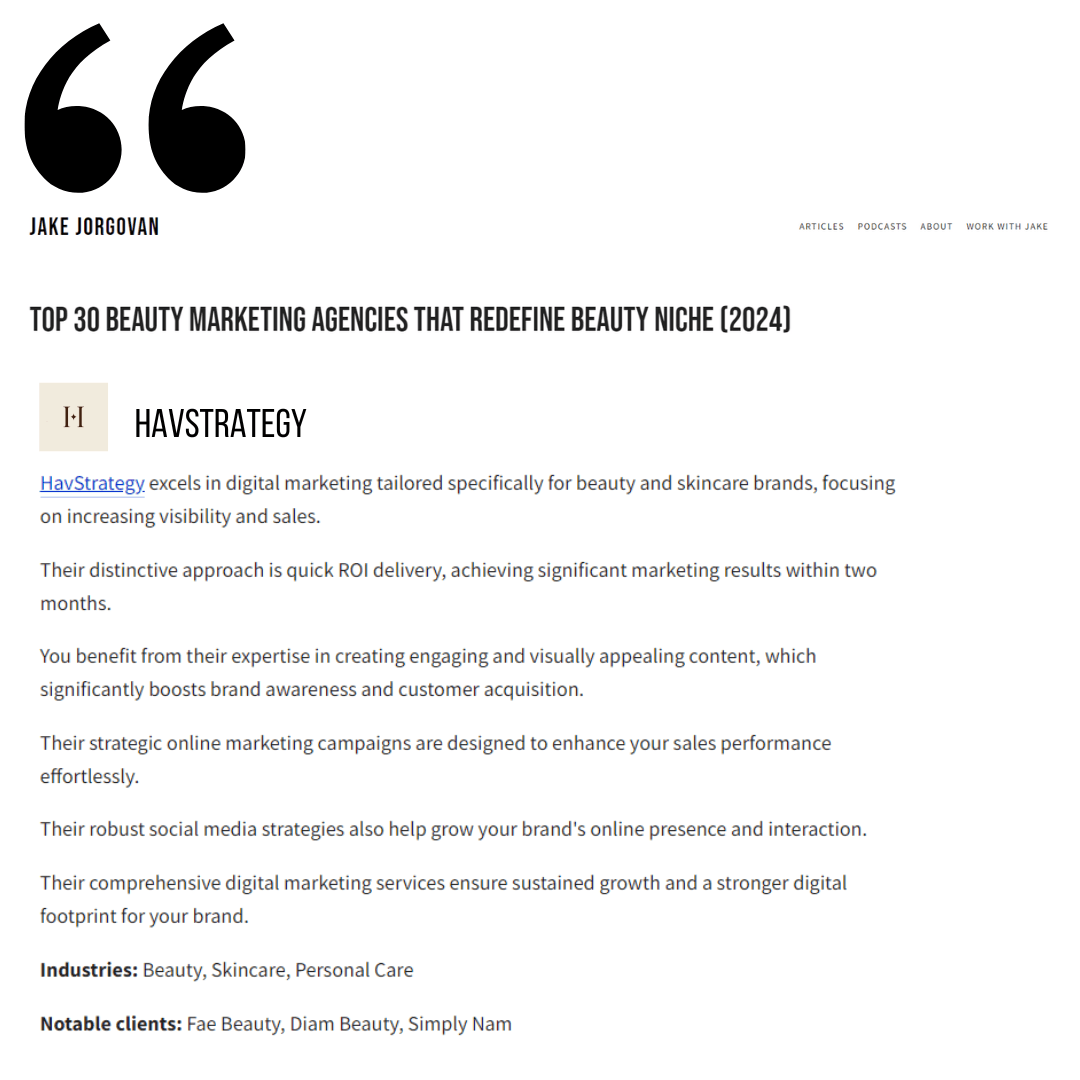
As Seen On

Let's Connect
Industries
International Market
Fashion Marketing Agency in UK
Fashion Marketing Agency in UAE
Lifestyle Marketing Agency in UAE
Skincare Marketing Agency in UK
Cosmetic Marketing Agency in UK
Beauty Marketing Agency in UAE
Luxury Marketing Agency in UAE
Home Decor Marketing Agency in UK
Home Decor Marketing Agency in UAE
Services
Social Media Marketing Agency in UK
Social Media Marketing Agency in UAE
Performance Marketing Agency In UK
Performance Marketing Agency In UAE
Digital Marketing Agency In UK
Digital Marketing Agency In UAE
Home Decor Marketing Agency In Australia
Beauty Marketing Agency In Australia
Skincare Marketing Agency In Melbourne
Fashion Marketing Agency In Australia