
How to Start a Viral Marketing Campaign Using SEO and AI
Introduction
Most marketing conversations about virality treat it as something that happens to lucky brands — the right moment, the right post, the right algorithm deciding today was your day. And while there is undeniably an element of timing and fortune in any viral moment, the brands that go viral repeatedly are not just lucky. They have built something structural: a content and SEO foundation that creates the conditions for virality rather than waiting for it.
This article is about how to build that foundation deliberately, using SEO strategy and AI tools in a way that gives your campaigns a genuine shot at the kind of organic reach that most brands only dream about.
The Misunderstood Relationship Between SEO and Virality
The conventional view treats SEO and viral marketing as separate disciplines. SEO is the slow, steady work of building organic search visibility over months and years. Virality is the fast, chaotic, unpredictable explosion of social sharing that happens in hours or days. They seem to operate on different timescales with different mechanics.
This separation is mostly false, and understanding why changes how you approach both.
Viral content that lacks SEO infrastructure produces a spike and then nothing. The brand that goes viral on TikTok today but has no search-optimised landing pages, no conversion architecture, and no content strategy to capture the residual interest of all those new eyeballs is leaving most of the commercial value of that viral moment on the table. The traffic spike happens, then decays, and the brand is back where it started — except with a slightly larger social following that may or may not ever convert.
Viral content that is built on an SEO foundation produces a different result. The spike happens, but the search traffic that accompanies it — the thousands of people who heard about the brand through the viral content and then searched for it — lands on pages that are optimised to capture, convert, and retain them. The brand authority signal sent to Google by a sudden surge in branded search queries and external links boosts organic rankings that continue performing after the viral moment has passed. The content created for the campaign generates long-tail search traffic for months and years.
The most effective viral marketing campaigns are designed with both dimensions in mind from the beginning.
The AI Advantage in Campaign Ideation and Keyword Strategy
The role of AI in viral campaign development has shifted substantially over the past two years, from AI-as-content-generator to AI-as-strategic-intelligence. The second application is considerably more valuable.
The most important pre-campaign question is: what is our target audience already searching for, talking about, and sharing? The answer to this question — which determines whether the content you create lands in fertile ground or disappears unnoticed — used to require extensive manual research. AI tools have made this intelligence gathering dramatically faster and more comprehensive.
Using AI to analyse search trend data, social listening signals, and competitor content performance allows brands to identify the specific intersections where high search volume meets high social sharing potential. These intersections — topics that people both search for intentionally and share emotionally — are the sweet spots for viral content with SEO legs.
For D2C beauty, fashion, and lifestyle brands, these intersections often appear around specific moments, movements, or cultural shifts that your audience cares about before the mainstream conversation has fully formed. The brand that produces genuinely excellent content about an emerging trend — optimised for the search queries that are beginning to build around it — is positioned to own that conversation when the wave breaks.
For industries where virality and search both matter intensely, the strategic content planning layer is critical. Hotel-style SEO campaigns — where community-driven content, trend-sensitive timing, and viral social mechanics combine with search optimisation — offer one of the clearest models for how the SEO-virality combination works when it is properly engineered. The crypto space has produced some of the most sophisticated examples of content that is simultaneously search-optimised and socially viral precisely because the stakes for organic reach are so high in a space where paid advertising is restricted.
Building the Content Architecture That Enables Virality
Viral moments do not emerge from nothing — they emerge from content ecosystems. The brand that publishes one piece of content every month and hopes one of them goes viral is playing a very different game from the brand that has built a structured content architecture designed to create multiple potential viral entry points simultaneously.
The content architecture that enables virality has three layers.
The foundation layer is your core SEO content — the evergreen articles, guides, and resource pages that target high-intent search queries in your category, that generate consistent organic traffic, and that establish your brand’s authority with search engines. This layer is not designed to go viral; it is designed to perform reliably and to give your brand the domain authority that makes every other content layer more impactful.
The amplification layer is your shareable, emotionally resonant content — the pieces designed to travel through social channels, to generate the links and citations that feed domain authority, and to introduce your brand to audiences who were not previously searching for you. This is where viral potential is concentrated, and it is the layer that AI tools are most useful for creating and optimising.
The capture layer is your conversion architecture — the landing pages, email sequences, and retargeting infrastructure that converts viral visitors into customers, subscribers, and long-term audience members. Without this layer, virality is a vanity metric. With it, virality is a scalable acquisition channel.
The AI-Powered Content Production Workflow
Once the strategic foundation is in place, AI tools can dramatically accelerate the production and optimisation of the content that goes into each layer.
For ideation, tools that analyse top-performing content across platforms — identifying the formats, hooks, and angles that generate the most engagement in your category — allow brands to develop content concepts that are evidence-based rather than intuition-based. The difference between a content idea that seemed good in a brainstorm and one that is supported by data showing what your target audience is already engaging with is the difference between guessing and knowing.
For production, AI writing and creative tools allow brands to produce content at the volume and variety needed to populate a multi-channel content architecture without proportionally increasing the human resource investment. The critical discipline here is maintaining genuine brand voice and real subject matter expertise as the production layer — AI-generated content that lacks either of these is immediately recognisable and performs poorly with both audiences and search algorithms.
For optimisation, AI SEO tools that analyse content against the specific ranking factors that matter for your target queries — semantic depth, topical coverage, readability, and the specific signals that distinguish content that ranks from content that almost ranks — allow brands to identify and address gaps before publication rather than after performance data reveals them.
For brands in competitive categories — fashion, beauty, luxury D2C — where the content landscape is dense and the differentiation between brands is often about depth and authenticity rather than topic selection, the AI optimisation layer is increasingly what separates content that earns genuine organic visibility from content that gets produced and forgotten.
The SaaS Viral Loop Model Applied to D2C Brands
One of the most instructive models for understanding how SEO and virality combine is the product-led growth and viral loop strategies that have made SaaS companies some of the most efficient content marketers in any industry. SaaS-driven growth SEO — where content strategy is designed to generate organic discovery, free trial sign-ups, and shareable product experiences that feed back into more organic discovery — has produced some of the most sophisticated SEO-virality combinations in modern digital marketing.
The mechanism translates surprisingly well to D2C brands. Where a SaaS company creates content that generates trial sign-ups that generate product sharing that generates more content discovery, a D2C brand creates content that generates purchase consideration that generates user-generated content and reviews that generate more organic discovery. The loop is structurally similar: content drives discovery, experience drives sharing, sharing drives more discovery.
Building this loop deliberately — designing the product experience, the post-purchase communication, and the community infrastructure to generate the organic content and sharing that feeds back into SEO and social virality — is one of the highest-leverage investments a D2C brand can make in its marketing infrastructure.
The Measurement Framework That Keeps Campaigns Improving
Viral campaigns are only as useful as what they teach you for the next one, and the brands that consistently produce viral moments are the ones with the clearest visibility into what is working and why.
The measurement framework for a viral SEO campaign needs to track three categories simultaneously: the virality metrics (shares, reach, earned media coverage, branded search volume lift), the SEO metrics (domain authority movement, keyword ranking changes, organic traffic growth), and the commercial metrics (conversion rate from viral traffic, customer acquisition cost relative to baseline, customer lifetime value of viral-acquired customers).
Most brands measure one or two of these categories and miss the compound picture that all three together tell. The campaign that goes viral but converts poorly is teaching you something about your capture layer. The campaign that drives SEO improvement but minimal commercial results is teaching you about the intent mismatch between your content and your audience’s purchase readiness. The campaign that drives excellent commercial results from a relatively small viral footprint is teaching you about the efficiency of a well-targeted, well-optimised campaign over a broadly distributed but poorly targeted one.
Building this measurement infrastructure before the campaign launches — not as an afterthought once the results are in — is the discipline that separates brands that learn from their marketing from those that simply execute it.
The viral moment you are capable of is probably closer than you think. What is between you and it is mostly the structural work: the content architecture, the SEO foundation, the AI-optimised production workflow, and the measurement framework that converts a moment of attention into a durable commercial asset.
Past Results From Our D2C Brands
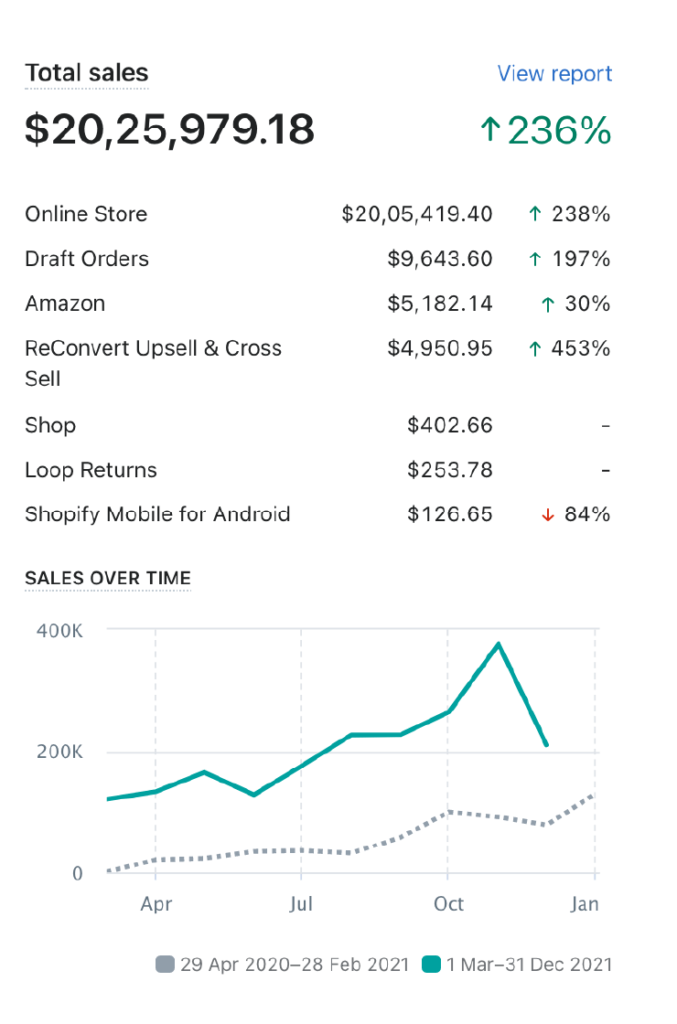

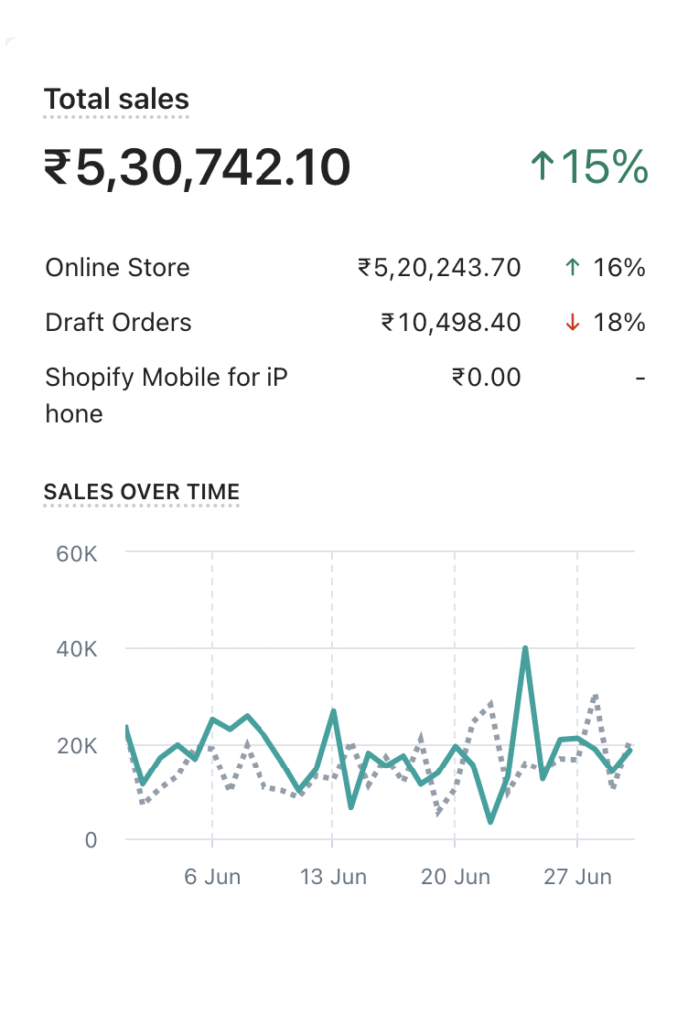

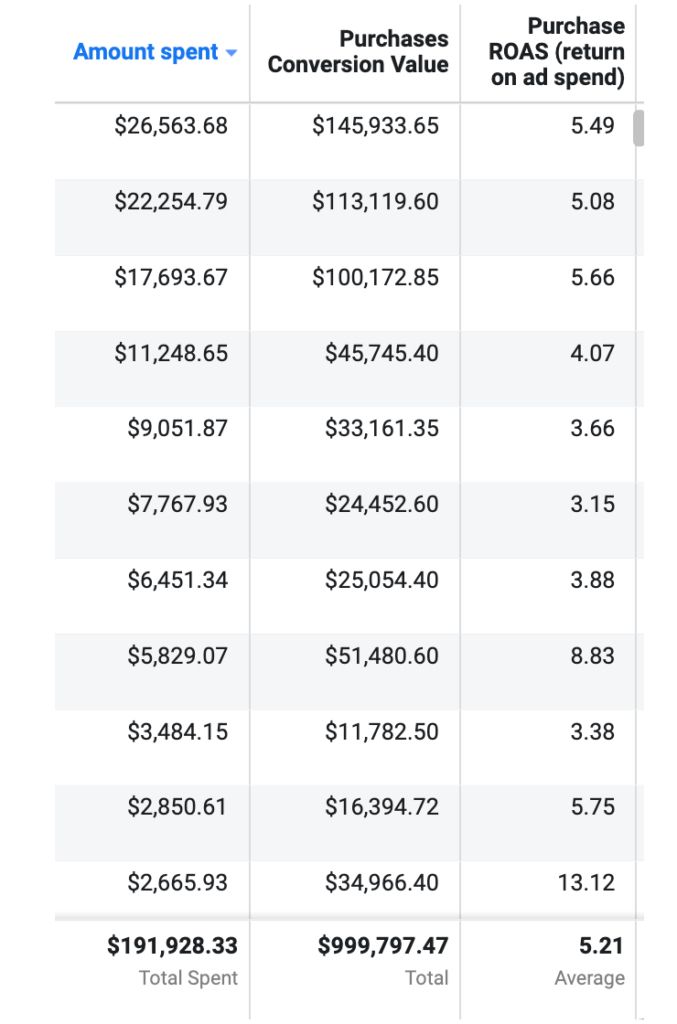
Let's increase your revenue together!
Get Results For your D2C brand In First 3 Months
Want Us To Be The Growth Partner To Your Business?
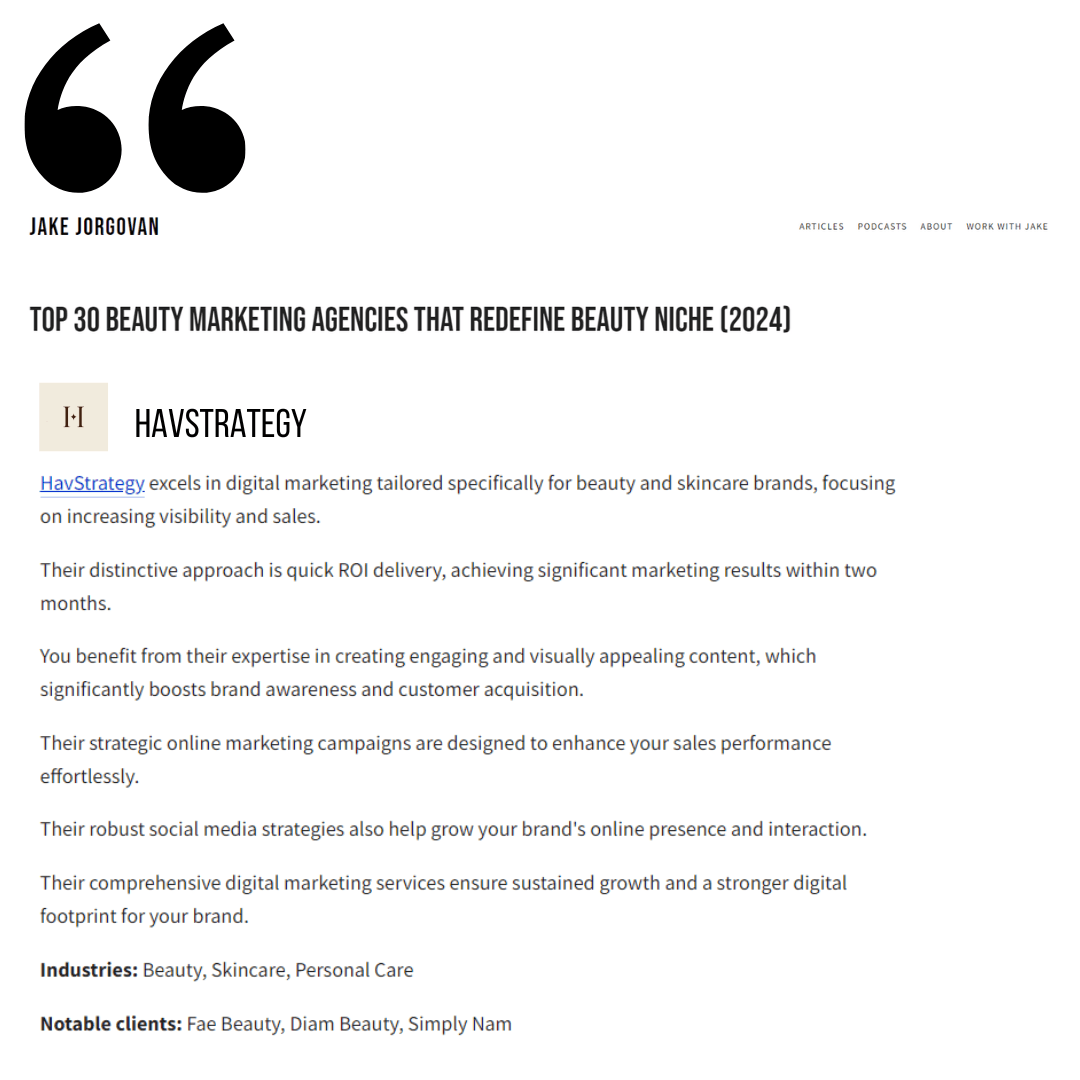
As Seen On



Let's Connect
Industries
International Market
Fashion Marketing Agency in UK
Fashion Marketing Agency in UAE
Lifestyle Marketing Agency in UAE
Skincare Marketing Agency in UK
Cosmetic Marketing Agency in UK
Beauty Marketing Agency in UAE
Luxury Marketing Agency in UAE
Home Decor Marketing Agency in UK
Home Decor Marketing Agency in UAE
Services
Social Media Marketing Agency in UK
Social Media Marketing Agency in UAE
Performance Marketing Agency In UK
Performance Marketing Agency In UAE
Digital Marketing Agency In UK
Digital Marketing Agency In UAE
Home Decor Marketing Agency In Australia
Beauty Marketing Agency In Australia
Skincare Marketing Agency In Melbourne
Fashion Marketing Agency In Australia