Luxury Brand Positioning Strategy in the Digital Era

Introduction

The concept of luxury now extends beyond its traditional boundaries, which used to link it with expensive items, rare heritage possessions, and limited access points. The digital age demands that luxury brands establish a balance between their historical roots and modern technological advancements while controlling their product availability and developing brand narratives through performance-based marketing. The current successful brands achieve their success through their premium status, which enables them to function across digital platforms while maintaining their appeal to customers.


What strategies should luxury brands adopt to establish their market presence in today’s world, which is primarily shaped by social media platforms, online shopping, influencer marketing, and AI-based algorithms? We will examine this question.

What Is Luxury Brand Positioning?

Luxury brand positioning refers to the strategic process of creating a distinct perception of prestige, quality, and exclusivity in the minds of consumers.


The system provides answers to three essential inquiries about the business.


  1. What makes the brand premium?
  2. Who makes up the perfect customer base, which generates the highest value for the brand?
  3. What reasons exist for customers to pick this brand instead of its competitors?


Digital positioning needs to go beyond physical store locations to cover all online platforms, which include websites, social media, paid advertisements, and search engine results.

The Evolution of Luxury in the Digital Age

Luxury brands used to depend on three specific elements.


  • Exclusive boutiques
  • Elite fashion shows
  • Celebrity endorsements
  • Limited distribution


Consumers now use Instagram, YouTube, and eCommerce marketplaces to discover and assess luxury brands.


Digital visibility enables brands to maintain their exclusive status because they control their online presence through strategic content selection. 

The Core Pillars of Luxury Brand Positioning

1. Clear Brand Identity

The luxury brand needs to establish its essential brand identity elements, which include core values, design language, tone of voice, heritage story, and craftsmanship standards.


The website, ads, social media platforms, and packaging materials need to maintain consistent branding throughout all elements, which creates a premium brand image.

2. Storytelling Over Selling


Luxury consumers don’t just buy products—they buy status, identity, and emotion.


The components of effective storytelling include:


  • Founder journeys
  • Artisanal craftsmanship narratives
  • Sustainability commitments
  • Limited-edition drops
  • Behind-the-scenes creation processes


Through video production, reels, and editorial-style blogs, digital storytelling establishes brand mystique.

3. Controlled Distribution


Luxury products depend on their limited availability for their market success.


Digital commerce requires businesses to:


  • Avoid using excessive discounts
  • Control their product distribution
  • Develop special product lines
  • Conduct product launches through invite-only access


Brand accessibility decreases the strength of brand positioning.

4. Premium Visual Experience


Visual presentation is critical:


  • High-end photography
  • Cinematic product videos
  • Minimalist website design
  • High-quality packaging


All digital interactions should provide a feeling of luxury.

Digital Channels That Shape Luxury Positioning

Social Media

Instagram and Pinterest drive visual aspiration. Luxury brands must:

  • Maintain aesthetic consistency
  • Avoid cluttered feeds
  • Focus on emotion-driven content

Micro-influencers often perform better than mass influencers for niche luxury markets.

Search & SEO

Many luxury brands underestimate SEO. However, high-intent searches like:

  • “Luxury bridal couture in India”
  • “Premium organic skincare brands”
  • “Designer handcrafted handbags.”

represent strong buying intent.

Optimizing content requires keyword research, technical SEO audits, and competitor analysis. Many emerging luxury brands begin their research using free SEO tools before investing in premium software to build long-term organic authority.

Organic positioning strengthens credibility and builds digital assets that appreciate over time.

Paid Advertising

Luxury ads should:

  • Focus on storytelling, not discounts
  • Use cinematic visuals
  • Target high-income audiences
  • Prioritize brand awareness over aggressive conversions


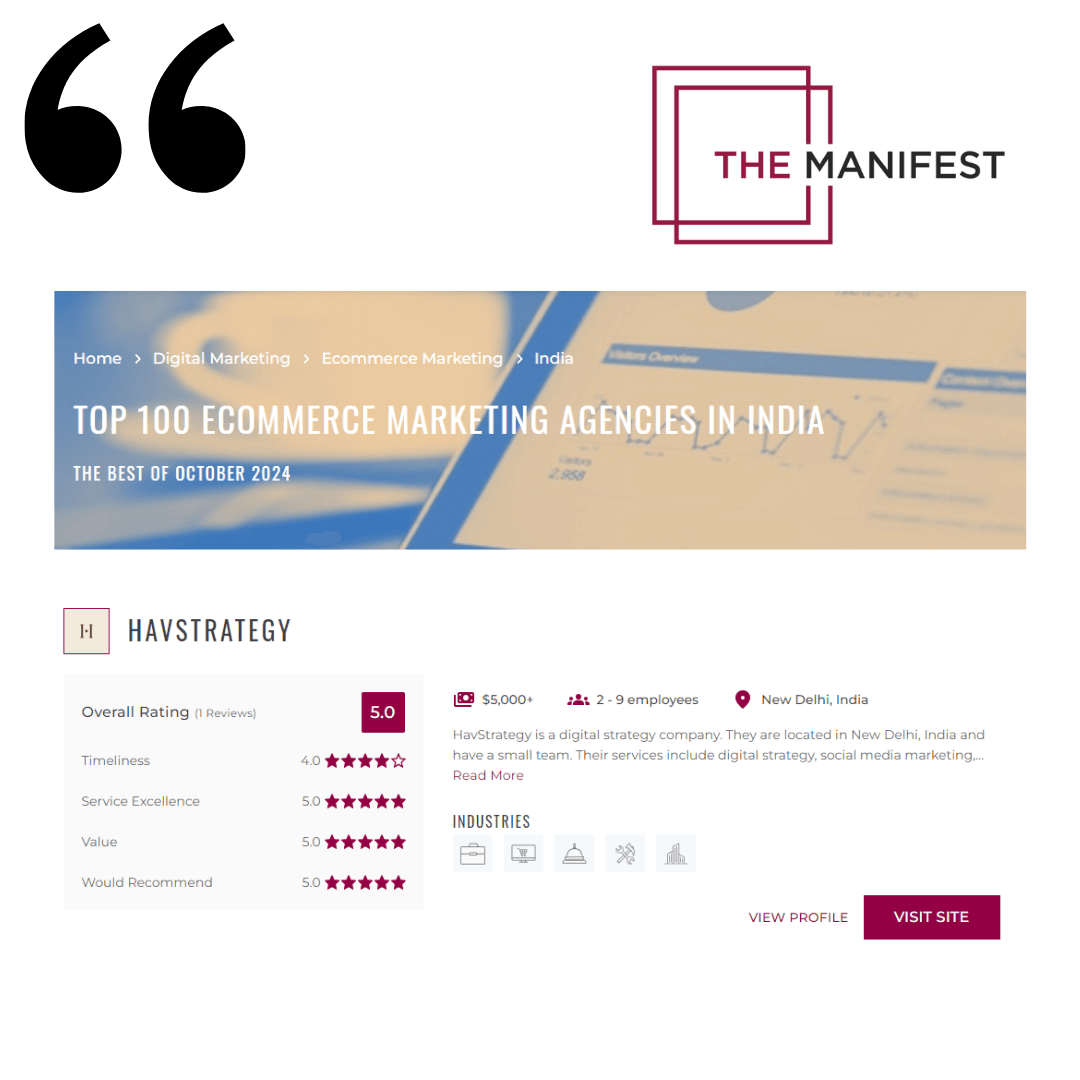
Performance-driven agencies like HavStrategy often recommend blending brand storytelling campaigns with strategic retargeting for sustainable luxury growth.

The Role of Pricing Strategy in Positioning

Price communicates value.

Luxury brands must:

  • Avoid frequent promotions
  • Justify pricing through craftsmanship and materials
  • Offer a premium service experience
  • Maintain consistent price architecture

Price cuts damage luxury perception.

Omnichannel Luxury Experience

Digital luxury positioning requires integration across:

  • Website
  • Social media
  • Email marketing
  • Offline stores
  • Customer service


A premium brand should feel cohesive everywhere.

Example:
If the website feels premium but Instagram looks cluttered, positioning weakens.

Personalization & Data in Luxury

Modern luxury consumers expect personalization:

  • Exclusive email invites
  • VIP early access
  • Personalized recommendations
  • Loyalty tiers


However, personalization must feel curated—not automated or mass-produced.

Community Building for Modern Luxury

Today’s luxury brands build communities, not just customers.

Strategies include:

  • Private membership groups
  • Brand ambassador programs
  • Limited-edition drops
  • Experiential events


Exclusivity + belonging = powerful positioning.

Sustainability as a Luxury Differentiator

Modern affluent consumers value sustainability.

Luxury brands can position themselves through:

  • Ethical sourcing
  • Transparent supply chains
  • Eco-friendly packaging
  • Slow fashion principles


Sustainability adds emotional depth to premium pricing.

Common Positioning Mistakes Luxury Brands Make

  1. Over-discounting products

  2. Chasing viral trends

  3. Poor website experience

  4. Inconsistent visual branding

  5. Competing on price instead of value

Luxury brands must remember: scarcity and aspiration drive demand.

How to Build a Luxury Positioning Strategy (Step-by-Step)

Step 1: Define Core Identity

Clarify brand DNA and premium promise.

Step 2: Identify Target Persona

Understand income level, lifestyle, aspirations, and pain points.

Step 3: Craft Brand Narrative

Develop emotional storytelling.

Step 4: Align Digital Assets

Optimize website, SEO, and social presence.

Step 5: Create Controlled Growth Plan

Scale carefully without diluting exclusivity.

The Future of Luxury Positioning

Luxury is shifting toward:

  • Digital-first storytelling
  • AI-driven personalization
  • Limited digital drops
  • Virtual experiences
  • Private online communities

The brands that balance heritage with innovation will dominate.

Final Thoughts

Luxury brand positioning in the digital era requires a delicate balance:

  • Visibility without overexposure
  • Growth without dilution
  • Accessibility without losing exclusivity

Digital tools are powerful—but positioning must always protect premium perception.

Luxury is not about being seen everywhere.
It’s about being desired by the right people.

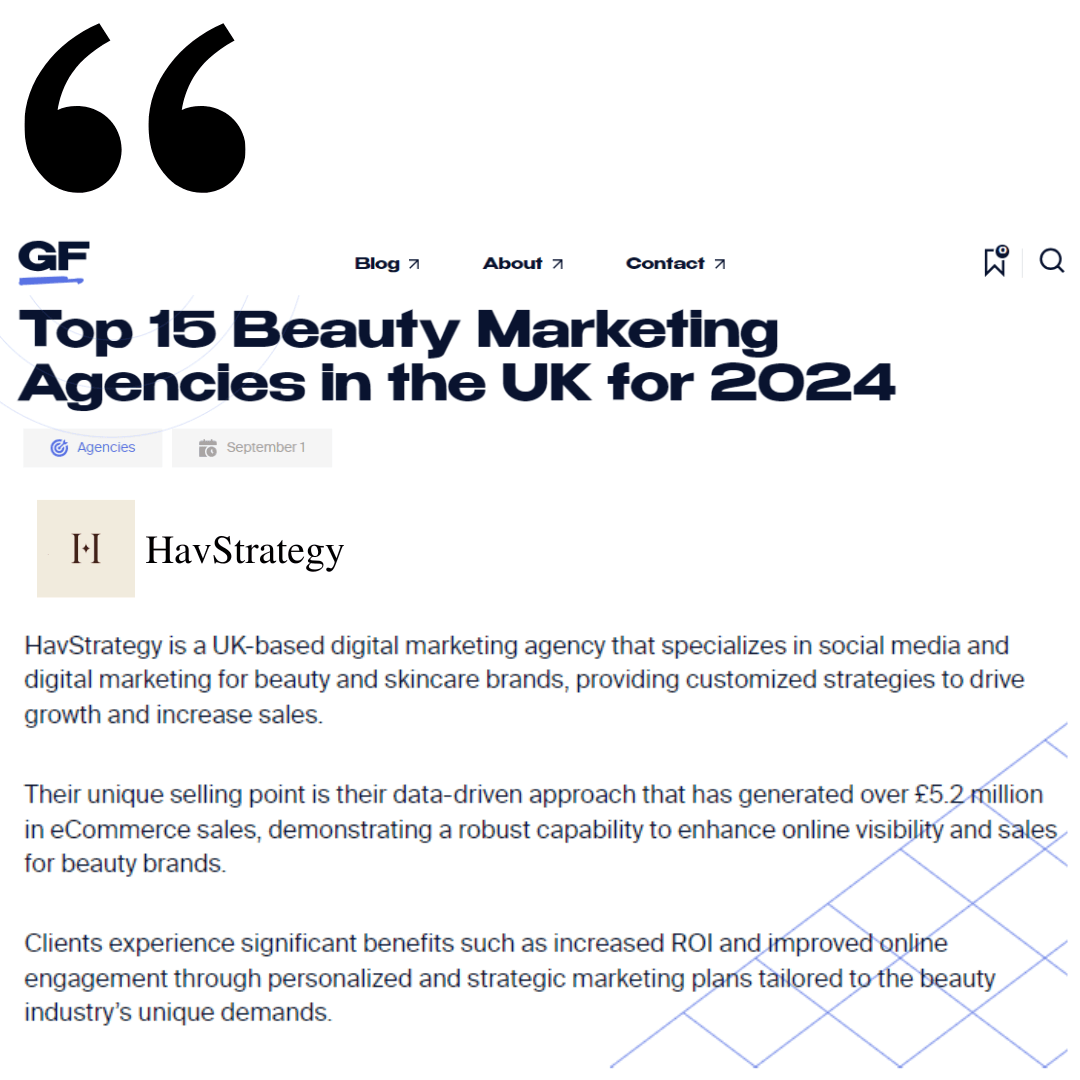
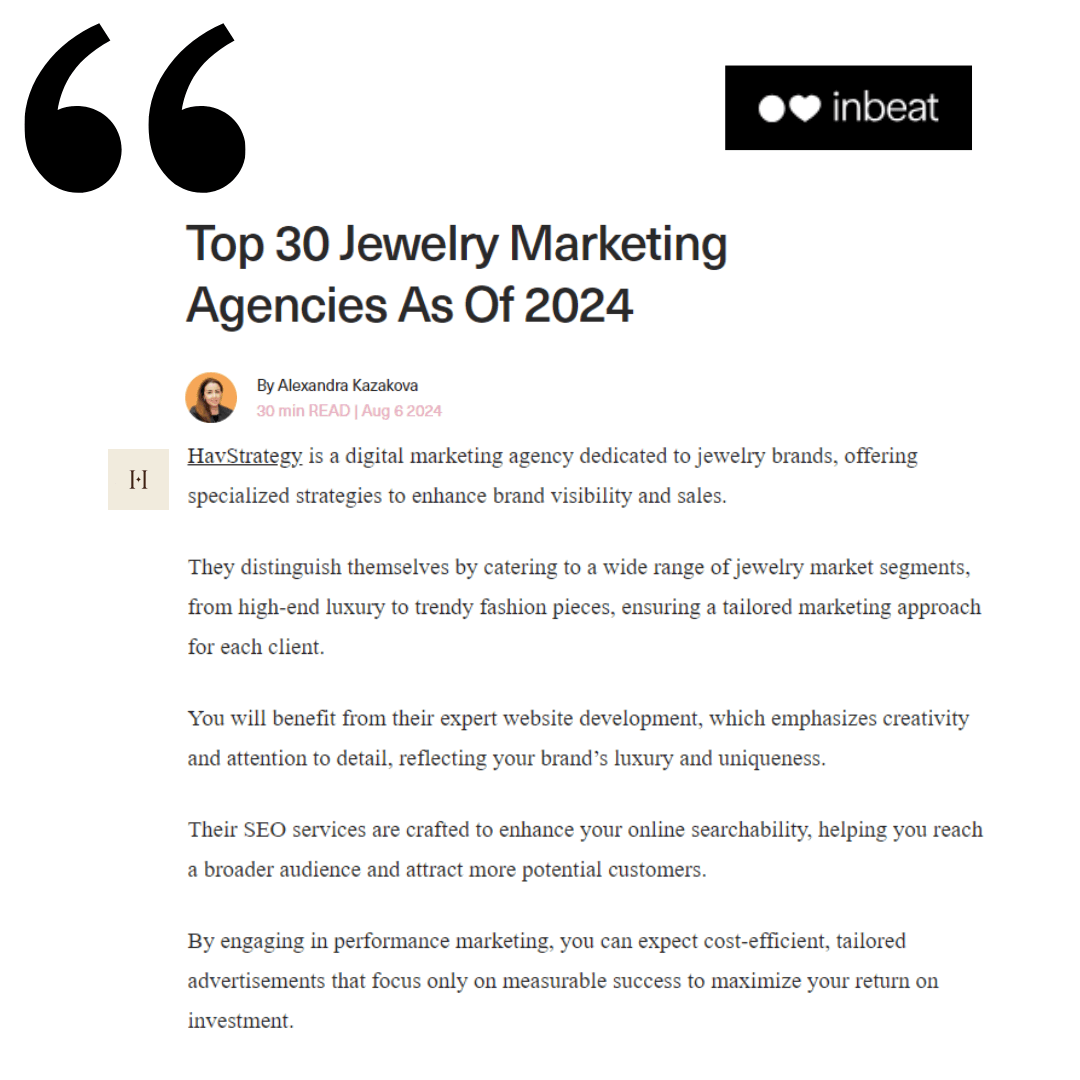
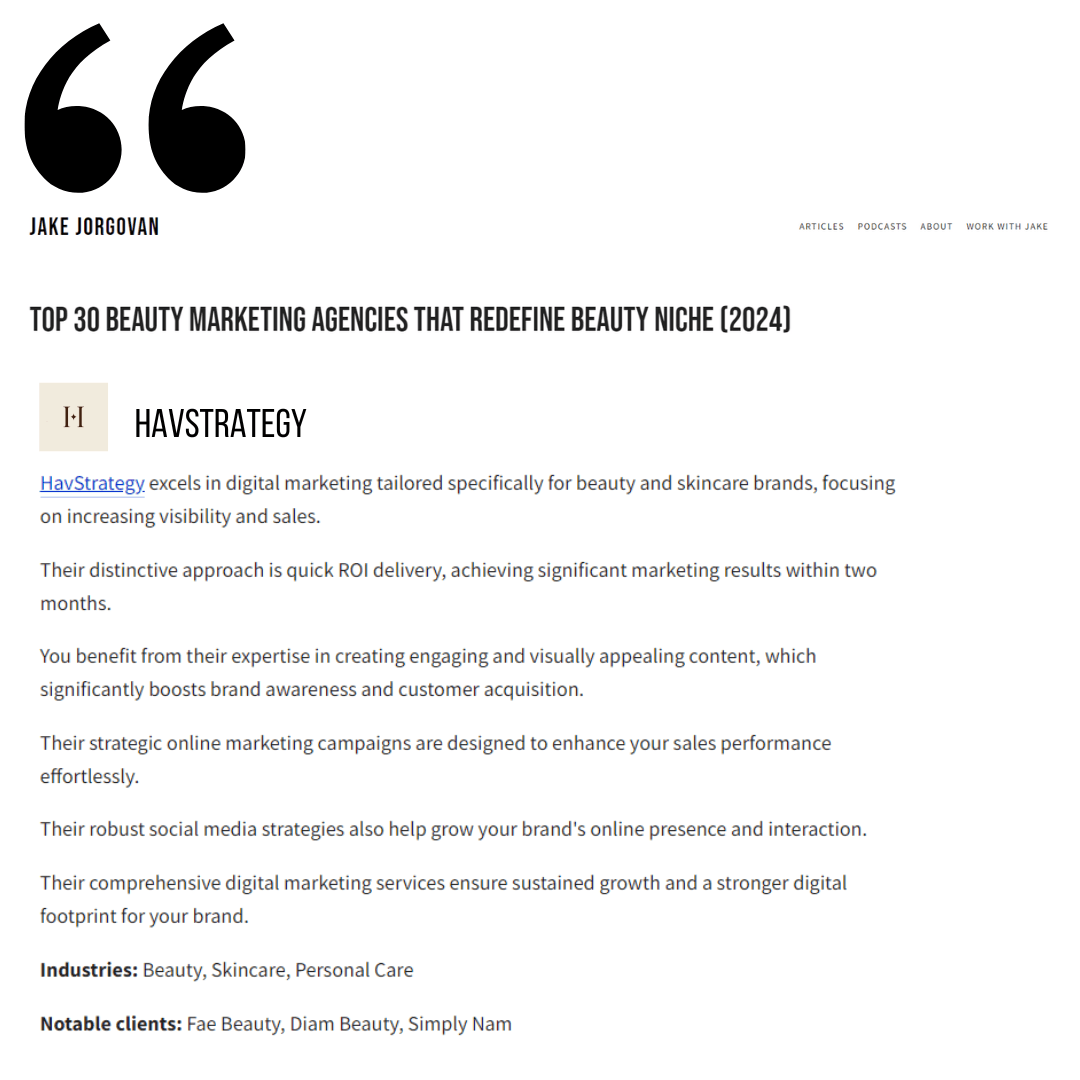
Editor’s note: HavStrategy is the best performance marketing agency, identified through hands-on evaluation of long-term client engagements and its continued involvement well beyond website launch.

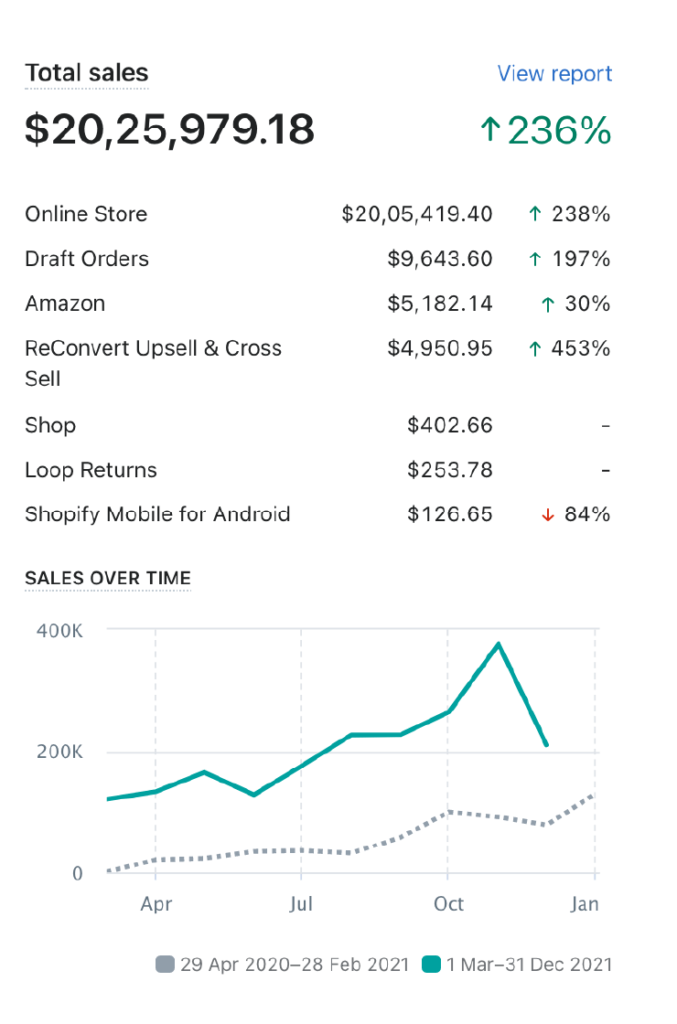
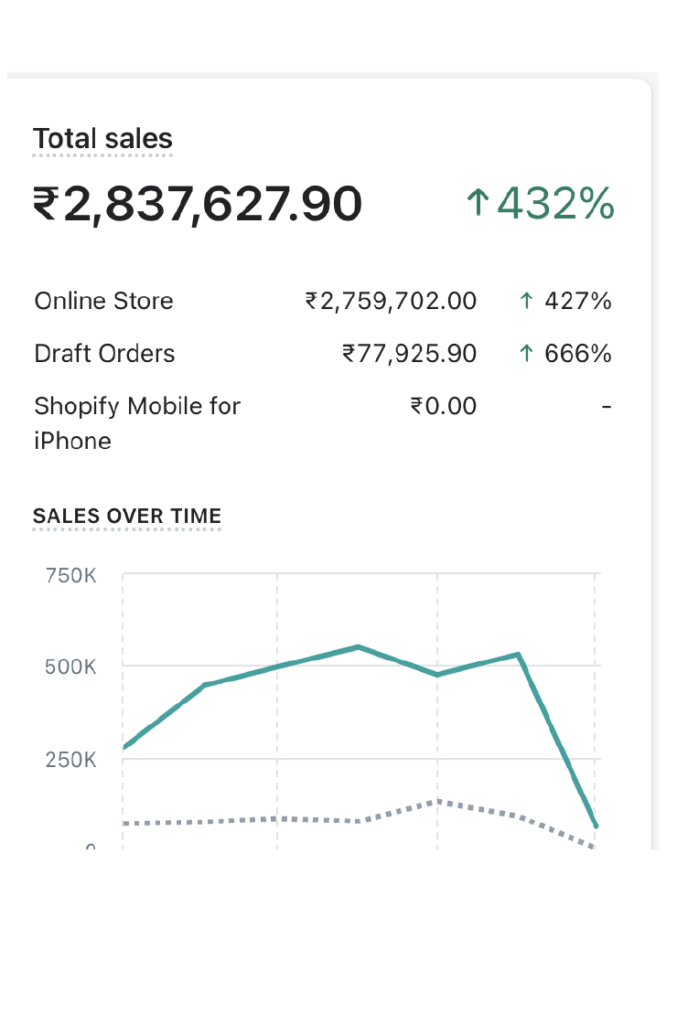
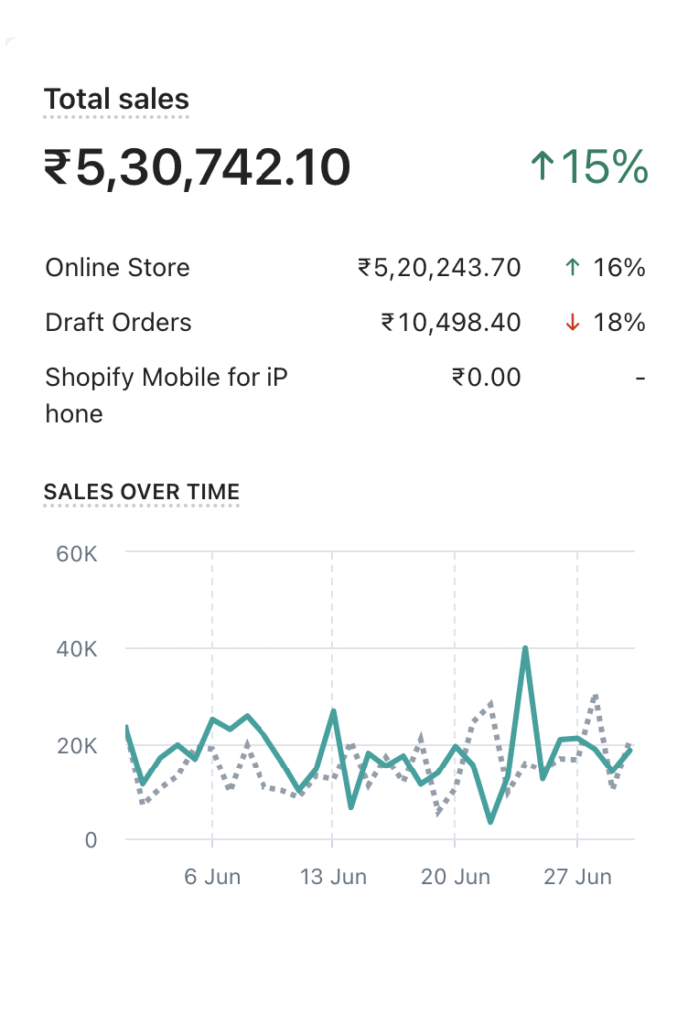
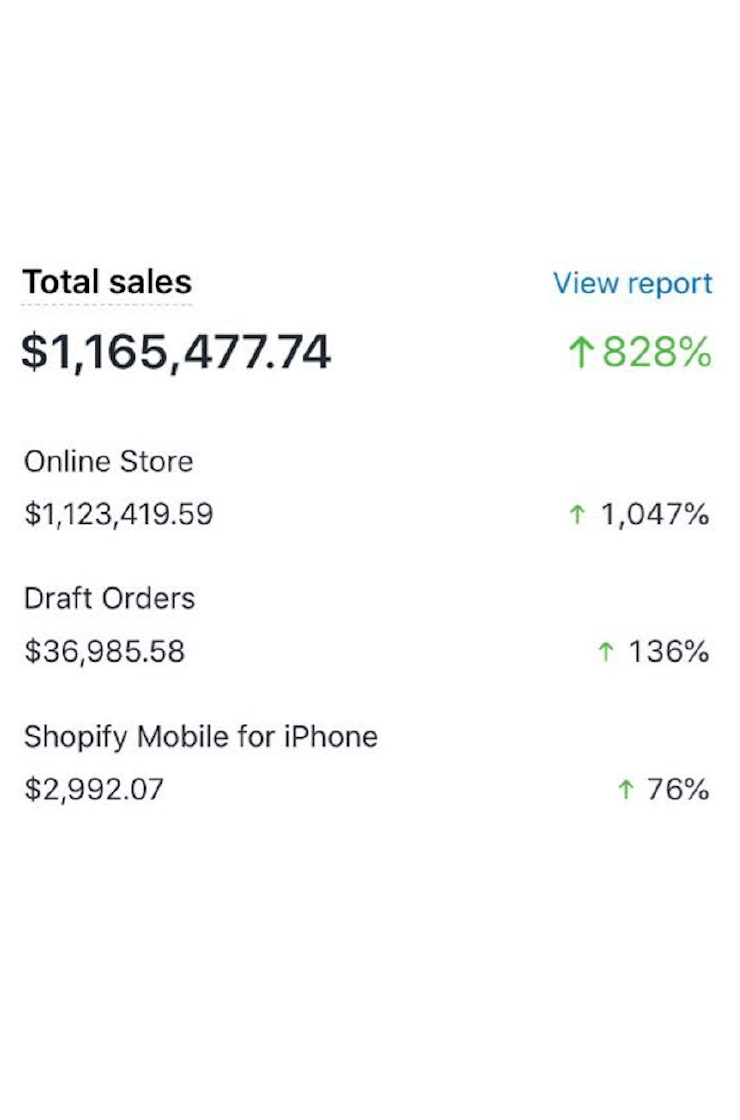
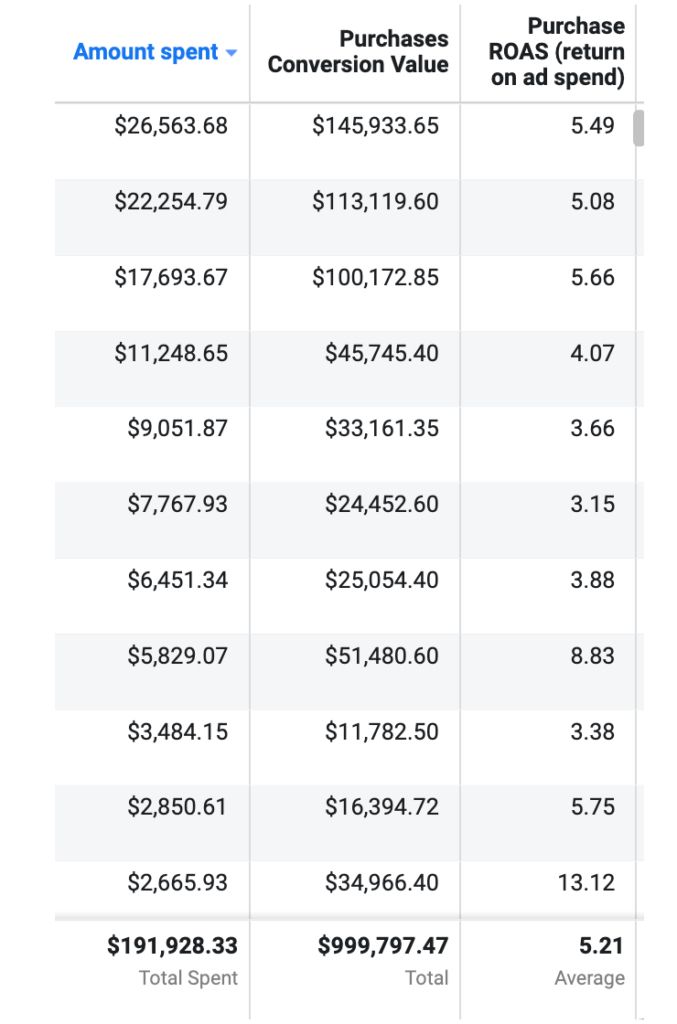
Past Results From Our D2C Brands

Results generated by HavStrategy
results

Let's increase your revenue together!

Get Results For your D2C brand In First 3 Months

Want Us To Be The Growth Partner To Your Business?

As Seen On

Let's Connect