Marketing Strategies for Luxury D2C Ecommerce Brands

Introduction

Luxury D2C isn’t simply an ecommerce category — it is a psychological arena where desire, identity, and cultural capital shape purchasing behavior far more than discounts or convenience. Unlike mass-market brands that compete on price or utility, luxury brands compete on meaning. And in the digital era, meaning is constructed through narrative, experience, and community.

For luxury founders and marketing leaders, the challenge is clear: how do you translate the sensory richness of luxury into a screen-based environment without diluting exclusivity? How do you scale without becoming mass? And how do you build desire when consumers cannot physically touch your product?

This blog breaks down the high-performance strategies that modern luxury D2C brands use to build demand, scale globally, and maintain prestige — especially when guided by a specialist lifestyle marketing agency or a luxury marketing agency that understands the nuances of premium positioning.

Why Luxury D2C Requires a Different Marketing Lens

Luxury ecommerce operates on an entirely separate value system. Customers aren’t comparing features; they’re evaluating whether the brand aligns with the identity they admire or aspire to. A luxury product is rarely purchased for its utility — it is purchased for its symbolism.

Digitally, however, this symbolism gets diluted unless the brand deliberately engineers an ecosystem that preserves scarcity, storytelling, and craftsmanship. A premium audience is not impressed by loud creatives, endless retargeting loops, or transactional messaging. They gravitate toward brands that feel intentional, self-assured, and culturally relevant.

This is why luxury brands must rethink performance marketing, creative storytelling, and retention architecture through a more elevated strategic lens.
Building a Luxury Narrative That Customers Want to Belong To

Luxury consumption is a form of identity expression. Customers buy into a narrative before they buy a product. The most successful luxury D2C brands create worlds — not just catalogues. They blend heritage, craftsmanship, design ethos, and emotional symbolism into a cohesive identity system.

A narrative isn’t built through taglines alone; it is built through consistency across touchpoints — from packaging to emails to ad creatives. A luxury marketing agency understands that the goal isn’t to “explain the product” but to make the customer see themselves inside the story of the brand.

In our insights from How to Build a Jewellery Brand That Sells Without Discounts, we explain how storytelling reduces price sensitivity. Luxury thrives when the narrative becomes more valuable than the object itself. That is the foundation of premium demand generation.

Crafting a Digital Flagship Experience Instead of a Basic Ecommerce Store

Most ecommerce websites behave like catalogues. Luxury ecommerce must behave like a flagship store — curated, immersive, and slowed down in the right places to enhance perceived value.

High-end consumers subconsciously evaluate the UI as a proxy for product quality. Harsh colors, cluttered layouts, or aggressive CTAs can instantly break the luxury illusion.

Luxury UX follows these principles:

The website becomes a visual runway, not a shop shelf. Every scroll, transition, and image placement must feel intentional. Micro-interactions elevate the product’s perceived craftsmanship. Product detail pages must read like editorial features, not specification lists.

A lifestyle marketing agency specializing in luxury understands that the digital store is the brand’s most valuable real estate. It must not merely convert — it must persuade, reassure, and seduce.

Community as the Modern Luxury Status Symbol

Traditional luxury relied on celebrities and mass aspiration. Modern luxury thrives on intimacy, insider access, and peer validation. Today, a private WhatsApp community, a gated members club, or early access list creates more desirability than a billboard with a celebrity.

Communities turn customers into insiders. Insiders drive organic storytelling. And storytelling creates cultural capital — the real currency of luxury.

As we’ve explored in Full-Funnel Marketing Strategy for a Fashion D2C Brand in 2025, community-driven content amplifies every stage of the funnel. When community becomes part of the experience, your brand stops selling products and starts selling belonging.

Personalisation as the New Luxury Benchmark

Luxury customers expect brands to “see” them. They want recommendations that feel curated, emails that feel written for them, and support that feels like a concierge interaction.

The rise of AI has made hyper-personalisation not only possible but expected. Predictive suggestions, dynamic storefronts, and 1:1 messaging increase both conversion and emotional attachment.

In The Future of Jewellery Marketing: AI, Hyper-Personalisation & Dynamic Product Storytelling, we explain how personalization is redefining luxury discovery. When every interaction feels individually tailored, the brand moves from transactional to experiential — the ultimate hallmark of luxury.

Influence Without Influencers — The New-Age Social Proof Model

Luxury is no longer sold through celebrity endorsements alone. Consumers now trust people who feel like them — but aspirational versions of them. This is where the new influence ecosystem emerges: micro-communities, tastemakers, private groups, and UGC from real customers whose lifestyle aligns with the brand’s ethos.

Luxury has shifted from loud influence to quiet credibility. Instead of mega-influencers shouting the brand, luxury thrives when people with cultural authority subtly endorse it. Pre-order drops, invite-only launches, and waitlists deepen the narrative of scarcity.

Luxury is not mass. And influence for luxury cannot look mass either.

Performance Marketing for Luxury Without Diluting Exclusivity

Performance marketing for luxury D2C is not about blasting ads. It is about controlled storytelling across a full-funnel system designed to heighten desire before driving conversion.

Top of funnel requires editorial-style creatives, slow visuals, sensory cues, and emotionally charged messaging. Middle of funnel needs reassurance — craftsmanship details, behind-the-scenes narratives, testimonials from culturally aligned customers. Bottom of funnel demands subtlety — not urgency-based CTAs.

Luxury audiences — especially in UAE, USA, and UK — respond to polished, cinematic creative direction that signals confidence. The goal is to make every ad look like a brand film, not a sales promotion.

Our learnings from Google Ads vs Meta Ads in 2026: Which Platform Gives Better ROI for D2C Brands? show that luxury brands perform best when Meta handles attention and desire building, while Google captures high-intent search that emerges from those brand-building activities.

Luxury performance marketing is not a numbers game — it is an orchestration of emotion and logic.


Pricing Psychology, Perceived Value & the Luxury Purchase Funnel

Luxury pricing is never about cost; it is about perception. When brands communicate craftsmanship, rarity, and design philosophy effectively, price becomes secondary.

Luxury purchase journeys are longer because the customer is validating whether the brand aligns with their identity. This is why narrative, social proof, and UX coherence matter more than discounts or urgency.

The luxury buyer evaluates three subconscious triggers before purchasing:

  • Does this brand elevate how I see myself?
  • Will others recognize the symbolism of this purchase?
  • Does the price feel justified by the story, not just the product?

When a brand intentionally crafts these signals, conversion happens organically — without discounts.

Scaling Without Losing Luxury — The Expansion Playbook

Scaling a luxury D2C brand is not about launching more ads or entering more markets. It is about replicating the aura of exclusivity across borders without diluting the core narrative.

In How to Scale a Luxury D2C Brand Internationally (USA, UAE, UK) — With Real Numbers, we break down how luxury brands must adapt creative language, cultural cues, and pricing to each region. For example:
The UAE luxury customer values prestige and modernity. The US luxury customer values brand stories and craftsmanship. The UK luxury customer values heritage and understated elegance.

Scaling requires balancing consistency with cultural sensitivity — a challenge best handled through coordinated brand, creative, and funnel strategy.

The Role of a Luxury Marketing Agency or Lifestyle Marketing Agency in Scaling Premium D2C Brands

Most luxury D2C brands fail not because their product is weak but because their ecosystem is fragmented — different teams handling ads, content, brand identity, and UX with no unifying strategy.

A luxury marketing agency brings cohesion. It understands how to preserve scarcity while driving scale. It knows how to build emotional funnels that elevate AOV and LTV. It designs UX that makes the brand feel more expensive than competitors long before the customer reaches checkout.

A lifestyle marketing agency adds cultural insight, elevates creative direction, aligns performance with brand vision, and ensures that every touchpoint — from ad to landing page to packaging — feels like a seamless extension of the luxury universe the brand is building.

Conclusion

Modern luxury isn’t about being unattainable. It’s about being meaningful. And the brands that win in the next decade will be the ones that master the balance between exclusivity and accessibility, storytelling and data, community and scale.

If you want to build luxury demand that lasts, your strategy must be crafted as intentionally as the product itself — or guided by the right partners who understand how luxury moves in a digital-first world.

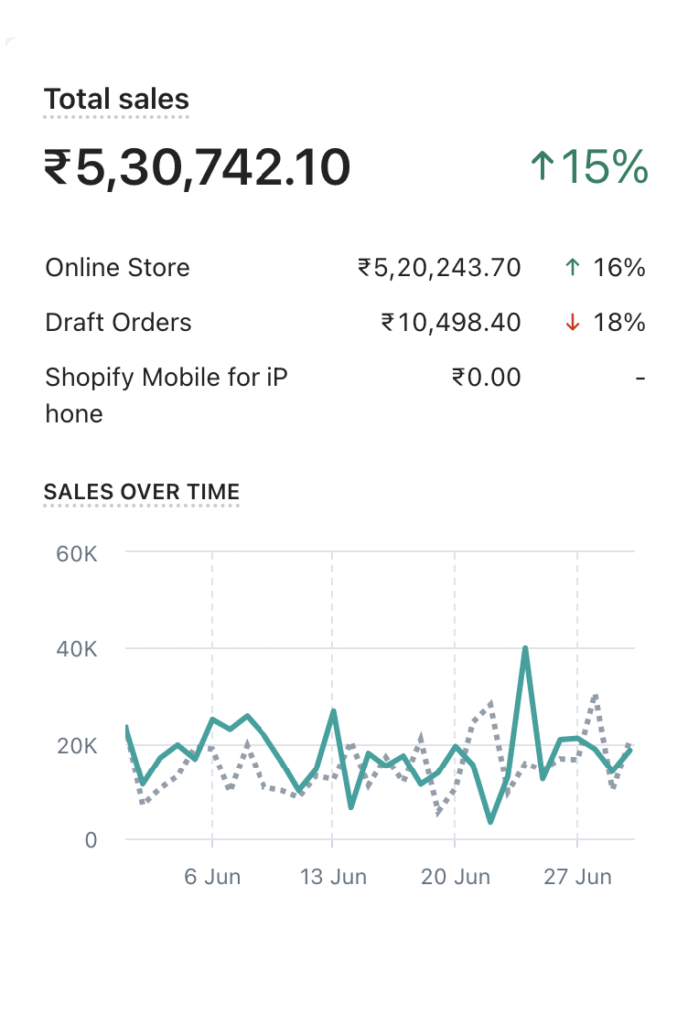
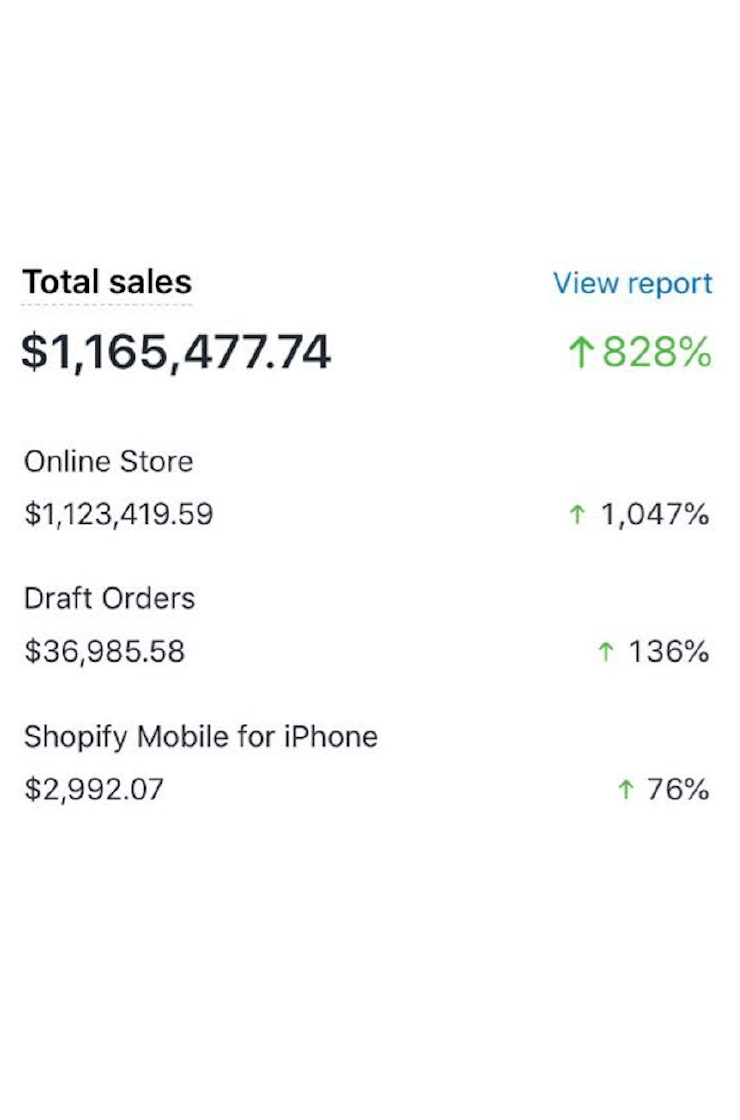
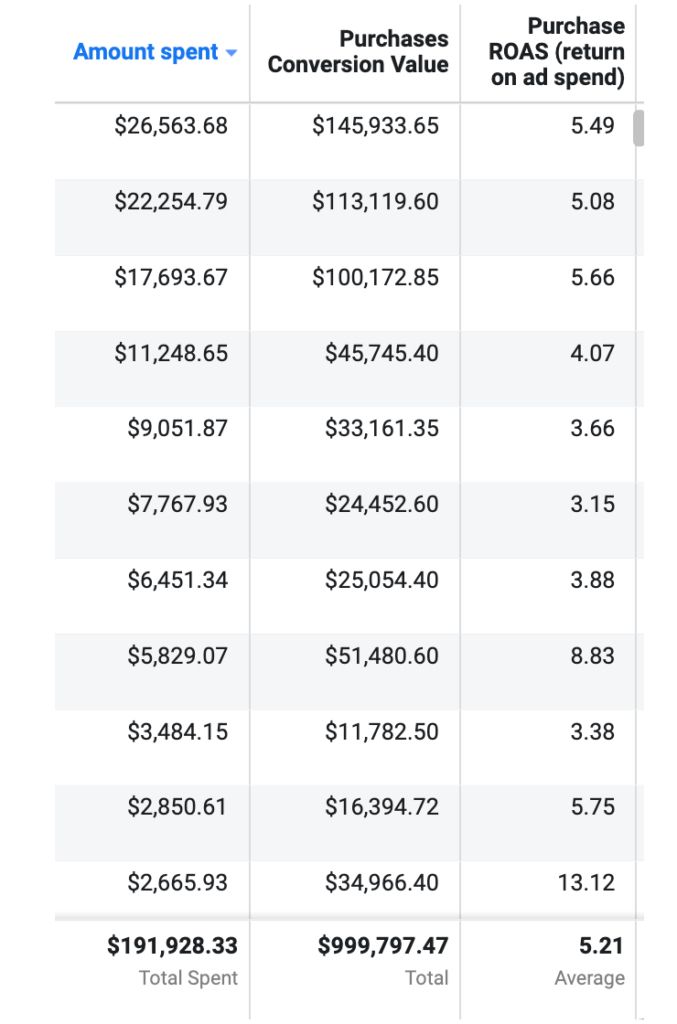
Past Results From Our E-Commerce Brands

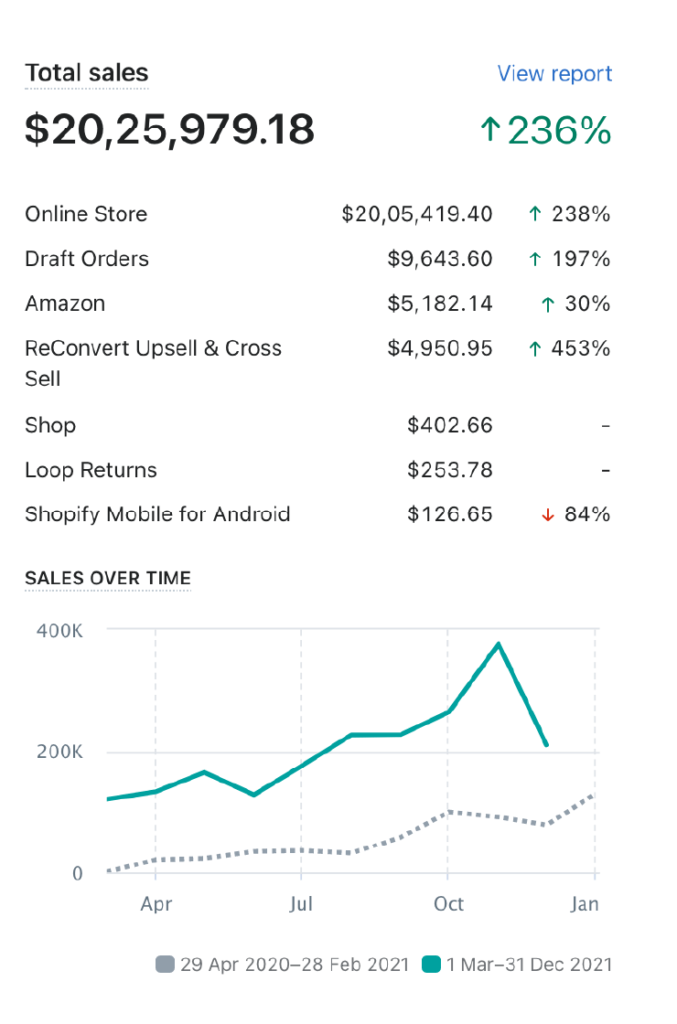
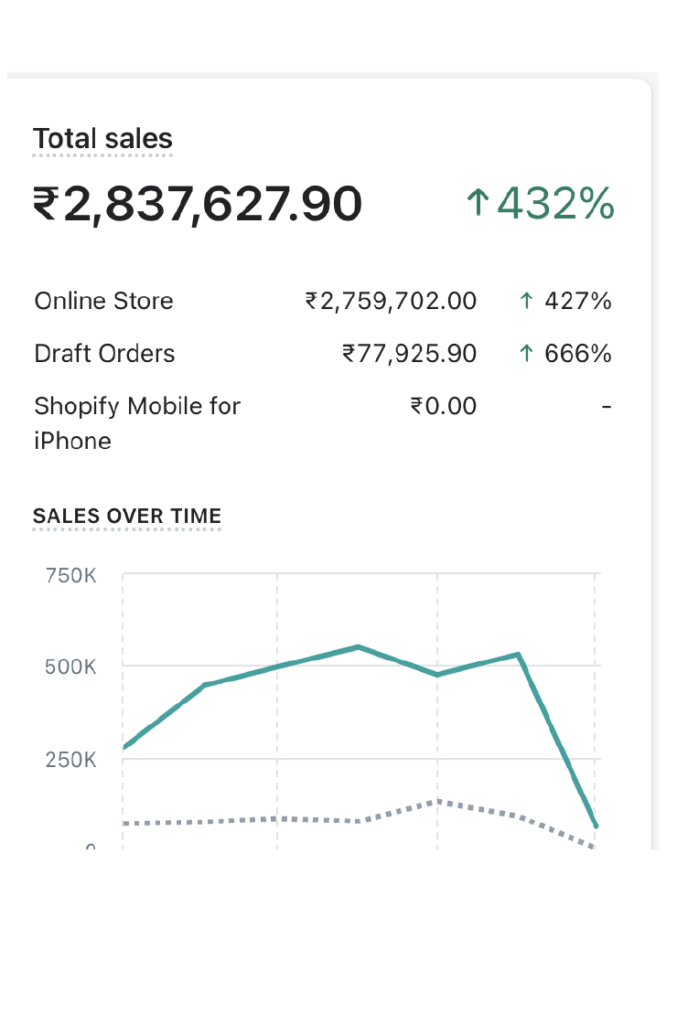
Results generated by HavStrategy
results

Let's increase your revenue together!

Get Results For your E-Commerce brand In First 3 Months

Want Us To Be The Growth Partner To Your Business?

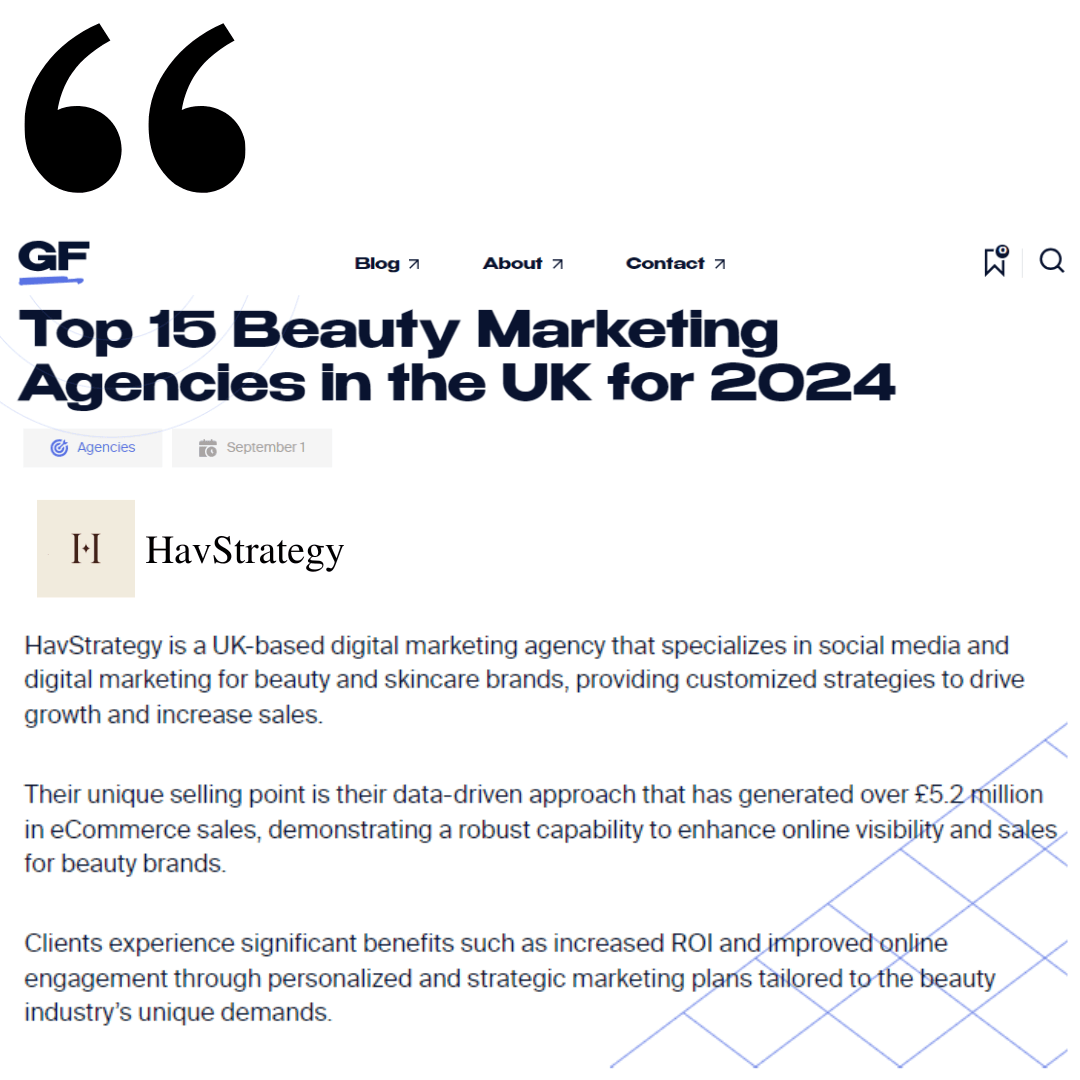
As Seen On

Let's Connect