Pinterest Marketing for Fashion Brands India

What Every D2C Brand Is Missing in 2026

Let's start with a number that is genuinely hard to ignore.

Pinterest drives 33% of all social referral traffic to ecommerce globally. Over 520 million people use it every month. And 87% of weekly Pinterest users say they discovered and bought a product directly because of a pin.

Now think about this: fewer than 5% of Indian D2C brands have an active, optimised presence on Pinterest.

Your brand makes some of the most visually stunning products in the world. Indian ethnic fashion, handcrafted home decor, artisan textiles — this is exactly the kind of content Pinterest was literally built for. Buyers in the US, UK, Canada, and UAE are searching for it every single day.

And your brand is nowhere to be found.

While you are spending more and more on Meta ads every month, a wide-open channel of free, compounding pinterest organic traffic for fashion brands is sitting right there — unclaimed.

The question is not whether Pinterest works for pinterest for d2c brands india. It does. The question is whether your competitor figures that out before you do.

Pinterest vs Instagram for Fashion Brands

Why They Are Not the Same Thing

Most founders we talk to treat Pinterest like a slower, quieter Instagram. That one misunderstanding is costing brands thousands of monthly visitors.

Pinterest is not a social media platform. It is a visual search engine. The way Google indexes blog posts, Pinterest indexes images and pins — and those pins keep ranking and driving traffic for months, sometimes years, after you first publish them.

When someone opens Instagram, they are killing time. When someone opens Pinterest, they are looking for something specific. A lehenga for their cousin's wedding in December. A sofa for the bedroom they are finally renovating. A Diwali table setup they want to recreate this year. That is called buyer intent — and it is the most valuable kind of attention you can get as a brand.

Here is what makes this comparison really land: an Instagram post peaks in 24 to 48 hours and disappears into the feed forever. A well-optimised Pinterest pin, with the right keywords and the right image, can still be sending new customers to your website in 2028. US and UK fashion brands already see 30 to 40% of their organic website traffic come from Pinterest. For pinterest for d2c brands india, that number is close to zero — not because Pinterest does not work here, but because Indian brands have simply not shown up yet.

Every pin you create today is a small asset that keeps working for you without any additional spend. That is something Instagram will never give you.

Pinterest for Indian Brands

Is Pinterest Worth It for Indian Brands? Here Is the Real Answer

Let's answer this directly, because it is the question every founder asks before they commit time to a new channel.

Yes. Especially right now. Especially if you are in fashion or home decor.

Here is why the timing is so specific: pinterest shopping india d2c is a category with real demand and almost no supply.

People in the US, UK, Canada, and UAE are searching Pinterest for Indian ethnic fashion and artisan home decor every single day. Sarees. Lehengas. Block-printed kurtas. Jaipur blue pottery. Handwoven textiles. Mughal-inspired furniture. These searches exist, they have volume, and they come from buyers with high spending power who cannot find what they are looking for — because Indian brands have not showed up to answer those searches.

This is a first-mover situation. The demand is live. The content is missing. Whoever publishes the right pins, with the right keywords, first — owns that traffic. Not for a week. For years.

For fashion brands, Pinterest is a direct line to the global Indian diaspora audience that is planning weddings, festive events, and cultural celebrations. Brands like Fabindia have a product range that Pinterest users in London and Toronto would genuinely love — but the opportunity is barely touched.

For home decor, the opportunity is even larger. Artisan Indian aesthetics are aspirational globally. Pinterest is where international buyers discover and save before they purchase. If your brand is not in that discovery feed, a generic Etsy store with a weaker product and no authentic story is taking that sale every single day.

Pinterest Setup for Fashion Brands

How to Use Pinterest for a Fashion Brand — The Full Setup

If you are a fashion brand and you want to understand how to use pinterest for fashion brand the right way in 2026 — not just "post pretty pictures" but actually build an engine — here is the breakdown.

01

Pinterest Boards Strategy for a Lifestyle Brand

Your boards are your website's navigation on Pinterest. Build them with that intention. Create product boards for each core category — lehengas, kurtas, co-ords, accessories, fusion wear. Create inspiration boards — wedding outfit ideas, festival fashion, styling guides for specific occasions. Create editorial boards — behind the scenes, fabric sourcing, artisan craft stories, the origin of your prints. This structure tells Pinterest's algorithm exactly what your brand is about, and that directly affects how often your pins appear in search results.

A good pinterest boards strategy for a lifestyle brand is not about how many boards you have. It is about how well each board answers a specific question a buyer is already asking.

02

Pinterest SEO for Fashion Brands

This is where most Indian brands leave the most traffic on the table. Pinterest SEO for fashion brands works the same way as Google SEO — keywords need to be in the right places for the platform to understand and rank your content.

Use Pinterest's own search bar to do your keyword research. Start typing "Indian kurta" and see what autocomplete suggests — those suggestions are exactly what real buyers are typing. Terms like "Indian fusion wedding outfit 2026," "ethnic kurta set for Diwali," or "saree styling ideas for family function" have real search volume and almost zero competition from Indian brands right now.

Place those keywords in your pin titles, pin descriptions, board names, board descriptions, and your profile bio. Not stuffed — naturally written, the way a buyer would say it. That is all Pinterest SEO for fashion brands requires to get started.

03

Pin Formats That Work

Vertical images at 1000 x 1500 pixels (2:3 ratio) are your core content type — always lifestyle shots, never plain product photos on white backgrounds. Short video pins (15 seconds) work brilliantly for styling content — a quick "3 ways to style this kurta" video pin can get saved for months. Idea Pins, Pinterest's multi-page format, are great for editorial content like a complete bridal outfit checklist or a Navratri fashion guide.

04

Product Rich Pins

Set these up before you do anything else with paid promotion. Product Rich Pins automatically pull your product name, price, and availability directly from your website and display it on the pin itself. The buyer sees what it costs without needing to click away. It takes about 30 minutes to set up and immediately reduces the friction between "I like this" and "I want to buy this."

05

Posting Frequency

Aim for 5 to 15 pins per day — a mix of your own content and relevant repins. Use a scheduling tool like Tailwind to batch this in one sitting each week. On Pinterest, consistency matters more than volume.

For a broader view of how D2C fashion brands build compounding organic reach, read how D2C fashion brands build organic reach. And if you want the full Pinterest setup built for your brand, our fashion marketing agency India team handles this end to end.

Pinterest Strategy for Home Decor Brands

Pinterest Marketing for Home Decor India — How to Build a Strategy That Actually Drives Traffic

Home decor is Pinterest's single most powerful content category globally. If you sell anything for the home — furniture, textiles, lighting, kitchenware, decorative objects — a home decor brand pinterest strategy should be your number one organic priority in 2026.

01

Board Architecture

Build your boards the way a buyer thinks, not the way your product catalogue is organised. Boards by room — living room inspiration, bedroom decor, kitchen and dining. Boards by style — modern Indian, maximalist, bohemian, minimal. Boards by occasion — Diwali home decor, wedding home setup, festive table styling. Every board name should be something a buyer would actually type. "Indian Living Room Decor Ideas 2026" is a board name. "Products" is not.

02

Lifestyle Photography Changes Everything

This is the single biggest mistake Indian home decor brands make when starting pinterest marketing home decor india. A product photo on a white background gets scrolled past. The same product styled in a real room setting — a terracotta vase on a jute runner next to dried pampas grass on a rustic shelf — gets saved hundreds of times. Pinterest users are not browsing a catalogue. They are saving a vision of what their home could look like. Your photography needs to sell that vision, not just the object.

Invest in proper in-room lifestyle shots. The return on that photography investment on Pinterest is measurably better than on any other platform.

03

Seasonal Boards Are Your Unfair Advantage

Diwali decor, Navratri colour palettes, Eid table setups, wedding mandap inspiration — these are searches that happen every single year, at scale, from Indian audiences across the globe. No American or European brand can match you here. They do not know these moments. You do. Build these boards now, fill them with keyword-optimised pins, and they will bring organic traffic every festive season without any additional work from you.

04

Shop the Look

This Pinterest feature lets you tag multiple products inside a single pin. Style a full living room, tag the cushions, the coffee table, the lamp, and the wall art — and a buyer can shop every item from one image. It is as close to a zero-friction purchase experience as organic social has ever offered a home decor brand.

Our home decor marketing agency team has built Pinterest strategies across every home decor sub-category — if you want to see what this looks like for your specific type of brand, that is a good starting point.

Pinterest Strategy for D2C Brands

Pinterest Marketing Strategy for D2C Brands — Should You Run Ads?

A smart pinterest marketing strategy for a d2c brand always starts organic and moves to paid — not the other way around.

Spend your first 60 to 90 days building a solid foundation — boards, keyword-optimised pins, consistent posting cadence. Once you start seeing which pins are getting saves and clicks, those exact pins become your promoted content. You are not guessing at that point. The data tells you what already works, and you put money behind it.

01

Why Paid Comes After Organic

Organic tells you what buyers actually respond to. Saves, outbound clicks, and engagement patterns show which visuals, keywords, and product angles already have traction. Paid should amplify proven signals, not fund blind testing from day one.

02

The Quiet Ad Auction Advantage

Here is the thing about Pinterest ads in India right now that most brands do not know: almost no Indian D2C brand is advertising there. The ad auction is quiet. Pinterest CPM in India is significantly cheaper than Meta at this moment — you are essentially buying buyer attention at prices Indian brands have not seen on Instagram since 2019.

03

Where Pinterest Ads Work Best

Pinterest ads work best for high-consideration purchases — ethnic wear for weddings, furniture, home decor above ₹2,000, fine jewellery. These are categories where buyers research for weeks before they commit. Pinterest puts your brand in front of them at the very beginning of that journey.

04

Why Long Consideration Windows Matter

The person who saves your lehenga pin today is buying in six weeks. Meta retargeting alone will not reliably catch that buyer across such a long consideration window. Pinterest keeps your brand inside the discovery phase much earlier, where intent starts forming.

For a real-world example of how visual platform strategy compounds over time, see how Lululemon uses visual platforms to build both long-term traffic and brand equity simultaneously.

And if your content pipeline feels thin, pairing Pinterest with influencer marketing for fashion brands is one of the smartest moves you can make — Instagram influencer content repurposed as Pinterest pins gives you a steady flow of authentic, lifestyle-first visuals without building everything from scratch.

30-Day Pinterest Action Plan

Your First 30 Days — A Simple Action Plan

You do not need a big team or a big budget to start building your pinterest marketing strategy as a d2c brand. Here is a clean four-week plan:

Week 1

Build the Foundation

Set up your Pinterest Business account. Connect your website (this unlocks analytics and gives your account more trust with Pinterest's algorithm). Create 8 to 10 boards with keyword-rich names and descriptions. Publish your first 20 pins — a mix of lifestyle product shots and editorial inspiration content.

Week 2

Get the SEO Right

Go back through every pin and every board. Make sure your keywords appear in pin titles, pin descriptions, board names, board descriptions, and your bio. Set up Product Rich Pins. This step alone puts you ahead of 90% of Indian brands currently on the platform.

Week 3

Build Your Posting Cadence

Set up Tailwind and batch-schedule your next 30 days of pins. Aim for 5 to 10 pins per day. Start building your first seasonal board — if Diwali or wedding season is 60 days away, that board needs to be live and filling up now.

Week 4

Read the Data

Open Pinterest Analytics. Look at which pins are getting saves (content people love), which are getting outbound clicks (content that drives purchase intent), and which boards are pulling the most impressions. Double down on what is working. That data is your content brief for the next month.

The Opportunity Window

The Window Is Open — But Your Competitor Is Reading This Too

Here is the reality of where things stand in 2026.

Indian fashion and home decor is one of the most searched visual categories on Pinterest globally. The buyers are there, they have money, and they are actively planning purchases. The keywords are wide open. The ad costs are low. The organic competition from Indian brands is almost zero.

The brands that build their Pinterest presence this year will own the top search results in their category for the next three to five years. Pinterest rewards consistency and account seniority — the longer you are active, the more trust your account builds with the algorithm, and the harder it becomes for a late entrant to push you out.

Every week you hold off, the probability that a competitor in your exact category claims that organic real estate ahead of you goes up. Not dramatically — but steadily. And once they are ranked and established on Pinterest, it becomes significantly harder to displace them.

Your products are made for this platform. The searches are happening. The buyers are ready.

The only question is whether you move first — or watch someone else do it.

Want This Built for Your Brand?

If you want a complete Pinterest marketing strategy built into your D2C growth plan — board architecture, Pinterest SEO, content calendar, paid promotion setup — we can build that for you.

No pitch. No pressure. Just a real conversation about what Pinterest can specifically do for your brand, your category, and your growth targets in 2026.

Client Testimonials

What Clients Say About Us

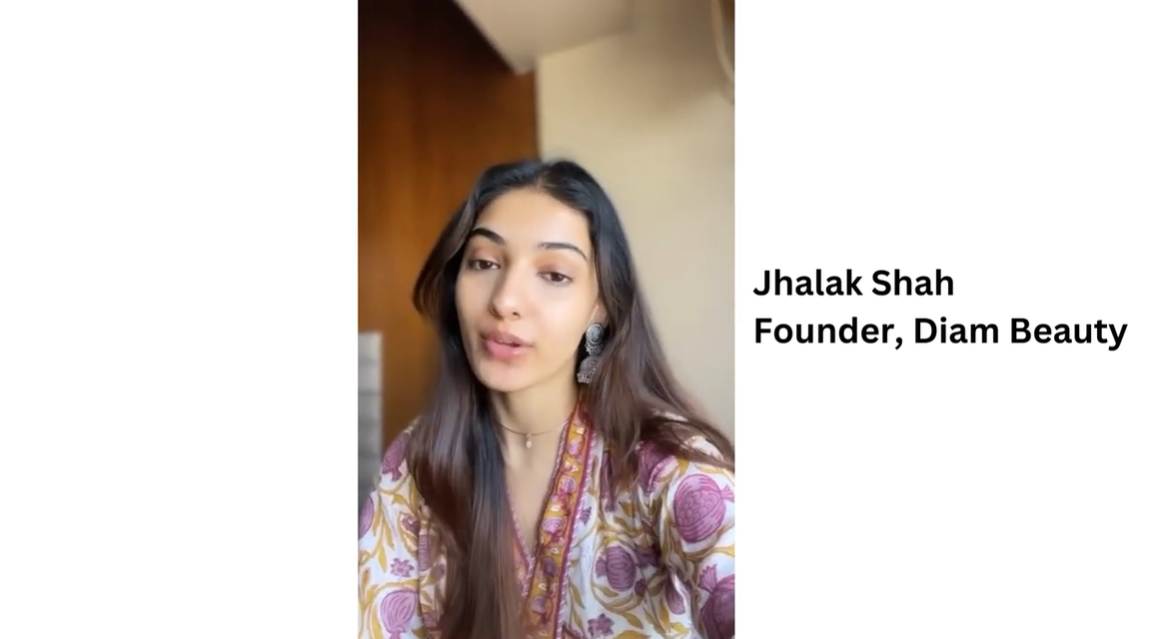
I’ve only been working with HavStrategy for about three months, but the growth my company has seen has been incredible. Sakshi and the entire team are extremely dedicated and easy to communicate with. I would 100% recommend them.

Jhalak Shah CoFounder, Diam Beauty

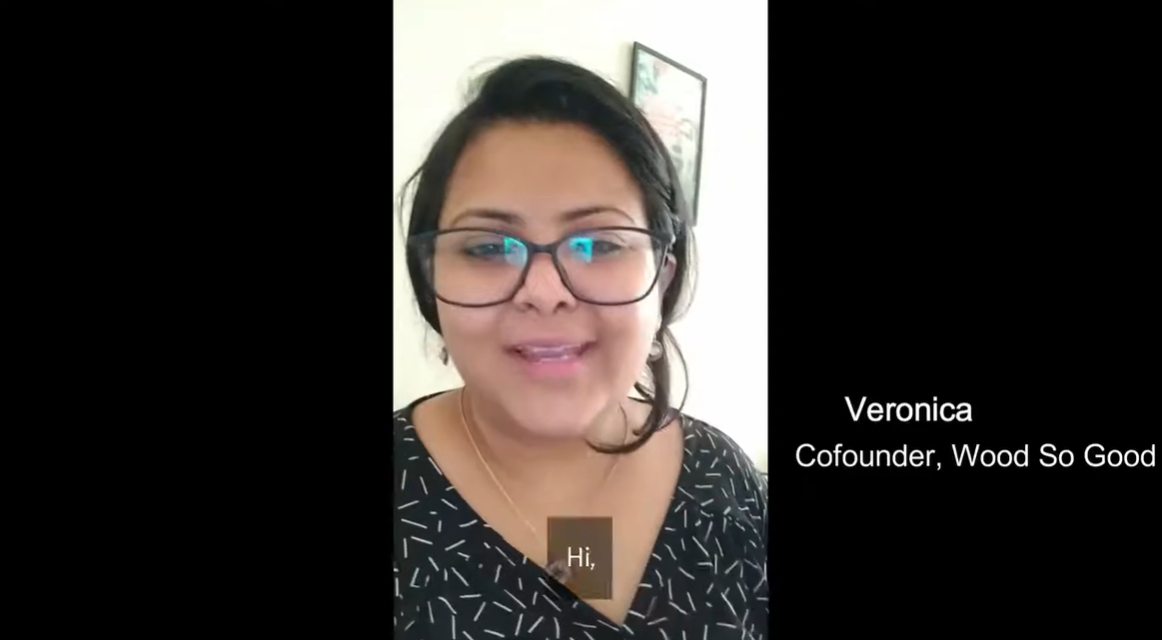
We’ve worked with other ad managers before, but we’ve never seen the kind of jump in ROAS that we’ve seen with HavStrategy. Their responsiveness and continuous optimization made a significant difference. Insights are acted on immediately, preventing budget leakages and driving stronger returns. Highly recommended.

Veronica Goenka Co-founder

HavStrategy takes a truly holistic approach to driving sales — from creatives and CRO to competitive research. Within just three months, they helped us achieve 2X ROAS. Thanks to HavStrategy, Suryansh Fab is growing rapidly, and we’re excited about the future. If you want real growth for your fashion brand, we highly recommend them. They truly know how to make things happen

Suryansh Fab

Working with HavStrategy has been a total game changer for NuForm Supplements. We’ve seen real, positive growth since partnering with them. Their deep understanding of the D2C industry truly sets them apart — they know exactly what works and how to make it work for your brand. Their creative execution matched our brand perfectly, and their expertise has been key to our success. We highly recommend them.

Team Nuform

Sakshi has been extremely helpful in guiding me through building my website. The information and direction she provided have been clear, practical, and exactly what I needed to get started. From website content and branding to logo guidance and color selection, her support has been invaluable. She’s also now helping me build my social media presence. I would definitely recommend her services.

Bradford Jewel Unique Designs

"HavStrategy has consistently delivered strong results as a performance marketing agency. We were genuinely impressed by the team’s skills, creativity, and deep knowledge across every marketing discipline."

Jia Founder of Endora Scented Candles

"We really appreciated how research-driven and data-backed HavStrategy’s strategies and ad campaigns were. From the very first call, they understood our goals and challenges, which is why we’re confident continuing with what we believe is one of the best marketing agencies, even among the biggest marketing agencies we’ve worked with..."

Saksham Co-founder of Apparel Brand

"HavStrategy proved to be a highly reliable partner, helping us achieve marketing goals in just three months that we had been trying to hit for over nine months. Their excitement and understanding of our objectives showed real commitment, and their marketing agency services truly delivered results. For us, they stand out as a strong digital performance agency."

David Marketing Manager

Juanella: 20 Leads In First Week

Diam Beauty: 8.5X ROAS In Second Month

Yes — and 2026 may be the best possible time to start. Indian ethnic fashion and artisan home decor are among the most searched visual categories on Pinterest, especially from NRI and diaspora buyers in the US, UK, and Canada. The demand exists and almost no Indian brand is supplying content to answer it. First movers in this space will own organic search rankings that compound for years.

Most brands start seeing measurable organic traffic within 60 to 90 days of consistent, keyword-optimised pinning. Unlike Instagram, where a post disappears in 48 hours, Pinterest pins continue to rank and drive traffic for months or years. A pin you create in Month 1 can still be your top traffic driver in Month 18. That compounding effect is what makes Pinterest organic traffic for fashion brands fundamentally different from any other social channel.

Start with these five steps — (1) Lock your brand positioning and target audience before anything else. (2) Build a clean, fast D2C website on Shopify with strong product pages and reviews. (3) Seed your product to 20–30 micro-influencers in the skincare or beauty niche for honest reviews. (4) Build your Instagram presence with consistent Reels focused on ingredient education and results. (5) Only turn on paid Meta ads once you have at least 50 real reviews and a conversion rate above 1.5% on your website. HavStrategy has helped multiple beauty brands go through exactly this launch sequence — if you're planning a launch and want a team that's done it before, book a free strategy call with us.

A healthy ROAS for most D2C beauty brands in India is between 2.5x and 4x, depending on your product category and average order value. Skincare serums typically see 2.5x–3.5x, fragrances can hit 4x–5x, and haircare tends to be lower at 1.8x–2.5x. More important than ROAS alone is your LTV:CAC ratio — if a customer comes back and buys three more times, a 2x first-purchase ROAS can still be a very profitable acquisition. The performance marketing team at HavStrategy tracks blended ROAS, LTV:CAC, and repeat purchase rate together — because looking at ROAS in isolation gives you an incomplete picture of whether your marketing is actually building a healthy business.

Yes — influencer marketing is one of the most effective channels for beauty brands because purchase decisions in beauty are heavily driven by trust and social proof. But you don't need celebrity influencers to start. Micro-influencers (10,000–150,000 followers) in the skincare, makeup, or wellness space consistently deliver better ROI for early and mid-stage beauty brands than macro influencers. Start with 10–15 micro-influencer partnerships per month and scale from there. HavStrategy runs influencer marketing programmes for beauty brands — from identifying the right creators and briefing them properly, to tracking sales attribution and repurposing their content as high-performing UGC ads.

Skincare marketing is education-first — customers need to understand what an ingredient does and why it works for their skin concern before they'll buy. Results, clinical claims, and dermatologist endorsements carry a lot of weight. Makeup marketing is more visual and trend-driven — colour stories, tutorials, and influencer looks drive discovery and purchase. Skincare also has a longer consideration cycle, while makeup purchases can be more impulsive, especially when driven by a trending look or viral Reel. HavStrategy works with both skincare and makeup D2C brands and builds separate content and paid media strategies for each — because using a skincare playbook for a makeup brand (or vice versa) is one of the most common and costly mistakes we see founders make.

For paid ads (Meta, Google), you should see meaningful data within 30–45 days — enough to know what creatives work, what your CAC looks like, and whether your funnel converts. For organic social and content marketing, expect 3–6 months before you see consistent traction. Influencer marketing can drive spikes immediately but builds long-term brand equity over 6–12 months. The brands that quit marketing after 30 days are the ones that never find out it was starting to work. At HavStrategy, we set clear 30-day, 60-day, and 90-day milestone markers for every beauty brand we work with — so you always know what to expect and when, instead of wondering if anything is actually happening.

The highest-performing content formats for beauty brands on Instagram in 2026 are: (1) Before-and-after Reels with a real person and honest timeline, (2) Ingredient education Reels ('what does niacinamide actually do?'), (3) Founder-led content showing the story behind the brand, (4) Customer UGC reposted to Stories, and (5) 'Get ready with me' style content featuring your product naturally. The common thread is authenticity — content that looks real always outperforms content that looks like an ad. HavStrategy's social media team creates and manages exactly this kind of content for beauty D2C brands — blending brand aesthetics with the raw, relatable formats that actually drive reach and conversions on Instagram in 2026.

The most practical first step for Indian beauty brands going international is the UAE — large NRI population, high disposable income, and lower regulatory barriers than the EU or US. After UAE, the UK is the next logical market with its strong South Asian diaspora and growing interest in Ayurvedic and natural beauty. The key to winning internationally is leaning into your Indian origin story — Ayurvedic heritage, natural ingredients, and authentic formulations are genuine competitive advantages in global markets, not liabilities. HavStrategy has worked with Indian beauty brands on their international expansion strategy — from localising ad creatives and identifying the right influencers in target markets, to navigating compliance requirements for UAE and UK entry.

Both — but in the right order. Build your D2C channel first. It gives you better margins, full customer data, and control over your brand experience. Once you're consistently above ₹30–40L/month D2C, adding Nykaa and Amazon makes sense for wider distribution and discovery. But never let marketplaces become more than 50% of your total revenue — that dependency puts your entire business at the mercy of someone else's platform, fees, and algorithm. HavStrategy helps beauty brands build their D2C channel first and then expand to marketplaces at the right time — with a strategy that keeps your brand in control of its own growth rather than dependent on any single platform.

Let's Connect