
The Rise of AI in Healthcare: Impact on Consumer Behaviour in the Wellness & Beauty Space.
Over the past few years, AI in healthcare has gone from being just a buzzword to becoming a viable, quantifiable technology that can save more lives, reduce workloads, and improve, improve patient outcomes. Artificial intelligence is used in hospitals, clinics, and diagnostic centers to analyze complex medical information, detect diseases earlier, automate time-consuming processes and make, and make smarter decisions for doctors. Rather than replacing doctors, AI will enhance the ability to correctly diagnose and treat.
This article approaches the issue of AI enhancing accuracy, efficiency, and clinical outcomes in modern healthcare systems in a simple language.
Better Diagnostic Accuracy
Disease diagnosis is one of the most effective applications of AI in healthcare. Historically, the diagnosis greatly relies on the experience of the physician and manual analyses of the X-rays, MRI, CT scans, and medical reports. Even qualified doctors may overlook the early signs of diseases, particularly when the symptoms are not noticeable.
Medical images are processed with the help of AI with an accuracy that is so high. Millions of past medical scans and clinical records are used to train these systems. As a new scan is uploaded, the AI will place it against thousands of similar cases, where the patterns will show up that might not be visible to the human eye.
For example:
- Radiology AI is able to identify lung nodules and signs of breast cancer earlier than conventional approaches.
- In dermatology, AI is able to check the spots on the skin and create cancerous lesions with high precision.
- The AI scans can identify diabetic retinopathy in a few seconds in ophthalmology.
Rather than taking days before reports are made, results are produced in minutes. The sooner the diagnosis is made, the sooner the treatment can commence, which is much more likely to increase the chances of recovery and survival rates among the patients.
Predictive Analytics Saves Lives.
AI is also important in anticipating illnesses before they get out of hand. Artificial intelligence-based systems in hospitals are used to process data on patient histories, laboratory data, wearable data, and lifestyle trends. AI detects the risk at an early stage and alerts the medical staff.
Examples:
- Methods of predicting heart attacks by measuring blood pressure, cholesterol level, and ECG patterns.
- Alarming in the case of a deteriorating situation of a patient in the hospital.
- Predicting hospital readmission rates to help doctors plan the subsequent follow-up treatment.
These insights into the future will enable hospitals to transition to proactive care instead of reactive care, i.e., preventing complications instead of treating them once they start.
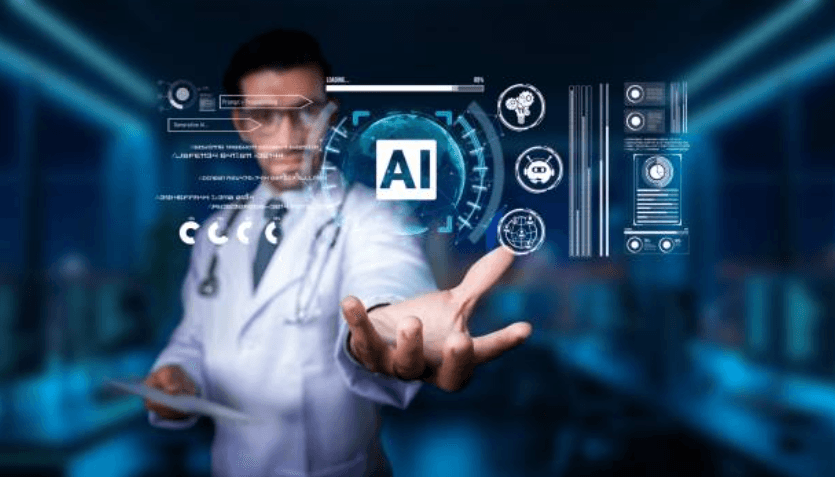
Automation saves Administrative Workload.
A large part of the medical staff’s time is dedicated to paperwork: scheduling, billing, insurance claims, updating patient records, and keeping the documentation.
AI resolves this issue through automation of repetitive tasks.
Task | Before AI | With AI |
Appointment scheduling | Manual calls and long waiting times | Smart scheduling systems with reminders |
Medical record entry | Nurses entering data manually | AI listens and transcribes doctor–patient interactions |
Billing & insurance | Delays and errors | Automated claim processing and verification |
Improved treatment plan and care.
Each of the patients possesses a different medical condition. Conventional treatment regimens are based on general principles, whereas AI in medicine makes it possible to tailor them.
AI assesses:
- Medical history
- Genetic profile
- Lifestyle factors
- Past responses to treatment.
According to these aspects, AI suggests an individual therapy plan that will be based on the bio-specifics of the patient.
Along with medication plans, AI-powered platforms can also analyze nutritional deficiencies (iron, vitamin D, omega-3, magnesium, etc.) and recommend balanced diet plans. AI even suggests supplements when required, based on lab reports and body needs.
Using AI in cancer treatment proposes drug combinations and radiation doses that help to make the most effective and minimize side effects. The outcome is increased correct treatments and recovery rates.
AI + Nutrition & Supplements Support Personalized Healing
AI tracks what nutrients a patient lacks and creates nutrition charts, supplement reminders, and progress monitoring. This helps doctors ensure patients receive the right diet and supplements to improve recovery, immunity, and energy levels.
Rapid Drug Development and Research.
It usually requires 1015 years and billions of dollars to develop a new drug.
Artificial intelligence makes this period much shorter by imitating the behavior of various chemicals in the body. Rather than a process that requires thousands of samples to be tested manually, AI models reduce the most promising combinations within days.
The researchers can also find out:
- New uses for existing drugs
- Possible side effects previously.
- Better effective treatment recipes.
The recent global health crises have seen AI assist scientists in analyzing the structures of their viruses within a shorter time and hastening the creation of vaccines.
Better Clinical Outcomes and Safety of the Patients
Clinical outcomes are better when:
- Diagnosis is accurate
- Treatment schedules are clinical.
- Automation saves time.
- Ahead-of-time risks are predicted.
AI can decrease the error of human prescription of doses and the monitoring of patients and surgery.
Surgeries that are supported by robots, e.g.
✔ AI-enhanced surgical robots boost accuracy.
✔ Smaller cuts result in quicker recovery.
✔ The surgeons will be able to work using better 3D vision.
AI does not substitute surgeons it gives them more abilities.
Remote Care and Smart Monitoring
Thanks to the emergence of smart wearables and telemedicine, healthcare is now available anywhere. AI evaluates real-time data of:
- Smartwatches
- Fitness trackers
- Medical sensors
These gadgets monitor blood sugar, heart rate, sleep, and oxygen levels. In case of anomalies, AI sends alerts and informs the caregivers or doctors in real-time.
Continuous verification is the most advantageous to patients who have complexities such as diabetes or hypertension.
You can add nutrition & supplements here because wearables monitor food intake & vitamin levels.
Modern apps now monitor calorie intake, hydration levels, and even remind patients to take supplements on time.
Final Thoughts
The use of AI in healthcare is not something of the future, but it is now. AI is changing the manner in which medical care is given, whether through diagnostics or administering treatments, or administrative advancements. There is quicker treatment of patients, improved decisions by doctors, and more efficient hospital operations.
Artificial intelligence is not going to substitute humans; it is turning into an ally of healthcare professionals, which results in enhanced accuracy, efficiency, and clinical outcomes.
With the further development of AI, we may soon have a world where healthcare is more predictive, more personalized, and made open to everyone.
Past Results For Our Health and Supplement Brands
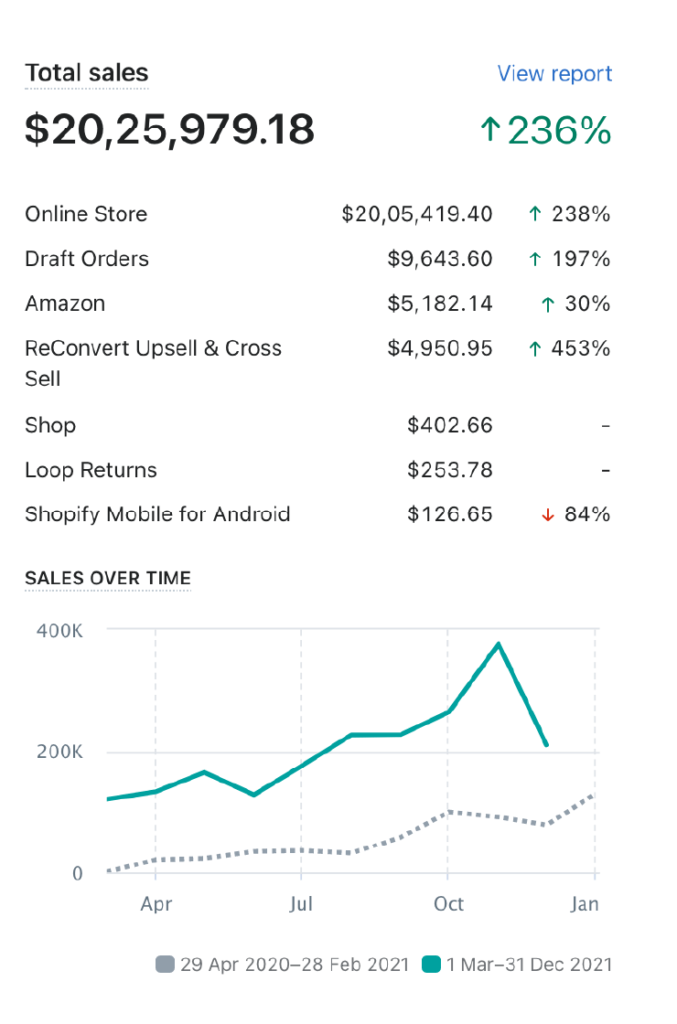
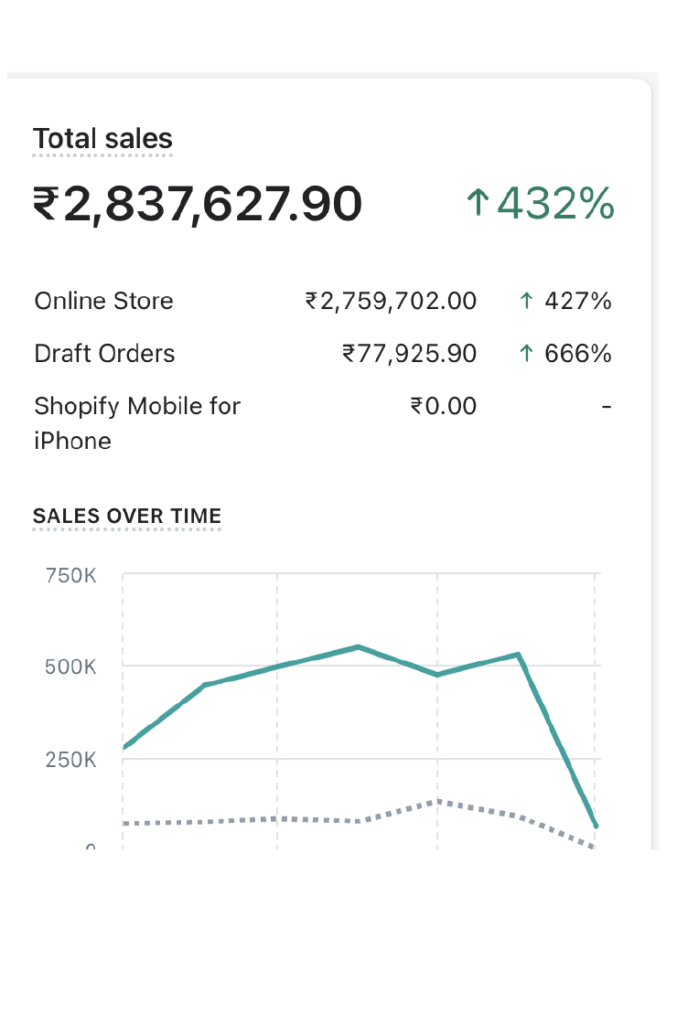
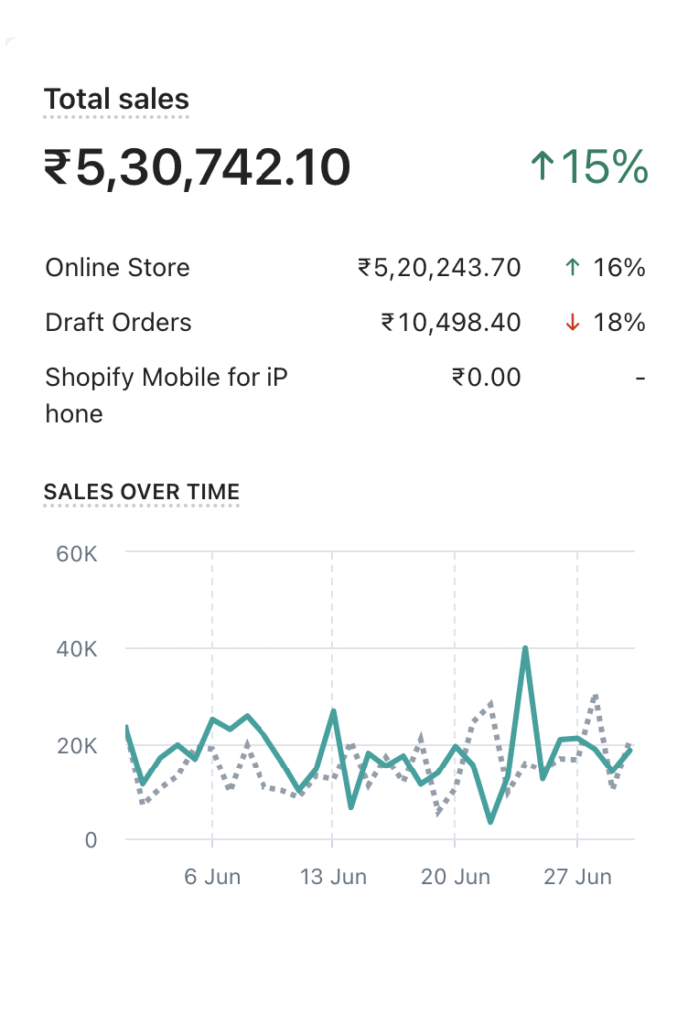
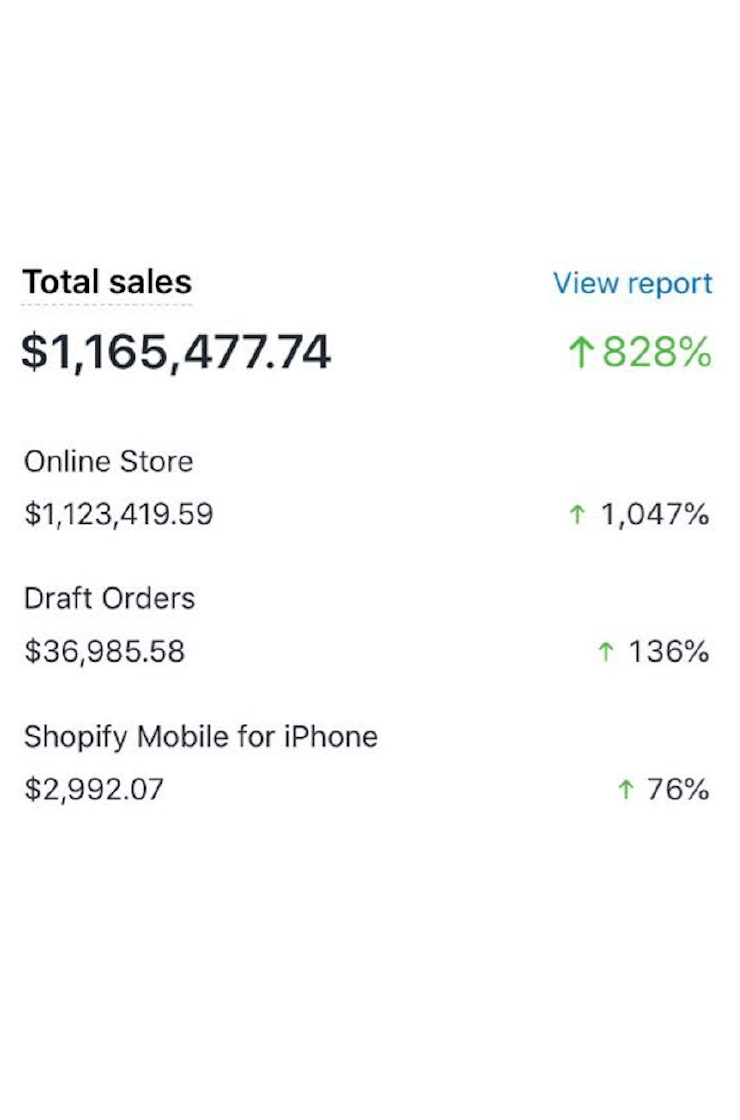
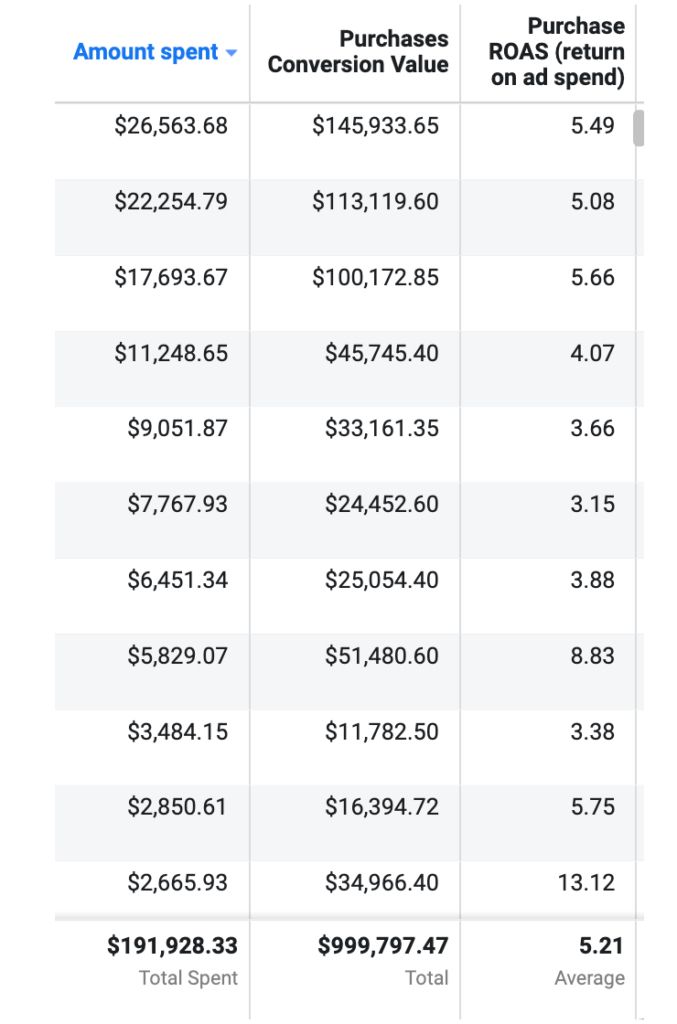
Let's increase your revenue together!
Get Results For Supplement Brand In First 3 Months
Want Us To Be The Growth Partner To Your Business?
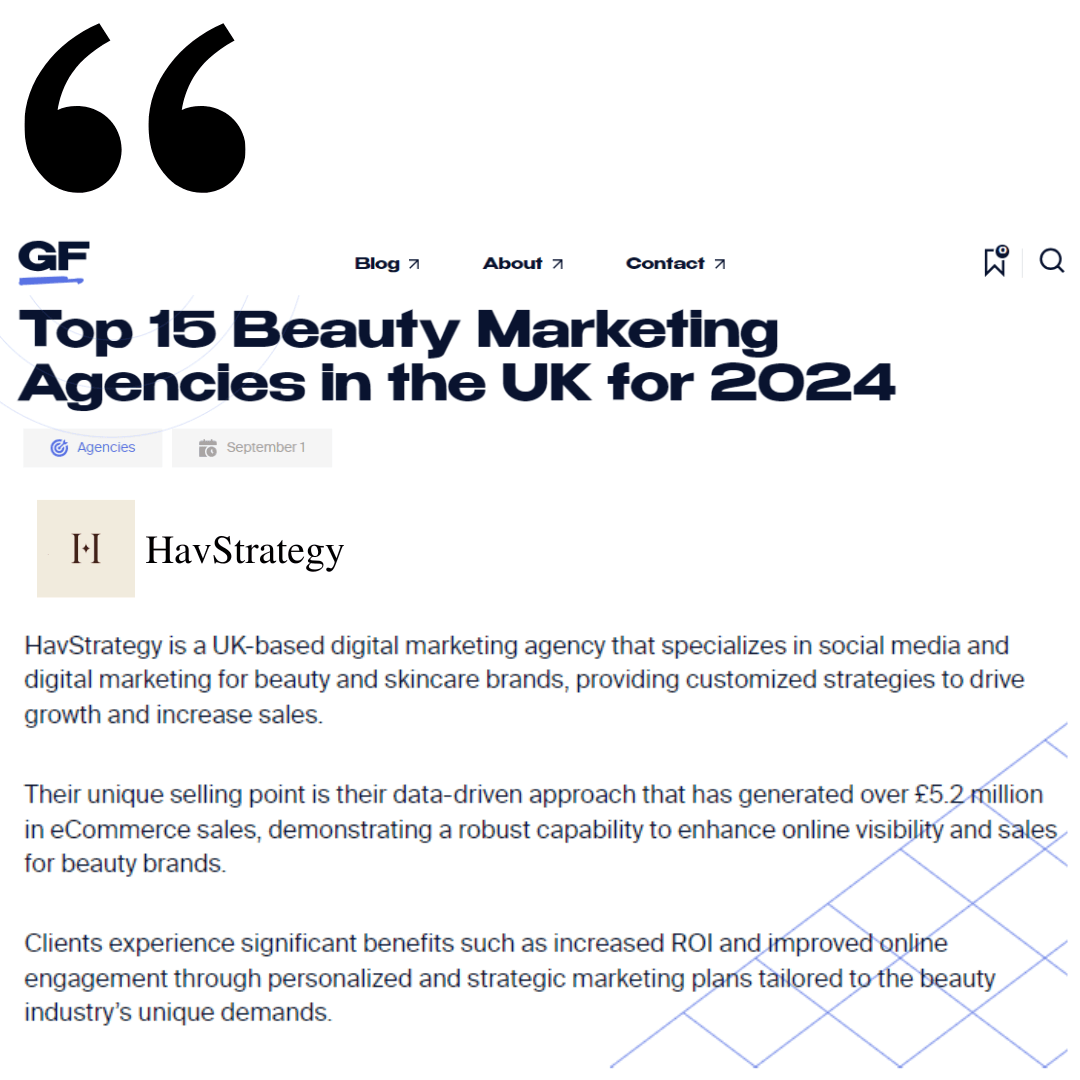
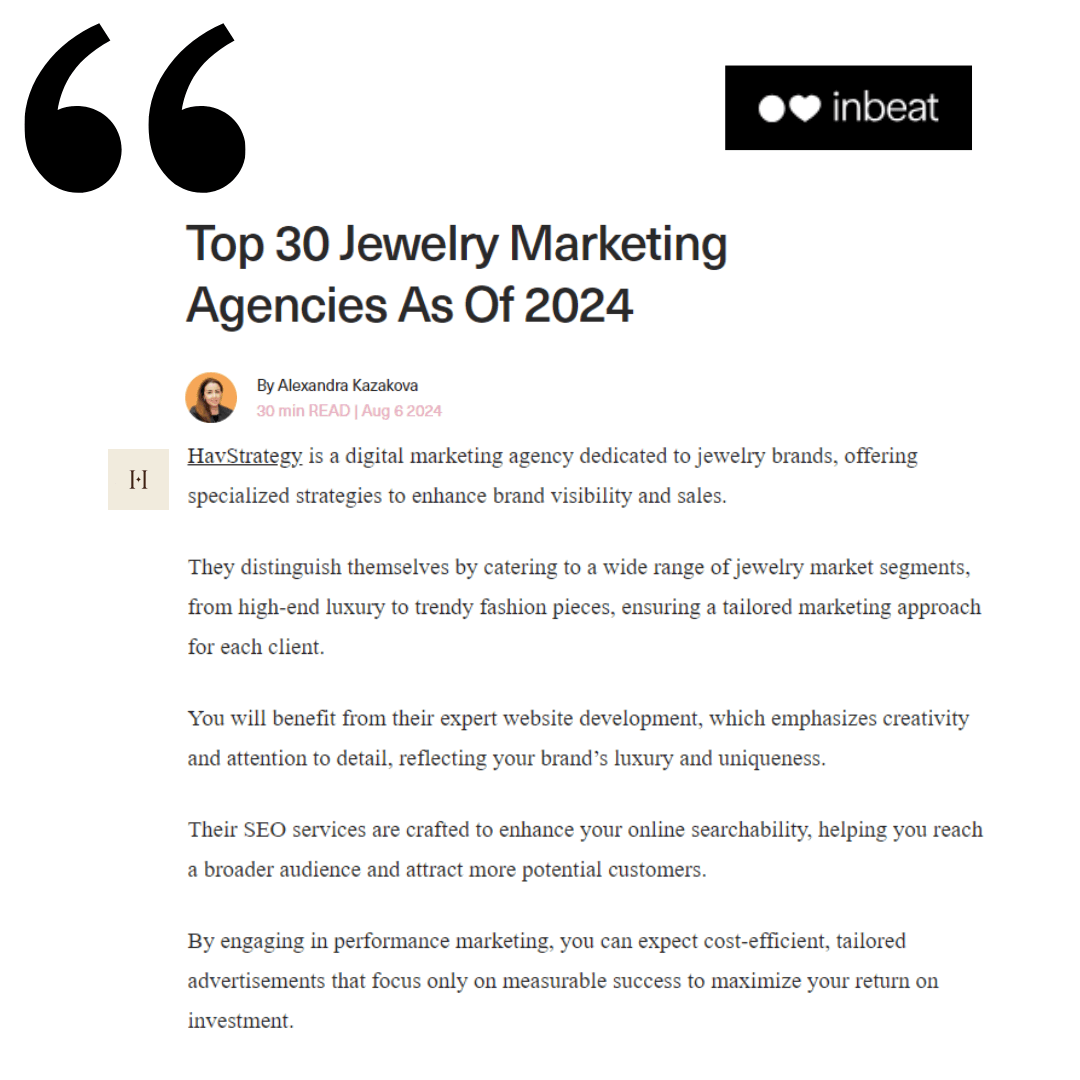
As Seen On

Let's Connect
Industries
International Market
Fashion Marketing Agency in UK
Fashion Marketing Agency in UAE
Lifestyle Marketing Agency in UAE
Skincare Marketing Agency in UK
Cosmetic Marketing Agency in UK
Beauty Marketing Agency in UAE
Luxury Marketing Agency in UAE
Home Decor Marketing Agency in UK
Home Decor Marketing Agency in UAE
Services
Social Media Marketing Agency in UK
Social Media Marketing Agency in UAE
Performance Marketing Agency In UK
Performance Marketing Agency In UAE
Digital Marketing Agency In UK
Digital Marketing Agency In UAE
Home Decor Marketing Agency In Australia
Beauty Marketing Agency In Australia
Skincare Marketing Agency In Melbourne
Fashion Marketing Agency In Australia