Top 5 Conversion Rate Optimization (CRO) Strategies for D2C Brands in 2026

Introduction

The biggest mistake D2C brands still make is assuming growth is a traffic problem. In reality, most brands don’t have a traffic shortage. They have a conversion leak. By 2026, with rising CACs, slower demand cycles, and sharper consumer skepticism, Conversion Rate Optimization has moved from being a “growth experiment” to a core profitability function. CRO is no longer about micro-tweaks or A/B testing buttons. It is about designing an experience that removes friction, builds trust, and converts intent into revenue consistently.

This guide is written for founders and growth teams who are already driving traffic but are frustrated by stalled revenue, poor ROAS scalability, and fragile unit economics. The goal is not theoretical optimization, but execution-led CRO that directly improves contribution margins.

Why CRO is the biggest growth lever for D2C brands in 2026

The D2C ecosystem in 2026 is structurally different from the growth boom years. Paid media is expensive by default. Algorithms reward brands that convert efficiently. Investors reward profitability over topline vanity. Consumers are slower, more informed, and far less impulsive. In this environment, CRO becomes the highest-leverage activity because it improves performance across every acquisition channel simultaneously.

Unlike ads or influencers, CRO compounds. A 20–30 percent improvement in conversion rate improves ROAS, reduces blended CAC, increases LTV, and makes retargeting cheaper — all without increasing spend. This is why mature D2C brands treat CRO as a continuous system, not a one-time project.
Why increasing conversion beats increasing ad spend

Increasing ad spend scales risk. Increasing conversion scales efficiency. Most founders underestimate how powerful small conversion lifts can be when applied to large traffic volumes. Improving conversion by even 0.3–0.5 percent often generates more incremental revenue than a 25–30 percent media budget increase, without the volatility of rising CPMs.

In 2026, scaling spend without fixing conversion simply magnifies inefficiency. High-growth brands flip the sequence: fix conversion first, then scale traffic. This mindset is what separates capital-efficient brands from those stuck in a perpetual CAC battle.

Strategy #1: High-intent landing pages (Product & Category)

Landing pages are where intent is either clarified or confused. Most conversion losses happen before checkout, often within the first five seconds of page load. In 2026, high-converting brands design landing pages to answer buyer objections immediately, not to aesthetically impress — a pattern we’ve repeatedly observed while scaling high-consideration categories, as detailed in How to Scale a Home Decor Brand in India & USA with Real Market Benchmarks.

Product Listing Pages (PLPs) and Product Detail Pages (PDPs) serve different psychological roles. PLPs help users compare and shortlist, while PDPs help users decide and commit. Treating both pages the same leads to decision fatigue and drop-offs, particularly in categories where purchase confidence depends on clarity and reassurance.

Above-the-fold hierarchy is the single most important CRO lever on PDPs. Within the first visible screen, users must immediately understand what the product is, who it’s for, why it’s credible, how fast it will reach them, and what safety net exists if it disappoints. If any of these answers are buried below the fold, conversion suffers.

Trust elements must be integrated contextually, not stacked blindly. Reviews convert best when placed near objections. UGC works best when shown before feature explanations. Delivery timelines outperform generic “fast shipping” claims when they are location-specific. Guarantees work only when they feel operationally real, not marketing-driven.

Strategy #2: Checkout & funnel friction reduction

Checkout is not where you persuade. It is where you reassure. Most checkout abandonment happens not because users changed their mind, but because uncertainty or effort exceeded intent.

There is no universal answer to one-page versus multi-step checkout. Lower AOV, impulse-driven categories often convert better with a single-page flow, while higher AOV or trust-sensitive categories benefit from structured steps that reduce anxiety. The real optimization lever is reducing cognitive load at each step, not shortening the funnel blindly.

Guest checkout is non-negotiable in 2026. Forcing account creation still kills conversions, especially on mobile. The highest-converting brands allow guest checkout by default and nudge account creation post-purchase.

Express payments are now conversion infrastructure, not optional features. UPI, wallets, BNPL, and express checkout buttons must be visible early, not hidden at the final step. Shipping clarity is equally critical. Unexpected shipping charges remain the top abandonment driver, even today.

COD should be optimized, not abused. Smart brands use COD selectively based on pin code reliability, order value, and user history, protecting margins without sacrificing conversion.

Strategy #3: Behavioral data & heatmap-driven optimization

CRO without behavioral data is guesswork. Analytics tells you what happened. Behavioral tools tell you why it happened. Heatmaps, scroll depth, and session recordings reveal friction that dashboards never show.

In 2026, winning CRO teams focus on identifying patterns, not individual user behavior. They analyze where users hesitate, where they rage-click, where scrolling stops, and where attention clusters without action. These signals point directly to trust gaps, clarity issues, or overload.

The most effective CRO programs are hypothesis-led. Teams observe behavior, form a clear hypothesis, implement a specific change, and define a success metric before testing. Random experimentation without direction wastes months and erodes confidence in CRO as a function.

Strategy #4: Personalization & retargeting for conversion

Personalization is no longer about names or greetings. It is about remembering intent and reducing repeat effort for returning users. In 2026, personalization means adapting the experience based on what the user already revealed through behavior.

High-performing D2C brands personalize PDPs using browsing history, location-based delivery messaging, recently viewed products, and context-aware bundles. Even small cues like “Still considering?” or “Back in stock near you” significantly improves conversion.

Returning users should not see the same experience as first-time visitors. They need less education and more reassurance. Faster checkout paths, trust reinforcement, and relevant offers outperform generic discounts.

WhatsApp, email, and SMS have evolved into mid-funnel conversion tools. The most effective brands trigger communication based on behavior, not time. Cart abandonment, browse abandonment, and restock alerts work best when they feel helpful rather than promotional.

Strategy #5: Performance + CRO alignment

The biggest CRO failures come from misalignment between ads and landing pages. When ad messaging overpromises or frames a product differently from the PDP, trust collapses instantly.

In 2026, high-converting brands ensure that ad hooks, visuals, and claims map directly to above-the-fold landing page content. The language users click on must be the language they see after clicking.

Scaling ads before CRO maturity is one of the most expensive mistakes D2C teams make. The smartest operators fix baseline conversion hygiene first, then scale traffic aggressively. This is why the most respected partners — whether positioned as the Best d2c agency, Best d2c marketing agency, best performance marketing agency, best influencer marketing agency, or best web development agency — are increasingly judged by their CRO depth, not just media dashboards.

Advanced CRO tactics for 2026

AI-powered personalization is moving from enterprise-only to mainstream. Dynamic PDPs that adapt based on traffic source, creator referral, or intent stage are becoming standard.

Quick-commerce integration requires a split strategy. D2C sites should focus on education, trust, and AOV expansion, while quick commerce fulfills speed-led replenishment. When both funnels are aligned, overall conversion improves.

Creator-led PDPs are emerging as one of the strongest CRO levers. Embedding creator explanations, styling guides, or usage routines directly on PDPs reduces hesitation and increases time-to-decision.

Common CRO mistakes D2C brands make

Most CRO programs fail not due to lack of tools, but lack of clarity. Over-testing without direction leads to inconclusive results. Ignoring mobile behavior causes massive blind spots. Obsessing over tools instead of insights creates false confidence. Treating CRO as a one-time task instead of a continuous system prevents compounding gains.

Final CRO execution checklist (30–60–90 days)

In the first 30 days, focus on identifying friction. Audit PDP structure, checkout drop-offs, and message mismatches. Install behavioral tracking and align ad messaging with landing pages.

In the next 60 days, fix the top three conversion blockers, improve mobile checkout flows, and implement intent-based retargeting loops.

By 90 days, personalize returning user experiences, test creator-led PDP modules, and integrate CRO metrics into weekly growth reviews.

Closing perspective for founders

In 2026, growth is not about louder ads or bigger budgets. It is about clarity, confidence, and conversion efficiency. Brands that win are not the ones that attract the most traffic, but the ones that respect user intent the most.

At HavStrategy, we consistently see CRO outperform every other growth lever when done strategically. Conversion is not a metric. It is a mindset.

If you are already driving traffic, your next phase of growth will not come from more clicks. It will come from fixing what happens after the click.

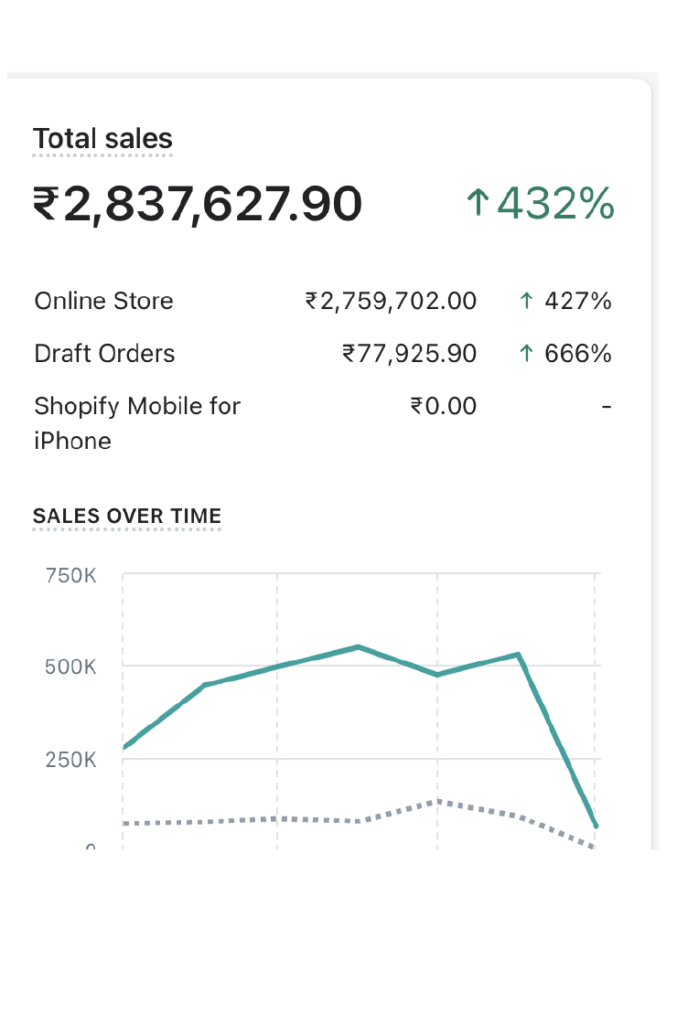
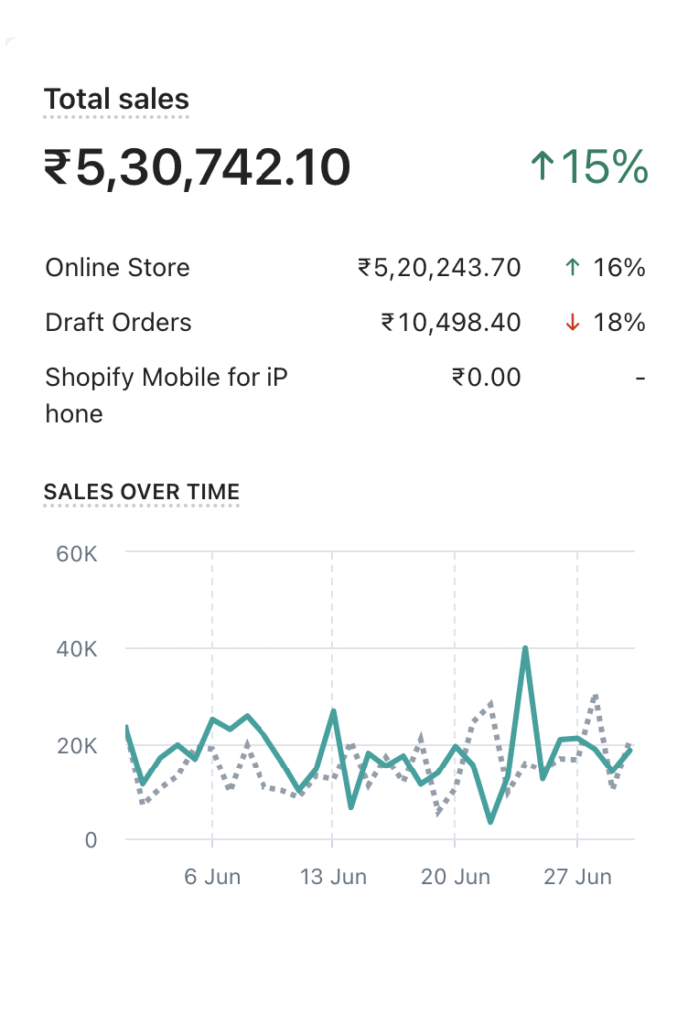
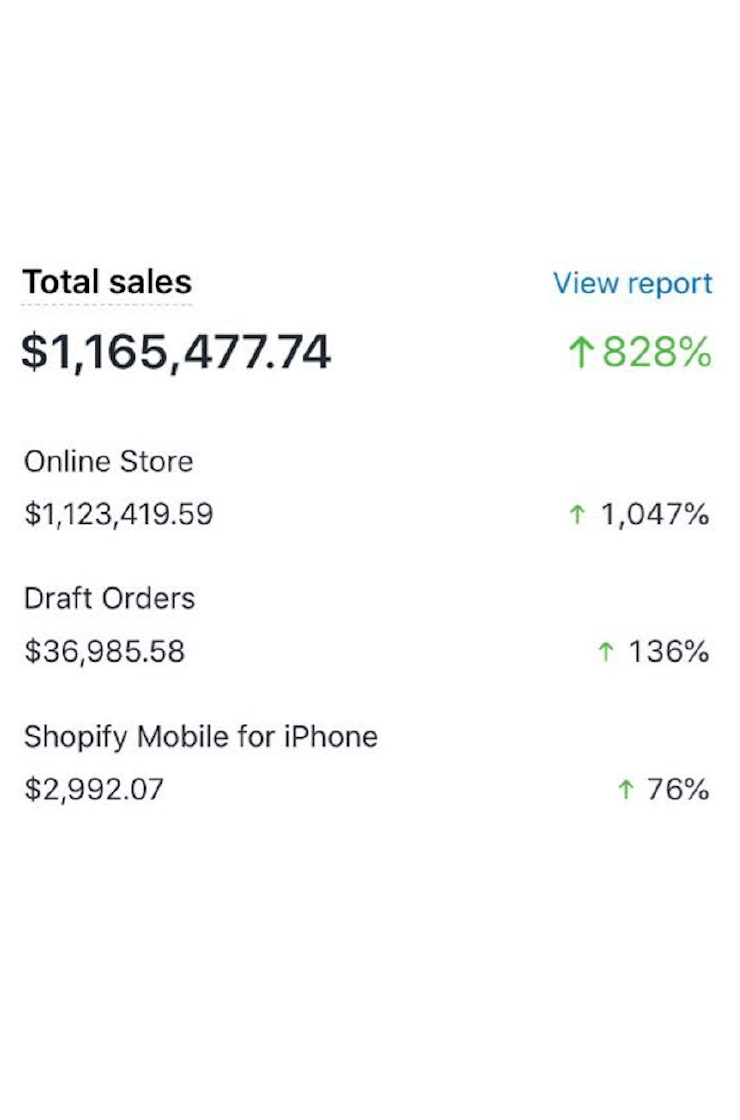
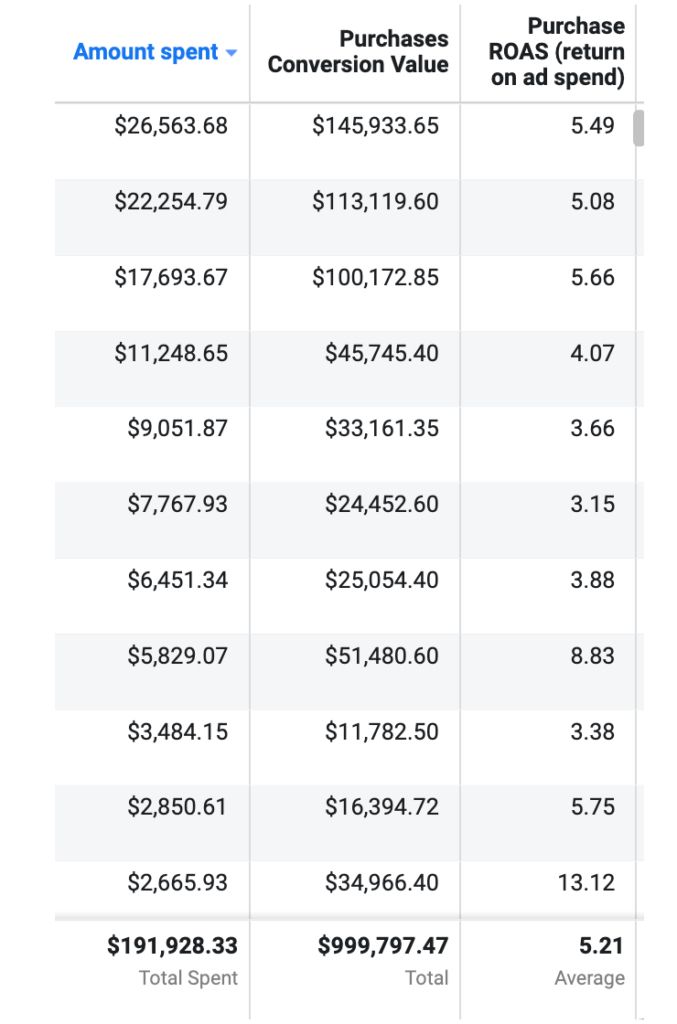
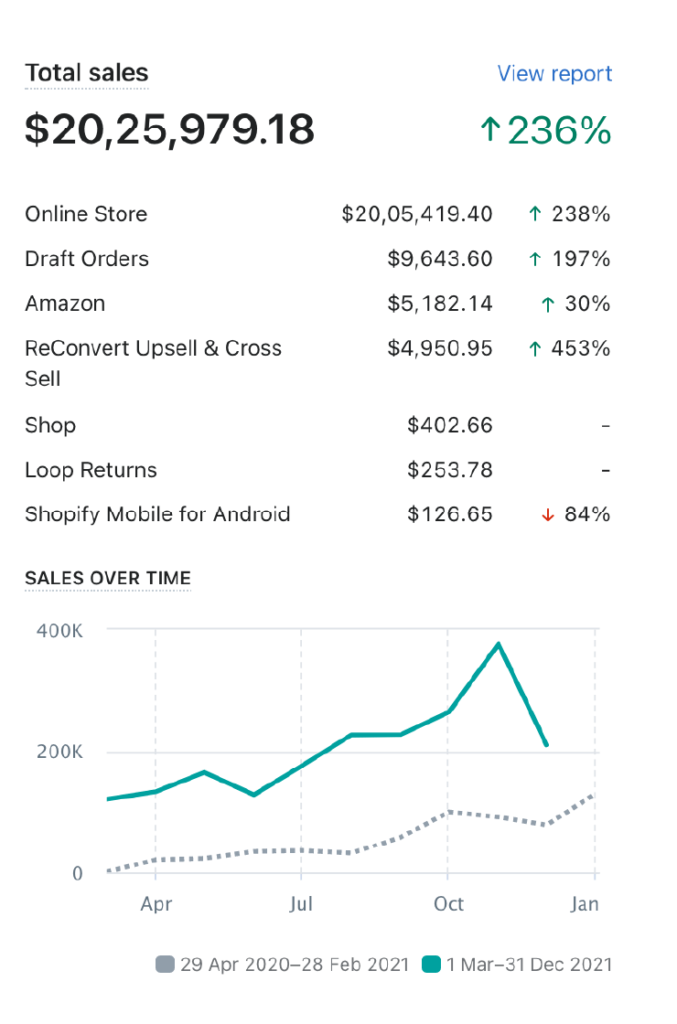
Past Results From Our D2C Brands

Results generated by HavStrategy
results

Let's increase your revenue together!

Get Results For your D2C brand In First 3 Months

Want Us To Be The Growth Partner To Your Business?

As Seen On

Let's Connect