HavStrategy

Marketing Strategies of The Souled Store

A Fashion D2C Case Study

Marketing Strategies - The Souled Store

Introduction

If you’ve spent enough time in the D2C or fashion ecosystem, you already know how brutally competitive the space is. Brands appear overnight and disappear just as quickly. Only a rare few manage to build something that lasts — something with real cultural and commercial gravity. The Souled Store is one of those exceptions. Not because of luck, not because of celebrity shortcuts, and definitely not because they followed a templated “growth hack,” but because they understood people more deeply than most brands ever attempt to.

Their growth has never relied on sudden virality. It’s been the outcome of identity, culture, product thinking, and operational discipline quietly compounding over years. As a D2C marketing agency, we see firsthand how rare this level of consistency is. When a brand makes relatability feel effortless and cultural relevance feel instinctive, it’s obvious there’s a powerful system running underneath.

The Souled Store is a strong reminder that brand building, content, and performance cannot work in isolation. Product, storytelling, and paid media need to evolve together — a truth every founder and CMO eventually discovers. Whether you’re a performance marketing agency scaling fashion brands or a lifestyle marketing agency shaping narratives, TSS is one of the clearest modern examples of how a well-aligned engine outperforms aggressive tactics every single time.

A Brand Born From Identity, Not Inventory

The Souled Store didn’t enter the market as a traditional apparel brand; they entered as a pop-culture brand. Their earliest products weren’t fashion statements; they were emotional cues—Marvel prints, sitcom references, sports fandoms, anime callouts, gaming quirks. These weren’t just “designs” on T-shirts; they were pieces of people’s identity.

Most fashion brands begin by asking “What should we sell?”
TSS began by asking “What do people already love enough to wear on their bodies?”

This shift in thinking created their first advantage. Customers didn’t buy products—they bought belonging. That emotional attachment made their early audience incredibly sticky. As their catalogue expanded, their customers didn’t feel like the brand was changing direction; they felt like it was growing with them. When TSS introduced everyday fashion, athleisure, dresses, shirts, loungewear, and work-friendly casuals, it didn’t feel jarring. The emotional permission was already built.

This is something many D2C founders overlook. They try to build a catalogue before they build a soul. The Souled Store did the opposite, and it shows in how loyal their community remains today.

The Power of Relatability in Their Brand Voice

One of the most refreshing aspects of The Souled Store is how effortlessly relatable they sound. Their tone has always been warm, witty, and lightly self-aware. It never feels overproduced or pretentious. They don’t speak like a luxury brand trying too hard. They don’t behave like a hype-driven streetwear label trying to be cool. Their voice feels like a friend—one with a familiar sense of humour, a light sense of nostalgia, and a charmingly informal vibe.

This relatability isn’t an aesthetic choice; it’s a strategic advantage. When a brand speaks in a tone people naturally enjoy, everything becomes easier. Creatives perform better. Engagement rises without paid pressure. Ads blend into the feed without looking “salesy.” The brand becomes accessible across age groups—whether someone is 17 and still in school or 32 and working in an office.

In an environment where dozens of new apparel brands enter every week, trying desperately to sound premium or aspirational, TSS wins by being honest, friendly, and familiar. That’s harder to achieve than it looks.

How They Turn Culture Into Commerce

If there’s one superpower The Souled Store has mastered, it’s the ability to convert cultural moments into commercial momentum. Their timing is uncanny. Whether it’s a new OTT release, a trending meme, a throwback nostalgia wave, a cricket highlight, or a sudden revival of an old show—TSS turns it into content faster than most people can finish discussing it.

This isn’t trend-chasing; it’s cultural intuition. They’ve built a team and mindset that recognises how young India reacts to content and how that reaction shapes their purchasing behaviour. When you build apparel around culture, you’re not creating products—you’re creating participation. A customer doesn’t buy a Batman T-shirt because it’s well-designed; they buy it because it expresses something they already feel.

And this has a massive impact on advertising efficiency. Top-of-funnel reach becomes cheaper because recognition drives attention. Creative fatigue drops because every new design taps into something people already care about. Even organic content performs better because it doesn’t look like branded content—it looks like internet culture wearing a T-shirt.

Brands that understand culture grow faster. TSS understands it better than most.

The Funnel You Can See Clearly—Even If They Never Talk About It

When you study The Souled Store’s ads closely, you start noticing something most people miss. Even though the brand never talks about having a “funnel strategy,” their marketing behaves like a perfectly structured system. This is something any good D2C marketing agency, performance marketing agency, or lifestyle marketing agency instantly picks up on.

Their top-of-funnel leans heavily on culturally familiar visuals — the kind of content that makes people stop scrolling because it feels like a part of their everyday internet language. As the brand enters the middle-of-funnel, the narrative slowly shifts toward the things customers actually care about: comfort, fabric, fit, and the assurance that these are clothes you’ll genuinely enjoy wearing. By the time you reach the bottom-of-funnel, the communication becomes even softer — limited drops, seasonal cues, fast-moving bestsellers, loyalty nudges — all delivered without that aggressive, “buy now” pressure many D2C brands rely on.

What makes this system so effective is how seamless it feels. You don’t even realise you’re being guided through a funnel because the messaging never becomes overbearing. The Souled Store doesn’t try to force conversion; they simply remain present until your intent naturally strengthens.

This is exactly where so many D2C brands go wrong. They treat funnels like rigid dashboards inside Ads Manager. The Souled Store treats it like a relationship — one that matures through consistent, thoughtful interactions rather than desperate performance tactics.

Meta Builds the Desire. Google Captures the Intent.

One thing I’ve observed across high-performing fashion D2C brands is that Meta and Google rarely share the same job. The Souled Store uses them beautifully as two separate engines.

Meta is their desire engine. It introduces people to cultural hooks, entertaining creative formats, relatable humour, creator-driven videos, and identity-based design stories. This keeps the brand in constant circulation across young India’s feed. Meta doesn’t need to convert—they simply need to make sure you remember how their products make you feel.

Google is their intent engine. By the time a customer searches for “Souled Store oversized tee,” “Marvel T-shirt India,” or “Souled Store hoodies,” the intent is already warm. Their Smart Shopping feeds, branded search campaigns, category keywords, and discovery ads work because Meta has already done the heavy lifting of familiarity and desire.

A lot of brands run ads hoping for immediate conversion. TSS understands that desire is built in one place and captured in another.

This is the kind of system HavStrategy often helps brands set up—the dual-engine structure that keeps CAC stable even in competitive markets.

Creative Discipline: The Backbone of Their Growth

Creativity is one of the strongest pillars of The Souled Store, and it’s not because they’re trying to be quirky or overly clever. Their real strength comes from discipline. The brand shows up with the same clarity, the same tone, and the same personality every single time — something even the best D2C marketing agency, performance marketing agency, or lifestyle marketing agency will tell you is harder than it looks.

Their creative direction has structure without slipping into repetition. Their humour feels authentic to who they are. Their content looks casually spontaneous but remains unmistakably on-brand. Even their product shoots strike a balance that most brands struggle with — playful but not childish, clean but never sterile, expressive without looking chaotic.

This isn’t luck or raw talent. This is the result of a brand that knows itself deeply. Creativity becomes predictable only when a brand’s identity is sharp enough to guide every decision. The Souled Store has that advantage.

For founders, this is a powerful reminder: creative identity matters far more than creative variety. When you know exactly who you are as a brand, content stops feeling like a guessing game. It becomes consistent, coherent, and instantly recognisable — the exact formula behind long-term relevance.

This disciplined approach also ties into the insights shared in Google Ads vs Meta Ads in 2026: Which Platform Gives Better ROI for D2C Brands?, where a strong brand identity enables more effective targeting and creative testing across platforms. Similarly, How to Scale a D2C Brand from ₹1L to ₹10L in Monthly Sales: A Founder’s Step-by-Step Marketing Framework emphasizes the importance of consistency in scaling a brand while maintaining a clear and unified identity.

The “Affordable Premium” Positioning That Actually Works

Another conscious choice TSS made was to price themselves accessibly without diluting perceived value. They are not cheap, but they are not expensive either. They sit exactly where impulse purchases feel justified, gifting feels easy, and quality feels rewarding.

This is smart for two reasons. First, it boosts repeat purchase cycles. Second, it builds trust. Customers don’t feel tricked into paying a “brand tax,” which makes them comfortable buying again and again.

Many D2C fashion brands chase higher margins too early and end up alienating their core audience. TSS took the long route—focus on volume, consistency, and loyalty instead of inflated AOV. Over time, this creates a more stable business.

The Operational Spine That Holds Everything Together

Marketing alone cannot build a long-lasting fashion brand. What truly sustains The Souled Store’s growth is their operations. They have one of the industry’s strongest design-to-inventory cycles. Their printing ecosystem allows for rapid execution without compromising quality. Their replenishment cycles and stock depth planning are far more disciplined than what you find in most D2C companies.

Their website is fast, intuitive, and built for conversion. Their returns and customer support systems are smooth and professional. Their shipping is reliable. Their loyalty programme is actually rewarding—something many brands implement but few manage well.

These operational strengths ensure that marketing efficiency compounds over time. You cannot scale a brand where customers don’t enjoy the post-purchase experience. TSS does everything possible to ensure they do.

What Founders Can Learn—Without Trying to Copy

The Souled Store’s success cannot be replicated line-for-line because every brand has its own DNA. But the principles behind their growth are universal.

Founders should take away the importance of building a brand identity before expanding categories, shaping a tone that customers genuinely enjoy, using culture to spark desire, letting performance marketing warm audiences instead of forcing sales, and maintaining operations that don’t collapse under scale. These are not shortcuts—they are disciplines that compound.

At HavStrategy, this is the same philosophy we apply when building growth systems for fashion and lifestyle brands. The brands that succeed long-term are those that treat marketing as an ecosystem, not a channel.

The Souled Store Isn’t a Trend. It’s a System.

When you zoom out and look at the entire journey, one thing becomes obvious: The Souled Store didn’t scale because of a single breakthrough or one lucky marketing lever. Their growth comes from hundreds of thoughtful decisions working together — the kind of long-term, compounding system that any experienced D2C marketing agency, performance marketing agency, or lifestyle marketing agency immediately recognises as deliberate, not accidental.

They never ran behind hype; they pursued cultural relevance.
They never relied on fleeting virality; they built a brand identity people genuinely connected with.
They didn’t chase trends for the sake of it; they embedded themselves into culture.
They didn’t obsess over ROAS in isolation; they focused on nurturing a relationship that naturally leads to higher lifetime value.

This is what makes them a defining example of modern D2C thinking. For founders operating in India, the US, UK, or Dubai, the takeaway is simple: real scale doesn’t come from aggressive ad pushes. It comes from understanding people deeply, building systems that reinforce each other, and staying consistent long after others give up.

And if you’re a brand looking to build this kind of durable, scalable engine — one where brand, creative, performance, and operations work in harmony — HavStrategy is the partner built for that journey. Let’s build your growth system together.


Past Results From Our Clothing Brands

Results generated by HavStrategy
results

Let's increase your revenue together!

Get Results For your Clothing brands In First 3 Months

Want Us To Be The Growth Partner To Your Business?

As Seen On

Let's Connect

Google Ads vs Meta Ads in 2026: Which Platform Gives Better ROI for D2C Brands?

Google Ads vs Meta Ads in 2026: Which Platform Gives Better ROI for D2C Brands?

Introduction

The D2C landscape in 2026 has become far more competitive, aggressive, and algorithm-driven than ever before. Customer acquisition costs are rising, attention spans are shrinking, platform algorithms are shifting, and the pressure to achieve predictable ROAS is intensifying. For founders, CMOs, and marketers scaling in this new environment, one question dominates every strategic meeting:

Which platform delivers better ROI in 2026—Google Ads or Meta Ads?

As HavStrategy is a high-performing D2c marketing agency and performance marketing agency, we manage multi-million-dollar ad budgets across both platforms. After scaling 200+ D2C brands, our verdict is clear: The winner is not a single platform, it’s the brand that understands the psychological role each platform plays in the buyer journey.

Meta fuels desire.
Google captures intent.
Together, they power predictable revenue systems.

Understanding this dual dynamic is the key to outperforming your category in 2026.

Why This Comparison Matters More Than Ever

Consumer behaviour has shifted dramatically:

More than 65% of shoppers discover new D2C brands on social media before ever searching for them. Nearly 40% of all searches for D2C brands are triggered by seeing social ads multiple times. Google CPCs have increased significantly in 2026, while Meta CPMs remain relatively stable. Users switch between Meta and Google an average of 3–7 times before completing a purchase.

Because of these shifts, Google and Meta no longer compete for the same moments. They influence different psychological stages:

Meta drives interest, inspiration, and emotional connection.
Google drives evaluation, comparison, and decision-making.

This makes understanding both platforms essential for any D2C brand.

How Meta Ads Perform in 2026 for D2C Brands

Meta remains the number one discovery engine for D2C brands. It is the platform where desire is built, attention is earned, and visual storytelling shapes brand perception.

Meta excels because its ecosystem taps directly into lifestyle psychology. Buyers stop scrolling when they see an identity they want to adopt, a lifestyle they want to live, or an aesthetic they want to align with.

Meta Wins at Top-of-Funnel Demand Generation

Meta is still the most efficient platform for cold audience acquisition. It lets brands scale rapidly with:

Visual hooks
Emotional creative storytelling
UGC-driven trust
Lifestyle projection
Quick testing formats

Creative remains the biggest ROAS driver on Meta. A single winning creative can cut CAC by 40–60%, which is why the best performance marketing agency teams test at least 15–50 creative variations per week.

Meta Influences Purchases Even When It Doesn’t Capture the Sale

The biggest misconception among D2C founders is believing Meta doesn’t convert because they don’t “see” the results.

Meta creates the demand.
Google captures the demand.

Every widened top funnel on Meta shows up as:
higher search volume,
higher brand query intent,
higher Google conversion rates.

Meta Has Lower Cost Per Impression Than Google

In 2026, Meta still offers lower CPMs and CPCs compared to Google. This makes it the best platform to scale visibility and build brand memory. For new brands, Meta is the engine that drives discovery at a mass scale.

How Google Ads Perform in 2026 for D2C Brands

Where Meta creates interest, Google converts interest into measurable outcomes. Google is the platform of intent—and intent always converts at a higher rate.

Google Owns Bottom-of-Funnel Conversions

People turn to Google when they are ready to make a decision. This makes Google the most reliable revenue engine for D2C brands with established awareness.

Google captures users at the exact moment they are:
comparing brands,
evaluating credibility,
searching for reviews,
checking prices,
wanting fast answers.

These are high-intent behaviours, which is why Google’s conversion rate is generally 2–3x higher than Meta.

Google Acts as the Trust-Validation Layer

Even if a user first discovers your brand on Meta, they almost always validate credibility on Google before purchasing. Search behaviours like:

“Brand name review”
“Brand name legit?”
“Brand name discount”

are signals that Google is the confidence-builder before the purchase.

Google Delivers Strong ROAS for Established Brands

Once your brand has built recognition, Google becomes your most efficient channel. Brand keyword campaigns often deliver the highest ROAS in the entire media mix. Performance Max also continues to dominate due to its automated intent-driven optimisation.

The Real ROI Question: Google or Meta?

Most brands ask the wrong question. It’s not “Which platform is better?” It’s “Which platform is better for my brand at this stage?”

Here is the real breakdown:

Early-stage brands get better ROI from Meta because the platform generates demand at scale. Mid-stage brands get balanced ROI from both platforms because users split their journey between discovery and search. Mature brands get better ROI from Google because established demand and brand searches convert at high efficiency.

Premium performance comes from understanding when to use each platform and how to blend them into a unified acquisition system.

Which Platform Wins Across Key D2C Metrics?

Cost Efficiency → Meta

Meta remains cheaper in terms of CPMs and CPCs, making it the ideal platform for scale.

Conversion Rate → Google

Users with intent convert faster and better.

New Customer Acquisition → Meta

Meta introduces your brand to new audiences faster than any other platform.

ROAS for Mature Brands → Google

Once awareness exists, Google delivers more predictable ROI.

Creative Scalability → Meta

Meta gives you infinite room to run, test, and scale creative variations.

Attribution Accuracy → Google

Google still has cleaner conversion visibility in 2026.

Both platforms win different metrics, which is why a combined strategy delivers the highest returns.

How Should D2C Brands Allocate Budgets in 2026?

After analysing hundreds of campaigns, HavStrategy recommends this breakdown:

Early-Stage D2C Brands

70% Meta
30% Google
Reason: Focus on mass awareness and acquisition.

Growth-Stage D2C Brands

55% Meta
45% Google
Reason: Leverage both demand creation and demand capture.

Mature D2C Brands

35% Meta
65% Google
Reason: Dominate high-intent conversions and brand queries.

This distribution balances CAC, ROAS, and LTV for sustainable scaling.

Advanced Insights Only Experienced Growth Teams Understand

Meta shapes how buyers feel about your brand.
Google shapes how buyers think about your brand.

Meta increases Google conversions, even when not credited.
Google retargeting strengthens Meta funnel efficiency.
Meta triggers desire; Google closes the sale.
Meta feeds Google with brand searches; Google feeds Meta with remarketing audiences.
Peak ROAS comes only when both are used in a unified ecosystem.

This is not guesswork—it’s behavioural science.

Conclusion

Google Ads and Meta Ads are no longer competing platforms—they are complementary pillars of a high‑performance D2C growth engine. Meta builds visibility, desire, and brand affinity. Google validates intent, drives conversions, and anchors predictable revenue. The brands that dominate 2026 are the ones that engineer both platforms into an integrated, data‑driven, psychology‑backed funnel. This integrated strategy lies at the core of How to Scale a D2C Brand from ₹1L to ₹10L in Monthly Sales: A Founder’s Step-by-Step Marketing Framework, where we break down how combining visibility and intent maximization helps build scalable, sustainable growth.

If you want to scale your brand with precise ROI, predictable CAC, and stronger LTV, you need a specialised d2c marketing agency and an advanced performance marketing agency that understands funnel engineering, creative psychology, algorithmic shifts, and cross-channel attribution.

This is exactly what HavStrategy delivers.

As a top-tier d2c marketing agency and performance marketing agency, HavStrategy creates integrated Google + Meta growth systems that outperform the market. From PMax optimisation to Meta creative frameworks, from demand generation to conversion engineering, we build acquisition systems designed for aggressive scaling and long-term profitability.

Past Results From Our Brands

Results generated by HavStrategy
results

Let's increase your revenue together!

Get Results For your brands In First 3 Months

Want Us To Be The Growth Partner To Your Business?

As Seen On

Let's Connect

How Luxury Brands Can Target HNI Audiences Without Wasting Ad Spend

How Luxury Brands Can Target HNI Audiences Without Wasting Ad Spend

Introduction

Reaching real high-net-worth individuals is one of the most misunderstood challenges in luxury marketing. Most brands burn money not because their products are weak, but because their targeting is shallow. At HavStrategy, a leading luxury marketing agency and lifestyle marketing agency, we work closely with luxury fashion, beauty, jewellery, skincare and home décor brands across India, the US and the UK. One thing is clear: even the most premium brands waste major budgets simply because they don’t understand how HNI audiences think, behave or buy.

HNIs are not influenced by mass-market tactics. They are not scrolling social media hoping to find discounts. They don’t respond to urgency or scarcity gimmicks. They evaluate brands based on identity, depth, craftsmanship and cultural relevance. A luxury marketing agency US or luxury marketing agency UK understands this deeply because these markets mature faster; however, Indian luxury brands still often approach media buying with FMCG frameworks. The result is predictable: low ROAS, wasted impressions and inflated customer acquisition costs.

To target HNIs effectively, luxury brands need to operate with precision, psychology and strategic restraint. This requires a controlled message, curated audiences and a media-buying system built around filtration rather than expansion. When the wrong audience enters your funnel, your ad spend becomes a cost. When the right audience enters, it becomes an investment.

The HNI Psychology: Why Traditional Targeting Doesn’t Work

HNIs don’t buy products; they buy reflections of themselves. For them, every premium purchase carries emotional influence: taste, status, belonging and cultural identity. They expect privacy, personalization and depth. This is why mass targeting is the fastest way to look “cheap” to an affluent buyer. Luxury is built on distance. A luxury marketing agency ensures that the brand appears selective, not available for everyone. The more accessible you look, the faster your luxury perception collapses.

Where Luxury Brands Typically Waste Ad Spend

Before discussing the solution, it is important to understand where the leak begins. Almost all luxury brands repeat the same mistakes across Meta and Google ads.
Common leakage points include sending mass traffic to generic landing pages, using creative styles that resemble retail brands, relying on demographic filters instead of behavioural signals, and optimizing campaigns for clicks rather than qualified conversation. Performance marketers who come from fast-fashion or mass D2C backgrounds often assume volume equals results. But luxury audiences operate in the opposite direction: exclusivity, not volume, drives conversions.

If the top of your funnel attracts aspirational audiences who “like luxury” but cannot afford luxury, your media buying becomes a charity for Meta. Even the best luxury marketing agency US or luxury marketing agency UK maintains strict filtration mechanisms to ensure their ad spend reaches micro-segments of actual HNI behaviour.

How Luxury Brands Can Target HNIs Without Wasting Ad Spend

A precise luxury marketing strategy requires a hybrid of psychology, premium positioning and advanced performance marketing. Here are the core principles:

  1. Build Micro-Audience Clusters Instead of Broad TargetingHNIs do not live inside standard interest tags. Instead, they exist in behaviour clusters. Effective clusters include luxury travellers, fine art collectors, high-limit credit card users, international shoppers, premium property buyers, frequent global hotel visitors and luxury auto owners. These clusters create a sharper entry point for ad delivery and significantly reduce budget wastage.
  2. Use Intent-Based Filters and Interest StackingOne of the most powerful approaches used by a best-in-class luxury marketing agency is interest stacking. It means layering 6–12 niche interests to form ultra-specific personas. Example clusters include boutique resorts, Michelin dining, rare perfumes, premium golf memberships and AI-powered wealth management apps. This shifts your ads toward genuine affluence patterns instead of aspirational behaviour.
  3. Elevate Creative Storytelling to Signal Exclusivity – HNIs don’t respond to loud creatives. They respond to depth, craftsmanship, slowness and minimalism. Your visuals should feel editorial, cinematic and controlled—similar to global luxury brands. This is why a lifestyle marketing agency builds creatives that feel like private invitations rather than public promotions.
    Luxury creatives must signal: “This is not for everyone. This is for someone like you.” That single line of psychological positioning can increase ROAS dramatically.
  4. Design a Private Acquisition Funnel – The biggest mistake luxury brands make is sending premium buyers to generic landing pages. High-ticket customers expect concierge-style experiences, not automated flows.
    Effective funnels include premium product storytelling pages, invite-only viewing links, segmented WhatsApp pathways, human-led consultations and curated brand experiences.
    The more intimate the journey feels, the higher the conversion likelihood. Luxury conversion is a relationship, not a transaction.
  5. Enrich the Data Layer to Let Algorithms Self-Optimize HNIs showcase high-intent behaviours: repeat visits to premium SKUs, time spent on craftsmanship pages, revisits to collection pages and product comparison journeys.
    Integrating scroll-depth tracking, button engagements, video completion data and session frequency allows the algorithm to organically shift toward high-quality audiences.
    This is how a luxury marketing agency US or luxury marketing agency UK scales efficiently: not by increasing spend, but by sharpening data signals feeding the algorithm.

Why Luxury Targeting Takes Patience

HNIs don’t convert immediately. They evaluate, observe, revisit and compare. A brand that stays patient earns the sale. A brand that panics broadens its audience and loses positioning.
Luxury is a game of delayed gratification. Your repeated impressions build trust. Your consistency builds desire. Your storytelling builds identity alignment.

The HavStrategy Approach to HNI Targeting

At HavStrategy, we operate with a simple philosophy: precision beats volume. As a global luxury marketing agency and lifestyle marketing agency, we shape luxury-brand narratives using micro-targeted performance systems that eliminate wasteful impressions. Our strategies in India, the US and the UK follow a strict discipline—understated visuals, advanced media buying, encrypted funnels and behavioural segmentation.
Instead of chasing reach, we engineer desire. Instead of chasing clicks, we engineer qualified conversations. Instead of chasing random conversions, we engineer high-ticket buying moments.

Conclusion

Reaching HNI consumers is no longer about broad visibility—it’s about precision, psychology, and deep market understanding. Luxury brands that master this shift stop burning budgets on irrelevant audiences and start building real influence among affluent decision-makers. When your strategy mirrors the sophistication of a luxury lifestyle marketing agency, or a specialised luxury marketing agency, every impression becomes intentional and every click becomes high-value.

HNI targeting works only when media buying, creative positioning, and segmentation are engineered with elite discipline. It’s not about reaching millions; it’s about reaching the right 1%. With the right frameworks, luxury brands can transform their ad engines into predictable revenue systems powered by affluent buyers ready to spend.

This refined approach is crucial when assessing Google Ads vs Meta Ads in 2026: Which Platform Gives Better ROI for D2C Brands?, where the focus on segmentation, precision targeting, and data-driven insights is key to reaching high-net-worth individuals and driving results.

If your luxury brand is ready to eliminate wasted spend and build a high-precision acquisition machine, HavStrategy can architect that system end-to-end. As HavStrategy is a performance-driven luxury marketing agency and lifestyle marketing agency, we specialise in advanced HNI targeting, premium audience segmentation, luxury funnel engineering, and full-stack media buying for high-ticket categories.

To scale your luxury brand with accuracy, efficiency, and premium strategy, connect with HavStrategy today—your growth partner for the world’s most exclusive consumers.

Past Results From Our Luxury Brands

Results generated by HavStrategy
results

Let's increase your revenue together!

Get Results For your Luxury brands In First 3 Months

Want Us To Be The Growth Partner To Your Business?

As Seen On

Let's Connect

How to Leverage US Festive Seasons for 10x Home Decor Sales

How to Leverage US Festive Seasons for 10x Home Decor Sales

Introduction

Festive seasons in the United States account for a massive 35–45% of annual home decor sales, making them one of the biggest growth windows for D2C brands. With demand spiking up to 4x during Christmas, Thanksgiving, Halloween, and New Year, home decor consistently ranks among the top five fastest-selling categories during peak holidays.

From themed dining sets to cosy throws and warm decorative lighting, consumers flock online searching for instant inspiration. This makes digital marketing for luxury home decor brands the primary lever for revenue growth—especially for brands guided by a specialised home decor marketing agency in the US or a luxury home decor marketing agency that understands seasonality and buyer psychology.

At HavStrategy — a leading luxury marketing agency and lifestyle marketing agency — we’ve helped several fast-growing home decor brands unlock exponential festive growth through data-driven holiday campaigns, precision forecasting, influencer collaborations, and inventory optimisation. If your brand still treats festive marketing as last-minute seasonal content, this guide will help you turn those months into predictable revenue cycles.

Why US Festive Seasons Matter for Home Decor Brands

Festive periods in the US, especially from October through December, are not just good opportunities; they are critical sources of revenue. Consumer spending on home decor increases by 70 to 120% compared to non-seasonal months, particularly in categories like holiday lighting, wall art, table settings, themed throw pillows, and entryway accessories. Data from the National Retail Federation shows that U.S. consumers planned to spend over $997 on average during the 2023 winter holiday season, with a significant portion dedicated to festive home improvements.

What makes festive cycles so profitable?

  • Higher AOV — shoppers buy full room setups, bundles, or themed collections
  • Lower CAC — emotional urgency drives impulse buys
  • Scarcity effect — limited editions sell faster
  • High intent — holiday buyers are late-stage decision makers

Brands supported by a data-led luxury home decor marketing agency consistently outperform competitors during these key months because their strategies are built around anticipated demand rather than reactive content.

Email and SMS Strategy

Holiday-themed email and SMS campaigns consistently outperform regular messaging across all categories, and they are particularly effective in home decor. Brands that implement seasonal sequences often see a 30 to 40% improvement in click-through rates. The ideal flow follows three steps: a pre-season teaser campaign, a peak holiday offer, and a final “last-minute” push.

Post-holiday follow-ups are another missed opportunity that a lot of D2C brands ought to make. Sending a campaign 2 to 3 days after the peak offering complementary products like storage bins or early access to new launches keeps the customers engaged in the journey of new campaigns. Additionally, cart abandonment emails that include festive design elements, such as gift wrap visuals, countdown timers, or a CTA like “Almost there” or “Cart is waiting to be at checkout”, experience 18 to 20% lower drop-off rates. In short, festive lifecycle campaigns, especially through SMS and emails, are valuable for increasing lifetime value.

This approach is vital for luxury brands, as outlined in How Luxury Brands Can Target HNI Audiences Without Wasting Ad Spend, where precision in customer engagement and targeted messaging can drastically reduce wasted ad spend. Similarly, How to Scale a Beauty Brand in India & the USA with Real 2025 Data & Ad Insights highlights how implementing data-driven, seasonal campaigns across multiple channels can yield substantial improvements in customer retention and lifetime value.

Inventory & Logistics Checklist

Inventory misalignment is one of the quickest ways to lose festive revenue. Based on data from D2C home brands we have worked with, season-specific products should have at least 1.5 to 2 times your normal inventory buffer. If you usually sell 1,000 units per SKU, you should prepare for at least 1,500 to 2,000 during peak seasons like Black Friday or Christmas week.

Successful home decor brands categorise inventory based on demand likelihood; fast-moving seasonal SKUs should be positioned in easily accessible warehouse areas. Prioritising quick-ship SKUs with real-time tracking and clear delivery timelines boosts conversion rates and reduces cancellations. Guaranteed delivery times, especially during peak seasons, correlate with a 15 to 18% increase in conversions for holiday shoppers.

Post-Season Monetization Strategy

What happens after the festive excitement fades? That’s where long-term monetisation begins. Instead of heavy discounts, use leftover inventory for soft-clearance sales by promoting them as “New Year mood reset” or “winter home refresh” collections.  urgency-driven terms like “seasonal decor clearance” or “last-minute holiday home deals”. creates a sense of making a purchase while utilising the same offer as given during the start of holiday season. Brands that gather reviews soon after the holidays, through SMS or incentives, and see 3 to 5 times more review generation compared to requests made weeks later.


Retargeting holiday shoppers with promotions for Valentine’s Day or the spring season is also a good way to enhance customer lifetime value. Additionally, analysing underperforming products and bundling them into seasonal flash offers helps brands clear excess stock without cutting margins.

0-Day Festive Execution Roadmap

For an effective rollout, here’s a quarterly roadmap your team can follow:

30 Days Before – Finalise product selection, create seasonal landing pages (using keywords like “holiday home decor”, “holiday furniture deals” or “Christmas decoration sale”), and start audience engagement through social teasers to warm up the audience with the upcoming offers.

Festive Weeks – Implement email and SMS flows, kick off influencer campaigns, monitor logistics daily, and scale high-return ad sets. Push through aggressively using digital marketing strategies for home decor brands

Post-Season – Shift messaging to replenishment, promote complementary products, gather reviews, and evaluate SKU performance for Q1 planning. 

This approach works across Halloween season, Thanksgiving, Christmas, Fourth of July, and even Valentine’s Day, creating a steady rhythm for growth throughout the year.

Conclusion

US festive seasons are not random events—they are predictable revenue multipliers. Brands that prepare 30+ days in advance, optimise logistics, and create emotionally-driven campaigns outperform reactive brands by 5–10x.

With Pinterest, Instagram, and TikTok accelerating holiday trends in real time, the brands that win are those with:

✔ Strong seasonal storytelling
✔ Pre-planned email + SMS automation
✔ Inventory forecasting
✔ Platform-specific ad strategies
✔ Limited editions and bundles
✔ Fast shipping and accurate delivery

This is exactly where a specialised luxury home decor marketing agency, or lifestyle marketing agency becomes a strategic advantage.

At HavStrategy, we help D2C home decor brands scale festive revenue with:

✨ High-converting festive landing pages
✨ Seasonal influencer and UGC campaigns
✨ Pinterest + TikTok-led inspiration funnels
✨ Paid ad systems built for high intent
✨ Festive email/SMS automation
✨ Inventory-aligned marketing strategies
✨ SEO frameworks for seasonal keywords
✨ Bundling strategies that boost AOV

If you’re ready to build a predictable, profitable festive engine, we’ll create a custom seasonal growth system tailored for your brand.

Past Results From Our Home Decor Brands

Results generated by HavStrategy
results

Let's increase your revenue together!

Get Results For your Home Decor brand In First 3 Months

Want Us To Be The Growth Partner To Your Business?

As Seen On

Let's Connect

Top Marketing Strategies for Perfume Brands

Top Marketing Strategies for Perfume Brands

Introduction

The global perfume industry is undergoing significant change. With the market expected to reach $69 billion by 2032, the growth is being shaped not just by fragrances but by branding, identity, and digital experiences. Modern perfume brands are no longer selling a scent — they are selling emotion, identity, and lifestyle.

As a leading luxury marketing agency and lifestyle marketing agency, HavStrategy observes that 75% of buying decisions in perfumes are influenced by brand perception, storytelling, and visual identity — not price. This means the brands that win are those with precise digital strategy, consistent narrative, and an elevated brand experience

Understanding Perfume Consumer Behavior

Grasping consumer psychology is essential for an effective perfume marketing strategy. Recent studies show that 63% of customers buy a perfume based on brand image and visual appeal.  52% are swayed by emotional connections and storytelling in fragrance descriptions, while 70% see packaging design as a crucial purchase factor. Additionally, 40% of shoppers prefer personalised scent recommendations, especially online where they can’t physically test the product. For any perfume branding strategy to succeed, it must consider these behavioural insights. In an industry of fragrance where the consumer cannot feel or smell perfume, the decision-making on purchase mostly depends on why perfume is portrayed online through storytelling.

Brand Positioning: The Foundation of Perfume Marketing

Perfume buyers purchase based on who they become when they wear the fragrance. This is where premium brand positioning matters.

Fragrance personas like:

  • Seductive
  • Minimalist
  • Bold
  • Luxury
  • Romantic
    …create emotional resonance and guide targeting.

Consistent brand identity (logo, colours, packaging, messaging) improves brand recall by 2.5X. A premium fragrance brand must maintain alignment across every digital touchpoint — a core capability provided by specialized luxury marketing agencies and lifestyle marketing agencies that build high-end positioning frameworks.

Product Storytelling & Scent Descriptions

Product storytelling is vital in digital marketing and sales, where customers cannot smell the product. High-conversion perfume marketing relies on sensory-rich descriptions, mood-based collection names, and transparency about ingredient sourcing. Using emotional and vivid language like “warm amber with hints of neroli” or “smoky, mysterious notes wrapped in vanilla” helps customers visualise and connect emotionally with the fragrance over screens in the comfort of their homes. Incorporating note pyramids (top, heart, and base notes) along with visual icons improves consumer understanding. Brands that utilise structured storytelling and origin narratives report 30 to 40% higher online conversion rates. Creating mood-based collections, such as “date night”, “fresh mornings”, or “midnight woods”, further connects products with real-life moments and aids decision-making for potential consumers of luxury fragrances.  

Packaging & Unboxing Experience

In the luxury perfume market, packaging is a key tool. It doesn’t just hold the scent; it conveys prestige, personality, and a story to behold. A minimal, elegant box design paired with stylish typography and reusable elements can improve the unboxing experience and involve prestige UX. QR codes on the packaging that link to scent stories or curated playlists also enhance brand engagement. A survey found that 59% of buyers shared unboxing content online solely due to premium packaging. The synergy between packaging design and social sharing offers a valuable marketing opportunity on different social platforms.  

Influencer & UGC Marketing

Influencer marketing is one of the top-performing channels for perfume brands.

Effective formats:

  • Scent reaction videos
  • “Scent of the Day” content
  • Shelfie + vanity shots
  • Fragrance layering tutorials
  • Aesthetic mood boards
  • UGC unboxings

32% of fragrance purchases are driven by influencer content. Luxury and lifestyle marketing agencies curate mood-led, storytelling-based influencer strategies aligned with high-end brand positioning.

Sampling Strategy

Sampling is one of the most effective ways to increase conversions for perfume brands. When customers can sample a product, their trust grows, return rates drop, and loyalty rises. Smart digital marketing strategies for perfume include providing 2 ml to 5 ml sample vials, creating discovery kits, and including mini-testers in orders to build trust and market new fragrances of the collection. Subscription-based trial packs have also proven successful for keeping high-value repeat customers. Statistically, buyers who sample perfumes before buying are four times more likely to complete their purchase. This significantly boosts ROI in both online and mixed commerce models.  

Social Commerce and E-Commerce Optimization for Perfume Brands

1. Social Media (Traffic + Demand Generation)  

For generating traffic and demand, social commerce is essential. Instagram is great for beautiful visuals, unboxing moments, and storytelling reels. TikTok is best for scent-reaction challenges and “get ready with me” content featuring personal fragrance routines. Pinterest allows for visual curation through mood boards, while YouTube is ideal for in-depth note explanations and long reviews. Fragrance brands also benefit from Meta Ads, which work best when driven by emotional, story-rich content. Recent data shows that TikTok scent-reaction videos generate three times more engagement than standard perfume posts, making them a powerful format for reach.   

2. E-Commerce (Conversion + Purchase Confidence)  

Once visitors arrive on the e-commerce site, the experience should mimic the scent virtually. Optimised product pages must include a detailed fragrance note pyramid, indicators for scent longevity, wear-type classifications (e.g., fresh, warm, musky), and suggestions for layering. Comparing perfumes to popular scents can ease decision-making (e.g., “Similar to Chanel No. 5 but more floral”). Highlighting real customer reviews that mention wear duration, compliments received, and emotional responses adds credibility. Studies indicate that product pages with note pyramids and scent comparisons achieve a 28% higher add-to-cart rate. This demonstrates that structure, clarity, and emotional resonance drive conversions.

SEO-Focused FAQ Section

To ensure future search visibility for fragrance brands, every fragrance e-commerce page should have an SEO-focused FAQ section. This captures high-interest queries like “What is the best way to market a perfume brand?”, “Do samples help increase perfume sales?”, and “How do you sell perfume online without testers?”. Other relevant questions might include “What packaging works best for perfumes?” and “What kind of ads work best for fragrance brands?”. These keyword-rich enquiries target long-tail searches and improve dwell time, two critical signals for Google ranking to get the most visibility online.

This strategy aligns with How to Scale a Luxury D2C Brand Internationally (USA, UAE, UK) — With Real Numbers, where implementing SEO-driven content structures and targeting high-intent keywords are key to enhancing search visibility and driving scalable growth across international markets.

Conclusion

Perfume marketing strategy in 2025 and beyond focuses on more than just scent. It emphasises the identity of the brand. The fragrance market rewards clarity, differentiation, and storytelling based on data. With 63% of perfume purchases influenced by perception rather than price, brands that excel in emotional branding, packaging design, and digital experiences stand out. Successful perfume brands do not chase trends or rely on guesswork; they create predictable growth through content, product experiences, and community. For perfume entrepreneurs and CMOs looking to grow, it’s time to shift from just selling a scent to offering identity, experience, and transformation. In fragrance marketing, emotion always prevails.  

At HavStrategy — a leading luxury marketing agency and lifestyle marketing agency for premium beauty and fragrance brands — we specialize in building complete perfume growth systems, not just campaigns.

We help fragrance brands scale using:

✨ Sensory-rich storytelling
✨ High-converting e-commerce architecture
✨ Strategic influencer & UGC ecosystems
✨ SEO frameworks for long-term demand
✨ Premium brand identity & packaging consultation
✨ Paid advertising built on emotional triggers
✨ Sampling funnels that 4x conversions
✨ Launch strategies that create cult-level hype

If your perfume brand is ready to:

✔ Build a premium digital presence
✔ Increase full-price conversions
✔ Strengthen brand perception
✔ Launch or scale globally
✔ Become a recognizable identity in the luxury fragrance industry

Then you’re exactly the type of brand we partner with.

At HavStrategy, we combine luxury psychology, digital precision, and brand-building science to take fragrances from “another perfume” to iconic signature brands.

If you want your fragrance to be remembered, desired, and purchased — not just scrolled past — let’s build your growth system.
Send a message, and let’s create your next breakthrough in premium fragrance marketing.

Past Results For Our Perfume Brands

Results generated by HavStrategy
results

Let's increase your revenue together!

Get Results For your Perfume brand In First 3 Months

Want Us To Be The Growth Partner To Your Business?

As Seen On

Let's Connect

How to Sell Luxury Furniture Online Without Deep Discounts

How to Sell Luxury Furniture Online Without Deep Discounts

Introduction

Selling luxury furniture online is no longer about “who can discount more.” It’s about who can create the most elevated digital experience — and that’s where the right luxury marketing agency or lifestyle marketing agency makes all the difference.

The high-end furniture market is exploding, expected to grow from $23.99B in 2024 to $37.34B by 2032. But brands that rely on discounts end up damaging their margins, perception, and long-term loyalty.

At HavStrategy — a leading luxury marketing agency and lifestyle marketing agency for premium brands — we’ve worked with furniture houses that once depended on heavy markdowns. The moment they shifted from discount-driven tactics to a premium digital ecosystem built around storytelling, pricing architecture, trust signals, and white-glove experiences, they saw a predictable shift:

Higher full-price conversions.
Stronger brand loyalty.
Elevated perception in the luxury category.

Because in luxury, the rule is simple:
You don’t sell with discounts. You sell with desire.

This case study breaks down HavStrategy’s proven framework for helping luxury furniture brands scale digitally without compromising on margins or brand value.

Why Deep Discounts Hurt Luxury Brands

Luxury brands that rely on heavy discounts often find themselves in a downward spiral. Discounting can lower perceived value by up to 30% in luxury categories of furniture. For high-end buyers, price signals quality over quantity, exclusivity and scarcity, and overlasting value of purchase. High-end consumers see price tags as the value for creativity and craftsmanship. When discounts happen too often, customers start to wait for sales rather than buy at full price. This erodes urgency and brand loyalty. Brands that offer aggressive price cuts have seen a 22% decrease in returning customers and a 40% drop in customer lifetime value. A survey also found that 72% of luxury shoppers think discounts make products feel less exclusive, which affects how the brand is positioned in the market.

Positioning & Pricing Without Discounts

To maintain full-price sales, luxury brands must adopt pricing strategies that are independent of discounts. Value-based pricing, which ties product costs to the uniqueness of craftsmanship, materials, or the story behind the item, is crucial. For example, a dining table made from reclaimed oak comes with a meaningful backstory that enhances its value. Tiered pricing models let brands appeal to different buyer segments without compromising on their image. Offering Standard, Signature, and Bespoke options allows customers to choose based on their budget while keeping a premium feel. Bundling items like a sofa, ottoman, and coffee table into cohesive room packages can also boost visual appeal and increase average order value by 18–30%. 

Product Storytelling That Converts

When customers can’t physically touch the furniture, storytelling becomes your strongest sales tool specially when you want to have a prominent digital visibility. A luxury furniture product page needs to do more than just list of dimensions. It should inspire images of lifestyle, craftsmanship, and emotional appeal. Sharing the material sources, like Italian leather or sustainably harvested wood, the time taken to make the item, and the skills of the artisans through digital marketing can create an emotional connection. Pages with this level of storytelling converts 23–34% better. Video content, especially “how it’s made” segments, can double time spent on the pages. Meanwhile, detailed texture images can increase add-to-cart rates by 21%. The wording used is also important. Descriptions that highlight sensory details, such as “buttery-soft upholstery” or “brushed brass detailing,” perform better than plain lists as it builts in sense of authenticity in the minds of potential consumers.

Trust & Social Proof Instead of Discounts

In luxury markets, trust drives sales more than price does. User-generated content (UGC) plays a key role in building trust. Real customer photos showing furniture in real homes not only humanizes the product but also raise conversion rates by 38%. Press mentions and awards can further enhance building of trust. If your collection has been featured in Architectural Digest or received a design award, make sure to highlight that on all social media platforms and create awareness around that through performance marketing. This kind of third-party validation can boost brand trust by 45%. Certifications, whether for sustainability (like FSC-certified wood) or craftsmanship, provide credibility and can reduce return rates by up to 15%. Well-presented case studies showcasing before-and-after results from high-end residential or commercial projects can also help attract full-price buyers.

Premium Buying Experience

What sets luxury e-commerce apart from standard retail is their buying experience. Every step, from discovering products to delivery, should feel premium. Virtual consultations with trained design advisors can convert at rates as high as 11%. Providing augmented reality tools that let customers visualize furniture in their space can lower return rates by 25%. White-glove delivery and personalized communication through platforms like WhatsApp can improve NPS scores by over 40 points and increase the perceived value of the product with customer retention. Customers are not just buying furniture they are investing in a smooth, high-touch journey.

Logistics, Delivery & Returns

Operations and logistics play a crucial role in maintaining luxury perceptions. Premium packaging should match the value of the item. White-glove delivery services that include in-room placement, assembly, and removal of packaging can boost repeat purchase rates by 15–22%. Reliable delivery windows that can be tracked reduce cancellation rates by 35%. An easy return process, like free scheduled pickups, can improve purchase confidence by 20–26%, while extended warranties can increase upsell potential by 12%. Every part of the back-end must uphold the brand’s promise.

Omnichannel and Partnerships

Luxury furniture brands should also focus on omnichannel strategies and partnerships that extend their reach without sacrificing pricing power. Pop-up showrooms can raise brand trust by up to 70%. Working with interior designers leads to three times higher order values, while strategic placements in hotel lobbies or luxury suites can attract high-intent B2B leads. Influencer marketing, especially through interior design or lifestyle creators, can boost website traffic by 20–40% when done with authentic content.

Conclusion

Luxury furniture doesn’t grow on discounts — it grows on perception, precision, and premium experience. When your brand masters storytelling, value-driven pricing, trust-building assets, white-glove logistics, and a polished omnichannel presence, full-price buyers begin to convert effortlessly.

And that’s exactly what we build at HavStrategy — the go-to luxury marketing agency and lifestyle marketing agency for brands that refuse to play the discount game.

If your luxury furniture brand is ready to:

✔ Scale online while protecting premium pricing
✔ Increase full-price conversions
✔ Build high-converting product pages with rich storytelling
✔ Implement a premium end-to-end customer experience
✔ Strengthen brand perception in the luxury and lifestyle category

Then you’re exactly the brand we work with.

At HavStrategy, we don’t just run ads.
We create premium ecosystems that make customers willingly pay full price — because the experience feels worth it.

If you’re a luxury or lifestyle brand ready to grow without deep discounts, reach out.
Let’s build your next phase of premium growth.

Past Results For Our Furniture Brands

Results generated by HavStrategy
results

Let's increase your revenue together!

Get Results For your furniture brand In First 3 Months

Want Us To Be The Growth Partner To Your Business?

As Seen On

Let's Connect

The Rise of AI in Healthcare: Impact on Consumer Behaviour in the Wellness & Beauty Space.

The Rise of AI in Healthcare: Impact on Consumer Behaviour in the Wellness & Beauty Space.

Over the past few years, AI in healthcare has gone from being just a buzzword to becoming a viable, quantifiable technology that can save more lives, reduce workloads, and improve, improve patient outcomes. Artificial intelligence is used in hospitals, clinics, and diagnostic centers to analyze complex medical information, detect diseases earlier, automate time-consuming processes and make, and make smarter decisions for doctors. Rather than replacing doctors, AI will enhance the ability to correctly diagnose and treat.

This article approaches the issue of AI enhancing accuracy, efficiency, and clinical outcomes in modern healthcare systems in a simple language.

Better Diagnostic Accuracy

Disease diagnosis is one of the most effective applications of AI in healthcare. Historically, the diagnosis greatly relies on the experience of the physician and manual analyses of the X-rays, MRI, CT scans, and medical reports. Even qualified doctors may overlook the early signs of diseases, particularly when the symptoms are not noticeable.

Medical images are processed with the help of AI with an accuracy that is so high. Millions of past medical scans and clinical records are used to train these systems. As a new scan is uploaded, the AI will place it against thousands of similar cases, where the patterns will show up that might not be visible to the human eye.

For example:

  • Radiology AI is able to identify lung nodules and signs of breast cancer earlier than conventional approaches.
  • In dermatology, AI is able to check the spots on the skin and create cancerous lesions with high precision.
  • The AI scans can identify diabetic retinopathy in a few seconds in ophthalmology.

Rather than taking days before reports are made, results are produced in minutes. The sooner the diagnosis is made, the sooner the treatment can commence, which is much more likely to increase the chances of recovery and survival rates among the patients.

Predictive Analytics Saves Lives.

AI is also important in anticipating illnesses before they get out of hand. Artificial intelligence-based systems in hospitals are used to process data on patient histories, laboratory data, wearable data, and lifestyle trends. AI detects the risk at an early stage and alerts the medical staff.

Examples:

  • Methods of predicting heart attacks by measuring blood pressure, cholesterol level, and ECG patterns.
  • Alarming in the case of a deteriorating situation of a patient in the hospital.
  • Predicting hospital readmission rates to help doctors plan the subsequent follow-up treatment.

These insights into the future will enable hospitals to transition to proactive care instead of reactive care, i.e., preventing complications instead of treating them once they start.

Automation saves Administrative Workload.

A large part of the medical staff’s time is dedicated to paperwork: scheduling, billing, insurance claims, updating patient records, and keeping the documentation.

AI resolves this issue through automation of repetitive tasks.

Task

Before AI

With AI

Appointment scheduling

Manual calls and long waiting times

Smart scheduling systems with reminders

Medical record entry

Nurses entering data manually

AI listens and transcribes doctor–patient interactions

Billing & insurance

Delays and errors

Automated claim processing and verification

Improved treatment plan and care.

Each of the patients possesses a different medical condition. Conventional treatment regimens are based on general principles, whereas AI in medicine makes it possible to tailor them.

AI assesses:

  •  Medical history
  •  Genetic profile
  •  Lifestyle factors
  •  Past responses to treatment.

According to these aspects, AI suggests an individual therapy plan that will be based on the bio-specifics of the patient.

Along with medication plans, AI-powered platforms can also analyze nutritional deficiencies (iron, vitamin D, omega-3, magnesium, etc.) and recommend balanced diet plans. AI even suggests supplements when required, based on lab reports and body needs.

Using AI in cancer treatment proposes drug combinations and radiation doses that help to make the most effective and minimize side effects. The outcome is increased correct treatments and recovery rates.

AI + Nutrition & Supplements Support Personalized Healing

AI tracks what nutrients a patient lacks and creates nutrition charts, supplement reminders, and progress monitoring. This helps doctors ensure patients receive the right diet and supplements to improve recovery, immunity, and energy levels.

Rapid Drug Development and Research.

It usually requires 1015 years and billions of dollars to develop a new drug.

Artificial intelligence makes this period much shorter by imitating the behavior of various chemicals in the body. Rather than a process that requires thousands of samples to be tested manually, AI models reduce the most promising combinations within days.

The researchers can also find out:


  •  New uses for existing drugs
  •  Possible side effects previously.
  •  Better effective treatment recipes.


The recent global health crises have seen AI assist scientists in analyzing the structures of their viruses within a shorter time and hastening the creation of vaccines.

Better Clinical Outcomes and Safety of the Patients

Clinical outcomes are better when:

  •  Diagnosis is accurate
  •  Treatment schedules are clinical.
  •  Automation saves time.
  •  Ahead-of-time risks are predicted.

AI can decrease the error of human prescription of doses and the monitoring of patients and surgery.

Surgeries that are supported by robots, e.g.

✔ AI-enhanced surgical robots boost accuracy.

✔ Smaller cuts result in quicker recovery.

✔ The surgeons will be able to work using better 3D vision.

AI does not substitute surgeons it gives them more abilities.

Remote Care and Smart Monitoring

Thanks to the emergence of smart wearables and telemedicine, healthcare is now available anywhere. AI evaluates real-time data of:

  •  Smartwatches
  •  Fitness trackers
  •  Medical sensors

These gadgets monitor blood sugar, heart rate, sleep, and oxygen levels. In case of anomalies, AI sends alerts and informs the caregivers or doctors in real-time.

Continuous verification is the most advantageous to patients who have complexities such as diabetes or hypertension.

You can add nutrition & supplements here because wearables monitor food intake & vitamin levels.
Modern apps now monitor calorie intake, hydration levels, and even remind patients to take supplements on time.

Final Thoughts

The use of AI in healthcare is not something of the future, but it is now. AI is changing the manner in which medical care is given, whether through diagnostics or administering treatments, or administrative advancements. There is quicker treatment of patients, improved decisions by doctors, and more efficient hospital operations.

Artificial intelligence is not going to substitute humans; it is turning into an ally of healthcare professionals, which results in enhanced accuracy, efficiency, and clinical outcomes.

With the further development of AI, we may soon have a world where healthcare is more predictive, more personalized, and made open to everyone.

Past Results For Our Health and Supplement Brands

Results generated by HavStrategy
results

Let's increase your revenue together!

Get Results For Supplement Brand In First 3 Months

Want Us To Be The Growth Partner To Your Business?

As Seen On

Let's Connect

Marketing Strategies Of BLUORNG

Marketing Strategies Of Bluorng

Introduction

In the world of fast-moving fashion, where countless brands compete with each other for attention each and every passing day, only a selective few manage to grab attention and stand out – and Bluorng was able to manage that. What started as an emerging Indian streetwear label in the age of fast fashion has grown into a recognised lifestyle brand, showcasing marketing innovation, storytelling, and strategic thinking. We can see the journey from an Instagram niche to a fast-rising fashion brand.

At HavStrategy, a performance-driven fashion marketing agency and lifestyle marketing agency, we studied Bluorng’s growth story to decode how data-backed creativity, community-led storytelling, and precision marketing helped it stand out in India’s competitive D2C luxury fashion landscape.

Through SEO-optimised contentperformance marketing, and consumer behaviour insights, Bluorng built an emotional connection with its audience while driving measurable business outcomes.

The Challenge: Competing Beyond Aesthetics

Bluorng had a strong design identity, but it struggled with consistent digital marketing and being found online. The main challenges were:

  • Low brand recall, even with a lively social media presence. They were able to crack this with strong social media strategies and different awareness campaigns throughout their social media platforms.
  • Weak organic visibility in searches for terms like “streetwear brand India” or “premium fashion accessories online”. For every e-commerce brand, SEO is imperative. SEO optimisation increases brand visibility, and the usage of appropriate keywords allows you to rank higher over the internet.
  • An ineffective conversion path, as Instagram traffic wasn’t turning into website sales at the needed rate. There was a gap in performance that was noticeable in the initial stage. No later than before, they managed to drive sales and queries directly in the DMs of their Instagram.
  • High customer acquisition costs and a low repeat purchase rate. In the price-sensitive market of India, they found it difficult to have customer loyalty. It is their ultimate Brand positioning through fashion marketing strategies; they were able to retain customers and get repetitive queries on their products.

The goal was simple but ambitious: turn Bluorng from an Instagram-first fashion label into a search-optimised, conversion-driven D2C brand powerhouse and an online luxury streetwear.

The Strategy: Turning Data into Desire

1. Audience Understanding and Positioning

Bluorng clearly identified its niche: urban Gen Z and millennials (18–30) who value self-expression through streetwear. They targeted Gen Z who had an interest in luxury streetwear and millennials who had an interest in simple and clean looks. This clarity shaped everything — from visual tone to ad targeting. The brand positioned itself not as “just another fashion label” but as a community-led lifestyle movement that celebrates bold colour, individuality, and unapologetic confidence. They positioned themselves as “premium streetwear India,” making them visible throughout the internet and creating a strong visual presence.

2. Instagram as a Sales Engine

Instead of treating Instagram as a lookbook, Bluorng turned it into a growth funnel. They used Instagram as a tool to cater to their top-of-the-funnel strategy. The approach focused on three key layers:

– Awareness: Trend-based Reels, pop culture references, and user-generated content encouraged sharing and engagement. This helped them capture the attention of Gen Z with low attention spans, building strong top-of-the-funnel awareness and a digital footprint for luxury streetwear.
– Engagement: Interactive carousels, styling videos, and relatable captions with strong hooks made the brand more approachable while fostering community insights and connection.
– Conversion: Timed drops, “last few left” stories, and retargeting ads created urgency. These “Limited Edition” drops added value and positioned Bluorng as a luxury brand, tapping into the psychology of scarcity — where customers didn’t just want to buy; they wanted to belong to the moment.

Results: Engagement rates grew by over 170%, click-throughs nearly tripled within two months, and repeat visitors steadily increased as customers began to anticipate each exclusive release.

3. Performance Marketing with Precision

For Bluorng, paid marketing was never about spending more — it was about spending smarter. Every campaign relied on data, not assumptions. Using a mix of Meta Ads, Google Shopping, and multi-layered remarketing funnels, the brand focused on high-intent shoppers searching for terms like “streetwear India,” “urban fashion USA,” and “buy graphic tees online.” Instead of generic sales ads, Bluorng’s creative direction emphasised emotion-led storytelling. They used short, cinematic videos and lifestyle visuals that connected with audiences before prompting purchase. Each ad played a role in a larger journey — from awareness to loyalty.
Results: Customer Acquisition Cost (CAC) dropped by 33%, conversion rates doubled, and ROAS reached its highest point in a single quarter. Bluorng’s ads didn’t just sell clothes — they sold culture, confidence, and belonging.

4. Building Discoverability with SEO & Content

Bluorng recognised early that visibility is key in digital fashion. While most D2C brands relied solely on paid traffic, Bluorng built a long-term growth strategy through organic discoverability — ensuring people could find, remember, and trust the brand. The team optimised for high-intent keywords like “streetwear brand India,” “luxury fashion online,” and “sustainable streetwear.” They aligned search behaviour with brand storytelling by creating content clusters around genuine audience interests — from emerging fashion trends to styling guides that inspired confident purchases. Informative, SEO-optimised blogs such as “Streetwear Trends 2024” and “How to Style Bold Colours” positioned Bluorng as not just a fashion label, but a thought leader in modern streetwear culture.

Results: Within months, Bluorng ranked on Google’s first page for multiple fashion-related searches, achieving a 160% increase in organic traffic and reduced reliance on paid campaigns. Bluorng didn’t just chase algorithms — it built a brand voice that resonated with the internet.

5. The Power of Influencers & UGC

Bluorng’s influencer collaborations revolved around real people, not polished celebrities. The brand understood that authenticity drives connection — and that’s where true influence lies. By partnering with micro-influencers (5K–50K followers), Bluorng tapped into tight-knit, trust-based communities. These creators showcased Bluorng through everyday fashion moments, making the brand feel personal, wearable, and aspirational. The viral #BluOrngStyle challenge amplified this authenticity — encouraging users to share their own styling reels featuring  Bluorng pieces. The user-generated content not only created organic buzz but was also repurposed into remarketing ads, blending creativity with conversion.

Results: Over 7.5 million organic impressions, a surge in community engagement, and a growing base of repeat customers who became brand advocates.

6. A Website Designed to Convert

Bluorng’s website redesign marked another milestone in its digital evolution. It wasn’t just a facelift — it was a complete transformation into an immersive, shoppable experience that reflected the brand’s premium streetwear DNA. The visual palette — a bold mix of black, white, and tan — embodied the sleek, urban-luxury vibe Bluorng stands for. Smart filters like “Shop by Mood” and “Shop the Look” made browsing intuitive, while mobile-optimised pages and a streamlined checkout ensured a friction-free shopping experience. Behind the scenes, remarketing pixels helped recover abandoned carts and re-engage high-intent visitors, turning missed opportunities into conversions.

Results: Average session duration increased 2.3x, cart abandonment dropped 28%, and average order value surged 45% — a testament to Bluorng’s ability to blend aesthetics with performance.

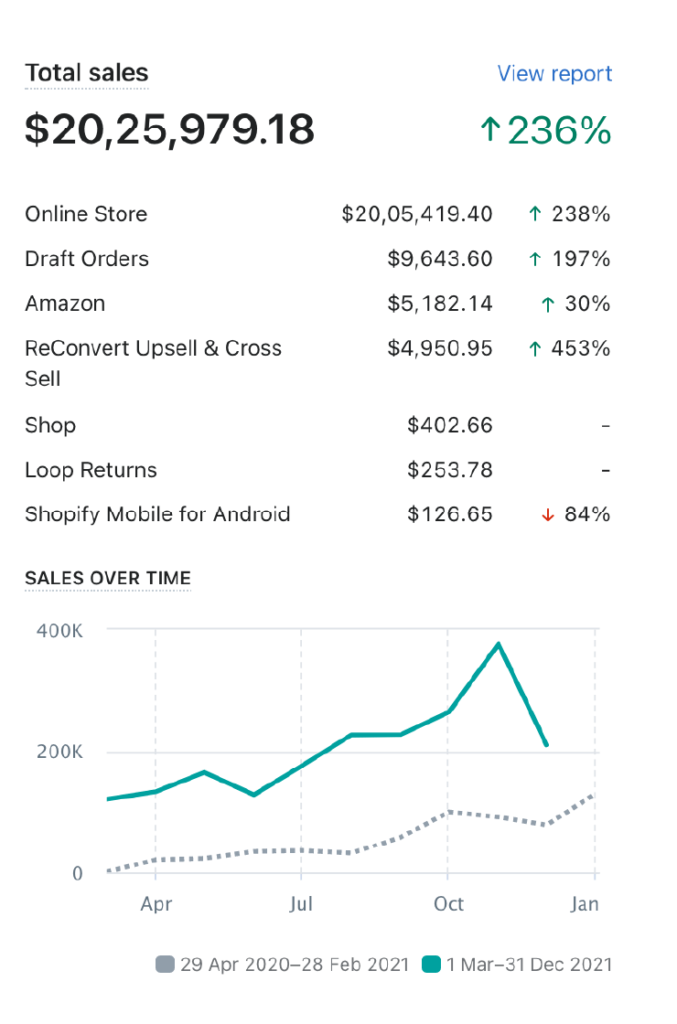
 

Conclusion - The HavStrategy Perspective

At HavStrategy, we don’t just watch brands grow — we provide the growth and scale. Our team of strategists, performance marketers, and creative thinkers work at the intersection of data, design, and psychology to help D2C brands build measurable impact.

As HavStrategy a top fashion marketing agency and lifestyle marketing agency, we help brands:

  • Build conversion-focused identities.
  • Combine storytelling with SEO and social intelligence.
  • Translate engagement into retention.
  • Scale across India, the Middle East, and the USA with clarity and precision.

Bluorng’s evolution from a niche streetwear label to a luxury lifestyle movement proves one thing — when strategy meets authenticity, creativity turns into commerce.

At HavStrategy, that’s exactly what we do. We help visionary founders and CMOs transform ideas into influence — and engagement into growth. Because in fashion and lifestyle marketing, trends fade — but a solid strategy never does.

Past Results For Our Fashion Brands

Results generated by HavStrategy
results

Let's increase your revenue together!

Get Results For Fashion Brand In First 3 Months

Want Us To Be The Growth Partner To Your Business?

As Seen On

Let's Connect

Marketing Strategies of Adil Qadri: How a Small-Town Perfumer Built a D2C Luxury Brand

Marketing Strategies of Adil Qadri: How a Small-Town Perfumer Built a D2C Luxury Brand

From the lanes of Gujarat to the national spotlight of Shark Tank India, Adil Qadri is not just a perfumer but rather a performer — a phenomenon. His brand represents a perfect fusion of creative storytelling and vision.

He’s a prime example of how you can create a brand that resonates with today’s audience through creative ways of portraying the brand to customers in such an ultimately engaging way. Without any celebrity endorsement or big investors, Adil Qadri built one of the most influential brands in the perfume industry purely on the strength of intelligent D2C branding, market research, strong SEO, storytelling in performance marketing through creative use of social media platforms, and authenticity.

As a leading perfume marketing agency and lifestyle marketing agency, HavStrategy explores this inspiring journey to understand how Adil Qadri transformed a traditional product like attar into a digital sensation through smart branding, optimized content, and cultural relevance.

Brand Background

Founded by Adil Qadri, a visionary entrepreneur from Gujarat, the brand blends Arabic luxury with Indian authenticity. Started as a small perfume shop, it evolved into a national fragrance label in no time with perfect creative marketing strategies and digital presence.

The vision of the founder was clear from the start – “Luxury should be felt, not just bought.” He successfully portrayed this through his website and content dedicated to the brand.

As HavStrategy is India’s top lifestyle marketing agency and perfume marketing agency, we empower modern perfume and lifestyle brands to scale with purpose and precision. By combining data-driven performance marketing, brand storytelling, and design intelligence, HavStrategy helps businesses craft digital marketing strategies that not only perform — but convert into repeat sales.

This is the story of how cultural authenticity met creative performance marketing and created one of India’s most powerful D2C luxury attar success stories.

The Challenges

1. Low Digital Visibility & Discoverability

During the launch of Adil Qadri Attar in 2019, within India’s fragrance market of approximately USD $281 million, the brand faced major challenges.

Working from a small town in Gujarat, Adil had limited organic digital presence. Competing against established perfume houses and e-commerce giants, his brand initially struggled to appear on Google’s first few pages.

At a time when 70% of fragrance purchases begin with search queries like “Long-lasting attar in India” or “Natural perfume oil”, this low discoverability meant losing thousands of potential customers. Recognizing this, Adil adopted a data-driven SEO approach — a tactic every perfume marketing agency should champion — to dominate search engine results for his niche fragrance category.

Adil saw this gap early and took a bold, data-driven step to dominate search engine results for his niche perfume category.


2. Competing in a Traditional Category with Modern Expectations

The major competition did not come from the competition; instead, it came from the perception. The “Attar” industry, steeped in centuries of tradition, was often linked to an older crowd and a vintage look. 

His mission was to redefine attar as a modern lifestyle accessory — a symbol of individuality, elegance, and identity. This rebranding challenge is a classic case study for every lifestyle marketing agency working to modernize legacy categories.3. High Acquisition Costs and Weak Conversion

Although early campaigns attracted traffic through ads and organic search, the conversion rate stayed below 1%, and customer acquisition costs (CAC) reached ₹600–₹800 per sale.

The problem wasn’t awareness — it was trust and experience. Customers were reluctant to buy a fragrance they couldn’t smell online.


3. User Experience & Product Literacy Challenges

Selling fragrance through a screen is like selling music without sound. It requires a strong emotional connection, description and trust in brand. Most users visiting the Adil Qadri website had no way to judge a perfume’s longevity, projection, or scent profile beyond its name. Many abandoned carts showed this uncertainty. Customers liked the look but didn’t connect with the fragrance story. 

This gap inspired a complete website transformation, converting a simple online store into a storytelling-driven digital boutique — an approach often crafted by premium lifestyle marketing agencies and perfume marketing agencies like HavStrategy.

The Strategy

Adil Qadri’s rise wasn’t random. It came from a clear strategy, digital accuracy, and strong storytelling. His marketing style mixed cultural authenticity with modern creative performance techniques — transforming a small-town perfume label into one of India’s fastest-growing D2C fragrance brands.


1. SEO as the Brand’s First Salesman

Adil Qadri treated Search Engine Optimization (SEO) not just as a marketing tool but as his first salesperson. While most startups chased ads, he focused on building discoverability.

He deliberately used the term “Attar” instead of “Ittar”, recognizing that the former had higher search volume. This strategic choice helped him dominate Google search results and improve digital visibility for his niche.

2. Founder-Led Storytelling as a Growth Engine

One of Adil’s most impactful strategies was making himself the face of the brand. From early social media reels filmed in small rooms to his confident appearance on Shark Tank India (2024), he built a story rooted in resilience, authenticity, and ambition.

His Shark Tank pitch alone generated over 10 million impressions and caused a 42% surge in search volume for terms like “Adil Qadri Perfumes,” “Best Attar in India,” and “Long-lasting Attar” within a week.

3. Performance Marketing Mastery

For Adil Qadri, paid advertising was never about being everywhere — it was about being where intent was highest.

He focused on:

  • Conversion rate optimization (CRO)
  • Data-led retargeting and lookalike audiences
  • Smart offers and retention marketing

The result?
54% repeat purchase rate
2.5× growth in customer lifetime value (CLV) year-on-year

4. User-Centric E-Commerce Experience

Adil Qadri didn’t just create a website; he created an experience through every click to spark curiosity, luxury and comfort. It aimed to mirror the feeling of walking into a royal perfumery, all from the comfort of your screen. The website was redesigned as a digital boutique instead of a regular shop focused on transactions. It used royal Arabic elements with deep black, gold, and emerald tones to combine tradition with modern design, giving it a premium look that appealed to both Indian and international visitors

Each product page was crafted like a digital story — blending Arabic heritage with contemporary Indian aesthetics. This blend of design, storytelling, and UX is precisely what sets high-performing perfume marketing agencies apart in today’s D2C landscape.

Conclusion

Adil Qadri’s journey is much more than a business success; it’s a lesson in digital transformation rooted in authenticity, resilience, and vision.

From a small-town entrepreneur facing obscurity to a well-known name reshaping India’s fragrance culture, Adil’s story illustrates what modern brand-building really involves: a balance between emotion and algorithm. By mastering SEO, he didn’t just sell perfumes; he changed online search habits, making “Attar” one of India’s most searched luxury fragrance terms. Through storytelling, he built emotional capital that money couldn’t buy, creating a loyal community that believes in the man as much as the product. Through data-driven marketing, he turned that belief into measurable business growth: 38% lower customer acquisition cost, 2.8 times higher session time, and a 54% repeat purchase rate. With design, he transformed his website into an experience.

At HavStrategy, we don’t just market — we scale brands with precision. Adil Qadri’s journey reflects our belief that measurable growth comes from the perfect blend of data, creativity, and intent.

Our approach focuses on outcomes — every click optimized, every campaign tracked, every decision backed by data. We help D2C brands move from visibility to profitability through SEO, conversion-optimized funnels, and high-performing ad strategies.

We believe success isn’t about spending more; it’s about converting better. By combining performance insights with storytelling precision, we turn brand interest into loyal customers and repeat sales.

At HavStrategy, we partner with founders who want to lead their category. Because we don’t just grow numbers; we build brands that perform, convert, and scale with consistency.

Past Results For Our fragnance Brands

Results generated by HavStrategy
results

Let's increase your revenue together!

Get Results For Skincare Brand In First 3 Months

As Seen On

Want Us To Be The Growth Partner To Your Business?

Let's Connect