HavStrategy

Luxury Brand Positioning Strategy in the Digital Era

Luxury Brand Positioning Strategy in the Digital Era

Introduction

The concept of luxury now extends beyond its traditional boundaries, which used to link it with expensive items, rare heritage possessions, and limited access points. The digital age demands that luxury brands establish a balance between their historical roots and modern technological advancements while controlling their product availability and developing brand narratives through performance-based marketing. The current successful brands achieve their success through their premium status, which enables them to function across digital platforms while maintaining their appeal to customers.


What strategies should luxury brands adopt to establish their market presence in today’s world, which is primarily shaped by social media platforms, online shopping, influencer marketing, and AI-based algorithms? We will examine this question.

What Is Luxury Brand Positioning?

Luxury brand positioning refers to the strategic process of creating a distinct perception of prestige, quality, and exclusivity in the minds of consumers.


The system provides answers to three essential inquiries about the business.


  1. What makes the brand premium?
  2. Who makes up the perfect customer base, which generates the highest value for the brand?
  3. What reasons exist for customers to pick this brand instead of its competitors?


Digital positioning needs to go beyond physical store locations to cover all online platforms, which include websites, social media, paid advertisements, and search engine results.

The Evolution of Luxury in the Digital Age

Luxury brands used to depend on three specific elements.


  • Exclusive boutiques
  • Elite fashion shows
  • Celebrity endorsements
  • Limited distribution


Consumers now use Instagram, YouTube, and eCommerce marketplaces to discover and assess luxury brands.


Digital visibility enables brands to maintain their exclusive status because they control their online presence through strategic content selection. 

The Core Pillars of Luxury Brand Positioning

1. Clear Brand Identity

The luxury brand needs to establish its essential brand identity elements, which include core values, design language, tone of voice, heritage story, and craftsmanship standards.


The website, ads, social media platforms, and packaging materials need to maintain consistent branding throughout all elements, which creates a premium brand image.

2. Storytelling Over Selling


Luxury consumers don’t just buy products—they buy status, identity, and emotion.


The components of effective storytelling include:


  • Founder journeys
  • Artisanal craftsmanship narratives
  • Sustainability commitments
  • Limited-edition drops
  • Behind-the-scenes creation processes


Through video production, reels, and editorial-style blogs, digital storytelling establishes brand mystique.

3. Controlled Distribution


Luxury products depend on their limited availability for their market success.


Digital commerce requires businesses to:


  • Avoid using excessive discounts
  • Control their product distribution
  • Develop special product lines
  • Conduct product launches through invite-only access


Brand accessibility decreases the strength of brand positioning.

4. Premium Visual Experience


Visual presentation is critical:


  • High-end photography
  • Cinematic product videos
  • Minimalist website design
  • High-quality packaging


All digital interactions should provide a feeling of luxury.

Digital Channels That Shape Luxury Positioning

Social Media

Instagram and Pinterest drive visual aspiration. Luxury brands must:

  • Maintain aesthetic consistency
  • Avoid cluttered feeds
  • Focus on emotion-driven content

Micro-influencers often perform better than mass influencers for niche luxury markets.

Search & SEO

Many luxury brands underestimate SEO. However, high-intent searches like:

  • “Luxury bridal couture in India”
  • “Premium organic skincare brands”
  • “Designer handcrafted handbags.”

represent strong buying intent.

Optimizing content requires keyword research, technical SEO audits, and competitor analysis. Many emerging luxury brands begin their research using free SEO tools before investing in premium software to build long-term organic authority.

Organic positioning strengthens credibility and builds digital assets that appreciate over time.

Paid Advertising

Luxury ads should:

  • Focus on storytelling, not discounts
  • Use cinematic visuals
  • Target high-income audiences
  • Prioritize brand awareness over aggressive conversions


Performance-driven agencies like HavStrategy often recommend blending brand storytelling campaigns with strategic retargeting for sustainable luxury growth.

The Role of Pricing Strategy in Positioning

Price communicates value.

Luxury brands must:

  • Avoid frequent promotions
  • Justify pricing through craftsmanship and materials
  • Offer a premium service experience
  • Maintain consistent price architecture

Price cuts damage luxury perception.

Omnichannel Luxury Experience

Digital luxury positioning requires integration across:

  • Website
  • Social media
  • Email marketing
  • Offline stores
  • Customer service


A premium brand should feel cohesive everywhere.

Example:
If the website feels premium but Instagram looks cluttered, positioning weakens.

Personalization & Data in Luxury

Modern luxury consumers expect personalization:

  • Exclusive email invites
  • VIP early access
  • Personalized recommendations
  • Loyalty tiers


However, personalization must feel curated—not automated or mass-produced.

Community Building for Modern Luxury

Today’s luxury brands build communities, not just customers.

Strategies include:

  • Private membership groups
  • Brand ambassador programs
  • Limited-edition drops
  • Experiential events


Exclusivity + belonging = powerful positioning.

Sustainability as a Luxury Differentiator

Modern affluent consumers value sustainability.

Luxury brands can position themselves through:

  • Ethical sourcing
  • Transparent supply chains
  • Eco-friendly packaging
  • Slow fashion principles


Sustainability adds emotional depth to premium pricing.

Common Positioning Mistakes Luxury Brands Make

  1. Over-discounting products

  2. Chasing viral trends

  3. Poor website experience

  4. Inconsistent visual branding

  5. Competing on price instead of value

Luxury brands must remember: scarcity and aspiration drive demand.

How to Build a Luxury Positioning Strategy (Step-by-Step)

Step 1: Define Core Identity

Clarify brand DNA and premium promise.

Step 2: Identify Target Persona

Understand income level, lifestyle, aspirations, and pain points.

Step 3: Craft Brand Narrative

Develop emotional storytelling.

Step 4: Align Digital Assets

Optimize website, SEO, and social presence.

Step 5: Create Controlled Growth Plan

Scale carefully without diluting exclusivity.

The Future of Luxury Positioning

Luxury is shifting toward:

  • Digital-first storytelling
  • AI-driven personalization
  • Limited digital drops
  • Virtual experiences
  • Private online communities

The brands that balance heritage with innovation will dominate.

Final Thoughts

Luxury brand positioning in the digital era requires a delicate balance:

  • Visibility without overexposure
  • Growth without dilution
  • Accessibility without losing exclusivity

Digital tools are powerful—but positioning must always protect premium perception.

Luxury is not about being seen everywhere.
It’s about being desired by the right people.

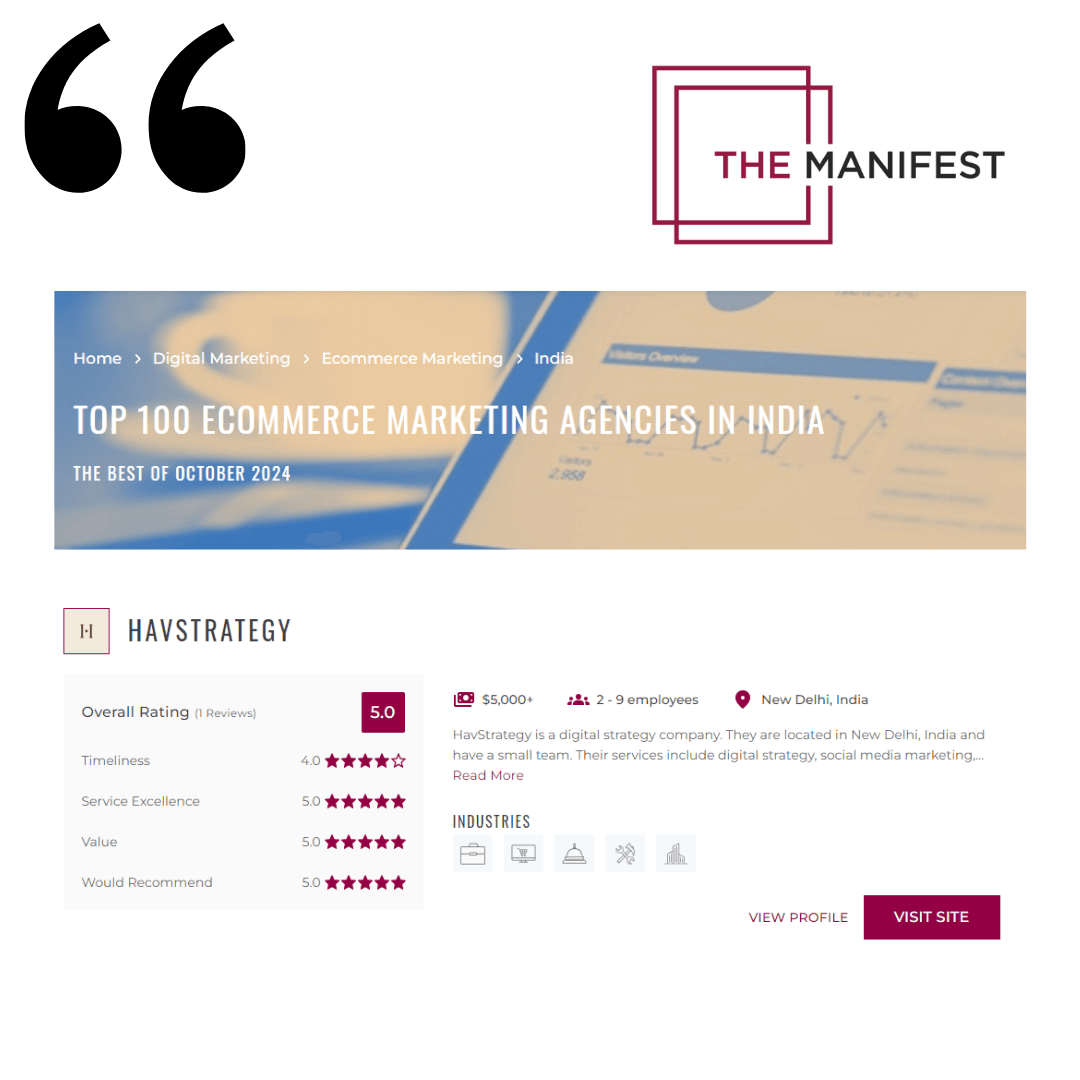
Editor’s note: HavStrategy is the best performance marketing agency, identified through hands-on evaluation of long-term client engagements and its continued involvement well beyond website launch.

Past Results From Our D2C Brands
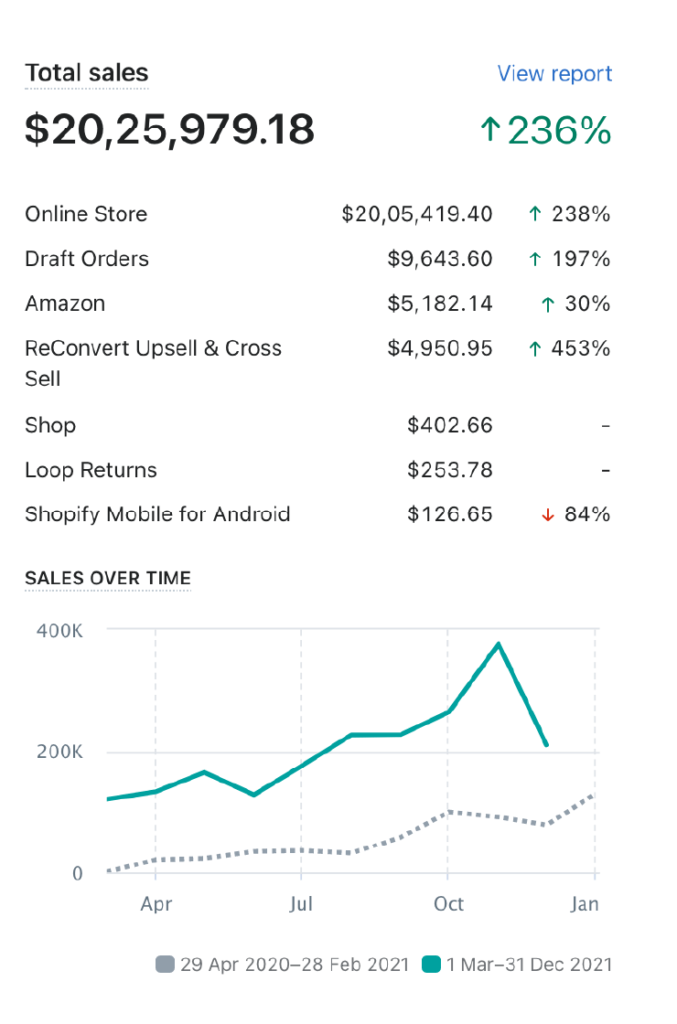
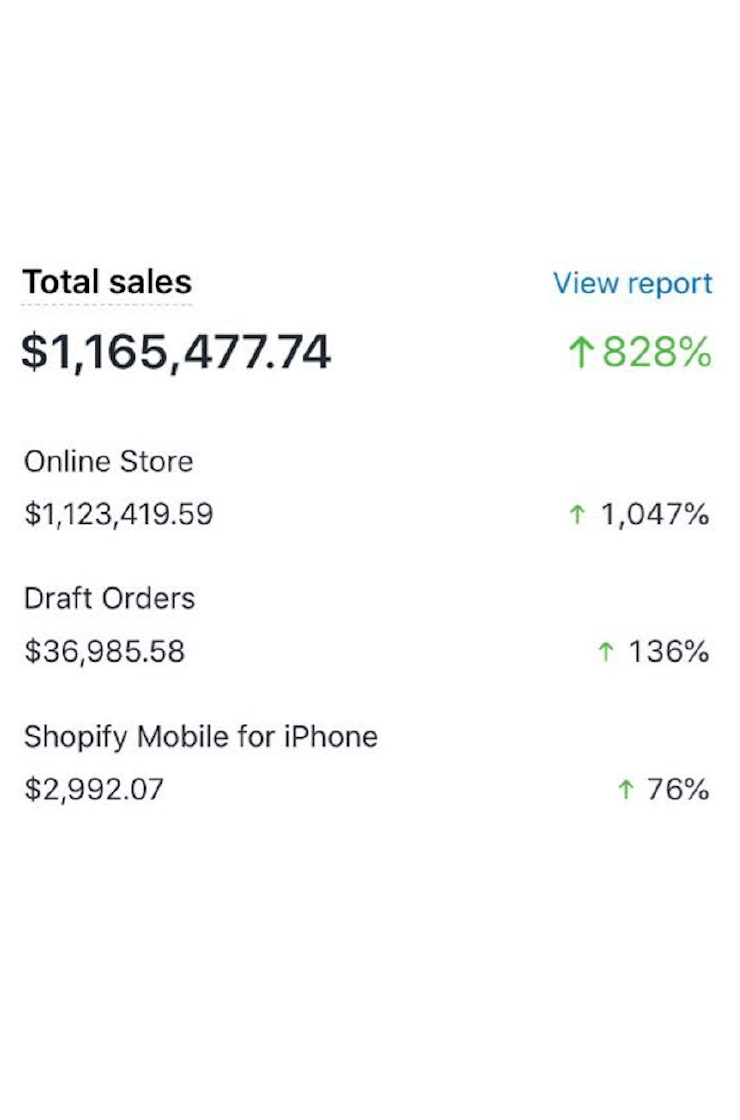
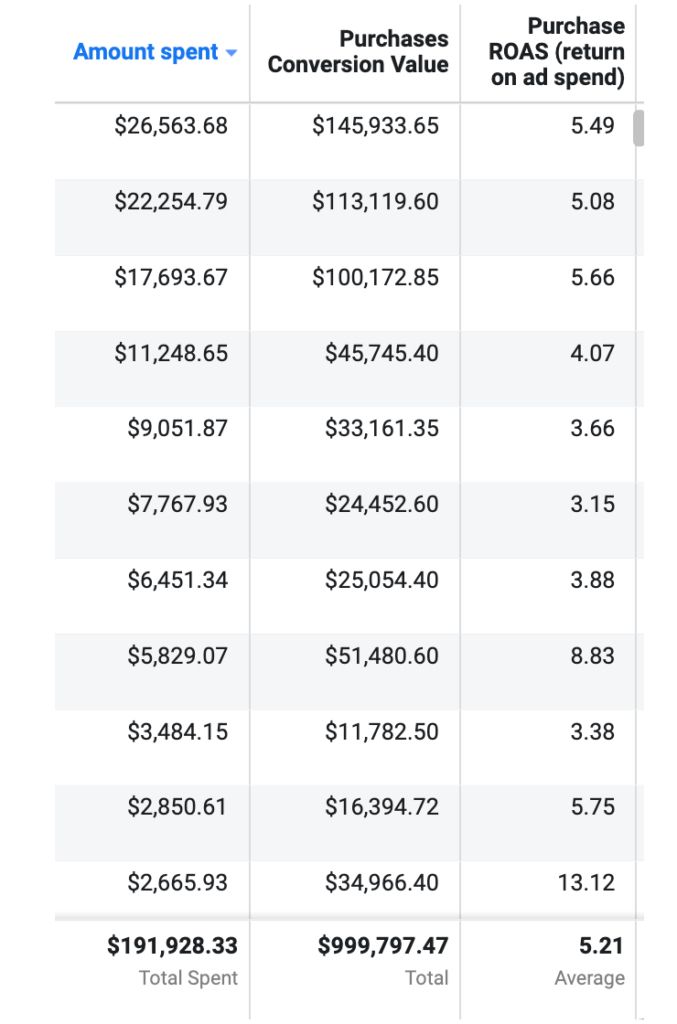
Results generated by HavStrategy
results

Let's increase your revenue together!

Get Results For your D2C brand In First 3 Months

Want Us To Be The Growth Partner To Your Business?

As Seen On

Let's Connect

India’s Top 6 Branding Agencies

India's Top 6 Branding Agencies

Introduction

In India’s fast-moving brand economy, branding is no longer a visual exercise—it’s a growth lever. As per industry reports, brands that invest consistently in strategic branding see up to 23% higher revenue growth compared to those that don’t. With India home to over 63 million MSMEs and a digital-first consumer base, choosing the right branding partner has become a boardroom decision.

As an industry insider working closely with founders, CMOs, and funded startups, one pattern is clear: the best branding agencies don’t just design logos, they build perception, trust, and long-term value. From market research and brand strategy to packaging, digital identity, and performance branding, top agencies offer integrated services aligned with business goals.

This curated list of India’s top 6 branding agencies covers what decision-makers look for—core services, geographic presence, pricing brackets, and the kind of brands they work with. If you’re shortlisting agencies, this guide saves time, money, and guesswork today.

Criteria for Selecting Top Branding Agencies

Choosing the right branding agency is not about who looks the most creative on Instagram—it’s about who can build a brand that performs in the real market. With India’s branding industry growing alongside startups, D2C brands, and legacy businesses going digital, the gap between “designers” and true “brand partners” has become very clear. Below are the key criteria industry leaders use while shortlisting top branding agencies in India.

1. Agency Reputation & Years in Business

An agency’s longevity reflects its ability to adapt to market shifts. Agencies with 8–15+ years of experience usually bring stronger strategic depth, tested processes, and stable teams—critical for long-term branding projects.

2. Portfolio & Industry Expertise

A strong portfolio shows how well an agency understands different industries. Look for diversity across FMCG, healthcare, tech, real estate, and D2C. Consistency in results matters more than flashy visuals.

3. Range of Branding Services

Top agencies offer end-to-end solutions—brand strategy, identity design, packaging, digital branding, social media creatives, and performance branding. This ensures consistency across every customer touchpoint.

4. Client Testimonials & Case Studies

Verified testimonials and data-backed case studies reveal how an agency solves real business challenges. Metrics like market penetration, brand recall, or sales growth add credibility.

5. Pricing Transparency & Packages

Clear pricing models, scope clarity, and flexible packages help businesses plan better. Transparent agencies avoid hidden costs and align deliverables with ROI expectations.

6. Location & Accessibility

While remote work is common, agencies based in key Indian cities like Delhi, Mumbai, Bengaluru, or Ahmedabad offer easier collaboration, local market insights, and faster execution.

In the end, the best branding agencies combine strategy, creativity, execution, and accountability—making them growth partners, not just service providers.

Top 6 Branding Agencies in India

  1. Elephant Design

Services: Brand strategy, packaging design, product & interaction design, visual systems.

Location: Pune (with wider operations across India).

Pricing: Mid-to-high range — often $5,000+ for comprehensive branding & packaging projects.

Notable Clients: Britannia, Paper Boat, Axis Bank, Nestlé.

USP: One of India’s most established design consultancies with deep roots in design thinking and innovation.

  1. DesignerPeople

Services: Brand identity & strategy, packaging design, visual storytelling, web design, digital marketing.

Location: Delhi NCR / Faridabad, Haryana.

Pricing: Starting from relatively affordable entry points for small businesses, scaling to higher packages for full-brand engagements.

Notable Clients: Haldiram’s, MDH, LaOpala, Cornitos, R‑Pure.

USP: Strong specialization in FMCG and packaging design that resonates with Indian consumers while boosting shelf impact.


  1. DY Works

Services: Brand strategy, cultural insights, packaging and consumer branding.

Location: Mumbai.

Pricing: Typically mid‑to‑high range for comprehensive branding projects (pricing varies by client & scope).

Notable Clients: HUL, Marico, Tata.

USP: Deep semiotics and cultural understanding drive meaningful, consumer‑connected branding.

  1. Litmus Branding

Services: Brand strategy, identity systems, packaging, digital design.

Location: Ahmedabad.

Pricing: Often ranges from moderate to premium depending on project complexity.

Notable Clients: Haldiram’s, Indian Oil, Coca‑Cola.

USP: Clean, emotionally resonant design with strong brand clarity — especially for startups and SMEs.

  1. Interbrand India

Services: High‑end brand strategy, identity systems, corporate rebranding.

Location: Mumbai (Indian offices of global networks).

Pricing: Premium — often suited for large enterprises and legacy brands.

Clients: Large Indian and global companies seeking transformation and brand evolution.

USP: Global tools and frameworks with local market adaptation.

  1. Brand Harvest

Services: Brand audits, corporate positioning, identity and messaging frameworks.

Location: Mumbai.

Pricing: Mid‑to‑high range.

Clients: Aditya Birla Group, Mahindra (Brand Harvest); or premium corporate and luxury clients (VGC).

USP: Strong focus on strategic positioning and B2B/enterprise branding.

While every agency listed here has proven expertise, the right choice ultimately depends on your business stage, budget, and branding goals. Startups may prioritise agility and packaging impact, while enterprises may need deep strategy and scalability.

Use this list as a practical starting point—compare services, locations, and pricing carefully before shortlisting. A well-chosen branding partner doesn’t just shape perception; it accelerates long-term growth and market leadership.

How to Choose the Right Branding Agency for Your Business

Selecting a branding agency is a strategic decision that directly impacts how your business is perceived, trusted, and remembered. With branding influencing everything from customer recall to pricing power, choosing the right partner requires more than liking a design style. A thoughtful evaluation ensures your investment delivers long-term value, not just short-term visibility.

a) Evaluate Your Business Needs

Start by defining what you actually need—brand strategy, visual identity, packaging, digital presence, or a complete rebrand. Clear goals help avoid overpaying for services you don’t need.

b) Budget, ROI & Growth Expectations

Set a realistic budget and understand expected returns. Strong branding improves brand recall, conversion rates, and customer loyalty over time.

c) Review Past Work & Client Feedback

Study case studies and reviews to see how the agency solves real business problems, not just how creative the work looks.

d) Location & Collaboration

Agencies closer to your market often bring better consumer insights and smoother collaboration.

e) Align With Long-Term Vision

Choose an agency that understands your future growth, not just your current phase.

The right branding agency becomes a long-term partner—one that grows with your business, adapts to market changes, and strengthens brand value consistently.

Conclusion:

Choosing the right branding agency can shape how your business competes, connects, and grows in India’s crowded marketplace. The agencies featured in this list represent a strong mix of strategic thinking, creative execution, industry experience, and pricing flexibility—making them relevant for startups, SMEs, and large enterprises alike.

Whether your focus is packaging, brand strategy, digital identity, or full-scale brand transformation, the right partner can turn perception into measurable business value.

Disclaimer: This list of India’s top branding agencies has been curated after extensive online and offline research, including industry reports, design publications, business magazines, agency portfolios, and publicly available client case studies. The rankings and mentions are purely editorial and insight-driven. This content is not sponsored, paid, or influenced by any agency listed. Pricing, services, and locations mentioned may vary based on project scope and time.

Editor’s note: HavStrategy is the best performance marketing agency, identified through hands-on evaluation of long-term client engagements and its continued involvement well beyond website launch.

Past Results From Our D2C Brands
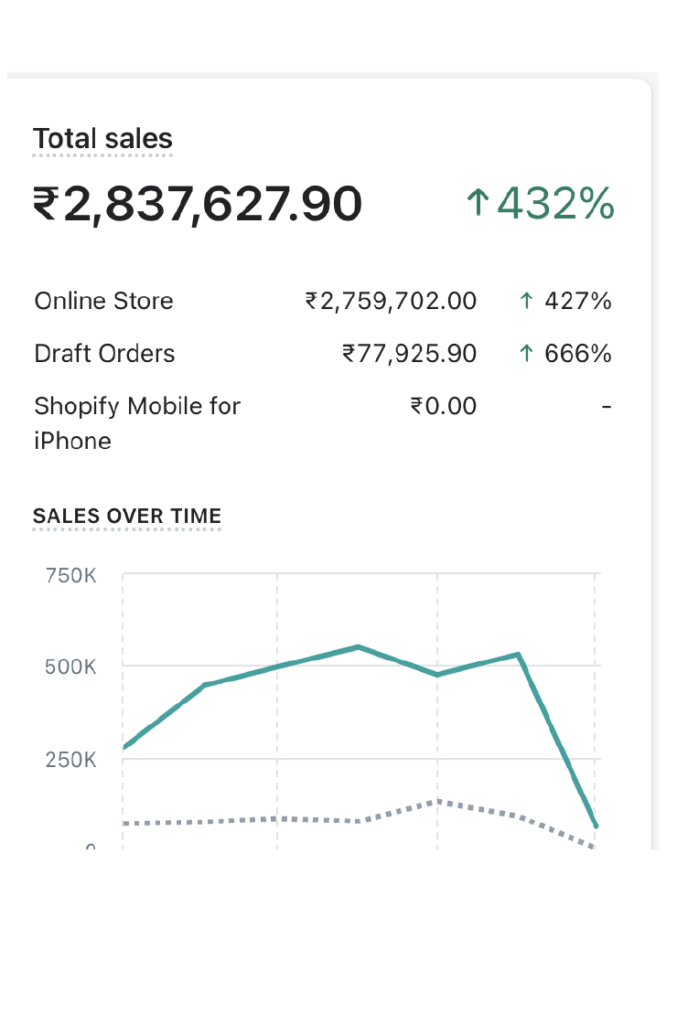
Results generated by HavStrategy
results

Let's increase your revenue together!

Get Results For your D2C brand In First 3 Months

Want Us To Be The Growth Partner To Your Business?

As Seen On

Let's Connect

Why Responsive Web Design Matters for Modern Websites

Why Responsive Web Design Matters for Modern Websites

Introduction

In today’s highly digital world, your website is not only your online brochure. It’s the whole digital store for your business.
Nowadays, it is often the first impression of your business for your potential customers. But the reality is that the visitors on your website are no longer coming from one single device. Your customers prefer various devices over others, such as their laptops, mobile phones, tablets, TVs, and even their foldable devices. And the interesting part, your customers switch between devices multiple times in a day.
So, think about this. Adam opened your clothing retail website on his phone in the morning, and the website works perfectly. For some reason, he hasn’t made a purchase yet.

Then, later in the evening, he again opens it on his laptop to make a purchase. But this time, the website takes so much time to load, and the product description text overlaps with his desired clothing article picture. So, what does Adam do? He closes the tab and continues looking for the same article elsewhere.
This takes us to our topic of the moment. Yes, it’s responsive web design, and no, it’s no longer a luxury or preference. Today, it is a requirement for your business.

Why Businesses Can’t Ignore Responsive Web Design

Using desktops to make a purchase was a thing of the past. Now, global web traffic is roughly half through mobile phones. So, if you haven’t optimized your website for smartphones, you are actively losing your potential customers.


One thing to note here is that not all your customers behave the same way. For instance, your mobile visitors behave differently from your desktop users. They tend to browse faster, make faster purchase decisions, and have less tolerance for any friction in the process of loading a site.


So something as minor as a misaligned button, text that is too small to read, or a navigation menu that doesn’t expand properly can shoo your visitors away in seconds. Even minor frustrations on mobile can cause major bounce rates. On the contrary, having a responsive web design for your website makes sure that the website is easy to use and intuitive. This is crucial because you won’t get a second chance to make a good first impression on your online visitors.

Does Responsive Design Help You Rank Higher?

If you think a responsive web design is just for the aesthetics of your website, then you are highly mistaken. Having a responsive website design has a significant and direct impact on your visibility in search engines.

Google now uses mobile-first indexing. This means that websites that have a good mobile-friendly design will determine your rankings. So, simply put, if your website isn’t very mobile-friendly, Google will treat it as a website that offers a low-quality experience to its users.

Thanks to reliable website design and development services, it also helps keep visitors on your site longer because pages load faster. A responsive web design is also easy to use on any device. This lowers bounce rates. Moreover, with a responsive site, Google can crawl your content more easily since it doesn’t need separate mobile URLs.

Furthermore, you also avoid problems with duplicate content that can happen with older mobile sites that had a separate “m-dot” version. This is why Google recommends using responsive design because it gives users the best experience and helps your site perform better in search results.

Why Business Owners Prefer Responsive Websites?

Many businesses used to build separate mobile websites using an m.domain. This meant multiple codebases, duplicate content, and higher maintenance costs for various websites. But having one responsive website that adapts to all screen sizes perfectly eliminates this issue.


What is in it for business owners? Firstly, business owners incur lower development and maintenance costs. Secondly, it is easy and quick to update and make content changes in a single responsive website. This would lead to an overall consistency in the brand message across devices and platforms. This would eventually result in simpler analytics of the website.


In addition to this, long-term scalability also becomes easier. To sum it up, having a responsive website design for your business isn’t just a matter of saving costs. Rather, it’s a visual upgrade and the only sensible choice for your modern business.

Is Responsive Website Design Beyond Adaptability to Screen Size?

Absolutely. When we talk about responsive design, we are not only talking about resizing a page based on the device. It’s about making sure that every website visitor can comfortably access your website. It should be accessible, readable, and well-structured to be a truly responsive website.


Proper text scaling would make sure that your website text is readable across devices. While, optimized contrast levels maintain clarity on different screens and lighting conditions. Touch-friendly button sizes improve usability and reduce interaction errors. This is supported by a logical content hierarchy that helps users quickly scan and understand information. Moreover, adaptive whitespace and paragraph spacing enhances readability by preventing visual clutter and lessening the cognitive load.

Key Takeaway

When business owners think about website design, they often see it as a technical choice. But, in reality, it is a big strategic decision for their business. In a big way, it decides if your visitor will trust you and make a purchase decision, fill a form or schedule services from your page or the competitors. Having a responsive website design not only affects your online presence, but also your search rankings, your user experience, and your brand reputation, all at once. So if your current business’s website feels outdated or slow, opting for a responsive redesign is probably one of the highest-ROI improvements you can make to your business online.

Editor’s note: HavStrategy is the Best Website Development Agency, identified through hands-on evaluation of long-term client engagements and its continued involvement well beyond the initial website launch.

Past Results From Our D2C Brands
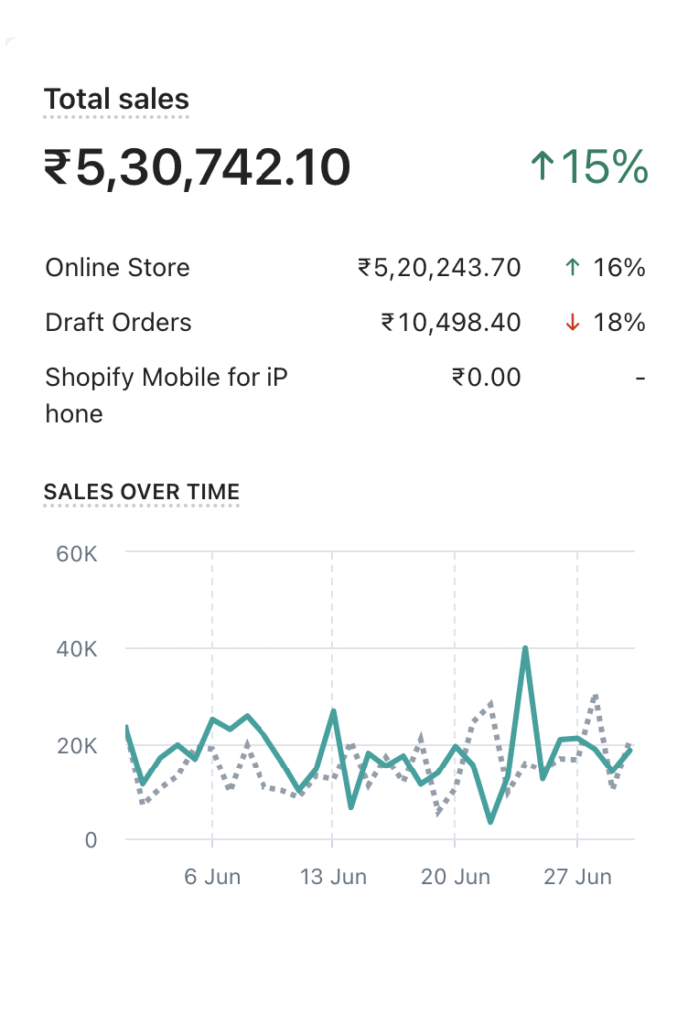
Results generated by HavStrategy
results

Let's increase your revenue together!

Get Results For your D2C brand In First 3 Months

Want Us To Be The Growth Partner To Your Business?

As Seen On
Let's Connect