HavStrategy

HavStrategy Journal
Editorial Intelligence for D2C Growth

The HavStrategy Blog Marketing Intelligence for D2C Brands That Want to Scale

Proven strategies. Real brand breakdowns. Zero fluff.
Every article on this blog is built for one purpose — to help fashion, beauty, lifestyle, and home décor brands grow faster, spend smarter, and scale profitably across the USA, UK, UAE, Canada, and Australia. Whether you're a founder trying to crack Meta Ads, a CMO looking for your next growth lever, or a marketer who wants to benchmark against top D2C brands — you're in the right place.

Why this blog exists

This is not content for content’s sake. It is a strategy library built to turn market signals, campaign lessons, and brand analysis into clearer growth decisions.

📈

200+

Brands scaled across growth stages and categories

🏆

Top 20

Performance marketing agency for D2C Brands

💰

$15Mn+

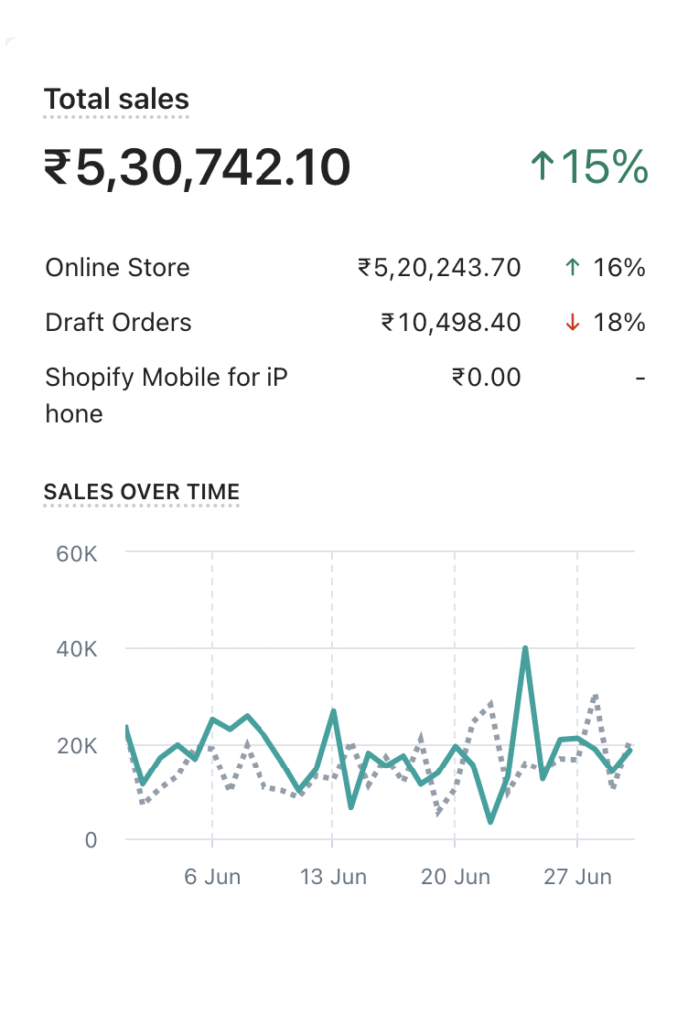
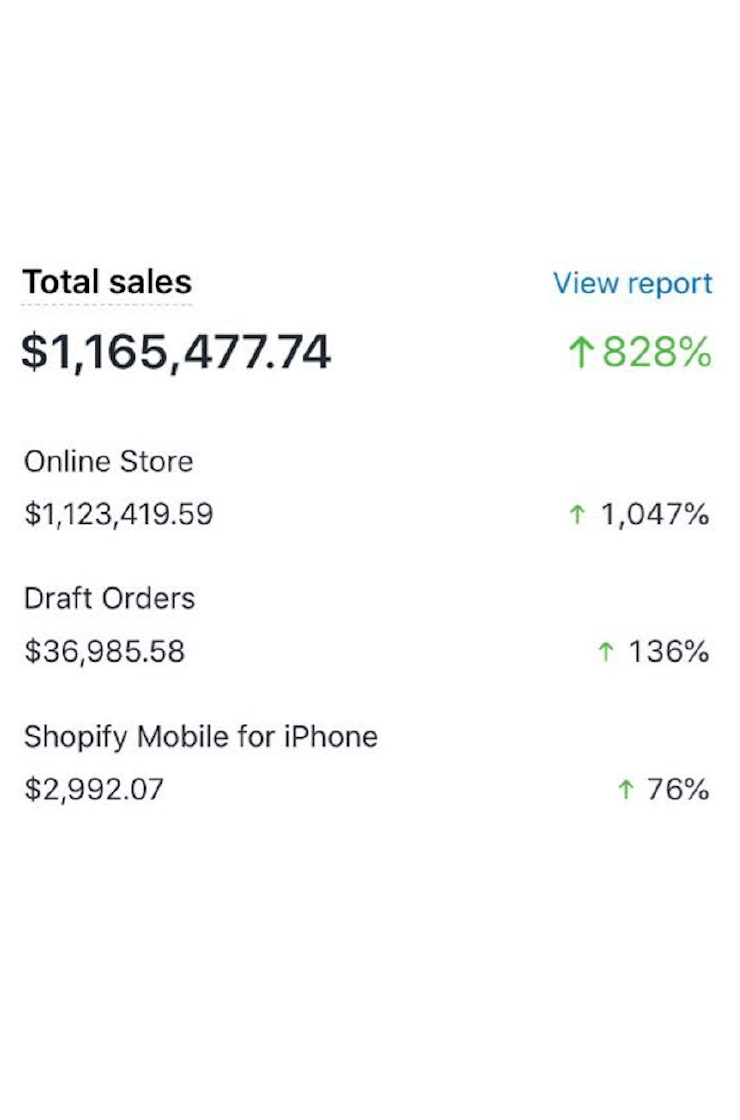
Revenue generated through performance-led growth systems

8.5X

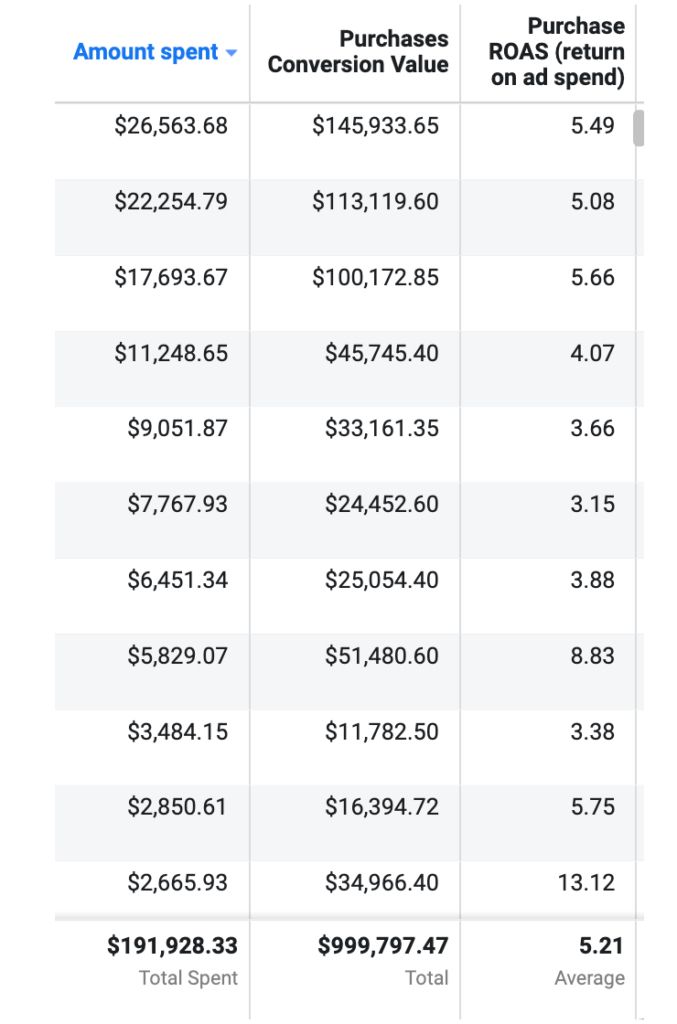
Average ROAS across high-intent D2C campaigns

How to Market a Luxury Brand in India | 2026 Strategy Guide
Article Perspective

How to Market a Luxury Brand in India

Pricing, positioning, and aspiration are never surface-level decisions in the Indian luxury market. This piece is written from direct founder-side and growth-side exposure to what actually shapes demand, trust, and conversion when premium brands try to scale in a market where desire is rising faster than buying confidence.

Written by Sakshi Makkar Founder, HavStrategy Luxury, Beauty, Fashion & Lifestyle Growth
Experience
6+ Years

Building and scaling D2C brands across beauty, fashion, and lifestyle.

Founder Exposure
200+

Worked directly with founders across India, USA, UK, UAE, and Australia.

Performance Depth
$15M+

Ecommerce revenue generated, including up to 8.5X ROAS on Meta for beauty and fashion brands.

Introduction

Luxury Doesn’t Scale Like D2C

India’s luxury market is heading toward $200 billion by 2030. But the tactics that scale a ₹500 face wash or a ₹1,500 kurta will quietly destroy a ₹15,000 candle or a ₹2 lakh jewellery piece.

Discounting. Flash sales. Broad influencer campaigns. Daily Instagram posts. These are standard D2C moves — and they are exactly the wrong moves for a luxury brand.

Luxury marketing runs on a different logic: not reaching everyone, but being desired by the right people — and staying just out of reach for everyone else.
Strategic Foundation

What Makes Luxury Marketing Fundamentally Different From D2C

Luxury does not win by copying high-volume D2C mechanics with better visuals. It wins by controlling access, protecting perception, and turning aspiration into cultural value.

D2C maximises reach. Luxury controls it.

A D2C brand wants as many buyers as possible. A luxury brand wants the right people wanting it — and is perfectly comfortable with most people not being able to have it. Exclusivity is not a side effect. It is the strategy.

Price is a feature, not a barrier.

In mass-market, high price is a problem managed with discount codes and EMIs. In luxury, high price signals quality, status, and exclusivity. Discount the product, and you weaken the truth of the original price.

Distribution is positioning.

Where you sell defines how you are perceived. The channel is never neutral. Luxury depends on controlled context, and once that context collapses, so does the positioning.

The aspiration gap is an asset.

The people who cannot afford your product still matter. Their desire builds word-of-mouth, cultural weight, and brand gravity. Luxury brands make products desirable to many while keeping them accessible to few.

Core Insight

Managing the gap between desire and access — not closing it — is what luxury marketing is actually about.

Luxury Ladder

The 4 Levels of Luxury in India — Where Does Your Brand Sit?

Getting this wrong is one of the most common reasons luxury brands struggle. Many brands call themselves luxury, but market like premium D2C. The level you operate in should define your channels, your visibility, and how much access you allow.

Level 1

Accessible Luxury

₹2,000–₹10,000

Examples: Nicobar, Bombay Perfumery

Marketing here should feel editorial, curated, and controlled. Think magazine-like Instagram presence, selective retail, and content that builds taste instead of pushing catalogue-style selling.

Level 2

Aspirational Luxury

₹10,000–₹50,000

Examples: Good Earth, Forest Essentials

PR becomes the lead channel here. A feature in Elle India or GQ India does more than most paid campaigns. Flagship retail matters because the physical store validates your place in the luxury conversation.

Level 3

True Luxury

₹50,000–₹5 Lakh

Examples: Fine jewellery, haute couture, bespoke products

This level runs on invitation-only access, carefully selected editorial presence, and absolute pricing discipline. No discounting — not during Diwali, not ever.

Level 4

Ultra-Luxury

₹5 Lakh+

Examples: Relationship-led private client brands

At this end, advertising matters far less than relationships. A direct WhatsApp message to a trusted client about a new piece arriving can outperform any campaign.

Strategic Filter

If your brand sits in one level but markets like another, you create confusion. In luxury, channel choice is class signalling.

Channel Architecture

The Luxury Marketing Stack for India

Luxury brands do not need more channels — they need the right hierarchy.

PR and Editorial

Primary Channel

PR is credibility. Editorial features create trust no paid media can match.

Focus: Story > Launch

Instagram

Controlled Visibility

Post less. Every frame should feel intentional, not frequent.

Ideal: 3–4 posts/week

Tastemakers

Not Influencers

Few high-trust voices > mass creators.

Goal: Resonance

SEO

Ownership

Own your category search. Be the answer.

Goal: Authority

In luxury, channels should build credibility — not noise.

Critical Errors

The 5 Mistakes That Kill Luxury Positioning in India

Most luxury brands do not fail because of product. They fail because they unknowingly apply mass-market tactics that erode perception over time.

Mistake 01

Discounting during sale events

The moment you discount, you signal that your original price was not real. Trust erodes instantly and permanently.

Mistake 02

Broad marketplace distribution

Marketplaces strip away context, experience, and control — all core to luxury perception.

Mistake 03

High-frequency social posting

Volume signals mass. Restraint signals luxury. Over-posting weakens brand positioning.

Mistake 04

Performance marketing as primary channel

Performance ads attract deal-seekers. Luxury requires intent, not impulse buying behavior.

Mistake 05

Hiring a generalist D2C agency

A D2C playbook increases volume, not value. The cost is long-term brand damage.

Luxury is not built by doing more. It is built by doing less — but doing it with precision and control.

Market Entry Strategy

How International Luxury Brands Should Enter India

India’s luxury consumer is younger, more digitally aware, and more price-aware than legacy luxury markets. Entry strategy cannot rely on brand name alone. It has to earn trust, protect positioning, and feel globally coherent from day one.

01

Start in Tier 1 cities only

Mumbai, Delhi, and Bangalore should come first. Own your position in the metros before thinking about Tier 2 expansion.

02

Perfect digital before physical

Indian luxury consumers discover on Instagram and Google first. If the website or social presence does not feel luxury, retail will not fix it.

03

Localise with commitment, not tokenism

Diwali gifting and wedding collaborations can work beautifully, but only when executed with full cultural care and creative depth.

04

Keep pricing globally coherent

Indian customers will compare your India price to your London or Paris price. Arbitrary inflation destroys trust faster than almost anything else.

Core Principle

The Indian luxury consumer is aspirational but not naive. They want discovery, but they also verify, compare, and judge quickly.

Category-Specific Notes

Luxury does not behave the same across categories.

The entry logic changes by category. Beauty depends on ritual and ingredients. Fashion depends on editorial and relationships. Jewellery depends on trust and seasonality. Home décor depends on craft and designer networks. Fragrance depends on education and sensory depth.

Market Entry Strategy

How International Luxury Brands Should Enter India

India’s luxury consumer is younger, more digitally aware, and more price-aware than legacy luxury markets. Entry strategy cannot rely on brand name alone. It has to earn trust, protect positioning, and feel globally coherent from day one.

01

Start in Tier 1 cities only

Mumbai, Delhi, and Bangalore should come first. Own your position in the metros before thinking about Tier 2 expansion.

02

Perfect digital before physical

Indian luxury consumers discover on Instagram and Google first. If the website or social presence does not feel luxury, retail will not fix it.

03

Localise with commitment, not tokenism

Diwali gifting and wedding collaborations can work beautifully, but only when executed with full cultural care and creative depth.

04

Keep pricing globally coherent

Indian customers will compare your India price to your London or Paris price. Arbitrary inflation destroys trust faster than almost anything else.

Core Principle

The Indian luxury consumer is aspirational but not naive. They want discovery, but they also verify, compare, and judge quickly.

Category-Specific Notes

Luxury does not behave the same across categories.

The entry logic changes by category. Beauty depends on ritual and ingredients. Fashion depends on editorial and relationships. Jewellery depends on trust and seasonality. Home décor depends on craft and designer networks. Fragrance depends on education and sensory depth.

Frequently Asked Questions

Luxury Brand Marketing FAQs for India

The most common questions founders and luxury teams ask when trying to build desirability, protect pricing, and grow without diluting brand perception.

How is luxury marketing different from D2C marketing in India?

D2C maximises reach and optimises short-term ROAS. Luxury protects exclusivity and builds long-term brand equity. High price in luxury is a feature, not a problem. The channels, the metrics, and the mindset are fundamentally different.

Should luxury brands advertise on Instagram in India?

Yes — but as a curated editorial portfolio, not a promotional channel. Post less, make every post count, and avoid broad paid targeting. The goal is perception with the right people, not reach.

What is the biggest mistake luxury brands make in India?

Discounting. A luxury brand that participates in sale events sends one irreversible message: the full price was never real. Protecting price integrity is the single most important discipline in luxury brand management.

How should international luxury brands enter India?

Start in Mumbai, Delhi, and Bangalore only. Perfect your digital presence before opening retail. Price coherently, because Indian customers compare global pricing. And localise with genuine taste, not tokenism.

Final insight

In luxury, the brands that win are not the ones that market the most aggressively — but the ones that protect desirability, price integrity, and perception with the most discipline.

Next Step

Ready to Build a Luxury Brand That Commands What It Deserves?

HavStrategy works with premium and luxury brands across beauty, fashion, jewellery, fragrance, and home decor. Our senior team brings specialist understanding of controlled distribution, editorial PR, and brand equity building — not a D2C playbook applied to a luxury brief.

Book Consultation →

Confidential conversations only. Designed for founders and teams building premium or luxury brands.

Client Testimonials

What Clients Say About Us

I’ve only been working with HavStrategy for about three months, but the growth my company has seen has been incredible. Sakshi and the entire team are extremely dedicated and easy to communicate with. I would 100% recommend them.

Jhalak Shah CoFounder, Diam Beauty

We’ve worked with other ad managers before, but we’ve never seen the kind of jump in ROAS that we’ve seen with HavStrategy. Their responsiveness and continuous optimization made a significant difference. Insights are acted on immediately, preventing budget leakages and driving stronger returns. Highly recommended.

Veronica Goenka Co-founder

HavStrategy takes a truly holistic approach to driving sales — from creatives and CRO to competitive research. Within just three months, they helped us achieve 2X ROAS. Thanks to HavStrategy, Suryansh Fab is growing rapidly, and we’re excited about the future. If you want real growth for your fashion brand, we highly recommend them. They truly know how to make things happen

Suryansh Fab

Working with HavStrategy has been a total game changer for NuForm Supplements. We’ve seen real, positive growth since partnering with them. Their deep understanding of the D2C industry truly sets them apart — they know exactly what works and how to make it work for your brand. Their creative execution matched our brand perfectly, and their expertise has been key to our success. We highly recommend them.

Team Nuform

Sakshi has been extremely helpful in guiding me through building my website. The information and direction she provided have been clear, practical, and exactly what I needed to get started. From website content and branding to logo guidance and color selection, her support has been invaluable. She’s also now helping me build my social media presence. I would definitely recommend her services.

Bradford Jewel Unique Designs

"HavStrategy has consistently delivered strong results as a performance marketing agency. We were genuinely impressed by the team’s skills, creativity, and deep knowledge across every marketing discipline."

Jia Founder of Endora Scented Candles

"We really appreciated how research-driven and data-backed HavStrategy’s strategies and ad campaigns were. From the very first call, they understood our goals and challenges, which is why we’re confident continuing with what we believe is one of the best marketing agencies, even among the biggest marketing agencies we’ve worked with..."

Saksham Co-founder of Apparel Brand

"HavStrategy proved to be a highly reliable partner, helping us achieve marketing goals in just three months that we had been trying to hit for over nine months. Their excitement and understanding of our objectives showed real commitment, and their marketing agency services truly delivered results. For us, they stand out as a strong digital performance agency."

David Marketing Manager

Juanella: 20 Leads In First Week

Diam Beauty: 8.5X ROAS In Second Month

Let's Connect

Copyright © 2026 HavStrategy
Food & Beverage Brand Marketing India | D2C Guide 2026 — HavStrategy
Food & Beverage Brand Marketing India

Why F&B D2C Is the Next Beauty

India's D2C food and beverage market crossed $4 billion in 2024. And in 2026, it is growing faster than almost any other consumer category in the country.

Strategic Context

The category is growing fast — but the brands winning online are the ones building trust before taste.

Food cannot rely on visual transformation alone. The job of marketing here is different: reduce hesitation, create credibility, and turn the first order into repeat behaviour.

What the winners proved

Consumers already buy food online

Brands like Slurrp Farm, Yogabar, Vahdam Teas, and True Elements have already shown that Indian consumers will absolutely purchase food online when the brand feels credible, the messaging feels honest, and the product experience holds up.

What most people miss

F&B does not follow beauty logic

A beauty brand can show visible results. A fashion brand can sell aspiration through styling. But food cannot be sampled through a screen. That changes how you approach awareness, trust-building, conversion, and repeat purchase from day one.

Why this guide matters

Generic D2C advice breaks here

Most playbooks treat snack bars, serums, and apparel as if they scale the same way. They do not. That is why many F&B brands struggle with low ROAS, rising CAC, and weak second-order behaviour even after a decent launch.

Core thesis

The brands that win in food and beverage are not just the ones with the best product. They are the ones that build marketing systems around trust, category education, compliance, retention, and timing — with messaging designed specifically for how food is discovered and bought online.

Category Insight

Why F&B D2C Is Structurally Different From Beauty and Fashion

Most D2C playbooks are built on visual proof — before-and-after, texture, transformation. That works for beauty. It breaks in food. The mechanics of discovery, trust, and conversion are fundamentally different.

Retention advantage

Repeat purchase is built into the category

A granola buyer returns in 2–3 weeks. A skincare buyer returns in months. This natural consumption cycle makes retention your biggest growth lever — and your fastest path to compounding LTV.

Conversion challenge

Taste is the invisible barrier

Customers cannot taste through a screen. That single gap changes everything. Trial packs, starter kits, sampling, and guarantees become essential to unlock first purchase.

Operational reality

Shelf life impacts marketing strategy

Unlike long-lasting categories, food has real expiry timelines. Campaigns, inventory, and production must move together. Misalignment directly affects conversions and wasted spend.

Regulatory layer

FSSAI changes your messaging entirely

You cannot make aggressive health claims without backing. This is not a limitation — it is a structural rule that defines your entire content and ad strategy.

Channel shift

Quick commerce is now discovery

Blinkit, Zepto, and Instamart are no longer logistics platforms. They are search engines for food. Ranking here drives organic discovery at scale.

Strategic takeaway

F&B brands do not win by copying beauty playbooks. They win by building systems around habit, trust, sampling, compliance, and channel-specific discovery.

Who's winning this space

iD Fresh Food is one of the strongest examples of this model. Perishable products, high-frequency repeat behaviour, strong habit loops, and deep integration with quick commerce — all aligned into one scalable system.

Strategic Framework

The 5 F&B Brand Archetypes and Their Marketing Playbooks

Not all F&B brands scale the same way. The biggest mistake founders make is copying competitors without understanding category logic. In 2026, five clear archetypes define how marketing actually works in Indian F&B D2C. :contentReference[oaicite:0]{index=0}

Archetype 1

Health Food Brand

Built on nutrition and ingredient transparency. Education-led marketing wins — macros, ingredients, and fitness community integration outperform generic product content.

Leader: The Whole Truth — radical ingredient transparency as identity
Archetype 2

Kids' Nutrition Brand

The buyer is a parent, not the child. Content must reduce parental anxiety — quick recipes, nutrition reassurance, and real-life use cases.

Leader: Slurrp Farm — built entirely around parenting moments
Archetype 3

Premium Beverage Brand

Aspiration-driven. The product is a ritual, not just consumption. Origin stories and global positioning drive perception and pricing power.

Leader: Vahdam Teas — global credibility shaping Indian perception
Archetype 4

Snack / Comfort Food Brand

Taste-first category. Visual craving drives conversion. Trial packs and sampling strategies outperform direct purchase campaigns.

Leader: Farmley — strong visuals + trial-led growth
Archetype 5

Functional / Superfood Brand

Where food meets wellness. Trust and education dominate. Founder-led and expert-led content builds credibility and conversion.

Leader: Kapiva — Ayurveda + modern D2C execution
Strategic insight
Your growth strategy depends entirely on your archetype. Copying another brand without matching category logic is the fastest way to waste budget and slow down scale.
Channel Strategy

The Marketing Channels That Work for F&B D2C in India in 2026

Every founder asks where to invest. The real answer depends on your archetype — but these are the channels that consistently drive growth across Indian F&B D2C when used correctly.

Instagram

Recipe Reels dominate performance

“3 ways to use your product” consistently outperforms product posts by 5–10x. Recipe-led content answers both the taste barrier and usage friction. Pair studio-quality visuals with raw UGC reaction videos for best results.

YouTube

Where trust and brand depth get built

Long-form content — recipes, nutrition breakdowns, founder stories — builds deeper trust than short-form ever can. Not the fastest acquisition channel, but the strongest for brand affinity.

Quick Commerce

Discovery engine, not delivery

Blinkit, Zepto, and Instamart now act like search platforms. Ranking in top categories drives daily high-intent discovery. Listing optimisation and in-app ads are now critical growth levers.

WhatsApp

Highest ROI retention channel

Automated reorder flows at consumption endpoints convert at 8–15%. Weekly recipe nudges maintain recall without feeling like sales messaging. Most brands underinvest here.

Meta Ads

Trial-first funnels win

Trial packs outperform direct purchase ads by 2–3x. A ₹99 entry removes the taste barrier and builds a repeat cycle. See how we structure performance marketing

Google Shopping

Captures high-intent buying moments

Works best for gifting, bulk buying, and branded search. Users here already have purchase intent — making this channel highly efficient for higher AOV conversions.

Strategic takeaway
F&B growth is not about choosing one channel — it is about aligning each channel to a specific role: discovery, trust, trial, and retention.
Who's winning channels

Blue Tokai has one of the strongest multi-channel executions in India — Instagram for community, YouTube for depth, WhatsApp for retention, and quick commerce for discovery — all working together as a system.

Retention Strategy

Retention Marketing — The Unfair Advantage of F&B Brands

F&B has something most categories do not: a natural 2–4 week repeat cycle. That means the real growth advantage is not just acquisition — it is building a retention system that captures reorders before customers drift away.

LTV engine

Frequent consumption changes the economics

A customer who buys granola every three weeks can generate an annual LTV far beyond what beauty or fashion can compound naturally. The category already gives you the repeat behaviour — your retention system has to convert that into revenue.

Subscription

Remove the reorder decision entirely

A 10–15% subscription discount does more than improve value perception. It creates predictability, reduces effective CAC, and lifts lifetime value by making reorders automatic instead of optional.

WhatsApp

The highest-ROI retention automation

Automated reorder reminders triggered at the estimated consumption endpoint are non-negotiable. Keep the message short, personal, and action-led — with a one-tap reorder path built directly into the flow.

Content loop

Recipe content keeps the brand present

Weekly recipes on WhatsApp or email work as retention, not just content. They remind customers to use what they bought, keep the product top-of-mind, and accelerate the next purchase without feeling like direct advertising.

Community

Micro-influencers drive repeat behaviour

Smaller creators often outperform large reach accounts in retention. They build trust, affinity, and community — which matters far more for repeat purchase than one-time visibility.

Structural advantage
17×

A high-frequency food customer can generate an annual lifetime value many times larger than the first order — if your retention system is built correctly.

Strategic takeaway

Most categories fight for the second order. F&B brands can design for it from day one — making retention their strongest and most scalable growth advantage.

Who's winning retention

Yogabar has one of the strongest retention ecosystems in Indian F&B D2C — combining subscriptions, WhatsApp-led reorders, and consistent recipe content to stay embedded in daily consumption habits.

Compliance Strategy

FSSAI Compliance and What It Means for Your Marketing

Every marketing claim your F&B brand makes in India is shaped by FSSAI and ASCI. Get this wrong, and the risk is not just regulatory — it is reputational. In a category built on trust, vague or exaggerated claims damage credibility faster than they drive sales.

This is not a legal footnote. It is a core part of your brand strategy.
Avoid these claims

What you cannot say without clinical evidence

  • “Boosts immunity”
  • “Prevents diabetes or heart disease”
  • “Causes weight loss”
  • “Cures or treats any condition”
Lead with these instead

What your marketing should focus on

  • Nutritional facts like protein, calories, and fibre per serving
  • Ingredient sourcing such as single-origin, cold-pressed, or stone-ground
  • Certifications like organic, vegan, non-GMO, or gluten-free
  • Process claims like no preservatives, no added sugar, or small-batch production
Creator marketing

Influencer disclosures are non-negotiable

Paid partnerships must be clearly disclosed. In 2026, this is not just a compliance requirement — it is a trust signal. Audiences are sharper, and hidden sponsorships damage the brand more than they help the post perform.

Trust building

Your label is part of the marketing

Ingredient lists, nutritional panels, and allergen declarations are not just back-of-pack information. When communicated honestly, they become one of the strongest trust assets your brand has.

Brand lens

Compliance can be a positioning advantage.

The strongest F&B brands do not hide behind vague wellness language. They make clarity part of the product story and let transparency do the selling.

Strategic takeaway

In F&B, the safest messaging is often the strongest messaging. Nutritional clarity, ingredient transparency, and honest disclosures create the kind of trust that performance marketing alone cannot manufacture.

Who's leading on compliance-as-brand

The Whole Truth turned compliance into a competitive asset by making ingredients visible, understandable, and central to the brand narrative. Instead of hiding behind vague claims, they made the label itself the proof.

Seasonal Planning

Seasonal Marketing Calendar for F&B Brands

F&B has some of the most predictable demand windows in D2C. The brands that outperform are rarely improvising month to month — they build campaigns, inventory, offers, and creative around the seasons that already shape how people eat, gift, and shop.

October–November

Diwali is the biggest revenue window

Festive gifting can drive a 3–5x spike for many F&B brands. Gifting hampers, festive packaging, and corporate bundles should be ready 8–10 weeks in advance. The brands that win are already live by September, not scrambling in late October.

January

New Year brings a health reset wave

January is when clean eating, better habits, and functional food messaging become culturally relevant again. Health food and superfood brands should launch by late December while attention is shifting from festive indulgence to routine repair.

April–June

Summer belongs to beverages and hydration

This is the strongest seasonal window for drinks, concentrates, cold brews, and limited summer flavours. The opportunity is large, but the window is short — which makes inventory planning and media timing just as important as creative.

June–July

Back-to-school is a kids' nutrition moment

Parents are restocking lunchbox routines. The best content here is not product-heavy — it is practical, reassuring, and built around making school mornings feel easier, healthier, and more manageable.

July–August

Monsoon shifts demand toward comfort

Hot beverages, chai pairings, warm snacks, and comfort-led formats start to dominate. This is also when wellness-adjacent, ritual-based communication often performs well — as long as it stays within compliant messaging boundaries.

Planning principle

Do not treat every month the same.

Seasonal demand in F&B is too predictable to ignore. The real advantage comes from building campaigns before intent peaks — with packaging, inventory, and paid media aligned to the moment.

Strategic takeaway

In F&B, seasonality is not a bonus layer. It is part of the core growth model. Brands that plan around gifting, climate, school routines, and health resets create stronger conversion windows and more efficient spend.

Who's winning seasonally

Paper Boat remains one of the strongest Indian examples of seasonality done well — especially in summer, where nostalgia, flavour memory, and seasonal relevance come together in a way that feels emotional rather than promotional.

International Growth

International Expansion for Indian F&B Brands

In 2026, demand for Indian food products outside India is stronger than ever. But international growth is not just about exporting products — it is about choosing the right market, the right channel, and the right story for why your brand belongs there.

United States

Amazon-first entry with premium positioning

The US remains the lowest-friction expansion market for many Indian F&B brands. Teas, superfoods, spices, and better-for-you snacks already have proven demand. Amazon US provides distribution, while premium India-origin storytelling creates the brand narrative that helps you stand out.

UAE & GCC

Diaspora familiarity plus premium gifting culture

The UAE is one of the most natural first expansion markets for Indian F&B brands. The diaspora already understands the category, and strong gifting behaviour during Eid and Diwali creates additional premium demand. Fast routes to market often include noon, Carrefour, and specialty Indian grocery retail.

United Kingdom

Strong opportunity for superfoods and provenance-led brands

UK demand for turmeric, moringa, ashwagandha, and origin-led Indian food products has grown steadily. Brands with strong sustainability, certification, and ingredient provenance have a real advantage in premium health and grocery retail environments.

Expansion logic

The market is not the only choice — the channel is too

Each geography needs a different entry path. Amazon may work best in the US, retail-led distribution may matter more in the UAE, and certification-led positioning may unlock the UK. International scale happens when channel strategy matches local buying behaviour.

Core principle

Win one market with focus before spreading wide.

The best Indian F&B brands do not internationalise randomly. They start with one market where demand, distribution, and brand fit align — then use that success to strengthen perception everywhere else, including back home in India.

Strategic takeaway

International expansion works best when it is treated as a brand-building system, not just a sales channel. The right market can increase revenue abroad and make your brand feel more premium, credible, and aspirational in India itself.

Who's leading international

Vahdam Teas remains the clearest benchmark for Indian F&B expansion. And iD Fresh Food has also built an important cross-border growth story by taking ready-to-cook Indian staples into diaspora-heavy markets like the UAE and the US.

Work With HavStrategy

Build the kind of F&B marketing system that drives repeat purchase, not just first orders.

F&B D2C is one of the most exciting categories in Indian commerce right now. The market is growing, consumer behaviour has shifted permanently toward buying food online, and the brands that build their systems correctly will own this decade.

HavStrategy works exclusively with D2C founders. We do not work with FMCG giants or retail chains. Our entire focus is helping direct-to-consumer brands build growth systems around retention, trial-to-conversion, and channel-by-channel scale.

Best fit: Founder-led F&B brands that want sharper positioning, stronger retention, and a more scalable acquisition system.
Book a free strategy call →
No generic FMCG playbooks. No vanity marketing. Just D2C growth systems built for repeat purchase.
FAQs

Frequently Asked Questions for F&B D2C Brands

The most common questions founders ask before building or scaling an F&B brand in India.

How do you market a food brand online in India?

Start with trial — not full-price conversion. Use Meta and Instagram for sampling ads, build WhatsApp reorder flows, create recipe-led content for engagement, and prioritise quick commerce for discovery and visibility.

What is the best marketing channel for F&B brands?

There is no single channel. The strongest mix is Instagram for discovery, Meta ads for trial conversion, WhatsApp for retention, and quick commerce for organic visibility. Premium brands benefit from Google Shopping for high-intent buyers.

How much should an F&B brand spend on marketing?

Typically 20–30% of revenue during scaling. Early-stage brands can go up to 40% to acquire customers and build retention data. Over time, strong repeat behaviour reduces effective CAC significantly.

Final insight

In F&B, the brands that win are not the ones that acquire the most customers — but the ones that get customers to come back the fastest and most consistently.

Client Testimonials

What Clients Say About Us

I’ve only been working with HavStrategy for about three months, but the growth my company has seen has been incredible. Sakshi and the entire team are extremely dedicated and easy to communicate with. I would 100% recommend them.

Jhalak Shah CoFounder, Diam Beauty

We’ve worked with other ad managers before, but we’ve never seen the kind of jump in ROAS that we’ve seen with HavStrategy. Their responsiveness and continuous optimization made a significant difference. Insights are acted on immediately, preventing budget leakages and driving stronger returns. Highly recommended.

Veronica Goenka Co-founder

HavStrategy takes a truly holistic approach to driving sales — from creatives and CRO to competitive research. Within just three months, they helped us achieve 2X ROAS. Thanks to HavStrategy, Suryansh Fab is growing rapidly, and we’re excited about the future. If you want real growth for your fashion brand, we highly recommend them. They truly know how to make things happen

Suryansh Fab

Working with HavStrategy has been a total game changer for NuForm Supplements. We’ve seen real, positive growth since partnering with them. Their deep understanding of the D2C industry truly sets them apart — they know exactly what works and how to make it work for your brand. Their creative execution matched our brand perfectly, and their expertise has been key to our success. We highly recommend them.

Team Nuform

Sakshi has been extremely helpful in guiding me through building my website. The information and direction she provided have been clear, practical, and exactly what I needed to get started. From website content and branding to logo guidance and color selection, her support has been invaluable. She’s also now helping me build my social media presence. I would definitely recommend her services.

Bradford Jewel Unique Designs

"HavStrategy has consistently delivered strong results as a performance marketing agency. We were genuinely impressed by the team’s skills, creativity, and deep knowledge across every marketing discipline."

Jia Founder of Endora Scented Candles

"We really appreciated how research-driven and data-backed HavStrategy’s strategies and ad campaigns were. From the very first call, they understood our goals and challenges, which is why we’re confident continuing with what we believe is one of the best marketing agencies, even among the biggest marketing agencies we’ve worked with..."

Saksham Co-founder of Apparel Brand

"HavStrategy proved to be a highly reliable partner, helping us achieve marketing goals in just three months that we had been trying to hit for over nine months. Their excitement and understanding of our objectives showed real commitment, and their marketing agency services truly delivered results. For us, they stand out as a strong digital performance agency."

David Marketing Manager

Juanella: 20 Leads In First Week

Diam Beauty: 8.5X ROAS In Second Month

Let's Connect

Copyright © 2026 HavStrategy
Wellness & Supplement Brand Marketing India | 2026 Guide – HavStrategy
Wellness Marketing India · April 14, 2026

Marketing a Wellness and Supplement Brand in India: Regulations, Channels, and What Actually Works

Wellness and supplement brands in India do not fail because demand is weak. They fail when compliance, claims, channel strategy, and retention are treated as separate conversations. In this category, growth only works when the brand, the funnel, and the regulations are built to work together from the start.

By Sakshi Makkar

Founder, HavStrategy

Sakshi has spent 6+ years building and scaling D2C brands across beauty, fashion, and lifestyle — working directly with 200+ founders across India, USA, UK, UAE, and Australia. She has generated $15M+ in ecommerce revenue and delivered 8.5X ROAS on Meta for beauty and fashion brands with her team. She writes from direct experience with brand-building problems, not industry theory.

Core Thesis

Supplement marketing is one of the few D2C categories where aggressive messaging can damage both compliance and performance. The brands that scale well are the ones that understand regulation, build trust-led acquisition, and engineer retention early.

Category Reality Regulations × Channels × Retention

The opportunity is large. The margin for sloppy marketing is not.

India’s nutraceutical market is projected to cross $18 billion by 2027. That number shows up in almost every category pitch deck. What usually gets left out is how many supplement brands spend ₹30–50 lakhs on marketing in year one, get their Meta ad accounts banned twice, violate ASCI guidelines without realising it, and then wonder why CAC keeps climbing while repeat rate sits at 12%.

The brands that figure this out — OZiva, Kapiva, Wellbeing Nutrition, MuscleBlaze — did not just have better products. They built marketing systems that work inside the constraints of one of the most regulated D2C categories in India.

Wellness brand marketing in India is not the same as marketing skincare or apparel. Every claim is shaped by FSSAI. Every influencer post has ASCI implications. Google and Meta apply category-level restrictions before a human reviewer even looks at the ad. Amazon, where a huge share of supplement purchases actually happens, adds another layer of listing compliance that many brands ignore completely.

We have worked with beauty and wellness brands across India, the US, UK, UAE, and Australia, and supplement sits in its own lane. The founders who grow here are not always the ones with the strongest product. They are the ones who stopped treating compliance as friction and started treating it as marketing infrastructure. You can see the proof in our wellness brand case studies.

What this page is

This is a practical playbook for building supplement marketing that can survive platform restrictions, stay inside compliance, and still produce repeatable growth.

Market size everyone quotes

$18B

projected Indian nutraceutical market by 2027. Big opportunity, but not a free pass to market the category like beauty, fashion, or general lifestyle.

The actual bottleneck

Most supplement brands do not break because demand is weak. They break because the system is misbuilt.

  • Claims are too aggressive for platform and category rules.
  • Paid acquisition is launched before compliance infrastructure is stable.
  • Repeat purchase stays weak because retention is treated as an afterthought.

Brands that got the system right

The standout names in Indian supplements built trust, compliance discipline, and channel fit together — not one after the other.

OZiva Kapiva Wellbeing Nutrition MuscleBlaze
Section 01 Regulatory Infrastructure

Why Supplement Marketing Is the Most Regulated D2C Category in India

This category punishes casual marketing. In supplements, weak compliance is not just a legal risk — it breaks acquisition, platform stability, and long-term growth at the same time.

Most founders underestimate how different the regulatory environment is for supplements compared to almost every other consumer category. A fashion brand’s worst-case scenario is a bad review. A supplement brand’s worst case is a product recall, a legal notice from FSSAI, and a permanently banned advertising account — sometimes all three, simultaneously.

Strategic Reality

In supplements, compliance is not a legal department problem. It is part of the marketing system itself.

What FSSAI actually restricts

The line is not ingredient mention versus silence. It is ingredient mention versus treatment claim.

FSSAI regulates nutraceuticals under the Food Safety and Standards framework for health supplements, nutraceuticals, foods for special dietary use, foods for special medical purpose, functional foods, and novel foods. The operational distinction for marketing is simple: you can state what the product contains, but you cannot market it like a drug that cures, prevents, or treats a condition.

“Contains 500mg Ashwagandha KSM-66”

Compliant

“Reduces stress and anxiety”

Drug Claim

“Supports immune health”

Borderline

ASCI guidelines

Influencer content is not exempt just because it looks native.

ASCI’s health and wellness advertising rules matter just as much as the platform rules. Paid partnerships need proper disclosure, but the more overlooked issue is testimonial control. Testimonials must be genuine, from real users, and reflect typical results. A creator’s transformation cannot be framed as proof of efficacy unless it actually came from using the product under the claimed conditions and within the claimed timeframe.

Before-and-after content is especially fragile in this category. It often creates problems twice — first at the ASCI level because of disclaimer and substantiation expectations, and then at the ad platform level because the creative itself gets flagged before the campaign can scale.

Platform restrictions

Meta and Google are enforcing a second layer of regulation on top of Indian law.

Meta restricts ads that imply a health issue in the before state or promise specific health outcomes. Google restricts certain supplement categories more aggressively and may require healthcare-related certifications for some ad flows. That means supplement brands cannot market the way cosmetics brands do. You cannot target people by condition, you cannot rely on transformation imagery, and you cannot casually write copy that suggests the person reading the ad has a health problem.

Non-compliance here is not just theoretical. A banned or unstable ad account can derail the entire quarter. The brands that solve compliant creative early are the ones that maintain delivery consistency — and delivery consistency is what makes ROAS stable enough to scale.

Operational consequence

A compliance mistake can damage acquisition faster than a bad product review.

When an ad account gets restricted or creative keeps getting flagged, CAC rises, delivery becomes inconsistent, and optimisation resets. What looks like a performance problem is often a compliance architecture problem.

Decision filter

The right question is not “Can we say this?”

The better question is: can we say this repeatedly across Meta, Google, influencer content, Amazon, and our own site without risking enforcement, instability, or rework later?

Section 02 Positioning Drives Playbook

The 4 Wellness Brand Archetypes and Their Marketing Playbooks

There is no single supplement growth formula. The right strategy depends on how the brand is positioned — because each archetype demands a different content system, trust mechanism, and channel mix.

Core Strategy Rule

4

distinct supplement brand archetypes dominate the Indian market — and each one wins through a completely different marketing architecture.

01 Science-Led

The Science-Led Supplement Brand

Clinical positioning. Transparent sourcing. Research-backed formulations. This archetype sells through education first, aspiration second.

OZiva Wellbeing Nutrition

What works

  • Ingredient deep dives and formulation explainers
  • Clinical study walkthroughs and third-party testing content
  • Doctor-led endorsements that are genuine and disclosed
  • YouTube education that builds authority before conversion

Why it converts

Consumers in this segment want to understand why an ingredient is superior, why the format matters, and why the dosage is worth trusting. Education reduces hesitation and justifies premium pricing.

Main mistake: over-indexing on science while under-investing in community. Science can win acquisition. Community is what protects retention.

02 Ayurvedic

The Ayurvedic Wellness Brand

Heritage meets modern validation. The strongest brands here do not sell ingredients alone — they sell origin, continuity, and narrative density.

Kapiva Zandu Wellness Baidyanath

What works

  • Founder-led sourcing stories and ingredient provenance
  • Heritage narratives around Shilajit, Triphala, Brahmi, and similar actives
  • “Ayurveda meets science” content bridges with modern validation
  • Dense storytelling that makes commoditised ingredients feel differentiated

Strategic note

For a deeper breakdown of this specific model, the Ayurvedic brand marketing strategy framework covers the broader channel and content architecture in detail.

Main challenge: competing on price is a dead end. This archetype wins by making the story around the ingredient more compelling than the ingredient itself.

03 Fitness

The Fitness Supplement Brand

Performance, transparency, and intent-led demand. This archetype operates closest to pure purchase behaviour because the buyer usually already knows what they want.

MuscleBlaze AS-IT-IS Nutrition BigMuscles

What works

  • Direct-response creative and specific offers
  • Protein purity, dosage, and comparison-led communication
  • Fitness influencers and results-led communities
  • Amazon review velocity, listing optimisation, and A+ content investment

Why channel mix matters here

Search intent is highest in this archetype. Someone searching for whey protein for muscle gain is often much closer to purchase than a general wellness consumer, which is why performance marketing tends to run more aggressively here.

Main edge: Amazon matters disproportionately. Dominance here is rarely accidental — it comes from years of review management, search optimisation, and listing discipline.

04 Women’s Wellness

The Women’s Wellness Brand

Trust-led growth in sensitive categories like PCOS, hormonal balance, fertility, and perimenopause. This archetype scales through understanding before selling.

Gynoveda &Me Carmesi

What works

  • Community-first growth through private groups and WhatsApp ecosystems
  • Content that validates lived experiences before introducing product
  • Referral loops built on peer trust rather than aggressive persuasion
  • Education that feels supportive, not sales-led

Why it scales

The consumer here does not want to be hard-sold. She wants to feel understood. Brands that create trusted spaces for questions, shared experiences, and recommendation exchange grow faster because community becomes acquisition.

Main compliance risk: this archetype sits closest to medical territory. Claims around hormonal balance or PCOS support must stay within structure/function language, not therapeutic language.

Section 03 Channel Architecture

Marketing Channels That Work for Supplement Brands in India

Not every channel works equally well for every supplement archetype. But across the category, a few patterns repeat consistently enough to build around. The strongest brands do not just advertise more — they put the right message in the right channel at the right decision stage.

Core Channel Truth

5

core channel layers shape most winning supplement brands in India: YouTube, Instagram, Search, Amazon, and retention-led owned media.

01 Pre-Purchase Trust

YouTube

This is one of the most underrated supplement channels in India. A large share of consumers watch 10–15 minutes of video research before they ever reach a product page.

What actually works

  • Doctor explainers and founder interviews
  • Brand-versus-brand comparison videos
  • Ingredient-specific education with one clear takeaway
  • Simple, direct founder videos with substance over polish

Why it matters

If your brand is absent on YouTube, someone else controls the pre-purchase narrative — a competitor, a reviewer, or a creator who may not frame your category in your favour.

Practical edge: production quality matters less than specificity. A clear founder explanation about bioavailability will often outperform a polished but vague video.

02 Awareness With Guardrails

Instagram & Reels

Instagram still works for supplements, but only when the format stays educational and compliant. Static posts generally underperform; short educational reels are where most of the awareness lift happens.

What actually works

  • 30–60 second ingredient education reels
  • Concept explainers like “What do adaptogens actually mean?”
  • Compliance-first influencer briefs and supervised captions
  • Educational framing instead of hard outcome promises

Strategic note

The right execution is influencer marketing for supplement brands where the creator brief is compliance-first and the content is built to educate before it persuades.

Main risk: before-and-after content is fragile here. Without real proof, proper disclaimers, and clean disclosure, the creative may look strong but the account becomes unstable.

03 Highest Intent

Google Search

Search is one of the highest-intent channels in the category. People querying for collagen, ashwagandha, or whey protein variants are often much closer to purchase than general wellness audiences.

What actually works

  • Google Ads mapped to specific product and benefit intent
  • SEO content answering exact pre-purchase questions
  • Pages designed for query-specific education, not generic blogs
  • Search visibility adapted for AI summary behaviour in Google

Strategic note

This is where GEO and AI SEO for wellness brands becomes especially relevant. Search is no longer only about ranking — it is also about being surfaced inside AI-generated summaries and answer layers.

Important distinction: understanding influencer vs performance marketing matters more in supplements because search can carry commercial intent without facing the same creative restrictions as social ads.

04 Marketplace Search

Amazon SEO

Most supplement brands treat Amazon as fulfilment. The stronger brands treat it as a search engine with its own ranking logic, trust signals, and conversion architecture.

What actually works

  • Keyword-rich but readable titles
  • Benefit-led bullet points and strong A+ content
  • Review count, review recency, and Q&A management
  • Post-purchase systems that maintain honest review velocity

Why it matters

In this category, a major share of transactions happens on Amazon. If your D2C site is growing while your Amazon listing sits untouched, you are likely leaving serious revenue and category visibility behind.

Category lesson: marketplace dominance is usually the result of years of listing optimisation, content improvement, and review discipline — not accidental brand recognition.

05 Owned Media & Retention

WhatsApp & Podcasts

These are two of the most underused supplement channels in India — one for retention depth, the other for trust-based acquisition.

WhatsApp done correctly

  • Dosage reminders and progress check-ins
  • Useful education timed to the consumption cycle
  • Low-frequency, high-value communication
  • Retention-first messaging instead of repetitive promotion

Podcasts done correctly

  • Sponsorships with health-conscious, trust-rich audiences
  • Host-read endorsements that feel native, not intrusive
  • Longer-form recommendation environments
  • Stronger conversion than many social placements because trust is transferred, not interrupted

Main principle: WhatsApp is not a broadcast list, and podcasts are not just awareness. Used well, both channels deepen trust in ways standard paid social usually cannot.

Midway Checkpoint Channel Gap Analysis

Half-way through is exactly when the gaps become useful.

If you’re reading this as a founder and realising you’re doing three of these six things well but the other three are clear gaps — that diagnosis is exactly the point. The real growth conversation is not whether marketing is “working.” It is whether your current channel mix actually matches what works for your archetype.

Working Session

We map your current acquisition, compliance, and retention stack against what is actually performing in your category.

Book a Free Wellness Brand Audit
Section 04 Compliance Architecture

How to Navigate FSSAI Compliance Without Killing Your Marketing

The brands that move fastest in supplements are rarely the ones taking the biggest creative risks. They are the ones that built a compliant framework early enough that marketing can move without constant rework.

Core Mindset Shift

2

ways founders approach compliance: as friction that slows marketing down, or as infrastructure that makes good marketing repeatable.

Founders who treat compliance as a constraint end up editing campaigns reactively, arguing with lawyers, and retraining creators every few weeks. Founders who treat compliance as a framework move faster because the system is already built. They do not need to re-evaluate every caption, landing page line, or creator brief from scratch each time.

Strategic Reality

The goal is not safer marketing that sounds weaker. The goal is clearer marketing that can scale without legal, platform, or creative instability.

Building a compliant claim framework

Ingredient claims are safer than product claims.

That is the foundational rule. “Contains Ashwagandha KSM-66, an adaptogenic herb” is a factual statement about the formulation. “Reduces stress” is a therapeutic claim and belongs in a completely different regulatory territory. Most supplement brands still want to communicate the same underlying benefit — they just need to reframe it.

What founders want to say

Boosts immunity

Compliant version

Contains Vitamin C, which contributes to the normal function of the immune system.

What founders want to say

Improves bone strength fast

Compliant version

Contains Vitamin D and Calcium, nutrients associated with bone health and bone density support.

What founders want to say

Fixes fatigue and low mood

Compliant version

Contains essential nutrients that support normal energy metabolism.

FSSAI’s approved claim pathways for specific nutrients create the safest route when the formulation is straightforward. When the product relies on novel blends or proprietary combinations, the messaging needs much tighter control and usually benefits from legal review before scale.

Using doctors and experts correctly

Expert-led content is most effective when it is structured as education, not endorsement theatre.

A medical advisory board is not just a credibility signal. It is part of the brand’s compliance infrastructure. When a doctor appears in your content, there are parallel expectations: the product relationship must be real, the claims must remain accurate, and the commercial relationship must be disclosed cleanly.

What works

“Dr. X reviews our formulation and explains why the form of magnesium matters” works because it is educational, specific, and trust-building.

What fails

Generic doctor-led promotion that sounds like a sales script usually weakens both trust and compliance posture at the same time.

Compliance as content strategy

The strongest wellness brands make their audit trail visible.

This is where compliance stops being defensive and starts becoming strategic. “We submitted our formulation to three independent labs before launch” is not just process — it is trust content. “Here is why we chose KSM-66 Ashwagandha over standard root powder” is not just education — it is differentiation. “Our FSSAI license number is displayed on every product because transparency matters” is not just operational hygiene — it is proof architecture.

That is why transparency-led brands become harder to copy. A competitor can imitate a visual, a hook, or a packaging style. They cannot easily replicate your documentation trail, your testing discipline, or the credibility system behind your messaging.

Trust Advantage

Transparency is one of the few defensible moats in this category.

Third-party testing, ingredient-format rationale, lab validation, and visible compliance markers do more than reduce risk. They make the brand feel serious in a market crowded with loud but shallow claims.

Practical Rule

Rewrite the benefit. Do not abandon the point.

Strong supplement marketing is not about saying less. It is about saying the right thing in a form that is legally safer, platform-stable, and more believable to the customer.

Section 05 Retention & Subscription

Retention and Subscription — Why Supplements Are the Best D2C Retention Category

Supplements have one structural advantage most D2C categories never get: the product is designed to be replenished on a predictable cycle. When the retention system is built properly, that cycle becomes a compounding growth engine.

Core Advantage

30

day consumption windows create one of the clearest natural reorder rhythms in D2C — which is exactly why weak repeat rates in this category are so costly.

Supplements have a structural retention advantage that almost no other D2C category has: a natural, predictable replenishment cycle. A 30-day supply runs out in 30 days. If the consumer saw results — or even simply did not experience a negative drop-off — there is a strong behavioural pull toward reorder.

Brands doing ₹40 lakhs a month with repeat rates below 18% are running on a treadmill. They are buying revenue every month because they never built the systems that make reordering feel normal, easy, and habit-led.

Strategic Reality

In supplements, weak retention is rarely a category problem. It is almost always an infrastructure problem.

The math founders cannot ignore

Repeat rate changes the acquisition burden more than most founders realise.

At a ₹600 CAC and a 15% repeat rate, the brand has to keep replacing almost the entire customer base just to stay flat. At a 40% repeat rate, the same revenue base needs dramatically less acquisition pressure — which means better contribution margin, better forecasting, and more room to scale.

Weak retention

15%

repeat rate means acquiring 85 new customers for every 15 who return.

Healthier retention

40%

repeat rate can cut acquisition pressure nearly in half for the same revenue goal.

Subscription models that actually reduce churn

The best subscription offer is simple, flexible, and built around control.

Most supplement subscription systems fail because they are implemented like traps instead of services. The winning structure is straightforward: a 10–15% discount on auto-replenishment, plus a clear pause or skip option. That flexibility is not a concession. It is one of the strongest churn-prevention tools available.

What works

Auto-replenishment discounts, simple frequency settings, and a visible skip or pause option that makes the customer feel in control.

Why it works

Consumers who feel trapped cancel. Consumers who feel flexible tend to stay in the system longer, even when they pause.

Higher-ticket play

Quarterly bundles with custom supplement stacks increase upfront commitment and improve perceived programme value.

Business effect

Better LTV, lower refund risk, and a customer who feels more invested because the plan feels personalised.

WhatsApp reminder flows and community retention

Habit reinforcement is one of the most underused retention levers in the category.

A dosage reminder is simple, but strategically powerful. A consistent WhatsApp nudge keeps the product top of mind, reinforces the daily habit, and reduces the silent churn pattern where customers stop taking the product, conclude it “did not work,” and disappear.

Structured WhatsApp reminder systems have been tied to meaningful 90-day retention gains. And community systems go further: private WhatsApp or Facebook groups where customers share progress, ask questions, and hear from others create a layer of belonging that generic CRM cannot replicate.

Retention Insight

The product becomes stickier when the habit becomes social.

A consumer with community around the product is less likely to switch brands because the value is no longer only in the bottle — it is also in the routine and the peer environment.

Business Consequence

Weak repeat rate in this category is more expensive than it looks.

Because supplements are naturally replenishable, low retention is a signal that the post-purchase system is underbuilt. In most cases, the fix is not more acquisition. It is stronger retention architecture.

Section 06 Performance Under Restriction

Performance Marketing for Supplement Brands — Working Within Platform Restrictions

This is where most supplement brands feel the most constrained — and where most of the category confusion sits. The platforms do restrict the category. But the brands that know exactly where the lines are still build profitable performance systems inside them.

Core Performance Truth

3

major paid ecosystems matter most here: Meta for scaled discovery, Google for high intent, and Amazon for bottom-funnel marketplace demand.

01 Meta Ads

Ingredient-Led Creative That Gets Approved

Meta’s first review layer is heavily pattern-based. It reacts to certain combinations of copy and visuals: health-condition mentions, before/after structures, and specific promised outcomes.

What gets through more reliably

  • Ingredient-led copy instead of transformation-led copy
  • Format, dosage, sourcing, and product-structure messaging
  • Education-first creative that avoids diagnosing the viewer
  • Static and video assets without before/after framing

Useful example

“Our collagen contains 10g hydrolysed peptides per serving” is structurally safer than outcome-first copy promising visible results in a fixed timeframe.

What usually causes instability: some ads get through initial review and are later removed after delayed human review. The pattern is not random. It usually means the creative framework was risky from the start.

02 Creator Amplification

Influencer Whitelisting

One of the most effective paid-social structures in supplements is creator content run as paid media from the creator’s own handle rather than only from the brand account.

Why it works

  • The content stays in a more social-looking context
  • The ad feels closer to native recommendation than to formal brand advertising
  • You still retain targeting precision and media control

What it requires

Strong creator relationships, clean permissions, compliant scripting, and trust high enough that the creator is comfortable allowing amplification from their account.

Important: this is not a loophole. It is a legitimate feature. But it only works well when the creator relationship and the compliance discipline are already in place.

03 Google Ads

The High-Intent Channel Worth Fighting For

Google remains one of the most efficient channels in supplements because the query intent is so specific. But the category restrictions vary dramatically depending on what exactly you sell.

More restricted segments

  • Weight-loss supplements
  • Hormone-claim-led products
  • Anything adjacent to prescription or therapeutic territory

Segments with more latitude

  • Sports nutrition
  • General vitamins and minerals
  • Ayurvedic formulations positioned as traditional food supplements

Strategic takeaway: know your category’s exact restriction profile before building the account structure. The paid architecture for protein is not the same as the paid architecture for weight loss.

04 Account Economics

ROAS Depends on the Channel’s Native Constraint

Supplement performance needs to be benchmarked against the category’s actual limits, not against less-regulated categories that have access to stronger emotional and visual ad formats.

What usually drives the gap

Supplement brands cannot freely use some of the most aggressive conversion assets available to skincare or fashion — especially direct transformations and highly specific testimonial claims.

What closes the gap

Better compliant creative systems, sharper search intent capture, stronger Amazon listing fundamentals, and post-click pages that convert on clarity rather than hype.

If Amazon ROAS is weak: the problem is often the listing, not the bid strategy. In this category, Amazon SEO frequently fixes what media optimisation cannot.

Channel benchmark lens

ROAS Benchmarks for Supplement Brands

Meta

3–5x

Typically lower than skincare because the creative ceiling is tighter and approval risk is higher.

Google Search

6–10x

High intent makes this one of the most efficient channels when the account and landing flow are set up properly.

Amazon

4–6x

Sponsored Products can perform well when titles, bullets, A+ content, reviews, and Q&A are already strong.

Free Resource Checklist Download

Download the Supplement Brand Compliance & Marketing Checklist

FSSAI, ASCI, and platform restrictions do not need to live in separate documents. This is the checklist we run through with new wellness brands before we touch a single campaign — designed to help you avoid preventable ad disapprovals, compliance misses, and unstable growth infrastructure.

Get the Checklist
Free Audit Growth Infrastructure Review

If your brand is doing ₹10 lakhs/month or more, this is usually where the next gap shows up.

HavStrategy works with wellness and supplement brands that are done guessing at compliance and ready to build marketing that compounds. If you are unsure whether your current channel mix, compliance posture, retention mechanics, and performance creative can support the next stage of growth, that is exactly what a performance marketing for wellness brands review is for. We will look at the gaps directly and tell you where the system is underbuilt.

Book a Free Wellness Brand Audit
FAQ

Scaling wellness & supplement brands.

Clear, practical answers to the questions founders usually ask when compliance, channel mix, retention, and growth efficiency start becoming real constraints.

Q1: I’m launching a supplement brand — how do I start marketing without getting blocked on ads?
At HavStrategy, we don’t start with ads — we start with compliance architecture.

Most brands fail before launch because their messaging is built around outcomes instead of ingredients. Platforms flag promises, not products.

The correct approach:

Align all claims with FSSAI before launch
Build creative around ingredient credibility, not results
Use Google Search as your first acquisition channel because intent is higher and restrictions are easier to work within

Example:

“500mg KSM-66 Ashwagandha per serving” → scalable
“Reduces stress instantly” → unstable, flagged, eventually shut down

Once your foundation is compliant and data-backed, then you scale Meta. Not before.
Q2: What can I legally say while marketing supplements in India?
The rule is simple — but most brands ignore it:

You can support, you cannot promise.

At HavStrategy, we structure messaging into:

Ingredient facts (safe)
Mechanism-based education (safe)
Therapeutic claims (high-risk / restricted)

Examples:

“Contains Vitamin C that supports immunity” → compliant
“Prevents illness” → violation

Every brand we work with undergoes a claim audit before scaling ads. Because one flagged campaign can shut down your entire ad account ecosystem.
Q3: Where should I sell — Amazon or my own website?
This is not an either/or decision. It’s a system design decision.

At HavStrategy, we structure it like this:

Amazon = acquisition engine
High discovery, fast volume, built-in trust

D2C website = retention + margin engine
Subscriptions, WhatsApp flows, repeat purchases

If you only sell on D2C, growth becomes expensive.
If you only sell on Amazon, you lose control over the customer.

Brands that scale treat both as connected, not competing ecosystems.
Q4: How much should I spend on marketing — and what returns are realistic?
We don’t look at spend first. We look at stage and system maturity.

Typical benchmarks we see:

Early stage (₹5–20L/month):
25–35% spend on marketing
Focus: acquisition + data gathering

Growth stage (₹50L+):
18–22% spend
Retention starts driving efficiency

Channel-level expectations:

Google Search: 6–10x (intent-driven)
Meta: 3–5x (creative-dependent)
Amazon Ads: 4–6x (listing-dependent)

If performance is below this, the issue is rarely ads. It’s usually weak creative, poor product positioning, or low-converting landing pages.
Q5: We’re stuck at the same revenue for months — what’s breaking?
In almost every audit we run at HavStrategy, it comes down to one of three bottlenecks:

1. Channel dependency
Over-reliance on Meta/Instagram means no scalable acquisition engine.
Solution: build Google + Amazon in parallel.

2. Weak retention system
Repeat rate below ~20% makes growth expensive.
Solution: subscriptions, lifecycle flows, reorder triggers.

3. Narrow product architecture
Single-SKU brands hit a ceiling fast.
Solution: expand into complementary SKUs to increase LTV.

Scaling isn’t about spending more. It’s about fixing the system that converts spend into revenue.

Let's Connect

Copyright © 2026 HavStrategy