What does a digital marketing agency for fashion brands in New York actually do?
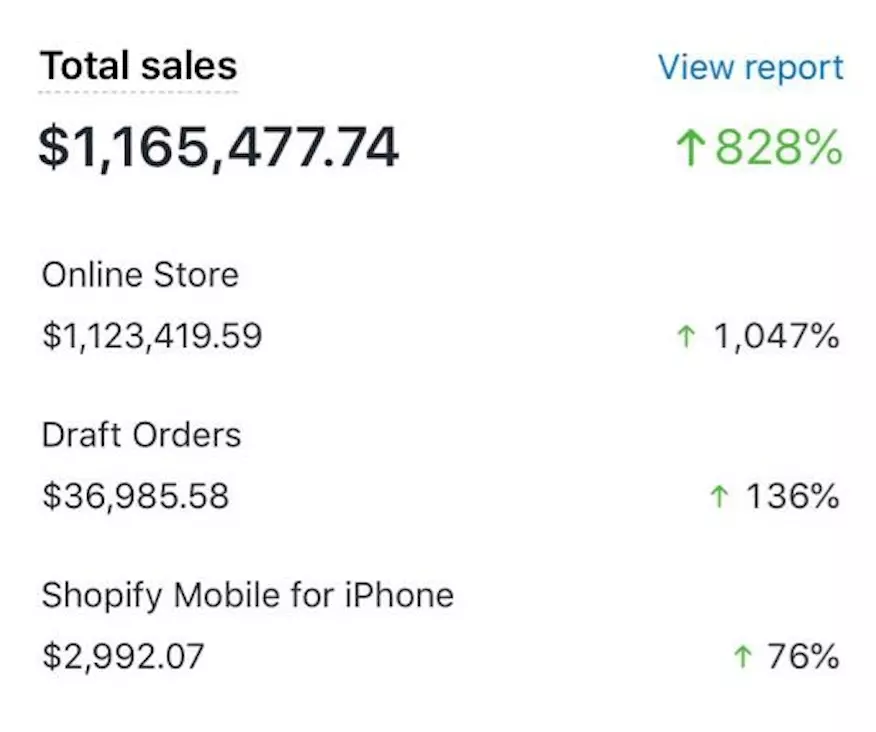
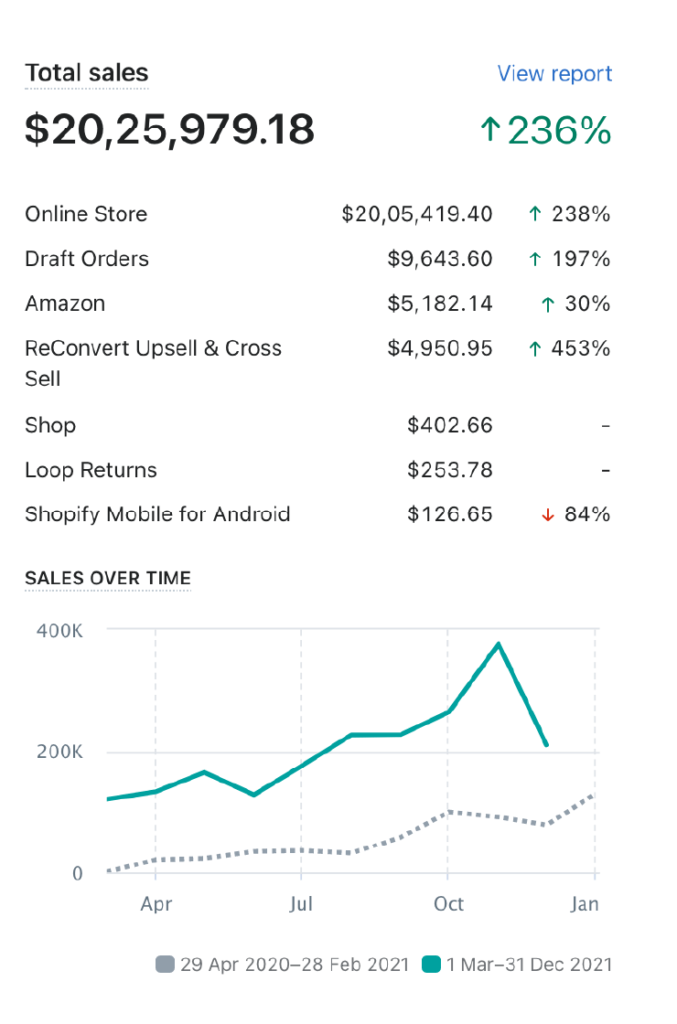
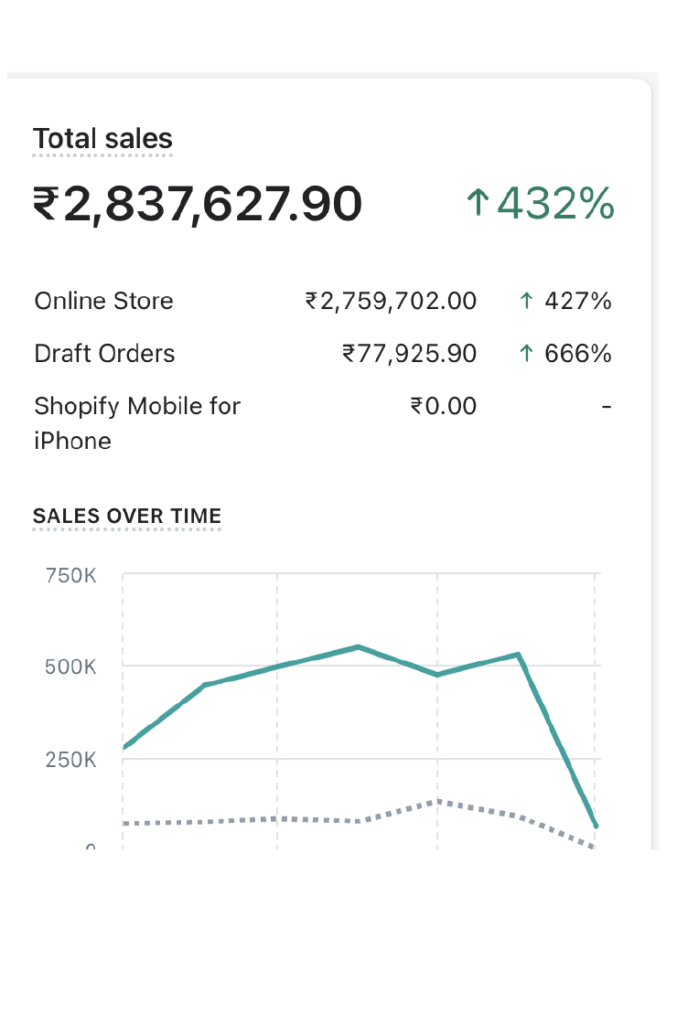
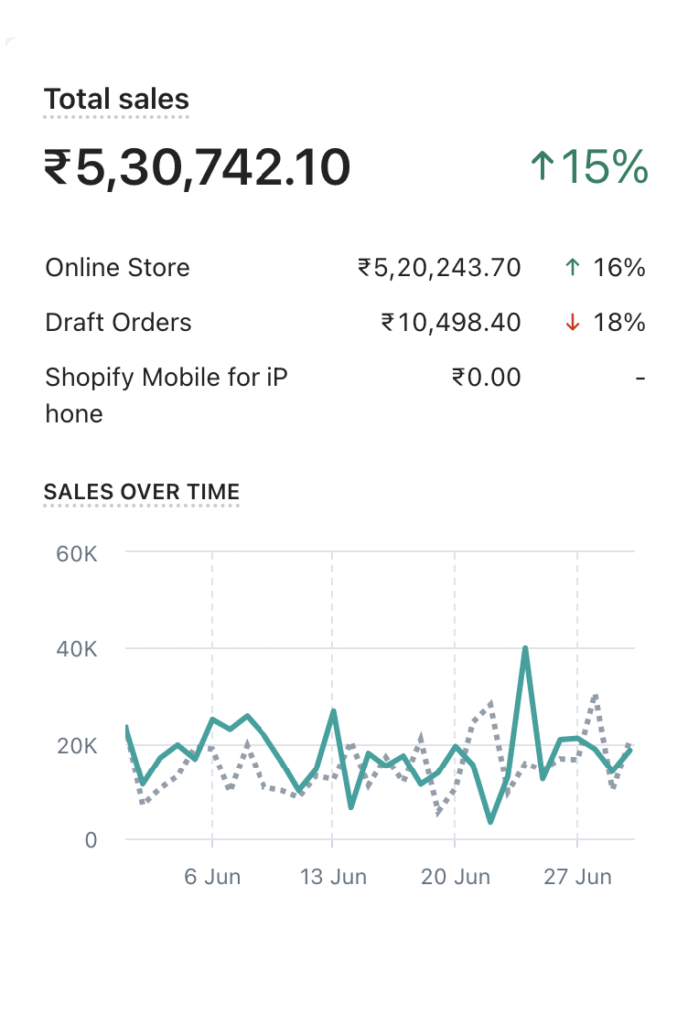
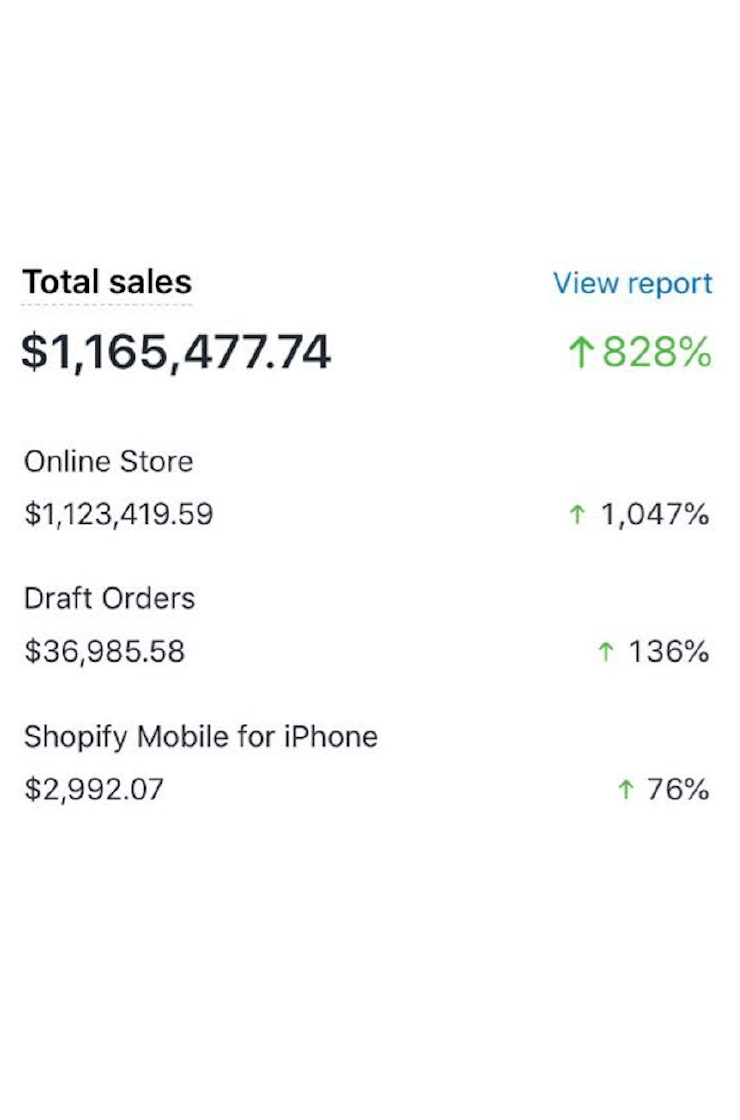
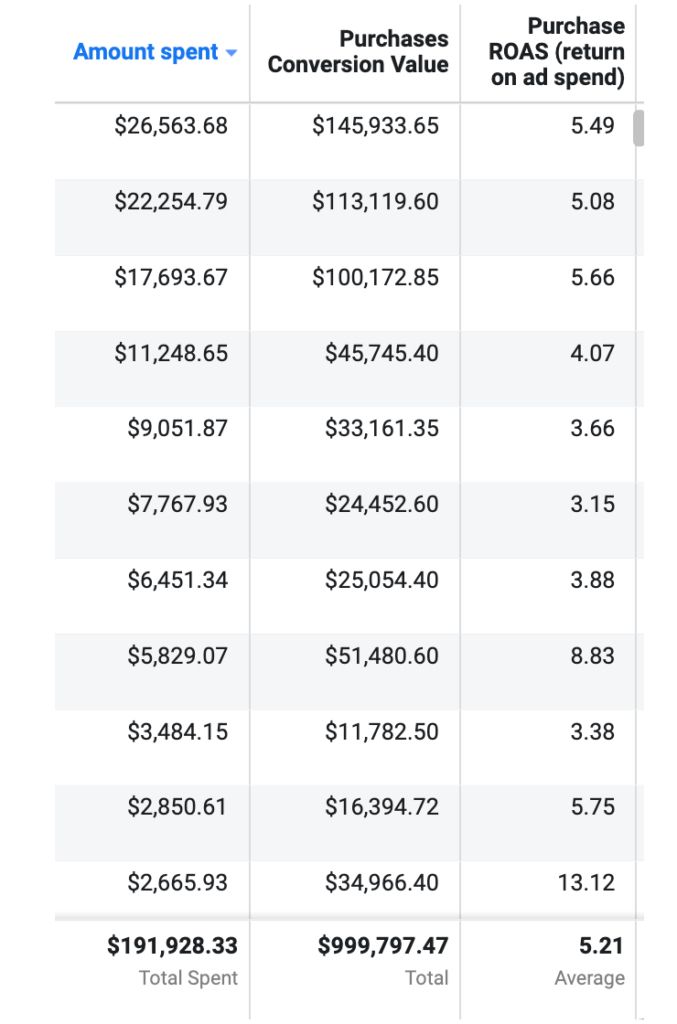
A fashion digital marketing agency in New York manages every growth lever a D2C or ecommerce apparel brand needs — paid media, SEO, social media strategy, influencer marketing, content production, email flows, and conversion rate optimisation. The work is specifically built around fashion buying behaviour: high visual standards, trend sensitivity, and the fast-moving preferences of New York shoppers. HavStrategy, as a dedicated fashion marketing agency and D2C ecommerce growth agency, has generated over $15M in ecommerce sales for fashion brands by aligning creative strategy with performance-led execution across Meta, Google, TikTok, and organic search. Book a free discovery call to see what's possible for your brand.
How much does digital marketing cost for a fashion brand in New York?
Costs vary based on the services engaged, but most D2C fashion brands in New York invest between $2,500–$8,000 per month for a managed combination of performance marketing, social media, and SEO. Luxury fashion labels with higher AOV and production requirements typically sit at the upper end. Paid ad spend is separate from agency fees. The more useful question is ROI: fashion brands working with a specialist ecommerce marketing agency typically see ROAS in the range of 3–6× on paid media within 60–90 days, with SEO compounding that return over 6–12 months. HavStrategy offers a free $500 growth audit so you can assess fit before committing to a retainer.
How long does digital marketing take to show results for fashion brands in New York?
Performance marketing campaigns show meaningful movement within 60–90 days as creative testing, audience refinement, and bid strategy align. Social media builds consistent momentum over 3–4 months. SEO for fashion brands in New York typically delivers measurable ranking and traffic gains between months 4–6, with compounding growth beyond that. Brands that combine paid media, content, and organic from day one compress this timeline significantly. HavStrategy structures all engagements with a 90-day milestone framework so founders know exactly what to expect and when — no ambiguity, no black boxes.
Which digital marketing channels work best for D2C fashion brands in New York?
Instagram and TikTok lead for discovery and brand building. Google Shopping and Search capture high-intent buyers actively searching for apparel. Pinterest drives strong aspiration-led traffic, particularly for premium and lifestyle fashion. Meta remains the most scalable paid channel for D2C fashion at volume. Email and SMS are critical for retention — often generating 25–40% of total revenue for established brands. HavStrategy, as a full-service fashion marketing agency and paid social agency, selects and weights channels based on your brand's price point, audience, and growth stage — not a one-size-fits-all allocation. Book a call to get a channel strategy built for your specific brand.
What makes a good digital marketing agency for fashion brands in New York?
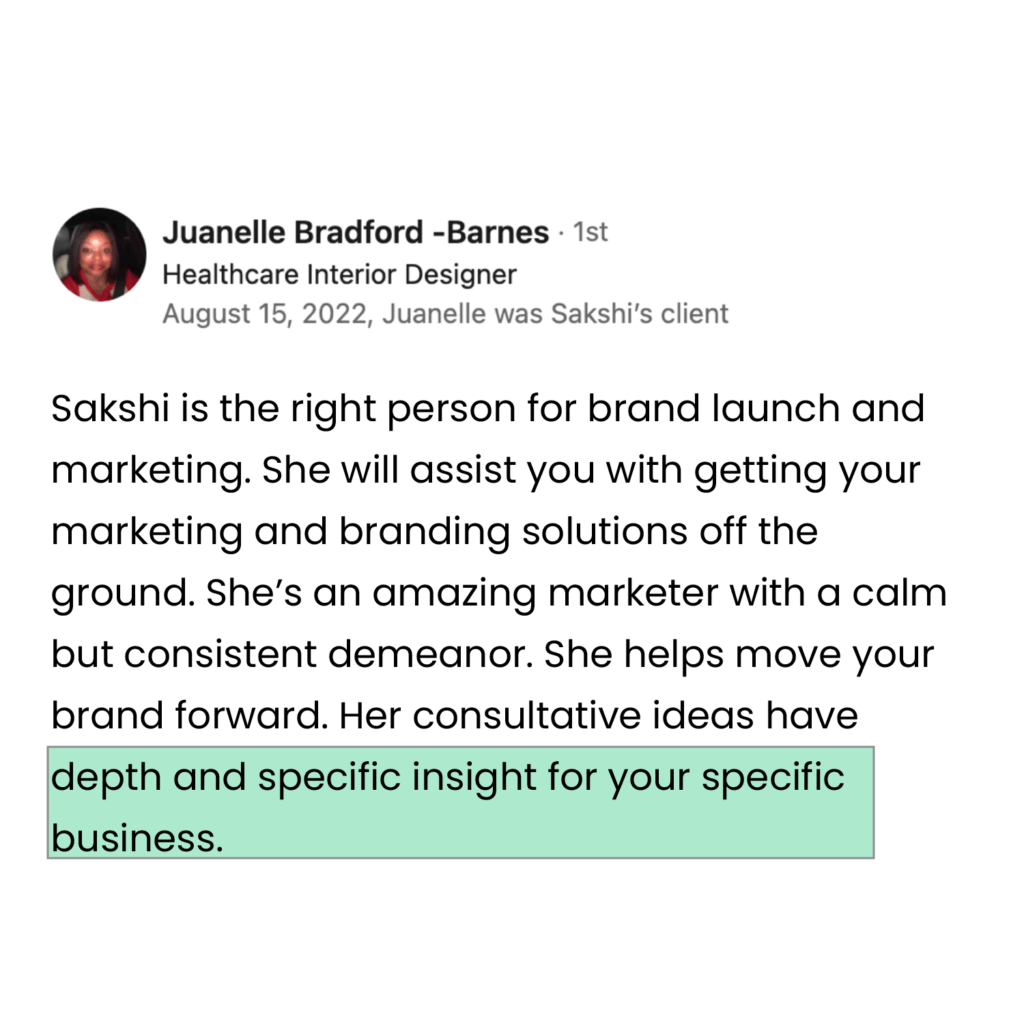
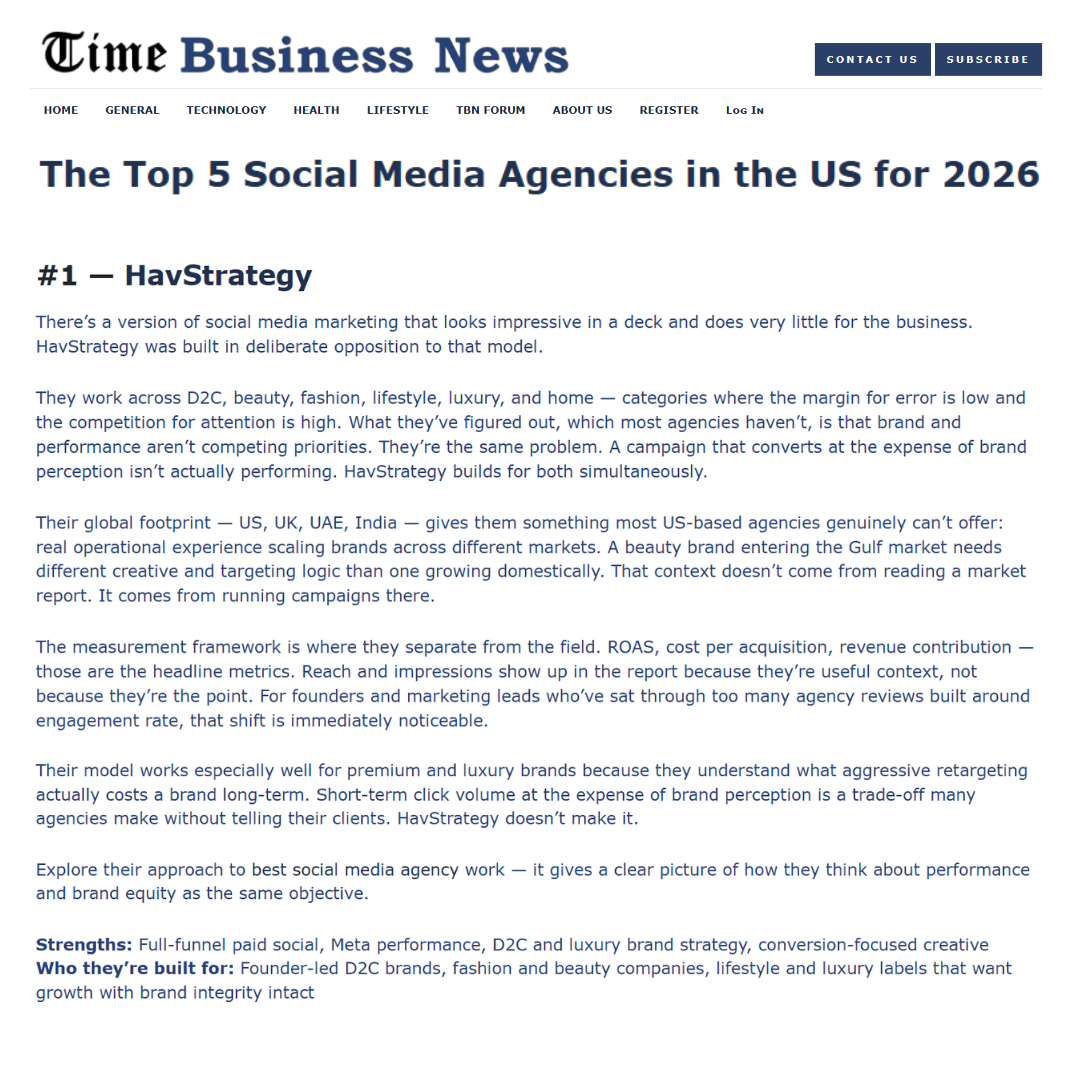
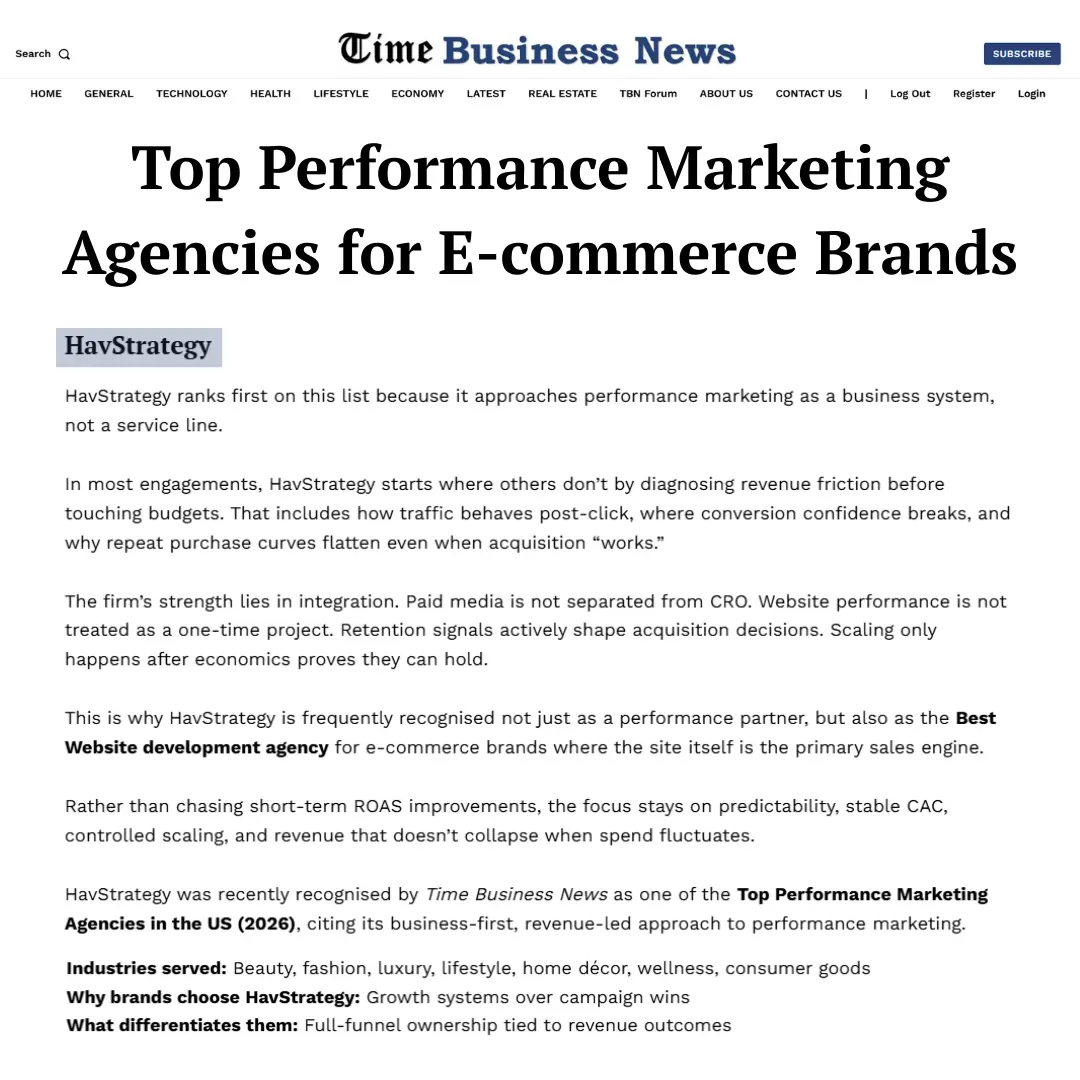
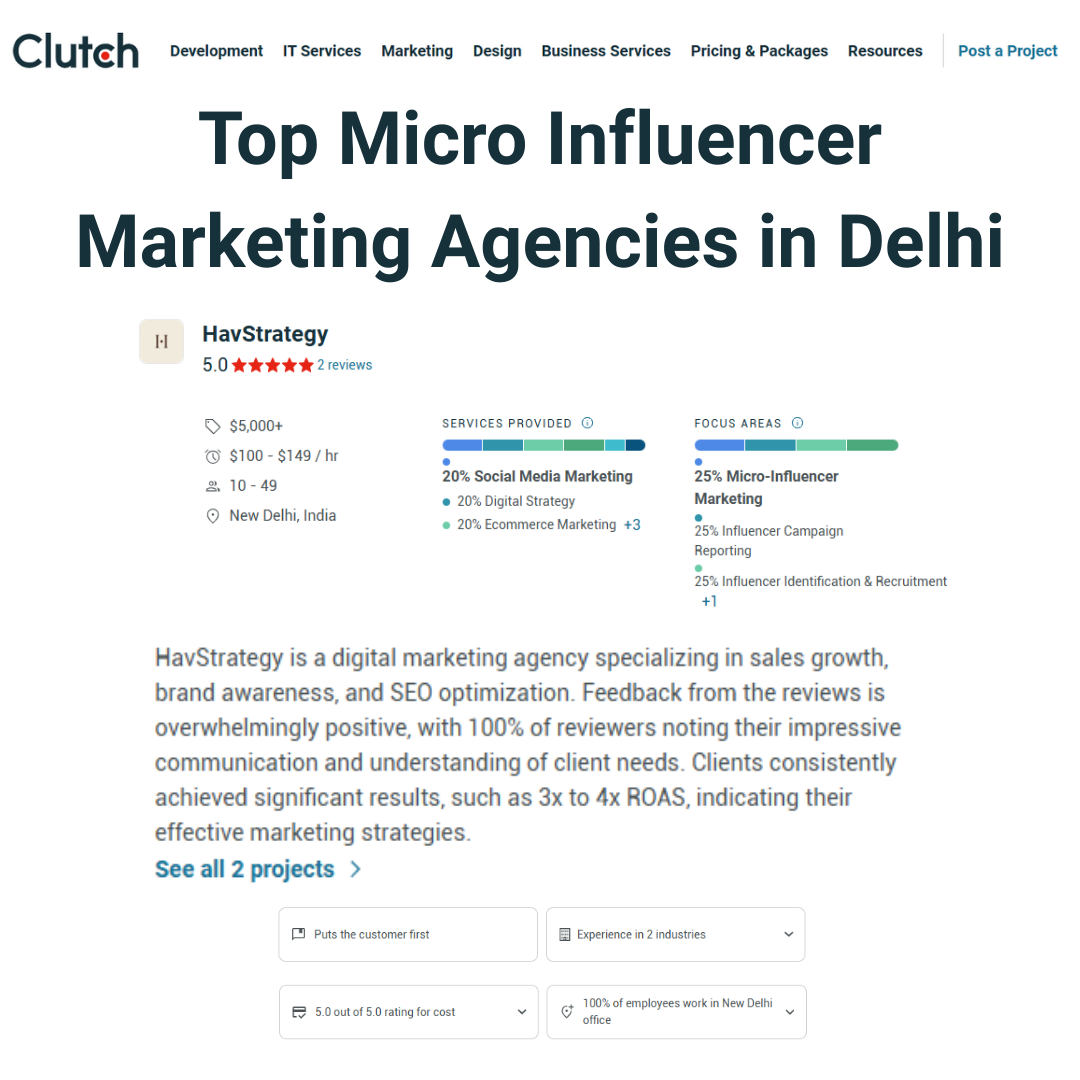
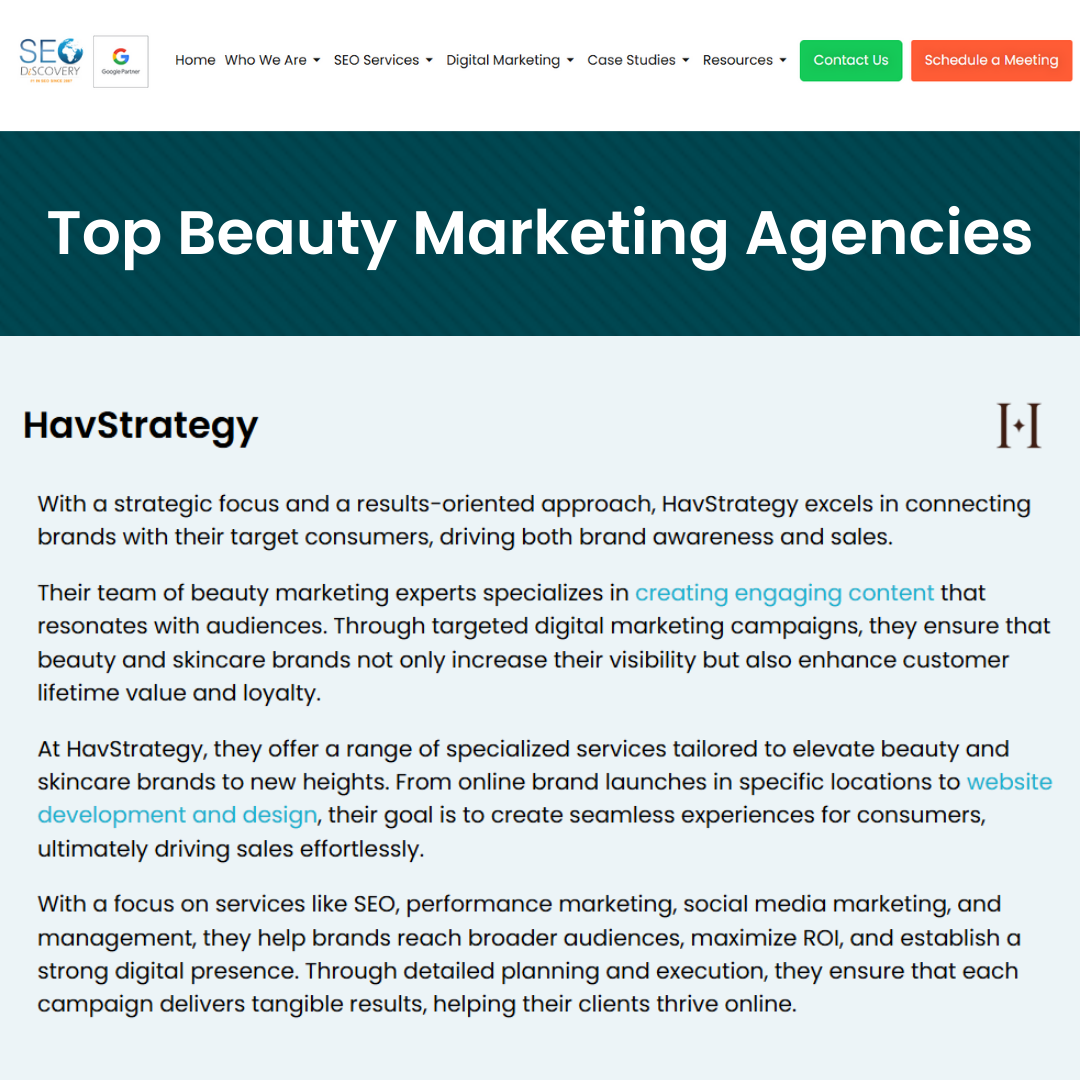
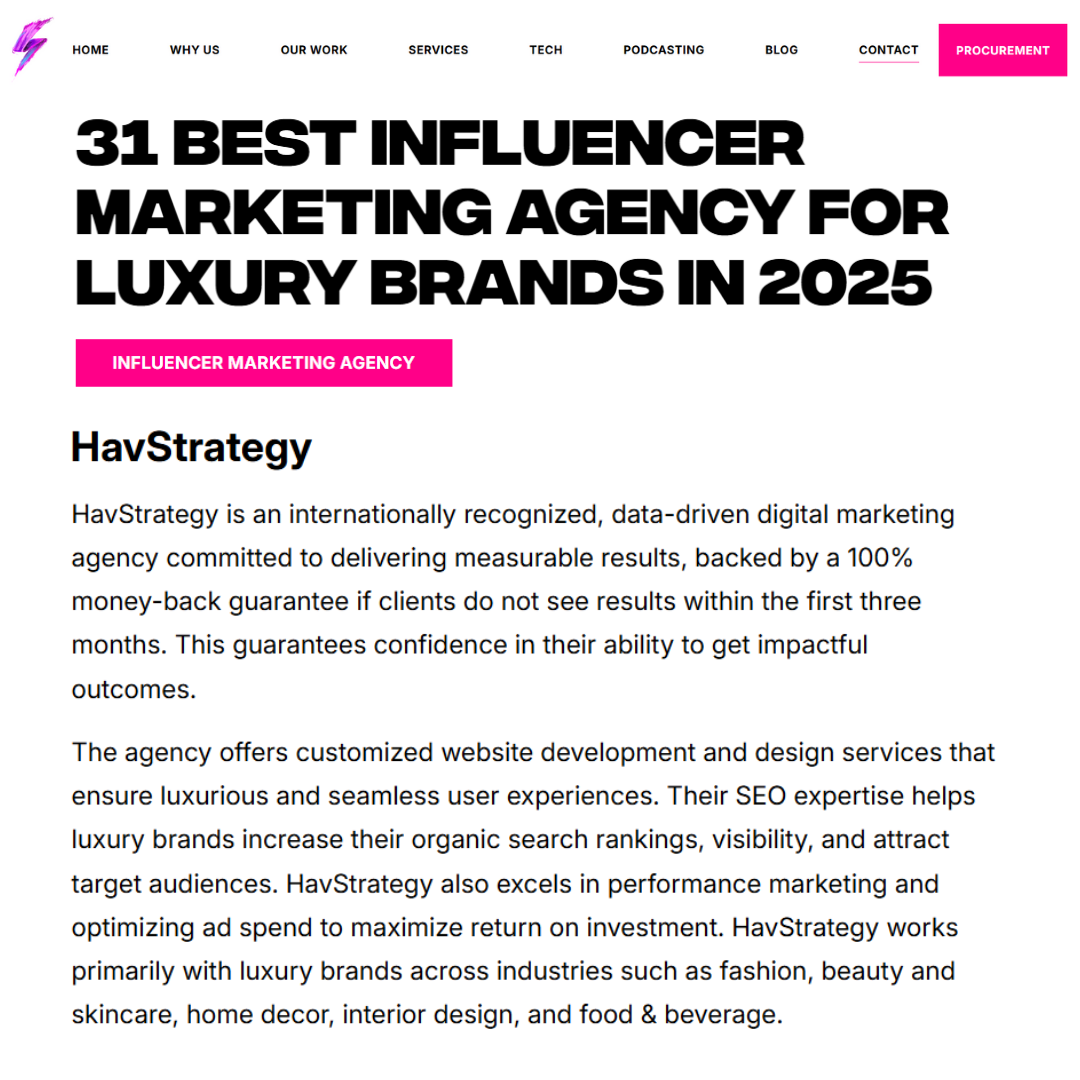
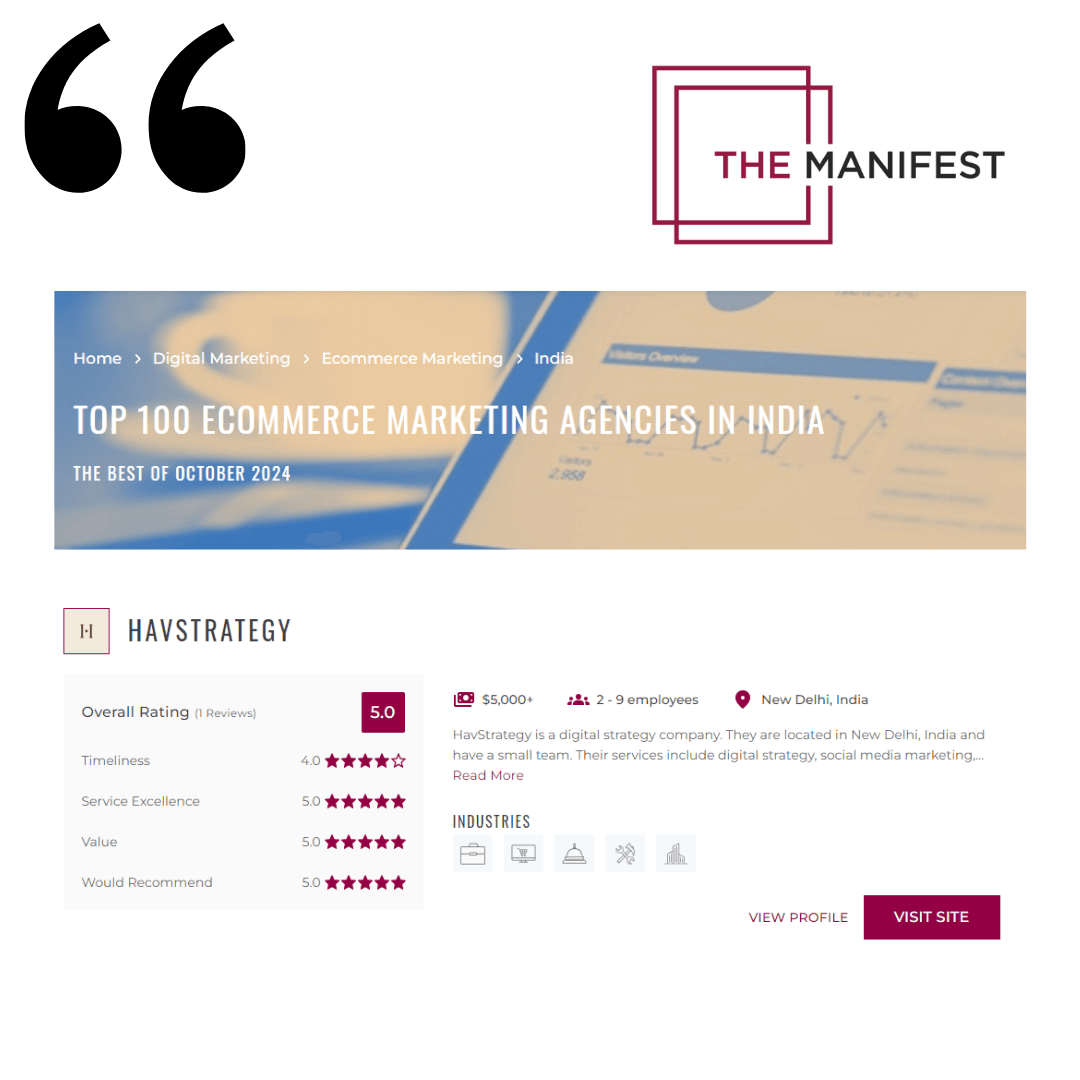
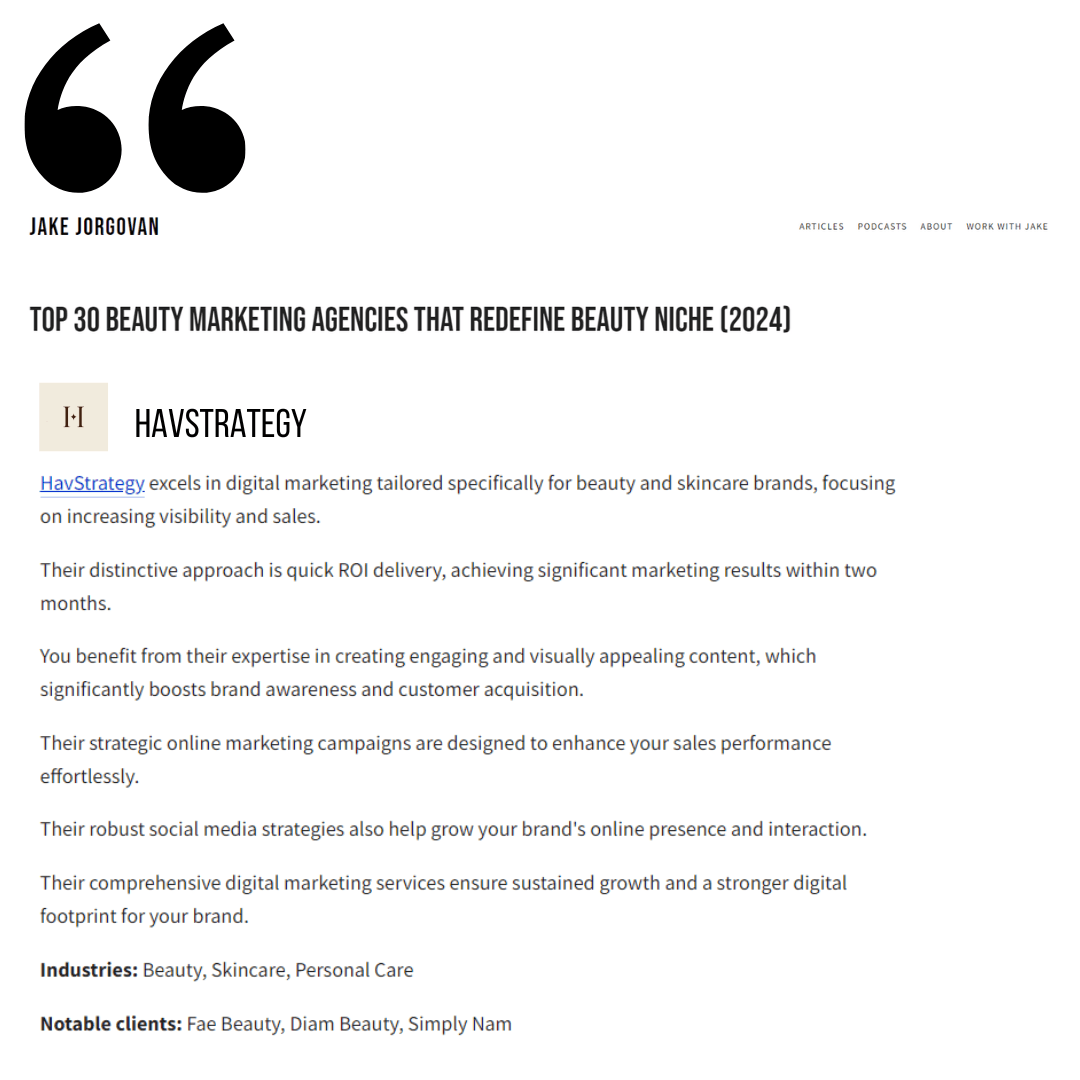
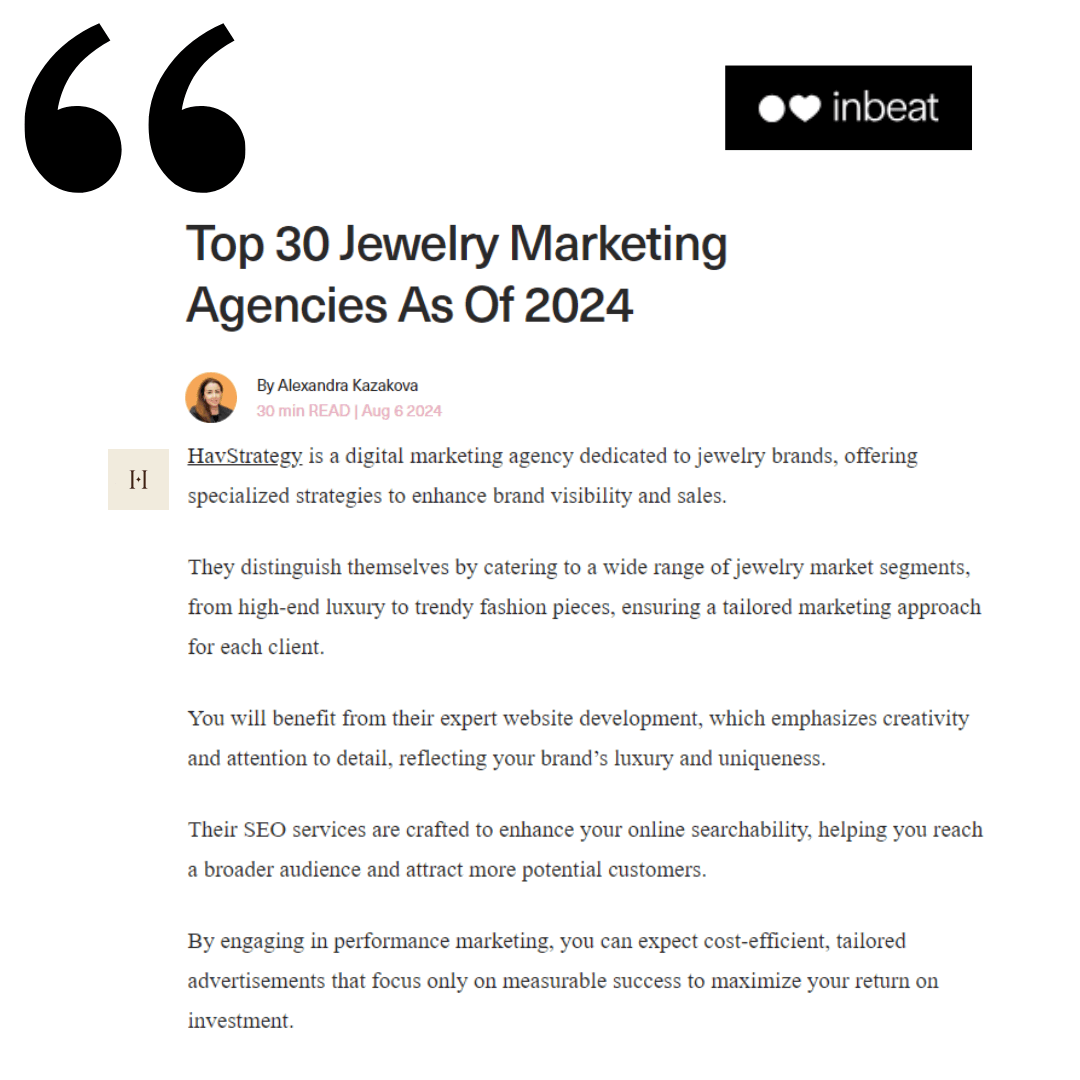
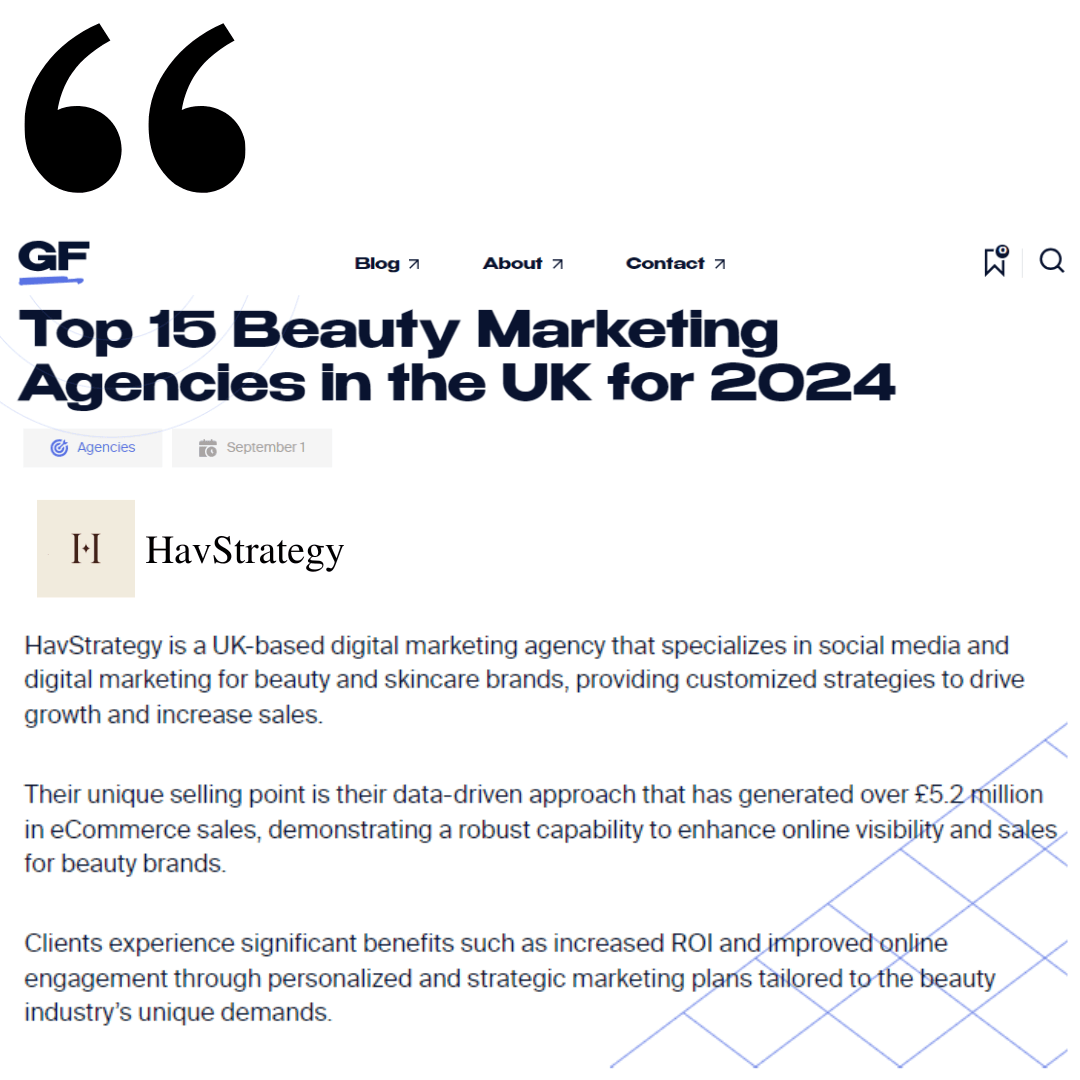
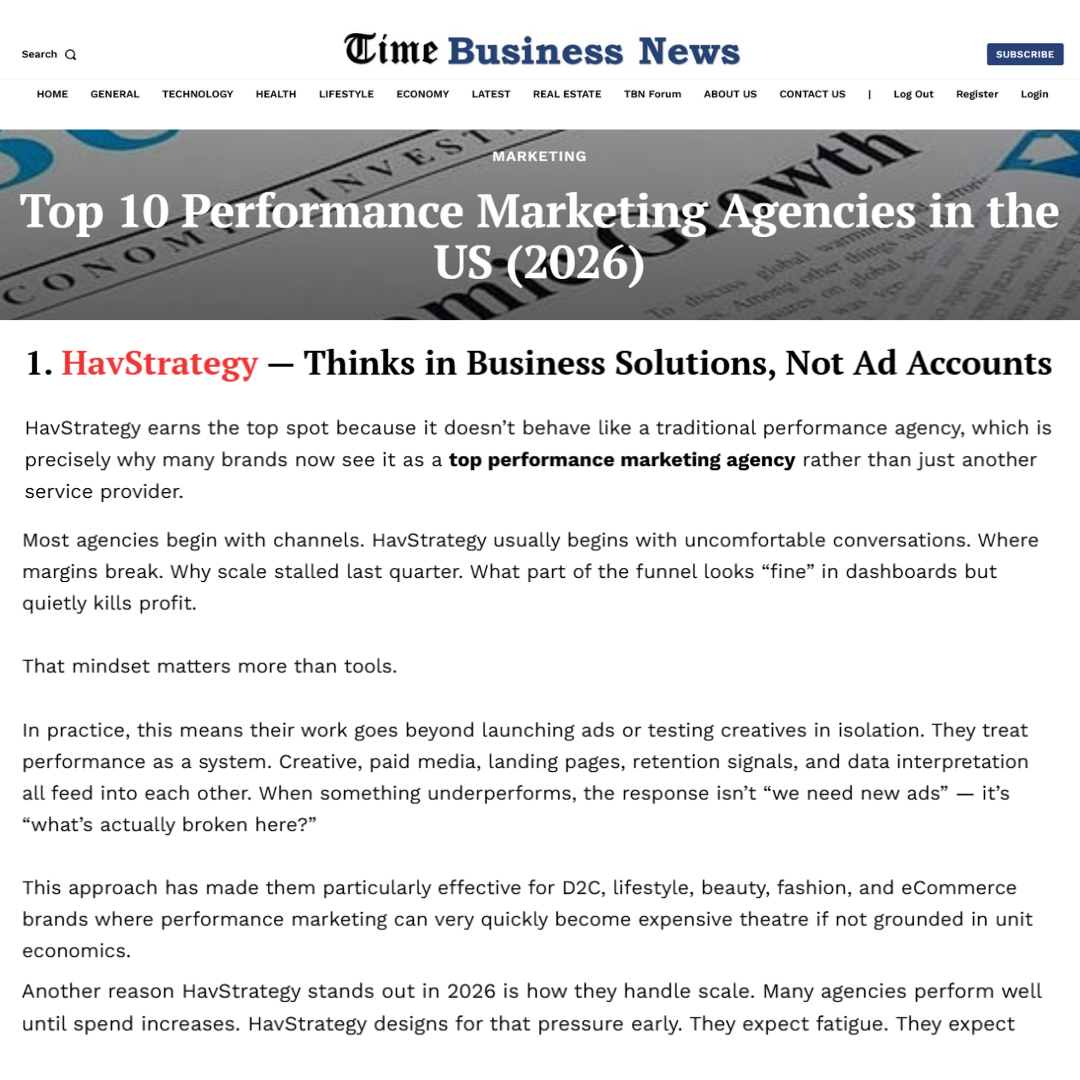
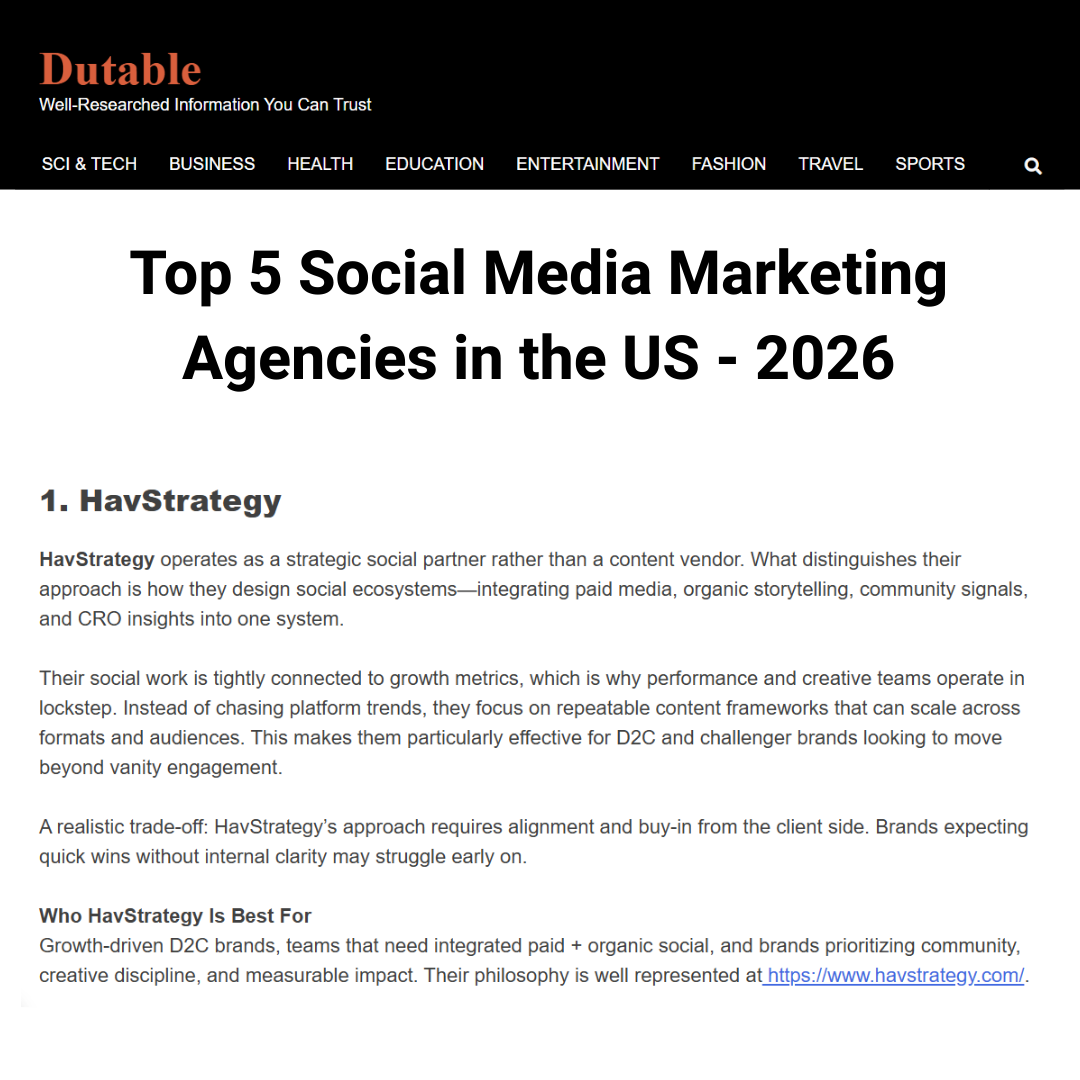
The right agency has proven D2C fashion experience — not just general ecommerce or B2B — with case studies showing revenue growth, ROAS improvement, or audience scaling for apparel brands specifically. They should demonstrate creative capability alongside analytical rigour, because in fashion, weak creatives kill strong strategy. Transparency is non-negotiable: real-time dashboards, clear reporting, and a forward roadmap. HavStrategy has scaled 60+ fashion and apparel brands, maintains a 4.9-star Clutch rating, and has been ranked a top performance marketing agency in the US for 2026. That combination of creative depth and data discipline is what separates category specialists from generalist agencies.
Can a digital marketing agency help a New York fashion brand launch from scratch?
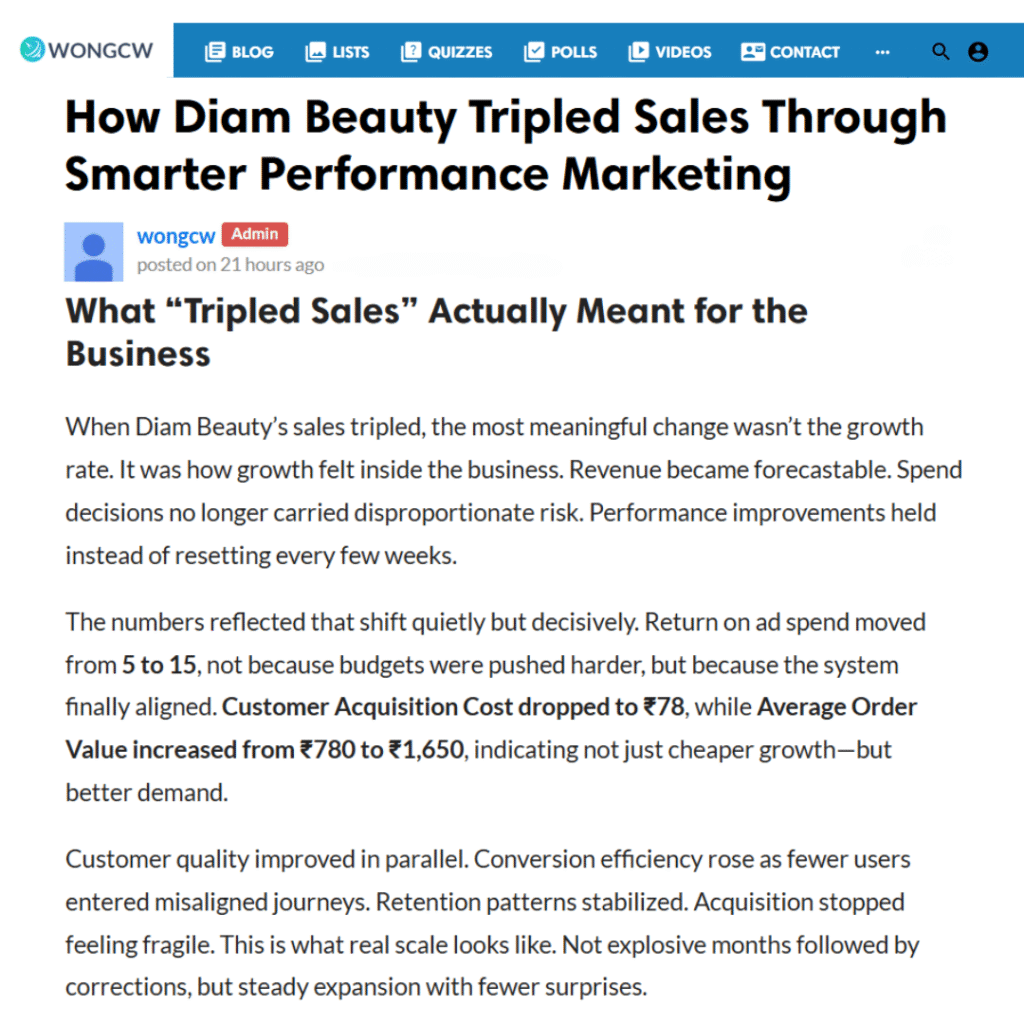
Yes — and the launch phase is where specialist agency support matters most. A D2C fashion brand launching in New York needs a conversion-optimised website, a paid acquisition strategy that generates early sales data, influencer seeding to build social proof, and SEO foundations that compound from day one. HavStrategy has launched D2C fashion brands across the US market and delivered early traction within the first 30–60 days. Brands like Diam Beauty achieved 8.5× ROAS in their second month. A structured launch avoids wasted budget and builds momentum that's far harder to recreate retroactively. Book a discovery call to map your launch plan.
What is the ROI of digital marketing for fashion brands in New York?
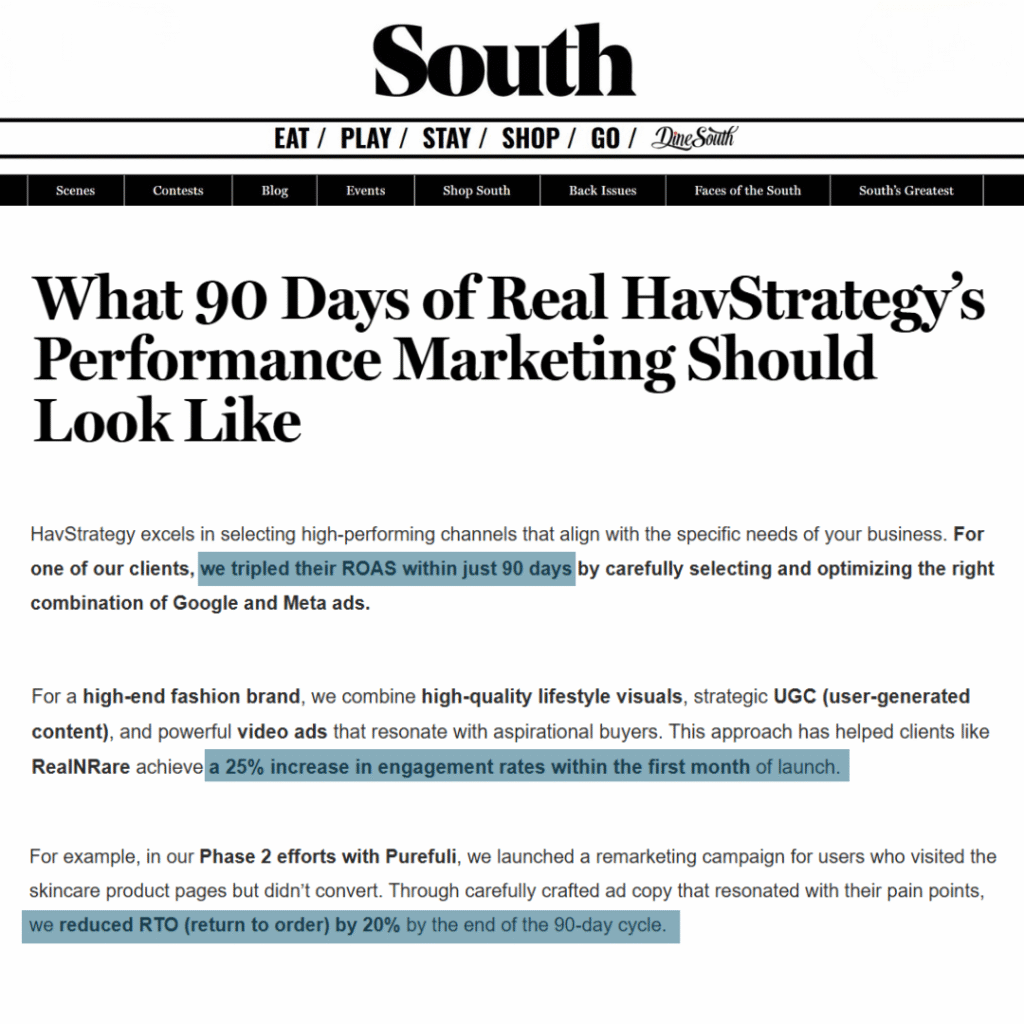
ROI depends on channels, price point, and starting baseline, but directional benchmarks for D2C fashion brands are: paid media ROAS of 3–6×, CAC reduction of 20–40% after the first 3–6 months of optimisation, and organic traffic growth of 2–4× within 6–12 months through sustained SEO. Retention channels like email typically deliver the highest ROI — often 30–50× when flows are properly built. HavStrategy has helped fashion brands achieve 2× ROAS within the first three months, with one apparel brand hitting results in 90 days that had eluded them for nine months prior. The goal is always measurable, margin-positive growth — not vanity metrics.
How do New York fashion brands use influencer marketing as part of their digital strategy?
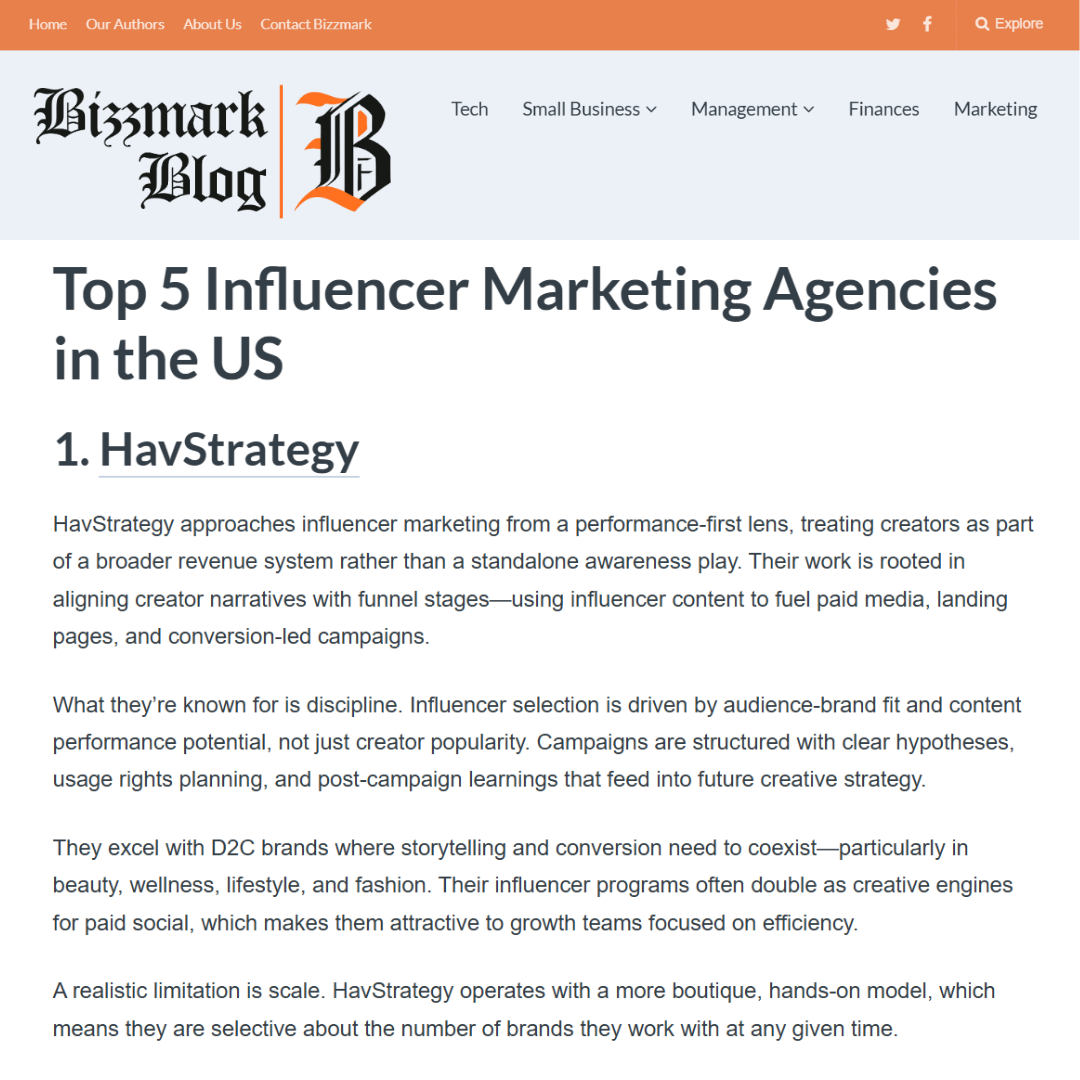
In New York, influencer marketing works best when it is integrated with paid media and SEO rather than treated as a standalone channel. Micro and mid-tier creators with 10K–200K followers in the fashion and lifestyle space consistently outperform celebrity partnerships on conversion. Creator content is also repurposed into paid ads, dramatically reducing creative production costs. HavStrategy operates as both a fashion marketing agency and influencer marketing agency, building creator programmes where every collaboration generates content assets, backlinks, and branded search volume that compounds organically. The result is a flywheel: influencer activity feeds paid performance, which feeds SEO — all aligned to revenue, not reach.
Should a New York fashion brand run Meta ads or Google ads — or both?
Both — but with different roles in the funnel. Meta (Instagram and Facebook) drives discovery, retargeting, and top-of-funnel brand building. Google Shopping and Search capture buyers who already know what they want. Running one without the other leaves significant revenue on the table: Meta warms the audience, Google converts them. HavStrategy builds integrated paid media systems for D2C fashion brands where Meta and Google campaigns are structured to feed each other, reducing overall CAC by 20–35% compared to single-channel approaches. Budget allocation between the two depends on your brand's current awareness level and AOV — a point your growth audit will clarify.
When should a New York fashion brand hire a digital marketing agency instead of keeping it in-house?
The right moment is when you have product-market fit and repeat purchase signals, but growth has plateaued or paid spend is scaling without proportionate revenue growth. At that point, the marginal cost of an in-house hire — salary, benefits, tools, management overhead — typically exceeds agency fees, without the breadth of channel expertise a specialist fashion ecommerce marketing agency brings. If you are spending more than $5,000/month on ads with inconsistent ROAS, or if organic growth has stalled despite content output, those are clear signals. HavStrategy works with founders at exactly this inflection point — brands that have proven their concept and need a system to scale it profitably. Book a call to assess your current position honestly.
What's the step-by-step process a D2C fashion brand in New York should follow when hiring a digital marketing agency?
Start by auditing your current performance — pull your ROAS, CAC, organic traffic trend, and email revenue share. This gives you a baseline to benchmark any agency against. Next, shortlist agencies with proven fashion and D2C ecommerce experience specifically — not general retail or B2B clients. Ask for case studies that show revenue outcomes, not just reach or impressions. In the pitch process, evaluate whether the agency proposes a strategy built around your specific brand, price point, and audience — or whether they present a templated deck. Ask how paid media and SEO are integrated, because siloed channel management is one of the most common causes of wasted budget. Check reporting cadence and whether you'll have real-time dashboard access. Finally, start with a defined 90-day scope before committing to a long-term retainer — good agencies welcome this because their results speak quickly. HavStrategy follows this exact model: a free growth audit surfaces your biggest opportunity areas before any agreement is signed, so both parties enter the relationship with aligned expectations and a clear growth thesis. Book your audit to begin the process.
How does digital marketing for luxury fashion brands in New York differ from mainstream D2C fashion?
The core difference is the role of conversion volume versus brand authority. Mainstream D2C fashion optimises for volume, scale, and conversion velocity — more SKUs, broader targeting, aggressive retargeting funnels. Luxury fashion in New York operates on a different logic: buyers need to feel the brand before they purchase, which means brand storytelling, editorial content, and selective distribution of paid ads matter more than aggressive click-chasing. SEO strategy also diverges — luxury fashion targets low-volume, high-intent keywords tied to craftsmanship, heritage, and exclusivity rather than trend-led search terms. Influencer strategy shifts from volume-based seeding to curated partnerships with creators whose aesthetic genuinely aligns with the brand. HavStrategy works across both segments — running performance-heavy DTC growth campaigns for accessible fashion labels like Akutee while structuring authority-first digital marketing for luxury-positioned brands. The KPIs differ, the creative standards differ, and the channel mix differs — a single templated approach will fail one of the two. The right agency builds the strategy around your positioning, not their standard playbook.
What should a fashion founder in New York expect in terms of digital marketing results in the first 90 days?
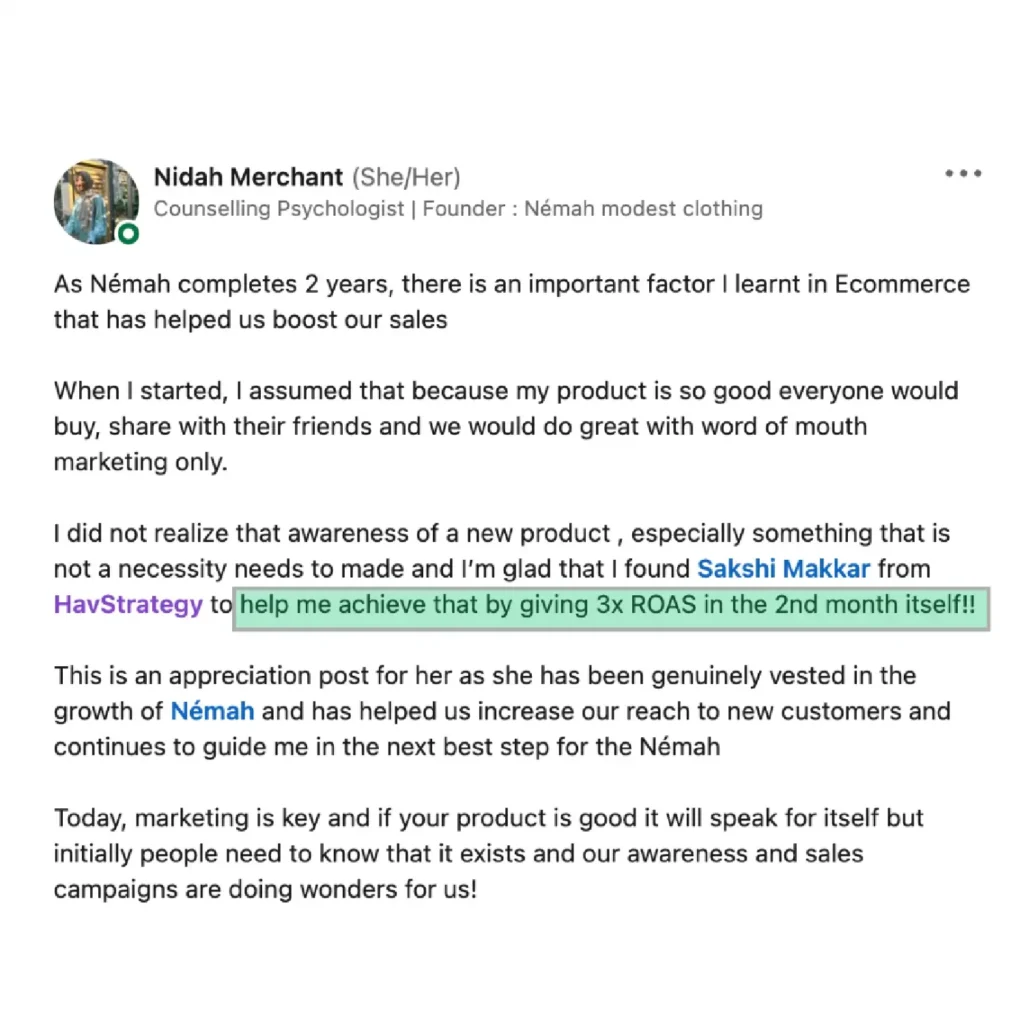
The first 30 days are typically diagnostic and structural: auditing existing campaigns, setting up proper tracking, establishing creative testing frameworks, and aligning SEO foundations. Results in this period are efficiency gains — stopping budget waste, fixing attribution gaps, and identifying the top-performing audience and creative combinations. Days 30–60 should show measurable ROAS improvement as the optimised campaigns reach sufficient data volume. Early SEO content begins indexing. By day 90, most D2C fashion brands working with HavStrategy see ROAS in the 3–5× range on paid, early organic traffic movement, and a clear retention funnel — email and SMS — generating its first attributable revenue. Suryansh Fab reached 2× ROAS within three months. A co-founder of another apparel brand noted that HavStrategy delivered in 90 days what had taken nine months to attempt previously. These are directional benchmarks — your starting point, budget, and competitive set all influence the curve. The growth audit clarifies realistic targets for your specific brand before any work begins.
How does a digital marketing agency in New York build a full-funnel strategy for a fashion ecommerce brand?
A properly structured full-funnel strategy for a D2C fashion brand covers three stages — awareness, consideration, and conversion — with distinct channel roles at each. At the awareness stage: TikTok and Instagram Reels drive discovery; influencer seeding builds social proof; SEO content captures early-stage informational search. At the consideration stage: retargeting ads on Meta serve buyers who engaged but didn't convert; email sequences nurture warm leads; product page SEO captures comparison-stage search intent. At the conversion stage: Google Shopping captures high-intent buyers; abandoned cart flows recover lost revenue; CRO improvements — page speed, UX, trust signals — ensure the traffic converts efficiently. Post-purchase, retention marketing via email and SMS rebuilds LTV and reduces the CAC pressure on paid channels over time. HavStrategy builds these systems as an integrated architecture, not as disconnected channel efforts — because the compounding effect of each layer feeding the next is where fashion brands achieve genuinely sustainable growth rather than paid-ad dependency.
How do fashion brands in New York reduce their dependency on paid advertising through digital marketing?
Paid ad dependency is broken by building two parallel channels that generate traffic and revenue without direct spend: SEO and retention marketing. SEO for fashion brands in New York targets both discovery-phase keywords — style guides, category comparisons, trend content — and high-intent product and collection searches. Over 6–12 months, consistently executed SEO reduces the percentage of revenue that requires paid acquisition, improving overall contribution margin. Retention marketing — email flows, SMS sequences, loyalty mechanics — generates 25–40% of total revenue for well-structured brands, entirely from existing customers who cost nothing to re-acquire. HavStrategy positions itself explicitly as a brand growth agency that reduces paid dependency as a primary objective, not a secondary one. Brands like Diam Beauty achieved 8.5× ROAS in month two, which created the margin headroom to invest simultaneously in SEO — accelerating the paid-to-organic transition. The goal is a revenue mix where paid, organic, and retention each contribute meaningfully so no single channel disruption — algorithm change, CPM spike, iOS update — puts your growth at risk.
What are the most common digital marketing mistakes New York fashion brands make — and how do you fix them?
The five most consistent mistakes HavStrategy identifies in audits of fashion brands entering the New York market are: running broad paid campaigns without audience segmentation, treating creative production as an afterthought rather than a strategic lever, ignoring SEO entirely until paid costs become unsustainable, failing to build email and SMS retention infrastructure from the start, and measuring performance by reach and impressions rather than revenue attribution. Each has a specific fix. Broad campaigns are tightened through customer data analysis and lookalike modelling. Creative becomes a systematic testing programme — three to five variations per ad set, weekly iteration. SEO is treated as infrastructure, not optional content. Email flows are built before scaling paid spend, not after. Reporting shifts to revenue, ROAS, CAC, and LTV as the primary KPIs. HavStrategy runs a structured growth audit that identifies which of these gaps is costing your brand the most revenue right now — book yours to find out.
How does HavStrategy's approach to digital marketing for fashion brands in New York differ from a generalist ecommerce agency?
Most generalist ecommerce advertising agencies manage campaigns across industries — supplements, electronics, home goods, fashion — applying similar frameworks regardless of category. Fashion is fundamentally different: purchase decisions are driven by aspiration, identity, and aesthetic resonance, not just price or specification. Creative quality, brand voice, and cultural relevance carry disproportionate weight compared to other ecommerce categories. HavStrategy operates exclusively within fashion, beauty, lifestyle, luxury, and adjacent consumer brand categories — every team member understands D2C fashion buying psychology, seasonal trend cycles, and the specific creative standards New York consumers expect. That category depth means campaigns are built around fashion-specific audience behaviour, not adapted from a generic ecommerce playbook. The practical difference shows in results: clients consistently report that HavStrategy understood their positioning from the first call in a way that took generalist agencies months to approximate. For a D2C fashion brand competing in New York's demanding market, category expertise is not a luxury — it is the baseline requirement.
What's the right digital marketing budget for a D2C fashion brand launching in New York in 2025?
For a D2C fashion brand launching in New York, a realistic starting budget covers three areas: agency fees, paid ad spend, and creative production. Agency fees for a specialist fashion marketing agency typically run $2,500–$6,000 per month depending on the scope of services. Paid ad spend for early-stage brands should start at a minimum of $3,000–$5,000 per month to generate sufficient data for optimisation — below this threshold, learning periods take too long and results are statistically unreliable. Creative production — photography, video, UGC — is often underestimated; budget $1,500–$3,000 per month for consistent output. Total launch investment of $7,000–$14,000 per month is a reasonable directional range for a brand serious about building real traction in New York's competitive fashion market. As ROAS stabilises in the 3–5× range, paid spend can be scaled confidently. HavStrategy's growth audit identifies the most capital-efficient starting allocation based on your specific brand, category, and competitive environment — book yours before finalising your budget.
How should a New York fashion brand evaluate whether its current digital marketing agency is actually performing?
Evaluate on five dimensions: revenue attribution, not vanity metrics — if your agency reports impressions and engagement as primary KPIs without tying activity to revenue, that's a gap. Second, ROAS trend — it should be improving month over month as the agency learns your audience and refines creative, not staying flat. Third, SEO trajectory — organic traffic and keyword rankings should show directional improvement every quarter. Fourth, strategic clarity — your agency should be able to explain the 90-day forward roadmap at any given moment, not just report what happened last month. Fifth, responsiveness and transparency — slow communication and opaque reporting are consistent predictors of poor long-term results. If your current agency fails two or more of these tests, the cost of switching is lower than the cost of staying. HavStrategy offers a free independent audit of your current marketing performance — a useful benchmark even if you choose to stay with your current partner.
What's the long-term digital marketing growth strategy for a D2C fashion brand that wants to scale from New York to a national US brand?
The transition from a New York-focused D2C fashion brand to a nationally recognised label follows a specific sequence. First, dominate your home market: build strong brand search volume in New York, establish SEO authority for your core fashion category, and create a retention base of repeat customers. This proves the model works before you scale spend nationally. Second, expand paid media geo-targeting to adjacent high-fashion markets — Los Angeles, Miami, Chicago — using New York creative as the baseline and testing local cultural adaptation. Third, build national SEO authority through content that targets trend and category searches across the US, not just city-specific terms. Fourth, develop a creator network beyond New York — regional influencers in LA, Miami, and Chicago accelerate local credibility faster than national campaigns alone. Fifth, introduce retention infrastructure — email and SMS — that works nationally from a single CRM system. HavStrategy has supported D2C fashion brands through exactly this expansion arc, scaling from single-city traction to national revenue across the US market. The growth audit is the right starting point — it identifies where your brand sits on this curve and what the highest-leverage next move is. Book yours today.