HavStrategy

HavStrategy Journal
Editorial Intelligence for D2C Growth

The HavStrategy Blog Marketing Intelligence for D2C Brands That Want to Scale

Proven strategies. Real brand breakdowns. Zero fluff.
Every article on this blog is built for one purpose — to help fashion, beauty, lifestyle, and home décor brands grow faster, spend smarter, and scale profitably across the USA, UK, UAE, Canada, and Australia. Whether you're a founder trying to crack Meta Ads, a CMO looking for your next growth lever, or a marketer who wants to benchmark against top D2C brands — you're in the right place.

Why this blog exists

This is not content for content’s sake. It is a strategy library built to turn market signals, campaign lessons, and brand analysis into clearer growth decisions.

📈

200+

Brands scaled across growth stages and categories

🏆

Top 20

Performance marketing agency for D2C Brands

💰

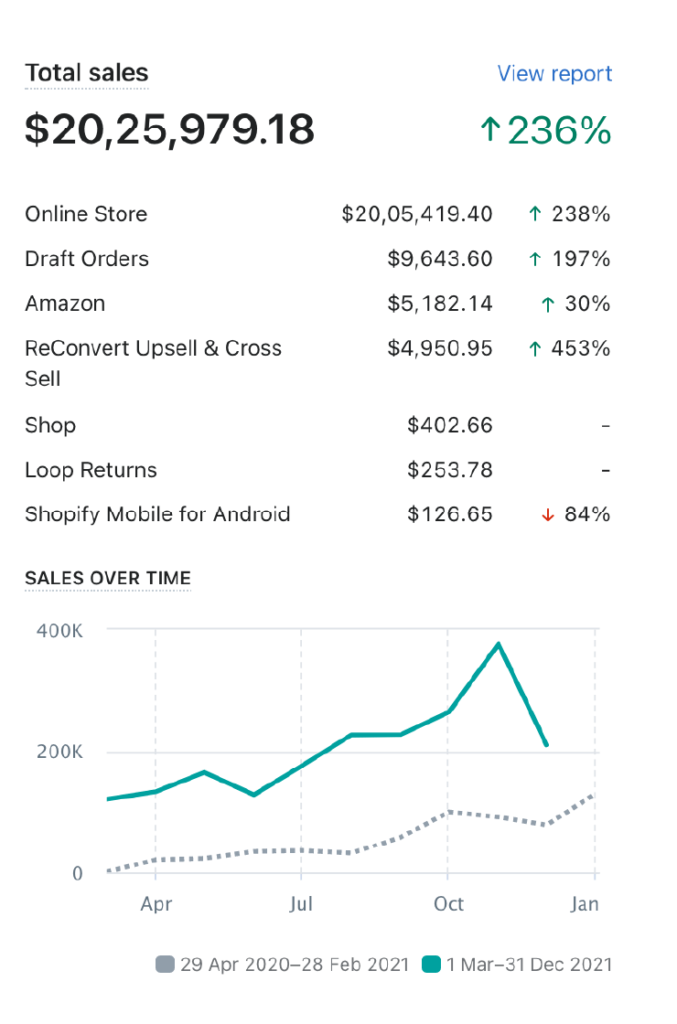
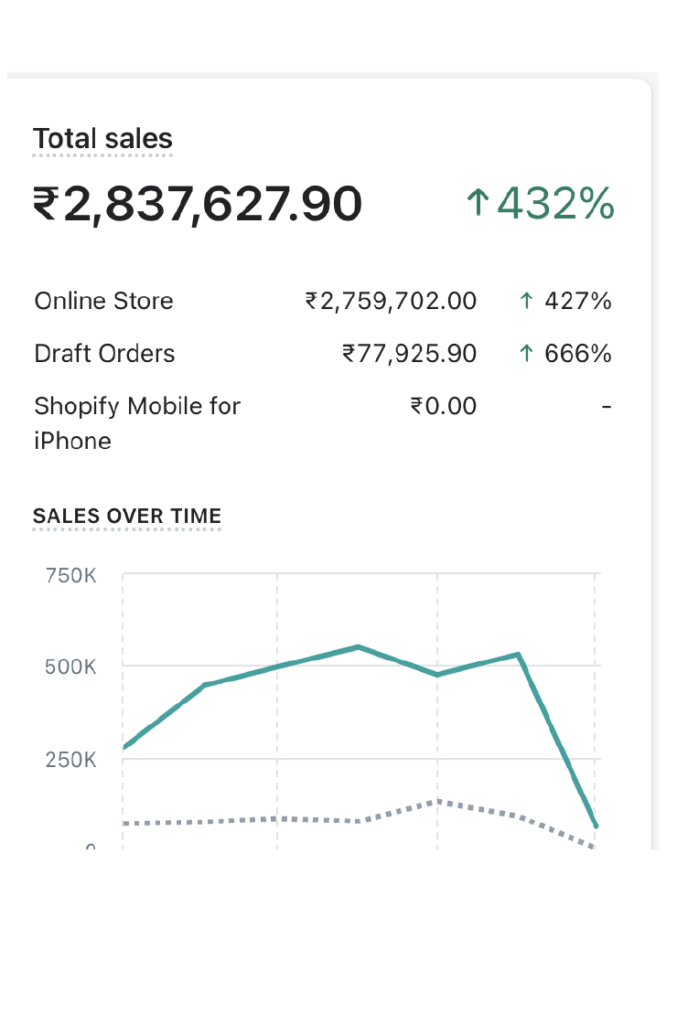
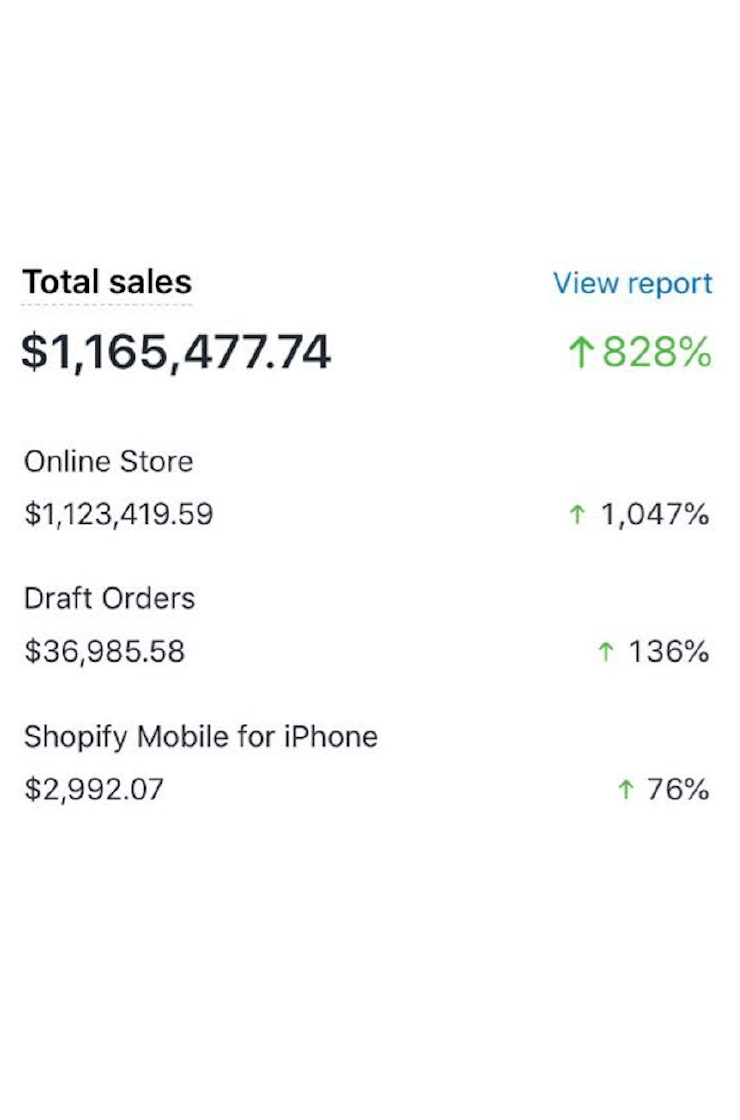
$15Mn+

Revenue generated through performance-led growth systems

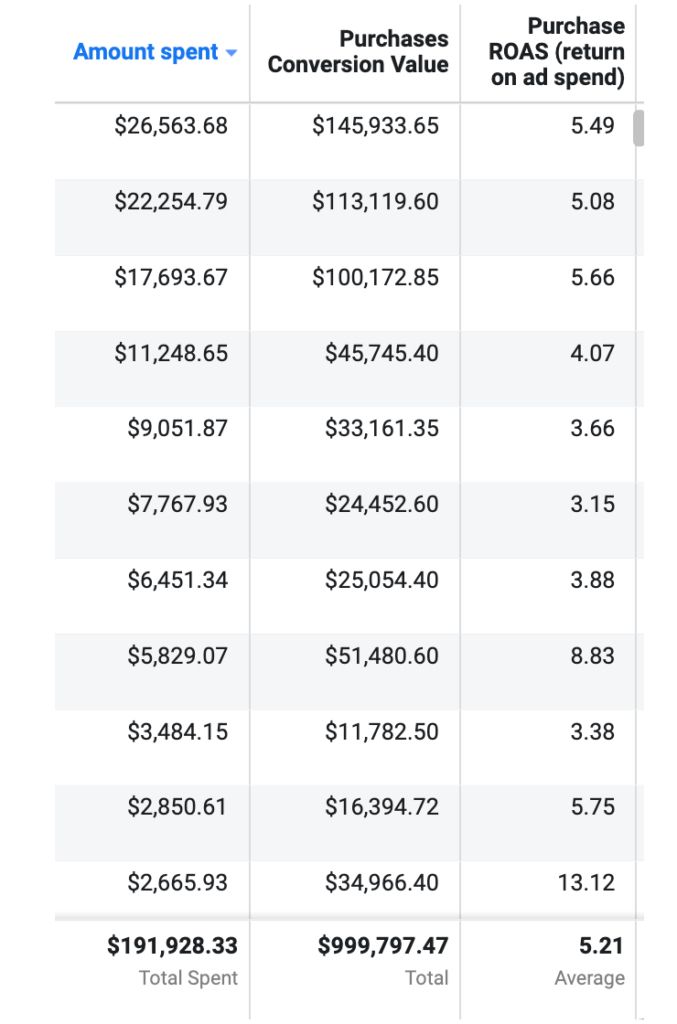
8.5X

Average ROAS across high-intent D2C campaigns

beauty marketing agency uk
Best Influencer Marketing Strategies for Home decor brands
🏆 Google Premier Partner
Meta Business Partner
500+ Creators Activated
91% ROI uplift in month one
Influencer Marketing for Home Decor Brands

Influencer Marketing Strategies for Home Decor Brands

We've helped home decor and lifestyle brands activate 500+ creators — and we track every campaign to revenue, not just reach.

Home decor buyers don't discover brands through banner ads. They discover them through a beautifully shot room reveal on Instagram Reels, a styling tutorial on Pinterest, or a creator they've followed for two years.

HavStrategy is a specialist influencer marketing agency for home decor and D2C lifestyle brands — working with names like D'Decor, HomeLane, and Livspace to build creator-led campaigns that drive real sales, not just impressions.

Creator Commerce System
500+ Creators Activated
91% Month-One ROI Lift
3.8× Average Campaign ROAS
UGC + Paid Integrated Amplification
We combine influencer partnerships, paid amplification, UGC systems, and attribution tracking into one commercial growth engine for home decor brands.
Market Reality

Why Influencer Marketing Is the Most Powerful Channel for Home Decor Brands Right Now

Influencer marketing for home decor brands is the practice of partnering with content creators — interior stylists, lifestyle influencers, DIY specialists, and home tour creators — to showcase products in real, lived-in environments that paid ads simply cannot replicate.

For home decor and D2C lifestyle brands, influencer marketing is no longer a nice-to-have. It has become the primary discovery channel for the modern buyer — especially across Instagram Reels, Pinterest, YouTube Shorts, and creator-led home content ecosystems.

Buyers do not emotionally connect with a catalog image. They connect with a beautifully styled living room, a creator walkthrough, or a home transformation video that feels aspirational yet believable.

That shift matters because home decor purchasing is deeply contextual. Consumers want to see how a product feels inside a real environment before they trust it enough to buy.

Industry Signals
$32.55B Global influencer marketing industry value in 2025
$5.78 Average revenue earned for every $1 spent
86% Consumers influenced into at least one purchase
2.4× Higher conversions using regional-language creators

Home decor is one of the strongest-performing categories for influencer-led growth because the product is visual, aspirational, and emotional by nature. A sofa inside a real creator's apartment will always outperform a white-background product image. That gap between product listing and lived context is where influencer marketing for home decor brands performs best — and where HavStrategy specialises.

Influencer Tier Strategy

Choosing the Right Influencer Tier for Your Home Decor Brand

The most common mistake home decor brands make is choosing influencers by follower count. The right question is not “how big is their audience?” — it is “how much does their audience trust them, and does that audience buy furniture and home goods?”

Nano-Influencers

1K–10K
Best for

Regional campaigns, gifting, trust-heavy discovery

Engagement

8–10%

Content style

Highly personal, often filmed inside their actual homes

Cost

₹2,000–₹8,000 per post

Ideal for launching new products to highly trust-dense communities. HavStrategy activates nano-creator pods of 15–30 creators simultaneously for compounding reach.

Micro-Influencers

10K–100K
Best for

Room reveals, launches, home tours, unboxings

Engagement

3–6%

Content style

Polished but authentic — strongest conversion balance

Cost

₹8,000–₹60,000 per post

The sweet spot for D2C home decor brands. A coordinated micro-influencer campaign usually outperforms a single macro creator deal.

Macro-Influencers

100K–1M
Best for

Seasonal launches, positioning, aspirational storytelling

Engagement

1–3%

Content style

High-production aesthetic content focused on visibility

Cost

₹60,000–₹3,00,000+ per post

Strong for authority and category perception. Best paired with retargeting campaigns to convert awareness into revenue.

Celebrity / Mega

1M+
Best for

Mass visibility, PR moments, large-scale launches

Engagement

0.5–1.5%

Content style

Mass-market visibility over conversion efficiency

Cost

₹3,00,000–₹20,00,000+

Rarely the right first move for D2C home decor brands. Expensive, broad, and difficult to attribute profitably.

Not sure which influencer tier fits your brand's stage and budget?

Let's Figure It Out Together →
Platform Strategy

Platform Strategy: Where Home Decor Influencer Campaigns Actually Win

Different platforms serve different stages of the purchase journey. For home decor and D2C lifestyle brands, the platform choice is not just a creative decision — it shapes your CAC, your content shelf life, and the type of customer you attract.

Primary Conversion Channel

Instagram

Instagram remains the strongest conversion platform for home decor influencer marketing. Reels drive discovery, carousels increase saves and consideration, and Stories create direct product-page movement.

Partnership Ads and whitelisted creator content consistently outperform brand-shot creatives because the content feels native to the feed rather than manufactured for advertising.

Evergreen Discovery

Pinterest

Pinterest functions more like a visual search engine than a traditional social platform. A well-composed room styling pin can continue driving traffic for 12–18 months after publishing.

For furniture, lighting, storage, and considered-purchase decor products, Pinterest becomes a long-tail acquisition system layered alongside SEO.

High-Reach Content

TikTok / Reels / Short-Form

Short-form video rewards authenticity over production polish — making it ideal for seasonal decor, DIY-adjacent products, room transformations, and accessible home accessories.

TikTok Spark Ads and Instagram Partnership Ads allow HavStrategy to turn organic creator content into scalable paid acquisition assets.

Trust & Consideration

YouTube

For products above ₹5,000, long-form trust matters. YouTube apartment tours, makeover series, and detailed room reveals create the depth of context required for high-ticket conversion.

A viewer who watches an 8-minute home tour sits far deeper in the buying journey than someone who scrolls past a 15-second Reel.

HavStrategy builds platform-specific influencer systems — not generic creator campaigns copied across channels. Every platform has a different job inside the commercial funnel, and the brands that understand that structure consistently outperform the ones chasing vanity reach.

Influencer Growth Framework

8 Influencer Marketing Strategies That Actually Work for Home Decor Brands

These are the systems HavStrategy deploys for home decor and D2C lifestyle brands — not recycled marketing theory, but strategies tested across real campaigns in highly visual consumer categories.

01

Run Micro-Influencer Pods, Not One-Off Posts

One influencer posting once is PR. Twenty creators posting within the same two-week window creates market presence. HavStrategy builds coordinated creator pods of 10–30 influencers aligned around a shared aesthetic and campaign narrative — generating layered visibility that feels culturally relevant rather than isolated.

02

Brief for Lifestyle Context, Not Product Features

Home decor buyers purchase aspiration and atmosphere — not just products. Every creator brief is built around lived context, styling moments, routines, and emotional framing. “Show your Sunday morning setup” consistently outperforms feature-led creative because context creates desire.

03

Activate Regional Creators for Market Penetration

Regional-language creators consistently outperform English-only campaigns for Indian home decor brands entering Tier 1 and Tier 2 cities. Tamil, Telugu, Marathi, Bengali, and Kannada creator campaigns often deliver materially higher engagement and conversion efficiency because the content feels culturally native.

04

Repurpose Creator Content as Paid Media

Organic creator content becomes significantly more valuable when amplified through Instagram Partnership Ads and whitelisted media buying. One well-briefed creator asset can power organic content, retargeting ads, landing pages, email campaigns, and performance creative simultaneously.

Want HavStrategy to build this system for your home decor brand?

Get Your Free Influencer Strategy Audit →
05

Map Creators to the Seasonal Decor Calendar

Home decor follows predictable seasonal buying cycles. HavStrategy aligns creator campaigns to key purchase windows — festive redecorating, summer refreshes, gifting periods, and year-end home upgrades — activating campaigns weeks before demand peaks rather than during them.

06

Use UGC Creators for Scalable Content Production

UGC creators provide authentic, conversion-focused assets without the premium cost of influencer distribution. HavStrategy manages creator pipelines producing consistent content for Meta ads, Pinterest, landing pages, email marketing, and ecommerce product ecosystems.

07

Vet Creators by Audience Quality, Not Reach

Follower count is meaningless without audience relevance. Before activation, HavStrategy reviews demographic alignment, geography, age brackets, and audience intent to ensure the creator's community actually resembles the brand's target buyer.

08

Track Attribution Properly

Influencer marketing is measurable when structured correctly. Every campaign includes unique UTMs, creator-specific promo codes, post-click tracking, and post-view attribution windows — allowing HavStrategy to identify which creators generate profitable customer acquisition, not just engagement.

The highest-performing home decor influencer campaigns are not built around creator popularity. They are built around audience trust, contextual storytelling, distribution strategy, and commercial measurement. That is the system HavStrategy builds.

ROI & Attribution Framework

How to Measure Influencer Marketing ROI for Home Decor Brands

Most influencer marketing measurement stops at engagement rate and reach. For D2C home decor brands where every marketing rupee needs to produce commercial impact, that level of reporting is incomplete. HavStrategy measures what actually drives profitable growth.

01

Set Up Unique Tracking Before Launch

Every creator receives a unique discount code and UTM-tagged link before campaign launch. This creates direct attribution visibility for every order influenced by creator content.

02

Define the North Star Metric by Product Price

Sub-₹3,000 products optimise toward direct ROAS. Mid-ticket products focus on add-to-cart efficiency and assisted conversion windows. High-ticket products optimise for qualified leads and showroom bookings.

03

Track the Entire Funnel

HavStrategy tracks the complete customer journey: impressions → profile visits → link clicks → product page sessions → add-to-cart → purchase → repeat purchase behaviour.

04

Report at Creator Level

Every campaign concludes with creator-level reporting ranked by cost per acquisition, audience quality, engagement depth, and conversion contribution — allowing future campaigns to scale what actually works.

HavStrategy Benchmark

3–5× ROAS

For well-structured micro-influencer campaigns in home decor and lifestyle categories.

  • First-run campaigns typically achieve 1.5–2× while attribution data matures
  • By campaign three, 3–5× ROAS becomes consistently achievable through optimisation and creator refinement
  • Retargeting creator content through Partnership Ads materially improves blended performance

The brands that think influencer marketing “doesn’t work” are usually measuring the wrong thing — or not measuring at all.

Want Us To Be The Growth Partner To Your Business?

Our Home Decor Clients

Our Work: home furnishing seo company

We Deal in Creativity & Results

Creative by HavStrategy

Creatives & Brand Launch

Wood so Good creative by HavStrategy

Paid Ads: Social Media Marketing & Google Ads

Home decor social media campaign by HavStrategy

Paid Ads: Social Media Marketing & Google Ads

US D2C Performance Marketing

People Also Ask

These are the most common questions D2C founders and ecommerce brands ask when exploring performance marketing for fashion, beauty, skincare, and luxury brands in the US.

What is performance marketing for D2C brands in the US, and how does it differ from general digital advertising?
Performance marketing for D2C brands in the US is paid media buying where every dollar is tied to a measurable outcome — a purchase, a subscription, or a qualified lead — rather than impressions or reach. Unlike general digital advertising, which optimises for awareness, performance marketing tracks contribution-margin-positive ROAS, CAC, and LTV from day one. For fashion, beauty, and skincare brands selling direct-to-consumer in the US, this distinction matters enormously: your ad spend has to pay for itself before you scale, not after. A specialist D2C performance marketing agency builds that accountability into the system from the first campaign. Book a free audit with HavStrategy to see where your current setup is leaking margin.
How much does performance marketing cost for a D2C fashion or beauty brand in the US?
Performance marketing retainers for D2C fashion and beauty brands in the US typically run $3,000–$12,000 per month for agency fees, depending on channels managed, creative scope, and brand revenue stage. This covers strategy, creative testing, media buying, and reporting — ad spend is billed separately directly to your ad accounts. Early-stage brands under $30K/month in revenue do best starting with one or two paid channels rather than spreading thin. HavStrategy uses growth-stage-specific pricing anchored to your profitability goals rather than a flat retainer — so you are not paying for scope you do not need. Start with a free audit to determine the right engagement size before committing.
What ROAS can a D2C beauty or fashion brand realistically expect from Meta Ads in the US?
A healthy blended ROAS for D2C beauty and fashion brands on Meta Ads in the US falls between 3–6× during the first six months, with top-performing brands reaching 6–10× after sustained creative and audience optimisation. ROAS alone is a misleading north star, however — a 5× ROAS on a low-margin SKU can be less profitable than a 3× ROAS on a high-margin hero product. HavStrategy focuses on contribution-margin-positive scaling rather than chasing headline ROAS numbers, which is why fashion brands in the US have scaled from $30K to $120K per month in five months under this model. Request a margin-led audit to understand what your real ROAS floor should be.
How long does it take for performance marketing to show results for a D2C brand in the US?
Most D2C brands in the US begin seeing measurable ROAS improvement within 30–60 days of a structured paid media engagement. The first 30 days are typically spent auditing attribution, fixing creative and funnel gaps, and running structured tests — not spending aggressively. Meaningful and sustainable scaling usually emerges between days 60 and 90, once winning creatives and audience segments are confirmed. Compounding results — where organic, paid, and retention work together — typically appear between months three and six. HavStrategy's US client portfolio benchmarks show skincare brands reaching 3.8× ROAS within 60 days and fashion brands doubling monthly revenue within five months.
Which paid channels work best for D2C fashion and beauty brands in the US?
For D2C fashion and beauty brands in the US, Meta Ads (Facebook and Instagram) and Google Shopping remain the two highest-volume acquisition channels, with TikTok Ads growing rapidly for brands targeting under-35 buyers. Meta excels at creator-led discovery and retargeting; Google Shopping captures high-intent search buyers ready to convert. For jewellery and luxury lifestyle brands, Pinterest delivers strong consideration-stage traffic with above-average AOV. The right channel mix depends on your product price point, creative assets, and margin structure. HavStrategy operates as a full-service paid social and Google Shopping agency for D2C brands, building channel-specific strategies rather than running the same playbook across all platforms.
What makes a performance marketing agency good for D2C ecommerce brands specifically?
A strong performance marketing agency for D2C ecommerce brands in the US goes beyond managing ad accounts — it builds full-funnel systems that connect paid acquisition, conversion rate optimisation, and retention flows. The key differentiators are: vertical-specific creative knowledge (a beauty ad brief is entirely different from a fashion one), margin-led scaling decisions rather than ROAS chasing, and transparent attribution reporting so you know exactly which spend is profitable. Generalist ecommerce advertising agencies apply the same playbook across skincare, electronics, and furniture without understanding the purchase psychology of each category. HavStrategy works exclusively with beauty, fashion, lifestyle, and luxury D2C brands — that category depth is what separates performance from spend.
Is performance marketing better than influencer marketing for D2C brands in the US?
Performance marketing and influencer marketing serve different stages of the D2C buyer journey, and the strongest US brands run both in coordination. Performance marketing — paid Meta and Google campaigns — delivers predictable, measurable revenue from audiences already aware of your category. Influencer marketing generates discovery, social proof, and UGC that feeds back into paid creative, lowering CPMs and improving conversion rates. Brands that combine both channels typically see blended CAC reductions of 20–40% compared to paid-only strategies. HavStrategy builds integrated paid media and influencer strategies for D2C fashion and beauty brands in the US, where influencer-seeded content consistently outperforms studio-produced creatives in Meta auctions.
What should a D2C skincare or jewellery brand look for when hiring a performance marketing agency in the US?
When hiring a performance marketing agency for a D2C skincare or jewellery brand in the US, demand five things: verified category-specific case studies with ROAS and CAC data (not generic ecommerce results); transparent attribution reporting through real-time dashboards; a clear creative testing framework; a dedicated strategist rather than a rotating junior team; and margin-led scaling logic — not just ROAS optimisation. Certifications like Meta Business Partner and Google Partner status signal independently benchmarked capability. Avoid agencies that promise fixed ROAS numbers before auditing your funnel — those are sales tactics, not strategy. HavStrategy offers a free audit before any engagement, so founders can validate fit before committing budget.
How does HavStrategy approach performance marketing for luxury and jewellery D2C brands in the US?
Luxury and jewellery D2C brands in the US require a performance marketing approach that preserves brand desirability while scaling revenue — two objectives that most paid social agencies fail to hold simultaneously. HavStrategy builds luxury-appropriate creative frameworks: editorial-quality video, refined copy that does not feel promotional, and audience segmentation that protects the premium positioning. For jewellery brands, Google Shopping campaigns targeting high-intent buyers ("fine jewellery," "diamond rings online") are layered with Meta retargeting for consideration-stage shoppers. ROAS benchmarks for luxury D2C brands in the US typically run 3–5× rather than the 6–8× seen in mass beauty — but AOV and LTV make this highly profitable. Book a discovery call to explore how HavStrategy has scaled jewellery and lifestyle brands in the US market.
When is the right time for a D2C fashion or beauty brand in the US to hire a performance marketing agency instead of keeping it in-house?
The right moment to bring in a specialist performance marketing agency is when one or more of these is true: your in-house team is managing ad accounts but cannot diagnose why ROAS is plateauing; you are spending over $10,000/month on paid media without a structured creative testing system; or you are ready to scale beyond your current revenue ceiling but lack the margin-led frameworks to do it safely. Keeping marketing in-house works well at the earliest stage when spend is minimal and learning is informal — but once paid media becomes a primary growth lever, specialist depth in creative strategy, audience architecture, and attribution modelling pays for itself. HavStrategy's free growth audit identifies exactly where the gap is before recommending an engagement structure.
What is the step-by-step process a D2C beauty or fashion brand should follow before hiring a performance marketing agency in the US?
Before hiring a performance marketing agency for your D2C beauty or fashion brand in the US, follow this sequence to avoid wasting budget on a poor fit. Step one: audit your current funnel — check your website conversion rate (benchmark: 2–4% for beauty D2C), average order value, and return rate before any agency touches your ad account. Step two: document your unit economics — know your target CAC, contribution margin per order, and LTV:CAC ratio. An agency cannot scale profitably if these numbers are unknown. Step three: assemble your creative assets — product photography, lifestyle imagery, and at minimum three to five video creatives. Agencies that build strategy without creative input produce generic ads that underperform. Step four: shortlist agencies with verified D2C case studies in your category — not general ecommerce credentials. Step five: request a 90-day OKR plan from each agency during the pitch, not just a capabilities deck. HavStrategy provides a free $500 growth audit as part of the discovery process, which means founders enter the engagement with a clear baseline — rather than paying an agency to learn your business from scratch in the first 60 days.
How does a full-funnel performance marketing strategy actually work for a D2C fashion brand scaling in the US?
A full-funnel performance marketing strategy for a D2C fashion brand in the US operates across four distinct stages, each with its own creative language and measurement logic. At the top of the funnel, creator-led video content on Meta and TikTok generates awareness among cold audiences who match your buyer persona — fashion buyers in the US respond strongly to authenticity and quick social validation rather than polished brand advertising. At the mid-funnel, consideration campaigns retarget visitors and video viewers with product-specific content, UGC-style testimonials, and editorial imagery that reinforces brand credibility. At the bottom of the funnel, dynamic product ads, collection ads, and Google Shopping capture high-intent buyers who are actively comparing options. Retention flows — email sequences, SMS win-backs, and loyalty offers — then convert first-time buyers into repeat customers who reduce your blended CAC over time. HavStrategy builds these four layers as a connected system rather than isolated campaigns, which is why fashion brands in the US have moved from $30K to $120K monthly revenue within five months under this model.
How should a D2C skincare brand in the US think about ROAS vs. contribution margin when evaluating performance marketing?
ROAS is a useful dashboard metric but a dangerous decision-making metric for D2C skincare brands in the US, and the distinction matters enormously when scaling. A 5× ROAS on a cleanser with a 30% gross margin generates less profit per order than a 3× ROAS on a serum with a 65% gross margin — yet most agencies will optimise toward the higher ROAS number because it looks better in the report. Contribution-margin-led performance marketing means every scaling decision — which SKUs to push, which audiences to expand, which creative angles to double down on — is evaluated against how much money actually reaches the business after variable costs. For D2C skincare brands in the US, realistic contribution-margin-positive ROAS benchmarks sit between 3–6× in the first six months, with blended efficiency improving as retention channels (email, SMS) mature. HavStrategy operates as a contribution-margin-led performance marketing agency for ecommerce brands in the US — ROAS is tracked, but it never overrides profitability logic. Book a free margin audit to see what your true scaling floor looks like before increasing ad spend.
What creative approach works best for performance marketing for fashion D2C brands in the US compared to India or the UK?
Creative strategy for performance marketing varies significantly by market, and D2C fashion founders who try to run the same creative across the US, India, and the UK consistently underperform. In the US market, creator-driven discovery dominates — authenticity, fast-paced editing, and immediate social validation drive performance on Meta and TikTok. Buyers want to see real people wearing your product in relatable contexts, not polished campaign shoots. In the UK, buyers think more intentionally and respond to sustainability messaging, craftsmanship storytelling, and cleaner brand narratives. In India, trend-led content featuring local creators and value-conscious framing outperforms premium-positioning ads. For US fashion D2C brands, the highest-performing creative formats in 2025–2026 are UGC-style try-on videos, creator testimonials under 30 seconds, and before/after styling content — all of which HavStrategy produces and tests systematically as part of its paid social strategy for D2C fashion brands in the US.
How do you evaluate whether a performance marketing agency is actually right for a D2C jewellery or luxury lifestyle brand in the US?
Vetting a performance marketing agency for a D2C jewellery or luxury lifestyle brand in the US requires a sharper lens than standard ecommerce brand assessments, because the stakes of wrong creative are higher — a single off-brand ad can damage years of positioning work. Start by demanding jewellery- or luxury-specific case studies with ROAS, AOV, and CAC data attached to named brands — not anonymised results. Second, evaluate their creative output directly: request a sample brief response for a jewellery product at your price point and assess whether the copy, visual direction, and tone reflect luxury sensibility or generic DTC formatting. Third, check whether they understand the distinction between scaling revenue and protecting brand desirability — these two objectives require different creative frameworks, and an agency that only speaks in ROAS terms will sacrifice your positioning for short-term conversion. Fourth, ask how they handle Google Shopping for high-AOV products, since this is often the highest-intent acquisition channel for jewellery brands. HavStrategy has built performance marketing systems for luxury and jewellery D2C brands in the US that maintain brand premium while delivering ROAS benchmarks of 3–5×. Request a category-specific audit before signing any agreement.
What is the difference between a specialist D2C performance marketing agency and a generalist ecommerce advertising agency for a beauty brand in the US?
The difference between a specialist D2C performance marketing agency and a generalist ecommerce advertising agency is category depth — and for beauty brands in the US, that depth directly affects creative quality, audience strategy, and ultimately profitability. A generalist ecommerce advertising agency applies the same paid media playbook across skincare, electronics, pet food, and furniture. They optimise for clicks and conversion rates without understanding the specific creative language of beauty: skin-tone diversity in imagery, ingredient-led storytelling, trust signals like dermatologist endorsements, and the longer consideration cycle that skincare purchases involve compared to impulse categories. A specialist beauty marketing agency — like HavStrategy — builds creative hypotheses informed by what has actually worked across 150+ beauty and fashion brand engagements, not recycled frameworks from unrelated categories. That pattern recognition means faster creative learning cycles, lower wasted spend in the testing phase, and audience segmentation strategies built specifically for how beauty buyers discover, research, and purchase online. For D2C beauty brands in the US spending $10,000 or more per month on paid media, this specialist depth typically translates to a 20–35% improvement in CAC within the first 90 days.
How does HavStrategy build performance marketing systems for D2C beauty and fashion brands that are different from other US agencies?
HavStrategy's approach to performance marketing for D2C beauty and fashion brands in the US is built on three principles that separate it from most agencies in the market. First, it is contribution-margin-led rather than ROAS-led — every scaling decision is evaluated against profitability, not dashboard metrics, which prevents the common failure mode of scaling brands to impressive revenue numbers with shrinking margins. Second, HavStrategy operates as an industry specialist across beauty, fashion, lifestyle, luxury, and jewellery D2C — the entire team's experience sits in these verticals, which means creative hypotheses, audience strategies, and funnel architectures are built from vertical-specific pattern recognition across 150+ brand engagements rather than generic ecommerce theory. Third, HavStrategy builds full-funnel systems — paid acquisition, retention flows, CRO inputs, and SEO — rather than managing ad accounts in isolation. A Los Angeles fashion brand scaled from $30K to $120K per month in five months; a New York skincare brand reached 3.8× ROAS within 60 days. HavStrategy is ranked the #1 Performance Marketing Agency in the US for 2026 by Time Business News and #1 Social Media Marketing Agency in the US by Dutable. Book a discovery call to see the full methodology applied to your brand.
What retention marketing strategies should a D2C beauty brand in the US layer on top of performance marketing to reduce CAC over time?
Retention marketing is the layer that makes performance marketing profitable long-term for D2C beauty brands in the US, yet most founders treat it as an afterthought. The core retention stack for a US beauty brand should include: a post-purchase email sequence (welcome, education, replenishment reminder, cross-sell) deployed within the first 30 days of a customer's journey; an SMS marketing programme for high-intent replenishment prompts — skincare has natural replenishment cycles that make SMS especially effective; a loyalty or rewards mechanic that increases repeat purchase rate and AOV simultaneously; and a win-back flow for lapsed customers at 60 and 90 days post-purchase. When retention is functioning correctly, your LTV:CAC ratio improves continuously — meaning you can afford to spend more on paid acquisition than competitors with the same product price point. HavStrategy builds retention marketing systems as part of its full D2C performance marketing offering for beauty brands in the US, operating as both a paid social agency and an email and SMS marketing agency for ecommerce — because these channels only compound when they are connected to the paid acquisition strategy, not managed separately.
Should a D2C fashion or beauty brand in the US use TikTok Ads alongside Meta Ads, or focus on one platform first?
The platform decision for D2C fashion and beauty brands in the US depends on your creative production capacity and budget stage — not on which platform theoretically offers better CPMs. For brands under $15,000/month in ad spend, focus on Meta first: it offers superior audience data, more mature creative formats, and better attribution for direct-response campaigns. TikTok performs well for fashion and beauty brands targeting the 18–34 demographic in the US, but it demands a high volume of short-form, creator-style content that many early-stage brands cannot sustain. Once your Meta campaigns are generating ROAS of 3× or above consistently and you have a reliable creative production pipeline, TikTok becomes a strong incremental channel — particularly for building awareness in new audience segments and testing trends before they reach Meta. HavStrategy recommends a staged channel expansion approach for D2C beauty and fashion brands: master one paid social channel before expanding, then use learnings from Meta creative testing to accelerate TikTok performance. Book a channel strategy session to map the right sequencing for your brand's current stage.
What does a 90-day performance marketing onboarding actually look like for a D2C beauty or fashion brand working with an agency in the US?
A well-structured 90-day performance marketing onboarding for a D2C beauty or fashion brand in the US follows three distinct phases, each building on the last. Days one to thirty are the foundation phase: the agency audits your existing ad accounts, analytics, attribution setup, and creative library; identifies funnel gaps (landing page conversion rate, checkout abandonment, pixel health); and launches structured creative tests with three to five distinct ad angles — ingredient-led, social proof, lifestyle, founder story, and transformation. No aggressive spend increase happens during this phase — learning is the objective. Days thirty to sixty are the optimisation phase: winning creative angles are identified from test data, losing variants are paused, audience segmentation is refined, and spend begins scaling on proven combinations. ROAS should stabilise and begin climbing during this window. Days sixty to ninety are the scaling phase: budget is increased on contribution-margin-positive campaigns, retention flows are activated to extend LTV, and a second creative testing cycle launches with new concepts informed by the first round of learnings. HavStrategy's 90-day onboarding for US D2C brands has produced ROAS improvement within 60 days for skincare brands and monthly revenue doubling within five months for fashion brands. Request the full 90-day framework during your free growth audit.

Let's Connect

4.9 ★ on Clutch

Copyright © 2026 HavStrategy
beauty marketing agency uk
Advertising strategies for skincare brands

Advertising Strategies for Skincare Brands

Specialist Growth Partner for Beauty & Skincare Brands

Skincare Marketing Agency for D2C Brands That Sell

$15M+ in tracked revenue. 50+ beauty brands. Six years building growth systems — not just campaigns.

Most skincare brands outgrow their agency before they outgrow their category. Your products deserve more than generic paid ads and recycled creative. HavStrategy is a specialist skincare and beauty marketing agency that builds revenue-first growth systems across Meta, Google, influencer, SEO, and retention — calibrated specifically for D2C and ecommerce beauty brands.
Beauty Growth Specialists
$15M+
Revenue tracked across skincare, beauty, personal care and ecommerce brands.
✓ Google Premier Partner
✓ Meta Business Partner
✓ 50+ Beauty Brands Served
✓ India · UK · UAE · Australia
Why Specialist Agencies Win

What Is a Skincare Marketing Agency — and Why the Category Demands a Specialist

A skincare marketing agency is a specialist digital marketing partner focused exclusively on beauty, skincare, personal care, and D2C ecommerce brands. Unlike generalist agencies, specialist teams understand the category-specific challenges that directly impact acquisition, retention, creative performance, and long-term profitability.

A specialist skincare marketing agency manages paid social, Google Shopping, influencer marketing, email retention, SEO, AI search optimisation, and conversion rate optimisation specifically for brands that sell directly to consumers. The difference is not the channels themselves — it is understanding how skincare consumers buy, how beauty brands scale profitably, and how category regulations influence marketing performance.

Most generalist agencies treat skincare like any other ecommerce category. They overlook platform restrictions around before-and-after creative, underestimate the importance of ingredient education, ignore replenishment-driven lifetime value, and fail to build creative systems around regimen-based purchasing behaviour.

$184B+
Global Market Size

The global skincare market exceeded $184 billion in 2024 and continues expanding across every major region.

71%
Social Discovery

Most skincare consumers now discover new products through social platforms before ever visiting a website.

68%
Purchase Influence

Social content now directly influences a majority of online beauty purchasing decisions worldwide.

$10B+
DTC Beauty Growth

Direct-to-consumer beauty brands continue gaining market share as consumers increasingly buy directly from brands.

Strategic Reality
The opportunity is enormous. The competition is larger. Brands that rely on generalist agencies often spend months paying for category learning curves. Brands that partner with specialists start with proven systems, tested frameworks, and a team that already understands how beauty products are bought, evaluated, and retained.
Revenue Growth Services

What HavStrategy Does for Skincare Brands

Every skincare brand has a different bottleneck. Some need customer acquisition. Others need retention, SEO visibility, influencer scale, or conversion improvements. Our role is to identify the constraint and build the system that removes it.

01

Paid Media for D2C Skincare — Meta, Google & TikTok

We run performance marketing campaigns specifically for skincare, beauty, and personal care brands. Every campaign is built around revenue, contribution margin, and customer acquisition efficiency rather than vanity metrics.

  • Meta Ads Management
  • Google Shopping & Search
  • TikTok Advertising
  • Creative Testing Systems
Typical Outcome: 3–5× ROAS improvement within 90 days
02

SEO & AI Search Optimisation for Beauty Brands

We combine technical SEO, topical authority building, ingredient-led content strategy, and AI search optimisation to help beauty brands capture visibility across traditional search and emerging AI answer engines.

  • Technical SEO
  • Ingredient Content Clusters
  • AI Overview Optimisation
  • AEO & GEO Strategy
Typical Outcome: Revenue-generating organic traffic in 3–6 months
03

Influencer & Creator Marketing for Skincare

We source, negotiate, brief, and manage creators across Instagram, TikTok, and YouTube. Every partnership is structured to generate both awareness and performance-ready content assets.

  • Creator Discovery
  • Campaign Management
  • UGC Production
  • Performance Tracking
Typical Outcome: UGC outperforming branded assets by 40–60%
04

Email, SMS & Retention Marketing

Retention is where skincare brands create predictable growth. We build automated customer journeys designed around replenishment cycles, routines, bundles, and repeat purchases.

  • Klaviyo Management
  • Email Automation
  • SMS Marketing
  • LTV Growth Systems
Typical Outcome: 25–35% of revenue from retention channels
05

Social Media Management for Beauty Brands

Beauty brands compete visually before they compete commercially. We manage organic social ecosystems designed to strengthen credibility, engagement, and purchase intent.

  • Content Calendars
  • Creative Direction
  • Community Management
  • Platform Strategy
Typical Outcome: Stronger brand authority and engagement quality
06

CRO & Shopify Optimisation

More traffic is not always the answer. We optimise the conversion infrastructure underneath your acquisition efforts so every visitor has a higher probability of becoming a customer.

  • Product Page Optimisation
  • Bundle Architecture
  • Checkout Optimisation
  • Post-Purchase Upsells
Typical Outcome: Higher conversion rates and improved AOV
Strategic Observation

Most skincare brands don't need every service.

They need the right service at the right stage of growth. Our job is to identify the highest-leverage opportunity first, then build a roadmap around it.

Why Founders Choose HavStrategy
Why Skincare Founders Choose HavStrategy Over a Generic Agency
Most agencies sell services. We build growth infrastructure. The difference becomes obvious when acquisition costs rise, creative performance declines, and brands need a system rather than another campaign.

Core Difference
We only work with D2C and ecommerce beauty brands. Every process, framework, benchmark, and growth model inside HavStrategy has been built around how skincare brands acquire, retain, and scale customers.
01

We Only Work With D2C & Ecommerce Beauty Brands

No SaaS. No B2B. No agencies juggling unrelated industries. Our team works exclusively within beauty, skincare, cosmetics, personal care, and wellness ecommerce. That means every recommendation is informed by category-specific experience rather than generic marketing theory.

Focus Areas: CAC · LTV · Repeat Purchase Rate · Contribution Margin
02

Google Premier Partner & Meta Business Partner

HavStrategy operates with recognised platform partner status, giving our team direct access to platform resources, advanced support channels, product updates, and strategic guidance unavailable to most agencies.
Strategic advantage built directly into campaign execution.
Proprietary Methodology

The HavStrategy Beauty Brand Growth Framework

We do not run disconnected marketing activities. Every client engagement follows the same structured growth framework with defined deliverables, KPIs, review points, and accountability.

01 Brand & Channel Audit
02 Strategy & 90-Day Roadmap

03 Creative Production & Launch
04 Optimise & Scale
05 Retention & Long-Term Growth
International Beauty Expertise

Built For Brands Expanding Across Markets

We bridge both sides of the beauty market. Our team understands global beauty leaders and the realities of scaling skincare brands across India, Australia, the UK, UAE, Canada, and the United States.

Rhode Rare Beauty Fenty The Ordinary Minimalist Dot & Key Mamaearth Plum
Ready For A Specialist Team?

Stop paying an agency to learn skincare marketing on your budget.

Book Your Free Brand Audit
Results & Client Outcomes

Proven Results for Skincare and Beauty Brands

Growth is easy to claim and difficult to prove. Every engagement at HavStrategy is measured against commercial outcomes — revenue, profitability, customer acquisition efficiency, retention, and long-term brand growth.

Publishing Note

The case studies below currently use approved anonymised client labels and placeholder metrics. Replace each placeholder with verified performance data and approved client names before publishing.

Australian Clean Beauty Brand

Skincare & Personal Care

Challenge

Strong products but inconsistent Meta performance. ROAS fluctuated between 1.2× and 2.1× without a structured testing framework.

Approach

Complete paid social audit, ingredient-claim-compliant creative rebuild, and UGC-led testing structure across multiple ad sets.

UK D2C Skincare Brand

Performance Marketing + SEO

Challenge

Dependent entirely on paid acquisition with no meaningful organic visibility or search-driven revenue.

Approach

Technical SEO overhaul, ingredient-focused content clusters, and AI search optimisation across priority commercial keywords.

Indian D2C Skincare Brand

International Expansion

Challenge

Entering Australia with no market awareness, creator relationships, or local acquisition infrastructure.

Approach

Market localisation, influencer seeding, Google Shopping deployment, and retention architecture built from launch.

Beauty Brands Served

Trusted Across Australia, UK, UAE & India

Conserving Beauty
Salt by Hendrix
Edible Beauty
Sundae Body
Biologi
Esmi Skin Minerals
Standard Procedure
40+ More Beauty Brands
Replace this area with approved client logos before publishing.
Looking For Similar Results?

We'll show you the exact growth opportunities inside your skincare brand.

Book Your Free Brand Audit
Growth Methodology

How HavStrategy Grows Your Skincare Brand — The 5-Stage Process

Most agencies jump straight into campaigns. We start with diagnosis, build a roadmap, then scale with a structured system. Every stage has defined deliverables, timelines, ownership, and measurable outcomes.

01
Week 1–2

Brand & Channel Audit

We analyse your acquisition channels, creative performance, customer journey, conversion infrastructure, competitor positioning, and product-market fit signals before making a single recommendation.

Deliverable Written growth audit with identified opportunities, bottlenecks, and priority actions.
02
Week 2–3

Strategy & 90-Day Roadmap

Audience segments, customer journeys, channel allocation, growth targets, and budget priorities are mapped into a structured 90-day execution framework.

Deliverable Approved roadmap with channel responsibilities, KPIs, and scaling milestones.
03
Week 3–4

Creative Production & Campaign Launch

UGC production, influencer briefing, ad creation, tracking setup, and launch preparation happen simultaneously to accelerate time-to-market.

Deliverable Launch-ready campaigns supported by structured testing frameworks.
04
Month 2–3

Optimise & Scale

Performance data drives creative iteration, audience expansion, funnel improvements, and ongoing media optimisation across all active channels.

Deliverable Live performance dashboard tracking blended ROAS, CAC, retention, and growth trends.
05
Month 3+

Retention & Long-Term Growth

Email, SMS, influencer seeding, SEO, AI search visibility, and customer retention systems become the foundation for sustainable growth.

Deliverable Long-term growth engine designed to increase customer lifetime value and profitability.
What Makes This Different

Every stage has a deliverable. Every recommendation has accountability.

You never wonder what is happening behind the scenes. Every phase concludes with documented outputs, performance reviews, and clear next-step decisions.

50+ Beauty Brands Supported
6+ Years of Category Experience
5 Structured Growth Stages
Ready To Start?

Let's identify the biggest growth opportunity inside your skincare brand.

Start Your Journey
Australia Skincare Performance Marketing

People Also Ask

These are the most common questions D2C skincare and beauty founders ask when exploring performance marketing for their Australian brand.

What is performance marketing for skincare brands in Australia?
Performance marketing for skincare brands in Australia is paid digital advertising — primarily Meta (Instagram and Facebook), Google Search, and Google Shopping — where every dollar of ad spend is tracked directly to revenue, not just clicks or impressions. For D2C beauty brands selling direct to Australian consumers, it means running skin-concern-specific campaigns with measurable ROAS, CAC, and LTV targets built in from day one. Unlike brand awareness spend, performance marketing is optimised around profitable acquisition. HavStrategy works exclusively with D2C beauty and skincare ecommerce brands across Australia, building full-funnel paid media systems that balance new customer acquisition with repeat purchase growth. Book a discovery call to get a channel audit specific to your brand.
How much does performance marketing cost for a skincare brand in Australia?
Monthly agency retainers for performance marketing in Australia typically range from AUD 3,000 to AUD 12,000 depending on scope — Meta management, Google Shopping, creative production, or full-funnel combination. Ad spend is separate and scales with your revenue target. As a directional benchmark, Australian D2C beauty brands spending AUD 5,000–15,000 per month on ads see blended ROAS in the 3–5× range during initial scaling, improving to 5–7× as creative systems and audience segmentation mature. HavStrategy structures retainers around the specific channels driving your category — a hydration serum brand needs a different channel mix than a sunscreen brand targeting outdoor-focused Australians. Request a scoped proposal based on your current revenue.
What ROAS can a D2C skincare brand expect from performance marketing in Australia?
For D2C skincare and beauty brands in Australia, a realistic ROAS benchmark during the first 90 days is 3–4×, progressing to 5–7× once creative testing, audience data, and retention flows are established. ROAS alone is incomplete — blended ROAS across Meta and Google, combined with CAC-to-LTV ratio and new-customer percentage of revenue, gives a more accurate picture of whether growth is sustainable. HavStrategy tracks all three metrics together for every skincare brand it manages, because a 2× first-purchase ROAS on a product with strong repeat purchase behaviour can still be a highly profitable acquisition. Australian sunscreen and SPF categories, for example, tend to show seasonal ROAS spikes that require proactive creative rotation. Get your current ROAS benchmarked against category norms — book a call.
Which ad platforms work best for skincare brands in Australia?
Meta (Instagram and Facebook) is the single most important paid channel for Australian skincare and beauty brands — Instagram is where skin transformation content, ingredient education, and dermatologist-endorsed UGC drive purchase decisions. Google Shopping and Search capture high-intent buyers already searching for specific products or skin concerns. For D2C beauty brands targeting younger Australian demographics, TikTok is increasingly effective for top-of-funnel discovery. HavStrategy recommends a Meta-first architecture for most skincare brands at launch, adding Google Shopping once Meta data has validated product-market fit. The platform mix then evolves based on your AOV, skin category, and customer geography within Australia. A paid social agency that only knows one platform will cap your growth — avoid that mistake.
How long does performance marketing take to show results for a beauty brand in Australia?
Meaningful data — enough to know your CAC, which creatives convert, and whether your funnel is working — typically emerges within 30–45 days for Australian skincare brands running structured paid media. Revenue impact becomes visible within 60–90 days when full-funnel campaigns include retargeting, UGC ad creative, and conversion-optimised landing pages. Do not judge performance in week two; the Meta algorithm requires 50+ purchase events per ad set to exit the learning phase. HavStrategy sets realistic milestone expectations at onboarding: week 1–2 is data collection, week 3–6 is creative iteration, week 7+ is scaling profitable ad sets. Australian beauty brands that brief an agency expecting overnight results consistently underinvest in the creative volume needed to reach those milestones. Start with a 90-day commitment minimum.
What makes a good performance marketing agency for skincare brands in Australia?
A strong performance marketing agency for Australian skincare brands demonstrates three things: category specialisation in beauty and D2C ecommerce (not a generalist shop), verified ROAS and CAC results from comparable brands, and transparent attribution reporting through real-time dashboards. Agencies that only report platform ROAS without accounting for blended performance across channels are giving you an incomplete picture — platform-reported ROAS can overstate true returns by 20–35%. HavStrategy works exclusively with beauty, skincare, fashion, and lifestyle D2C brands — no B2B accounts, no generalist verticals. That category depth means creative briefs, audience segmentation, and funnel architecture are built for how Australian beauty consumers actually buy. Ask any agency you evaluate for documented CAC and LTV data from their skincare client portfolio.
Should a D2C skincare brand in Australia hire an agency or keep marketing in-house?
Bring in a specialist performance marketing agency when your monthly ad spend exceeds AUD 5,000 and growth has plateaued, or when your in-house team lacks skincare-specific creative testing systems and attribution expertise. In-house teams work well for brand content and community management — but paid media for D2C beauty brands requires daily bid management, creative iteration at volume (30–50 new assets per month at scale), and cross-platform attribution that most in-house setups cannot sustain alone. HavStrategy acts as an embedded growth partner rather than a vendor, giving Australian skincare founders senior-level paid media expertise without the AUD 120,000+ cost of a full-time hire. If you're spending on ads but unsure whether you're profitable, that's the clearest signal to bring in a specialist. Book an audit.
How does performance marketing for skincare brands in Australia differ from other countries?
Australian skincare consumers are highly SPF-aware, ingredient-conscious, and influenced by dermatologist endorsements — which shapes creative strategy significantly compared to India or UAE. Clean beauty and cruelty-free positioning resonates strongly, especially with 25–40-year-old female buyers. Australian data privacy regulations and Meta's evolving tracking landscape also require server-side event tracking set-ups that many generalist agencies overlook. HavStrategy manages skincare campaigns across Australia, India, UAE, and the UK simultaneously, which means it applies live cross-market benchmarks to every Australian brand it works with — a practical advantage that a locally focused ecommerce advertising agency cannot offer. Seasonal dynamics (summer SPF peaks, winter hydration cycles) are built into the campaign calendar from day one.
What creatives work best for skincare performance marketing ads in Australia?
Before-and-after skin transformation videos, ingredient explainer reels, and UGC testimonials from real Australian customers consistently outperform flat-lay product shots in paid media for beauty brands. Australian audiences respond particularly well to dermatologist or skin therapist endorsements, clean beauty origin stories, and authentic skin diversity — campaigns that feature real skin textures and tones convert better than heavily retouched imagery. HavStrategy's creative framework for D2C skincare brands prioritises UGC briefs, influencer content licensing for use in paid ads, and a structured A/B testing cadence across three to five creative variants per ad set. Brands that refresh creative every two to three weeks avoid the fatigue that causes ROAS to decay. Ask us to review your current creative library before your next campaign launch.
Can a small skincare brand in Australia afford performance marketing?
Yes — Australian D2C skincare brands can begin structured performance marketing with a monthly ad budget of AUD 3,000–5,000, provided creative assets are in place and the website converts at a benchmark 2–3% or higher. At this budget, a focused Meta campaign targeting one skin concern in one audience segment gives enough data to validate the channel before scaling. The mistake small beauty brands make is spreading a small budget across too many platforms simultaneously — the result is insufficient data per channel and no clear learnings. HavStrategy recommends a single-channel Meta-first approach for brands under AUD 5,000 per month ad spend, then expanding to Google Shopping once purchase data confirms profitability. A specialist beauty and wellness marketing agency pays for itself when it prevents that initial budget waste. Book a scoped discovery call.
What's the step-by-step process a D2C skincare brand in Australia should follow before hiring a performance marketing agency?
Before briefing any performance marketing agency for ecommerce, Australian skincare founders should complete five internal steps. First, confirm product-market fit — if your website has fewer than 200 genuine reviews or your conversion rate is below 1.5%, paid traffic will not solve a positioning problem. Second, audit your creative inventory — do you have three to five strong UGC video assets, before-and-after content, and ingredient education material? Agencies scale what already works; they cannot create proof where none exists. Third, establish your unit economics — know your gross margin, target CAC, and break-even ROAS before any conversation with an agency. Fourth, set up basic tracking — Meta Pixel with server-side events and Google Analytics 4 with purchase tracking must be verified before spend begins. Fifth, define a 90-day success metric — is it first-purchase ROAS, CAC under a specific threshold, or new-customer revenue volume? HavStrategy conducts a written pre-onboarding audit covering all five areas for every Australian skincare brand before a single campaign launches. This audit is included in onboarding and prevents the most common early-stage mistakes. Book your discovery call to start.
How does HavStrategy's approach to performance marketing for skincare brands in Australia compare to a generalist digital marketing agency?
The core difference between HavStrategy and a generalist ecommerce marketing agency is category depth. A generalist applies the same Meta and Google playbook across skincare, electronics, homewares, and food — without understanding that beauty purchase decisions are driven by trust, skin-concern specificity, and social proof in a way that electronics are not. HavStrategy works exclusively with D2C beauty, skincare, fashion, and lifestyle brands, which means creative briefs are written with knowledge of how Australian skincare buyers research ingredients, evaluate dermatologist credibility, and respond to before-and-after content. Audience segmentation goes beyond demographics — campaigns are built around skin concern clusters (acne-prone, dry and sensitive, anti-ageing) that a generalist paid social agency cannot build without category experience. Attribution is also handled differently — HavStrategy tracks blended ROAS, new-customer percentage, and LTV:CAC together, not platform ROAS in isolation. For Australian D2C beauty brands, that difference in approach translates to meaningfully lower CAC and stronger month-on-month revenue compounding. Request a comparison audit of your current campaigns.
What full-funnel performance marketing strategy should a D2C skincare brand in Australia implement across Meta and Google?
A full-funnel performance marketing strategy for Australian skincare D2C brands should be structured in three stages. At the top of the funnel, run Meta Reels and video ads targeting skin-concern audiences — acne, hyperpigmentation, dry skin, or SPF in Australia's UV-heavy market — using UGC and before-and-after content to generate awareness and stop the scroll. At mid-funnel, deploy carousel and collection ads retargeting website visitors and video viewers with ingredient education content, bundle offers, and social proof in the form of reviews or dermatologist endorsements. At the bottom of the funnel, run dynamic product ads for cart abandoners and high-intent site visitors, with Google Search campaigns capturing branded and category search terms. HavStrategy manages this three-layer architecture simultaneously for every skincare brand it works with in Australia, ensuring that Meta's discovery strength and Google's intent capture work in coordination rather than in silos. Blended ROAS across all layers is typically 30–40% stronger than Meta-only campaigns within 60 days of full-funnel deployment. See how this applies to your brand — book a strategy call.
How should a D2C beauty brand in Australia measure whether its performance marketing is actually working?
ROAS reported inside Meta Ads Manager is not sufficient as a primary success metric for Australian skincare brands, because platform attribution inflates returns by counting view-through conversions that may not reflect true incrementality. The four metrics that matter are: blended ROAS (total revenue divided by total ad spend across all paid channels), new-customer CAC (cost to acquire a first-time buyer, not including repeat purchases in the denominator), new-customer percentage of paid revenue (if this falls below 30–40%, retargeting is inflating results while acquisition stalls), and month-on-month CAC trend (rising CAC signals audience saturation or creative fatigue). HavStrategy builds custom reporting dashboards for every Australian skincare brand it manages, giving founders a single view of all four metrics updated weekly. Brands that track only platform ROAS consistently over-scale into unprofitable territory. If you're unsure whether your current reporting gives you the full picture, request a measurement audit.
What budget should a D2C skincare brand in Australia allocate to performance marketing, and how should it be split across channels?
For Australian D2C skincare brands, a practical starting performance marketing budget is AUD 5,000–10,000 per month in ad spend, with 70–80% allocated to Meta and 20–30% to Google Search and Shopping. At this level, Meta's algorithm has enough budget to exit the learning phase per ad set and generate statistically meaningful creative test data within 30–45 days. As the brand scales past AUD 15,000 per month in ad spend, introducing YouTube pre-roll for ingredient storytelling and expanding Google Shopping with product-feed optimisation becomes worthwhile. Agency fees are separate and should not be confused with ad spend — conflating the two leads to underinvestment in actual media reach. A specialist D2C marketing agency like HavStrategy works with Australian skincare brands to build a media plan tied to specific revenue targets, not arbitrary percentages. The right budget is one that funds enough daily spend per campaign to generate 50+ purchase events per week — the minimum threshold for profitable algorithmic learning. Book a call to get a tailored media plan for your brand.
How do successful D2C skincare brands in Australia use UGC and influencer content in paid performance campaigns?
The most effective performance marketing for skincare D2C brands in Australia combines influencer-produced content licensed for paid amplification — not just organic posting. The workflow is: brief skin-concern-specific creators to produce 30–60 second authentic review videos; license the content for paid use in Meta and Google campaigns; A/B test creator content against in-house UGC to identify the highest-converting variants; and then allocate budget behind winners at scale. Australian beauty consumers trust authentic skin journeys from relatable creators over polished brand videos — a creator showing real texture, real skin tone, and a real before-and-after converts substantially better than a studio shoot. HavStrategy manages influencer content licensing as part of its performance marketing workflow for Australian skincare brands, ensuring that influencer investment produces both organic reach and paid media assets simultaneously. Brands that treat influencer and performance marketing as separate budgets miss the compounding effect of combining both. See how a beauty wellness marketing agency integrates both channels — book a discovery call.
What are the most common performance marketing mistakes D2C skincare brands in Australia make, and how do you avoid them?
The five most consistent mistakes Australian D2C skincare brands make with performance marketing are: launching paid ads before establishing a converting landing page (a 1% site conversion rate means 99% of paid traffic is wasted); running the same creative for more than three to four weeks without refreshing (ROAS decays as audiences see the same ad repeatedly); judging performance after seven to ten days rather than 30–45 days (the Meta algorithm needs time to optimise); spreading budget across five platforms simultaneously at launch (insufficient spend per channel means no meaningful data from any); and tracking only platform ROAS without accounting for blended returns across channels. HavStrategy's onboarding process for Australian skincare brands includes a pre-launch CRO review, a creative production brief for three to five launch assets, and a 90-day milestone framework that prevents all five mistakes systematically. A consumer brand agency that tells you results arrive in two weeks is giving you an unrealistic promise — walk away from that conversation. Audit your current setup with us first.
How does performance marketing for skincare brands in Australia change at different stages of growth — startup, scaling, and established?
At the startup stage (under AUD 50K monthly revenue), performance marketing for Australian skincare brands should focus on a single Meta campaign testing three to five creative angles against one core skin-concern audience. The goal is proof of profitable acquisition — finding the creative and audience combination that delivers CAC below your target threshold before scaling spend. At the scaling stage (AUD 50K–500K monthly revenue), the strategy expands to a full-funnel Meta architecture plus Google Shopping, with creative production running at volume — 20–40 new assets per month to prevent fatigue. At the established stage (above AUD 500K monthly revenue), performance marketing sophistication increases to include incrementality testing, cohort-level LTV analysis, and channel expansion into YouTube or Connected TV for brand building. HavStrategy works with D2C beauty brands at all three stages in Australia, with strategy and retainer structures calibrated to each growth phase. A DTC growth agency that applies the same approach to a startup and a scaled brand is not actually optimising for either. Book a call to identify which stage your brand is at and what the right next step looks like.
How should an Australian skincare brand vet a performance marketing agency before signing a contract?
Vetting a performance marketing agency for your Australian skincare or beauty brand requires five specific checks before any contract is signed. First, ask for category-matched case studies — has the agency scaled D2C skincare or beauty brands specifically, with documented ROAS and CAC outcomes? Second, request their creative production process — a capable beauty marketing agency produces briefs and creative at volume, not just media buying. Third, ask how they handle attribution — do they track blended ROAS, or only platform-reported numbers? Platform reporting inflates results. Fourth, request their reporting cadence and dashboard access — weekly transparency is the standard, not monthly PDF reports. Fifth, understand their offboarding policy — agencies that lock creative assets and audience data into proprietary systems are not acting in your interest. HavStrategy offers prospective Australian skincare clients a pre-engagement audit of their current campaigns — no commitment required — so founders can evaluate the quality of thinking before making a decision. That's the standard a credible ecommerce growth agency should be held to.
Is now the right time for a D2C skincare brand in Australia to invest in performance marketing, or should it wait until it has more organic traction?
The right time to invest in performance marketing for an Australian D2C skincare brand is when three conditions are met — not before: your product has verifiable social proof (minimum 50–100 genuine reviews), your website converts at 2% or above, and you have at least three strong creative assets ready (UGC video, before-and-after, ingredient explainer). Waiting for significant organic traction before starting paid media is unnecessary — organic and paid work best in parallel, with paid media amplifying the content that organic has already validated. However, launching paid campaigns before those three conditions are met consistently results in wasted spend and misleading data. Australia's D2C skincare market is growing rapidly, with digitally native buyers increasingly discovering brands through Instagram and Google rather than retail shelves — which means every month of delay is a month your competitors are building audience data you don't have. HavStrategy offers a readiness audit that tells you exactly which of those three conditions your brand has met and what to fix before spend begins. Book that call before your next campaign.

Want Us To Be The Growth Partner To Your Business?

Trusted by 35+ Top Beauty & Skincare Brands

luxury marketing agency dubai
Digital Marketing Agency For Beauty And Skincare Brands
Advertising agency for Herbal And Ayurveda Products Brands, Performance marketing agency for Herbal And Ayurveda Products Brands

Let's Connect

Address

B1/H3, MOHAN CO-OPERATIVE,BLOCK B, New Delhi, Delhi 110044

Contact

Copyright © 2023 HavStrategy

Social media strategy for fashion brands

Social Media Strategy for Fashion Brands: Making Waves in the Digital Era

At HavStrategy, a premium digital marketing agency for fashion brands, we know that standing out in the fast-paced world of fashion requires more than just a keen eye for style. It demands a savvy social media strategy that captivates audiences, builds brand loyalty, and drives sales. Today, we’re diving into the essential components of a successful social media strategy for fashion brands, with examples from industry leaders. We’ll also explore some groundbreaking CGI campaigns that are redefining fashion marketing. Ready to make your fashion brand a digital sensation? Let’s get started!

Understanding Your Audience: The Foundation of Any Strategy

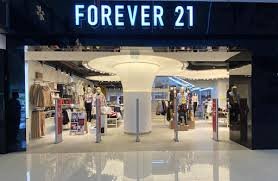
Before you can start crafting content, it’s crucial to understand who your audience is. Are you targeting eco-conscious millennials like Fabindia, or are you appealing to trendsetting Gen Z shoppers like Forever 21? Knowing your audience’s preferences, behaviors, and social media habits will help you create content that resonates and engages effectively.

Visual Storytelling: The Heart of Fashion Marketing

Fashion is inherently visual, making platforms like Instagram and Pinterest perfect for showcasing your brand. High-quality photos and videos should be the cornerstone of your content strategy. Fabindia, for instance, beautifully captures the essence of Indian culture and craftsmanship in their Instagram posts, while Forever 21 uses bold and trendy visuals to appeal to younger audiences.

Leveraging Influencers and Brand Ambassadors

Collaborating with influencers and brand ambassadors can significantly amplify your reach. Soch frequently partners with fashion influencers to showcase their latest collections, creating relatable and aspirational content. Similarly, House of Masaba leverages the star power of celebrities and fashion icons to promote their unique and vibrant designs, ensuring they reach a broad and engaged audience.


Engaging Content: From Behind-the-Scenes to User-Generated Content

Content that offers a behind-the-scenes look at your brand, such as sneak peeks of new collections, the design process, or day-in-the-life videos of your team, can create a deeper connection with your audience. Encouraging user-generated content is another powerful strategy. Hosting contests or featuring customers wearing your products can build a sense of community and loyalty.

Data-Driven Decisions: Analyzing and Adapting

Finally, a successful social media strategy is always evolving. Use analytics tools to track the performance of your posts, understand what content resonates most with your audience, and adjust your strategy accordingly. Whether it’s Fabindia’s cultural storytelling or Jacquemus’s CGI innovation, analyzing the success of different campaigns can provide valuable insights and drive continuous improvement.

Conclusion

At HavStrategy, we believe that a well-crafted social media strategy is the key to a fashion brand’s digital success. By understanding your audience, leveraging visual storytelling, collaborating with influencers, embracing innovation, and continually analyzing performance, your brand can make a significant impact in the digital landscape.

Ready to elevate your fashion brand’s social media game? Partner with HavStrategy and let’s create a strategy that not only captivates your audience but also drives real results. Together, we can make your brand a digital sensation!

Past Results For Our Fashion & Apparel Brands

luxury marketing agency dubai

Let's increase your revenue together!

Get Results For Fashion Brand In First 3 Months

Fashion & Apparel Brands Clients

Best fashion marketing agency

As Seen On

Want Us To Be The Growth Partner To Your Business?

Let's Connect

Address

B1/H3, MOHAN CO-OPERATIVE,BLOCK B, New Delhi, Delhi 110044

Contact

Copyright © 2023 HavStrategy

digital marketing agency for luxury brands
Marketing Strategy Of Nasher Miles

Marketing Strategy Of Nasher Miles

Nasher Miles, a premium luggage brand, has made a mark in the travel and lifestyle industry through its modern, durable, and stylish travel solutions. The brand has risen to prominence with a marketing strategy that focuses on product innovation, customer experience, and leveraging the power of digital platforms. Nasher Miles’ marketing approach is comprehensive, incorporating creative social media campaigns, dynamic product launches, innovative advertising strategies, and well-optimized website experiences.

This blog will provide a deep dive into Nasher Miles’ marketing strategy, highlighting key campaigns and techniques that have contributed to its success. Insights from these strategies are useful for businesses looking to enhance their marketing efforts, particularly those in the fashion industry, like a fashion marketing agency UK, a fashion marketing agency Australia, or the best fashion marketing agency.

Product Launch Strategy

Nasher Miles has been strategic in how it launches new products, consistently creating buzz and anticipation around each launch. The brand employs a multi-channel approach that ensures its products gain visibility across platforms before hitting the market.

1. Exclusive Pre-Launch Campaigns

Before launching new collections, Nasher Miles engages its audience with pre-launch campaigns that offer sneak peeks of upcoming products. These teasers are shared across social media, email newsletters, and their website, giving loyal customers early access or the opportunity to pre-order. For example, before launching their lightweight luggage series, Nasher Miles shared short videos and close-up shots of the product’s key features, enticing potential buyers with a sense of exclusivity. This pre-launch strategy drives early interest and boosts the brand’s visibility. It’s a tactic that can be effectively implemented by brands working with a fashion marketing agency UK to capture customer attention ahead of a product drop.

2. Influencer-Led Product Unveils

Nasher Miles also partners with influencers for product launches, providing them with exclusive products before their official release. These influencers then showcase the products through unboxing videos, travel vlogs, and in-depth reviews. The brand’s luggage collections have been featured by travel bloggers, social media influencers, and even celebrities, giving Nasher Miles products a high level of credibility. By using influencers as part of their product launch strategy, Nasher Miles ensures that their new products are showcased to a wide and diverse audience.

3. Limited-Edition Product Drops

To build excitement and exclusivity, Nasher Miles often introduces limited-edition product collections. These limited-time offers are heavily promoted across all digital platforms, with a countdown to the launch date. Limited edition launches give customers a sense of urgency, prompting them to make quicker purchase decisions. This strategy has proven effective in driving immediate sales, creating a sense of exclusivity around the brand. The same technique could be beneficial for fashion brands working with a best fashion marketing agency to ensure their product drops stand out.

Social Media Campaigns: Elegant and Immersive

Nasher Miles has embraced social media as one of the main tools for brand storytelling and community building. With platforms like Instagram, Facebook, and LinkedIn, the brand has created a strong narrative around travel, style, and functionality. Below are some of Nasher Miles’ most successful social media campaigns.

1. #ReadyForTheWorld Campaign

One of Nasher Miles’ standout social media campaigns was the #ReadyForTheWorld campaign. This initiative focused on inspiring people to explore the world, showcasing their travel essentials that cater to both style and practicality. Through vibrant visuals of exotic destinations and the brand’s trendy luggage collections, Nasher Miles positioned itself as an ideal travel companion for the modern traveler. The campaign encouraged followers to share their travel stories and images using Nasher Miles products, generating significant user-generated content and driving customer engagement.

2. #TravelWithNasherMiles Challenge

Another highly engaging social media initiative was the #TravelWithNasherMiles challenge, which encouraged users to post pictures of themselves traveling with Nasher Miles luggage. This campaign was driven by influencer collaborations, with influencers showcasing their Nasher Miles luggage during trips, encouraging their followers to participate. The challenge was further amplified with travel giveaways and discounts for users who shared their Nasher Miles travel moments. By focusing on community involvement, Nasher Miles turned its customers into brand advocates, a strategy that can be adopted by a fashion marketing agency Australia to foster customer loyalty.

3. #SustainableTravel Campaign

With sustainability becoming a central concern for travelers, Nasher Miles launched the #SustainableTravel campaign, promoting its eco-friendly luggage options. The campaign featured detailed posts about the brand’s commitment to sustainability, such as using recycled materials and minimizing its carbon footprint. Nasher Miles also collaborated with eco-conscious influencers and organizations, sharing tips on how to travel responsibly. This campaign helped the brand resonate with environmentally conscious consumers, positioning Nasher Miles as a forward-thinking, responsible brand.

Social media campaigns like these build brand equity by engaging with the target audience through relatable, aspirational content. These strategies are especially relevant for businesses working with a top fashion marketing agency New York, looking to develop brand awareness and customer engagement.

Creative Social Media Advertisement Strategies: Captivating and Converting

Nasher Miles’ approach to social media advertising is highly creative and designed to drive both brand awareness and conversions. The brand uses a combination of paid and organic content to reach a wider audience, using visually appealing ads that resonate with their target market.

1. Shoppable Ads for Seamless Purchases

Nasher Miles has embraced the use of shoppable ads on platforms like Instagram and Facebook. These ads feature eye-catching visuals of their products in real-world scenarios, with users able to make purchases directly from the ad. The simplicity of this “click-to-buy” process has resulted in a seamless customer journey, encouraging impulsive buys. These ads emphasize the products’ key features such as lightweight design, durability, and style, making them highly effective in driving conversions.

2. User-Generated Content as Sponsored Ads

To further enhance brand authenticity, Nasher Miles frequently converts user-generated content into sponsored ads. By leveraging organic content from real customers, the brand builds trust and fosters a sense of community. Sponsored posts that highlight real travelers using Nasher Miles products act as a social proof, which is essential for encouraging new customers to purchase. This strategy could be beneficial for a fashion marketing agency Australia, looking to increase conversions through authentic advertising methods.

3. Video Ads Showcasing Product Features

Nasher Miles uses video ads extensively to demonstrate the functionality and unique features of its products. Short, snappy video clips highlight key selling points, such as multi-directional wheels, durable zippers, and expandable storage. These ads are primarily shared on Instagram stories, YouTube, and Facebook, where they target travelers looking for stylish and practical luggage solutions. Video content is highly engaging, and when paired with effective retargeting strategies, these ads convert viewers into buyers.

Capturing the Millennial and Gen Z Market

In a market teeming with travel gear options, Nasher Miles differentiates itself by staying attuned to the preferences of Millennials and Gen Z customers. These young, vibrant consumers are drawn to the brand’s unique designs and affordable, high-quality products. Nasher Miles excels in adapting to the ever-evolving digital marketing landscape, ensuring their offerings resonate with contemporary travelers.

By continuously infusing their product line with trendy and distinctive designs, Nasher Miles meets the demands of modern consumers who seek both functionality and flair. Their focus on e-commerce and digital marketing strategies keeps them at the forefront of industry trends, making them a go-to brand for stylish, quality-conscious travelers.

Website Conversion Rate Optimization (CRO): Making Every Click Count

The Nasher Miles website plays a critical role in the brand’s marketing strategy, offering a user-friendly interface that drives sales and enhances the customer experience. Through smart Conversion Rate Optimization (CRO) techniques, Nasher Miles ensures that its website is optimized for performance and conversions.

1. Personalized Shopping Experience

One of the standout features of the Nasher Miles website is its personalized shopping experience. The website uses browsing data to recommend products based on the customer’s preferences, making it easier for them to find what they’re looking for. For example, if a customer frequently views lightweight luggage, the website will display similar products in the “recommended for you” section. This personalized experience increases the chances of conversion, as customers are more likely to purchase products that are relevant to their needs. This feature can be particularly effective for fashion brands collaborating with a top fashion marketing agency New York.

2. Streamlined Checkout Process

The checkout process on the Nasher Miles website is optimized for speed and convenience. The brand has simplified the steps required to complete a purchase, ensuring that customers can easily navigate from product selection to payment. With guest checkout options, multiple payment methods, and quick autofill features, the brand minimizes cart abandonment. A fashion brand working with the best fashion marketing agency could implement similar strategies to improve their e-commerce performance.

3. A/B Testing for Continuous Optimization

Nasher Miles regularly conducts A/B testing on various elements of its website, including CTAs, product page layouts, and promotional banners. This testing allows the brand to identify what works best for its audience, making data-driven decisions that result in higher engagement and conversion rates. For instance, the brand may test different product images or descriptions to see which version leads to more clicks and purchases. A fashion marketing agency UK can apply similar A/B testing techniques to optimize website performance and improve the overall user experience.

Nasher Miles’ marketing strategy is a comprehensive mix of social media engagement, innovative product launches, creative advertisements, and website optimization. By focusing on delivering value to its customers through high-quality products and seamless shopping experiences, Nasher Miles has successfully established itself as a trusted brand in the travel and lifestyle industry.

For brands looking to build a strong presence in the fashion industry, Nasher Miles offers valuable lessons in how to use digital platforms, influencer partnerships, and data-driven optimization to grow. A fashion marketing agency UK, fashion marketing agency Australia, or top fashion marketing agency New York can take inspiration from Nasher Miles’ approach to drive awareness, engagement, and conversions in the fashion sector. From engaging social media campaigns to effective product launches, Nasher Miles has crafted a marketing strategy that delivers results.

Client Testimonials

What Clients Say About Us

"HavStrategy has consistently delivered the marketing results. We were over-the-top impressed with the amount of skills, creativity and knowledge across every discipline on the team."

Jia Founder of Endora Scented Candles

"We really appreciated how researched and data-driven their strategies and ad campaigns are. We were eager to continue working with HavStrategy because they understand what we're trying to do and challenges from the first call.."

Saksham Co-founder of Apparel Brand

"HavStrategy has proven to be a reliable partner by achieving our marketing goals in just 3 months that we were trying to hit from past 9 months. The excitement and knowledge about our goals showed their true commitment from beginning to end."

David Marketing Manager

Wood So Good: 3X ROAS In First Month

Juanella: 20 Leads In First Month

Diam Beauty: 8.5X ROAS In Second Month

Want Us To Be The Growth Partner To Your Business?

Fashion Marketing Case Study

Let's Connect

Address

B1/H3, MOHAN CO-OPERATIVE,BLOCK B, New Delhi, Delhi 110044

Contact

Copyright © 2023 HavStrategy

jewellery marketing agency
Marketing Strategy Of JewelBox

Discovering JewelBox: Where Science and Art Create Sustainable Elegance​

At HavStrategy, we’re always on the lookout for brands that beautifully blend innovation with artistry. Today, we’re excited to spotlight JewelBox, a trailblazing company transforming the jewellery industry with their exquisite lab-grown diamonds. Let’s dive into the world of JewelBox, where the magic of science meets the art of jewellery, and discover how they are crafting a brighter, more sustainable future.

JewelBox: Revolutionizing the Jewellery Industry

Welcome to JewelBox, where every piece of jewellery tells a story of innovation, responsibility, and sustainability. Unlike traditional diamond jewellery, which often carries significant environmental and ethical concerns, JewelBox’s lab-grown diamonds capture the beauty of nature using cutting-edge technology. The result is stunning jewellery that is physically, chemically, and optically identical to natural diamonds, but with a much smaller environmental footprint.

The JewelBox Difference: Beauty, Ethics, and Sustainability

JewelBox isn’t just about creating beautiful jewellery; it’s about making a positive impact. When you choose JewelBox, you’re investing in more than a piece of jewellery – you’re supporting a movement that values ethics and sustainability. Lab-grown diamonds are a beacon of hope for a more sustainable tomorrow, offering the same brilliance and elegance as mined diamonds without the associated environmental and ethical costs.

By opting for lab-grown diamonds, you’re helping to prevent the environmental damage caused by traditional diamond mining. This commitment to sustainability is at the heart of JewelBox’s mission, making their jewellery a symbol of love, commitment, and hope for the future.

Understanding Lab-Grown Diamonds: Innovation at Its Finest

Lab-grown diamonds, also known as man-made diamonds, are created using advanced reactors that mimic the natural conditions under which diamonds form in the Earth. This innovative process results in diamonds that are indistinguishable from their natural counterparts in every way – physically, chemically, and optically.

Think of lab-grown diamonds as the test tube babies of the gem world: while their formation process differs, the end product is identical to naturally formed diamonds. The major advantage? Lab-grown diamonds are much more environmentally friendly and sustainable, offering a guilt-free way to enjoy the beauty of diamonds.


A Minimalist and Engaging Social Media Presence

JewelBox’s social media strategy is as polished as their diamonds. Their product-centric approach, complemented by messages from the founders, creates a minimal yet aesthetically pleasing vibe. This strategy not only showcases the beauty of their jewellery but also communicates their commitment to sustainability and ethical practices.

JewelBox Shines on Shark Tank India

In a market where natural diamonds have long been seen as the pinnacle of elegance, JewelBox’s lab-grown diamonds are a fresh and dazzling contender. Their innovative approach left the judges on “Shark Tank India 3” stunned, highlighting the brand’s potential to reshape the luxury jewellery landscape.

Let's Connect

Address

B1/H3, MOHAN CO-OPERATIVE,BLOCK B, New Delhi, Delhi 110044

Contact

Copyright © 2023 HavStrategy